


Why Raw Honey Is Safe for Your Dog: Benefits, Usage, and Organic Quality

Raw honey is a natural sweetener that offers numerous health benefits for dogs, making it a popular choice among pet owners. This article explores why raw honey is safe for dogs, detailing its benefits, recommended usage, and the importance of choosing high-quality organic honey. Many dog owners seek natural remedies to enhance their pets' health, and raw honey provides a safe and effective option. By understanding the benefits and proper usage of raw honey, pet owners can make informed decisions about incorporating this sweet treat into their dogs' diets. We will cover the benefits of raw honey, how to use it safely, and what to look for when selecting the best honey for your furry friend.
Benefits of Raw Honey for Dogs
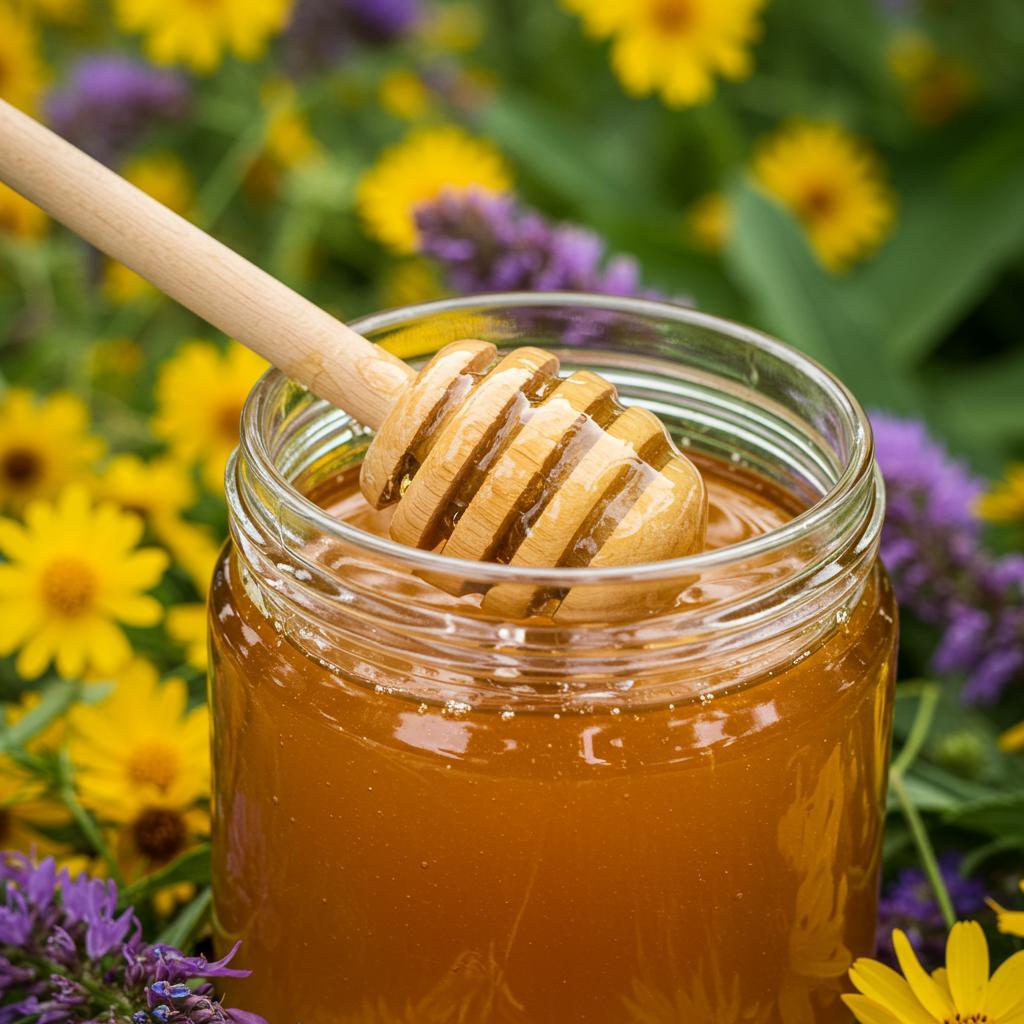
Raw honey offers several health benefits for dogs, making it a valuable addition to their diet.
- Boosts Immune System: Raw honey contains antioxidants that help strengthen the immune system, protecting dogs from various illnesses.
- Soothes Allergies: The local pollen in raw honey can help desensitize dogs to allergens, reducing allergy symptoms over time.
- Aids Digestion: Raw honey acts as a prebiotic, promoting healthy gut bacteria and improving digestion.
Beyond these general benefits, specific types of raw honey, like Manuka honey, have been studied for their targeted effects on conditions such as canine skin fold dermatitis.
Manuka Honey for Canine Skin Fold Dermatitis
Intertrigo is a skin fold dermatitis often requiring recurrent treatment with topical antiseptics or antibiotics, which can select antimicrobial resistance. To minimize this risk, we tested the effectiveness of medical-grade Manuka honey at treating intertrigo as compared to a placebo hydrogel. We additionally characterized the culturable microbial flora of intertrigo and recorded any adverse effect with either treatment. During this randomized, placebo-controlled, double-blinded, adaptive group-sequential trial, the owners washed the affected sites on their dog with water, dried and applied a thin film of either the honey or the placebo product once daily for 21 days.
Medical honey for canine nasal intertrigo: A randomized, blinded, placebo-controlled, adaptive clinical trial to support antimicrobial stewardship in veterinary …, JRE Del Castillo, 2020
Hucklebee Farms, an organic farm dedicated to sustainable practices, provides high-quality raw honey that can enhance your dog's health.
Recommended Usage
When introducing raw honey into your dog's diet, it's essential to follow some guidelines to ensure safety and effectiveness.
- Starting Amount: Begin with a small amount, such as half a teaspoon for small dogs and one teaspoon for larger breeds.
- Mixing with Food: Incorporate honey into your dog's food or offer it directly as a treat to make it more appealing.
- Frequency of Use: Raw honey can be given daily, but moderation is key to avoid excessive sugar intake.
Considerations for Choosing Quality Honey
Selecting the right honey is crucial for maximizing its benefits for your dog. Here are some tips to consider:
- Organic and Unprocessed: Choose raw honey that is organic and unprocessed to ensure it retains its natural nutrients and enzymes.
- Labeling Considerations: Look for honey that is labeled as "raw" to confirm it has not been heated or filtered, which can diminish its health benefits.
Precautions
While raw honey is generally safe for dogs, there are some precautions to keep in mind.
- Consult Your Veterinarian: Always check with your vet before introducing new foods, especially if your dog has underlying health issues.
- Monitor for Reactions: Watch for any adverse reactions when first introducing honey, such as digestive upset or allergic responses.
- Avoid for Certain Dogs: Dogs with diabetes or those who are overweight should avoid honey due to its high sugar content.
What Are the Health Benefits of Raw Honey for Dogs?
Raw honey is packed with nutrients that can significantly benefit your dog's health. It contains vitamins, minerals, and enzymes that contribute to overall well-being.
- Nutritional Content: Raw honey is rich in vitamins B and C, as well as minerals like calcium and magnesium, which support various bodily functions.
- Potential Risks: While honey is safe for most dogs, it should not be given to puppies under one year old due to the risk of botulism.
How Does Raw Honey Support Dog Allergies and Immunity?
Raw honey can be particularly beneficial for dogs suffering from allergies.
- Desensitization Process: By consuming local raw honey, dogs can gradually build immunity to local pollen, reducing allergy symptoms.
- Antioxidant Properties: The antioxidants in raw honey help combat oxidative stress, further supporting the immune system.
Research further elaborates on the nature of canine pollen allergies and how they manifest, often differing from human symptoms.
Canine Pollen Allergies & Atopic Dermatitis
Dogs, cats and horses may spontaneously and to different extents develop immediate type symptoms to pollen allergens. The skin, nasal and bronchial reactions, as well as chronic skin lesions due to pollen are in principle comparable to human patients. Pollen of various species most often causes allergic rhinitis in human patients, whereas in dogs it elicits predominantly eczematous lesions (canine atopic dermatitis), in horses recurrent airway obstruction or hives as well as pruritic dermatitis, and in cats bronchial asthma and so-called cutaneous reactive patterns (eosinophilic granuloma complex, head and neck pruritus, symmetric self-induced alopecia).
Pollen allergies in humans and their dogs, cats and horses: differences and similarities, E Jensen-Jarolim, 2015
What Nutrients and Natural Properties Make Raw Honey Beneficial for Pets?
- Immune Support: The antioxidants and vitamins in raw honey help bolster the immune system, making it more resilient against infections.
- Digestive Health: Raw honey's prebiotic properties promote a healthy gut microbiome, aiding in digestion and nutrient absorption.
How Can You Safely Feed Raw Honey to Your Dog?
To ensure your dog enjoys the benefits of raw honey safely, follow these guidelines:
- Recommended Amounts: Stick to the suggested serving sizes based on your dog's weight.
- How to Introduce: Start with small amounts and gradually increase as your dog adjusts.
- Frequency of Use: Daily use is acceptable, but always monitor your dog's overall sugar intake.
What Is the Recommended Daily Honey Dosage for Dogs?
The appropriate dosage of raw honey varies based on your dog's size:
- Small Dogs: Up to half a teaspoon daily.
- Medium Dogs: One teaspoon daily.
- Large Dogs: One to two teaspoons daily.
Which Safety Guidelines Should Owners Follow When Giving Honey to Dogs?

When giving honey to your dog, adhere to these safety guidelines:
- Start with Small Amounts: Introduce honey gradually to monitor for any adverse reactions.
- Consult Your Veterinarian: Always seek professional advice, especially for dogs with health concerns.
- Monitor for Adverse Reactions: Keep an eye on your dog for any signs of discomfort or allergies.
Why Choose Organic Raw Honey from Sustainable Farms for Your Dog?
Opting for organic raw honey from sustainable farms ensures that your dog receives the highest quality product.
- Nutrient-Rich: Organic honey retains more nutrients and beneficial properties compared to processed varieties.
- Sourcing Practices: Sustainable farming practices protect the environment and promote biodiversity, contributing to healthier ecosystems.
How Does Organic Certification Ensure Honey Quality and Safety?
Organic certification is crucial for ensuring the quality and safety of honey.
- Production Without Harmful Chemicals: Organic honey is produced without synthetic pesticides or fertilizers, making it safer for your dog.
- Health Benefits of Organic Honey: The absence of harmful chemicals means that organic honey retains its natural health benefits.
What Are the Environmental Benefits of Sustainable Honey Farming Practices?
Sustainable honey farming practices have significant environmental benefits.
- Pollinator Protection: Sustainable practices help protect bee populations, which are essential for pollination and biodiversity.
- Biodiversity Support: By promoting diverse ecosystems, sustainable honey farming contributes to a healthier environment.
What Common Questions Do Pet Owners Have About Raw Honey and Dog Health?
Pet owners often have questions regarding the safety and benefits of raw honey for their dogs.
- Is honey safe for dogs?: Yes, raw honey is safe for most dogs when given in moderation.
- How much honey can dogs eat?: The recommended amount varies by size, but generally, small dogs can have up to half a teaspoon daily.
Is Raw Honey Safe for Dogs with Allergies or Sensitive Stomachs?
Raw honey can be safe for dogs with allergies, but caution is advised.
- Starting with Small Amounts: Introduce honey gradually to monitor for any adverse reactions.
- Consulting a Veterinarian: Always check with your vet before introducing honey, especially for dogs with sensitive stomachs.
Can Dogs Eat Honey Daily Without Health Risks?
Yes, dogs can eat honey daily, but moderation is key.
- Moderation is Key: Ensure that honey is part of a balanced diet and does not exceed recommended sugar intake.
- Consulting a Veterinarian: Regular check-ups can help ensure your dog's health remains optimal while consuming honey.
Veterinarian Insights on Raw Honey for Dogs
Veterinarians recognize raw honey as a natural supplement that can offer health benefits when used appropriately. It is important to remember that while raw honey can support immune function and soothe minor allergies, it should never replace professional veterinary care for serious health conditions.
Experts advise pet owners to:
- Consult their veterinarian before adding raw honey to their dog's diet, especially if the dog has pre-existing health issues such as diabetes or obesity.
- Use raw honey as a complementary treatment rather than a primary therapy for medical conditions.
- Monitor their dog closely for any adverse reactions, particularly when introducing honey for the first time.
- Ensure the honey is pure, organic, and free from additives to avoid potential contaminants.
Veterinarians also emphasize that puppies under one year old should not be given honey due to the risk of botulism, and that owners should always prioritize balanced nutrition and regular veterinary check-ups to maintain their dog's overall health.
Frequently Asked Questions
Can raw honey help with my dog's skin conditions?
Yes, raw honey, particularly Manuka honey, can be beneficial for dogs with skin conditions such as dermatitis. Its natural antibacterial and anti-inflammatory properties can help soothe irritated skin and promote healing. Applying a thin layer of medical-grade Manuka honey to affected areas may reduce symptoms and support recovery. However, it's essential to consult your veterinarian for proper diagnosis and treatment recommendations tailored to your dog's specific condition.
What should I do if my dog has an adverse reaction to honey?
If your dog shows signs of an adverse reaction after consuming raw honey, such as vomiting, diarrhea, or signs of an allergic reaction like itching or swelling, discontinue use immediately. Monitor your dog closely and consult your veterinarian for guidance. They can provide advice on managing the reaction and whether further treatment is necessary. Always introduce new foods gradually to minimize the risk of adverse effects.
Is there a difference between raw honey and processed honey for dogs?
Yes, there is a significant difference between raw honey and processed honey. Raw honey is unheated and unfiltered, retaining its natural enzymes, antioxidants, and nutrients, which are beneficial for dogs. In contrast, processed honey often undergoes heating and filtering, which can strip away these valuable properties. For optimal health benefits, it's best to choose organic raw honey that is free from additives and retains its natural qualities.
How can I tell if the honey I buy is truly organic?
To ensure the honey you purchase is genuinely organic, look for certification labels from recognized organic certifying bodies. These labels indicate that the honey has been produced without synthetic pesticides, herbicides, or fertilizers. Additionally, check the ingredient list; it should contain only honey without any additives. Purchasing from reputable brands or local organic farms can also help ensure the quality and authenticity of the honey.
Can raw honey be used as a natural remedy for dog allergies?
Yes, raw honey can serve as a natural remedy for dog allergies, particularly those related to pollen. By consuming local raw honey, dogs may gradually build immunity to local allergens, potentially reducing allergy symptoms over time. The local pollen in the honey acts as a natural desensitizing agent. However, it's important to consult your veterinarian before using honey as a treatment, especially if your dog has severe allergies or other health concerns.
What are the signs that my dog is allergic to honey?
Signs that your dog may be allergic to honey can include gastrointestinal upset, such as vomiting or diarrhea, as well as skin reactions like itching, redness, or swelling. If you notice any of these symptoms after introducing honey into your dog's diet, it's crucial to stop giving it and consult your veterinarian. They can help determine if the symptoms are indeed related to honey or if there may be another underlying issue.
Are there any specific breeds that should avoid honey?
While most dogs can safely consume raw honey, certain breeds with specific health issues, such as diabetes or obesity, should avoid it due to its high sugar content. Additionally, puppies under one year old should not be given honey due to the risk of botulism. Always consult your veterinarian before introducing honey to your dog's diet, especially if your dog has pre-existing health conditions or belongs to a breed prone to sugar-related issues.
Conclusion
Incorporating raw honey into your dog's diet can provide numerous health benefits, including immune support and allergy relief. By choosing high-quality, organic honey, pet owners can ensure their furry friends receive the best nutrition possible. Always consult with your veterinarian to tailor the introduction of honey to your dog's specific needs. Discover our selection of premium organic raw honey today to enhance your pet's well-being.
Author - Jim Douglas - Founder Huckle Bee Farms
For Jim Douglas, beekeeping is more than a craft—it’s a commitment to purity and the environment. After an honorable career in the U.S. Army and a tenure as a COO for the Boy Scouts of America, Jim sought a way to combine his leadership experience with his love for the outdoors.
In 2012, he founded Huckle Bee Farms with a simple mission: to take honey back to its raw, unadulterated roots. Jim’s expertise lies in the delicate balance of infusing raw honey with organic ingredients without compromising its natural medicinal properties. His "small-batch" philosophy ensures that every jar meets the highest standards of quality and transparency. Today, Jim continues to lead Huckle Bee Farms with the same integrity he practiced in uniform, ensuring that every drop of honey supports both the health of the consumer and the survival of the honeybee.
His mission is simple: to make life a little sweeter—naturally.
Key Takeaways on the Benefits and Usage of Raw Honey for Dogs
This list summarizes the essential points regarding the health benefits, recommended usage, and safety considerations of raw honey for dogs, helping pet owners make informed decisions.
- Health Benefits: Raw honey boosts the immune system, aids digestion, and can soothe allergies, making it a valuable addition to your dog's diet.
- Recommended Dosage: Start with small amounts—half a teaspoon for small dogs and one teaspoon for larger breeds—to safely introduce honey into their diet.
- Quality Selection: Choose organic and unprocessed raw honey to ensure it retains its natural nutrients and health benefits.
- Consultation with Veterinarian: Always check with your vet before introducing honey, especially for dogs with health issues or those prone to allergies.
- Monitoring Reactions: Observe your dog for any adverse reactions when first introducing honey, such as digestive upset or allergic responses.
- Daily Use Guidelines: While honey can be given daily, moderation is key to avoid excessive sugar intake, ensuring it fits within a balanced diet.
- Organic Certification Importance: Organic honey is produced without harmful chemicals, ensuring safety and retaining its natural health benefits for your dog.
- Sustainable Sourcing Benefits: Choosing honey from sustainable farms supports environmental health and protects bee populations, which are vital for biodiversity.


