Discover If Honey is Safe for Dogs: Precautions to Consider
🐾 Is Honey Safe for Dogs? Serving Sizes, Benefits, and Precautions
Honey can be safe for dogs in small amounts, offering natural energy and antioxidants—but only when serving size, age, and health conditions are carefully considered.
Is honey safe for dogs?
Yes — in the right amount, honey can be safe and beneficial for dogs. Raw honey provides natural energy, supports digestion, and may help with seasonal allergies when served in proper, dog-safe portions. This guide explains exact serving sizes by dog size, key health benefits, and when honey should be avoided—so pet parents can use it confidently and responsibly.
- Digestive Support: Contains natural prebiotics and enzymes that help maintain a healthy gut flora and aid in smooth digestion.
- Energy & Vitality: Provides a quick, natural source of carbohydrates and antioxidants to help dogs recover after exercise or play.
- Immune Defense: Rich in phenolic compounds and flavonoids that support a dog's natural defense system against environmental stressors.
- Wound Care: Can be used topically for its antimicrobial properties to help soothe minor skin irritations or hotspots.
- Weight-Based Dosing: Specifically formulated to be fed in controlled amounts based on your dog's size to ensure safe calorie intake.
Table of contents
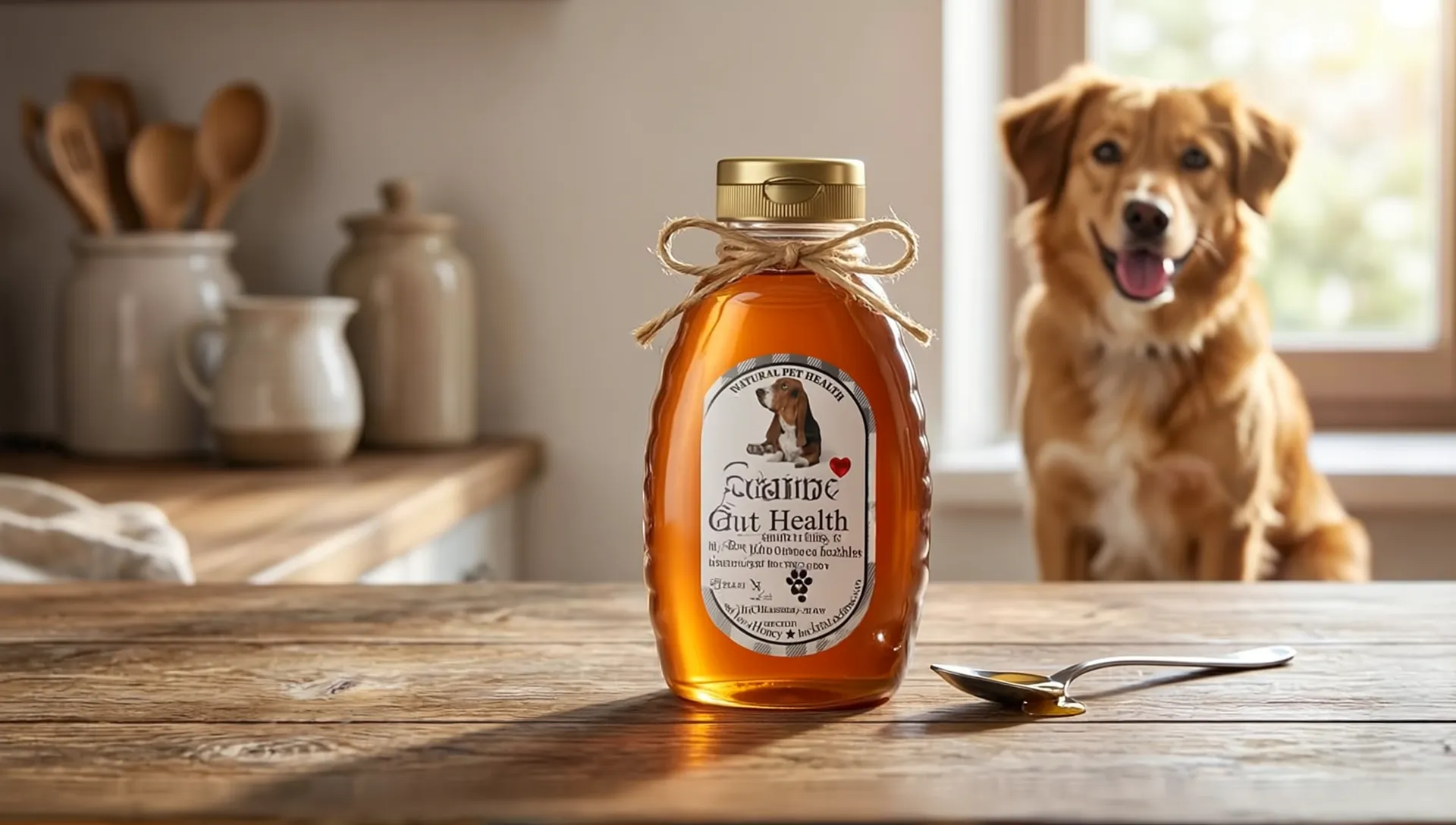
Sharing a tiny lick of honey with your dog feels like a simple, joyful moment — but it’s one where a little knowledge goes a long way. Honey, plus bee products like royal jelly and pollen, often lands in the “maybe” pile for pet parents: it’s natural, it smells wonderful, and you’ll hear plenty of claims about its antimicrobial qualities and health perks.
💡 Did You Know?
Honey has been used for centuries in various cultures, not just as a sweetener, but also for its perceived medicinal properties. While fascinating, remember that human uses don't always translate directly to pet safety!
Good news first: honey (and propolis) is not inherently toxic to dogs. Many healthy adult dogs tolerate an occasional small amount just fine. The important qualifiers are healthy, adult, and small portion. Vets consistently recommend treating honey as an occasional treat — not a daily supplement and never a substitute for veterinary care. Sources like PetMD and the AKC remind readers that raw honey is a no-go for puppies under one year and for dogs with weakened immune systems, and that dogs with diabetes need extra caution.
The quick safety answer: yes, but not for every dog
If your dog is a healthy adult with no metabolic or immune issues, a tiny taste of honey given sparingly is generally safe according to mainstream veterinary guidance. That covers the most common questions: is honey safe for dogs, is honey good for dogs, and what benefits — if any — should we expect? (PetMD, AKC).
📝 Quick Vet Insight:
While honey isn't toxic, its high sugar content means it's best viewed as a rare, special treat rather than a health supplement. Always prioritize your dog's balanced diet and veterinary advice.
One clear reality to keep in mind: honey is mostly natural sugars.
That doesn’t make it “bad,” but it does mean portion control matters more than the pretty label on the jar.
Veterinarians generally agree that honey is safe for most healthy adult dogs when given occasionally and in very small amounts. Dogs with diabetes, compromised immune systems, or puppies under one year old should avoid honey unless advised by a vet.
Raw honey vs pasteurized honey: what changes for dogs?
The main safety difference is the risk of botulism spores. Raw (unpasteurized) honey can contain Clostridium botulinum spores. Adult dogs usually tolerate low-level exposure better than puppies, but vets advise avoiding raw honey for puppies and immunocompromised dogs (PetMD, AKC). This is largely because puppies have undeveloped immune systems and gut flora, making them more susceptible to the toxins produced by Clostridium botulinum spores.
Pasteurized honey reduces that spore concern but can lose some naturally occurring enzymes and pollen. Before you offer honey to a dog — or consider beeswax or other bee products — decide what you want from it:
- For a simple sweet treat: pasteurized honey is often the lower-risk choice.
- For a minimally processed, raw-ingredient treat in a healthy adult dog: raw honey might be your pick — but use tiny amounts and the right dog.
If your dog is under one year old, the safest move is simple: skip honey, especially raw (PetMD).

How Much Honey Can Dogs Have? (Safe Serving Sizes by Weight)
Honey packs pollen and calories into a small spoonful, so the safe dose is smaller than most people assume. Its concentrated sugar content means even a small amount contributes significantly to daily caloric intake, making precise portion control essential. Many pet experts ask, how much honey can dogs have? PetMD suggests a size-based guideline for single treats, given once or twice a week (PetMD).
| Dog Weight | Honey per Treat | Frequency |
|---|---|---|
| Extra-small (2 to 10 lb) | ~1/8 tsp | 1 to 2 times per week |
| Small (11 to 20 lb) | 1/4 tsp | 1 to 2 times per week |
| Medium (21 to 50 lb) | 1/2 to 1 tsp | 1 to 2 times per week |
| Large (51 to 90 lb) | 2 tsp | 1 to 2 times per week |
| Extra-large (over 90 lb) | 1 tbsp | 1 time per week |
Before Giving Honey to Your Dog, Check This:
-
✔ Adult dog (not a puppy)
-
✔ No diabetes or blood sugar issues
-
✔ Given as an occasional treat, not daily
-
✔ Raw or minimally processed honey
-
✖ Skip if immune-compromised or overweight
PetMD also points out that treats — honey included — should make up roughly 10% or less of a dog’s daily calories (PetMD). That’s especially important for small breeds, where a “just one lick” moment can add up fast.
K9 Honey Dosage Finder
What benefits do people hope for, and what does evidence support?
Honey does contain trace vitamins, minerals and antioxidants, and lab and clinical studies show antibacterial and anti-inflammatory activity — particularly for topical (wound) uses (PetMD, NIH/PMC review). Calling honey a daily supplement for dogs overstates the case; think of it as an interesting ingredient rather than medicine.
Beyond the Buzz: Unpacking Honey's Potential
Honey is often lauded for its natural compounds, including flavonoids and phenolic acids, which contribute to its antioxidant profile. People often associate these with a range of health benefits, from boosting immunity to fighting inflammation. While these properties are observed in laboratory settings and for topical applications, the amount of honey a dog can safely consume orally is so small that significant systemic benefits are unlikely to be achieved through diet alone. It's more about the 'feel-good' factor and a tiny treat than a therapeutic dose.
Dog owners commonly try honey for seasonal allergies, cough support and digestion because it can contain small amounts of pollen. The AKC cautions that the allergy angle is not proven and may not help most dogs (AKC). Honey can soothe a throat by coating it and can aid minor wound healing in some cases — which is why it shows up in home-care tips — but that’s different from treating an underlying condition.
One important nuance: much of the stronger evidence for honey in veterinary care focuses on wound care and topical use rather than dietary benefits. Results depend on the product, the wound, and the protocol (NIH/PMC review, PMC incision study). Feeding honey for health claims is a much gentler, less certain proposition than using medical-grade honey under vet supervision.
Dr. Sarah Miller, DVM
Specialist in Integrative Canine Nutrition
When honey is a bad idea (or needs a vet’s green light)
A little honey can still be the wrong choice for the wrong dog. Extra sugar can worsen conditions, and raw honey carries added risk for vulnerable pets.
Before you offer honey, run through this quick 'dog honey safety' checklist.
⚠ Absolute No-Go Zones for Honey:
- Puppies under 1 year: High botulism risk due to undeveloped immune systems.
- Diabetic dogs: Dangerous blood sugar spikes are a serious concern.
- Immunocompromised dogs: Increased risk from raw honey spores and potential for infection.
- Dogs with obesity or pancreatitis history: Extra sugar and calories can exacerbate these conditions.
When in doubt, always consult your veterinarian!
If your dog is on a prescription diet or medicine, treat honey like any new food: check with the veterinarian who knows your dog’s history.
The most common side effects: what to watch for
When honey causes problems, it’s usually mild — more of a stomach complaint than a severe reaction.
PetMD lists sugar-overload signs such as decreased appetite, tiredness, diarrhea, constipation and vomiting (PetMD). If you notice any of those signs after giving honey, stop offering it and call your vet if symptoms persist or worsen.
Also remember dental health: sticky sugars cling to teeth and can increase plaque. If honey becomes a recurring treat, step up brushing and consider dental chews.

How to serve honey to a dog without making it a “thing”
Treat honey as a micro-treat — a lick, not a topping. Keep portions tiny and occasional.
Creative, Low-Risk Ways to Offer Honey:
- On the tip of a spoon: The simplest way to offer a quick, controlled lick.
- Stirred into a small amount of plain yogurt: Ensure it's unsweetened and your dog tolerates dairy. A great way to hide a tiny bit.
- Frozen into a tiny portion on a lick mat or Kong: Extends the treat time and provides mental stimulation.
- Dabbed on a training treat: Enhances the appeal of a high-value reward during training sessions.
- Mixed with a tiny bit of xylitol-free peanut butter: A classic combo for many dogs, but always double-check ingredients!
- As a special 'frosting' on a dog biscuit: A very thin layer for a celebratory treat.
If your dog has never had honey, start smaller than the table amounts and wait 24 hours to watch for any stomach or energy changes.

A simple 5-step approach
Start slow, keep it plain, and stay steady — boring is a compliment in pet nutrition.
- Confirm your dog is an adult and generally healthy, with no diabetes or weight restrictions (AKC, Purina).
- Choose a plain honey with no added sweeteners and absolutely no xylitol, which is toxic to dogs.
- Offer a tiny starter amount (smaller than the suggested serving).
- Watch for stomach upset or unusual tiredness for 24 hours (PetMD).
- Keep it occasional, and keep all treats near that 10% daily calorie guideline (PetMD).

A note on “K9 honey” blends and marketing claims
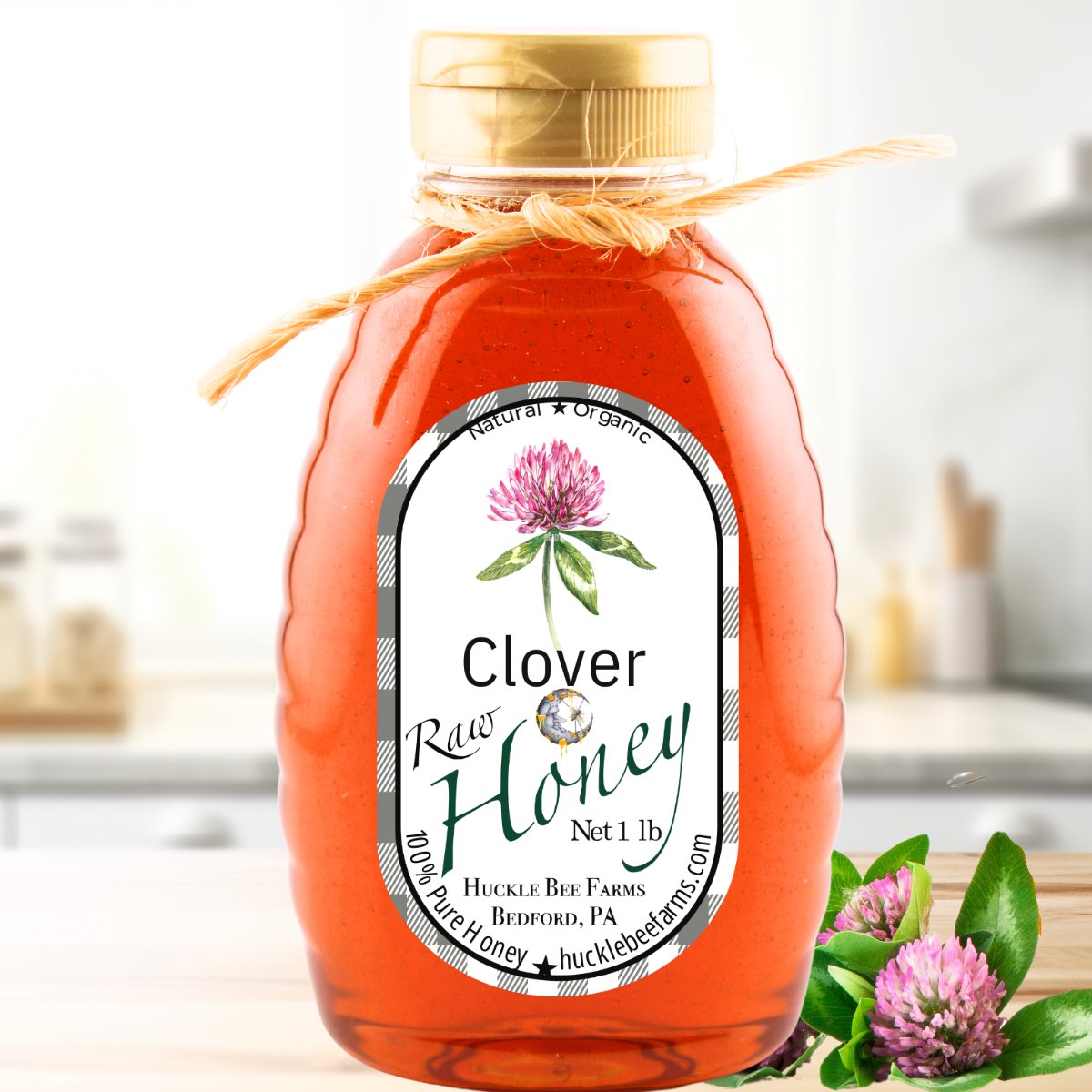
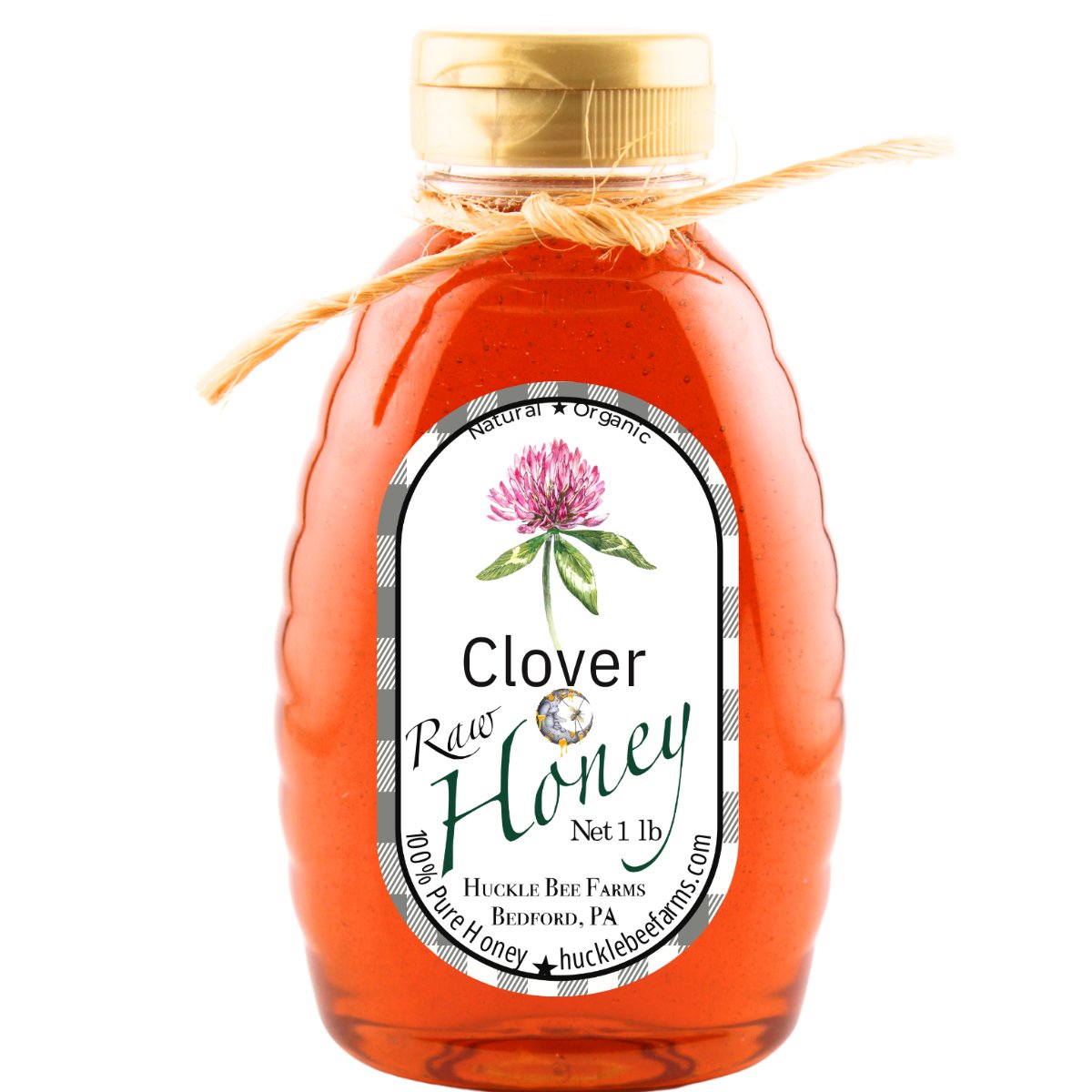
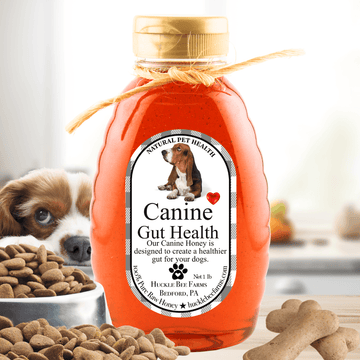
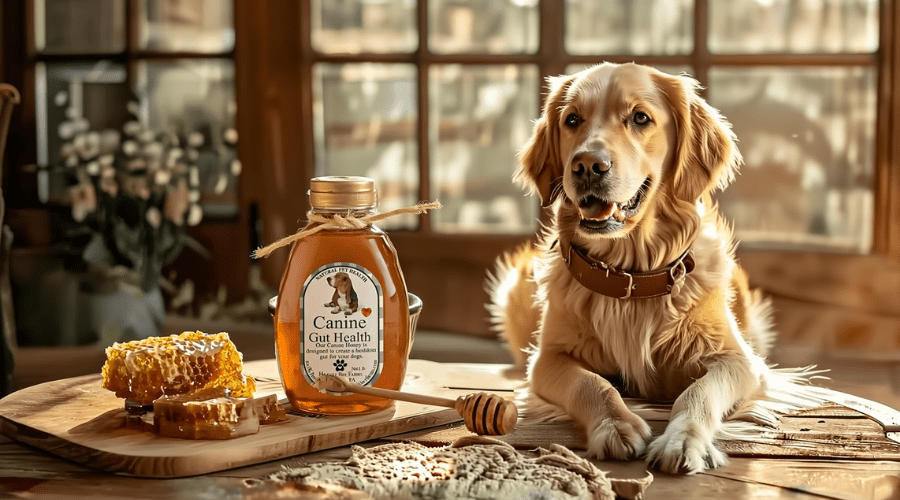
You’ll see dog-specific honey products promising immune, digestion, allergy or energy support. Huckle Bee Farms’ own “K9 Honey” line is blended with wildflower and buckwheat honeys and includes guidance about allergy support, digestion and cough soothing — plus the usual reminder to consult your vet (Huckle Bee Farms K9 Honey page, Canine honey product listing). Their recommendation to avoid feeding puppies under one year matches mainstream veterinary advice (PetMD).
Marketing can sound persuasive, so treat benefit claims as promotional until your veterinarian confirms they’re appropriate for your dog — especially if your dog has allergies, GI issues, or takes medication.
Note: serving suggestions vary by source. When in doubt, start with the smaller, conservative, veterinary-style guideline.
Topical honey is a different conversation than feeding honey
People often ask about honey for hot spots, scrapes, wounds and irritated skin. Research into honey and animals frequently centers on wound healing, and medical-grade honey is sometimes used in veterinary care (PetMD, NIH/PMC review). Outcomes depend on the wound, the dressing and the product; one study even found manuka honey less effective than a modern commercial dressing after surgery (PMC incision study).
If your dog has an open wound, ask your veterinarian before applying anything sticky — dogs lick, and licking can delay healing or introduce bacteria.
When to call your vet after honey
Most honey incidents are mild and clear up on their own, but some signs mean you should seek veterinary advice quickly.
Call your vet if your dog has repeated vomiting or diarrhea, extreme lethargy, swelling or hives, trouble breathing, if honey was given to a puppy, or if your dog is diabetic or immunocompromised and you’re worried about exposure (PetMD, AKC).
If you’re hoping honey will treat a specific issue — like a cough or seasonal allergies — your vet can recommend safer, targeted options that address the cause, not just the symptom (easing).


Frequently Asked Questions
Can honey help with my dog's allergies?
Many pet owners try honey for seasonal allergies because it contains tiny amounts of local pollen. The evidence is inconclusive: it might help some dogs, but it’s far from guaranteed. The AKC advises that honey should not be relied on as a proven allergy treatment — ask your veterinarian for tailored guidance (AKC).
Is honey safe for dogs with diabetes?
No. Honey’s high sugar content can cause dangerous changes in blood glucose. If your dog has diabetes or another metabolic condition, avoid honey and follow your vet’s diet recommendations.
What should I do if my dog has an adverse reaction to honey?
If your dog develops vomiting, diarrhea, lethargy, swelling or any worrying signs after eating honey
Can I use honey as a natural remedy for my dog's cough?
Honey can soothe a throat and may provide short-term relief for a minor cough, but it is not a cure. Persistent coughing should be evaluated by a vet to find and treat the underlying cause. Use honey sparingly and only as a short-term, occasional aid.
How can I tell if my dog is allergic to honey?
Signs of an allergic reaction can include itching, hives, swelling, or digestive upset. If you suspect an allergy, stop giving honey and monitor your dog. For severe reactions like difficulty breathing or facial swelling, seek immediate veterinary care.
Are there any alternatives to honey for dogs?
Yes. Safe, naturally sweet alternatives include plain pumpkin puree, unsweetened applesauce, or mashed banana. Always confirm an ingredient is suitable for your dog’s specific health needs and check with your vet before introducing new foods.
Can I give honey to my dog if they are on medication?
Talk to your veterinarian first. Some medications and medical conditions may be affected by added sugars or specific ingredients. Your vet can advise whether honey is safe alongside your dog’s medications.
Does the type of honey (e.g., Manuka, local) matter for dogs?
While different types of honey, like Manuka or local wildflower honey, are often marketed with specific health benefits for humans, these distinctions are less critical for dogs, especially given the tiny amounts they can safely consume. The primary concerns remain the sugar content and the presence of botulism spores in raw honey. For dietary purposes, any pasteurized, plain honey without additives is generally considered the safest option. For specific therapeutic uses (like wound care), medical-grade honey, often Manuka, is used under strict veterinary guidance, which is a different context entirely.
🐶 Prioritize Your Pet's Health!
Every dog is unique. Before introducing any new food, including honey, a quick chat with your veterinarian can ensure it's the right choice for your furry friend's specific health needs.
Conclusion
Honey can be a pleasant, occasional treat for many healthy adult dogs, but it’s not right for every pet. Puppies, diabetic dogs, and immunocompromised animals should avoid it. When in doubt, check with your vet and keep servings tiny and infrequent. With a careful, conservative approach, honey can be a harmless little reward — not a daily habit. Always remember that your veterinarian is your best resource for personalized advice on your dog's diet and health.

Author - Jim Douglas - Founder Huckle Bee Farms
For Jim Douglas, beekeeping is more than a craft—it’s a commitment to purity and the environment. After an honorable career in the U.S. Army and a tenure as a COO for the Boy Scouts of America, Jim sought a way to combine his leadership experience with his love for the outdoors.
In 2012, he founded Huckle Bee Farms with a simple mission: to take honey back to its raw, unadulterated roots. Jim’s expertise lies in the delicate balance of infusing raw honey with organic ingredients without compromising its natural medicinal properties. His "small-batch" philosophy ensures that every jar meets the highest standards of quality and transparency. Today, Jim continues to lead Huckle Bee Farms with the same integrity he practiced in uniform, ensuring that every drop of honey supports both the health of the consumer and the survival of the honeybee.
His mission is simple: to make life a little sweeter—naturally.
Key Takeaways on Honey Safety for Dogs
Quick facts to help you decide whether to share honey with your dog.
- Moderation is Key – Healthy adult dogs can enjoy tiny amounts of honey occasionally; it shouldn’t be a daily treat.
- Avoid Raw Honey for Puppies – Puppies under one year should not receive raw honey because of botulism spore risk.
- Consider Health Conditions – Dogs with diabetes or weakened immune systems should avoid honey due to sugar and potential risks.
- Watch for Side Effects – Look for decreased appetite, diarrhea, or vomiting after honey; contact your vet if symptoms continue.
- Use as a Micro-Treat – Offer honey in very small doses (spoon-tip amounts or mixed into a tiny portion of yogurt) to keep calories and sugar low.
- Consult Your Veterinarian – Always check with your vet before introducing honey, especially if your dog is on medication or has health issues.
- Topical vs. Dietary Use – Honey may help with wound care in certain cases, but dietary use should be cautious and never replace veterinary treatment.
Key Authority References on Honey Safety for Dogs
This list compiles essential resources and authoritative references that provide valuable insights into the safety and health implications of honey for dogs. These sources are crucial for pet owners seeking reliable information.
- PetMD – A trusted veterinary resource that offers comprehensive articles on pet nutrition, including the safety of honey for dogs and guidelines for its use.
- American Kennel Club (AKC) – Provides expert advice on dog care, including detailed information on the risks and benefits of honey consumption in dogs.
- NIH/PMC Review – A scientific review that discusses the medicinal properties of honey, including its antibacterial and anti-inflammatory effects relevant to veterinary care.
- Purina – Offers insights into pet nutrition and safety, including the implications of feeding honey to dogs with specific health conditions.
- Huckle Bee Farms – A source for honey products specifically designed for dogs, providing guidance on usage and health claims related to honey.