Why Regional Honey is Better for You Than Local Honey
Why "Local Honey" Is a Marketing Myth — and Why "Regional" Actually Helps
Regional honey is honey sourced from a broader geographic area (typically 100–300 miles) that reflects the full pollen and plant diversity of a region, often providing richer flavor and broader environmental relevance than narrowly “local” honey.
Table of contents
Regional honey captures the flavor and pollen diversity of an entire eco-region, not just a single zip code. By sourcing across a broader nectar corridor, it delivers deeper taste, richer nutrients, and more meaningful regional relevance for both flavor and wellness.
Honey has long been celebrated not just as a natural sweetener but also as a potential remedy for seasonal allergies. Many consumers seek out "local honey," believing that honey produced nearby can help their bodies adapt to local pollen and reduce allergy symptoms. However, this popular notion oversimplifies the complex relationship between bees, pollen, and human health. In this article, we explore why the common "10-mile" local honey claim falls short and how embracing a broader regional approach can offer greater benefits for both wellness and flavor.
The "10‑Mile" Trap
For a long time, "local" became shorthand for best. Shoppers ask for honey from their zip code, convinced only next‑door bees can help seasonal sniffles.
The 10‑mile rule is a marketing myth.
We’re a veteran‑owned farm, and we’ve watched this idea limit what people get from their honey. If you want real wellness and a fuller flavor, stop measuring by GPS and start thinking in terms of your eco‑region.
The Huckle Bee Farms 300‑Mile Nectar Corridor
Bees are expert navigators, but they don’t honor property lines. More importantly, pollen moves. Pollen carried by wind—the kind that triggers itchy eyes and sneezes—can travel 200 to 400 miles on a strong wind.
If you’re only eating honey from a hive down the street, you’re missing hundreds of local plant species that shape the air you breathe. By sourcing across a 300‑mile Nectar Corridor in the Mid‑Atlantic, we build a honey with a pollen profile that actually matches regional allergens.
That wider approach doesn’t just raise the honey’s allergy‑fighting potential — it also deepens the taste, giving you a complex, nuanced honey that reflects the region’s floral variety.
Why People Buy Into the "Local Honey" Story
Local honey carries charm: a simple promise that a spoonful of something nearby can double as small‑dose exposure to local pollens. That idea is comforting, and for many it feels like a natural remedy for allergies or a general immune boost. The evidence is mixed, but the belief persists because it feels personal and hopeful.
There’s also an emotional pull. Buying local ties people to their community and to the hands that care for bees and land. It feels good to support neighbors and local ecosystems, and that loyalty keeps the "local honey" story alive even when the science is fuzzy.

Why Regional Honey Matters
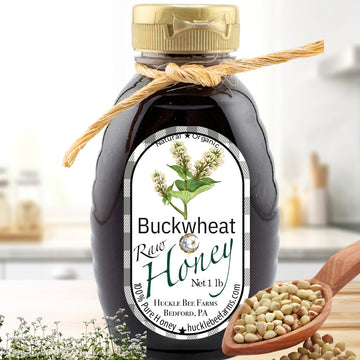
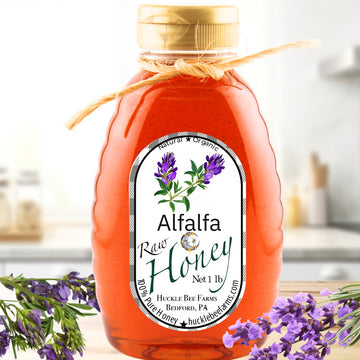
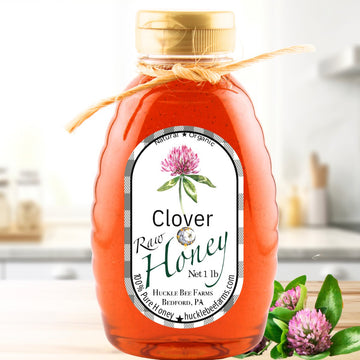
Regional honey is more than a sweetener — it’s a snapshot of a place. The plants in a region determine a honey’s flavor, aroma, and color. Wildflower‑rich areas produce a very different tasting honey than citrus or eucalyptus zones. That variety makes regional honey interesting to the palate and worth protecting locally.
Choosing regional honey also supports small beekeepers and local economies. Many regional producers use sustainable practices that protect bee populations and the crops that depend on them. When you pick regional honey, you’re helping preserve the plants and landscapes that create those unique flavors — and supporting the people who steward them.

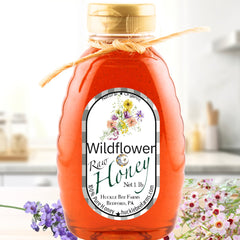
100% Pure Raw Wildflower Honey
Experience nature's pure essence with Organic Wildflower Honey from Huckle Bee Farms. 🍯
View Wildflower HoneyUSA Map of Different Flora
The United States hosts many floral regions, and those regions shape the pollen and flavor in regional honeys. Below is a simplified guide to key floral areas that influence honey production and pollen variety:
| Region | Dominant Flora | Characteristics |
|---|---|---|
| Northeast (Mid‑Atlantic Corridor) | Maple, Wildflowers, Goldenrod, Clover | High pollen diversity, layered floral notes, strong regional allergy relevance |
| Southeast | Sage, Tupelo, Gallberry, Magnolia | Delicate, light flavors tied to unique southern blooms |
| Midwest | Basswood, Clover, Sunflower, Wildflowers | Balanced sweetness with floral and nutty undertones |
| Southwest | Mesquite, Creosote, Cactus Flowers | Bold, earthy profiles with desert floral character |
| West Coast | Eucalyptus, Manuka, Wildflowers, Buckwheat | Robust, herbal, sometimes spicy or mineral notes |
This map shows how regional plants shape honey’s pollen mix. Sourcing from a broad area — like our 300‑mile Mid‑Atlantic Nectar Corridor — gives you a fuller "pollen library" that better matches what’s in the air and produces a richer taste.

The Technical Standard: Raw vs. Processed
Transparency matters. Many so‑called "local" honeys are flash‑heated to ease bottling. At Huckle Bee Farms, we follow a Veteran’s Standard of Integrity:
| Feature | Huckle Bee Farms Standard | Why It Matters |
|---|---|---|
| Max Temp | 95°F (Hive Temp) | Keeps live enzymes and delicate pollen intact |
| Filtration | Gravity Strained | Preserves propolis and the natural "haze" that signals raw honey |
| Origin | Mid‑Atlantic Corridor | Broader pollen mix for more effective regional support |
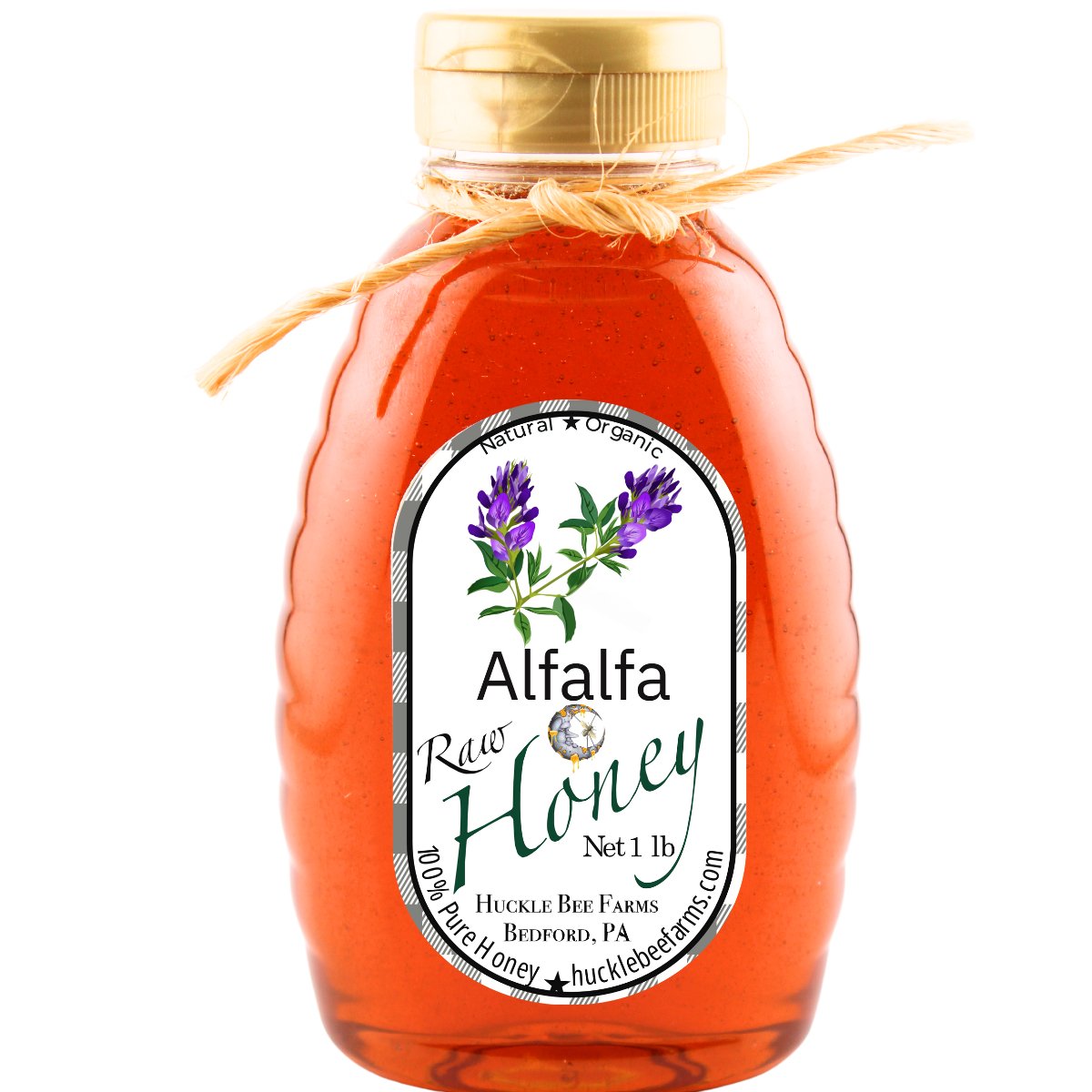
| Purity | 100% Raw | No corn syrup, no fillers — just straight honey |
Those standards mean you get honey that’s as close to the hive as possible — maximum benefit, minimal processing.
Experience the Regional Honey Difference Today
Don’t limit yourself to a tiny radius when a 300‑mile Mid‑Atlantic Nectar Corridor gives you broader pollen coverage and deeper flavor. Taste the complexity, support your immune resilience, and enjoy a jar that reflects the region.
The Verdict: Look for the Region, Not the Zip Code
When you choose honey for health or taste, focus on the geographic region, not a single zip code.
You aren’t just buying a sweetener — you’re buying a biological map of your surroundings. Make sure that map covers enough ground to actually help you.
Ready to try the regional difference? Why "Local Honey" Is a Marketing Myth — and Why "Regional" Actually Helps
Frequently Asked Questions
What are the health benefits of consuming honey from a broader geographic area?
Honey sourced from a wider area — like our 300‑mile Mid‑Atlantic Corridor — carries a more varied pollen mix. That variety can help your immune system recognize more local pollens over time and also gives you a more layered flavor profile. In short: broader exposure and better taste.
How does the processing of honey affect its nutritional value?
Processing matters. Flash‑heating and heavy filtration can destroy enzymes and strip pollen and propolis. We cap processing at 95°F and use gravity straining so the honey keeps its enzymes, pollen, and natural medicinal qualities.
Can honey help with seasonal allergies, and how should it be consumed?
Honey can support seasonal allergy strategies by providing low‑dose exposure to regional pollens, but it’s not a cure. For potential benefit, eat raw honey regularly — a spoonful daily, stirred into tea, or used as a sweetener — so your system sees those pollens consistently.
What is the significance of the term "Nectar Corridor" in honey production?
"Nectar Corridor" describes the area bees forage in. A broader corridor, like our 300‑mile Mid‑Atlantic area, means more plant sources and a richer pollen mix. That diversity improves flavor and gives more comprehensive regional pollen coverage.
How can I tell if honey is truly raw and unprocessed?
Look for "100% raw" on the label, a cloudy or hazy appearance (pollen and propolis), and no added ingredients like corn syrup. Clear sourcing and process details — like ours — are the best indicators of genuine raw honey.
What makes Huckle Bee Farms different from other honey producers?
We follow a Veteran’s Standard of Integrity: full traceability, a 300‑mile Nectar Corridor, low‑temperature handling, and gravity straining. We avoid flash‑heating and fillers so you get raw, transparent honey with preserved enzymes and diverse pollens.
Conclusion
Choosing honey from a broader 300‑mile Nectar Corridor gives you better regional pollen coverage and a fuller flavor experience. Understanding the limits of the "10‑mile" idea helps you make choices that actually support your health. Embrace your eco‑region and try honey that truly reflects the landscape.

Author - Jim Douglas - Founder Huckle Bee Farms
For Jim Douglas, beekeeping is more than a craft—it’s a commitment to purity and the environment. After an honorable career in the U.S. Army and a tenure as a COO for the Boy Scouts of America, Jim sought a way to combine his leadership experience with his love for the outdoors.
In 2012, he founded Huckle Bee Farms with a simple mission: to take honey back to its raw, unadulterated roots. Jim’s expertise lies in the delicate balance of infusing raw honey with organic ingredients without compromising its natural medicinal properties. His "small-batch" philosophy ensures that every jar meets the highest standards of quality and transparency. Today, Jim continues to lead Huckle Bee Farms with the same integrity he practiced in uniform, ensuring that every drop of honey supports both the health of the consumer and the survival of the honeybee.
His mission is simple: to make life a little sweeter—naturally.
Key Takeaways on the Importance of Regional Honey
Quick reasons to choose regional honey over a narrow "local" claim — focused on health, flavor, and community impact.
- Broader Pollen Diversity – A 300‑mile corridor exposes you to more pollens, offering better regional immune relevance.
- Complex Flavor Profiles – Diverse floral sources produce layered, distinctive tastes you won’t get from a single nearby hive.
- Support for Local Beekeepers – Buying regional helps sustain small operations and promotes sustainable beekeeping practices.
- Health Benefits Beyond Allergies – A varied pollen mix can add digestive and antioxidant benefits, alongside potential allergy support.
- Environmental Impact – Choosing regional honey helps preserve the flora and fauna that support healthy ecosystems.
- Transparency in Sourcing – Reputable regional producers like Huckle Bee Farms provide raw, traceable honey that keeps its natural benefits.