


10 Infused Flavored Honeys to Try This Year.
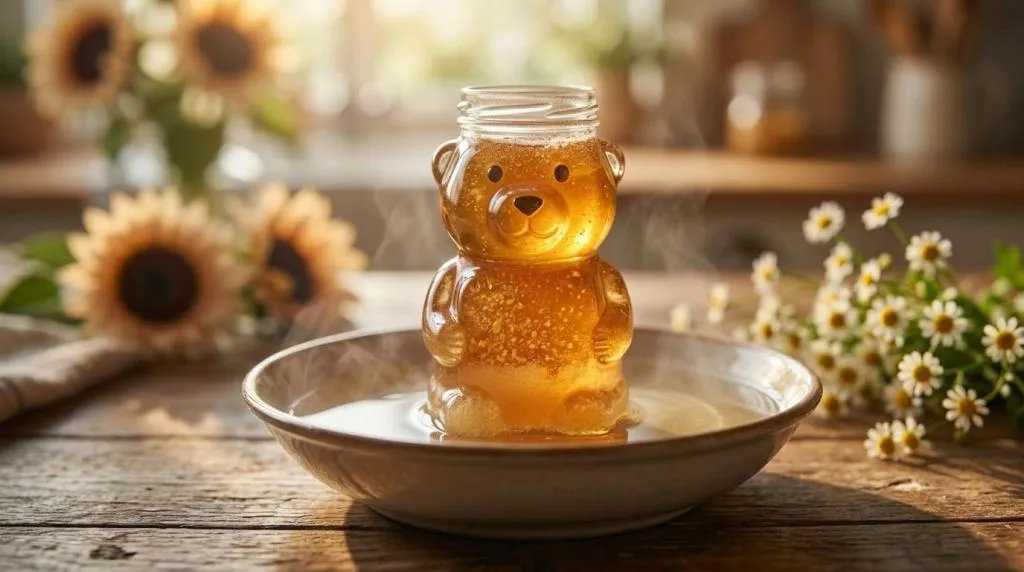
Flavored honey has moved from novelty shelf to pantry staple, offering a variety of unique infused honey flavors that is broader than many shoppers realize. The best jars taste like real honey first, with smoke, fruit, spice, or herbs adding a clear secondary note instead of covering the base.
TL;DR: Summary
- Flavored honey is a real, label-sensitive honey category, and the best options use honey plus a clear characterizing flavor such as cinnamon, raspberry, ginger, or smoke rather than undeclared added sweeteners.
- FDA guidance distinguishes plain honey, flavored honey, and honey blends, so the label should match what is in the jar. If another sweetener is added, the product should not be labeled only as honey.
- Ten strong flavored honey picks this year include smoked, hot, citrus, berry, vanilla, cinnamon, ginger, coffee, lavender, and apple-forward styles, with each working better for different uses like tea, toast, grilling, cheese boards, or baking.
- Raw infused honey and pasteurized flavored honey can taste very different. Raw, slow-infused styles often keep more aroma and may crystallize sooner, while heavily heated products stay smoother longer but can taste flatter.
- USDA data shows U.S. honey demand stayed firm through 2024, with per capita consumption reaching about 2.0 pounds in 2024 and still near 1.9 pounds by 2025, which helps explain the growing interest in premium and flavored honey.
That matters because the label can tell you whether you are buying character-flavored honey, a honey blend, or a product stretched with another sweetener. It also matters because U.S. honey demand stayed firm through 2024, so shoppers have more options and more reason to compare jars carefully.
What counts as flavored honey?
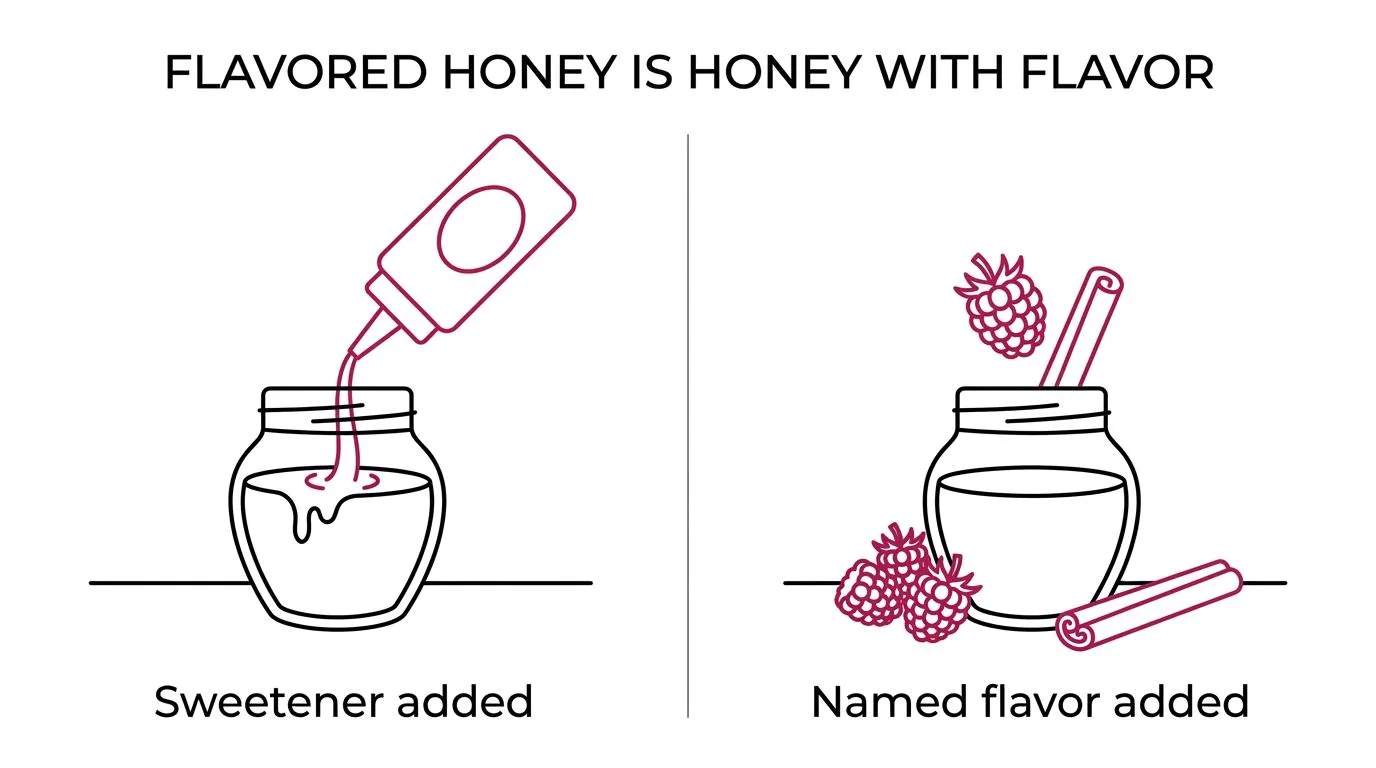
Flavored honey, harvested with care for its purity, is honey with a named flavor source, and FDA guidance treats it differently from plain honey. If a jar contains honey plus a flavor ingredient and mentions that flavor on the label, a characterizing-flavor name like “raspberry-flavored honey” is the clearest fit.
In practice, flavored honey usually starts with honey and adds a real flavor input such as fruit, spices, herbs, peppers, smoke, garlic infused honey, or natural honey infusions. That is different from plain clover or wildflower honey, where the taste comes only from floral source. A common mistake is assuming every flavored jar is artificial. Many small-batch makers use real botanicals and slow infusions, often featuring artisan and handcrafted infused honey, rather than synthetic flavorings.
The label matters because it tells you what the flavor actually is and whether the product is still mostly honey. If the ingredient list is short and specific, that is a good sign. If the front says one thing but the ingredient panel tells a different story, put the jar back.
“Huckle Bee Farms says its flavored honey is made by infusing raw honey with real fruits, vegetables, and spices, thanks to the hard work of bees.”
How is flavored honey different from a honey blend or adulterated honey?
Flavored honey, honey blends, and adulterated honey are not the same thing. FDA guidance says honey mixed with another sweetener, like corn syrup, cannot be labeled only as honey, and undeclared sweeteners raise a separate authenticity problem.
Here is the clean way to think about it. Flavored honey is still honey-forward, with added character from ingredients like cinnamon or raspberry. A honey blend mixes honey with another sweetener or food ingredient and should be labeled as a blend or mixture. Adulterated honey is the red-flag category, where a product may be stretched with undeclared added sweeteners for economic reasons.
Side-by-side comparison of flavored honey, honey blend, and adulterated honey jars showing label and ingredient differences.
This is where shoppers get tripped up. “Infused” does not mean fake, and “raw” does not automatically mean pure. If the label says honey but the ingredient panel lists syrup, sugar, or other sweeteners, then the product should be described more clearly. FDA testing reported in 2026 found the majority of honey samples it checked were compliant, but the agency still watches for undeclared added sweeteners because they can be used to stretch product.
What are 10 flavored honeys to try this year?
These ten flavored honeys and honey straws, including gourmet honey options, gourmet food gifts, premium infused honey, and flavored honey gift ideas, are among the best flavored honeys to try and cover the widest range of uses, from toast and tea to the best honey flavors for coffee, as well as ribs and cheese boards. Start with one savory option, one spicy option, and one bourbon-infused honey breakfast-friendly option from the honey pairing guide so you can see how flavor behaves across meals.
A useful rule is to buy by use case, not just by flavor name or the type of nectar it originates from. Smoked and hot styles shine in savory cooking, while citrus, vanilla, and berry styles are easier to use every day.
- Hickory smoked honey from Huckle Bee Farms, a small-batch raw honey with natural hickory smoke, is excellent on salmon, bacon, roasted carrots, and cheddar.
- Hot honey brings heat and sweetness together and works well on pizza, fried chicken, Brussels sprouts, and cornbread.
- Cinnamon honey is one of the easiest entry points and fits oatmeal, apples, toast, and black tea.
- Ginger honey has a bright, warming edge that pairs especially well with lemon tea, marinades, and cold-weather baking.
- Vanilla bean honey adds roundness to yogurt, granola, shortbread, and whipped butter.
- Berry-flavored honey, especially raspberry or blueberry styles, works on biscuits, goat cheese, and thumbprint cookies.
- Citrus honey, often lemon or orange-led, is strong in salad dressings, herbal tea, and ricotta toast.
- Coffee honey gives mocha-like depth to desserts, overnight oats, espresso drinks, and is among the best honey flavors for coffee.
- Lavender honey is floral and calming, making it a natural fit for scones, chamomile tea, and soft cheeses.
- Apple or fall-spice honey has built-in seasonal appeal for pancakes, pork glaze, and baked brie.
If you only buy one jar to start, pick the one that solves a real kitchen task. Artisan honey can elevate any dish with its unique flavors, smoked honey can replace barbecue glaze, cinnamon honey can replace sugar on toast, and citrus honey can wake up plain Greek yogurt without much effort.
How do you read a flavored honey label step by step?
A good flavored honey label should tell you three things fast: the product identity, the characterizing flavor, and the ingredient list. FDA language is useful here because it gives shoppers a practical label-reading filter.
Step 1 is the front label. Look for a name that matches the flavor story, like ginger-flavored honey, hickory smoked honey, or cinnamon-infused honey. If the jar hints at a flavor on the front but never names it clearly, that is worth a second look.
Step 2 is the ingredient panel. The shorter the list, the easier the product is to evaluate. Honey plus cinnamon is easy to understand. Honey plus “sweetener blend” is much less clear. If another sweetener appears, then you are no longer looking at plain flavored honey in the strict sense.
Step 3 is the processing clue. Labels that mention raw, unfiltered, slow infused, or bottled on demand tell you something about handling, though not every term is regulated the same way. Pro tip: “natural” by itself is not enough information. The ingredient list tells the real story.
How do raw infused honeys compare with pasteurized flavored honeys?
Raw infused honey and pasteurized flavored honey can serve different buyers. Raw styles, including those described by Huckle Bee Farms, usually keep more delicate aroma, while pasteurized styles often stay more fluid and uniform on the shelf.
The main trade-off is stability versus nuance. A flash-heated flavored honey may pour easily for longer and look clearer in the jar. A raw or gently handled infusion may hold onto more floral character, enzymes, and delicate aromatics, but it can crystallize sooner and vary a bit more by batch. That is not a defect. It is often a sign of less aggressive processing.
A common misconception is that crystallization means a jar went bad. Honey naturally crystallizes over time, especially raw honey. If you want the most vivid tea or toast experience, raw infused styles often shine. If you need ultra-smooth texture for squeeze-bottle convenience, a more processed product may suit you better.
“Huckle Bee Farms describes its signature approach as a ‘110°F Integrity Rule’ and bottles honey on demand for freshness.”
How do you pair flavored honey with tea, cheese, and savory cooking step by step?
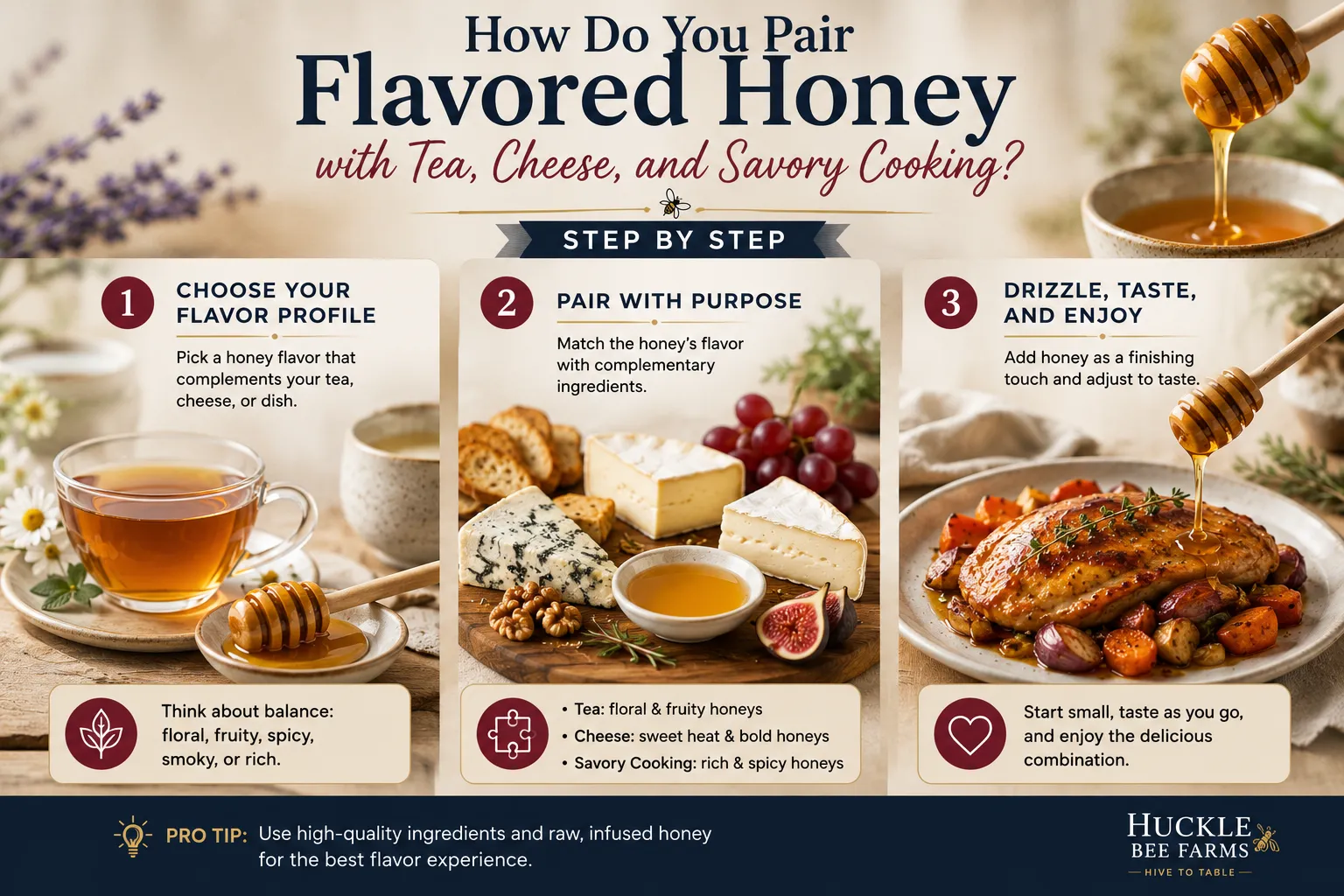
The easiest pairing method is intensity matching. Light flavors belong with delicate foods, while smoked, spicy, and coffee-like honeys need foods with enough fat, salt, or roast to keep up.
Step 1 is to match strength. Lavender or citrus honey suits green tea, chèvre, and fresh ricotta. Smoked or hot honey suits cheddar, gouda, wings, and grilled meats. If the food is delicate, keep the honey gentle.
Step 2 is to decide whether you want contrast or echo. Ginger honey in lemon tea is an echo because the flavors point in the same direction. Hot honey on pepperoni pizza is contrast because sweetness pushes against salt and spice. Both work if the intensity is balanced.
Step 3 is to use less than you think. Flavored honey is concentrated. Start with a drizzle, then taste again. Pro tip: put a small spoonful beside the food first instead of pouring directly over everything. It gives you a cleaner read on the pairing.
Which flavored honey works best for grilling, baking, and breakfast?
Different flavored honeys do different jobs, and the best choice depends on heat, fat, and sweetness level. Hickory smoked honey and hot honey are stronger cooking tools, while vanilla, berry, and citrus styles are easier for breakfast and desserts.
For grilling, choose bold flavors that can survive heat and char. Smoked honey, hot honey, and ginger honey stand up well in glazes for chicken, salmon, pork, or carrots. For baking, look for flavors that spread evenly through batter or filling, like vanilla, cinnamon, apple, or coffee honey. Breakfast is the gentlest lane, so berry, citrus, cinnamon, and lavender styles usually feel most natural on toast, yogurt, waffles, and tea.
A common mistake is using delicate floral honey in a high-heat glaze and expecting it to stay distinct. High heat flattens subtle notes fast. Save your gentler flavors for finishing, and let your bolder flavors handle the oven or grill.
“Huckle Bee Farms lists Hickory Smoked Honey ingredients as pure raw honey and natural hickory smoke, with a 1 lb jar priced at $15.”
How should you store flavored honey and fix crystallization step by step?
Flavored honey stores best in a cool, dry pantry, not the refrigerator. Gentle warmth can reliquefy crystals, but high heat can mute flavor and change the texture of raw honey.
Step 1 is storage. Keep the lid tightly closed and the jar away from sunlight, steam, and the stove. Pantry storage at normal room temperature is usually best. Refrigeration speeds crystallization in many honeys, so it is rarely helpful.
Step 2 is troubleshooting crystals. Set the jar in warm water and let it loosen slowly. If you care about preserving a raw product’s delicate character, use gentle heat only. Microwaving is the usual mistake because it creates hot spots and can flatten the flavor.
Step 3 is checking freshness. Honey is naturally shelf-stable, but infused products still need a clean spoon and a sealed jar. If texture changes, that is normal. If you ever see fermentation signs like foaming, heavy separation, or sour aroma, stop using it.
Is flavored honey still in demand, and what do current USDA numbers show?
Yes, honey demand has stayed strong, and flavored honey sits inside that larger momentum. USDA data shows U.S. per capita honey consumption reached about 2.0 pounds in 2024 and remained near 1.9 pounds by 2025, nearly double earlier levels.
That demand picture matters because premium categories usually grow when the base category is already healthy. USDA’s March 2024 National Honey Report described retail demand as good and wholesale demand as fairly good in several reporting states. The same report listed Michigan wildflower honey at $9.00 per pound at retail, which helps explain why shoppers are willing to compare origin, process, and added flavor more carefully.
There is also a supply-side story. The Dakotas accounted for 29% of the nation’s 2,509,000 colonies and 39% of U.S. honey production in 2023, according to USDA reporting. That scale supports the wider honey market, while smaller regional and specialty producers often compete on flavor innovation, local floral sources, and processing methods rather than volume alone.
When should you skip flavored honey or choose plain honey instead?
Plain honey is the better choice when floral origin is the point, and flavored honey is the better choice when function or pairing matters more. Clover and wildflower honeys are better tasting benchmarks than flavored jars when you want to judge terroir.
Choose plain honey if you are baking in large volume, comparing varietals, or sweetening something neutral without adding another note. Choose artisan honey if you want a shortcut ingredient that adds sweetness plus a second flavor in one spoonful. If you are building a cheese board, finishing roasted vegetables, or giving a gift, flavored honey usually adds more personality.
There is one non-negotiable safety point: infants under 1 year old should not have honey of any kind. Past that, the decision is mostly culinary. If you want versatility, start with one plain honey and one flavored honey. That two-jar setup covers almost everything from tea and toast to glazes and gift baskets.
Frequently Asked Questions
1. How can I tell if flavored honey is natural?
To determine if flavored honey is natural, check the ingredient label. A good-quality flavored honey should have a short list of recognizable ingredients, primarily consisting of honey and the characterizing flavor, such as fruits or spices. Avoid products with ambiguous terms like "sweetener blend" or added artificial ingredients, as these indicate that the honey may not be pure or natural. Artisan brands often pride themselves on transparency, so look for those that highlight their production processes.
2. Can I use flavored honey in baking?
Yes, flavored honey can be a wonderful addition to baking. It introduces unique flavors that can enhance your recipes. When using flavored honey, consider its intensity; for instance, stronger flavors like cinnamon or coffee work well in cakes and cookies, while light flavors such as vanilla or citrus complement delicate pastries and frostings. Always adjust the amount of sugar in your recipe, as flavored honey is naturally sweeter than plain honey.
3. Is there a difference in health benefits between raw and pasteurized flavored honey?
Yes, there are notable differences between raw and pasteurized flavored honey in terms of health benefits. Raw honey retains beneficial enzymes, antioxidants, and vitamins that can be diminished through pasteurization. These nutrients contribute to its potential health benefits, such as anti-inflammatory and antimicrobial properties. However, pasteurized honey has a longer shelf life and a smoother texture, which some consumers prefer for everyday use in recipes and beverages.
4. What are the best ways to use flavored honey besides in tea?
Flavored honey can be utilized in numerous culinary applications beyond tea. It makes an excellent addition to cheese boards, enhancing the palate of various cheeses. You can drizzle flavored honey over yogurt, oatmeal, or pancakes for a sweet twist. It also works well as a glaze for meats and vegetables or as a sweetener in salad dressings. Versatility is key; experiment to find enjoyable pairings that suit your taste.
5. What types of flavored honey pair best with savory dishes?
For savory dishes, choose robust flavored honeys that can stand up to bold flavors. Varieties like smoked honey or hot chili-infused honey complement grilled meats, roasted vegetables, and spicy dishes wonderfully. Ginger honey adds warmth to stir-fried meals, while herbal notes from lavender honey can enhance marinades. These flavors not only elevate your dishes but also add depth, making them memorable and enjoyable.
6. How do I properly store flavored honey to maintain its quality?
To maintain the quality of flavored honey, store it in a cool, dry place away from direct sunlight. Always keep the lid tightly closed to prevent moisture from entering the jar. Ideally, a pantry is the best storage option. Avoid refrigeration as it speeds up crystallization. If your honey crystallizes, gently warm it in a water bath to return it to a liquid state without compromising its flavor or nutritional quality.
7. What should I consider when choosing between flavored and plain honey?
Choosing between flavored and plain honey depends on your intended use. For pure sweetness or to emphasize the floral notes of a dish, plain honey is ideal. However, if you're looking to add complexity or a unique flavor profile in recipes or as a topping, flavored honey is the better option. Also, keep in mind that flavored honey can offer versatility, making it a great choice for cheese boards, glazes, and gifts.
Conclusion
Exploring the diverse world of flavored honeys allows you to elevate your culinary creations with unique and rich flavors. Whether you're enhancing a dish or sweetening your tea, these artisan honeys add depth and personality that plain honey simply can’t match. For an exceptional tasting experience, consider trying out different varieties to discover your favorites. Visit our collection of premium flavored honeys today and find the perfect jar to enhance your kitchen adventures!
Author - Jim Douglas - Founder Huckle Bee Farms
For Jim Douglas, beekeeping is more than a job — it’s a way to connect careful stewardship with honest, unprocessed honey. After a career in the U.S. Army and leadership roles with the Boy Scouts of America, Jim started Huckle Bee Farms in 2012 to bring honey back to simple, raw roots.
Jim’s small-batch approach emphasizes transparency and the thoughtful use of organic ingredients without masking honey’s natural character. He runs Huckle Bee Farms with the same integrity and commitment that guided his earlier work, aiming to make life a little sweeter — naturally.
Key Takeaways on Flavored Honey
This list summarizes essential insights about flavored honey and its distinctions, uses, and beneficial aspects to help consumers make informed choices.
- Purity Matters – Genuine flavored honey should primarily consist of honey with a clear flavor source added, such as spices or fruits, rather than additional sweeteners.
- FDA Guidelines – The FDA classifies honey accurately; flavored honey must have the characterizing flavor stated on the label, differentiating it from blends and adulterated options.
- Variety of Flavors – Explore diverse options like smoked, hot, and fruit-infused honeys to enhance various culinary uses, from glazing meats to sweetening tea.
- Raw vs. Pasteurized – Raw infused honey retains more natural aroma and enzymes, whereas pasteurized honey stays smooth longer but may lack nuanced flavors.
- Pairing Insight – Different flavored honeys complement various dishes; bold flavors suit grilling, while lighter ones work well with breakfast items.
- Storage Tips – Store flavored honey in a cool, dry place, and gently warm it in water to fix crystallization while avoiding high heat that alters taste.
- Growing Popularity – Demand for flavored honey remains high due to increasing consumer interest in premium and artisanal honeys, as evidenced by rising consumption statistics.
- Usage Context – Choose flavored honey for paired culinary experiences; it's best for enhancing dishes and creating unique flavor profiles compared to plain honey.
- Infants Safety – Always avoid giving honey to infants under one year old due to the potential risk of botulism.
- Health Considerations – Raw flavored honey generally offers more health benefits due to higher levels of natural nutrients compared to pasteurized variants.


