


Give Your Immune System a Boost with Raw Honey — Natural, Food-First Support
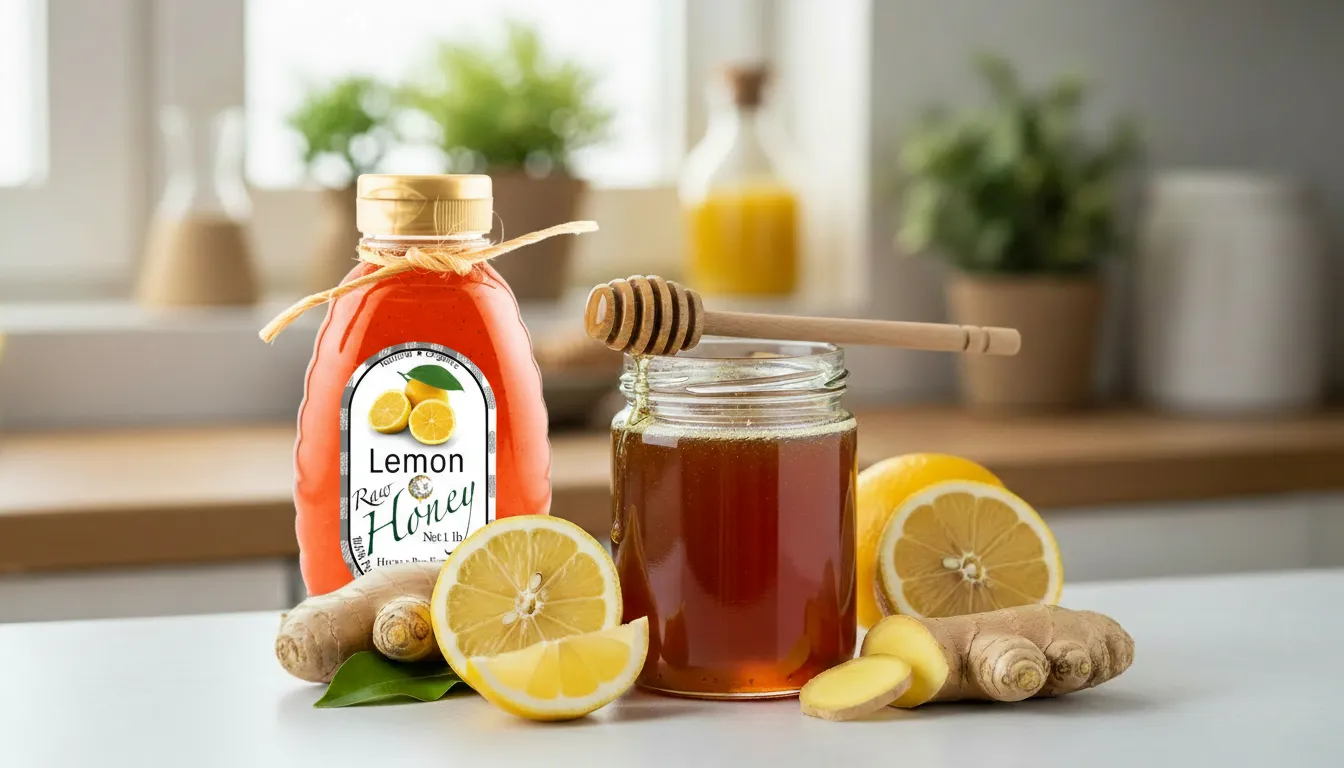
This guide focuses on clear, practical takeaways from current research and everyday experience — step-by-step remedy formats, temperature and dosing notes that help preserve active enzymes, and straightforward criteria for choosing honeys aimed at immune support. You’ll find concise evidence summaries, side-by-side comparisons of active components and remedy styles, and quick recipes you can make tonight. Useful search phrases like natural immune booster, honey for colds, antioxidants in honey and sustainable honey farming are woven into the explanations so you can pair the science with sensible home practice. By the end, you’ll know which raw honeys to seek, how they work biologically, and how to use them safely through cold season.
What Are the Key Health Benefits of Raw Honey for Immunity?
Raw honey brings together antioxidant polyphenols, enzymatic antibacterial activity and gentle anti-inflammatory effects — a mix that supports mucosal defenses and can ease uncomfortable symptoms. Antioxidants help mop up free radicals that stress immune cells, while the enzyme glucose oxidase produces low levels of hydrogen peroxide when honey is diluted — a mild, topical antimicrobial action in the throat. Together these effects can lower pathogen levels on mucosal surfaces and soothe inflammation, which often translates into less coughing and a calmer sore throat. Below is a practical summary of the main benefits and how they support immune resilience.
Unfiltered, single-origin raw honeys often contain trace pollen, propolis-related compounds and other minor bioactives that broaden honey’s nutritional and immune-supporting profile. Knowing what to look for helps you choose honeys and preparation methods that keep those compounds intact. The next sections look closer at antioxidants, then outline the antibacterial pathways that make raw honey useful for cold relief.
Raw honey offers four primary immune-related benefits:
- Antioxidant protection: Polyphenols and flavonoids help neutralize oxidative stress so immune cells can work more efficiently.
- Antibacterial action: Enzymatic hydrogen peroxide production and, in some varieties, non-peroxide factors help limit microbial growth on mucosal surfaces.
- Anti-inflammatory support: Honey soothes local inflammation, reducing soreness and congestion.
- Symptomatic cough relief: Clinical trials show honey can reduce nighttime coughing and improve sleep in adults and children over one year old.
These benefits make raw honey a practical, food-based complement for mild respiratory symptoms. The table below outlines the main components, how they act and the immune advantages you can expect.
| Component | Action | Immune Benefit |
|---|---|---|
| Antioxidant polyphenols & flavonoids | Scavenge free radicals and reduce oxidative stress | Protect immune cells and lower inflammatory signaling |
| Glucose oxidase (enzyme) | Produces low-level hydrogen peroxide when diluted | Topical antibacterial action on mucosal surfaces |
| Methylglyoxal / non-peroxide factors (in some honeys) | Direct antimicrobial compound (notably in manuka) | Stronger antibacterial activity against certain pathogens |
This snapshot shows how honey’s components support immunity and why choosing raw, unheated honey preserves those actions. Next we’ll take a closer look at the antioxidant fraction and what it does for immune health.
How Do Antioxidants in Raw Honey Support the Immune System?

The antioxidants in raw honey — mainly polyphenols and flavonoids — neutralize reactive oxygen species that can damage cell membranes and interfere with immune signals. By lowering oxidative stress in local tissues like the throat and, with regular consumption, systemically, these compounds can ease low-grade inflammation that undermines immune responses. Studies through 2024 link higher antioxidant content in unprocessed honeys with improved markers of oxidative balance in lab and small clinical trials, though results vary by honey origin. In practice, darker and single-origin raw honeys (including many wildflower varieties) usually deliver more antioxidants per spoonful, making them a simple food-based way to support immune resilience.
Antioxidant activity also complements enzymatic antibacterial effects by reducing inflammatory damage that helps pathogens attach to and invade mucosal tissues. With that connection made, the next section explains the antibacterial pathways in raw honey and what they mean for cold and flu relief.
What Antibacterial Properties Make Raw Honey a Natural Cold Remedy?
Raw honey’s antibacterial power comes mainly from enzymes and, in certain types, non-peroxide compounds. Glucose oxidase converts sugars into low concentrations of hydrogen peroxide when honey is diluted in saliva or warm liquids. In manuka honey and a few others, methylglyoxal and related non-peroxide factors add direct antimicrobial strength. These mechanisms help lower microbial counts on mucosal surfaces, which can reduce irritation and the risk of secondary infection. Antibacterial potency varies by floral source — manuka is prized for its MGO content, while many raw honeys offer effective peroxide-based antimicrobial action combined with antioxidants. Importantly, honey should be viewed as symptomatic support: it soothes the throat, can cut cough frequency and makes the mucosal environment less friendly to opportunistic microbes.
Because potency differs between honeys, choosing raw, minimally heated products preserves enzymatic function — avoiding high-temperature processing helps keep glucose oxidase active. With both antibacterial and antioxidant actions working together, the next section explains how honey interacts with immune pathways at the physiological level.
How Does Raw Honey Enhance Immune System Function?
Raw honey supports immunity on several fronts: it strengthens mucosal defenses via topical antimicrobial effects, reduces oxidative stress near immune cells, and calms local inflammation to speed symptom relief. On mucosal surfaces, honey coats irritated tissue while delivering hydrogen peroxide and other antimicrobials that lower pathogen load. When consumed regularly, antioxidant-rich raw honey has been shown in some controlled studies to reduce markers of oxidative damage, which helps preserve leukocyte function and prevents excessive inflammatory signaling.
These actions primarily boost innate immunity — improving barrier defenses and reducing immediate pathogen exposure — while indirectly supporting adaptive responses by keeping inflammation under control. The subsections that follow identify the most affected innate pathways and summarize the scientific evidence for honey’s immune roles.
Which Immune Pathways Are Supported by Raw Honey's Natural Enzymes?
Raw honey’s enzymes mainly support innate mucosal defenses and barrier integrity by creating mild antimicrobial conditions in the throat and nasal passages, which reduces microbial attachment and local inflammation. When diluted, glucose oxidase produces hydrogen peroxide at concentrations that act as a gentle antiseptic without the tissue damage associated with stronger pharmaceutical agents. That activity lowers pathogen load and gives epithelial cells and resident immune cells (like macrophages and dendritic cells) a chance to restore balance. The result is fewer triggers for excessive inflammatory cascades, quicker symptom resolution and less immune wear-and-tear.
What Scientific Evidence Supports Raw Honey as an Immune Booster?
Human trials and lab studies through 2024 consistently show that honey can reduce cough severity and improve sleep during upper respiratory infections. Several randomized trials find honey outperforms no treatment or placebo for nighttime cough in adults and in children older than one year. Laboratory work demonstrates antioxidant activity and peroxide-based antibacterial effects across many raw honey samples, while comparative analyses highlight manuka’s notable non-peroxide antimicrobials. Limitations include variable study designs, differing honey types and relatively small clinical samples, so conclusions focus on symptomatic relief and supportive mechanisms rather than prevention or cure claims. The practical takeaway: honey is a low-risk adjunct for symptom management, and product quality and processing matter for biological potency.
These findings point to straightforward, evidence-aligned applications for cold and flu relief, which the next section covers with remedy formats, dosages and safety notes.
How Can You Use Raw Honey for Cold and Flu Relief?
Raw honey is effective in a few simple formats for symptom relief — warm teas, measured spoonfuls, topical throat rubs and honey-based syrups — each offering different benefits for soothing coughs and supporting mucosal immunity. Typical adult dosing is one to two teaspoons up to three times a day for symptom relief; children under one year should never be given honey. Temperature matters: aim for warm, not boiling, and keep preparations below roughly 40–45°C to preserve glucose oxidase. The list below will help you pick the right approach.
Use formats for symptomatic relief:
- Warm lemon-honey tea: Stir honey into warm (not boiling) water with fresh lemon to soothe the throat and add vitamin C support.
- Measured spoonfuls: One teaspoon at bedtime can reduce nighttime coughing and help sleep.
- Honey-ginger infusion: Mix grated ginger with warm water and honey for a calming, anti-inflammatory drink.
These options preserve enzymes while being pleasant and easy to prepare. The comparison below summarizes formats and what you can expect.
| Format | Use Case | Expected Benefit |
|---|---|---|
| Warm tea (warm, <45°C) | Sore throat, cough relief | Soothes tissue; preserves enzymes; antimicrobial action in the throat |
| Spoonful (oral dosing) | Quick cough suppression, nighttime use | Coats the throat quickly; delivers antioxidant and antimicrobial dose |
| Honey syrup (mixed with ginger/garlic) | Upper respiratory congestion | Longer contact on mucosa; added anti-inflammatory or antimicrobial support |
That quick comparison helps you choose by symptom and convenience. A short note on sourcing: Huckle Bee Farms LLC produces raw, natural honey with attention to health benefits, sustainability and pollinator care. Their raw honey is harvested with methods that aim to preserve enzymes and antioxidants, making it a solid choice for home remedies.
That producer mention shows how a sustainably focused beekeeper can deliver honey that retains the active components described above. The next subsection offers recipes and usage tips to get the most immune benefit from your honey.
What Are Effective Ways to Incorporate Raw Honey into Natural Cold Remedies?
Good technique balances preserving active compounds with ease and safety. Stir honey into warm (not boiling) liquids — kept below about 40–45°C — so glucose oxidase stays active; add honey after the hottest heat is off or once the liquid has cooled slightly. For cough relief, a teaspoon before bed is a simple, evidence-backed choice. During the day, mix honey into warm herbal tea or a diluted apple cider vinegar drink for gentle relief. When making infused syrups (honey plus garlic or onion), let the mixture steep at room temperature or in warm water, then refrigerate; avoid high heat. Always label homemade mixtures with the date and ingredients, and never give honey to infants under 12 months.
These steps protect enzymatic and antioxidant activity while offering practical symptom relief. Next, we compare honey types so you can choose the variety that best fits immune-focused use.
Which Types of Raw Honey Are Best for Immune Support?
Different raw honeys bring different strengths: manuka is known for methylglyoxal (MGO) and strong non-peroxide antibacterial activity; darker wildflower and single-origin honeys typically carry a broader range of polyphenols and higher antioxidant levels; and local, unfiltered honeys deliver pollen-derived variety that can be beneficial. When looking for immune support, choose raw, unpasteurized and minimally filtered products to preserve enzymes and antioxidants. For manuka, check MGO or UMF ratings; for general antioxidant density, opt for darker single-origin honeys.
| Honey Type | Key Properties | Best Uses |
|---|---|---|
| Manuka (single-origin) | Methylglyoxal (MGO/UMF) — notable non-peroxide antibacterial | Throat issues and situations where stronger antibacterial action is desired |
| Wildflower / dark honey | Wide polyphenol range, higher antioxidants | Daily antioxidant support and regular immune-boosting servings |
| Single-origin local raw honey | Diverse pollen and regional bioactives | Seasonal support and preserving natural enzyme activity |
This breakdown helps you pick a honey suited to immune-focused use. With formats and types covered, the next section explains why sustainable farming matters for honey quality and pollinator health.
Why Is Sustainable Farming Important for Raw Honey and Immunity?

Sustainable beekeeping protects the landscapes and forage diversity that produce nutrient-dense, enzyme-rich raw honey while safeguarding the pollinators that underpin our food systems. Practices like habitat conservation, limiting pesticide exposure, encouraging diverse forage and using minimal processing all affect bee health and the chemical profile of the honey they make. Honey from sustainably managed operations is more likely to retain active enzymes and a richer antioxidant profile because bees forage on varied, lower-toxin floral sources. That stewardship supports consistent honey quality and the long-term availability of raw honey as a food-based immune aid.
Sustainable sourcing also usually means gentler harvest and handling — avoiding overheating and aggressive filtering that degrade biological activity. Below are common sustainable practices that benefit both bee populations and honey potency.
Common sustainable practices in beekeeping:
- Habitat preservation: Planting wildflower strips and native plants to provide diverse nectar sources.
- Reduced chemical use: Minimizing pesticides and using integrated pest management to protect bee health.
- Local forage support: Rotating hives and supporting nearby crops to ensure varied pollen intake.
These practices sustain pollinator populations and improve honey quality over time.
Huckle Bee Farms LLC is a producer of raw, natural honey with an emphasis on health benefits, sustainability and pollinator protection. Their primary product for immune support is raw honey harvested with methods designed to preserve natural enzymes and antioxidants.
That producer-focused note highlights how sustainable sourcing underpins the immune-supporting qualities we’ve described. The next subsection looks at how sustainable farming directly benefits pollinator health.
How Does Sustainable Honey Farming Preserve Pollinator Health?
Sustainable honey farming supports pollinator health by prioritizing plant diversity, reducing chemical exposure and using hive management that strengthens colony resilience. Planting native forage and maintaining flowering corridors provides steady nectar flows and varied nutrition, helping colonies resist disease. Avoiding broad-spectrum pesticides and choosing targeted, low-toxicity controls reduces the toxic load on bees and improves forage quality. Beekeepers who monitor colony stressors and rotate hives avoid overtaxing local forage resources, producing honey that reflects a healthier ecosystem.
Stronger, healthier bee populations yield more consistent, biologically rich honey — with preserved enzymes and a broader antioxidant profile — which benefits the immune-supporting qualities discussed earlier. The next subsection outlines the broader environmental gains of choosing organic or sustainably produced honey.
What Environmental Benefits Result from Choosing Organic Honey for Immunity?
Buying organic or sustainably produced honey supports biodiversity, soil health and long-term food system resilience — all of which indirectly promote human health and access to nutrient-rich foods. Organic approaches reduce chemical runoff, create pollinator-friendly landscapes and encourage diverse plantings that strengthen ecosystem services like pollination. Over time, these practices sustain floral diversity, enhancing honey’s phytochemical variety and helping maintain a reliable supply. When you choose sustainably produced honey, you’re also investing in the environmental conditions that make enzyme- and antioxidant-rich raw honey possible.
Those ecological benefits circle back to the quality and availability of raw honey as a natural immune booster. With sourcing and stewardship covered, the final section offers recipes and storage tips to keep raw honey working at its best.
What Recipes and Usage Tips Maximize Raw Honey’s Immune Benefits?
Smart recipes and proper storage protect the enzymes and antioxidants that make raw honey useful for immune support. The basic rules are simple: use warm (not boiling) liquids, add honey after removing heat or once the liquid has cooled slightly, and store honey in airtight glass jars away from light and heat to limit moisture exposure. Below are recipes that preserve enzyme activity and deliver immune-relevant benefits, followed by storage tips to maintain potency.
The following recipes feature raw honey as a central ingredient in immune-supporting drinks and syrups.
- Lemon-ginger honey tea: Steep fresh ginger in hot water, let it cool to warm, add fresh lemon and one tablespoon raw honey; sip twice daily to soothe the throat.
- Honey-garlic syrup: Mince garlic and combine with raw honey in a jar, let it infuse at room temperature for 24–48 hours, strain and take one teaspoon as needed to ease congestion.
- Honey-cinnamon toast with yogurt: Drizzle raw honey over plain yogurt and whole-grain toast sprinkled with cinnamon for an antioxidant-rich breakfast that supports overall immunity.
Each recipe avoids high heat and keeps processing minimal; follow the dosage and safety notes about infants and allergies. For ingredients, consider Huckle Bee Farms LLC’s sustainably harvested raw honey — their methods aim to protect the enzymes and antioxidants these recipes rely on.
Which Immune-Boosting Recipes Feature Raw Honey as a Key Ingredient?
The recipes above use low-heat methods and simple pairings that highlight honey’s properties while adding complementary bioactives like ginger and garlic. Lemon-ginger honey tea combines anti-inflammatory ginger with honey’s soothing coating to ease coughs and improve comfort at night. Honey-garlic syrup uses garlic’s antimicrobial compounds in a honey base for slow, steady release. Yogurt with honey and cinnamon pairs antioxidants with probiotics for everyday immune maintenance. Timing matters: a spoonful at bedtime can reduce coughing, while small, regular doses during the day help keep mucosal surfaces coated.
These recipes are easy to adapt and scale, which makes regular use more likely — an important factor in realizing immune-supporting benefits over time. Next, quick storage rules to keep your honey biologically active.
How Should Raw Honey Be Stored and Used to Retain Its Health Properties?
Store raw honey in airtight glass jars away from direct sunlight and heat to protect enzymes and antioxidants. Room temperature or slightly cooler is ideal; crystallization changes texture but not potency, and can be gently reversed. Avoid metal containers that may accelerate degradation and never heat honey above warm temperatures when preparing remedies — high heat denatures glucose oxidase and lowers antioxidant activity. If your honey crystallizes, warm the jar in a water bath that doesn’t exceed about 40–45°C until the crystals dissolve. Label and rotate small homemade syrups and use refrigerated preparations within a few weeks to prevent fermentation.
- Proper storage preserves enzymes: Airtight glass, cool and dark.
- Heat avoidance maintains antibacterial activity: Keep remedy liquids warm, not boiling.
- Safe preparation for infants and allergies: Never give honey to infants under 12 months; check for pollen or bee-product allergies.
Following these simple rules helps each serving deliver the most immune-supporting value from raw honey harvested with attention to sustainability and quality.
Frequently Asked Questions
1. Can raw honey be used as a substitute for traditional medicine?
Raw honey provides supportive benefits like cough relief and soothing inflamed tissues, but it’s not a replacement for medical care. Use honey as a complementary option for mild symptoms, and consult a healthcare professional for persistent, severe or concerning conditions. Rely on evidence-based medical treatment when needed.
2. How can I tell if the raw honey I buy is of high quality?
Look for honey labeled raw, unpasteurized and minimally filtered from a reputable producer. Certifications such as organic or sustainably harvested can be helpful. Darker color and a richer aroma often indicate higher antioxidant content. Read producer notes and reviews, and choose single-origin or local options when possible so you can learn more about the source.
3. Are there any side effects associated with consuming raw honey?
Raw honey is safe for most adults in moderation, but never give it to infants under 12 months because of the risk of botulism. Some people with pollen or bee-product sensitivities may have allergic reactions. Also monitor overall sugar intake if you have blood sugar concerns. Talk with a healthcare provider about allergies or medical conditions.
4. How does the antioxidant content in raw honey compare to other natural sweeteners?
Raw honey generally contains more antioxidants (polyphenols and flavonoids) than refined sugar and many other sweeteners like agave. That said, antioxidant levels vary by floral source and processing — darker, unprocessed honeys typically offer the highest antioxidant content and are the better choice for health-focused uses.
5. Can raw honey help with seasonal allergies?
Some people report that regularly consuming local raw honey helps them adapt to regional pollen exposure, likely due to trace local pollens in unfiltered honey. Results are mixed, so it may help some individuals but not others. For persistent allergy issues, consult an allergy specialist for personalized advice.
6. What is the best way to incorporate raw honey into my diet?
Use raw honey in warm teas, smoothies, yogurt, oatmeal or salad dressings — add it after cooking or once a liquid has cooled slightly to protect active enzymes. Moderate, consistent use is the easiest way to enjoy honey’s flavor and potential immune benefits without overdoing sugar.
7. How does the floral source of raw honey affect its health benefits?
The flowers bees visit shape honey’s phytochemical profile. Manuka is notable for methylglyoxal and strong non-peroxide antimicrobial action; wildflower and darker honeys often contain a broader range of polyphenols and higher antioxidant levels; local raw honeys bring regional pollen and bioactives. Consider origin and type when choosing honey for immune support.
Conclusion
Raw honey is a versatile, food-based way to support immune health — offering antioxidant protection, antibacterial activity, anti-inflammatory effects and symptom relief for colds. By choosing high-quality, sustainably sourced raw honey and using it in low-heat, simple preparations, you can make it a helpful part of your seasonal wellness routine. Add a spoonful to your day for flavor and gentle support — and explore our selection of premium raw honey products to find one that fits your needs.
About the Author - Jim Douglas, Founder of Huckle Bee Farms
Jim started Huckle Bee Farms as a family-run operation focused on small-batch raw and infused honeys. He’s a hands-on beekeeper who enjoys cooking, sharing simple recipes and spending time outdoors. Jim cares deeply about bees and native plants, and he pours that passion into every jar. When he isn’t tending hives, he shares recipes, bee tips and easy ways to make life a little sweeter — naturally.
Key Takeaways on the Immune Benefits of Raw Honey
This list summarizes the essential points regarding how raw honey supports immune health, highlighting its key benefits and practical applications for cold and flu relief.
- Antioxidant Protection – Raw honey contains polyphenols and flavonoids that help neutralize oxidative stress, allowing immune cells to function more effectively.
- Antibacterial Action – The enzyme glucose oxidase in raw honey produces hydrogen peroxide, which provides a mild antibacterial effect on mucosal surfaces, reducing the risk of infections.
- Anti-inflammatory Support – Honey helps soothe local inflammation, alleviating symptoms like sore throat and congestion, which can enhance overall comfort during illness.
- Symptomatic Cough Relief – Clinical studies indicate that honey can significantly reduce nighttime coughing, improving sleep quality for both adults and children over one year old.
- Effective Usage Formats – Incorporating raw honey into warm teas, syrups, or as a spoonful before bed can maximize its immune-supporting benefits while preserving its active compounds.
- Sustainable Sourcing Importance – Choosing raw honey from sustainable farms ensures higher enzyme and antioxidant retention, contributing to better health outcomes and supporting pollinator health.


