


Your Guide to Healthy Living with Raw Honey
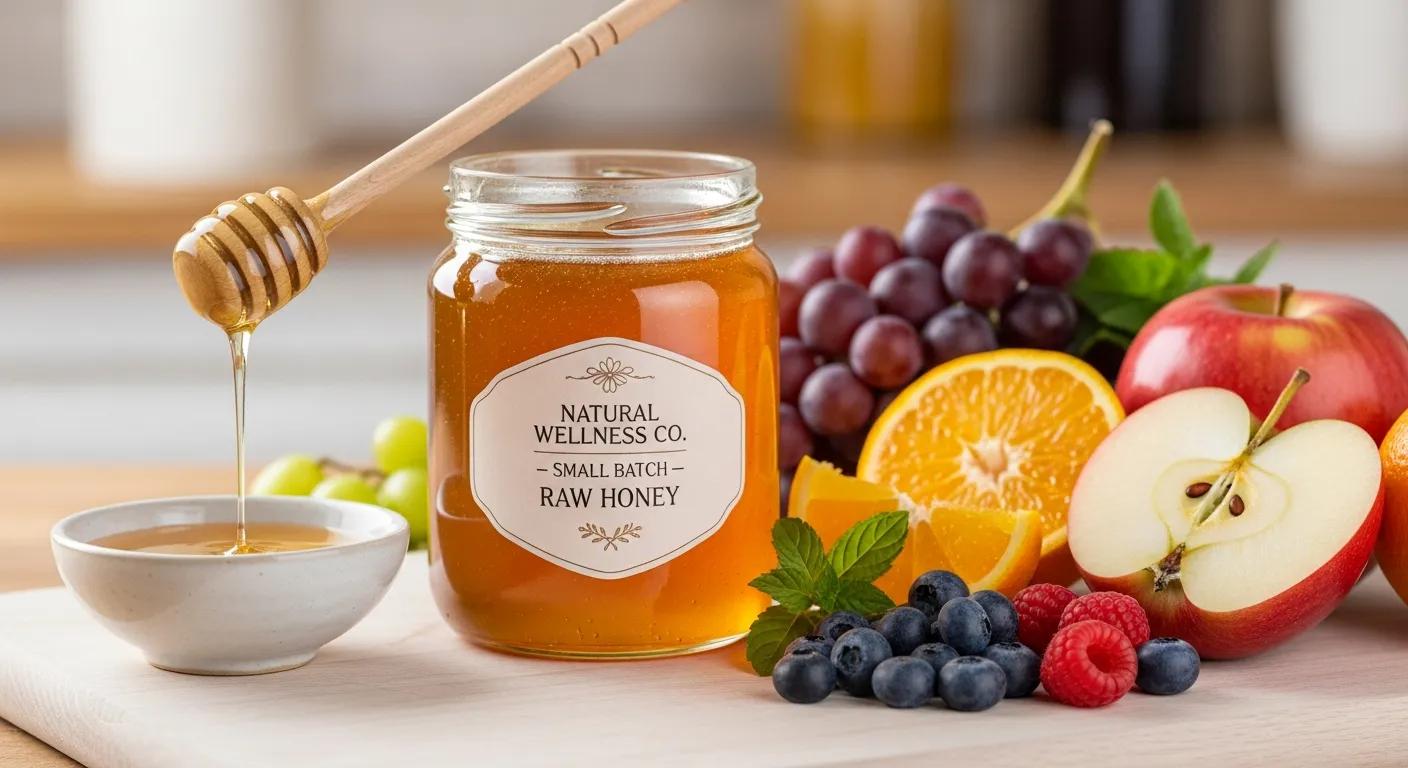
Raw honey comes right from the beehive. We handle it gently. This keeps pollen, enzymes, and other good parts safe. It is more than just a sweet treat. Raw honey can calm coughs. It helps your digestion. It adds healthy antioxidants to your food. You can use it instead of white sugar. This guide tells you about raw honey. Learn how it is different from regular honey. Discover its proven health benefits. Find easy ways to use it daily. We share simple recipes and tips. Learn how to buy and store honey. We also look at different types of honey. This helps you choose the best one.
What is Raw Honey? How is it Different?
We collect raw honey and bottle it. We use very little heat or filtering. This keeps good things like enzymes and pollen in the jar. It also keeps propolis and natural flavors. These parts give honey its healthy power. They add unique flower tastes. They may also help your gut health. Regular honey is often heated a lot. It is also filtered very finely. This makes it smooth and changes the taste. But it can remove many healthy parts. Raw honey has a richer flavor. It is a "whole food." People like it for soothing throats. It also goes well with foods that help your gut.
What is Raw Honey Made Of?
Raw honey has parts from bees and plants. These parts give it taste and power. Key parts include bee pollen. Pollen has tiny minerals and shows where honey came from. Propolis is a bee resin. It helps fight germs. Enzymes like invertase are also present. These enzymes help make a little hydrogen peroxide. This helps honey fight germs. Honey also has antioxidants. These fight damage in your body. You also find small amounts of vitamins and minerals. These parts change based on the flowers bees visit. Wildflower and buckwheat honeys taste different. Too much heat or filtering removes pollen. It also removes delicate enzymes. That is why "raw" honey keeps more natural goodness.
Research shows how honey fights germs naturally.
Honey Fights Germs: How it Works
Studies show honey fights germs. This power comes from hydrogen peroxide. An enzyme from bees, glucose oxidase, helps make it. This happens when honey is a bit watery. Not all honeys fight germs the same way. Scientists study how much glucose oxidase is in honey. They want to know how it affects germ-fighting power.
Honeybee glucose oxidase—its expression in honeybee workers and comparative analyses of its content and H2O2-mediated antibacterial activity in natural honeys, M Bucekova, 2014
Raw vs. Processed Honey: What's the Difference?
Raw and regular honey look alike on paper. Both have mostly fructose and glucose sugars. They have similar calories. The big difference is in the small, important parts. Raw honey keeps enzymes, pollen, and propolis. It also has more antioxidants. Heating or filtering can remove these. Raw honey offers small health benefits. A little bit can help your body fight damage. It can also soothe your throat. Regular honey is mostly just a sweetener. These differences matter for health uses. Think about wound care or cough relief.
Other studies show that heating honey can lower its germ-fighting power.
Raw vs. Processed Honey: Germ-Fighting Power
Tests show that heating honey in a microwave or with high heat can harm it. It stops enzymes from bees from working. This lowers honey's power to fight germs. This means how honey is made changes its health benefits.
Microwave processing of honey negatively affects honey antibacterial activity by inactivation of bee-derived glucose oxidase and defensin-1, M Bucekova, 2018
What are the Health Benefits of Raw Honey?
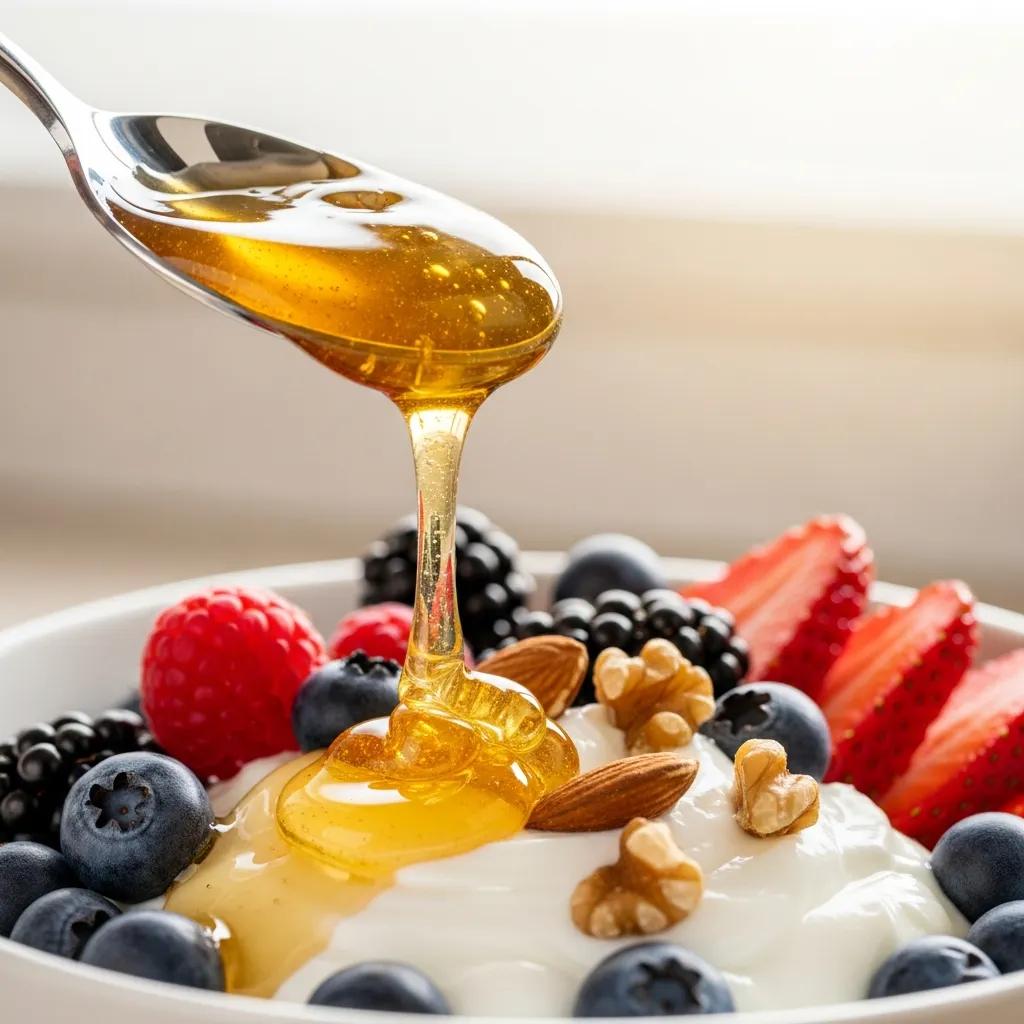
Raw honey has many proven benefits. It acts as an antioxidant. It fights germs. It also helps your gut health. These effects are seen in studies. Special plant compounds fight body damage. Enzymes in honey fight germs. This can soothe a sore throat. It can also help minor wounds heal. Honey may help good gut bacteria grow. This means honey can help with coughs. It can speed up wound healing. It can also help your digestion. This is true when honey is part of a healthy diet. The table below shows these benefits. It explains how they work. It also shares the proof.
| Benefit | How it Works | What We Know |
|---|---|---|
| Immune Support | Special plant compounds fight body damage and swelling. | Studies (2020–2024) show it helps fight damage. It helps, but it's not a vaccine. |
| Digestive Health | It helps good gut bacteria grow and fights bad germs. | New research suggests it helps your gut stay healthy. |
| Cough & Throat Relief | It coats your throat. Enzymes fight germs and calm coughs at night. | Studies show honey can work as well as some cough medicines for kids over 1 year. |
| Wound Healing | It fights germs and helps skin heal when put on wounds. | Doctors use special honey for wounds. Regular raw honey can help small cuts. |
People have used honey for wounds for a long time. Scientists are now studying it again. They look for new ways to treat wounds. This is important as some medicines stop working.
Honey for Wounds: Old Idea, New Science
Honey has been used to heal wounds for ages. New studies show how it works. People are looking at honey again. This is because some medicines are not working as well. They want other ways to treat skin problems.
Honey and wound healing: an update, A Khachemoune, 2017
The table shows what honey's parts do. It shows what benefits are proven. It also shows what is still being studied.
How Does Raw Honey Help Your Immune System?
Raw honey helps your body stay strong. It has antioxidants and germ-fighting power. These help lower swelling. They also fight small germ problems. Special plant compounds fight damage in your body. Honey's low acid level and enzymes fight germs. Try a small amount daily. Stir a teaspoon into tea or yogurt. This adds antioxidants without too much sugar. Never give honey to babies under one year old. It can cause a serious illness called botulism. Honey is good for you, but it's not a magic cure.
How Does Raw Honey Help Your Digestion?
Raw honey can help your digestion. It has mild parts that feed good gut bacteria. It also gently fights bad germs. This can help balance your gut. Studies show honey helps good bacteria grow. These include bifidobacteria and lactobacilli. Honey's germ-fighting action can calm a mild upset stomach. It does this without killing helpful germs. Try a teaspoon of raw honey with ginger. Or mix it with yogurt that has good bacteria. Do this for occasional stomach comfort. See a doctor for ongoing stomach problems.
How to Use Raw Honey Every Day?
It is easy to use raw honey daily. It sweetens drinks. Use it instead of white sugar in baking. It works well in salad dressings. It can soothe a sore throat. You can also put it on minor skin problems. Simple recipes make it easy to use. Try lemon-honey cough syrup. Make honey-ginger drinks for digestion. Use honey in salad dressings. Choose the right honey for your need. Lighter honeys are good for drinks. Darker honeys have more antioxidants. They are better for health uses. Here are quick ideas to try at home.
| Recipe / Remedy | Honey Type | What it Helps With |
|---|---|---|
| Lemon Honey Cough Syrup | Lemon honey | Soothes coughs and sore throats. |
| Honey-Ginger Drink | Ginger honey or wildflower honey | Calms mild stomach upset and helps digestion. |
| Antioxidant Smoothie Topping | Buckwheat or dark wildflower honey | Adds more healthy antioxidants to smoothies. |
Easy Honey Remedies for Everyday Problems?
You can make simple honey remedies at home. They help with small, common problems.
For a cough: Mix two spoons of lemon honey. Add juice from half a lemon. Take one teaspoon when you need it. The honey coats your throat. The lemon adds a fresh taste.
For an upset stomach: Put grated ginger in hot water. Let it sit for five minutes. Stir in one teaspoon of wildflower honey. Sip it slowly. Honey works with ginger to calm your stomach. It can ease mild discomfort.
For minor skin care: Put a thin layer of raw honey on clean skin. Leave it for 20 to 30 minutes. Then rinse it off. Honey fights germs and helps clean skin. It can calm irritated skin.
Never give honey to babies under one year old. See a doctor for problems that do not go away or are serious.
Healthy Recipes Using Raw Honey?
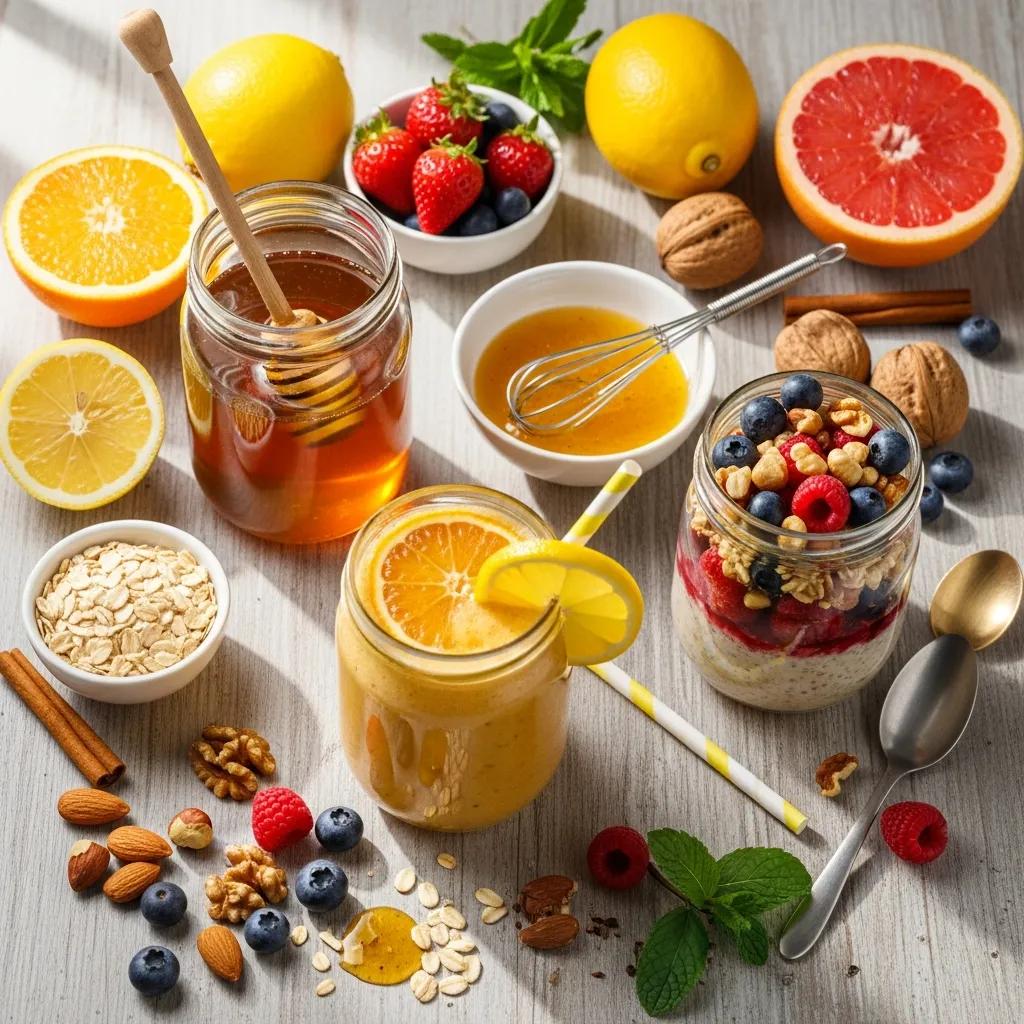
Use honey instead of white sugar. You get sweetness and more flavor. You also get healthy plant nutrients. Honey is great in smoothies. It works well in oatmeal and salad dressings.
Honey-Citrus Smoothie: Blend spinach and a banana. Add one spoon of plain yogurt. Add one teaspoon of orange-turmeric honey. Drizzle in a little more honey to taste. This smoothie is fresh and balanced. It also helps fight swelling in your body.
Honey-Lemon Dressing: Whisk two spoons of olive oil. Add one spoon of lemon juice. Add one teaspoon of raw honey. Season with salt and pepper. This fresh dressing replaces sugary ones.
Overnight Oats: Stir one spoon of wildflower honey into oats and milk. Add your favorite fruit. Put it in the fridge overnight. Honey adds flavor. It also helps hold the ingredients together.
These recipes use less white sugar. They add more flavor. They can also add more healthy plant nutrients.
How to Choose and Store Good Raw Honey?
To pick good raw honey, check the label. See where it comes from. Look at how it was made. You want honey that keeps its healthy parts. Look for "minimal processing." Look for "single-source" or "small-batch." See if it names the flowers the bees visited. Store honey in a cool, steady place. Keep it out of direct sunlight. Use airtight glass jars. Avoid high heat. Heat can harm the enzymes. Here is a quick list to find good raw honey.
- Look for labels that say "minimal processing."
- Also look for "single-source" or "small-batch."
- Choose jars that look a bit cloudy.
- Natural sugar crystals are a good sign.
- These mean less filtering.
- Buy from sellers who say where the honey came from.
- They should also say when it was gathered.
- Do not buy honey that looks too clear or perfect.
- This can mean it was filtered too much.
- Store honey as the label says.
- Use dark jars if it will be in light for a long time.
How to Find Good Raw Honey?
Good raw honey has certain signs. It has a rich smell. Different jars will taste different. It will have natural sugar crystals. The label should say "raw" or "unpasteurized." At home, watch how it pours. It should pour slowly, like syrup. You might see small sugar grains. These are signs of natural sugars. They also mean less filtering. Smell for flower or plant scents. These should match where the honey came from. If you are not sure, pick small-batch sellers. Choose those who care for bees well. These honeys often have more healthy plant compounds. They also have a richer flavor.
How to Store Raw Honey to Keep it Good?
Store raw honey in a cool, dry place. Use a tightly sealed container. This protects its enzymes and flavors. Keep jars out of direct sunlight. Avoid very hot places. Use glass or safe plastic containers. Do not use metal containers. Do not put honey in the fridge. This makes it crystallize faster. If your honey gets solid, warm the jar gently. Put it in a warm water bath. Keep the water below 104°F (40°C). This makes it liquid again without harming enzymes. Stored well, raw honey lasts for years. Changes in how it looks or feels are normal. It means it is getting older, not spoiled.
Different Types of Raw and Infused Honeys: What's Special?
Different raw honeys have special tastes. They also have different health benefits. You can use them for cooking or wellness. Wildflower honey has a balanced taste. It has many healthy plant compounds. Buckwheat honey is darker. It has more antioxidants. It is great for strong recipes. It gives a bigger antioxidant boost. Infused honeys mix raw honey with herbs or spices. Cinnamon honey adds warmth and helps digestion. Lavender honey has a gentle, calming smell. These honeys give you flavor and health benefits. The table below helps you choose.
| Honey Type | What's Special | Best Uses |
|---|---|---|
| Wildflower Honey | Many plant compounds, balanced taste. | Daily sweetener, in tea, yogurt, for general health. |
| Buckwheat Honey | Dark color, more antioxidants. | Baking, strong sauces, a bigger antioxidant boost. |
| Cinnamon Honey | Cinnamon's healthy parts + honey's antioxidants. | Helps digestion, in warm teas, comforting taste. |
| Lavender Honey | Calming flower smell + honey's benefits. | Soothing teas, desserts, for calm moments. |
What are the Benefits of Wildflower and Buckwheat Honeys?
Wildflower honey comes from many flowers. It has a pleasant taste. It has a good amount of healthy plant compounds. It is great for daily use in drinks and breakfast. Buckwheat honey is darker. It usually has more antioxidants. It is a good choice for extra health benefits. It has a strong, rich flavor. This flavor works well in baking. It is also good in savory dishes. Choose based on what you need. Do you want a light, sweet taste for daily use? Or do you want a strong antioxidant boost for special recipes?
How Do Infused Honeys Help Your Well-being?
Infused honeys add special plant benefits to raw honey. Cinnamon honey mixes honey's antioxidants with cinnamon. Cinnamon adds warmth and helps digestion. It also helps fight swelling. Lavender honey adds calming smells. This works well in teas before bed. It is also good for gentle skin care. Use infused honeys for both flavor and health. Cinnamon helps your digestion. Lavender helps you feel calm.
Huckle Bee Farms makes raw and infused honeys. They make small batches by hand. They use real ingredients. They care about healthy bees and the environment. This company is owned by a veteran. They focus on knowing where honey comes from. They use very little processing. These are the things we suggest when you choose honey. Try their special honeys like lemon, cinnamon, or lavender. Buckwheat honey is also available. Trying these helps you explore new tastes. It also supports good beekeeping.
- Easy Next Steps: Stir one teaspoon of wildflower honey into your yogurt. Do this every morning. It adds daily antioxidant support.
- For Specific Needs: Try cinnamon honey in warm water. It helps your digestion. Or use buckwheat honey in recipes. It gives more antioxidants.
- Buying Tip: Choose small companies. Pick those that are open about their honey. They should say where the flowers came from. They should also use minimal processing.
Common Questions About Raw Honey
Can I use raw honey instead of sugar in baking?
Yes, you can use raw honey instead of sugar. It works well in many baked foods. Honey adds moisture and a special taste. Use about ¾ cup of honey for every cup of sugar. Also, use ¼ cup less liquid in the recipe. This helps keep the right texture. Honey is sweeter than sugar. Taste and add more if needed. Honey is a bit acidic. This can change how baked goods rise.
Is raw honey safe for everyone?
Raw honey is safe for most adults. But never give it to babies under one year old. It can cause a serious illness called botulism. Pregnant people should ask their doctor first. People with other health issues should also ask. If you have bad allergies to pollen or bee products, be careful. Raw honey can cause a reaction. Always ask a doctor if you are unsure.
How do I know if my raw honey is bad?
Raw honey lasts a very long time if stored right. It rarely goes bad. It is normal and safe for honey to get solid. Gently warm the jar in water to make it liquid again. Signs of bad honey include a sour smell. Look for strange color changes or mold. If you see these, throw the honey away. Most changes in how it looks or feels are natural. They do not mean it is bad.
What are good ways to use raw honey in my diet?
It is easy and tasty to add raw honey to your food. Put it in tea or yogurt. Use it to sweeten smoothies. Drizzle it over oatmeal and pancakes. Add it to salad dressings and marinades. For simple help, mix honey with lemon for coughs. Or use it with ginger for digestion. Use small amounts. This way you get benefits without too much sugar.
What health problems can raw honey help with?
Studies show raw honey helps with coughs. It also helps with sore throats. It can help with some stomach problems. This is because it fights germs. It also helps good gut bacteria. Doctors use special honey for wounds. But honey is not a substitute for a doctor. Always see a doctor for serious or ongoing problems.
How should I store raw honey?
Store raw honey in a cool, dry place. Keep it out of direct sunlight. Use an airtight glass or safe container. Do not put it in the fridge. This makes it get solid faster. If it gets solid, warm the jar gently in water. This makes it liquid again. It will not harm the enzymes. Stored well, honey keeps its taste and benefits for years.
Conclusion
Adding raw honey to your daily life is good. It adds flavor. It brings small but important health benefits. It helps your body fight damage. It soothes your throat. It gently helps your digestion. Choose good quality honey. Pick honey that is minimally processed. Use it in small amounts. Match the honey type to what you need. Ready to try some? Look at our raw and infused honeys. Find a jar that fits your kitchen. Find one that fits your health goals.
About the Author - Jim Douglas, Founder of Huckle Bee Farms
Jim started Huckle Bee Farms. It is a family company. They make small batches of raw and infused honeys. Jim loves to cook at home. He creates easy recipes. He is a beekeeper and loves nature. He cares about bees and plants. Jim puts his passion into every bottle. When he is not with his bees, he shares tips. He shares recipes and bee facts. His goal is simple: to make life sweeter, naturally.
Key Points About Raw Honey
This list gives you the main points. It covers health benefits and how to use honey. It also tells you how to store it. Use it as a quick guide for raw honey.
- Health Benefits – Raw honey helps your body fight damage. It fights germs. It also helps your gut. This supports your immune system. It helps digestion and wound healing.
- Use in Cooking – Use raw honey as a natural sweetener. Put it in drinks, baked goods, and dressings. It adds flavor and cuts down on white sugar.
- Honey Types – Different honeys like wildflower and buckwheat have unique tastes. They also have different health benefits. Use them for different cooking needs.
- Easy Remedies – You can easily use raw honey for home remedies. Make cough syrups or digestive drinks. They offer natural relief for small problems.
- How to Store – Keep raw honey in a cool, dry place. Use an airtight container. Keep it away from direct sunlight and heat. This keeps it good.
- Picking Good Honey – Look for labels that say "minimal processing." Also look for "single-source." This means you get high-quality honey with all its good parts.


