Cheese and Honey Pairings: A Charcuterie Lover’s Guide
Cheese and Honey Pairings: A Charcuterie Lover’s Guide
Updated: January 2026
Cheese and honey pairings unlock a world of flavor harmony by balancing sweet, floral, smoky, and spicy notes with creamy, aged, or tangy cheeses for unforgettable tasting experiences. Whether you’re building a show-stopping cheese board, experimenting with wine and cheese nights, or elevating everyday snacks, this guide breaks down the best matches, pairing principles, and culinary tips that make honey the perfect complement to a wide range of cheeses.
Quick Pairing Guide: The Cheat Sheet
Looking for the perfect match? Here are the top honey and cheese pairings recommended by our beekeepers:
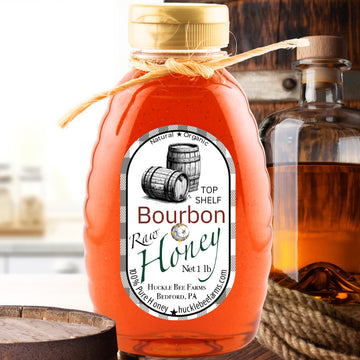
Sharp Cheddar: Pair with Bourbon Infused Honey for a smoky, oaky finish.
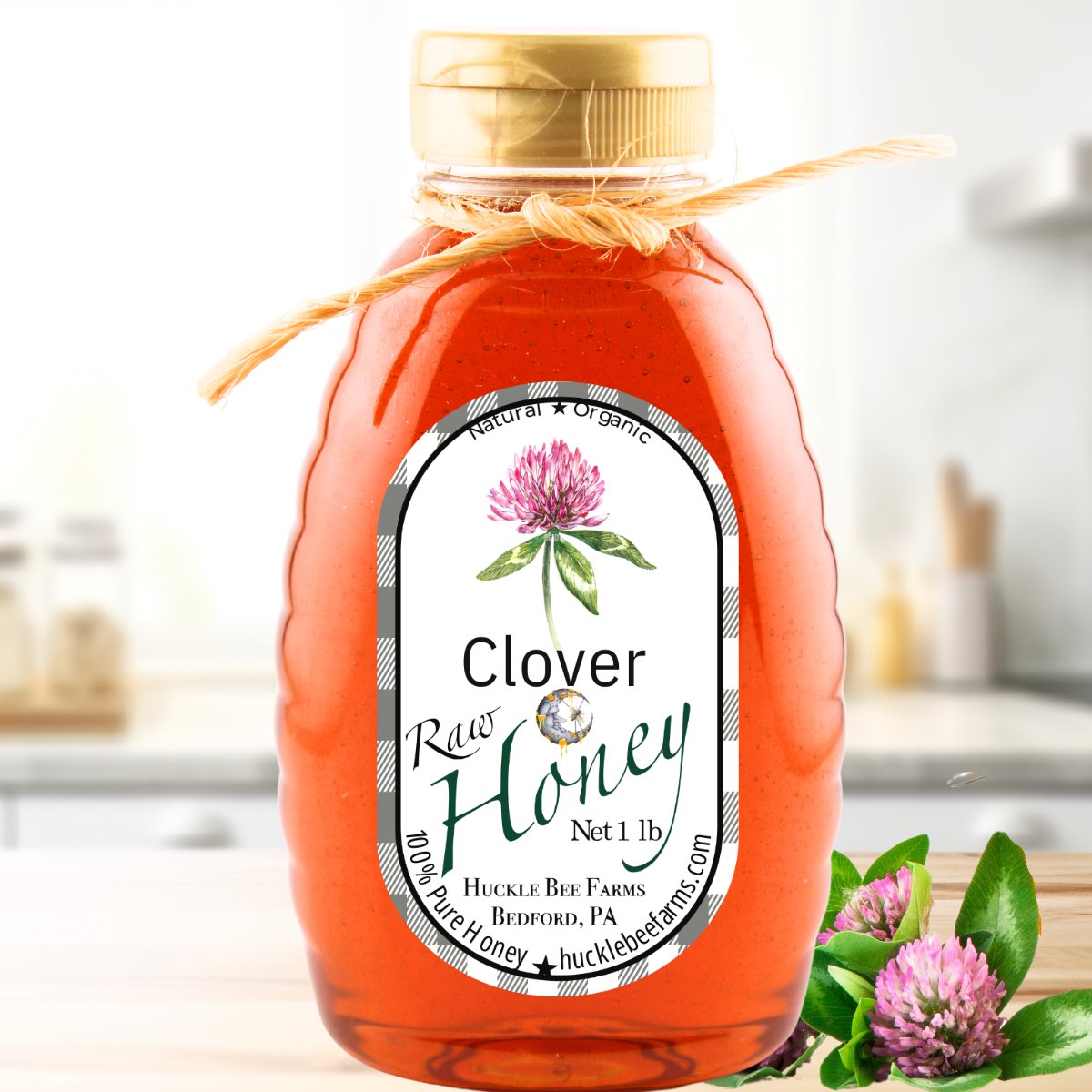
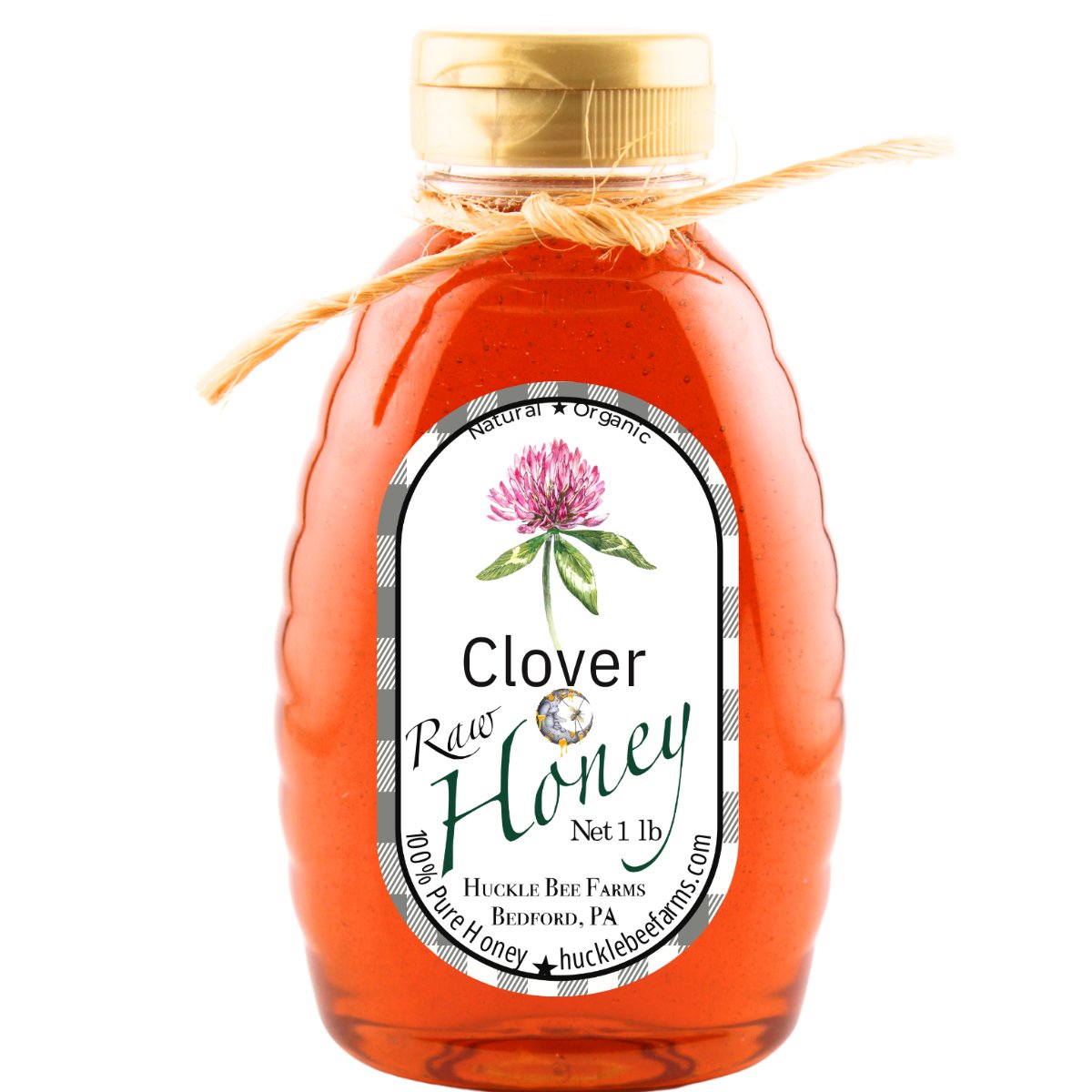
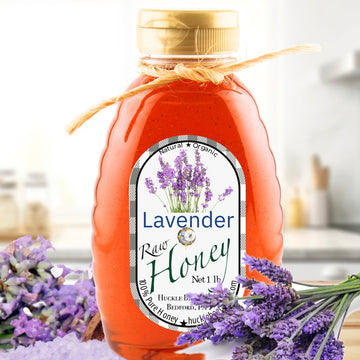
Creamy Brie: Pair with Raw Clover Honey or Lavender Infused for a delicate floral balance.
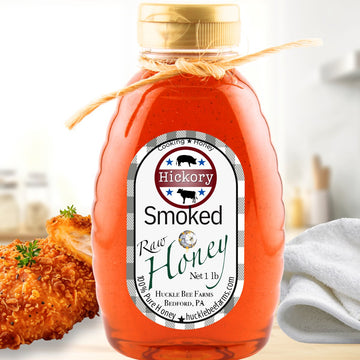
Blue Cheese: Pair with Hickory Smoked Honey to cut through the saltiness.
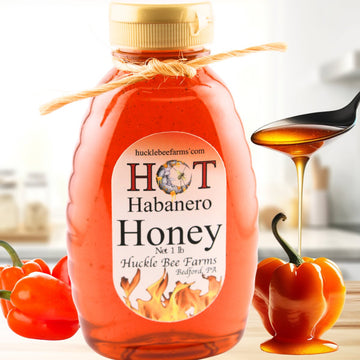
Goat Cheese (Chèvre): Pair with Hot Pepper Infused Honey for a sweet-heat contrast.
Ricotta: Pair with Lemon Infused Honey for a bright, dessert-like spread.

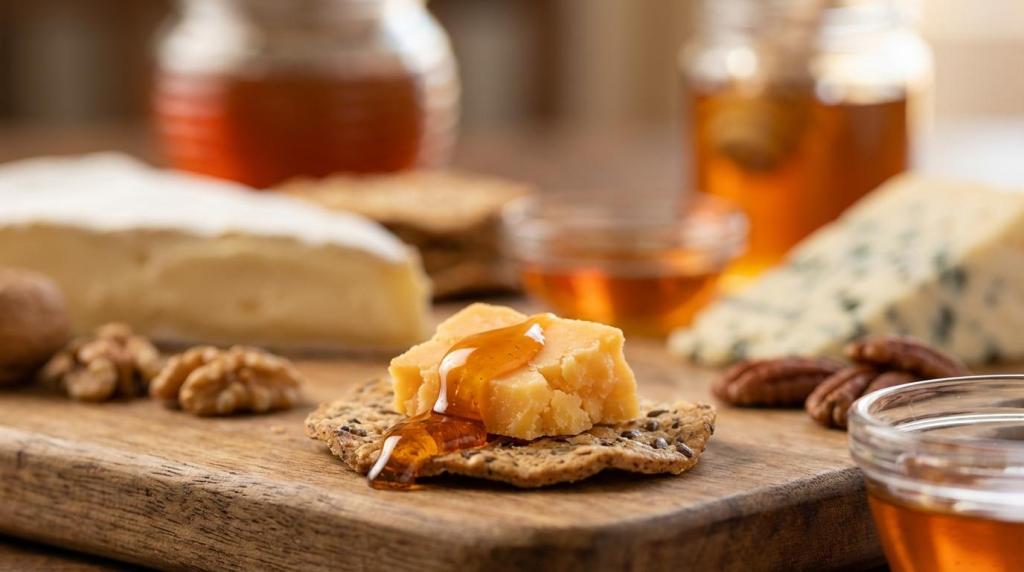
A great cheese board has a little drama built in: creamy next to crunchy, salty next to sweet, mild next to funky, offering gourmet cheese and honey pairings as well as sweet and savory cheese pairings, creating exciting taste combinations that craft every bite to be extraordinary. Honeycomb slides right into that contrast. It softens sharp edges, brightens rich cheese, and turns a simple bite of cracker-and-cheese into something you want to talk about.
If you love charcuterie, think of honey as both a condiment and a pairing tool, especially when exploring how to pair honey with cheese, including charcuterie board honey ideas and the best cheese with spicy honey for charcuterie board combinations. The trick is choosing the right style of honey for the cheese in front of you, exploring different honey varieties, then serving it in a way that keeps flavors clear and guests curious.
Why honey works so well with cheese
Cheese brings fat, salt, tang, and sometimes a little funk. Honey brings sweetness, aroma, and gentle acidity depending on the floral source. Put them together and you get a flavor “see-saw” that keeps each bite from feeling flat.
Sweet honey for cheese boards also changes texture. A thin, runny honey can sink into a bloomy rind and make it feel even more lush. A thicker, darker honey can cling to craggy shards of aged cheese and add a caramel-like finish.
And when you add infused honeys (herbs, spice, smoke, espresso), you get a quick way to introduce a new note without adding another item to the board.
The simple Cheese and Honey pairings rule: match intensity, then play with contrast
Start with strength. Mild cheeses want gentle honeys. Strong cheeses need honeys that can keep up. After that, contrast is your friend: sweet against salty, floral against earthy, heat against funk.
A helpful way to think about it is “volume.”
- A fresh chèvre tastes like a quiet acoustic song.
- A blue cheese tastes like a full band.
Honey can either harmonize at the same volume or act like a bright spotlight. Both can be delicious, as long as neither side bulldozes the other.
After you’ve chosen the honey, decide how you want guests to taste it. A drizzle can feel integrated and lush; a small dish for dipping keeps things cleaner and encourages comparisons.
🍯 The Honey & Cheese Pairing Challenge
Click each question below to reveal the beekeeper's secret pairing!
1. What should you drizzle on a sharp, 2-year Aged Cheddar?
The Winner: Bourbon Infused Honey.
The oak and vanilla notes from the bourbon infusion round out the sharp "bite" of the cheddar perfectly.
2. How do you balance a salty, pungent Blue Cheese?
The Winner: Hickory Smoked Honey.
The deep savory smoke acts as a bridge between the salt and the cream, creating a sophisticated savory-sweet profile.
3. Which honey makes Ricotta or Goat Cheese taste like dessert?
The Winner: Lemon Infused Honey.
Citrus and cream is a classic duo. This pairing is bright, zesty, and refreshing.
4. What is the best way to fix "crystallized" honey for a board?
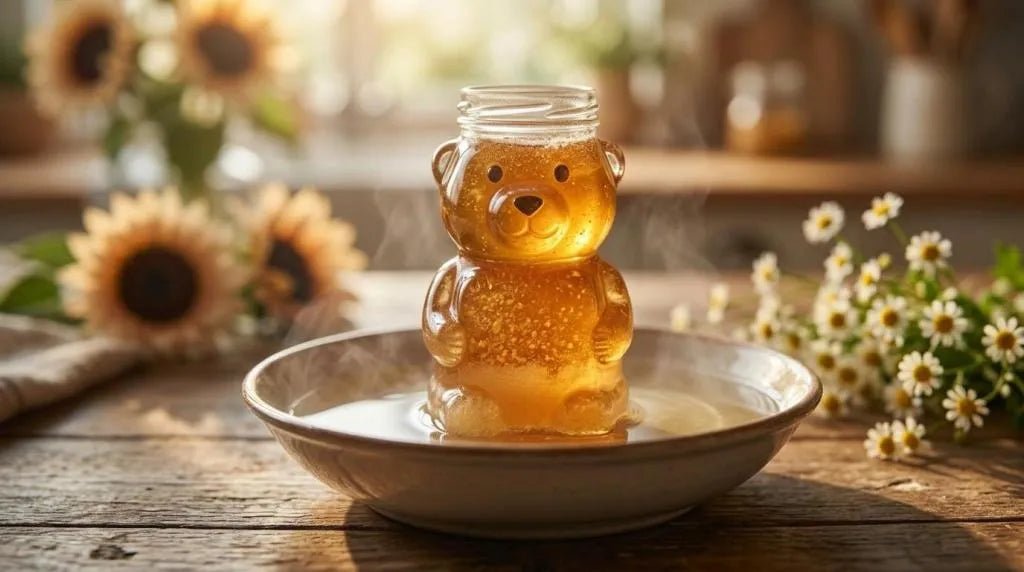
The Winner: A Warm Water Bath.
Avoid the microwave! Place the jar in warm (not boiling) water for 5-10 minutes to protect the floral enzymes and nutrients.
5. Looking for a "Sweet Heat" kick? Which cheese fits Hot Pepper Honey?
The Winner: Manchego or Aged Gouda.
Firm, nutty cheeses stand up incredibly well to the spicy finish of our Hot Pepper Infused honey.
🛒 Ready to Shop? Choose Your Vibe
🌶️ The Spicy Board
- Honey: Hot Pepper Infused
- Cheese: Aged Gouda or Manchego
- Extra: Smoked Almonds
🥃 The Savory Board
- Honey: Bourbon Infused
- Cheese: Sharp Cheddar or Blue
- Extra: Walnut Halves
🍋 The Dessert Board
- Honey: Lemon Infused
- Cheese: Ricotta or Brie
- Extra: Fresh Strawberries
Pairing cheat sheet by cheese style
Most boards include a mix of soft, hard, blue, and aged cheese types, often featuring artisan cheese, spicy honey cheese pairing, bold honey cheese pairings, smoked honey with cheese ideas, entertaining with gourmet cheese board pairings and honey, and smoked honey cheese pairing ideas to elevate the tasting experience. That’s perfect for honey for wine and cheese night because each category benefits from a different honey personality. The table below gives you reliable starting points for creating a cheese board with honey, including classic honey types and a few infused ideas that work beautifully on a party board.
Cheese style |
What it tastes/feels like |
Honey that tends to shine |
Why it works |
Extra board add-ons |
|---|---|---|---|---|
Soft and bloomy (Brie, Camembert) |
Buttery, mushroomy, creamy |
Clover, acacia, lavender, orange blossom |
Light floral sweetness lifts richness without crowding it |
Sliced pear, toasted almonds, baguette |
Fresh and tangy (chèvre, fresh ricotta, feta) |
Bright, lemony, sometimes briny |
Clover, citrus-forward honey, orange blossom |
Sweet smooths tang; aroma makes it feel “bigger” |
Cucumber, olives, pistachios |
Semi-hard and crowd-pleasing (young Gouda, Havarti, mild cheddar) |
Gentle, milky, slightly nutty |
Wildflower, clover, light herbal infusions |
Easy balance; honey adds fragrance and a glossy finish |
Grapes, apple slices, buttery crackers |
Aged and salty (Parmigiano-Reggiano, Pecorino, aged Gouda, Manchego) |
Crystalline, nutty, sharp, savory |
Buckwheat, chestnut, bourbon-infused honey |
Darker honey meets salt and nuttiness with depth |
Marcona almonds, dried apricot, seeded crackers |
Blue and pungent (Gorgonzola, Stilton, Roquefort) |
Funky, tangy, intense |
Hot honey, dark wildflower, berry-style honey |
Sweet tamps down funk; heat adds a clean contrast |
Walnut halves, fig jam, sturdy bread |
If you’re building a board around Huckle Bee Farms honeys, this is where “foundation plus accent” really helps: one classic raw honey for the mild cheeses, plus one bold infused option (bourbon, floral honey for cheese, lavender, or a sweet heat honey cheese pairing with hot honey) for the cheeses that like a little extra punch.
THE BOARD BLUEPRINT
Follow the Numbers: Clockwise from Mild to Bold
Click a number on the board to start your blueprint!
Specific pairings that rarely miss
Once you’ve got the categories down, it’s fun to pick a few “anchor bites” with gourmet pairings that you can confidently recommend to guests. These are the pairings people remember, with one particularly memorable combination being the best honey for soft cheeses, because they feel complete after one bite.
Here are reliable cheese and honey pairings to try the next time you’re slicing and setting out cheese, especially if you like having a mix of familiar and surprising flavors on the board, including honey with gouda cheese:
- Goat cheese + honey with goat cheese or clover honey
- Brie + honey with brie cheese or lavender honey
- Aged cheddar + bourbon-infused honey or honey with parmesan cheese
- Manchego + orange blossom honey or honey with manchego cheese
- Blue cheese + hot honey with cheese
If you want to make those bites feel even more intentional, add one supporting ingredient to each. A thin slice of apple under goat cheese. A toasted walnut with blue. A shard of aged cheddar on a seeded cracker. Small touches make the honey taste more “aimed,” not random.
🐝 From the Beekeeper’s Table:
"When you’re setting up your board, remember that honey is like fine wine—temperature matters. Never microwave your honey to make it 'runny' for drizzling; the high heat kills the delicate floral enzymes and dulls the flavor. Instead, let your honey jar sit in a bowl of warm water for 5 minutes. This preserves the natural integrity and keeps those complex notes alive for your pairing."— Jim Douglas, Huckle Bee Farms
Learn More...


How to serve honey on a charcuterie board (without muddling flavors)
Honey is sticky, fragrant, and eager to travel. A board with three honeys can turn into a single shared flavor if you don’t give each one its own space and tool.
Serve honey at room temperature so it pours or scoops easily. If a jar is crystallized, warm it gently in a bowl of warm water until it loosens. Skip microwaving, which can create hot spots and change the character of the honey.
After you’ve got texture right, the setup is about clarity. A few small choices make your board feel tidy and intentional:
- Separate containers: Small ramekins or mini honey pots keep the board clean.
- Dedicated tools: One spoon or dipper per honey, so flavors stay distinct.
- Drizzle timing: Let guests drizzle at the moment they eat, so soft cheese doesn’t get weepy.
A single sentence that saves a lot of cleanup: put the honey slightly “off” the cheese, not on top of it, and let people choose how much they want.

Board-building: a simple layout that guides tasting
A cheese-and-honey board feels best when it has a path. Arrange cheeses from mild to bold so people can move across the board without jumping straight from fresh chèvre to blue cheese shock.
Start by placing cheeses first, then honey, then the crunchy elements like nuts and fresh elements that fill gaps. Leave a little breathing room around the honey dishes so spoons have somewhere to land.
After you’ve placed the core items, add supporting flavors with a light touch:
- Crunch: almonds, walnuts, pistachios
- Fresh fruit: grapes, figs, pears
- Herbs: rosemary sprigs, thyme
If you only want to buy a few extras, choose one fruit and one nut and call it done. It still looks abundant when the cheeses are cut into a mix of wedges, slices, and small chunks.
A quick tasting game guests actually enjoy
If you’re serving more than one honey, turn it into a mini tasting with cheese and honey pairings without making it fussy. Put out three cheeses and two honeys and ask people to pick their favorite pairing, then swap notes.
Keep it casual. The point isn’t being “right,” it’s noticing how honey, such as honey with feta cheese, changes the cheese.
A simple structure that works well at gatherings:
- Take a bite of cheese alone.
- Add a tiny amount of honey.
- Add one crunchy element (nut or cracker) and taste again.
People who think they “don’t like blue cheese” often change their mind when they try a controlled bite with a small drizzle of honey, especially if the honey has a little spice.

Choosing honeys for your next board
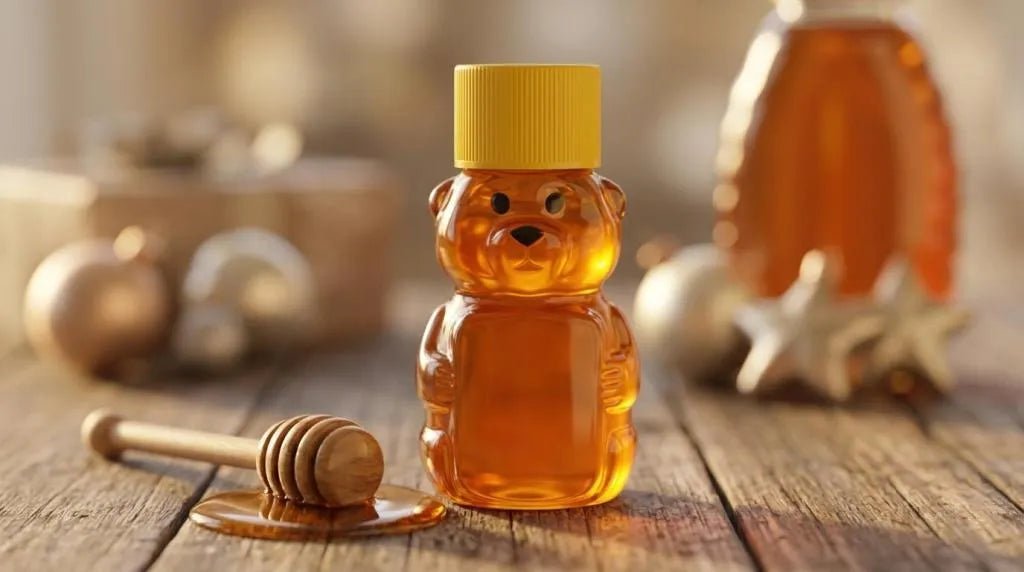
If your pantry already has a grocery-store squeeze bear, you can still make a delicious board. The difference with a small-batch raw honey is aroma, character, and how it complements different flavor profiles, which becomes obvious when you taste it next to cheese.
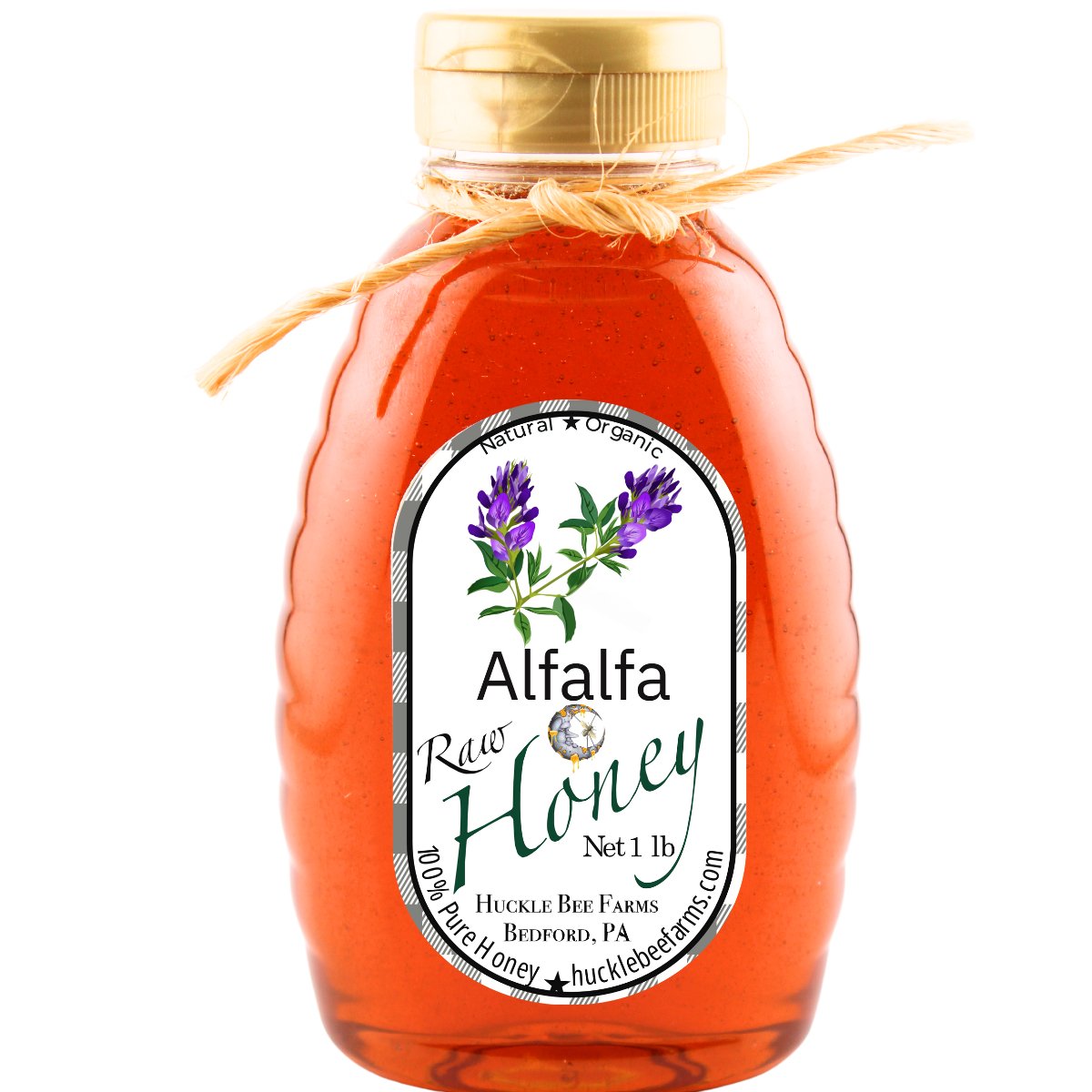
A useful shopping approach is to pick two honeys that cover the board: one mild and floral, one bold or infused. A family-run apiary like Huckle Bee Farms often offers both, including raw unfiltered classics and infused options that feel made for cheese.
When you’re deciding, think in simple roles:
- Everyday drizzle: clover or wildflower
- Conversation starter: bourbon, lavender, espresso, smoked, or hot honey
- Blue cheese tamer: hot honey or a darker wildflower
If you label the honey dishes (even with a small scrap of paper), guests will remember what they loved and you’ll get fewer “Wait, which one was that?” questions while you’re trying to enjoy your own plate.
Pairing cheese with honey is about balance, contrast, and intention. By matching floral, smoked, or spicy honeys with soft, aged, or bold cheeses, you can create tasting experiences that feel thoughtful, elevated, and endlessly customizable—whether you’re hosting guests or enjoying a simple moment at home.
Frequently Asked Questions
What types of honey are best for pairing with cheese?
Match the honey to the cheese’s strength. Mild cheeses (Brie, fresh chèvre) do well with light, floral honeys like clover or orange blossom. Strong cheeses (blue, aged Gouda) pair nicely with bolder honeys — think bourbon-infused or hot honey. Infused honeys are a fun way to introduce new flavor layers without adding extra components to the board.
How can I enhance the presentation of my cheese and honey board?
Arrange cheeses from mild to bold to create a tasting path. Use small ramekins or mini honey pots to keep honeys separate. Add fresh fruit, nuts and herbs for color and texture, and label each honey so guests can remember their favorites.
Can I use flavored honeys with any type of cheese?
Flavored honeys can upgrade many cheeses, but consider intensity. Spicy honeys pair well with pungent cheeses like blue, while a strongly flavored honey can overwhelm delicate cheeses. Aim to balance intensity and let the honey support the cheese.
What are some common mistakes to avoid when pairing cheese and honey?
Don’t forget to match intensity: a mild cheese with an overpowering honey becomes unbalanced. Avoid putting honey directly on top of every cheese — offer it separately so guests can control portions. And don’t overcrowd the board; give each pairing room to shine.
How should I store leftover honey after a cheese board event?
Store leftover honey in a clean, airtight jar at room temperature away from direct sunlight. If it crystallizes, warm the jar in a bowl of warm water until it loosens. Skip the microwave to preserve flavor and texture.
What are some creative ways to incorporate honey into cheese recipes?
Try drizzling honey over baked brie, stirring honey into a cheese spread, glazing roasted cheese, or using honey in marinades for grilled cheese. A little honey can add warmth and complexity to both hot and cold cheese dishes.
How can I make a cheese and honey tasting game more engaging?
Encourage guests to take quick notes and compare favorites. Use a simple tasting order: cheese alone, cheese with honey, then cheese with honey plus a crunchy element. A light vote at the end sparks conversation and helps people notice subtle differences.
Conclusion
Pairing cheese with honey brings contrast and harmony to a board, turning ordinary bites into memorable ones. Learn the flavor profiles of different cheeses and honeys, pick a mild and a bold option, and let the tasting guide the conversation. Explore our selection of artisan honeys to find pairings that suit your next gathering — and make entertaining a little sweeter.

Author - Jim Douglas - Founder Huckle Bee Farms
For Jim Douglas, beekeeping is more than a craft—it’s a commitment to purity and the environment. After an honorable career in the U.S. Army and a tenure as a COO for the Boy Scouts of America, Jim sought a way to combine his leadership experience with his love for the outdoors.
In 2012, he founded Huckle Bee Farms with a simple mission: to take honey back to its raw, unadulterated roots. Jim’s expertise lies in the delicate balance of infusing raw honey with organic ingredients without compromising its natural medicinal properties. His "small-batch" philosophy ensures that every jar meets the highest standards of quality and transparency. Today, Jim continues to lead Huckle Bee Farms with the same integrity he practiced in uniform, ensuring that every drop of honey supports both the health of the consumer and the survival of the honeybee.
His mission is simple: to make life a little sweeter—naturally.
Key Takeaways for Perfect Cheese and Honey Pairings
Keep these quick points in mind when you build your next cheese-and-honey board.
- Match intensity – Pair mild cheeses with gentle honeys and strong cheeses with bolder honeys for balance.
- Explore honey varieties – Floral, dark, and infused honeys all bring different strengths to a board.
- Presentation matters – Arrange cheeses from mild to bold and use separate containers for each honey to keep flavors clear.
- Incorporate supporting ingredients – Fruits, nuts, and herbs add texture and complementary flavors.
- Engage guests with tasting games – A small, structured tasting helps people notice how honey changes each cheese.
- Label honey varieties – Simple labels help guests remember favorites and make the experience more enjoyable.