Herbal Tea Blends: Natural Remedies & Flavors
Handcrafted, Caffeine‑Free Remedies for Calm, Digestion, and Immunity
Explore herbal tea blends crafted from natural ingredients to support wellness, deliver rich flavor, and create soothing, caffeine-free drinks for any time of day.
Table of contents

What You Will Learn About Herbal Tea Blends and Their Benefits
This list highlights key insights you will gain regarding herbal tea blends, their health benefits, and practical tips for crafting effective infusions.
- Understanding Herbal Tea Blends – Learn what herbal tea blends are, including their composition of dried herbs, flowers, and spices, and how they differ from traditional teas.
- Health Benefits of Tisanes – Discover the various health benefits associated with herbal teas, such as calming effects, digestive support, and immune system enhancement.
- Flavor Profiles and Pairing – Explore how different herbs contribute unique flavors and therapeutic properties, allowing you to create blends tailored to your wellness goals.
- Brewing Techniques for Optimal Flavor – Gain insights into the best brewing practices, including water temperature and steeping times, to maximize the extraction of beneficial compounds.
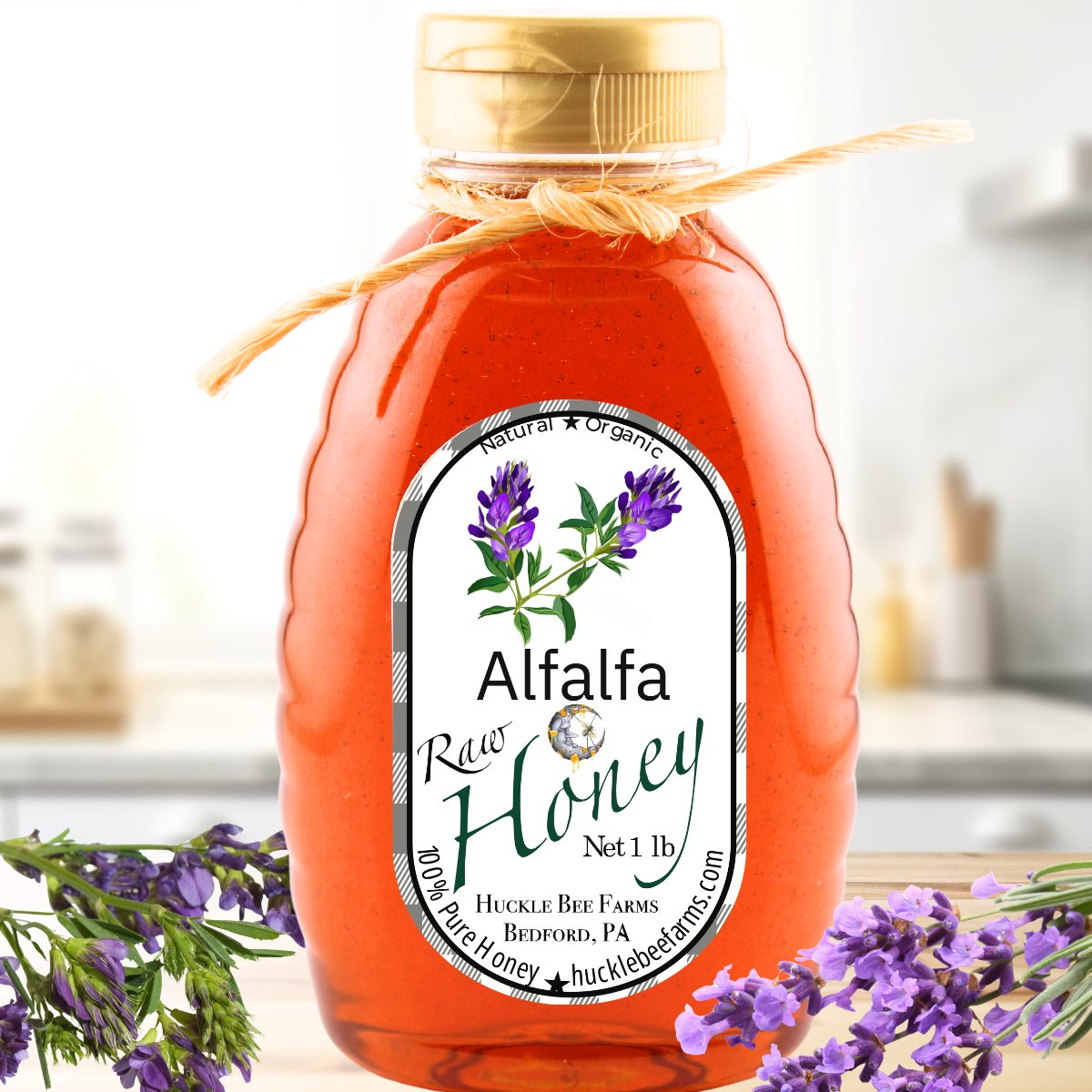
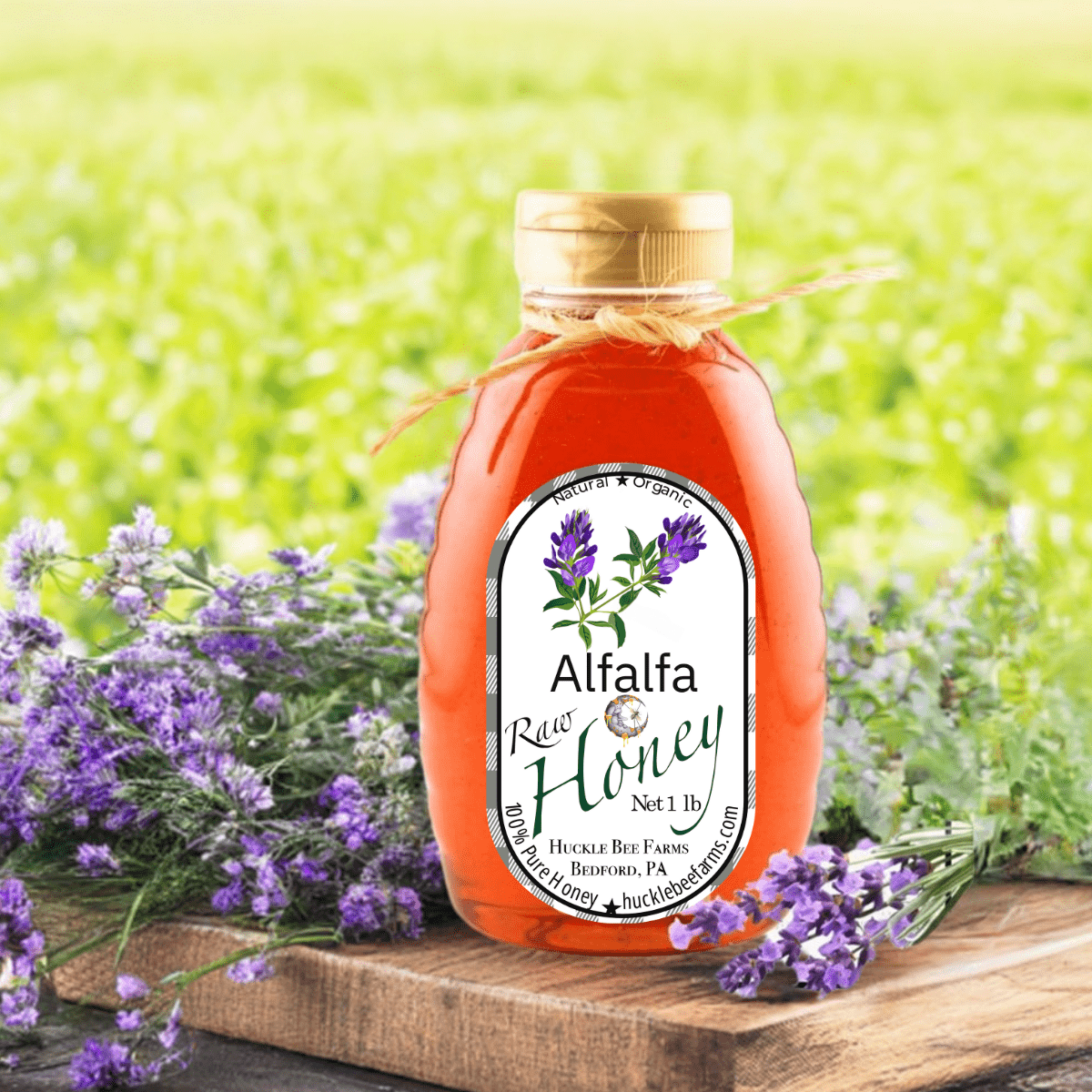
- Using Artisanal Infused Honeys – Understand how to incorporate infused honeys to enhance flavor and add functional benefits to your herbal tea experience.
- Crafting Symptom-Specific Blends – Learn how to assemble herbal blends targeting specific symptoms like anxiety, digestive discomfort, or immune support.
- Storage Tips for Freshness – Discover effective methods for storing herbal blends to maintain their potency and flavor over time.
Herbal tea blends — often called tisanes — are small‑batch infusions made from dried herbs, flowers, spices and fruit. They bring bright, caffeine‑free flavor and targeted wellness benefits through plant compounds like terpenes, flavonoids and volatile oils. Those compounds interact with the body in gentle ways: encouraging relaxation, easing digestion and supporting immune function. This guide breaks down how different tisanes work as natural remedies, points out the best caffeine‑free options for sleep and calm, compares digestive and immunity‑focused blends, and shares honey‑friendly recipes to lift both taste and function. You’ll also get straightforward brewing tips, evidence‑based herb profiles, and pairing ideas that protect delicate enzymes while maximizing flavor. We use search‑friendly phrases like “caffeine free tea,” “tisane benefits,” and “herbal tea types” so you can find blends that suit your needs and pair them with our artisanal infused honeys for an extra layer of flavor and wellness.
What Are Herbal Tea Blends and Their Health Benefits?
Herbal tea blends (tisanes) are naturally caffeine‑free infusions made from plants other than Camellia sinensis. They concentrate bioactive constituents — antioxidants, volatile oils and mild alkaloids — into a cup that can help reduce inflammation, calm the nervous system, soothe the gut and offer immune‑supporting nutrients. Understanding how these plant compounds work makes it easier to choose herbal blends as a flavorful alternative to traditional tea. Below is a quick reference to core herbs, their flavor notes and commonly reported benefits to help you match blends to your wellness goals.
| Herb | Flavor | Common Benefits |
|---|---|---|
| Chamomile | Floral, apple‑like | Calming, mild sedative, anti‑inflammatory |
| Peppermint | Cool, minty | Antispasmodic — eases bloating and nausea |
| Ginger | Warm, spicy | Anti‑nausea, digestive stimulant, anti‑inflammatory |
| Lavender | Floral, herbaceous | Promotes relaxation, eases anxiety, aromatic sleep aid |
| Hibiscus | Tart, cranberry‑like | Antioxidant‑rich — supports healthy blood pressure |
| Elderberry | Tart‑sweet | Immune‑modulating, rich in anthocyanins |
Use this quick chart to pair taste with function so you can pick blends that balance flavor and therapeutic intent. These herb profiles set up the practical tips that follow on how to use tisanes as natural remedies.
How Do Herbal Teas Serve as Natural Remedies?
Herbal teas work as natural remedies by delivering concentrated plant compounds that act on systems like GABA receptors, digestive smooth muscle and inflammatory pathways. For example, chamomile contains apigenin, which interacts with receptors linked to relaxation; ginger’s gingerols and shogaols affect pathways that reduce nausea. Many traditional uses are supported by modern studies that clarify mechanisms, though the strength of evidence varies and high‑quality clinical trials are limited for some herbs. Safety matters — pregnant people, anyone taking medication, and those with allergies should check with a healthcare provider before making herbal infusions a regular remedy. With that in mind, the next section explains how flavor choices and ingredient proportions shape both the experience and function of a blend.

Which Flavors and Ingredients Define Herbal Tea Blends?
Herbal blends fall into familiar flavor families — floral, minty, spicy, fruity and earthy — and those families often line up with functional roles. Floral herbs like chamomile and lavender encourage relaxation and pair nicely with mild honeys; minty herbs such as peppermint and lemon balm cool and support digestion. When building a blend, people typically choose a base herb, add a flavor enhancer, and finish with a small functional accent to balance taste and effect. Example formulas: a calming blend (chamomile 60%, lavender 20%, lemon balm 20%) and a digestion blend (peppermint 50%, fennel 30%, ginger 20%). These flavor maps set expectations for taste and therapeutic outcome and lead into the brewing and timing tips for sleep and relaxation below.
Which Caffeine-Free Herbal Infusions Promote Relaxation and Sleep?

Caffeine‑free herbal infusions support relaxation and sleep by combining herbs that lower arousal, encourage mild GABAergic activity or ease sympathetic tone. Common sleep allies — chamomile, lavender, lemon balm and valerian — contain compounds with mild sedative or anxiolytic effects and blend well to improve both taste and efficacy. How you brew, how concentrated the cup is, and when you drink it shape the result; a longer steep and a warm cup 30–60 minutes before bed often help the most. Below are profiles of three calming herbs and clear brewing guidance to turn their chemistry into better evenings.
What Are the Benefits of Chamomile, Lavender, and Lemon Balm Teas?
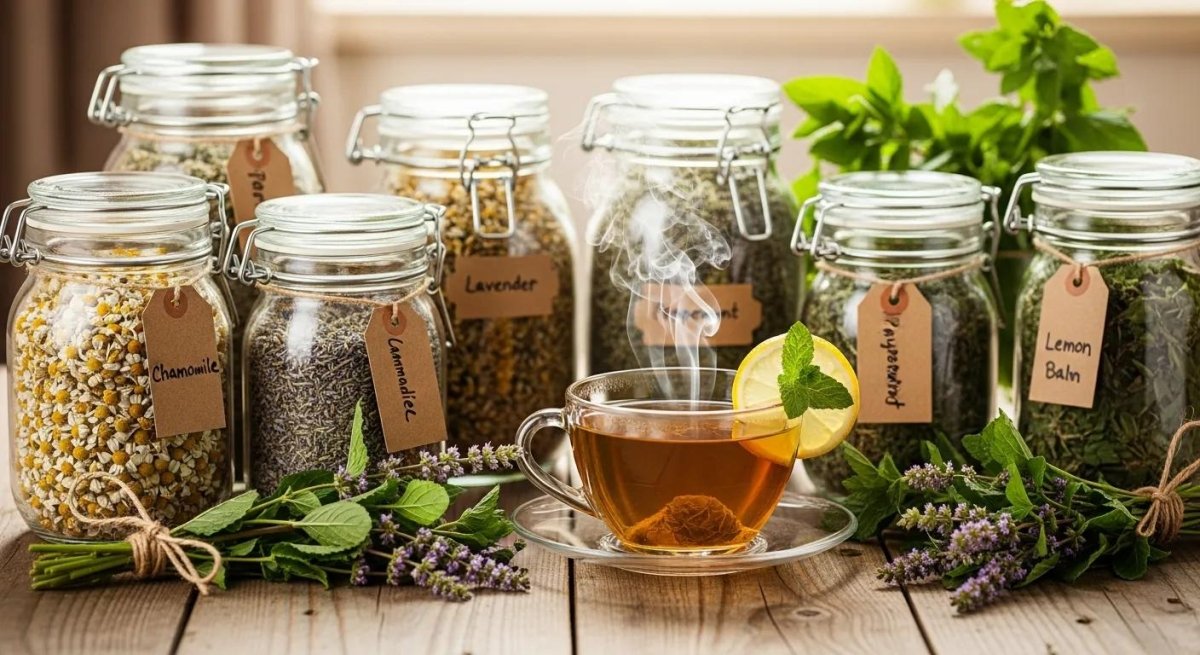
Chamomile’s apigenin offers mild sedative and anti‑inflammatory activity and tastes soft and apple‑like, making it a common base for evening blends. Lavender contributes linalool and linalyl acetate — compounds that calm both by scent and ingestion — and gives a floral, slightly herbaceous note. Lemon balm contains rosmarinic acid and volatile oils with anxiolytic and mild GABAergic activity; its bright lemon‑mint profile lifts blends while easing nervous‑system arousal. Pairing these herbs with a mild raw infused honey rounds the cup without masking key aromatics. Practical brewing and timing tips follow next.
How to Brew and Use Herbal Teas for Better Sleep?
To preserve fragile aromatics and extract calming compounds, use water just below boiling (about 90–95°C) and steep 5–10 minutes for delicate herbs, or 10–15 minutes for roots like valerian. For an 8‑ounce cup, start with 1–2 teaspoons of dried blend and adjust to taste and effect; stronger infusions are fine but watch for daytime drowsiness. Add honey only after the tea cools below about 40°C to protect raw honey enzymes and volatile aromatics. Timing matters: a soothing cup 30–60 minutes before sleep supports the transition to rest, and a consistent nightly ritual helps deepen the effect over time.
How Do Digestive Herbal Teas Support Gut Health?
Digestive herbal teas support the gut through carminative, antispasmodic, prokinetic and anti‑inflammatory actions that ease bloating, nausea and indigestion. Herbs like peppermint, ginger and fennel work by relaxing smooth muscle, modulating receptors and dispersing gas, making targeted blends useful for symptom relief. Which herbs you choose depends on your symptoms: peppermint for cramping and IBS‑type spasms, ginger for nausea and motility, and fennel for gas and mild colic. The table below summarizes each herb’s attributes and typical uses so you can assemble symptom‑specific blends.
| Herb | Attribute | Typical Use / Effect |
|---|---|---|
| Peppermint | Antispasmodic (menthol‑rich) | Relieves intestinal cramping and reduces gas |
| Ginger | Prokinetic / antiemetic (gingerols) | Eases nausea and improves gastric emptying |
| Fennel | Carminative (anethole) | Reduces bloating and soothes mild colic |
| Chamomile | Anti‑inflammatory (apigenin) | Soothes mucosa and lessens postprandial discomfort |
This quick reference helps you match symptoms with herb attributes so you can craft blends for specific digestive needs. With these roles in mind, we profile the three core digestive herbs and offer pairing notes next.
What Roles Do Peppermint, Ginger, and Fennel Play in Digestion?
Peppermint relaxes intestinal smooth muscle — menthol‑driven effects that can ease cramping and some IBS symptoms. Ginger’s gingerols and shogaols reduce nausea through actions on gastric receptors and central emetic pathways and lightly stimulate digestion; its warming flavor also comforts on chilly days. Fennel’s anethole acts as a carminative and gentle antispasmodic, with a sweet licorice note that pairs nicely with chamomile and ginger. Blending cooling and warming herbs balances flavor and function to address both bloating and nausea. After these notes, you’ll find practical blend ideas and preparation tips.
Which Herbal Tea Blends Alleviate Bloating and Nausea?
Assemble symptom‑targeted blends using the herbs above. For bloating: fennel (40%), peppermint (30%) and chamomile (30%) for carminative action and mucosal soothing. For nausea: ginger (50%), peppermint (25%) and lemon balm (25%) to combine antiemetic action with calming flavor. Preparation tips: for acute symptoms try slightly stronger infusions (1.5–2 teaspoons per cup) and sip slowly; cold‑brewed ginger can be gentler on a sensitive stomach. If symptoms persist or are severe, seek medical evaluation to rule out underlying conditions. These blends lead into immunity‑focused tisanes that balance taste with functional support.
What Are the Best Immunity-Boosting Herbal Tea Blends?

Immunity‑supporting blends combine antioxidant‑rich herbs and immune‑modulating botanicals to bolster baseline resilience and soothe symptoms during respiratory illness. Elderberry, echinacea, hibiscus and ginger bring anthocyanins, polysaccharides and vitamin‑C‑like activity that — in some studies — may shorten symptom duration or lessen severity. Good immune blends balance taste and bioactive synergy: hibiscus adds bright tart flavor and vitamin‑C‑like antioxidants, elderberry supplies concentrated anthocyanins, and ginger offers warming anti‑inflammatory support. The table below compares elderberry, echinacea and hibiscus by active components and commonly reported benefits to help you choose a blend.
| Herb | Active Compounds | Documented Benefits |
|---|---|---|
| Elderberry | Anthocyanins, flavonoids | May reduce cold/flu symptom duration and severity |
| Echinacea | Polysaccharides, alkamides | Immune‑modulating activity — supports early symptom response |
| Hibiscus | Anthocyanins, vitamin C | Antioxidant support with cardiovascular and immune benefits |
| Ginger | Gingerols, shogaols | Anti‑inflammatory and soothing for sore throats |
This comparison helps you pick immune‑focused herbs by mechanism and desired outcome. Next we cover which daily tisanes and stronger brews may help prevent or ease cold and flu symptoms.
How Do Elderberry, Echinacea, and Hibiscus Enhance Immune Support?
Elderberry concentrates anthocyanins with antiviral and antioxidant activity; some trials suggest early use may shorten influenza symptoms. Echinacea provides polysaccharides and alkamides that appear to modulate innate immune responses and is often taken at first signs of respiratory illness. Hibiscus supplies antioxidants and vitamin‑C‑like benefits while adding a bright tartness that makes daily drinking more enjoyable. Safety notes: echinacea can trigger allergic reactions in some people, and concentrated preparations should follow product guidance. These profiles guide both gentle daily blends and stronger symptomatic brews described next.
Which Herbal Teas Help Prevent Cold and Flu Symptoms?
Daily supportive tisanes for prevention favor gentle, tasty herbs you can drink regularly: hibiscus or elderflower blends with a rooibos or lemon balm base offer antioxidant lift and calming support. For early symptoms, richer infusions with elderberry and ginger — steeped hot and sipped often — may shorten symptom duration in some studies. Simple suggestions: try a cup of hibiscus‑lemon balm in the afternoon and an elderberry‑ginger infusion at the first sniffle. If symptoms worsen or last more than a few days, consult a healthcare professional for testing and treatment. These preventive and symptomatic tips lead naturally into honey‑infusion techniques below.

How Can Honey-Infused Herbal Tea Recipes Enhance Flavor and Wellness?
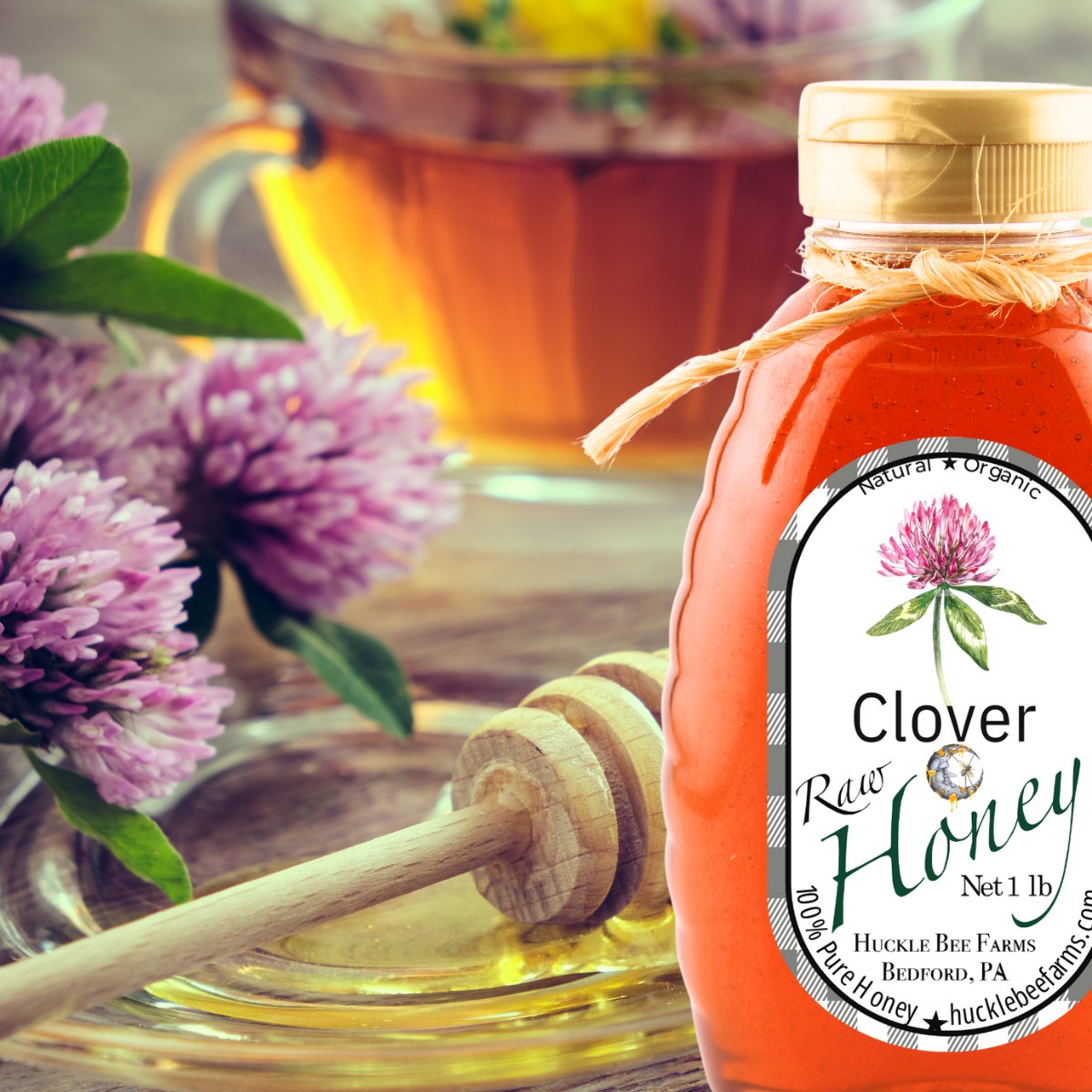
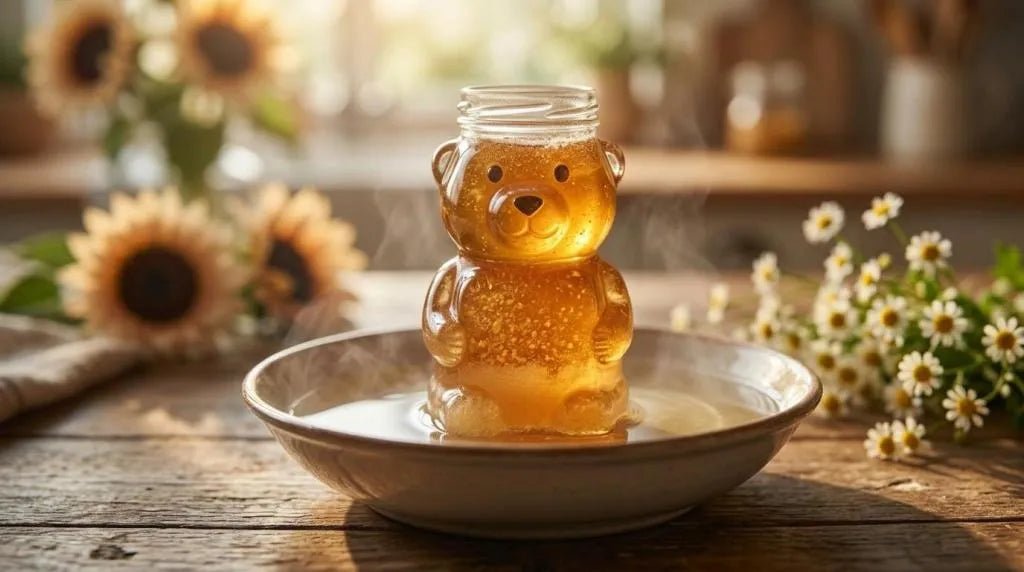
Honey‑infused herbal tea recipes bring flavor harmony and can add functional compounds like antimicrobial enzymes and antioxidants found in raw and infused honeys. Infused honeys soften bitterness, highlight floral notes or add warming sweetness that makes regular drinking more enjoyable. One key technique: add honey after the brew cools below about 40°C so those beneficial enzymes and volatile aromatics stay intact. The sections that follow list favorite pairings and step‑by‑step recipes, with notes on using our artisanal infused honeys from Huckle Bee Farms to amplify both taste and function.
What Are Popular Honey and Herbal Tea Pairings?
- Lavender‑infused honey with chamomile — a floral, deeply calming cup for evening wind‑down.
- Ginger‑infused honey with peppermint or ginger tea — adds warming sweetness and boosts anti‑nausea effects.
- Elderberry or berry‑infused honey with hibiscus or elderflower — pairs immune‑supporting anthocyanins with fruit‑forward flavor.
How to Prepare Honey-Infused Herbal Tea Recipes at Home?
Follow these step‑by‑step recipes and temperature tips to protect honey enzymes while extracting herbal compounds effectively.
For a calming infusion: steep 2 teaspoons chamomile and 1 teaspoon lavender in 8 ounces of water at 90°C for 7 minutes, cool to under 40°C, then stir in 1 teaspoon of lavender‑infused raw honey.
For an immunity brew: steep 1 teaspoon elderberry and 1 teaspoon hibiscus in 8 ounces of boiling water for 8–10 minutes, allow to cool slightly, then add 1 teaspoon of berry‑infused honey to taste.
Store any leftover brewed tea refrigerated and use within 48 hours. When you use Huckle Bee Farms’ artisanal infused honeys, adding them after cooling preserves their raw characteristics and enzymes, giving you a flavor‑forward, wellness‑supportive cup.

Why Choose Huckle Bee Farms’ Herbal Tea Blends and Infused Honeys?
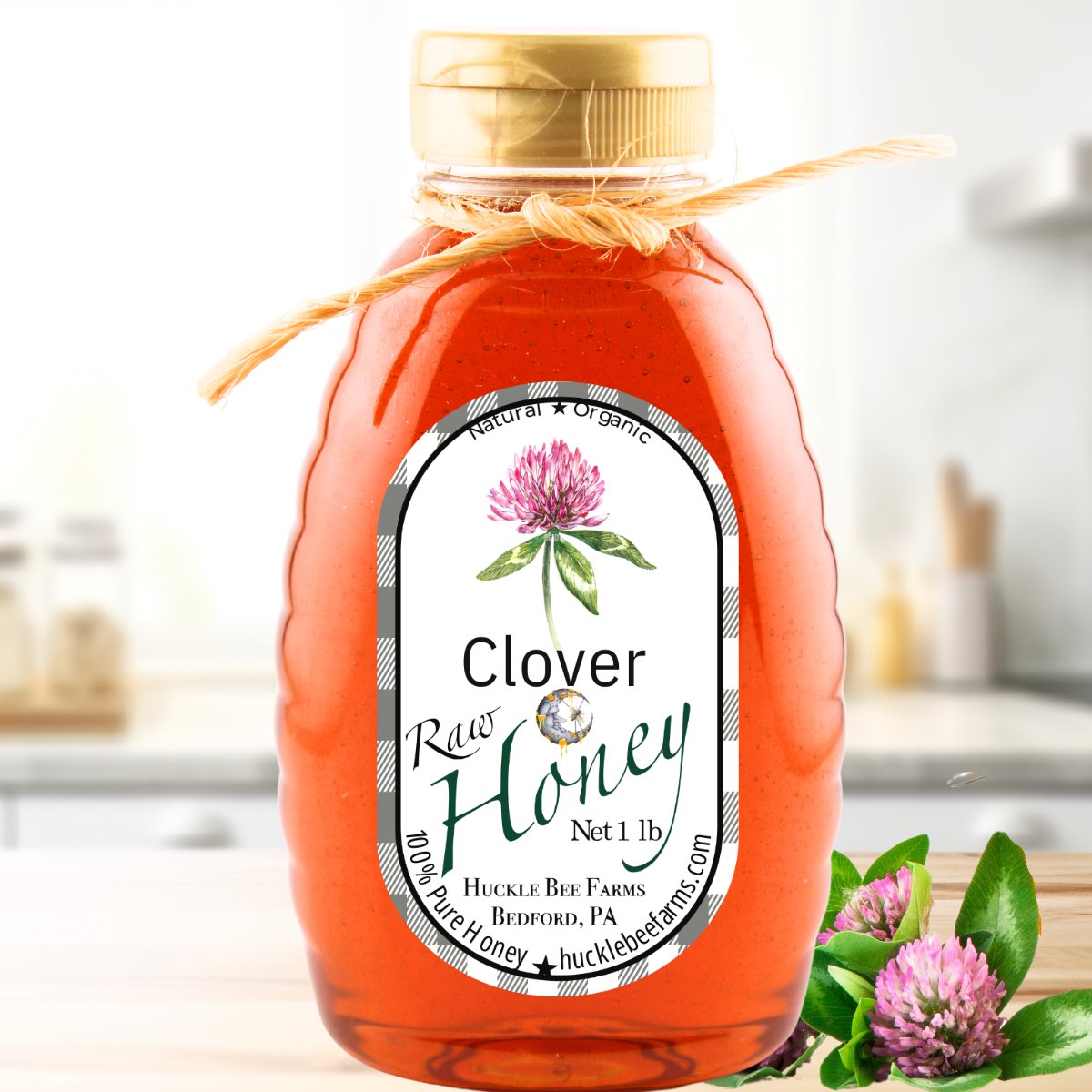
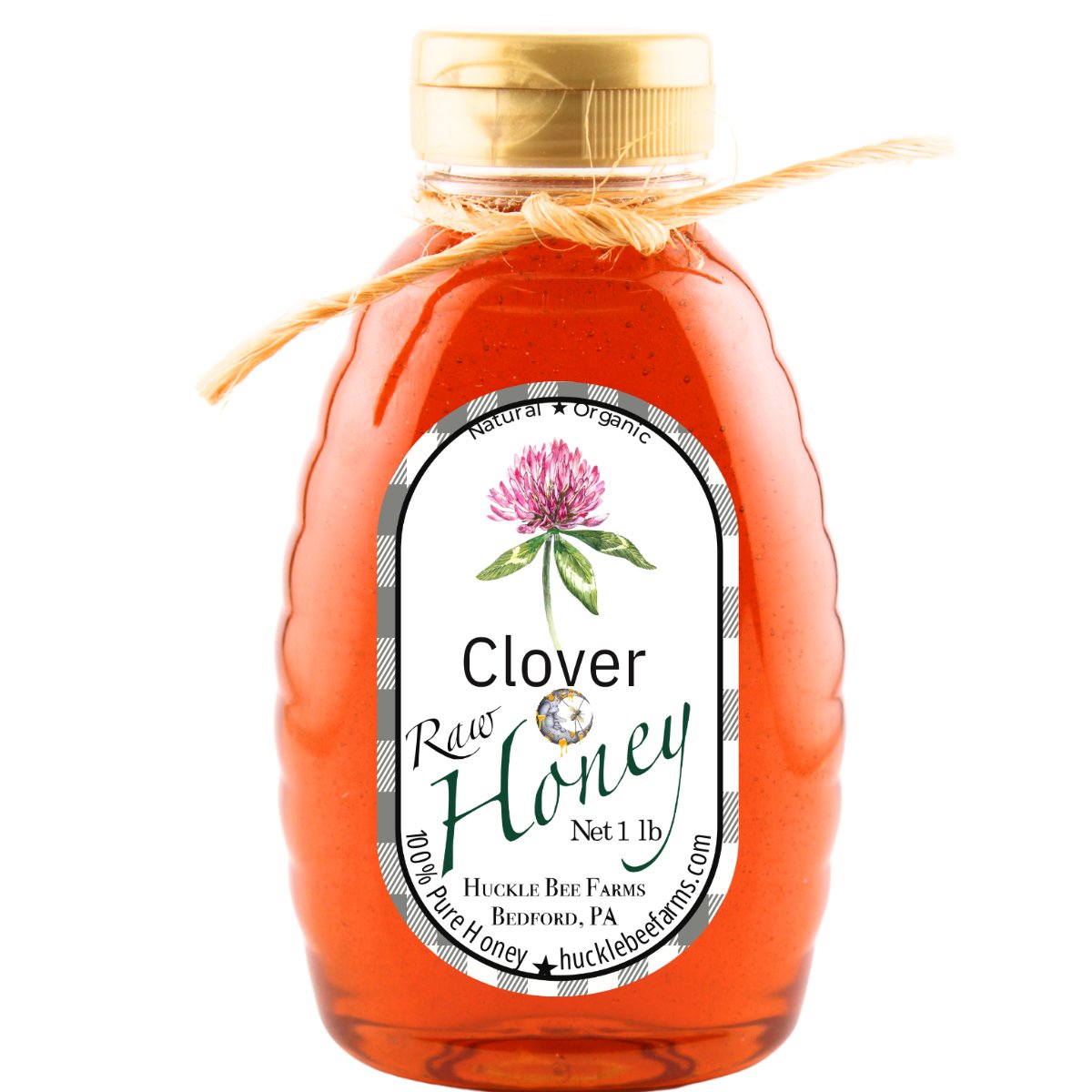
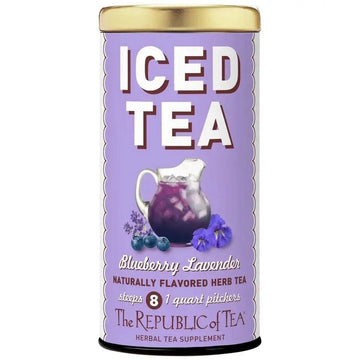
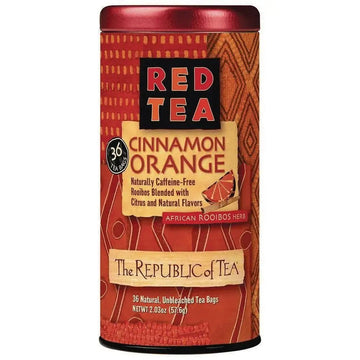
At Huckle Bee Farms LLC we focus on small‑batch raw and infused honeys and a curated Tea Collection made to complement handcrafted herbal blends. Our artisanal approach uses real fruits, spices and whole herbs for clear, balanced flavor profiles that pair naturally with calming, digestive and immunity‑focused tisanes. As an e‑commerce and information hub, we share curated pairings that make it easy to combine functional herbs with compatible honeys. Choosing pairings that align flavor and function — floral honeys with calming blends, or ginger‑infused honey with digestive tisanes — helps make daily rituals more enjoyable while preserving raw honey attributes.
What Makes Our Artisanal Herbal Teas and Infused Honeys Unique?
Huckle Bee Farms’ products emphasize small‑batch craft, raw honey qualities and infusions using real fruits, spices and herbs to create balanced flavors made for tea. Our Tea Collection features handcrafted blends designed to work with infused honeys and elevate both taste and perceived wellness. As a veteran‑owned business committed to pollinator health, we blend sensory quality with sustainable choices — producing honeys that support pollinator stewardship while offering thoughtful pairings for relaxation, digestion and immune support. That’s why our pairing guidance and recipes recommend adding artisanal infused honeys thoughtfully, to preserve enzymes and aromatics.
How Does Sustainable Sourcing Impact Herbal Tea Quality?
Sustainable sourcing and pollinator stewardship influence ingredient quality, flavor complexity and the phytochemical profile of both honey and botanicals used in tisanes. Healthy pollinator populations yield more diverse floral sources, which translate into multifaceted honey flavors and richer phytochemical profiles in herbs. Look for transparency about sourcing, small‑batch production and a focus on pollinators as signs of higher‑quality infused honeys and herbal pairings. Choosing sustainably produced honeys and ethically sourced herbs helps protect ecosystems while delivering better flavor and function in your daily tea ritual.
1. Practical takeaways from this guide:
- Choose herbs by both flavor family and functional mechanism to craft effective blends.
- Brew and time your tisanes to maximize extraction while protecting honey enzymes.
- Use artisanal infused honeys as finishing sweeteners to enhance flavor and support your therapeutic goals.
From calming herbs to vibrant botanicals, herbal tea blends offer a natural, flavorful way to support daily wellness while enjoying a soothing, caffeine-free ritual.
Frequently Asked Questions
Can herbal teas interact with medications?
Yes — some herbal teas can interact with medications. For example, chamomile and echinacea have been reported to interact with blood thinners or affect immunosuppressant drugs in certain cases. If you take medications or have chronic health conditions, check with your healthcare provider before adding herbal teas to your routine to avoid unintended interactions.
Are there any side effects associated with herbal teas?
Most herbal teas are safe for everyday use, but some people may experience side effects like allergic reactions, digestive upset or interactions with medicines. For example, large amounts of peppermint can worsen heartburn, and valerian may cause drowsiness. Start with small amounts when trying a new blend and notice how your body responds.
How can I store herbal tea blends for maximum freshness?
Store herbal blends in airtight containers in a cool, dark place. Glass jars or opaque tins keep out light and moisture; avoid heat sources and direct sun. Properly stored, many herbal teas retain good flavor and potency for up to a year, depending on the ingredients.
Can I use fresh herbs instead of dried ones for herbal teas?
Yes — fresh herbs work well, though flavor and potency differ from dried herbs. Because fresh herbs contain more water, you’ll generally use about three times the amount of fresh material as dried. Experimenting with fresh herbs can yield bright, aromatic cups worth trying.
What is the best time of day to drink herbal teas?
Timing depends on the blend and the effect you want. For relaxation and sleep, choose calming teas like chamomile or lavender in the evening. Digestive herbs such as peppermint or ginger are helpful after meals. Some blends are fine anytime — just consider their effects on your day.
Are there any specific brewing techniques for different herbal teas?
Yes — different herbs respond to different brewing methods. Delicate herbs like chamomile do well around 90°C for 5–10 minutes; roots like ginger need higher temperatures and 10–15 minutes to fully extract their active compounds. Follow specific guidelines for each herb to get the best flavor and benefits.
Conclusion
Herbal tea blends are an enjoyable, natural way to support relaxation, digestion and immune wellness. By learning each herb’s flavor and function, you can create blends that match your goals and your palate. Explore our curated selection of artisanal herbal teas and infused honeys to make your daily ritual both healthier and more delicious. Start small, experiment, and enjoy the process — better flavor and gentle wellness can begin with one warm cup.

Author - Jim Douglas - Founder Huckle Bee Farms
Jim is the heart and hands behind Huckle Bee Farms, a family-run honey company dedicated to bringing small-batch, infused honeys from the hive to your table. As a passionate beekeeper, storyteller, and advocate for pollinators, Jim blends his love for nature and creativity into every bottle. When he’s not tending to the hives or experimenting with new honey infusions, you’ll find him sharing recipes, health tips, and bee wisdom with the Huckle Bee Farms community. His mission is simple: to make life a little sweeter—naturally.
Key Takeaways for Crafting Effective Herbal Tea Blends
This list summarizes essential insights for creating herbal tea blends that enhance flavor and wellness, focusing on ingredient selection, brewing techniques, and the benefits of artisanal honeys.
- Choose Herbs by Flavor Family and Function – Select herbs that not only taste good together but also serve specific health purposes, such as calming or digestive support.
- Brew and Time Tisanes for Maximum Extraction – Use appropriate temperatures and steeping times to ensure you extract the beneficial compounds while preserving delicate flavors.
- Incorporate Artisanal Infused Honeys – Add infused honeys as finishing sweeteners to enhance flavor profiles and support therapeutic goals without compromising their beneficial properties.
- Experiment with Blends – Don’t hesitate to try different combinations of herbs and honeys to discover unique flavors and health benefits that suit your palate.
- Store Herbal Blends Properly – Keep your herbal blends in airtight containers away from light and moisture to maintain their freshness and potency over time.