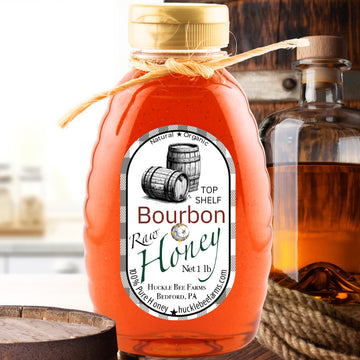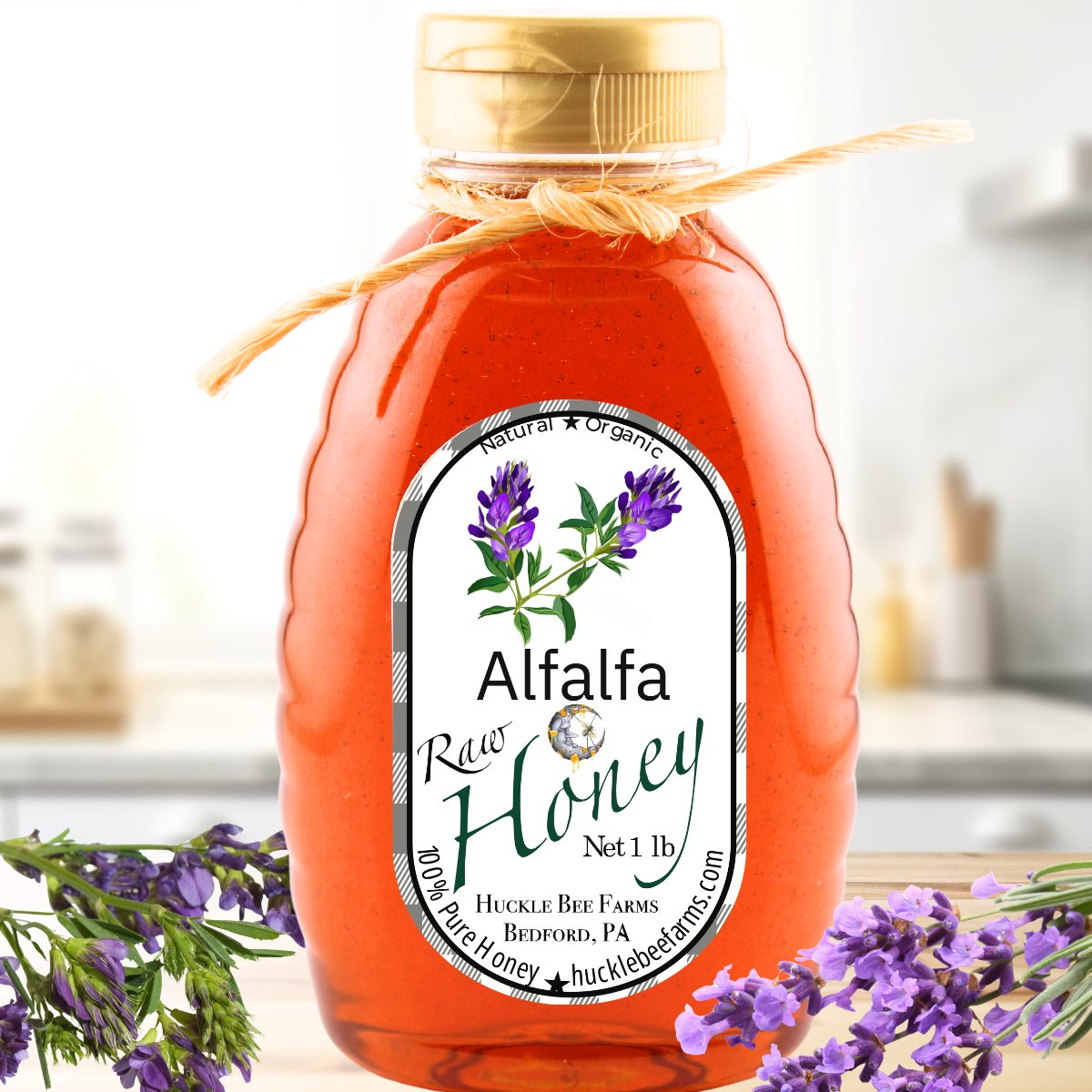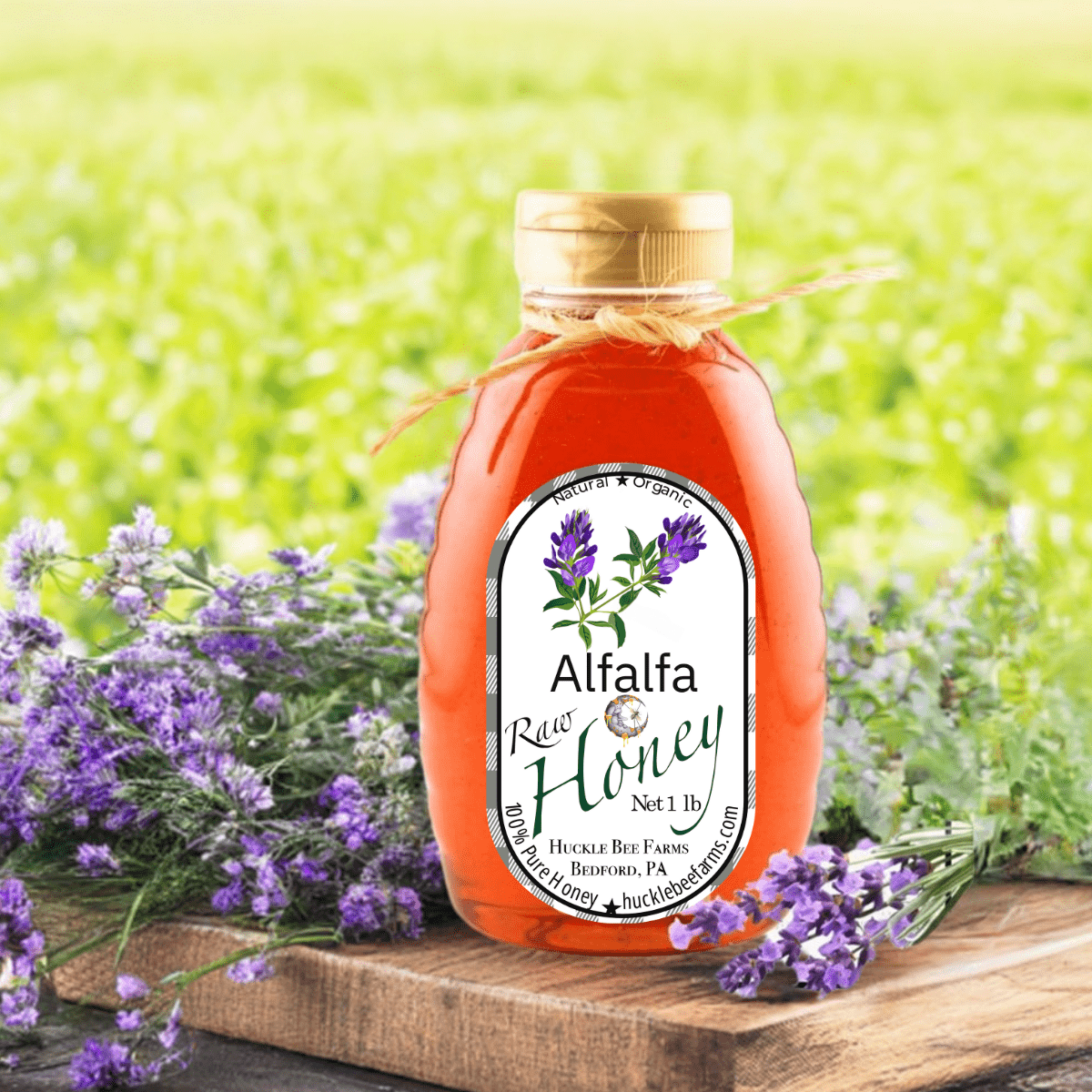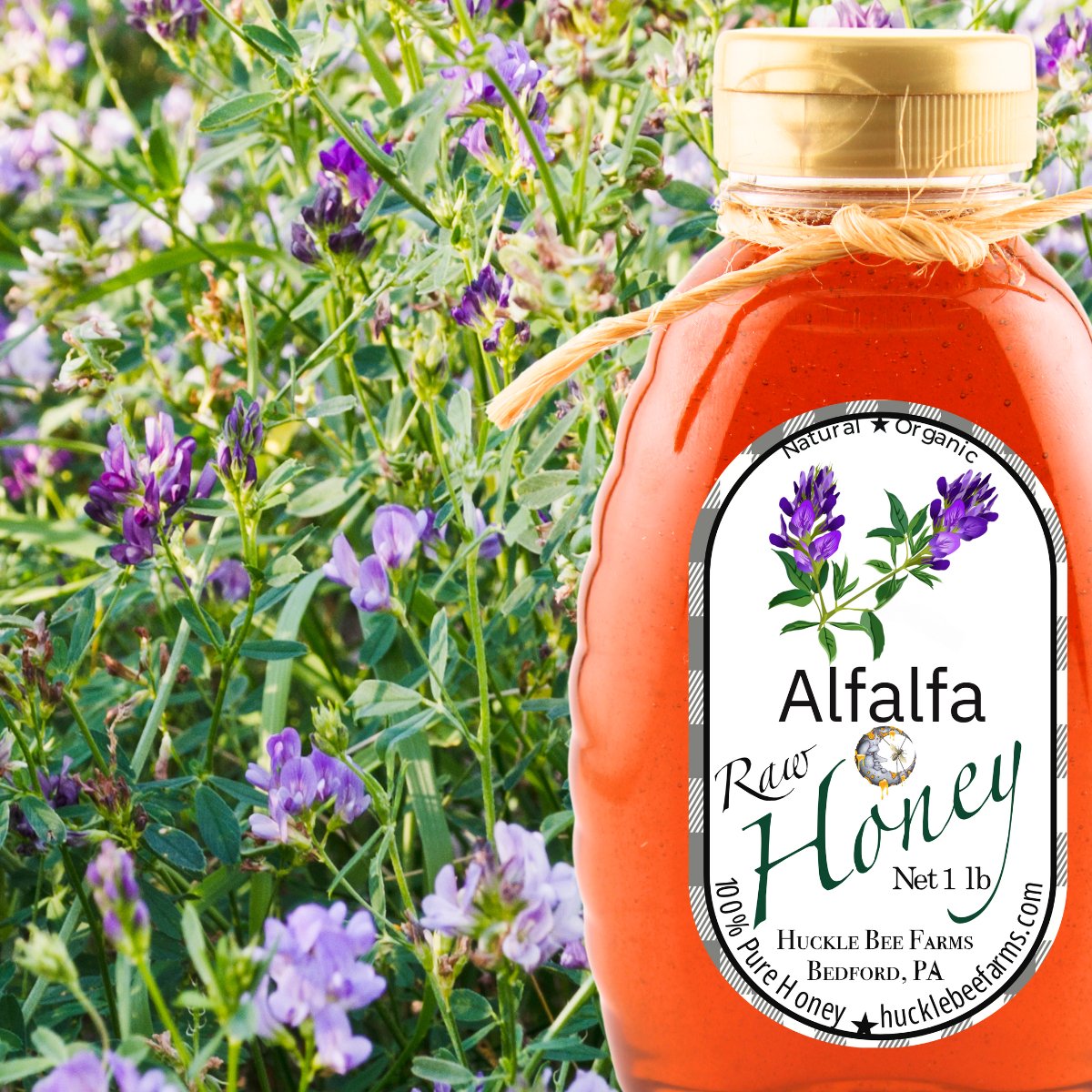
How to Taste Honey: A Step-by-Step Guide
How to Taste Honey Like a Pro: Flavor Notes, Color Clues, and Easy Pairings
Honey tasting is the process of smelling, sampling, and comparing different honeys to identify flavor notes such as floral, citrus, spice, or caramel that come from the nectar sources bees collect.
How to Taste Honey Like a Pro
Learning how to taste honey is about more than sweetness. By paying attention to aroma, texture, flavor notes, and finish, you can discover how different flowers, seasons, and regions shape each honey’s unique character.
- Smell first to notice floral, citrus, herbal, or caramel-like aromas.
- Taste slowly and let the honey melt on your tongue to experience texture and depth.
- Compare light and dark honeys to identify differences in sweetness, richness, and finish.
- Train your palate to recognize how nectar sources influence flavor in every jar.
Table of contents

Honey is one of the few foods that can taste like a place and a season at the same time. Put three jars on the counter and you will notice it right away: one feels light and breezy, one tastes like warm wild herbs, and one lands deep and dark, almost like molasses.
If you have ever wondered how people get those “apricot,” “hay,” or “toasted marshmallow” notes from a spoonful, the good news is that honey tasting is very learnable. You do not need special equipment, just a simple method and a little patience. Lets learn how to Taste Honey Like a Pro.
Quick Summary:
Tasting honey like a professional involves a 5-step sensory process: Look for clarity and color, Warm the jar to release aromas, Smell for floral or earthy notes, Taste by coating the palate, and Reset with a cleanser like green apples.
Set up a simple honey tasting (5 minutes)
A good tasting setup keeps outside flavors from stepping on the honey. Aim for calm, neutral, and repeatable, even if you are just tasting at the kitchen table.
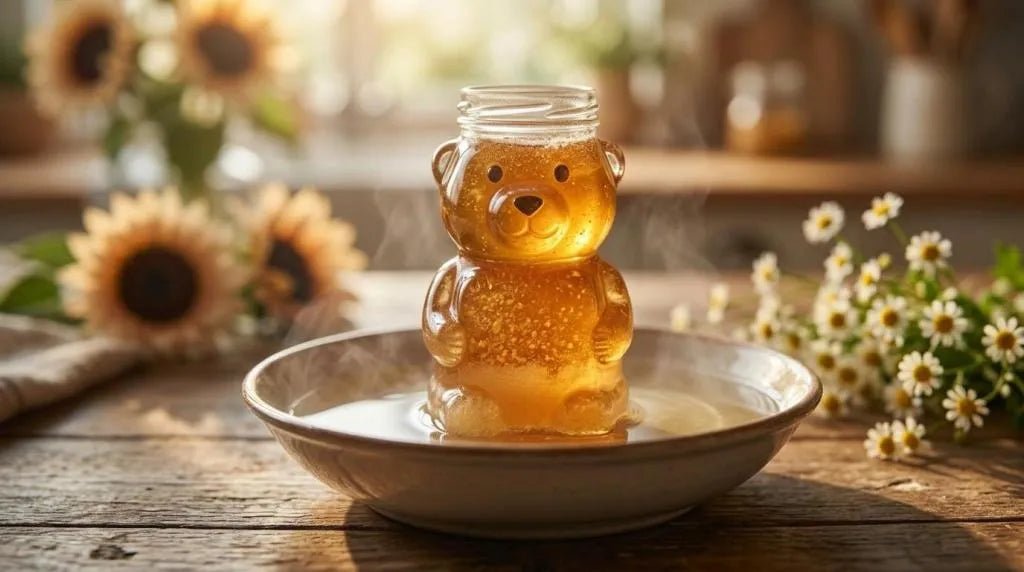
You will get the clearest aromas when honey is at room temperature. If a jar is chilly or very thick, let it sit out for a bit, or warm the closed jar in a bowl of warm water until it loosens.
Here’s an easy starter kit:
- Small spoons (wood or plastic)
- Water
- Unsalted crackers or plain bread
- White plate or sheet of paper
- Sticky notes and a pen
Side by side comparisons are where your palate levels up quickly. Two honeys teach you something. Three honeys teach you a lot.
Step 1: Look first (color, clarity, and texture)
Tasting honey begins with observing its color, clarity, and viscosity to identify flavor clues.
Before you taste, hold the honey against a white background. This is not about judging “good” versus “bad.” It is about collecting clues.
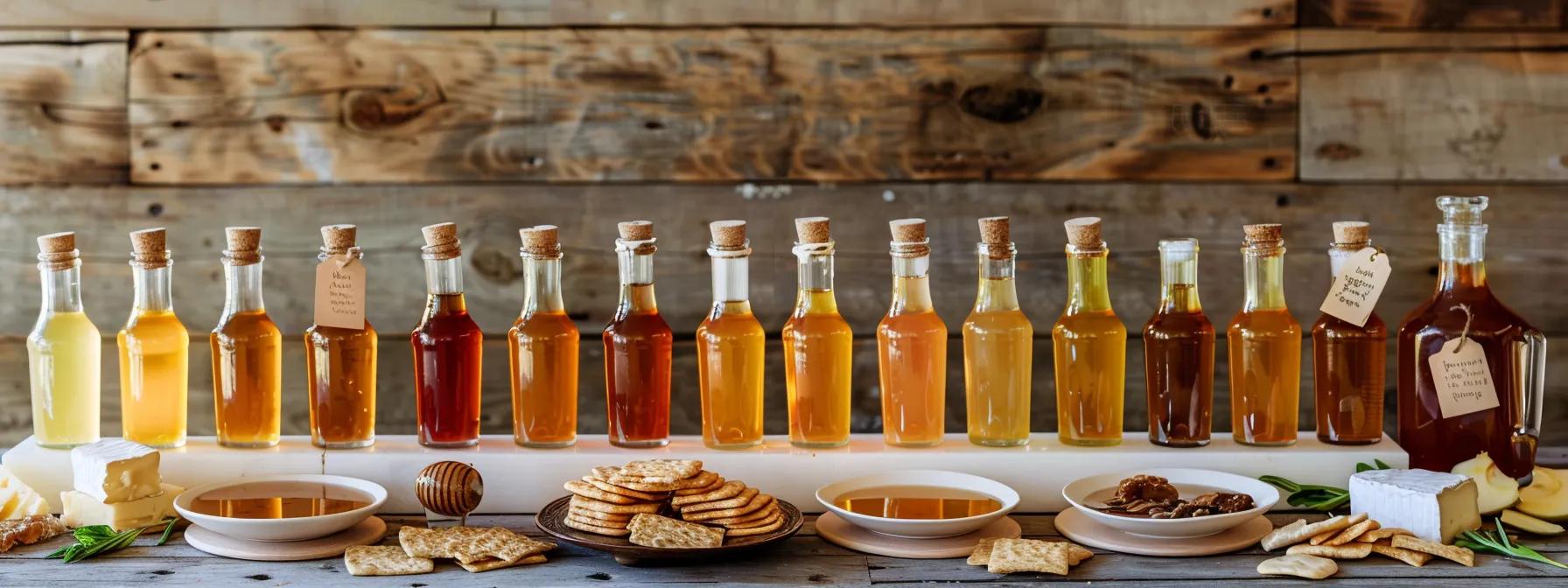
Color often hints at intensity. Many light monofloral honeys read as gentle and floral, often possessing notes reminiscent of the nectar collected by bees. Medium ambers often feel rounded, with herbal or fruity notes. Dark honeys can be bold, malty, earthy, or smoky.
Clarity tells a story, too. Raw, unfiltered honey may look cloudy because it still has pollen and tiny particles from the hive. Crystallized honey can look opaque, even pale, and that is normal. Crystallization is a natural shift in texture, not a sign that honey “went wrong.”
Viscosity is worth noticing. Tilt the jar or drag a spoon through the honey.
- Does it ribbon slowly like warm caramel?
- Does it drip quickly like syrup?
- Is it creamy with fine crystals, or grainy with larger ones?
Texture changes how flavor hits your tongue. A creamy honey can feel mellow and buttery. A very fluid honey can feel brighter and more aromatic.
Create Your Own Honey Flight
Expert tasting requires contrast. Pick 3 distinct profiles to start your journey.
Perfect for building a tasting flight. Pick 3-5 unique flavors for a complete palate tour.
Shop Mini JarsFrom Bourbon to Espresso. Add a "wildcard" flavor to your tasting to surprise your guests.
Explore InfusionsStep 2: Smell like a taster (aroma comes before sweetness)
Honey aroma is where the detail lives. Stir the honey gently, then bring the spoon close and take a few light sniffs. Keep your mouth slightly open to help connect aroma and taste.
A simple trick: smell once from a little farther away (the “big picture”), then again closer (the “details”).
If you want a vocabulary that feels natural, start broad and get specific only when something clicks. These categories help a lot when you are learning:
- Floral: fresh blossoms, dried flowers, perfumy
- Fruity: citrus peel, berry, stone fruit, cooked fruit
- Herbal: minty, grassy, tea-like, resinous
- Spice and warmth: vanilla, cinnamon, clove, toasted sugar
- Earth and malt: molasses, cocoa, wet leaves, barn-hay
You do not have to be “right.” Your job is to notice what your brain reminds you of. Two people can smell the same honey and choose different words, and both can be accurate.

Step 3: Taste in slow motion (front, middle, finish)
Use a small amount, about a quarter teaspoon. Let it sit on your tongue for a moment, then press it gently to the roof of your mouth so it coats your palate.
Pay attention to the flavor profile in three beats:
1) First impression (the front of the palate) Yes, it’s sweet, but how sweet does it feel? Some honeys taste clean and bright. Others feel deeper and less “sugary,” even when they are just as sweet.
2) Mid-palate (where notes show up) This is where you’ll pick up fruit, herbs, caramel, florals, or spice. If you smelled citrus, does it show up as lemon peel, orange blossom, or marmalade? If you smelled herbs, is it fresh mint or dried tea leaf?
3) The finish (after you swallow) Does the flavor disappear quickly, or does it linger? A long finish can bring new notes that were not obvious at first. Some honeys finish clean. Others leave a gentle bitterness, a mild tang, or a toasty warmth.
Between samples, reset with water and a bite of plain cracker. If you taste several honeys back to back, start with the lightest one and move toward darker, stronger profiles.
Color clues: helpful, but not a rulebook
Color is a practical shortcut, but it is not a strict map. Floral source, region, season, and storage all play a role. Heat and long storage can darken honey over time, and crystallization can make a honey look lighter or more opaque.
Still, if you are building a tasting flight or choosing pairings, color is a smart first guess.
| Honey look (common range) | What you often taste | Aroma hints you may notice | Easy foods to test it with |
|---|---|---|---|
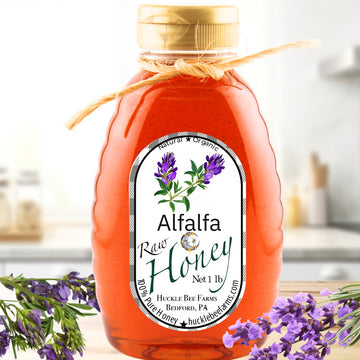
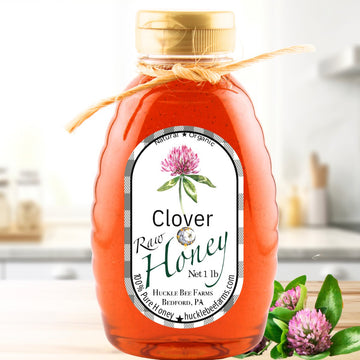
| Very light to extra light amber | Delicate sweetness, clean and floral | fresh flowers, citrus blossom, light fruit | ricotta, fresh chèvre, yogurt, pear slices |
| Light amber to amber | Balanced, rounded, gently complex | wild herbs, baked apple, light caramel | brie, gouda, toasted nuts, oat-based granola |
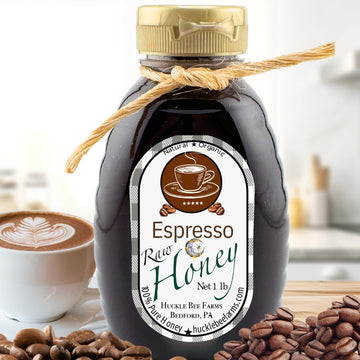
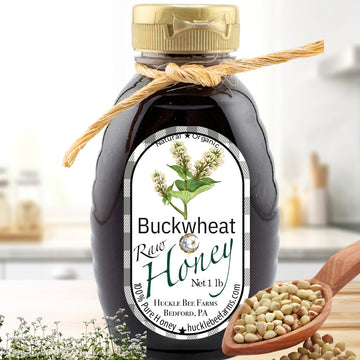
| Dark amber to deep brown | Bold, malty, earthy, sometimes smoky | molasses, cocoa, dried fruit, resin | aged cheddar, blue cheese, dark chocolate, roasted meats |
If you keep a few jars around, you can use this table as a tasting practice tool. Taste, then look back and ask: did the color match what I expected?

How to taste infused honey without losing the base honey
Infused honey adds another layer because you are tasting both the original honey and the infused ingredient. That can be cinnamon, lavender, hot peppers, smoke, espresso, and more.
A helpful approach is to split your notes into two parts: consider how the wildflower honey base adds unique floral and fruity notes.
- Base honey: floral, fruity, herbal, dark, light, silky, creamy
- Infusion note: where it lands (nose vs tongue), how strong it feels, how it finishes
Infusions can “lift” aroma (lavender, citrus) or add warmth and depth (bourbon, smoke, espresso). Heat infusions can also change how you perceive sweetness. A hot honey may taste less sweet simply because the spice grabs your attention.
If you are tasting a few infused varieties, include one plain raw honey in the lineup as a reference point. It acts like a tuning fork for your palate.
3 Perfect "Flight Paths" to Try
| Theme | The Light Start | The Bold Finish | Best Pairing |
|---|---|---|---|
| The Traditionalist | Clover | Wildflower | Warm Biscuits |
| The Adventurer | Lemon Infused | Bourbon Infused | Sharp Cheddar |
| The Nightcap | Lavender | Espresso Infused | Dark Chocolate |
Pairings that teach your palate (not just your snack cravings)
Pairing honey with food is not only delicious, it also makes flavors easier to identify. Fat (cheese, yogurt), crunch (nuts, crackers), and bitter notes (tea, dark chocolate) can pull hidden aromas forward.
A simple rule is “match intensity,” then use contrast to make it interesting. Try these pairing moves:
- Bold meets bold: dark honey with aged cheddar or blue cheese
- Light stays light: floral honey with fresh goat cheese or ricotta
- Contrast with heat: spicy honey with creamy cheese or roasted vegetables
- Add crunch: nuts and seeds help texture notes pop
If you want quick, reliable combinations, this small cheat sheet covers a lot of ground:
- Soft cheeses: brie, camembert, chèvre with light floral honeys (or lavender-style profiles)
- Aged and salty cheeses: parmesan, aged gouda, sharp cheddar with richer, smoky, or bourbon-style honeys
- Blue cheeses: blue, gorgonzola with hot honey or deep, dark honeys that can stand up to the funk
Tea is another friendly training partner. Taste the honey on its own first, then stir a little into tea and notice what changes. A delicate honey can disappear in a strong black tea, while a spiced or smoky honey can hold its own.
The Huckle Bee Flavor Finder
Spin the wheel to discover your next favorite profile.
Click SPIN to find a flavor profile!
A “pro-style” tasting flight you can do tonight
Pick three honeys that look different in the jar. Light, medium, and dark is a classic set. If you have infused honeys, make one of the three an infusion.
Set out three labeled spoons and taste in order from lightest to darkest. After each taste, write one sentence that starts with “This reminds me of…” and one sentence that starts with “The finish is…”
If you like a little structure, use these prompts:
- Sweetness level: mild, medium, strong
- Main note: floral, fruity, herbal, caramel, earthy
- Texture: thin, syrupy, silky, creamy, crystal bite
- Finish: quick, long, clean, warm, tangy, lightly bitter
Those four lines are enough to build real sensory memory over time.
Huckle Bee Farms
Official Honey Tasting Scorecard
Date: ____________ Host: ____________
| Variety | Color | Aroma & Tasting Notes | Score |
|---|---|---|---|
| ☆☆☆☆☆ | |||
| ☆☆☆☆☆ | |||
| ☆☆☆☆☆ | |||
| ☆☆☆☆☆ | |||
| ☆☆☆☆☆ |
What you are really tasting (and why it keeps changing)
Honey is not a factory product. Nectar source matters, and so does where the bees forage and what blooms that week. Even within the same region, one season can lean bright and floral while another leans darker and warmer.
That is part of the joy with small-batch, raw, and minimally processed honeys: they keep their personality. When honey is bottled on demand and handled gently, the aroma tends to feel more alive, and the differences between varieties are easier to notice.
The next time you open a jar, pause before you drizzle. Put a little on a spoon, look at it against a white plate, smell it twice, then taste slowly. Honey rewards the extra ten seconds.
Frequently Asked Questions
1. What are the health benefits of consuming honey?
Honey is not only a natural sweetener but also offers various health benefits. It has antioxidant properties, which can help combat oxidative stress in the body. Additionally, honey has antibacterial and anti-inflammatory effects, making it useful for soothing sore throats and promoting wound healing. Some studies suggest that honey may also aid in digestion and improve gut health. However, it's important to consume it in moderation due to its high sugar content.
2. How can I store honey to maintain its quality?
To preserve the quality of honey, store it in a cool, dry place away from direct sunlight. A tightly sealed glass jar is ideal, as it prevents moisture from entering, which can lead to fermentation. Avoid storing honey in the refrigerator, as this can cause crystallization. If your honey does crystallize, gently warm it in a water bath to return it to its liquid state without compromising its flavor or nutrients.
3. Can honey be used in cooking and baking?
Yes, honey is a versatile ingredient that can be used in various cooking and baking applications. It can replace sugar in recipes, adding moisture and a unique flavor profile. When substituting honey for sugar, use about ¾ cup of honey for every cup of sugar and reduce the liquid in the recipe slightly. Honey is also excellent for glazing meats, sweetening dressings, and enhancing marinades, making it a great addition to both savory and sweet dishes.
4. What is the difference between raw honey and processed honey?
Raw honey is unprocessed and retains its natural enzymes, antioxidants, and nutrients, making it a healthier option. It may contain pollen and small particles from the hive, which can contribute to its flavor and health benefits. Processed honey, on the other hand, is filtered and pasteurized, which removes impurities but also diminishes some of its beneficial properties. When choosing honey, look for raw varieties to maximize health benefits and flavor complexity.
5. How can I tell if honey has gone bad?
Honey has a long shelf life and does not spoil easily due to its low moisture content and acidic pH. However, if honey develops an off smell, unusual color, or visible mold, it may be a sign of contamination. Crystallization is normal and does not indicate spoilage; it can be reversed by gently warming the honey. Always check for any changes in texture or aroma, and if in doubt, it's best to discard it.
6. Are there different types of honey based on floral sources?
Yes, honey can vary significantly based on the floral sources from which bees collect nectar. Common types include clover, wildflower, orange blossom, and manuka honey, each offering distinct flavors and aromas. Monofloral honeys, sourced from a single type of flower, tend to have more pronounced characteristics, while polyfloral honeys, made from various flowers, provide a more complex flavor profile. Exploring different types can enhance your tasting experience.
7. How can I incorporate honey into my daily diet?
Incorporating honey into your daily diet can be simple and enjoyable. Use it as a natural sweetener in tea, coffee, or smoothies. Drizzle it over yogurt, oatmeal, or pancakes for added flavor. Honey can also be used in salad dressings, marinades, or as a glaze for roasted vegetables and meats. Just remember to use it in moderation, as it is still a form of sugar, and balance it with other healthy foods.
Conclusion
Mastering the art of honey tasting unlocks a world of flavors and aromas, enhancing your culinary experiences. By understanding the nuances of color, aroma, and taste, you can appreciate the unique characteristics of each honey variety. Dive deeper into this sweet journey by exploring our curated selection of artisanal honeys. Start your tasting adventure today and discover the delightful complexities that honey has to offer!

Author - Jim Douglas - Founder Huckle Bee Farms
For Jim Douglas, beekeeping is more than a craft—it’s a commitment to purity and the environment. After an honorable career in the U.S. Army and a tenure as a COO for the Boy Scouts of America, Jim sought a way to combine his leadership experience with his love for the outdoors.
In 2012, he founded Huckle Bee Farms with a simple mission: to take honey back to its raw, unadulterated roots. Jim’s expertise lies in the delicate balance of infusing raw honey with organic ingredients without compromising its natural medicinal properties. His "small-batch" philosophy ensures that every jar meets the highest standards of quality and transparency. Today, Jim continues to lead Huckle Bee Farms with the same integrity he practiced in uniform, ensuring that every drop of honey supports both the health of the consumer and the survival of the honeybee.
His mission is simple: to make life a little sweeter—naturally.


Key Takeaways for Mastering Honey Tasting
Understanding the essential elements of honey tasting can significantly enhance your experience and appreciation of this natural sweetener. Here are the key takeaways to remember when tasting honey like a pro:
- Setup for Success: Create a calm and neutral tasting environment to avoid outside flavors interfering with your honey experience.
- Visual Inspection: Observe the color, clarity, and viscosity of the honey to gather initial clues about its flavor profile.
- Aroma Exploration: Smell the honey before tasting to identify floral, fruity, and herbal notes that enhance your tasting vocabulary.
- Tasting Technique: Savor the honey slowly, noting the front, mid-palate, and finish to fully appreciate its complexity.
- Color Clues: Use color as a guide for flavor expectations, but remember it’s not a strict rule; various factors influence honey color.
- Infused Honey Considerations: When tasting infused honey, distinguish between the base honey's characteristics and the added flavors for a comprehensive experience.
- Food Pairings: Experiment with food pairings to enhance flavor identification; match intensity and contrast flavors for a richer tasting experience.
- Document Your Findings: Keep notes on your tasting experiences to build sensory memory and refine your palate over time.