Discover the Best Honey: Clover vs Wildflower vs Buckwheat
Wildflower vs Clover vs Buckwheat Honey: Flavor, Color, and Best Uses Explained
🍯 Clover vs Wildflower vs Buckwheat Honey — Quick Comparison
Not all honey tastes the same. The flavor, color, and best culinary uses depend on the flowers bees collect nectar from. Clover honey is light and mild, wildflower honey offers complex floral notes, and buckwheat honey is dark with a bold, malty flavor. :contentReference[oaicite:0]{index=0}
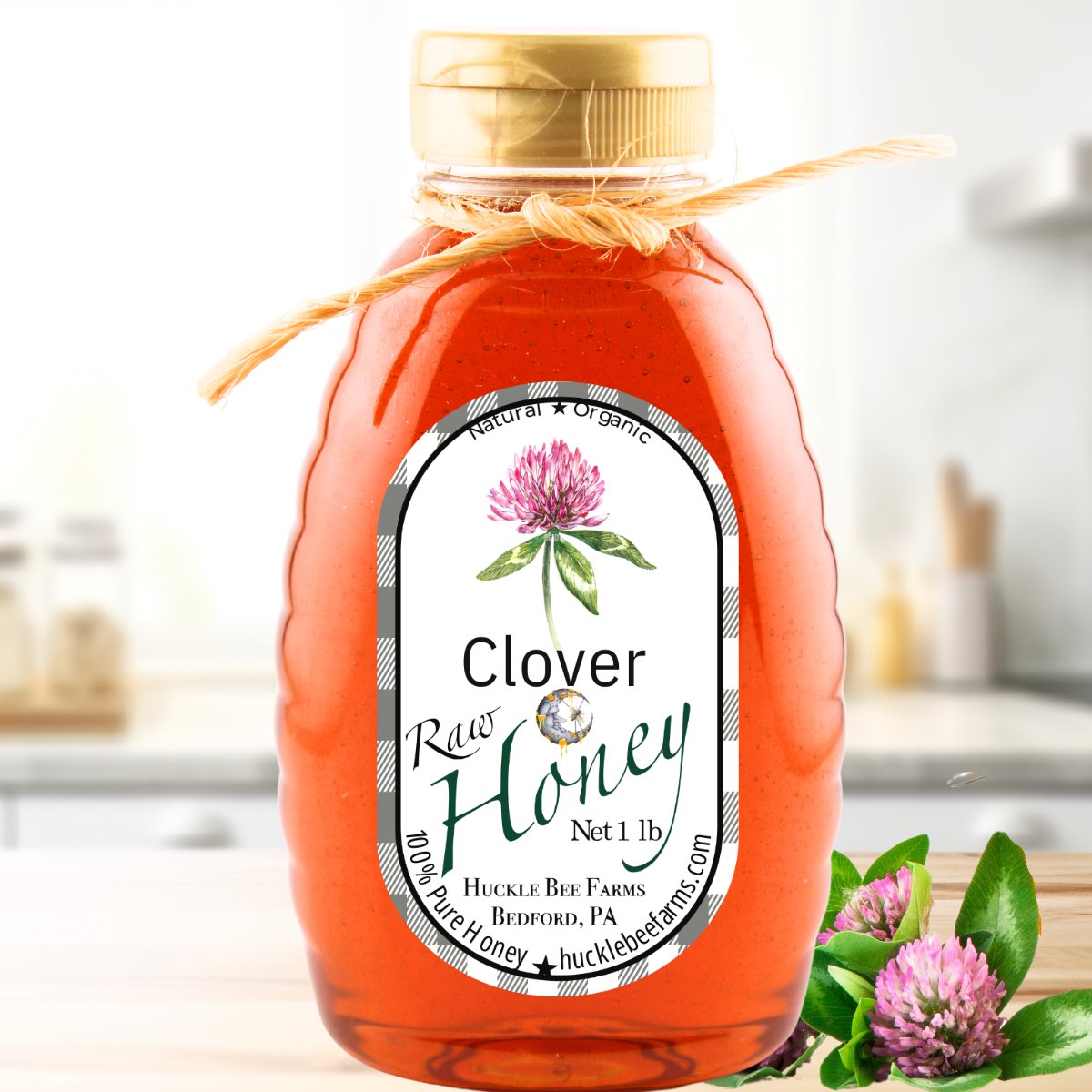
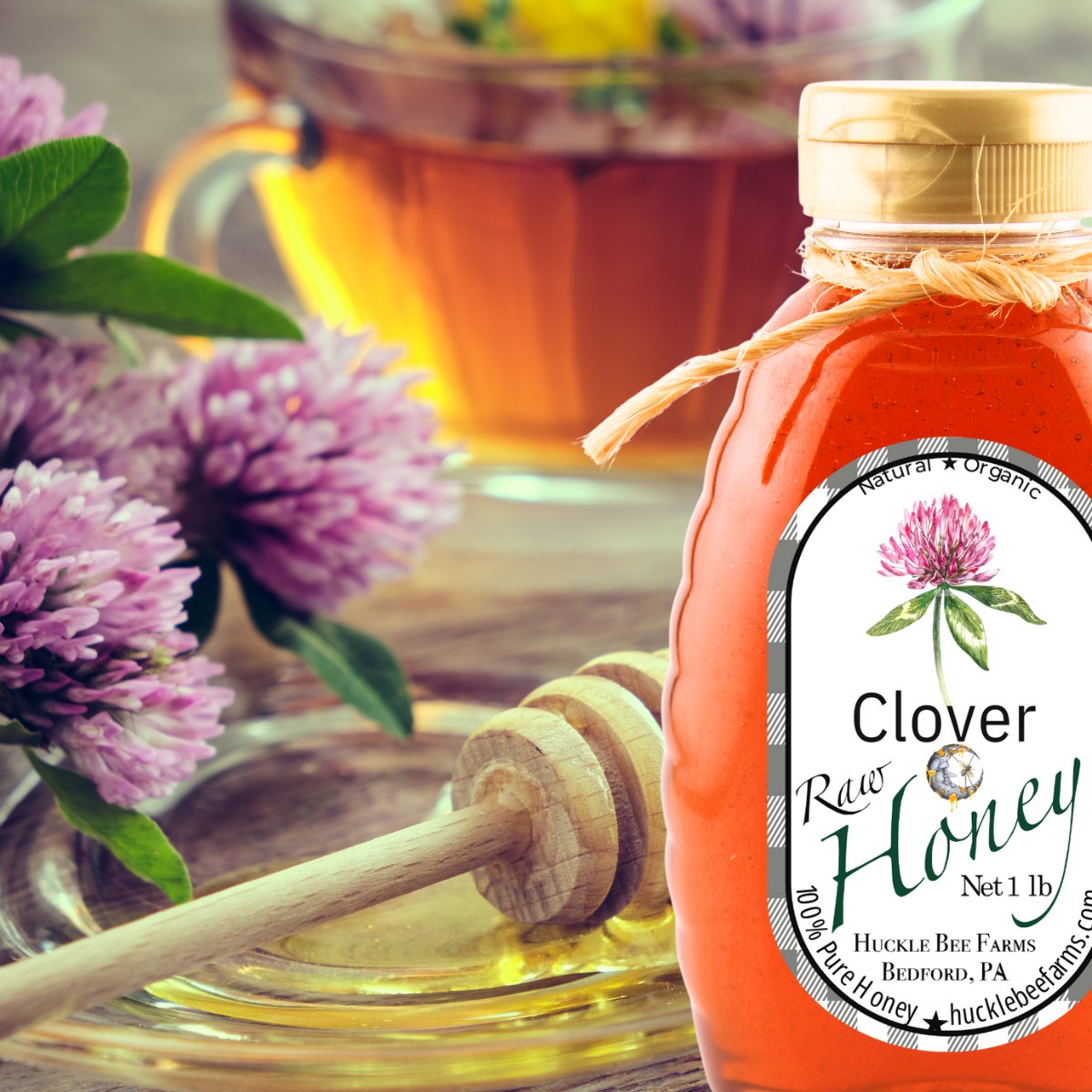
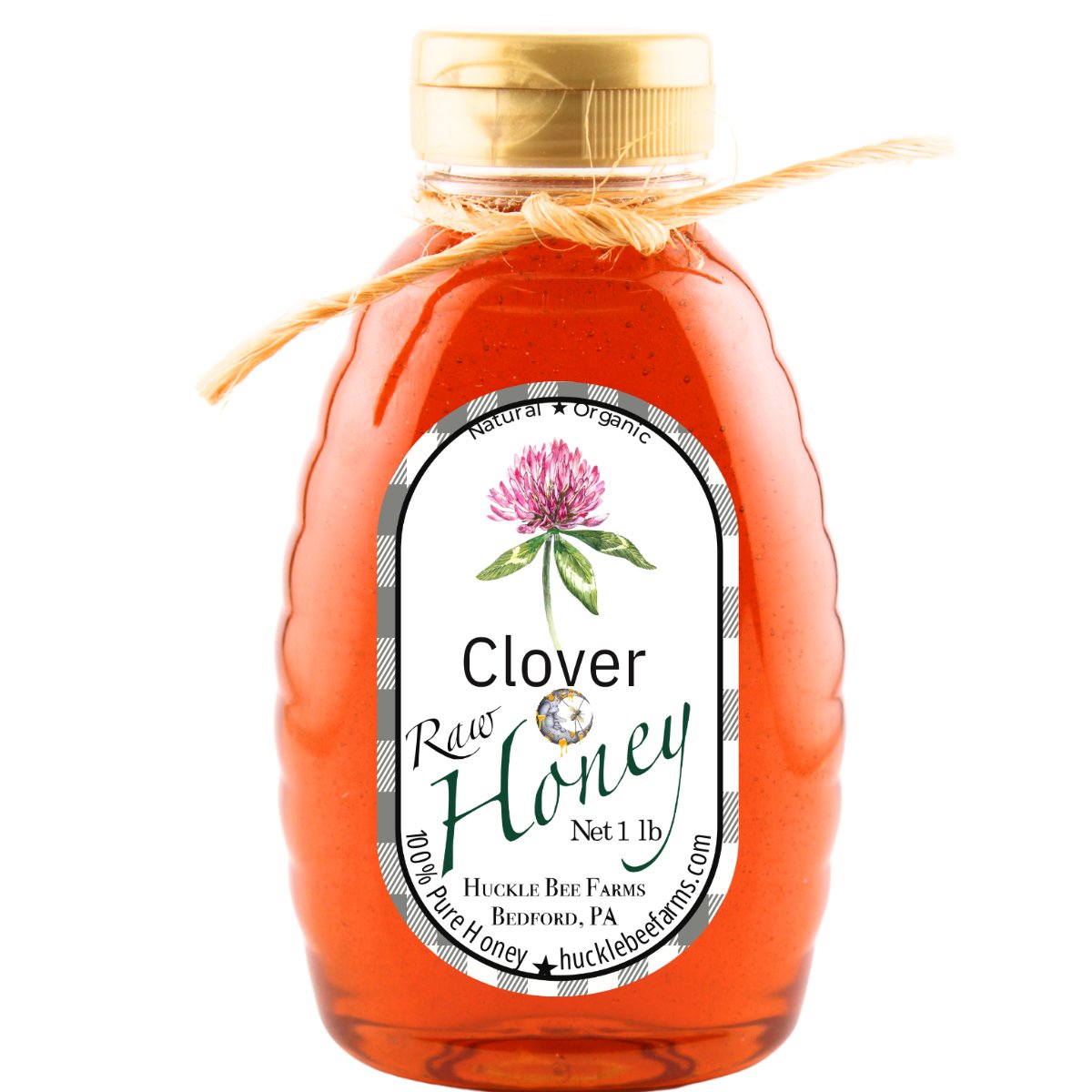
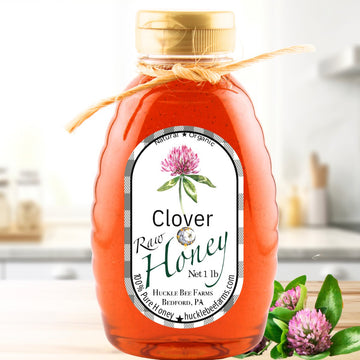
- Clover Honey: Light golden color, smooth sweetness, and perfect for tea, toast, and everyday recipes. :contentReference[oaicite:1]{index=1}
- Wildflower Honey: Made from many blossoms, giving it a richer and more complex flavor that changes with the seasons. :contentReference[oaicite:2]{index=2}
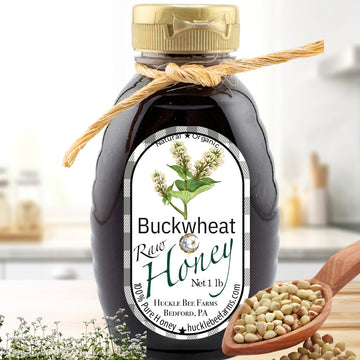
- Buckwheat Honey: Dark and robust with earthy or molasses-like notes, often higher in antioxidants than lighter honeys. :contentReference[oaicite:3]{index=3}
- Best Use Tip: Use clover for everyday sweetness, wildflower for versatile cooking, and buckwheat when you want bold flavor in marinades or wellness drinks.
Table of contents
Honey is a beloved natural sweetener, but not all honey is created equal. Wildflower, clover, and buckwheat honey each offer unique flavor profiles, colors, and culinary applications that cater to different tastes and uses. Understanding these differences can enhance your culinary experiences and health benefits. This article will explore the distinct flavor profiles of these honey types, their color variations, best uses in cooking and baking, and their nutritional benefits. By the end, you'll be equipped to choose the right honey for your needs, whether for sweetening tea, baking, or enjoying its health properties.
| Honey Type | Flavor Profile | Best Use |
|---|---|---|
| Clover | Mild, Sweet, Clean | Tea, Baking, Kids |
| Wildflower | Floral, Fruity, Complex | Daily Drizzle, Cheese |
| Buckwheat | Robust, Malty, Earthy | BBQ Glazes, Pancakes |
What Are the Distinct Flavor Profiles of Wildflower, Clover, and Buckwheat Honey?
The flavor profiles of wildflower, clover, and buckwheat honey vary significantly, influenced by their floral sources. Wildflower honey is typically light and floral, with a hint of sweetness that makes it versatile for various uses. Clover honey, on the other hand, is known for its mild, sweet flavor, making it a popular choice for sweetening beverages and baking. Buckwheat honey stands out with its robust, earthy flavor, often described as malty or even slightly bitter, which can add depth to recipes.
The distinct flavors of honey are deeply rooted in its chemical makeup, which is directly influenced by the specific floral sources.
Floral Honey Flavor: Chemical Profile & Sensory Quality
Honey has a distinct flavor characterized by various volatiles and non-volatiles, and metabolomic analysis was performed to identify relationships between chemical profile and sensory quality of honey.
Determination of Physicochemical Characteristics,
Phytochemical Profile and Antioxidant Activity of Various Clover Honeys, K Foster, 2024
How Does Wildflower Honey Taste Compared to Clover and Buckwheat?
Wildflower honey offers a complex taste that can vary depending on the specific flowers in bloom. It is generally sweeter than buckwheat honey but less sweet than clover honey. The texture is smooth, and it has a light, floral aroma. In contrast, clover honey is consistently sweet and mild, making it a favorite for those who prefer a more straightforward honey flavor. Buckwheat honey, with its dark color, presents a bold taste that can be an acquired preference, often described as having notes of molasses and a rich, syrupy mouthfeel.
What Unique Flavor Notes Define Buckwheat Honey?

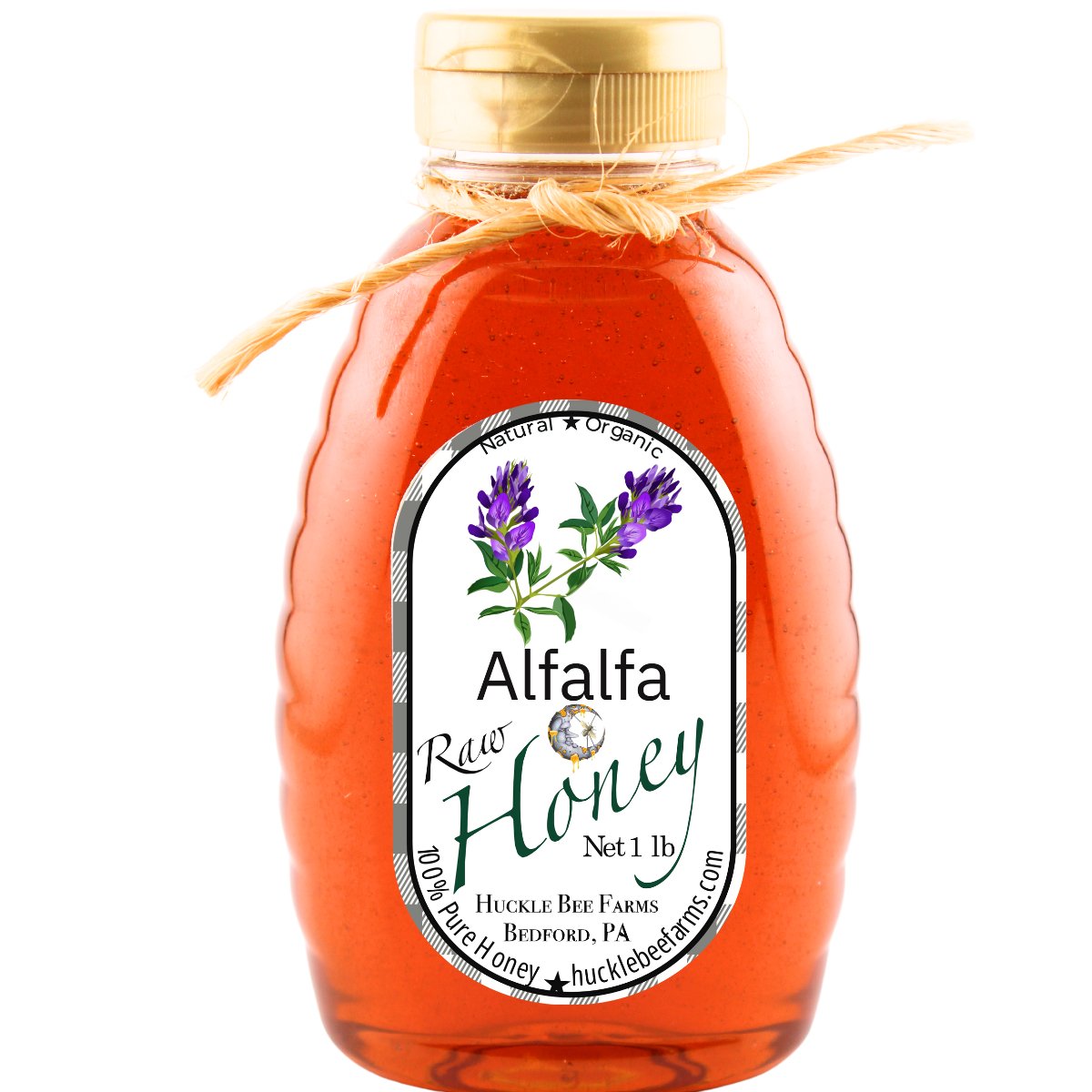
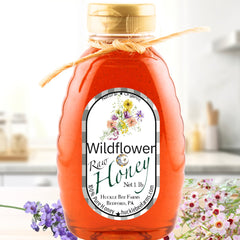
100% Pure Raw Wildflower Honey
Our most complex blend. A floral, fruity nectar that captures the essence of a thousand blossoms. Perfect for daily drizzling.
Buckwheat honey is characterized by its deep, dark color and strong flavor profile. It has earthy undertones and a robust sweetness that can be likened to molasses. This honey's unique flavor makes it an excellent choice for pairing with strong cheeses or using in marinades and sauces. Its distinct taste can also enhance baked goods, providing a rich flavor that lighter honeys cannot match.
How Do the Colors of Wildflower, Clover, and Buckwheat Honey Differ?
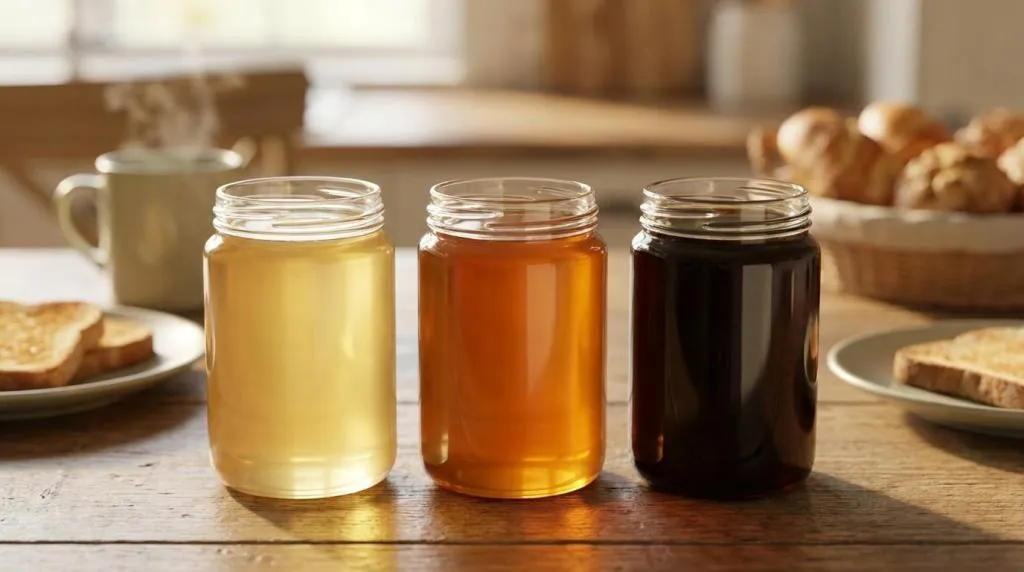
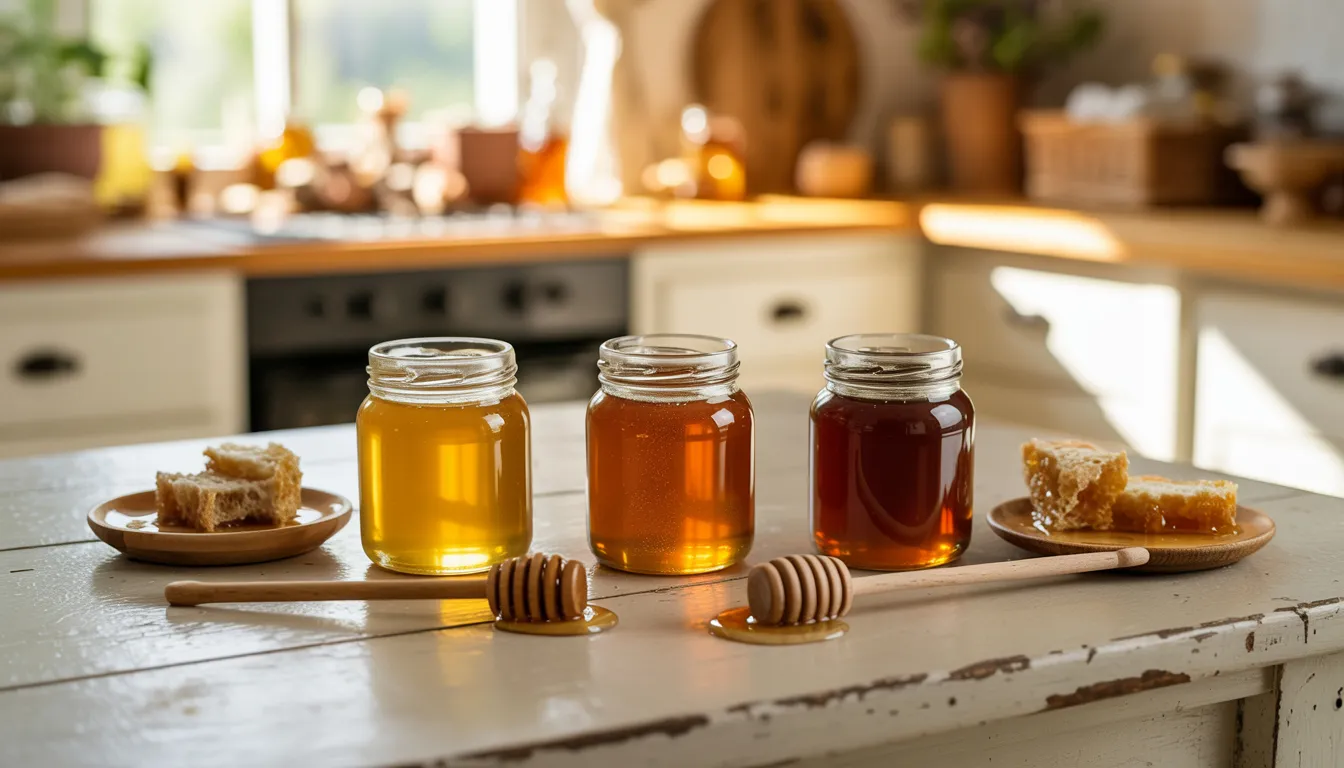
The color of honey can range from light amber to dark brown, influenced by the floral sources and processing methods. Wildflower honey typically has a light to medium amber hue, while clover honey is often a pale, golden color. Buckwheat honey, in stark contrast, is known for its dark brown appearance, which reflects its robust flavor and higher antioxidant content.
Further research highlights the variability in clover honey's color, influenced by specific floral sources.
Clover Honey Color: Persian Clover's Dark Hue
In this study, Persian clover honey was found to be the darkest and red clover NSE honey the lightest.
Determination of Physicochemical Characteristics,
Phytochemical Profile and Antioxidant Activity of Various Clover Honeys, K Foster, 2024
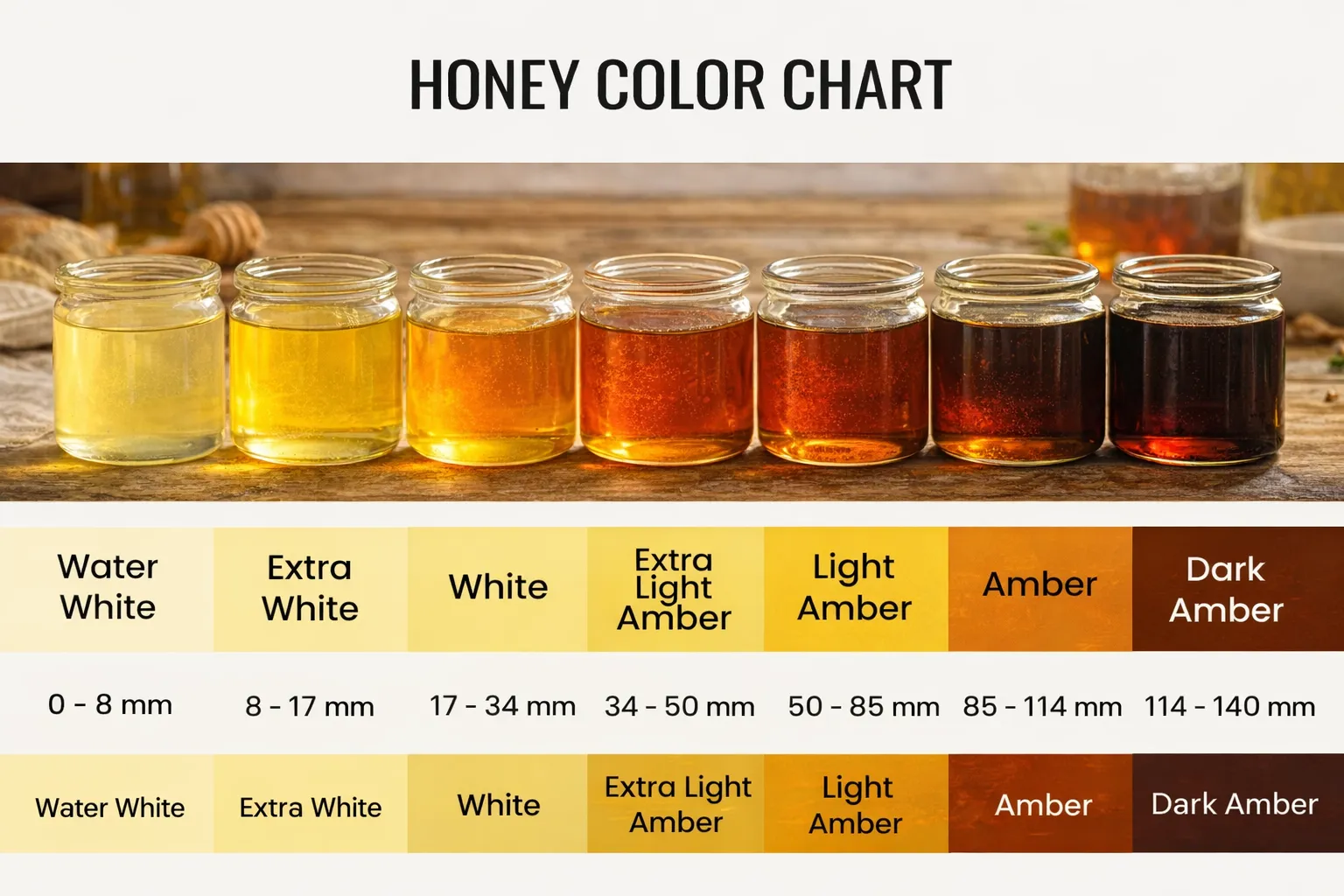
What Is the Color Spectrum from Light Amber to Dark Brown in These Honeys?
Honey color is not just a visual characteristic; it often correlates with flavor intensity and nutritional content. Wildflower honey's light amber color suggests a delicate flavor, while clover honey's golden hue indicates a mild sweetness. Buckwheat honey's dark brown color signifies a more intense flavor and a higher concentration of antioxidants, making it a popular choice for health-conscious consumers.
How Does Honey Color Relate to Its Floral Source and Flavor?
The floral source of honey significantly impacts its color and flavor. Lighter honeys, like clover and wildflower, are typically derived from nectar of lighter-colored flowers, resulting in a milder taste. In contrast, buckwheat honey, sourced from the nectar of buckwheat flowers, is darker and has a more pronounced flavor. This relationship between color and floral source helps consumers identify the type of honey they are purchasing and its potential uses.

Pure Clover Honey: The Classic Sweetener
Mild, delicate, and beautifully floral. Our Clover Honey is a kitchen staple, perfect for everyday sweetening, tea, and family-favorite recipes. 🍯🌼
Which Honey Variety Is Best for Baking, Cooking, and Sweetening?
When it comes to culinary applications, each honey variety has its strengths. Clover honey is often preferred for baking and sweetening tea due to its mild flavor, which does not overpower other ingredients. Wildflower honey is versatile and can be used in dressings, marinades, and desserts. Buckwheat honey, with its strong flavor, is best suited for recipes that can handle its intensity, such as robust sauces or baked goods that require a deeper sweetness.
Why Is Clover Honey Preferred for Baking and Tea Sweetening?
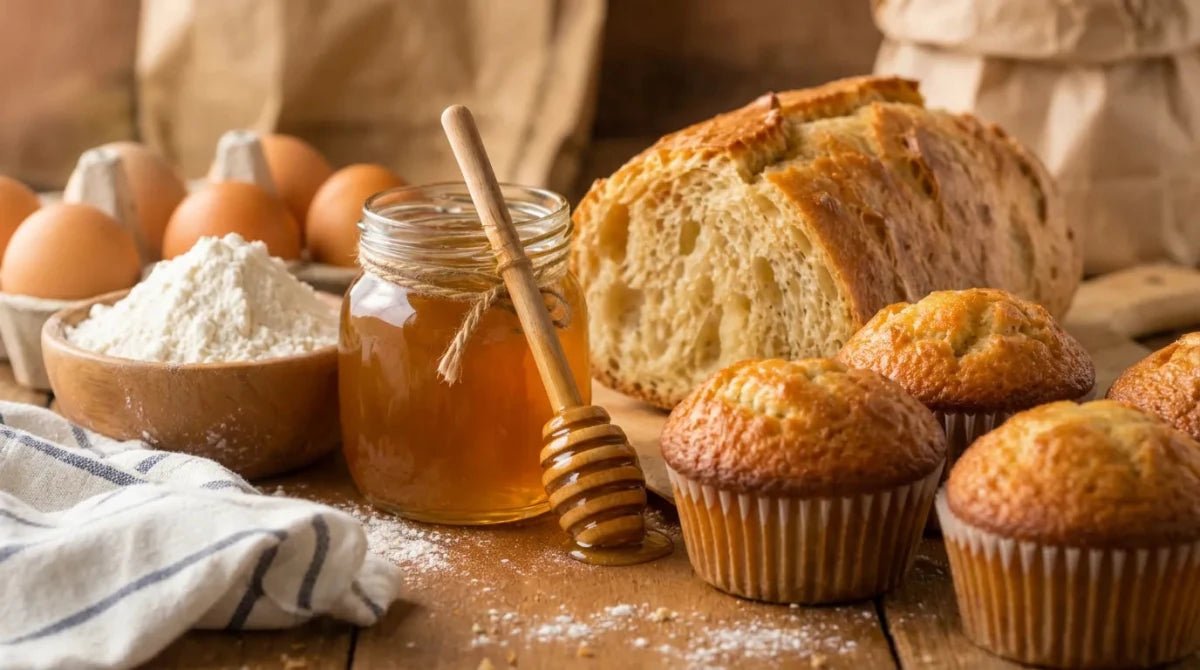
Clover honey's mild sweetness and smooth texture make it an ideal choice for baking and sweetening beverages. Its flavor complements a wide range of recipes without dominating them, allowing other ingredients to shine. Additionally, its light color does not alter the appearance of baked goods, making it a favorite among bakers.
What Culinary Uses Suit Buckwheat and Wildflower Honey Best?
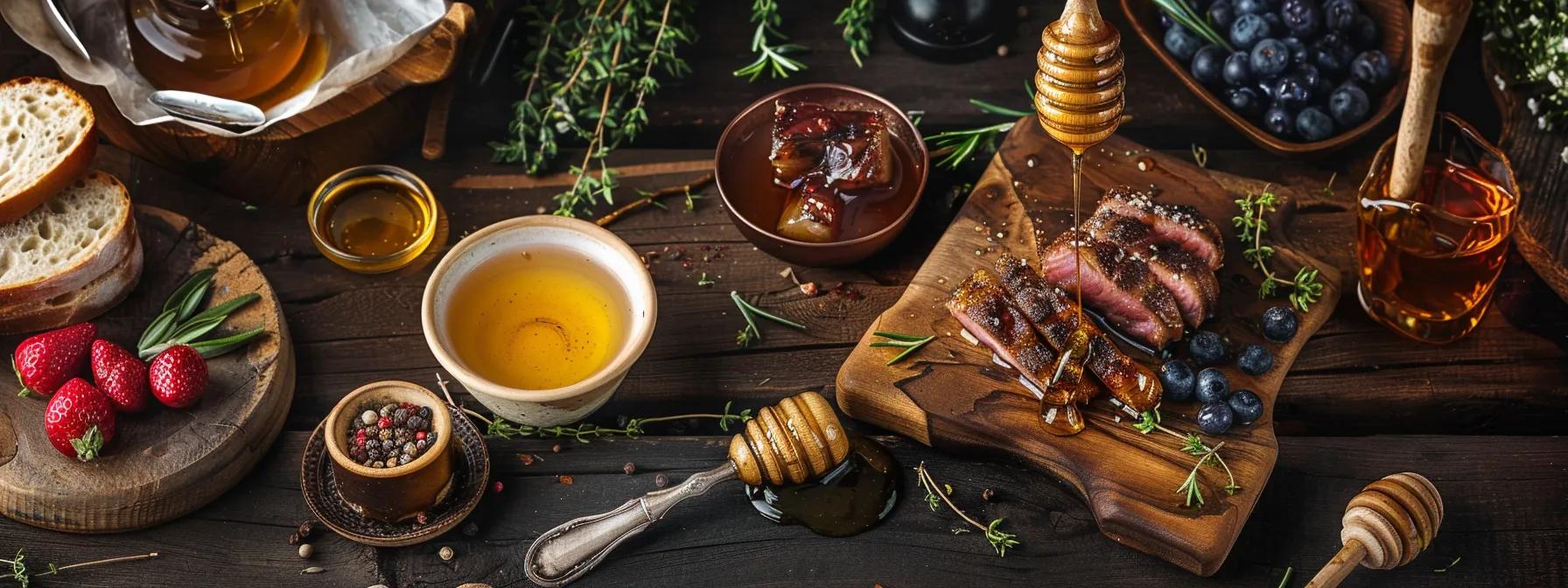
Buckwheat honey is excellent for recipes that benefit from its strong flavor, such as gingerbread, barbecue sauces, and marinades. Wildflower honey, on the other hand, can enhance salad dressings, yogurt, and desserts, providing a floral note that brightens dishes. Both honeys offer unique flavor profiles that can elevate culinary creations.
What Are the Nutritional and Health Benefits of Wildflower, Clover, and Buckwheat Honey?
Honey is not only a natural sweetener but also offers various health benefits. Each type of honey has unique nutritional properties, with darker varieties like clover honey generally containing higher levels of antioxidants. These antioxidants can help combat oxidative stress and support overall health.
Indeed, the intricate composition of honey, varying by its floral origin, underpinning its diverse therapeutic and nutritional advantages.
Floral Honey Nutrition: Composition & Therapeutic Properties
Honey, a natural product of honeybees, boasts a complex composition that varies greatly depending on its floral source. Its therapeutic and antimicrobial activity can be attributed to its rich nutritive composition, including sugars, amino acids, vitamins, minerals, and bioactive compounds like phenolics, flavonoids, and hydrogen peroxide. This study delves into the nutritional values of various types of honey, emphasizing the significance of understanding their unique compositions and potential therapeutic properties associated with diverse floral sources.
A Comprehensive Analysis on Nutritional Composition of Floral Honeys Commonly Available in Bangladesh, M Hasan, 2025
How Do Antioxidant Levels Vary Among These Honey Types?
Antioxidant levels in honey can vary significantly based on the floral source. Buckwheat honey is known for its high antioxidant content, which can help reduce inflammation and support immune function. Wildflower and clover honeys also contain antioxidants, but in lower concentrations compared to buckwheat honey. This variation highlights the importance of choosing the right honey for health benefits.
Are Darker Honeys Like Buckwheat Healthier Than Lighter Varieties?
Darker honeys, such as buckwheat honey, are often considered healthier due to their higher antioxidant levels and potential health benefits. While all honey varieties offer some health advantages, the robust flavor and nutritional profile of buckwheat honey make it a preferred choice for those seeking maximum health benefits. However, lighter honeys like clover and wildflower also provide natural sweetness and can be part of a balanced diet.
Subscribe & Save Honey – Monthly Raw & Delivery
Pick your favorite Honey and how often and we will do the rest... 100% Pure Honey. 🍯
LEARN MORE ABOUT SUBSCRIPTION
How Can You Identify and Choose the Right Honey Based on Flavor and Color?
Selecting the right honey involves understanding its flavor and color characteristics. By learning to identify these traits, consumers can make informed choices that suit their culinary needs and personal preferences.
What Tips Help Distinguish Wildflower, Clover, and Buckwheat Honey Visually and by Taste?
To distinguish between these honey types, consider their color and flavor. Wildflower honey is typically light and floral, clover honey is golden and sweet, while wildflower honey is dark and robust. Tasting a small amount can also help identify the flavor profile, allowing you to choose the best honey for your intended use.
How Do Consumer Preferences Influence Honey Selection?
Consumer preferences play a significant role in honey selection. Many people gravitate towards milder flavors for everyday use, while others may seek out the bold taste of buckwheat honey for specific recipes. Understanding these preferences can help producers cater to market demands and educate consumers about the benefits of different honey types.
🍯 The Honey Varieties Challenge
Test your knowledge on Clover, Wildflower, and Buckwheat!
Loading question...
Frequently Asked Questions
What are the best storage practices for honey to maintain its quality?
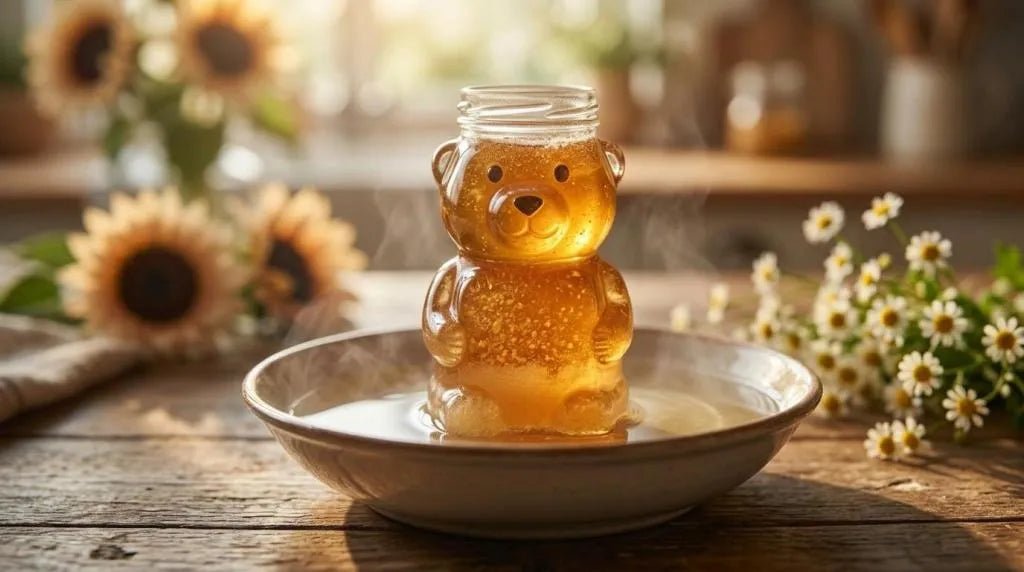
To maintain the quality of honey, store it in a cool, dry place away from direct sunlight. Use an airtight container to prevent moisture absorption, which can lead to fermentation. Honey does not spoil, but its texture and flavor can change over time. If crystallization occurs, gently warm the honey in a water bath to restore its liquid form. Avoid using a microwave, as high temperatures can degrade its beneficial properties.
Can honey varieties be used interchangeably in recipes?
While honey varieties can often be used interchangeably, the flavor and sweetness levels may affect the final dish. For instance, clover honey's mild taste is suitable for most recipes, while buckwheat honey's robust flavor may overpower delicate dishes. When substituting, consider the flavor profile and adjust the quantity to achieve the desired sweetness and taste balance in your culinary creations.
Are there any allergies associated with specific types of honey?
Yes, some individuals may experience allergies to specific types of honey, particularly those derived from certain floral sources. Symptoms can range from mild reactions, such as itching or hives, to more severe responses, including anaphylaxis. If you have known pollen allergies, it's advisable to consult with a healthcare professional before consuming honey, especially if trying a new variety for the first time.
How does the processing of honey affect its nutritional value?
The processing of honey can significantly impact its nutritional value. Raw honey, which is minimally processed, retains more of its natural enzymes, antioxidants, and nutrients. In contrast, pasteurized honey undergoes heating, which can destroy beneficial compounds. When choosing honey, look for raw or unfiltered options to maximize health benefits and ensure a more authentic flavor experience.
What are the environmental impacts of honey production?
Honey production can have both positive and negative environmental impacts. On the positive side, beekeeping supports pollination, which is crucial for biodiversity and food production. However, intensive farming practices and the use of pesticides can harm bee populations. Sustainable beekeeping practices, such as organic farming and habitat preservation, are essential to protect bees and ensure the longevity of honey production.
How can I incorporate honey into my daily diet for health benefits?
Incorporating honey into your daily diet can be simple and beneficial. Use it as a natural sweetener in tea, yogurt, or smoothies. Drizzle it over oatmeal or use it in salad dressings for added flavor. Honey can also be a healthier alternative to refined sugars in baking. However, moderation is key, as honey is still high in calories and sugars.
What are the differences in culinary applications between raw and processed honey?
Raw honey is often preferred for its rich flavor and nutritional benefits, making it ideal for drizzling over foods or using in dressings. Processed honey, while smoother and more uniform, may lack some of the complex flavors and health properties found in raw honey. For baking and cooking, both can be used, but raw honey may enhance the taste and provide additional health benefits in recipes.
Can Honey spoil or go bad?
Honey is one of the few natural foods that almost never spoils. Thanks to its low moisture content, high acidity, and natural antibacterial properties, honey can last for years—even decades—when stored properly. Over time, honey may crystallize or become thicker, but this is a natural process and does not mean it has gone bad. Simply warming the bottle in a bowl of warm water will return it to a smooth, pourable texture. When kept sealed and stored in a cool, dry place, honey remains safe and delicious for a very long time.
Conclusion
Understanding the unique flavors, colors, and culinary uses of wildflower, clover, and buckwheat honey empowers you to make informed choices that enhance your cooking and health. Each honey variety offers distinct benefits, from the mild sweetness of clover to the robust richness of buckwheat, catering to diverse preferences and applications. By selecting the right honey, you can elevate your dishes and enjoy the nutritional advantages these natural sweeteners provide. Discover our curated selection of premium honeys today to find the perfect match for your culinary needs.

Author - Jim Douglas - Founder Huckle Bee Farms
For Jim Douglas, beekeeping is more than a craft—it’s a commitment to purity and the environment. After an honorable career in the U.S. Army and a tenure as a COO for the Boy Scouts of America, Jim sought a way to combine his leadership experience with his love for the outdoors.
In 2012, he founded Huckle Bee Farms with a simple mission: to take honey back to its raw, unadulterated roots. Jim’s expertise lies in the delicate balance of infusing raw honey with organic ingredients without compromising its natural medicinal properties. His "small-batch" philosophy ensures that every jar meets the highest standards of quality and transparency. Today, Jim continues to lead Huckle Bee Farms with the same integrity he practiced in uniform, ensuring that every drop of honey supports both the health of the consumer and the survival of the honeybee.
His mission is simple: to make life a little sweeter—naturally.
Key Takeaways on Wildflower, Clover, and Buckwheat Honey
This list summarizes the essential points regarding the flavor profiles, colors, culinary uses, and health benefits of wildflower, clover, and buckwheat honey, helping you make informed choices for your culinary and health needs.
- Distinct Flavor Profiles – Wildflower honey is light and floral, clover honey is mild and sweet, while buckwheat honey offers a robust, earthy flavor that can enhance various dishes.
- Color Variations – Wildflower honey ranges from light amber to medium amber, clover honey is typically pale golden, and buckwheat honey is known for its dark brown hue, indicating flavor intensity.
- Culinary Applications – Clover honey is ideal for baking and sweetening beverages due to its mild flavor, while wildflower honey is versatile for dressings and desserts, and buckwheat honey suits robust recipes.
- Nutritional Benefits – Buckwheat honey is rich in antioxidants, making it a healthier choice, while all honey types provide natural sweetness and various health benefits.
- Choosing the Right Honey – Understanding flavor and color characteristics helps consumers select the best honey for their culinary needs and personal preferences.
- Storage Practices – To maintain honey quality, store it in a cool, dry place in an airtight container, avoiding direct sunlight and moisture absorption.