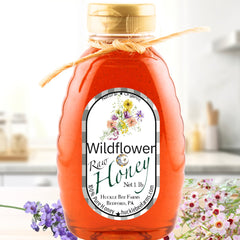
Discover the Benefits of Natural Wildflower Honey Today
Discover Wildflower Honey — Taste, Health Benefits, and How to Buy Real Raw Wildflower Honey Online
Natural wildflower honey captures seasonally varying floral nectars into raw, unfiltered honey rich in antioxidants, trace nutrients, and layered flavor — offering health-supporting compounds and culinary versatility you can enjoy every day.
Table of contents

Wildflower honey is what you get when bees forage across a changing mix of wild and cultivated blooms — every jar captures a moment in a particular place and season, with layered flavors and nutrients that shift as the year goes on. This guide explains what wildflower honey is, how raw wildflower differs from single-flower and pasteurized honeys, the research-backed benefits and everyday kitchen uses, and how to tell honest, unfiltered honey when shopping online. People choose wildflower honey for its distinctive taste, antioxidant content, and soothing qualities, but labels can be misleading. We’ll walk you through reading them, identifying floral notes, why raw honey can ease digestion and calm a sore throat, simple recipes and pairings, and what to check before ordering. Along the way we point out small-batch, sustainable practices that speak to provenance and quality, while keeping practical buying tips front and center.
What Is Wildflower Honey and How Does It Differ from Other Honeys?
Wildflower honey is a polyfloral honey made from nectar gathered from many flower species. That variety creates changing taste, color, and pollen content — the qualities that set it apart from single-source (monofloral) honeys. In practice: bees visit a range of blooms during a foraging window, and the nectar and pollen they bring back blend together, producing more layered aromas and a broader nutrient mix. That’s why one jar can taste different from the next, and why labels like “raw” and “unfiltered” matter if you want pollen and enzymes left in the jar.
Wildflower honey stands apart from single-source honeys in three straightforward ways:
- Source variability: It comes from many blooms rather than one dominant flower.
- Flavor variability: Taste shifts by season and location — from light and floral to deep and caramel-like.
- Processing differences: Raw, unfiltered honey retains pollen and enzymes that pasteurized or heavily filtered honeys often lose.
If you want natural complexity and true seasonal character, choose raw wildflower honey and learn how processing changes what ends up in the jar.

What Makes Wildflower Honey Unique in Taste and Composition?
The character of wildflower honey comes from the mix of nectar chemistries and diverse pollen that shape aroma, sweetness, mineral content, and antioxidant levels. Nectar determines the sugar balance, organic acids, and aroma compounds; pollen and small bee-derived elements add enzymes, amino acids, and trace minerals. Together they create a range of colors, textures, and flavor layers you don’t usually get from single-origin honeys — which is why cooks and chefs prize wildflower honey for both taste and possible health qualities. Because local plants and harvest timing vary year to year, each batch often has its own personality.
Research supports links between a honey’s aroma profile, its botanical origin, and potential health-related activity.
Honey Aroma, Botanical Origin, and Biomedical Activities
Analyzing aroma compounds in honey can help pinpoint botanical source and assess possible biomedical properties. Many products are labeled simply “honey” or “mixed-flower honey,” which can hide important differences in origin and activity.
Volatile compounds in honey: A review on their involvement in aroma, botanical origin determination and potential biomedical activities, CE Manyi-Loh, 2011
Those aromatic and chemical differences lead directly into how producers source and handle wildflower honey — choices that preserve flavor and indicate provenance.
How Does Huckle Bee Farms Source and Produce Raw Wildflower Honey?
At Huckle Bee Farms we harvest honey from Pennsylvania foraging areas where bees can reach a seasonal mix of native and field flowers. We focus on small-batch extraction and gentle handling so the honey’s flavor complexity and raw qualities stay intact. Our process keeps pollen, enzymes, and propolis where they belong — in the jar — and we practice habitat support and timed hive care to encourage healthy colonies and consistent forage. By keeping batches small and processing minimally, we preserve the pollen, floral nuance, and antioxidant qualities that mark high-quality wildflower honey.
Those sourcing and production choices set realistic tasting expectations and help you evaluate honey when you buy.
What Is the Distinctive Taste Profile of Wildflower Honey?

Wildflower honey usually shows layered notes — floral, fruity, herbal, and earthy — shaped by the mix of nectars and the sugar–acid balance that affects sweetness and mouthfeel. Volatile compounds from different flowers build in varying amounts, creating bright top notes (floral or citrus), mid-notes (herbal or fruity), and deeper base notes (caramel, toasted, or earthy). Color and viscosity can hint at which flowers dominated and how long the honey ripened. A simple tasting method — note aroma, sweetness, acidity, texture, and finish — helps you guess floral contributors and pair honey with foods and drinks.
Use this tasting lexicon to spot common sensory cues in wildflower honey:
- Floral: Light, perfumed top notes like clover or asters.
- Citrus/Fruity: Bright, zesty tones often tied to goldenrod or orchard blossoms.
- Herbal: Green, tea-like mid-notes suggesting thyme, mint, or meadow herbs.
- Caramel/Earthy: Deep, rounded base notes from late-season nectar and darker blooms.
That framework leads to an easy mapping of typical floral sources to taste and color.
| Floral Source Example | Taste Note | Color/Texture |
|---|---|---|
| Clover / Aster family | Mild floral, clean sweetness | Light gold, smooth |
| Goldenrod / Dandelion | Bright, citrusy with a tangy finish | Medium amber, fluid |
| Wild orchard blooms | Fruity, honeyed esters | Pale to medium gold, silky |
| Late-bloom natives | Caramelized, earthy finish | Dark amber, viscous |
This simple mapping helps tasters form educated guesses about origin and season when sampling wildflower honey and supports better culinary pairings.
Which Floral and Earthy Notes Define Wildflower Honey’s Flavor?
Common notes include perfumed floral highlights, citrus or stone-fruit hints, green herbal tones, and deeper caramel or molasses-like undertones when late-season nectars show up. Different flowers produce different volatile compounds — esters and terpenes — and those compounds remain in the honey to shape aroma. Light floral top notes usually point to early-season blooms, while darker toffee-like tones suggest later-season nectar and longer ripening. Texture — silky, runny, or thick — also gives clues about sugar makeup and moisture, which change mouthfeel and how the honey behaves in recipes.
Spotting these cues helps you expect seasonal flavor shifts and choose the right use for each jar.
How Does Pennsylvania’s Wildflower Variety Influence Honey’s Taste?
Pennsylvania’s mix of meadows, woods, and agricultural edges gives us spring bulbs and apple blossoms, summer clover, and late-summer goldenrod — a seasonal lineup that shows up in honey across the year. As plants bloom at different times, the nectar available to bees changes, shifting aromatic and sugar composition with each harvest. That’s why spring and early-summer wildflower honey tends to be brighter and more floral, while late-summer and autumn batches are often richer and more rounded. Knowing that rhythm helps you pick a jar for delicate tea and cheese pairings or a darker batch for marinades and baking.
Regional floral biodiversity — as documented in studies from places like the Italian Alps — plays a major role in shaping wildflower honey’s character and its possible health properties.
Wildflower Honey: Biodiversity, Botanical Origin, & Health Benefits
Wildflower honeys from mountain grasslands reflect the biodiversity of fragile habitats. Despite its importance, botanical origin is often reported without formal analysis. This study characterized six Italian Alpine wildflower honeys using multiple analytic techniques alongside pollen analysis to better define origin and activity.
Multidisciplinary analysis of Italian Alpine wildflower honey reveals criticalities, diversity and value, 2021
Understanding how regional flora shape taste connects directly to the potential health attributes that diverse pollen and nectar compounds may provide.
What Are the Key Health Benefits of Raw Wildflower Honey?
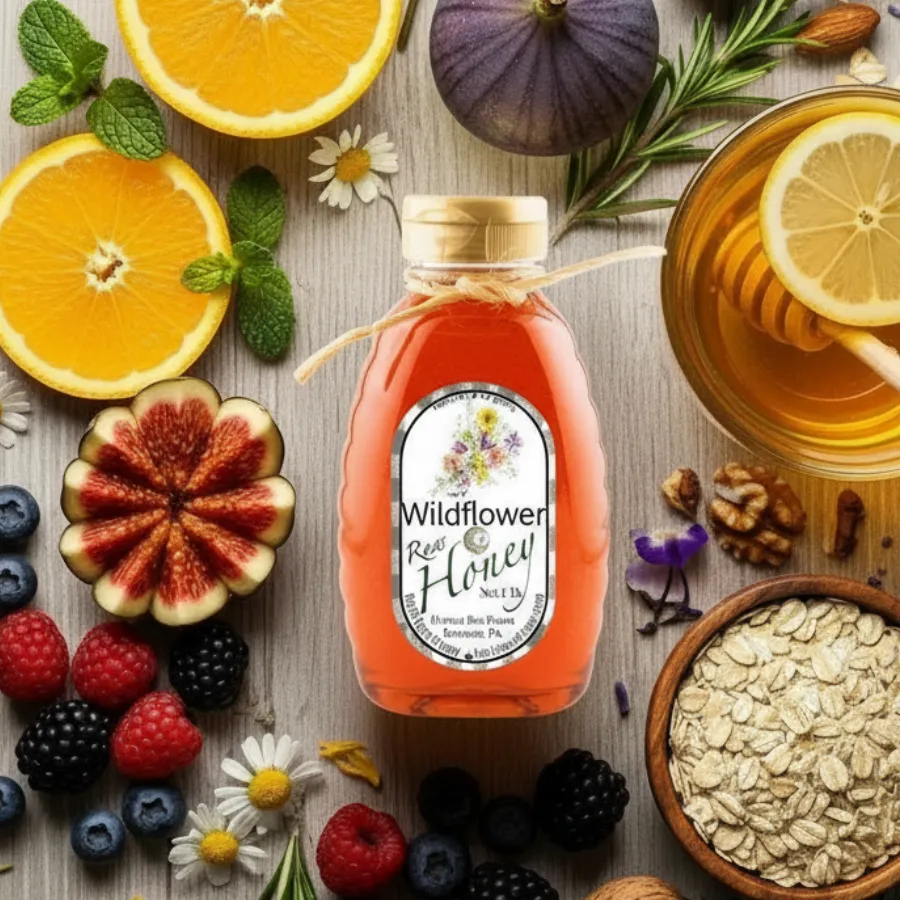
Raw wildflower honey concentrates natural compounds — antioxidants, trace minerals, enzymes, and pollen — that can support immune health, soothe the throat, and offer mild prebiotic effects for digestion. Antioxidant polyphenols help neutralize free radicals, enzymes like glucose oxidase provide low-level antibacterial activity, and oligosaccharides can feed beneficial gut microbes. Together these make wildflower honey a functional natural sweetener with measurable bioactive components, though it’s not a substitute for medical care. Use honey as part of a balanced diet and never give it to infants under one year because of the risk of botulism.
To compare key attributes and how they work, the table below lays out each component and its practical role.
| Attribute | Presence in Wildflower Honey | Role / Practical Effect |
|---|---|---|
| Antioxidants (polyphenols) | Moderate to high, varies by floral mix | Help neutralize oxidative stress; may reduce inflammation |
| Enzymes (glucose oxidase) | Present in raw honey | Produce low-level hydrogen peroxide; add antimicrobial effects |
| Pollen | Present in raw/unfiltered honey | Source of micronutrients and potential local exposure benefits |
| Oligosaccharides | Trace amounts | Serve as mild prebiotic food for beneficial gut bacteria |
This quick comparison shows how raw wildflower honey’s components line up with health-supporting functions and why unfiltered, minimally processed products retain more of those attributes.
How Does Wildflower Honey Support Immune Health and Digestion?
Wildflower honey can support immune health through antioxidants that reduce oxidative stress and through enzymes that create localized antimicrobial conditions. Its oligosaccharides may help feed friendly gut bacteria, supporting digestion. In practice, a teaspoon in warm tea can soothe a sore throat, and using honey as a partial sugar swap in yogurt or granola adds a mild prebiotic boost. The key is moderation — small daily portions rather than large sugary servings — so you gain benefits without excess sugar.
These mechanisms set realistic expectations for using honey for coughs or mild allergy support and remind us to keep the evidence balanced.
Can Wildflower Honey Provide Natural Allergy Relief and Soothe Sore Throats?

Some people use local raw wildflower honey for seasonal allergy relief on the idea that tiny amounts of local pollen might build tolerance, but the scientific evidence is limited and mixed — much of it anecdotal. The theory is that trace pollen in raw honey acts like mild oral exposure, but controlled trials haven’t given consistent results. For sore throats and coughs, honey has clearer benefits: it coats the throat, soothes irritation, and brings mild antimicrobial action. A spoonful in hot tea or lemon-honey water is a time-tested comfort. If you have serious allergies, talk to a doctor, and remember: never give honey to babies under one year.
With that balanced view of the science, let’s move on to the everyday and culinary ways honey shines.
How Can You Use Wildflower Honey in Cooking and Daily Life?
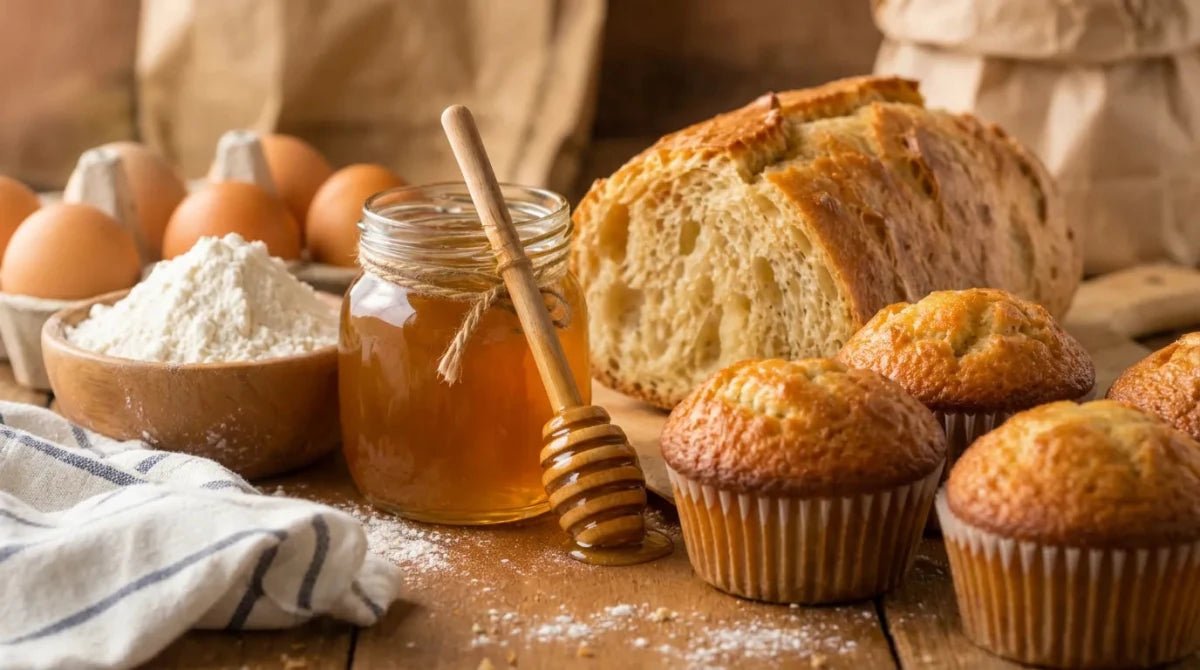
Wildflower honey brightens drinks, dressings, marinades, and baked goods with layered sweetness, moisture retention, and floral aromatics that can replace or complement refined sugar. Honey’s fructose–glucose balance and hygroscopic nature keep baked goods moist, add shine to glazes, and behave differently than sucrose in liquids — so simple recipe tweaks like reducing other liquids and lowering oven temperature improve results. Everyday ideas: stir a spoonful into herbal tea, drizzle over yogurt or a cheese plate, or toss a honey-based dressing on salad to lift floral notes. These small swaps keep honey’s flavor and functional perks in your routine.
Try these easy recipes that let wildflower honey sing:
- Honey-Lemon Vinaigrette: Whisk wildflower honey with lemon juice, olive oil, and mustard for a bright dressing that livens greens.
- Honey-Granola Clusters: Use wildflower honey to bind and flavor toasted oats for fragrant, crunchy clusters.
- Baked Fruit with Honey: Drizzle honey over stone fruit before roasting to amplify the fruit’s sugars and add floral depth.
These ideas encourage tasting as you go. Below we cover substitution tips if you’re replacing sugar with honey.
What Are Popular Recipes and Pairings Featuring Wildflower Honey?
Wildflower honey pairs beautifully with soft cheeses, citrus, herbal teas, and whole-grain bread because its floral and herbal notes either echo or balance other flavors. Simple combinations — honey-lemon vinaigrette, ricotta with figs and honey, or honey-sweetened granola — use few ingredients so the honey stays center stage. Honey’s aromatics can mirror similar flavors (floral honey with chamomile) or tame stronger ones (sharp goat cheese with mellow honey). For home cooks, start with small amounts to see how honey shifts a dish, then adjust.
These pairing ideas also show how honey behaves in drinks and baking, where chemistry changes texture and moisture.
How Does Wildflower Honey Enhance Beverages and Baked Goods?
In hot drinks, wildflower honey dissolves, adds body, and lifts aroma; in cold drinks, mix it first with warm water to make a syrup so it blends easily. Heat thins honey and releases volatile aromatics for fuller flavor. In baking, honey helps retain moisture and encourages browning through Maillard reactions, so bakers usually reduce added liquid and lower oven temperature about 25°F (14°C) to avoid over-browning. A common substitution is roughly 3/4 cup honey for 1 cup sugar, and reduce other liquids by about 2 tablespoons per cup of honey. Those conversions and temperature tips keep results reliable while preserving honey’s character.
Practical conversion guidelines and oven tweaks make switching to honey straightforward and delicious.
Why Choose Huckle Bee Farms’ Pure Raw Wildflower Honey?
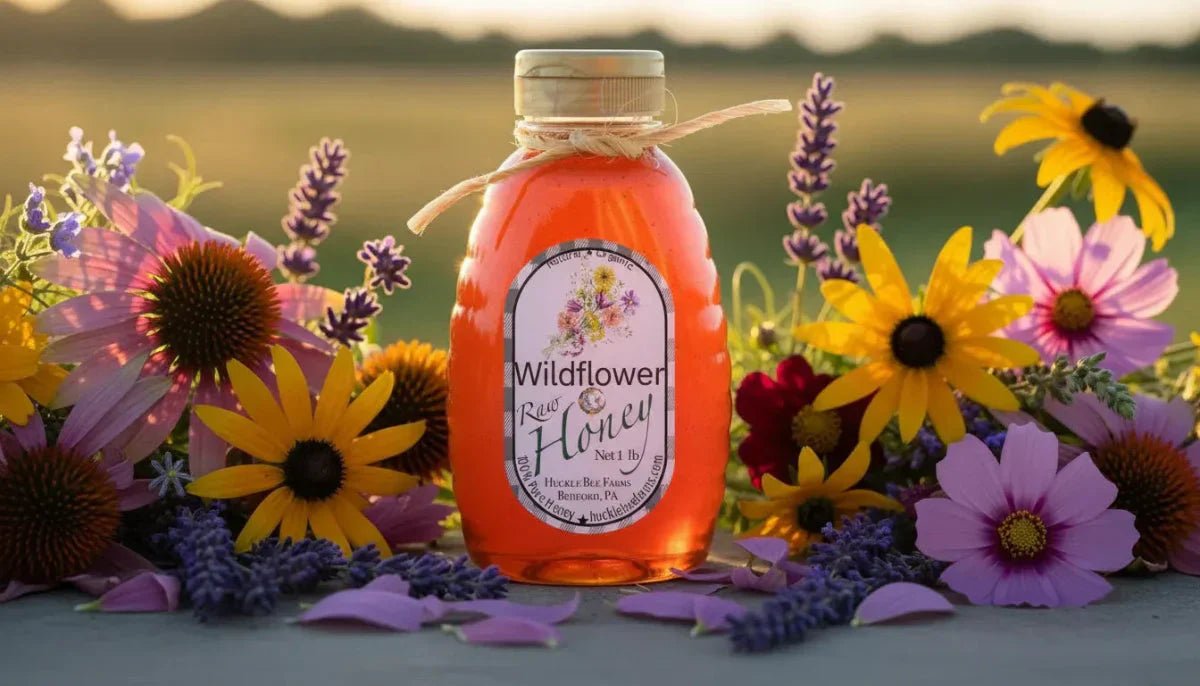
Huckle Bee Farms offers small-batch, veteran-owned wildflower honey from Pennsylvania, produced with sustainable beekeeping that prioritizes raw, unfiltered quality and pollinator health. Our values — veteran stewardship, artisanal small-batch extraction, regional provenance, and sustainability — give buyers traceability and environmental responsibility without sacrificing authenticity. Minimal processing preserves pollen, enzymes, and antioxidants that define raw wildflower honey, and choosing a local, mission-driven producer gives you clearer origin and a product that tastes like the place it came from.
Here are short reasons to consider a small-batch, mission-led producer when buying raw wildflower honey:
- Traceability: Small batches make it easier to track harvest-to-jar and keep seasonal flavor notes intact.
- Freshness: Local, small-run processing helps retain volatile aromatics and enzymes.
- Community Support: Buying from a veteran-owned farm supports local stewardship and pollinator programs.
Those buyer benefits naturally lead to questions about sustainable beekeeping and pollinator protection, which we answer next.
What Are the Benefits of Buying Small-Batch, Veteran-Owned Artisan Honey?
Choosing small-batch artisan honey usually gives you better traceability, fresher flavor, and a closer connection to the people who made it — all of which build confidence in sourcing. Smaller batches let producers harvest, extract, and jar quickly with little mixing across foraging periods, preserving season-specific tastes and documented origin. Supporting a veteran-owned operation also directs your purchase toward mission-driven stewardship and local sustainability efforts. Practically, you’ll notice clearer flavor expectations, more consistent labeled harvests, and the satisfaction of supporting focused, small-scale production.
That buyer perspective leads into the sustainable steps producers take to protect bees and habitat.

How Does Sustainable Beekeeping at Huckle Bee Farms Protect Pollinators?
Sustainable beekeeping means planting and protecting diverse forage, minimizing chemical use, timing hive work to match local bloom cycles, and giving colonies seasonal care — all actions that promote pollinator resilience and healthy ecosystems. Healthy hives with varied forage produce stronger colonies, better-quality honey, and improved pollination for nearby plants and crops. On-the-ground practices like planting pollinator-friendly species and avoiding broad-spectrum pesticides help keep forage steady and reduce toxic exposure. Those measures support long-term hive viability and benefit the landscapes we steward.
Understanding sourcing and sustainability helps buyers evaluate claims and prepares you for the online buying steps below.
Where and How Can You Buy Pure Raw Wildflower Honey Online?
When buying pure raw wildflower honey online, look for clear authenticity markers — raw/unfiltered labels, regional origin statements, batch notes, and transparent processing details — and expect photos and tasting notes that match the honey’s season. The best verification comes from product descriptions that tie color and flavor to harvest time and place, rather than vague marketing. Use the checklist below as a quick how-to when shopping online.
Verifying honey origin and labeling matters in a market where provenance affects both price and trust.
Honey Authenticity: Origin, Labeling, and Quality Assurance
Honey is a high-value global food where origin strongly affects price and quality. Labels should clearly state geographic and botanical origin, and analytical methods are needed to accurately determine that origin and protect consumers.
Honey authenticity: Analytical techniques, state of the art and challenges, AS Tsagkaris, 2021
- Check for raw/unfiltered labels: Raw products keep pollen and enzymes.
- Look for provenance: Regional origin or harvest notes show traceability.
- Review sensory descriptions and photos: Make sure color and tasting notes match your expectations.
- Read customer reviews and batch details: Look for repeatable quality across purchases.
| Buying Signal | What to Look For | Why It Matters |
|---|---|---|
| Raw / Unfiltered label | Clear statement and batch notes | Preserves pollen, enzymes, and antioxidants |
| Origin / Harvest info | Regional or seasonal details | Supports provenance and sets flavor expectations |
| Photos & Tasting notes | Honest color and aroma descriptions | Helps match culinary use and taste preferences |
These signals clarify which details reliably indicate quality and what to expect from transparent sellers.
What Should You Look for When Purchasing Wildflower Honey Online?
Use a short checklist to verify authenticity: favor raw and unfiltered labels, look for regional provenance, confirm the ingredient list is just honey, and choose sellers who list harvest season and sensory notes. Product metadata — labels, batch numbers, and descriptions — give clues about processing and origin; the more specific the metadata, the more confident you can be. Also check photos for color and consistency and packaging notes that indicate minimal processing. These steps reduce the risk of buying blended or overly filtered honeys sold as “wildflower.”
Following these checks sets clear ordering expectations and helps you know what arrives after purchase.
How to Order Huckle Bee Farms’ Wildflower Honey for Delivery?
To buy from Huckle Bee Farms, find product listings that state Pennsylvania-sourced, small-batch raw wildflower honey, read the batch tasting notes to match your flavor preferences, and use our online checkout to select quantity and shipping. Product pages include details on minimal processing and sustainable practices that explain our small-batch approach and back up quality claims. Shipping protects jars with secure packaging and handling notes so texture and flavor arrive intact. If you have questions about harvest dates or batch specifics, use the contact info on the product page — we’re happy to help.
Those transactional details complete the buying workflow and reinforce why transparency matters when choosing raw wildflower honey.
Conclusion
Choosing raw wildflower honey brings distinctive flavor to your cooking and delivers health-supporting compounds like antioxidants and enzymes that can support immune and digestive health. By learning what makes wildflower honey unique, how to read labels, and which production practices matter, you can make informed choices that favor quality and sustainability. Explore our selection of pure, small-batch wildflower honey to taste true seasonal character and thoughtful stewardship. Notice the difference honey made with care can make.
Understanding how natural wildflower honey reflects diverse seasonal blooms helps explain its unique flavor, antioxidant content, and everyday wellness benefits.
Frequently Asked Questions
Is wildflower honey raw?
Wildflower honey can be raw, but it depends on how it’s processed. Raw wildflower honey is minimally filtered and never heated at high temperatures, allowing it to retain natural enzymes, antioxidants, pollen, and beneficial compounds. Some wildflower honeys sold commercially may be pasteurized or heavily filtered, which removes many of these natural qualities. Always check the label or source to confirm whether wildflower honey is truly raw.
What are the differences between raw wildflower honey and processed honey?
Raw wildflower honey is minimally processed and keeps natural pollen, enzymes, and antioxidants that are often reduced or removed during pasteurization and heavy filtration. Processed honey is usually heated for clarity and shelf stability, which can dull flavor and lower some beneficial compounds. Raw honey also shows seasonal taste and color differences based on floral sources, while processed honey tends to be more uniform. If you want the full nutritional profile and a true seasonal taste, raw wildflower honey is the better choice.
How can I tell if the wildflower honey I’m buying is pure?
To check purity, look for labels that say “raw” and “unfiltered,” confirm clear origin information (region or farm), and make sure the ingredient list is just honey. Reputable sellers share tasting notes and batch details that help judge quality. Customer reviews and consistent batch descriptions across purchases also offer helpful clues.
What are some creative ways to use wildflower honey in recipes?
Wildflower honey is versatile: use it to sweeten herbal teas and smoothies, lift dressings and marinades, or add moisture and flavor to baked goods. Drizzle it over yogurt or fresh fruit, mix it into homemade granola, or use it as a glaze for roasted vegetables. Its floral complexity works with both sweet and savory dishes.
Can wildflower honey be used as a sugar substitute in baking?
Yes — but make a few adjustments. Replace 1 cup of sugar with about 3/4 cup honey, reduce other liquids by roughly 2 tablespoons per cup of honey, and lower the oven temperature by about 25°F (14°C) to avoid over-browning. These tweaks help keep texture and flavor balanced while letting honey’s character come through.
What should I consider when storing wildflower honey?
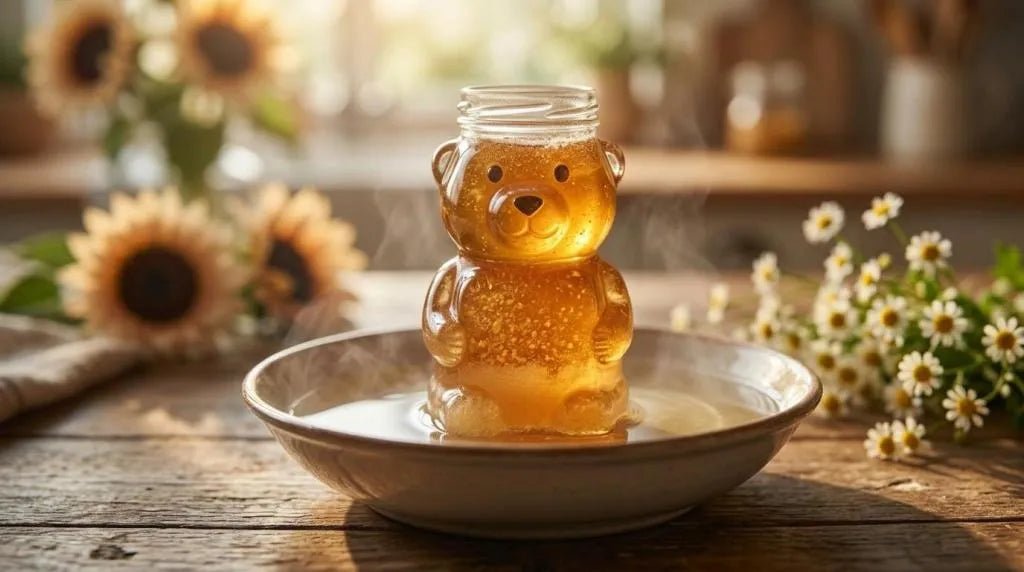
Store honey in a cool, dry place away from direct sunlight in a tightly sealed glass jar. Honey doesn't spoil, but it can crystallize naturally over time. If that happens, warm the jar gently in a warm water bath to re-liquefy it — avoid overheating. Don’t refrigerate honey, as that speeds crystallization.
Are there any health risks associated with consuming wildflower honey?
Though wildflower honey has benefits, be aware of risks: never give honey to infants under one year because of botulism risk. People with pollen or bee-product allergies should be cautious since raw honey can contain trace pollen that may trigger reactions. If you have health concerns, consult a healthcare professional.

Author - Jim Douglas - Founder Huckle Bee Farms
Jim is the heart and hands behind Huckle Bee Farms, a family-run honey company dedicated to bringing small-batch, infused honeys from the hive to your table. As a passionate beekeeper, storyteller, and advocate for pollinators, Jim blends his love for nature and creativity into every bottle. When he’s not tending to the hives or experimenting with new honey infusions, you’ll find him sharing recipes, health tips, and bee wisdom with the Huckle Bee Farms community. His mission is simple: to make life a little sweeter—naturally.
Key Takeaways on Wildflower Honey
This list sums up the essential points about wildflower honey — its character, health benefits, and everyday uses in the kitchen and beyond.
- Unique Flavor Profile – Wildflower honey delivers complex taste that varies by season and floral sources, so each jar is its own experience.
- Health Benefits – Rich in antioxidants, enzymes, and pollen, wildflower honey can support immune health and digestion and offers soothing properties.
- Raw vs. Processed – Choosing raw wildflower honey helps you retain beneficial compounds often lost in processed varieties, boosting both flavor and potential health value.
- Culinary Versatility – Wildflower honey works in many recipes, from dressings to baked goods, adding moisture and a floral sweetness that elevates dishes.
- Sustainable Sourcing – Opting for small-batch, locally sourced wildflower honey supports sustainable beekeeping practices and promotes pollinator health.
- Buying Tips – When purchasing online, look for clear labels indicating raw and unfiltered honey along with detailed origin information to ensure quality.