Discover Flavor Benefits: Raw vs Pasteurized Honey for Tea
Raw vs Pasteurized Honey for Tea Drinkers: Flavor & Health Differences
Raw vs pasteurized honey for tea isn’t just about sweetness — it’s about flavor, aroma, and health benefits. Raw honey is gently strained and unheated, allowing it to retain natural enzymes, antioxidants, and floral notes that enhance tea’s taste and soothing qualities. Pasteurized honey, while smooth and shelf-stable, is heated and filtered, which can mute flavor complexity and reduce beneficial compounds. For tea drinkers, choosing raw honey means a more aromatic cup, richer mouthfeel, and a naturally nourishing tea ritual. This guide breaks down the key differences so you can choose the best honey for your favorite tea.
| Feature | Raw Honey (The Huckle Bee Way) | Pasteurized Honey |
|---|---|---|
| Processing | Unheated & minimally strained. | Heated to 160°F+ and micro-filtered. |
| Nutrients | Live enzymes, pollen, & antioxidants. | Nutrients & enzymes destroyed by heat. |
| Flavor | Complex, floral, and robust. | Simplified, generic sweetness. |
| Appearance | Cloudy; naturally crystallizes over time. | Clear, syrupy, and stays liquid longer. |
| Best For | Health, wellness, and gourmet tea. | Commercial baking and long storage. |

A quiet cup of tea is one of life’s small rituals, and the honey you choose can make that ritual feel personal. Two jars labeled “honey” may act very differently once they meet hot water. Most of that difference comes down to how much heat and filtering the honey saw after the hive. That leads to the question many tea lovers ask: which is better for tea — raw or pasteurized — and does pasteurization strip away nutrients?
What “raw” and “pasteurized” honey actually mean
Raw honey is handled gently after it’s taken from the comb. It’s usually strained to remove bigger bits of wax but not heated to high temperatures or ultra-filtered. Raw honey often looks a little cloudy, crystallizes sooner, and can carry tiny traces of bee pollen.
Pasteurized honey has been warmed and usually filtered more aggressively to produce a clear, uniform jar that pours smoothly and resists crystallizing on the shelf. Pasteurization and heavy filtration aim for consistency and shelf stability; raw honey keeps more of the jar’s original character.
Neither style is dishonestly labeled by default. The real debate — raw vs. pasteurized — matters if you care about aroma, mouthfeel, and the subtle compounds people prize in honey. That’s why shoppers often ask: is raw honey worth the extra cost, and is pasteurized honey still “real” honey?
"Unlike commercial honey, raw honey is never heated above hive temperature. This is crucial because [research shows that high-heat pasteurization can destroy delicate enzymes and antioxidants [1]] that are vital for the honey's health-promoting properties."
Why raw honey is rich in enzymes
Raw honey contains natural enzymes like diastase, invertase, and glucose oxidase. These enzymes help break down complex sugars, can aid digestion, and play a role in honey’s natural antimicrobial activity [1]. Because raw honey isn’t heated to high temperatures, these enzymes remain intact and active, which is why raw honey is often described as enzyme-rich.
At Huckle Bee Farms we protect those living enzymes by using small-batch methods. Each jar is harvested and lightly filtered so heat-sensitive enzymes and delicate flavors aren’t compromised. Our artisanal approach keeps the honey close to the hive — fuller in flavor, richer in natural compounds, and handled with care. Choosing Huckle Bee Farms supports small-batch quality and brings more of nature’s original goodness to your spoon.

Why living enzymes matter
The “living” enzymes in raw honey are a big part of what distinguishes it from pasteurized varieties. Active enzymes can support digestion and contribute to antioxidant activity [2]. When honey is pasteurized — warmed intentionally — some of those fragile enzymes are denatured, and the honey’s measurable enzyme activity often drops. For tea drinkers who want the full range of honey’s natural qualities, raw honey preserves more of what the hive gave us.
Why tea drinkers notice the difference quickly
Tea is mostly fragrance. Even strong cups depend on volatile aroma compounds rising from the surface. Honey carries its own delicate aromatics and trace compounds that reflect what the bees visited — clover, wildflowers, buckwheat, alfalfa, and local blossoms. Those nuances shape both flavor and some of the health-related compounds people associate with raw honey.
When honey is heated during pasteurization, fragile aromatics can fade and some healthful components can be reduced. Studies comparing raw and heat-processed honeys typically find raw samples smell more intense and floral, while heat-treated honey tends to be milder and simpler [3]. In a cup of tea, that shows up fast: raw honey doesn’t just sweeten the tea — it perfumes it.
A simple way to think about it: pasteurized honey sweetens tea; raw honey seasons it.

Flavor in the cup: aroma, sweetness, and finish
Raw honey tends to deliver layered flavor that shifts with the tea you choose. A spoonful in an herbal infusion can read meadow-like or fruity; the same spoon in a breakfast black tea can turn caramel, toasted, or lightly spicy depending on the nectar source.
Pasteurized honey, prized for its clarity and smoothness, usually offers a clean, straightforward sweetness with a quieter aroma and longer shelf life. That can be exactly right for people who want a neutral sweetener that won’t compete with delicate teas.
Here’s a practical comparison focused on what you’ll actually notice in a mug.
| Tea-drinker detail | Raw honey (minimally heated, lightly strained) | Pasteurized honey (heat-treated, often more filtered) |
|---|---|---|
| Aroma over the cup | Stronger floral lift; pronounced “honeycomb” character | Milder scent; fewer distinct floral highlights |
| Flavor shape | Layered and botanical, varies by nectar source | Uniform sweetness with simpler flavor notes |
| Finish | Often lingers with soft floral or herbal echoes | Cleaner, shorter sweet finish |
| Texture in tea | Slightly rounder mouthfeel; tiny particles may appear then dissolve | Very smooth and consistent |
| Crystallization at home | More likely over time; gently re-liquefies when warmed | Slower to crystallize |
| What heat changes | Retains more heat-sensitive volatiles and enzymes | Heat can reduce delicate aromatics and enzyme activity |
That “finish” matters more than you might expect. Sip slowly and raw honey can leave a warm, lingering trail that pairs beautifully with chamomile, mint, or a malty black tea. If you drink quickly, pasteurized honey’s tidy sweetness can feel efficient and unobtrusive.

The science behind the smell (without the lab coat)
Honey’s scent comes from volatile compounds that can be sensitive to heat. Warming honey for processing can reduce floral terpenes and, in some cases, increase notes associated with browning reactions.
In plain terms: heat can nudge honey from “fresh and floral” toward “soft, candy-like sweet.”
That doesn’t make pasteurized honey bad — it’s simply a different style of sweetness. Tea, being largely about aroma and water, highlights that difference more than many other beverages.
Health differences tea drinkers ask about
At its core, honey is still honey: mostly sugars with trace minerals, organic acids, and plant compounds. Raw and pasteurized honeys have similar calories and a comparable sugar profile.
The main differences show up in the “extras” that heat and heavy filtration can affect. Those extras are what people often mean when they ask about raw vs. pasteurized honey.
Enzymes. Raw honey usually retains higher enzyme activity (like glucose oxidase and diastase). Heat can denature these proteins, which is why pasteurized honey often measures lower for enzyme activity [4].
Antioxidants and plant compounds. Raw honey often shows higher levels of certain antioxidants (polyphenols and flavonoids) — compounds such as chrysin, pinocembrin, and galangin — that contribute to honey’s protective qualities. Heat and time can reduce some of these heat-sensitive components [5].
Pollen and tiny hive-derived compounds. Lightly filtered raw honeys can retain microscopic pollen grains and trace elements that heavy filtration removes. Those traces add flavor and explain why raw honey varies more from batch to batch.
"One of the most powerful aspects of raw honey is its natural antibacterial activity. [According to the National Institutes of Health, these antimicrobial properties [2]] make raw honey an effective natural remedy for soothing sore throats and supporting the immune system."
Beyond enzymes: raw honey’s role in gut health and prebiotic potential
Emerging research points to raw honey’s potential as a prebiotic: it contains oligosaccharides and other non-digestible carbohydrates that can reach the colon and feed beneficial gut bacteria. That fermentation supports a healthy microbiome, which matters for digestion, nutrient absorption, and immune function [6].
Pasteurization can alter or degrade some of these delicate prebiotic compounds, which may reduce honey’s capacity to support gut flora. For tea drinkers looking to add gentle digestive support to their routine, raw honey can be a simple way to include prebiotic material in daily life.
One important caveat: laboratory measurements show differences in enzyme activity and antioxidant levels, but strong clinical comparisons of everyday outcomes from raw versus pasteurized honey remain limited. If you choose honey for wellness, think of raw honey as “closer to the original,” not as a guaranteed health cure.
🐝 Beekeeper’s Pro-Tip: The "Teacup Rule"
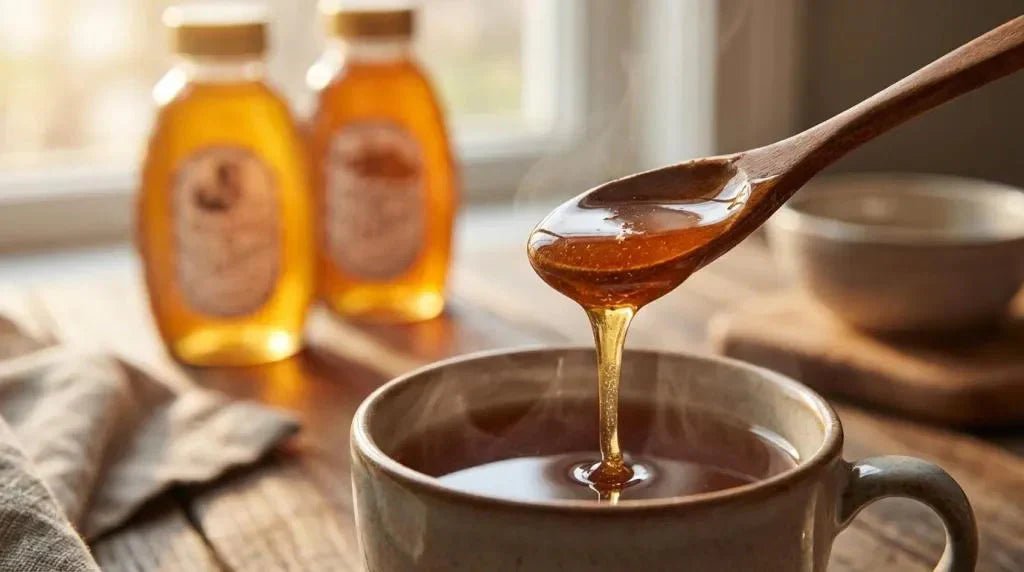
To get the most out of your Huckle Bee Farms Raw Honey, never add it to boiling water. High heat (above 110°F) can "cook" the honey, neutralising the live enzymes and delicate antioxidants you're looking for.
The Rule: Let your tea steep and cool for about 2–3 minutes until it’s at a drinkable temperature before stirring in your honey. If the tea is too hot for your tongue, it’s too hot for the honey!
How to add honey to tea without muting what you paid for
If you value raw honey’s aroma and natural compounds, how you add it matters. High heat will flatten honey’s scent quickly, even if the jar started out raw.
Let your tea cool a little after steeping, then sweeten. Many tea drinkers prefer honey added when the tea is hot but no longer scalding.
A few simple habits protect honey’s delicate notes:
- Timing: Add honey after steeping, once the mug has cooled for a minute or two
- Temperature: Hot, not boiling — if it’s too hot to sip, it’s hot enough to dull aroma
- Stirring: Gentle stirring preserves top notes better than vigorous whisking
- Measuring: Start with about 1 teaspoon per 8–10 ounces and adjust to taste
- Salt trick: A tiny pinch in strong black tea can round the flavor and make honey taste more buttery
That last tip surprises people, but it’s a classic kitchen move that really works.
“Best Way to Add Honey to Tea (Quick Tip)”
Let tea cool slightly
Stir in raw honey
Taste before adding more

Pairing honey style with tea style
If you keep more than one tea at home, consider more than one honey. Minimally processed raw honey brings character and aroma, while pasteurized honey offers steady, neutral sweetness.
Matching by nectar source works well: a bold, dark honey can stand up to hearty teas; a light, floral honey lifts delicate blends.
A simple pairing guide:
- Light wildflower honey with green tea
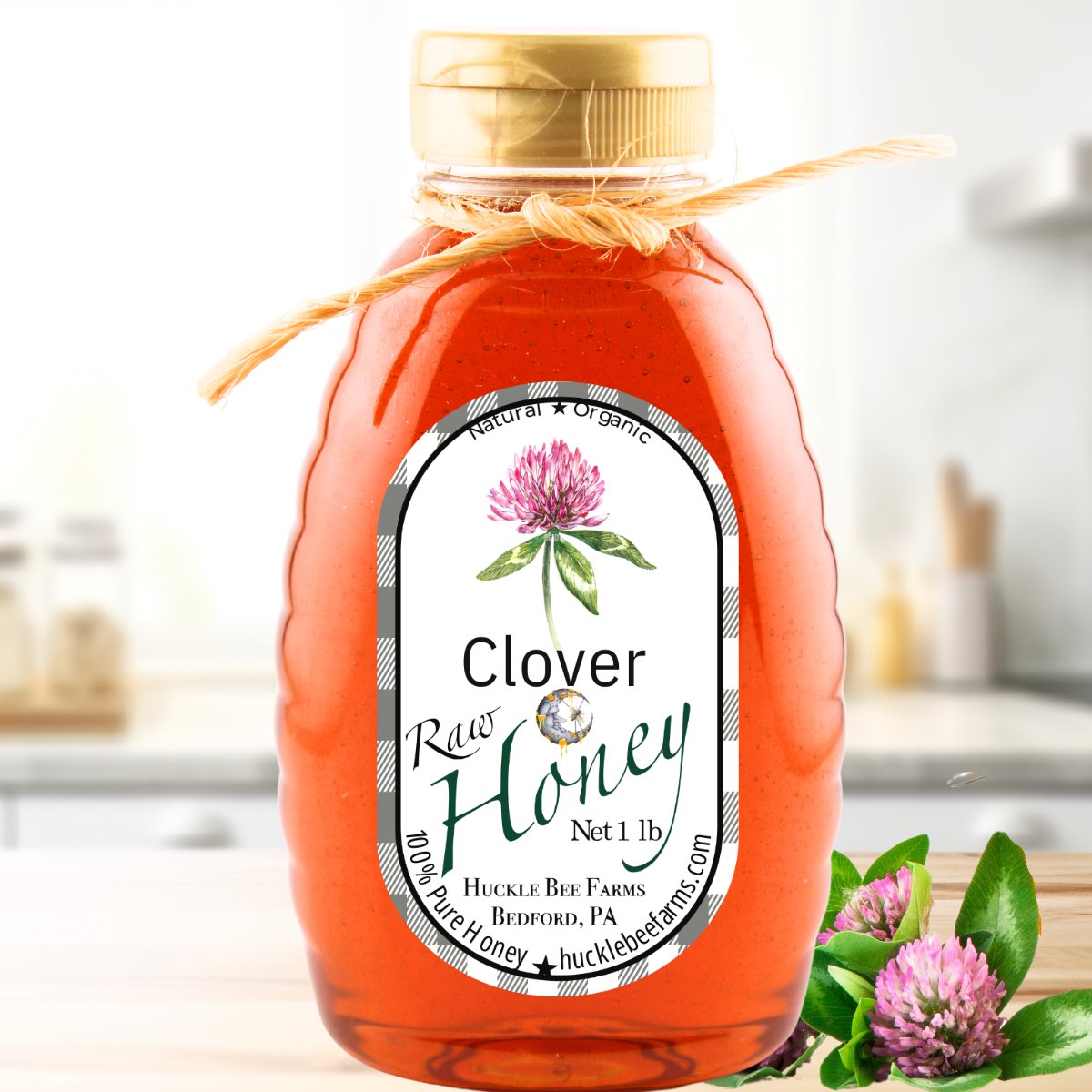
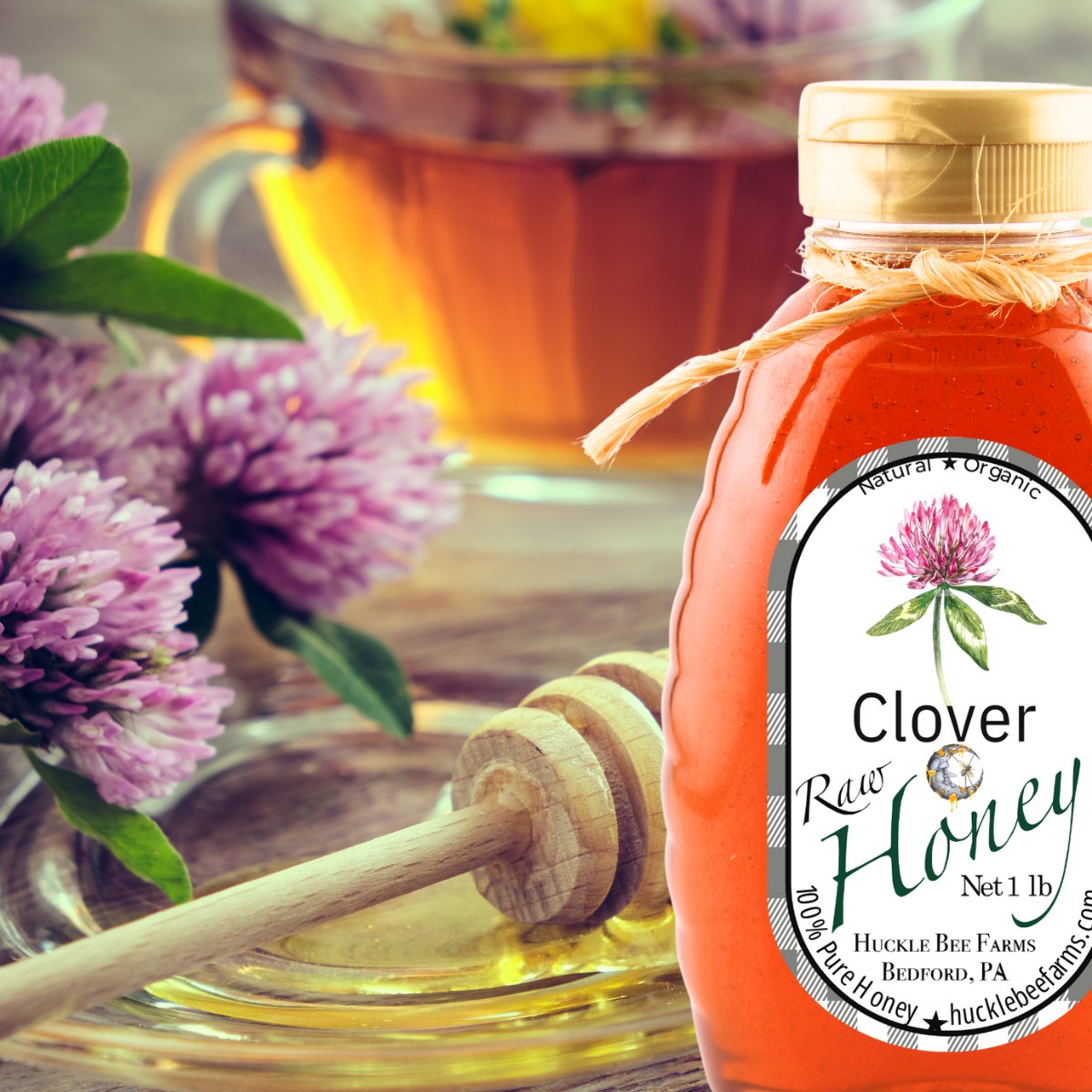
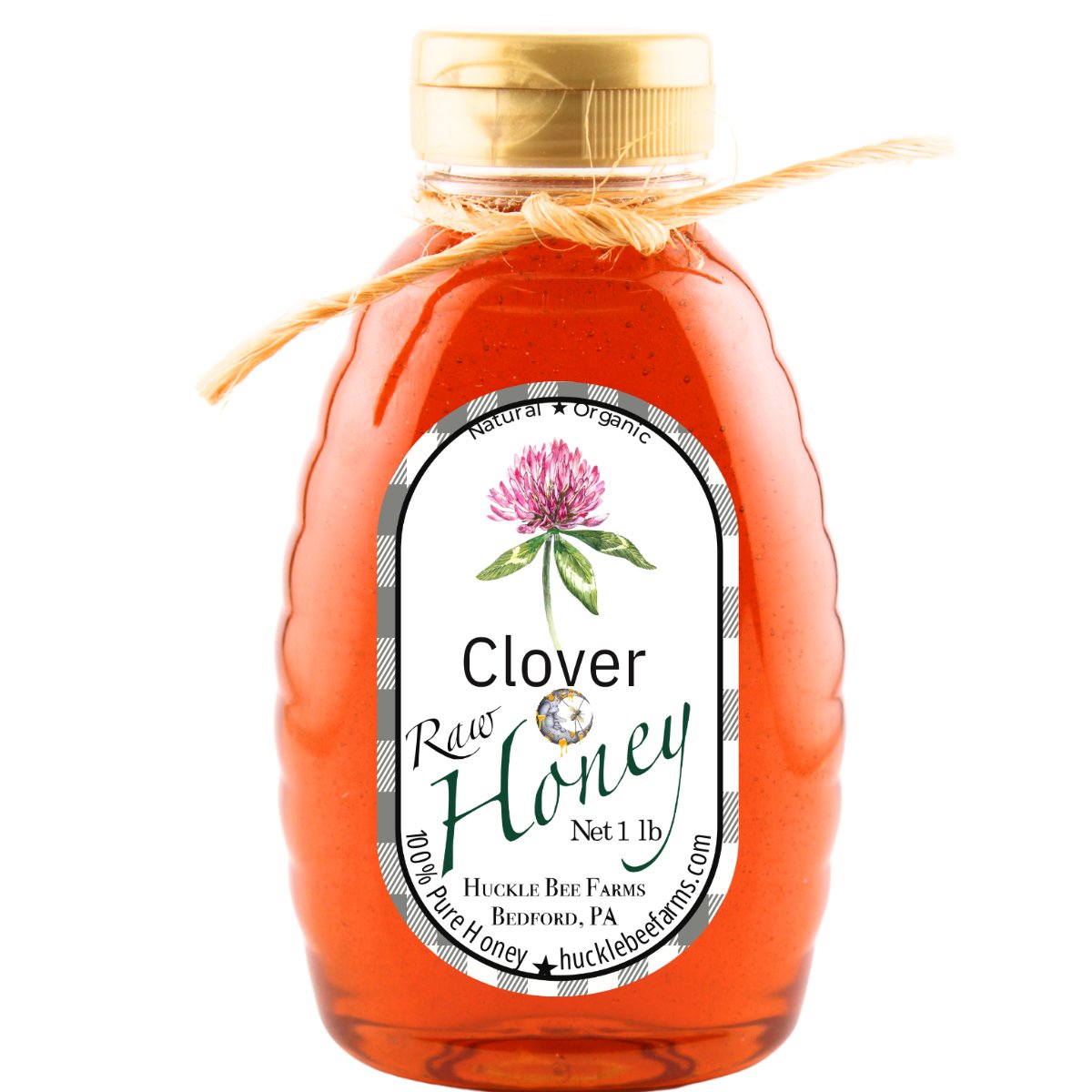
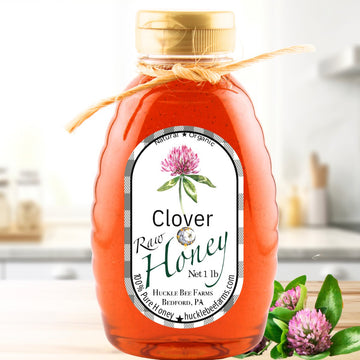
- Clover honey with breakfast black tea
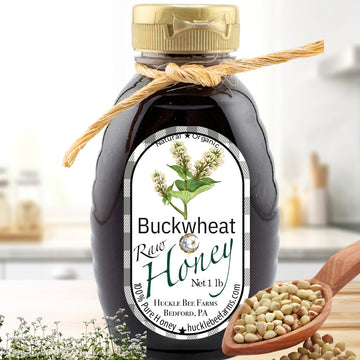
- Buckwheat honey with smoky teas or robust chai
- Herbal blends with whatever honey smells best to you that day
- Lemon and ginger tea with a spoon of hot honey for added warmth and bite
If you use infused honey, treat it like a finishing touch: add it late, taste, then add a little more if needed.
Shopping cues: what to look for on the label
A jar doesn’t need marketing flourishes to be honest. Clear language goes a long way. Labels that say “raw” or “unfiltered” are useful, as is transparency about origin.
After reading the front, flip the jar and look for signs of minimal handling. Remember: crystallization is normal for real honey, especially raw honey — it’s not spoilage.
Quick label cues:
- Processing words: “Raw,” “unpasteurized,” “unfiltered,” “lightly strained”
- Clarity: Crystal-clear honey often indicates heavier filtration and heat
- Origin: A named region or state is more meaningful than “packed from global sources”
- Batch reality: Seasonal variation is normal; identical color year-round can hint at heavy blending
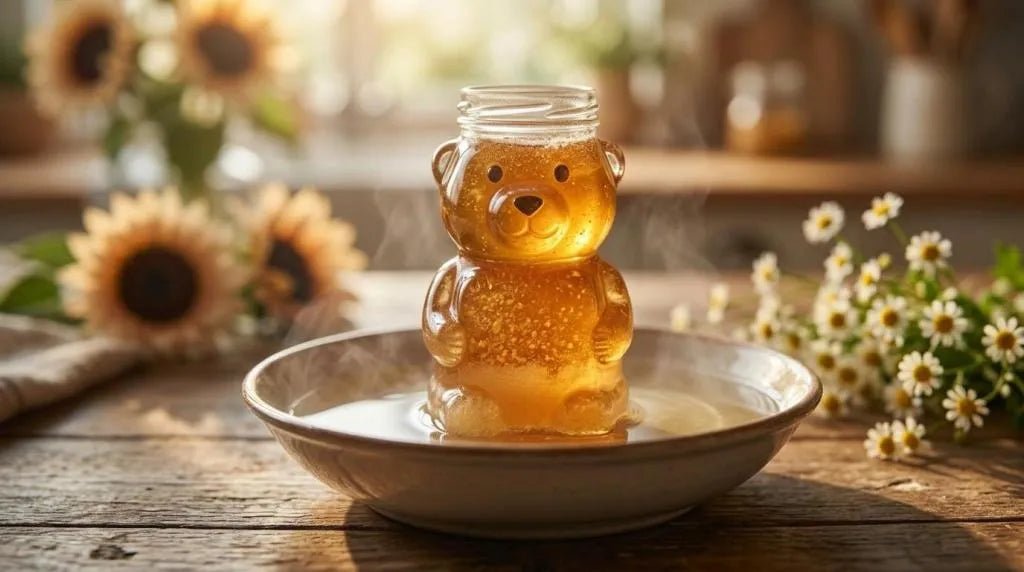
- Texture: Natural crystallization is a sign of real honey and can be reversed with gentle warming
If you’re buying for tea, prioritize aroma — give the jar a sniff if you can. Your nose often tells you more than the label copy.
Where small-batch raw honey fits in
Many tea drinkers prefer honey that tastes like a place. That character usually comes from small-batch practices: careful extraction, minimal heating, and bottling that favors freshness over uniformity.
At Huckle Bee Farms, we focus on raw, unpasteurized honey and a range of infused varieties, emphasizing freshness and transparent beekeeping. That approach appeals to tea lovers who want their sweetener to bring personality, not just sweetness. It also makes honey an easy, thoughtful gift — especially when you build sampler sets or bundles around someone’s favorite teas.
A good cup of tea is a pause in the day. Picking the honey that fits your taste — raw and aromatic or pasteurized and simple — is an easy way to make that pause feel more like yours.
The Honey Master Quiz
Do you know your Raw from your Pasteurized?
Learn More about Raw Honey


Choosing the right honey for tea comes down to what you value most in your cup. Raw honey offers natural enzymes, antioxidants, and delicate floral aromas that enhance both flavor and wellness, making it the preferred choice for tea drinkers seeking a more nourishing, aromatic experience. Pasteurized honey provides consistency and clarity, but often at the cost of complexity and beneficial compounds. By understanding how honey processing affects taste and health, you can elevate your daily tea ritual with a sweetener that aligns with your preferences and supports a more mindful, flavorful brew.
Frequently Asked Questions
1. Can raw honey be used in cooking or baking?
Yes. Raw honey works in many recipes, but high heat reduces some of its beneficial properties. To preserve enzymes and delicate flavors, add raw honey after cooking when possible, or use it in no-bake dishes. If substituting for sugar in baking, remember honey is a liquid: reduce other liquids slightly and watch baking times and temperatures.
2. How can I tell if honey is truly raw?
Look for labels that say “raw,” “unfiltered,” or “unpasteurized.” Raw honey often looks cloudy and may contain tiny particles of pollen or wax. Reputable producers will share sourcing and processing details. If you can, smell the honey — raw varieties usually have a more complex aroma than pasteurized ones.
3. Is there a difference in shelf life between raw and pasteurized honey?
Yes. Pasteurized honey tends to be slower to crystallize and may have longer shelf stability because heating reduces active yeasts. Raw honey also keeps a long time but crystallizes naturally; that’s not spoilage. Gently warming crystallized honey will return it to liquid form without damaging quality.
4. Are there any specific health benefits associated with raw honey?
Raw honey is often valued for its enzymes, antioxidants, and potential antimicrobial properties. Enzymes can support digestion and antioxidants help counter oxidative stress. Raw honey may also carry pollen and other trace elements that add nutritional nuance. It’s a wholesome addition to your diet, but not a cure-all.
5. Can I mix raw honey with other sweeteners?
Yes, but in moderation. Mixing raw honey with other natural sweeteners like maple syrup or agave creates new flavor profiles. Keep in mind Honey is quite sweet, and combining sweeteners can dilute the unique benefits of raw honey — use it as the primary sweetener when you want its full character.
6. How does the floral source of honey affect its flavor?
The nectar source has a big impact on flavor. Different flowers produce different nectar compounds, so honeys range widely. Clover is mild and sweet; buckwheat is dark and earthy. Floral source also affects color and texture. When pairing honey and tea, consider the honey’s floral notes to enhance the cup.
7. What are the best ways to store raw honey?
Store raw honey in a cool, dry place away from direct sunlight — a pantry or cupboard is ideal. Don’t refrigerate it, as cold speeds crystallization. Keep the container tightly sealed to prevent moisture absorption, which can lead to fermentation. If crystallization happens, gently warm the jar in a warm water bath to re-liquefy without overheating.
Conclusion
Choosing between raw and pasteurized honey can change your tea experience. Raw honey brings richer flavors and more of the hive’s natural compounds; pasteurized honey offers consistency and clarity. Knowing these differences helps you pick the honey that suits your taste and goals. Explore our selection of small-batch raw honeys to elevate your daily ritual — and find the jar that makes your next cup of tea feel a little more personal. Visit Huckle Bee Farms to discover the right honey for your teacup.

Author - Jim Douglas - Founder Huckle Bee Farms
For Jim Douglas, beekeeping is more than a craft—it’s a commitment to purity and the environment. After an honorable career in the U.S. Army and a tenure as a COO for the Boy Scouts of America, Jim sought a way to combine his leadership experience with his love for the outdoors.
In 2012, he founded Huckle Bee Farms with a simple mission: to take honey back to its raw, unadulterated roots. Jim’s expertise lies in the delicate balance of infusing raw honey with organic ingredients without compromising its natural medicinal properties. His "small-batch" philosophy ensures that every jar meets the highest standards of quality and transparency. Today, Jim continues to lead Huckle Bee Farms with the same integrity he practiced in uniform, ensuring that every drop of honey supports both the health of the consumer and the survival of the honeybee.
His mission is simple: to make life a little sweeter—naturally.
Health and Medical References Supporting Raw vs Pasteurized Honey
This list highlights journals and resources that inform the discussion about raw and pasteurized honey, especially where health and composition are concerned.
- Journal of Medicinal Food – Studies on honey’s antimicrobial properties and the role of natural enzymes and antioxidants.
- Nutrition Research Reviews – Reviews examining honey’s effects on digestion and its place as a natural sweetener.
- Journal of Apicultural Research – Research comparing composition and benefits of raw versus processed honeys.
- Food Chemistry – Work on how heat affects honey’s enzyme activity and volatile compounds.
- Journal of Agricultural and Food Chemistry – Studies on antioxidant levels in raw and processed honeys.
- International Journal of Food Sciences and Nutrition – Analyses of nutritional differences between raw and processed honey.
- Bee World – Insights into bee products, traditional uses, and modern research.
- American Journal of Clinical Nutrition – Research on honey’s antioxidant capacity and its potential health effects.
- Gut Microbes – Studies on how honey oligosaccharides and other components can impact the gut microbiome [6].
Key Takeaways on Raw vs Pasteurized Honey for Tea
Here are the essential points to keep in mind when choosing honey for tea.
- Raw honey benefits – Keeps more natural enzymes and nutrients, which can support digestion and contribute to antimicrobial activity.
- Pasteurized honey characteristics – Heat-treated for clarity and shelf stability; may lose some heat-sensitive components.
- Aroma and flavor – Raw honey usually offers richer, more complex aromatics; pasteurized honey tends to be milder and more uniform.
- Health considerations – Raw honey often measures higher in antioxidants and enzyme activity, though effects vary by source and processing.
- Gut health – Raw honey contains oligosaccharides that may act as prebiotics; pasteurization can reduce some of these compounds.
- Crystallization – Raw honey crystallizes more readily, which is normal and reversible with gentle warming.
- Best use – Add raw honey after steeping and after the tea has cooled slightly to preserve aroma and beneficial compounds.
- Pairing – Match honey intensity with tea strength: lighter honeys for delicate teas, bold honeys for robust blends.
- Shopping tips – Look for labels like “raw,” “unfiltered,” or “unpasteurized,” and prefer clear sourcing and minimal processing information.