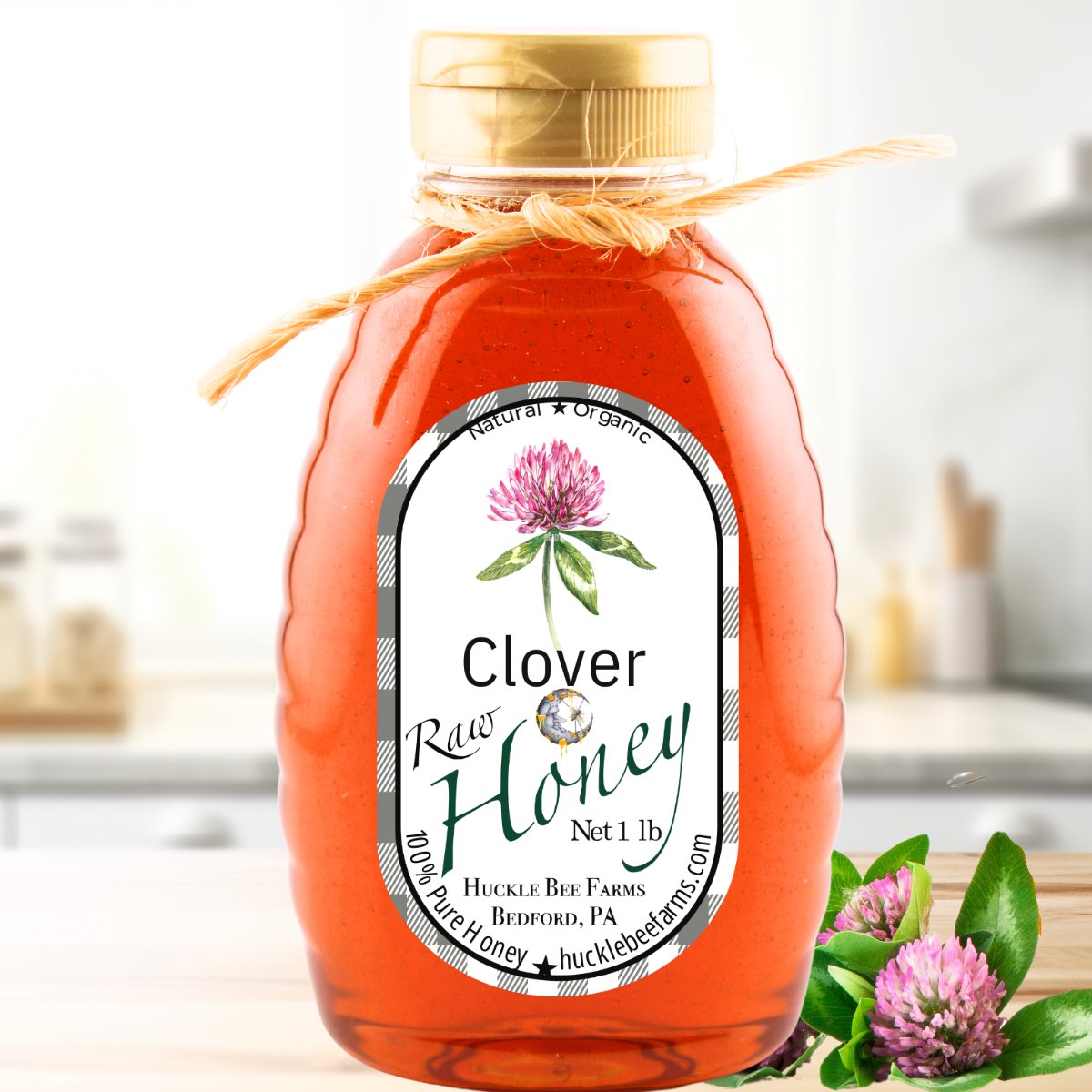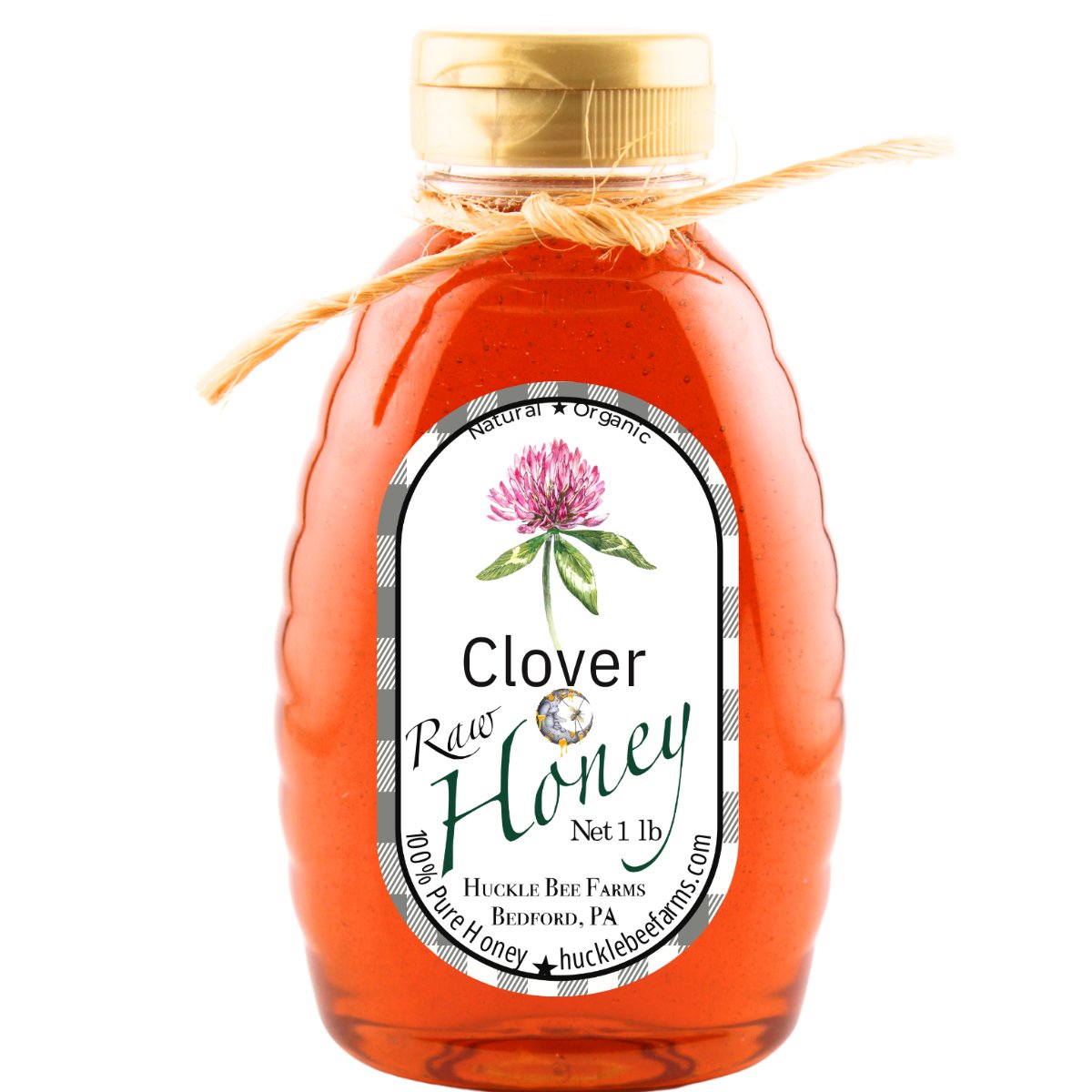
Quality Ingredients & Small-Batch Craftsmanship of Honey
Huckle Bee Farms — Small‑Batch Honey. Real Ingredients. Honest Craft.
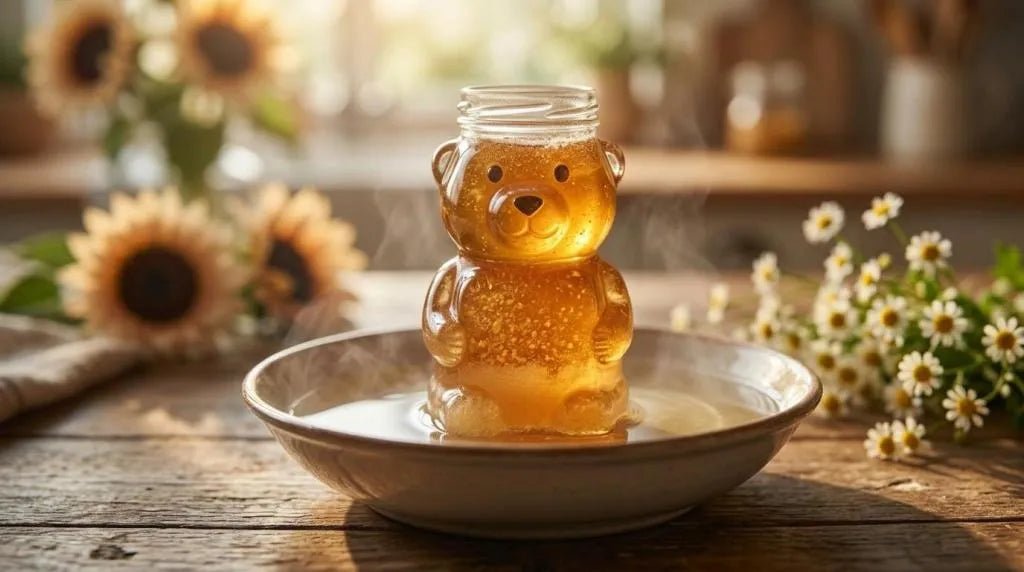
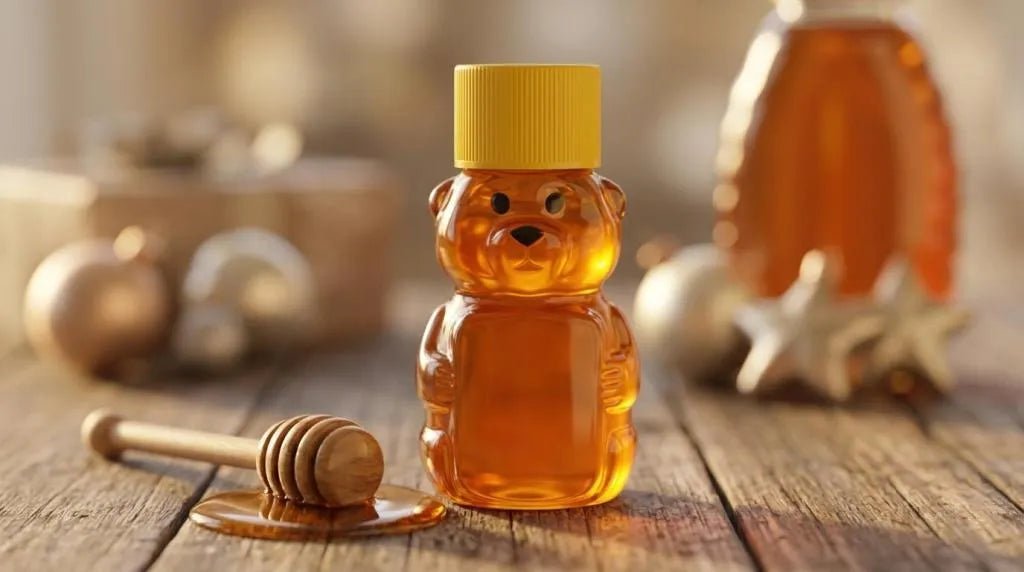
Small-batch craftsmanship means every bottle of honey is carefully infused, monitored, and finished by hand—preserving flavor, quality, and integrity you can taste in every drop.
Table of contents

At Huckle Bee Farms, we keep it simple and deliberate: small batches, whole ingredients, and careful handling so the flavor—and the good stuff—arrive in the jar just as nature intended. This page walks you through our small‑batch process, handmade infusions, and raw‑honey practices so you can see how they combine to make distinctive, useful honeys. You’ll learn what “small‑batch” looks like on the farm, why raw honey can retain nutritional benefits, how we protect quality and transparency, why healthy pollinators matter to every jar, and practical ways to use our Bourbon, Espresso, and Cinnamon infusions in the kitchen. Along the way, we show the simple mechanics—less heat, gentler filtration, and intentional infusions—and how those choices show up in the finished product.
What Defines Our Small-Batch Craftsmanship in Honey Production?

Small‑batch craftsmanship means we care about each step: attentive hive checks, gentle extraction, thoughtful infusions, and clear traceability from hive to jar. Working in smaller lots reduces heavy industrial processing, preserves delicate aromatics and enzymes, and lets us dial in flavor and quality for each harvest. The result is honey that reveals varietal character, keeps pollen and nutrients intact, and carries a subtlety you won’t find in mass‑market jars. Understanding these stages makes it clear why temperature control, minimal filtration, and timed infusions matter—for taste and function alike.
Here’s a short workflow that shows what we do and why it matters for quality.
- Hive care: Regular, hands‑on inspections encourage bees to forage a variety of flowers for richer, more interesting honey.
- Gentle extraction: We avoid high heat so enzymes and aroma remain intact.
- Minimal filtration: Leaving fine pollen preserves complexity and helps trace each batch.
- Controlled infusion: We add whole fruits, spices, or beans after extraction so their flavors stay bright and true.
These steps are the backbone of artisanal honey and lead us into a closer look at the specific mechanisms that protect quality.
How Does Traditional Small-Batch Processing Enhance Honey Quality?
Keeping batches small and handling them gently helps preserve the components that give honey its character. Lower temperatures protect enzymes like diastase and invertase, which influence flavor and digestion, while lighter filtration leaves pollen and tiny particles that point to authenticity and terroir. Smaller runs also let us spot and fix any flavor or quality issues before jars are sealed, which improves traceability and customer trust. Finally, careful handling preserves volatile floral and botanical compounds, giving the honey a layered aroma and mouthfeel you won’t get from over‑processed alternatives.
Research supports the value of low‑temperature handling to protect honey’s quality and avoid forming unwanted compounds.
Low-Temperature Processing for Honey Quality & Safety
This paper looks at food‑processing challenges and how heat can create undesirable compounds while degrading sensory quality. The author describes a low‑temperature approach (under 70°C) for concentrating mixtures that avoids forming oxidized flavonoids and 5‑hydroxymethylfurfural, both of which harm flavor and safety when produced by harsher methods (Madzgarashvili, 2025). The study highlights the link between gentler processing and retained organoleptic properties.
Those protective practices preserve both nutrition and flavor. Next, we’ll outline the real ingredients we use for our infused honeys and how each one shapes the final character.
Which Real Ingredients Are Used in Our Infused Honey Flavors?
Our infused honeys start with whole, recognizable ingredients—not artificial flavorings. We use whole cinnamon sticks, freshly roasted espresso beans, and carefully selected elements that contribute bourbon‑like caramel and vanilla notes without heavy processing. Each ingredient adds a clear sensory note: cinnamon brings warm spice and lift, espresso adds roasted depth to balance honey’s sweetness, and fruit brightens with natural acidity and aroma. We typically introduce these ingredients after extraction so their volatile oils and textures stay vibrant.
Here’s a simple ingredient → flavor guide to set expectations for pairings and recipes later on.
What Are the Health Benefits of Raw Small Batch Honey?
Raw, small‑batch honey preserves more of the compounds that contribute to its nutritional profile—pollen, enzymes, and polyphenols. These components support antioxidant activity, can play a role in digestion, and—in adults—may have mild immunomodulatory effects related to pollen exposure. Because we avoid high‑heat pasteurization and aggressive filtration, our honey retains more of those native compounds, delivering both sensory and functional benefits. Below is a quick summary of the main benefits followed by an easy reference table.
Common health mechanisms in raw honey, at a glance:
| Benefit | Mechanism | Effect |
|---|---|---|
| Antioxidant support | Polyphenols and flavonoids that neutralize free radicals | Helps reduce oxidative stress markers |
| Immune & soothing effects | Natural antimicrobial factors and pollen‑based immune interactions | Soothes the throat and may support mild immune responses |
| Digestive support | Enzymes and prebiotic sugars that feed beneficial microbes | Supports digestion and a balanced gut microbiome |
| Topical skin support | Hygroscopic qualities and mild antimicrobial action | Helps hydrate skin and support minor wound environments |
That overview shows how raw small‑batch honey can serve multiple complementary roles. Next we break down immune and digestive mechanisms in more detail.
How Does Raw Honey Support Immune and Digestive Health?
Raw honey supports immune and digestive health through a mix of antimicrobial activity, prebiotic sugars, and retained pollen components that interact with the gut and mucosal immune system. Natural hydrogen peroxide activity and other factors can help control certain microbes, while oligosaccharides and other non‑digestible sugars feed beneficial gut bacteria. Because small‑batch production preserves these constituents, raw honey is an easy addition to soothing routines—a teaspoon in warm tea for throat comfort or stirred into morning yogurt to support gut microbes. Note: do not give honey to infants under one year because of botulism risk; for everyone else, moderation and pairing with whole foods is best.
Further studies examine how a honey’s origin affects its bioactive mix and how digestion alters antimicrobial effectiveness.
Honey Bioactive Compounds: Origin & Antimicrobial Benefits
This study compares monofloral and multifloral honeys from different regions and shows that botanical and geographic origin influence bioactive compounds and antioxidant capacity. It also notes that some compounds are altered during digestion, which can affect antimicrobial activity — a reminder that origin matters for honey’s functional profile (MBS Junior, 2024).
With digestion and immune functions in mind, let’s look at topical uses and antioxidant benefits next.
What Antioxidant and Skin Benefits Does Our Honey Provide?
Raw honey’s polyphenols and flavonoids contribute antioxidant support that complements a balanced diet, while its humectant and mild antimicrobial properties make it useful in simple skincare routines. Polyphenol‑rich honeys add to overall antioxidant intake, and for skin care a basic honey + yogurt mask can hydrate and gently exfoliate. Honey balms form a moisture‑retaining barrier that can help minor abrasions. Always patch‑test new topical uses, and consult a clinician if you have known pollen or bee‑product allergies.
Researchers have also studied how much of honey’s phenolics and antioxidant activity remain after digestion, which helps set realistic expectations for internal benefits.
Raw Honey's Antioxidant & Phenolic Bioaccessibility
This investigation used in vitro gastrointestinal simulation to compare phenolic, flavonoid, and antioxidant levels in Manuka honey before and after digestion. Results showed reductions in bioaccessible phenolics and flavonoids but indicated that a meaningful portion of antioxidant activity remains after digestion — underscoring that these compounds contribute to honey’s functional profile (D. Cianciosi, 2020).
Raw Honey's Antioxidant & Phenolic Bioaccessibility
This investigation used in vitro gastrointestinal simulation to compare phenolic, flavonoid, and antioxidant levels in Manuka honey before and after digestion. Results showed reductions in bioaccessible phenolics and flavonoids but indicated that a meaningful portion of antioxidant activity remains after digestion — underscoring that these compounds contribute to honey’s functional profile (D. Cianciosi, 2020).
Next, a quick guide on how we make quality claims clear so shoppers can choose with confidence.
| Product / Process | Attribute | Proof / Customer Action |
|---|---|---|
| Raw small-batch honey | Never pasteurized; minimal filtration | Check product pages for batch notes and "raw" handling |
| Infused honey | Made with whole fruit, spice, or bean ingredients | Read ingredient lists to see real components like cinnamon or espresso |
| Batch controls | Small‑batch traceability | Use batch codes and harvest notes to verify origin and flavor |
This quick table links our methods to the cues you can look for when choosing premium honey.
How Does Huckle Bee Farms Ensure Premium Honey Quality?
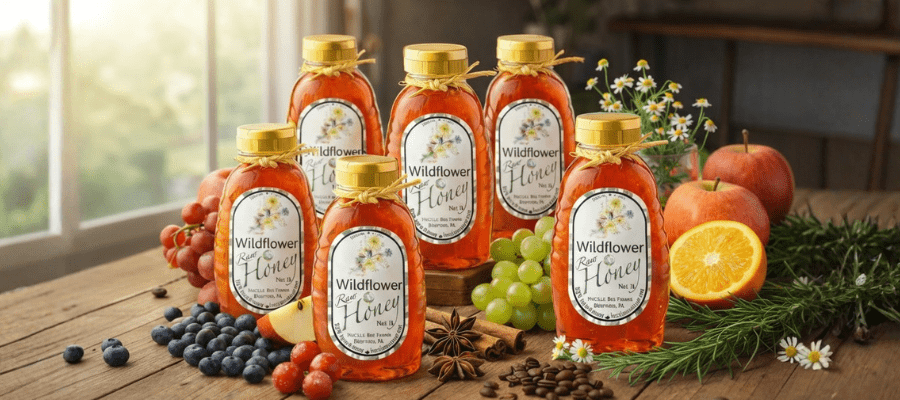
We follow artisanal practices that matter: small batches, real infusions, and no pasteurization. Those choices preserve enzymes, pollen, and volatile flavor compounds, and they allow us to label jars plainly so you know what’s inside. Huckle Bee Farms is veteran‑owned, based in Pennsylvania, and operates as both an online shop and an information resource. Our offerings include infused honeys, plain 100 percent pure honey, a full honey collection, handcrafted tea blends and spices, and curated gift bundles. Being transparent about these practices helps shoppers understand why our honey tastes and performs differently.
Below is a concise table pairing product traits with the customer actions that confirm them.
| Product / Process | Attribute | Proof / Customer Action |
|---|---|---|
| Never pasteurized handling | Preserves enzymes and flavor | Look for "raw" and processing notes on listings |
| Real ingredient infusions | Uses whole spices and beans/fruits | Ingredient lists show items like cinnamon or espresso beans |
| Small-batch labeling | Batch‑specific flavor and traceability | Check batch notes and tasting descriptors on product pages |
Those signals make it easier to spot handcrafted honey. Next, we explain why avoiding pasteurization matters.
Why Is Never Pasteurizing or Over-Processing Important?
Heat and heavy filtration change honey’s makeup and flavor. High temperatures can break down enzymes like diastase and invertase and diminish volatile aromatics that carry floral and botanical notes. Aggressive filtration removes pollen, which not only contributes texture but also serves as a trace of origin. For customers, minimally processed honey offers a fuller flavor and retains compounds tied to antioxidant and digestive benefits—qualities many pasteurized, mass‑market honeys lose.
That leads naturally to how we prove authenticity and keep labeling honest.
How Do We Maintain Transparency and Ingredient Authenticity?
We keep labeling straightforward, use batch identifiers, list real ingredients for infusions, and share provenance when possible. For infused products we spell out the actual components—cinnamon, espresso beans, or fruit pieces—so you can judge quality and dietary fit. Harvest notes and batch IDs let jars be traced back to extraction windows and forage conditions. As a shopper, look for "raw" claims, read ingredient lists, and check product information on our site to confirm authenticity.
Those practices build trust and lead to the bigger picture: healthy pollinators are essential to great honey.
Why Is Supporting Honey Bee Pollinators Crucial for Sustainable Honey Production?

Bees are the engine behind many of the plants we rely on. By moving pollen from flower to flower they enable fruit set, seed production, and a diversity of plants that supports healthy ecosystems and our food supply. When pollinators decline, crop yields, biodiversity, and the richness of nectar sources that flavor honey all suffer. For small producers, healthy pollinator populations mean more reliable harvests and more interesting flavors. Understanding that link makes clear why conservation matters to beekeepers and communities alike.
Here are simple, practical ways you can help pollinators where you live.
- Plant native, pollinator‑friendly flowers to provide continuous blooms through the seasons.
- Reduce or avoid pesticides, especially during flowering when bees are active.
- Support local beekeepers and pollinator programs by buying local honey or volunteering.
- Provide shallow water sources and native nesting habitat in your garden.
These steps protect pollinators and support the long‑term quality of honey. Next, a quick primer on bees' ecological role.
What Role Do Honey Bees Play in Pollination and Ecosystem Health?
Honey bees transfer pollen as they forage, enabling plants to produce fruit and seeds—a service that supports food production, wildlife, and ecosystem resilience. Their pollination work boosts yields and quality for many crops and helps maintain plant communities that protect soil and water. Protecting bees is a shared responsibility that benefits agriculture, biodiversity, and the long‑term availability of diverse nectar sources for artisanal honey.
Below we describe how Huckle Bee Farms ties product work to advocacy and how you can take part.
How Does Huckle Bee Farms Advocate for Pollinator Protection?
We connect our product mission to pollinator advocacy through education, local programs, and by encouraging pollinator‑friendly practices. As a veteran‑owned business in Pennsylvania, we use our platform to share planting guides, support community habitat projects, and invite customers to join local efforts. Plant a pollinator garden, sign up for local campaigns, or support small beekeepers—those actions strengthen the ecological foundation for sustainable honey production and tie community health to the quality of every jar.
With the ecological groundwork covered, let’s look at culinary ways to enjoy our infused honeys.
How Can You Enjoy Our Artisanal Infused Honey in Culinary Creations?
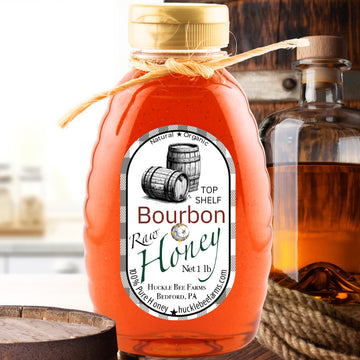
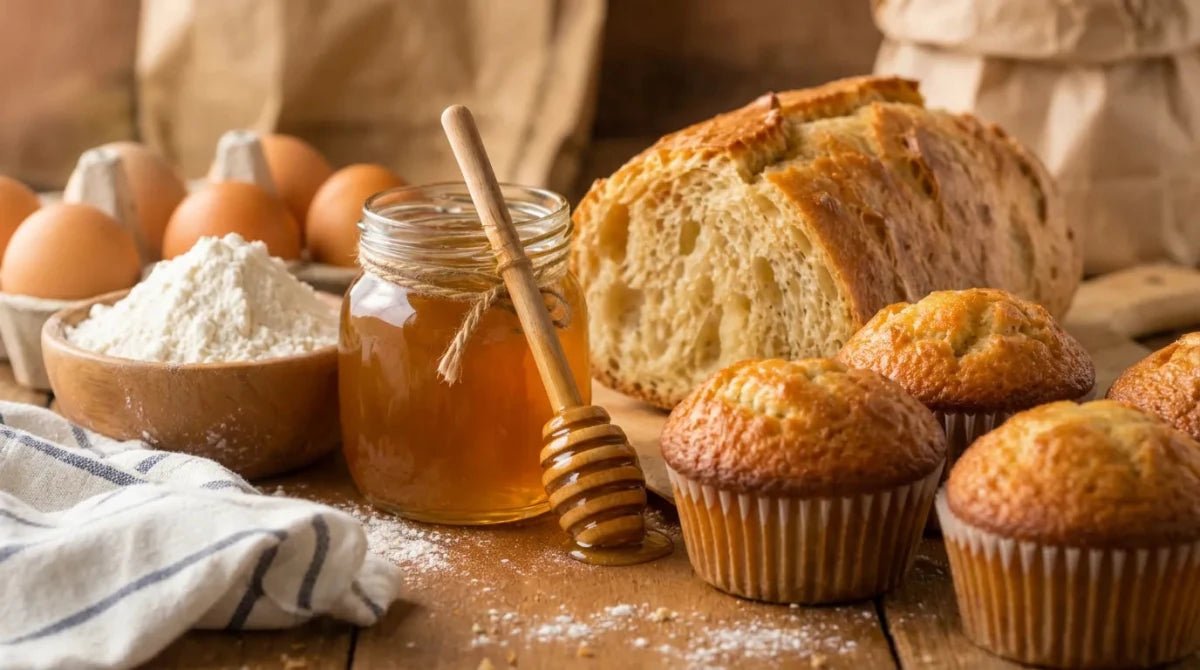
Infused honeys expand what honey can do in the kitchen. Bourbon‑infused honey brings caramel and vanilla notes for glazes and cocktails, Espresso‑infused honey adds roasted depth to coffee and desserts, and Cinnamon‑infused honey lends warm spice to breakfasts and baked goods. Use them as glazes, sweeteners, rubs, or finishing drizzles—they pair beautifully with cheeses, roasted meats, teas, and baked treats. We offer an infused line and sampler options so you can explore flavors and gift thoughtful sets.
The table below pairs popular infusions with practical uses and serving ideas.
| Infusion Flavor | Pairings / Uses | Serving Idea |
|---|---|---|
| Bourbon-infused | Pork glaze, cheesecake drizzle, cocktails | Warm as a glaze for roasted pork or sweeten a bourbon cocktail |
| Espresso-infused | Coffee sweetener, affogato, chocolate desserts | Stir into espresso or drizzle over vanilla gelato |
| Cinnamon-infused | Oatmeal topper, baking substitute, spiced tea | Spoon over hot porridge or fold into muffin batter |
Use this quick guide to pick the right infusion and try the easy recipes below.
What Are Popular Recipes Featuring Our Bourbon, Espresso, and Cinnamon Infusions?
Here are three simple ideas that showcase each infusion’s strengths.
- Bourbon-Glazed Pork: Sear a pork tenderloin, simmer Bourbon‑infused honey with a splash of apple cider vinegar and a touch of mustard to make a glaze, then roast briefly to caramelize.
- Espresso Affogato Drizzle: Pour hot espresso over vanilla ice cream and finish with a spoonful of Espresso‑infused honey for balanced bitterness and sweetness.
- Cinnamon Honey Oatmeal: Stir warm oats and milk with a spoonful of Cinnamon‑infused honey; top with toasted nuts and fresh fruit for a cozy breakfast.
How Does Pairing Honey with Tea Enhance Flavor Experiences?
Honey adds soluble sugars, aroma, and body to tea, enhancing and balancing different styles. Rich infusions like Bourbon or Espresso pair well with strong black teas; lighter, floral honeys suit green or delicate herbal teas. For best flavor, add honey after steeping and when the water has cooled slightly from boiling—this helps preserve the honey’s aromatics while allowing it to dissolve. Try black tea with Bourbon honey and a lemon wedge, or green tea with plain raw honey and a sprig of mint to taste the difference.
These pairings show how artisanal honey can elevate everyday tea rituals and invite exploration with our tea and honey offerings.
- Black tea + Bourbon-infused honey: A bold start to the day or an afternoon pick‑me‑up.
- Green tea + plain small-batch raw honey: Light and floral, preserving delicate tea notes.
- Herbal tea + Cinnamon-infused honey: A soothing, spiced choice for evening relaxation.
Each pairing encourages mindful tasting and highlights honey’s role as both sweetener and flavoring agent—great for everyday use or gifting.
Conclusion
Choosing Huckle Bee Farms means choosing honey made with attention to detail, real ingredients, and respect for pollinators. Our small‑batch, raw approach preserves flavor and integrity so each jar delivers both taste and thoughtful sourcing. Try our infused honeys in recipes, pair them with tea, or give them as gifts—and taste the difference careful craft makes.
By honoring small-batch craftsmanship, honey retains its natural character, depth of flavor, and consistency—ensuring every bottle reflects the care, patience, and quality behind the process.
Frequently Asked Questions
What does small-batch honey mean?
Small-batch honey means the honey is produced in limited quantities with hands-on attention at every stage of the process. Instead of large-scale automation, each batch is carefully infused, monitored, and finished to preserve flavor, quality, and consistency. This approach allows for better control and a more intentional final product.
Why does small-batch craftsmanship matter in honey?
Small-batch craftsmanship matters because honey is sensitive to heat, timing, and handling. Working in smaller batches helps protect natural flavor, texture, and quality while ensuring each bottle reflects the care and standards behind its creation. It’s the difference between mass-produced honey and honey made with purpose.
What is the difference between raw honey and processed honey?
Raw honey is handled without high heat or heavy filtration, so it keeps natural enzymes, pollen, and other native compounds. Processed honey is often pasteurized and heavily filtered, which can change the flavor and reduce some of those components. Raw honey typically offers a more complex taste and retains more of the elements linked to antioxidant and soothing effects.
How can I verify the quality of honey products?
Look for "raw" or "unfiltered" on the label, batch codes, and clear ingredient lists for infusions. Reputable brands will share sourcing and processing details so you can trace a product’s origin. Reading product descriptions, customer reviews, and any available harvest notes also helps you confirm quality.
Are there any specific storage recommendations for honey?
Store honey in a cool, dry place away from direct sunlight, in a tightly sealed container to prevent moisture pickup. Honey won’t spoil but can crystallize; if that happens, warm the jar gently in a water bath to return it to liquid without overheating.
Can I use infused honey in baking?
Yes—infused honey adds flavor to baked goods and can replace sugar in many recipes. Because honey is sweeter than granulated sugar, reduce the amount slightly and lower added liquids as needed. Bourbon‑infused honey works well in glazes and cakes, while Cinnamon‑infused honey adds warm spice to muffins and quick breads.
What are some creative ways to use honey in beverages?
Honey is a versatile sweetener for teas, smoothies, and cocktails. Bourbon‑infused honey pairs with whiskey cocktails, Espresso‑infused honey lifts coffee drinks, and plain honey brightens lemonades and herbal blends. Add honey to hot drinks after they’ve cooled a bit to help preserve beneficial compounds.
Is it safe for children to consume honey?
Do not give honey to infants under one year because of the risk of infant botulism. For older children and adults, honey is generally safe, but watch for allergic reactions in people sensitive to pollen or bee products. If you have concerns, consult a healthcare professional.

Author - Jim Douglas - Founder Huckle Bee Farms
Jim is the heart and hands behind Huckle Bee Farms, a family-run honey company dedicated to bringing small-batch, infused honeys from the hive to your table. As a passionate beekeeper, storyteller, and advocate for pollinators, Jim blends his love for nature and creativity into every bottle. When he’s not tending to the hives or experimenting with new honey infusions, you’ll find him sharing recipes, health tips, and bee wisdom with the Huckle Bee Farms community. His mission is simple: to make life a little sweeter—naturally.
Key Takeaways from Huckle Bee Farms' Artisanal Honey Practices
This list summarizes the essentials of Huckle Bee Farms' commitment to quality, craft, and the benefits of small‑batch honey production.
- Small-Batch Production – Each batch is crafted with care, allowing for tighter flavor control and better preservation of natural nutrients.
- Raw Honey Benefits – Retains enzymes, pollen, and polyphenols that contribute to antioxidant activity and digestive support.
- Gentle Processing Techniques – Low-temperature extraction and minimal filtration help maintain honey's delicate flavors and functional properties.
- Real Ingredients in Infusions – Infused honeys use whole, recognizable ingredients like cinnamon and espresso, enhancing flavor without artificial additives.
- Pollinator Health Advocacy – Supporting bee populations is essential for sustainable honey production and biodiversity, ensuring quality and variety in honey.
- Culinary Versatility – Artisanal infused honeys can elevate dishes and beverages with unique, thoughtful flavors.
- Transparency in Sourcing – Clear labeling and batch tracking give customers confidence in the authenticity and quality of the honey they buy.