


100% Pure Raw Honey
🍯 Our Honey Collection
Our Honey, from hive to table, brings pure goodness to your home. Sustainably made and full of flavor in every bottle.


Sip by Sip Rather Than Gulp by Gulp® lifestyle
🎄 Our Tea Collection
The Republic of Tea sparked a Tea Revolution. They began by canvassing the most prized tea gardens of the world for their worthiest leaves. Our mission was and is to see these teas steaming in the cups of men, women and children everywhere.
Grab the Savings
Our Bundle Sale 28% Off


Grab the Savings
Our Bundle Sale 28% Off
Discover the sweet side of every season with our Huckle Bee Farms Honey Bundles! From the bold richness of our Coffee Bundle and pure goodness of the Raw Honey Bundle to the sunny vibes of the Tropical Bundle, cozy comfort of the Fall Bundle, and soothing sweetness of the Tea Bundle—each set is bottled fresh and ready to enjoy. Taste nature’s best in every drop.


Make Their Special Day Sweeter
Design the Perfect Gift
Give the gift of sweetness with our Personalized Honey Gift Boxes from Huckle Bee Farms. 🐝✨
"give your taste buds a treat"
Great Honey Recipes
"give your taste buds a treat"
Great Honey Recipes
"It's Just Not for Tea Anymore"
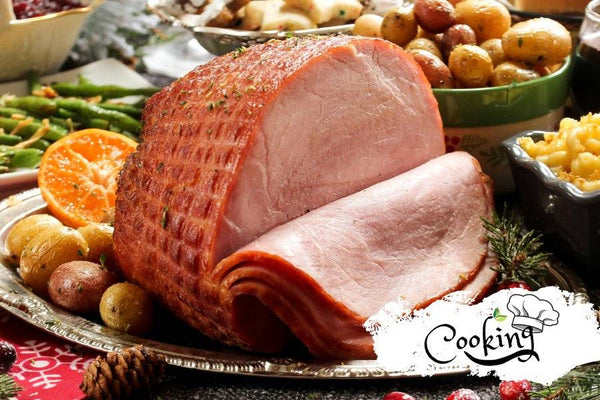
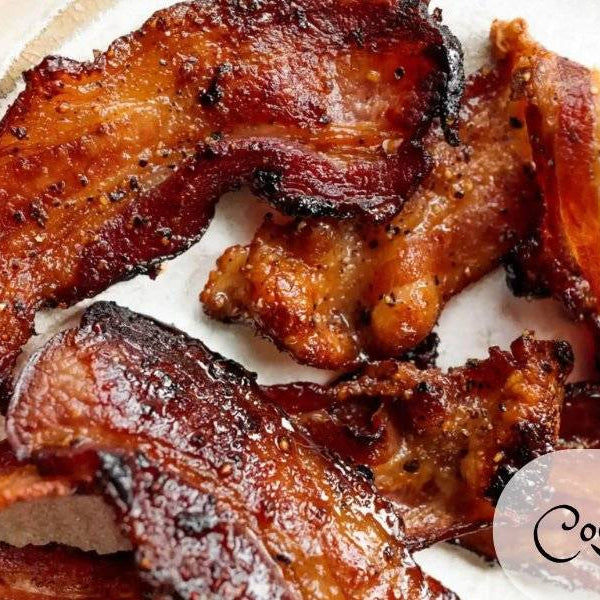
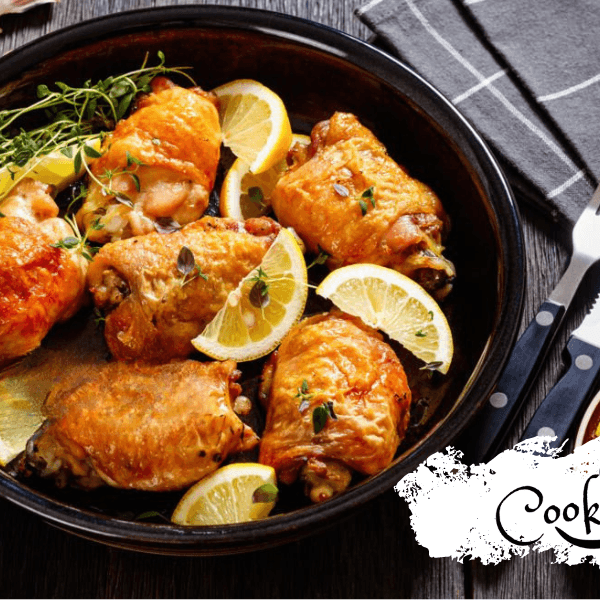
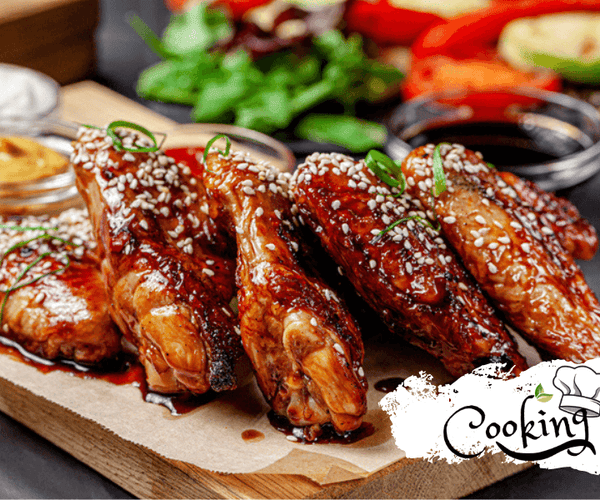
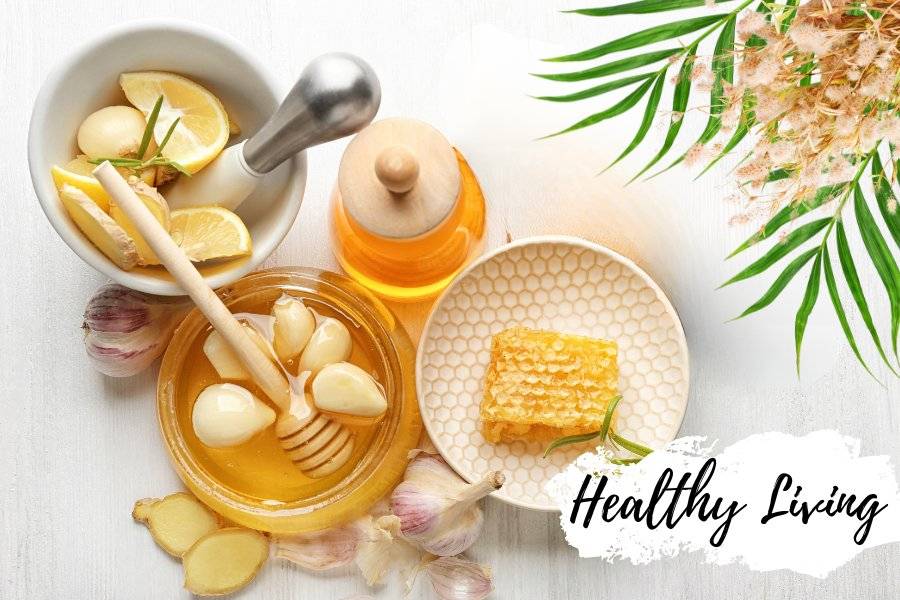
Learn how to substitute sugar with a healthier alternative - Huckle Bee Farms Honey. From breakfast to dinner, our honey will add a unique flavor to any dish. Use Razzleberry or Cinnamon Honey on your Breakfast Cereal. Create the gourmet dinner with our Black Pepper Honey on your steak or chicken, then top it off with a Garlic Honey and butter melted on your baked potato.
How many plants can a Honey Bee Visit?
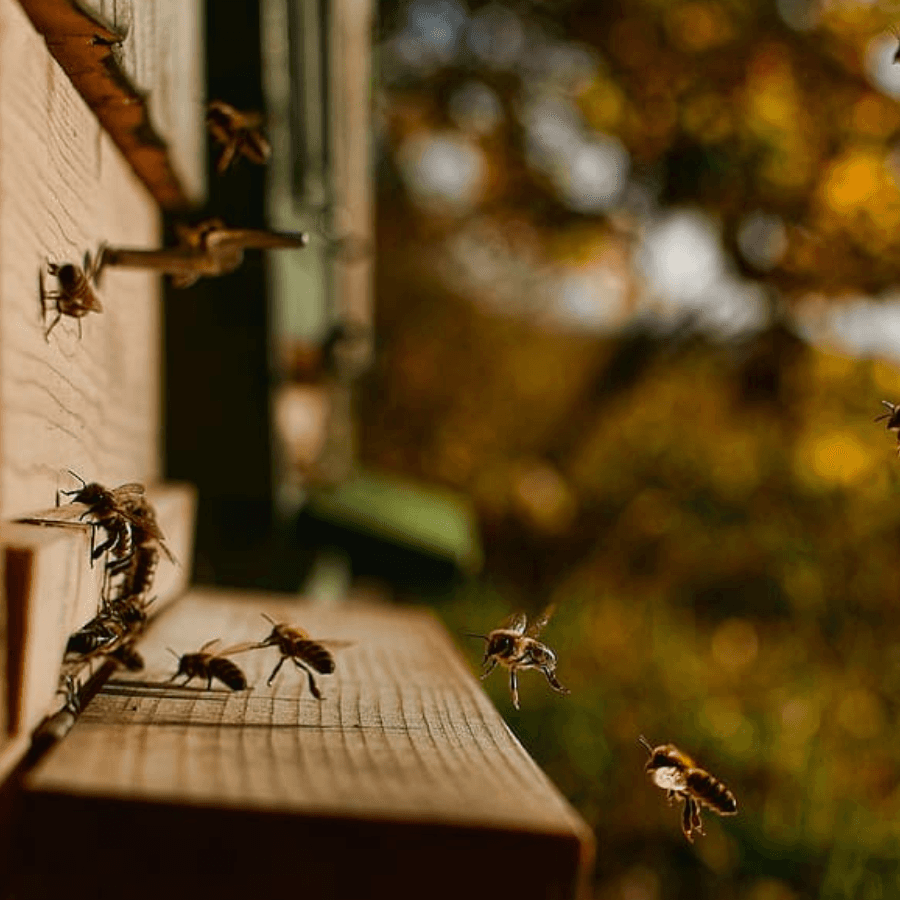
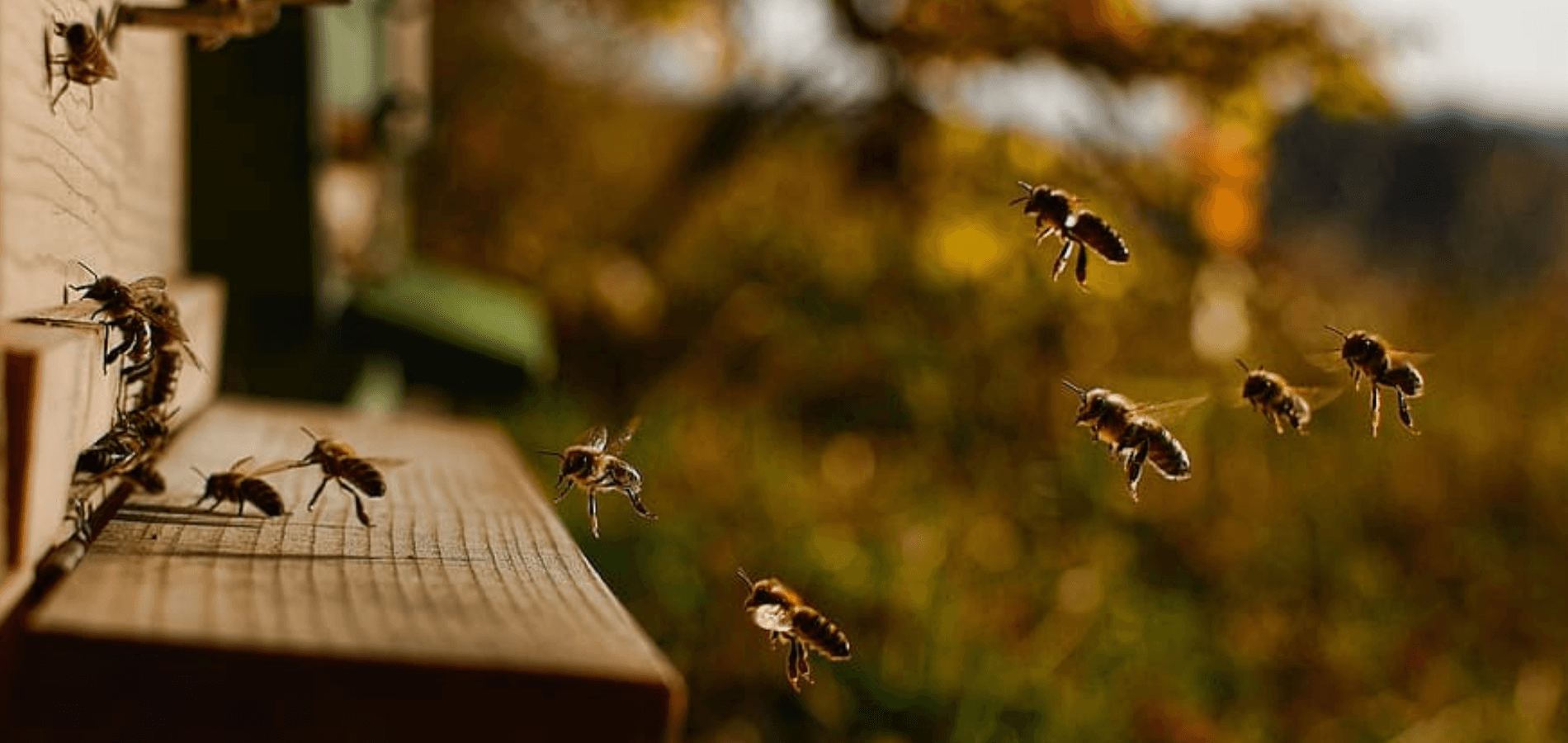
A honey bee visits 50 to 100 flowers during a collection trip. Worker bees are all female. Flowers have bright markings and strong smells to attract bees and other insects so that they will pollinate flowers.
🍯 Learn More About Behind the Scenes 🐝
Add Some Sweetness to Your Life


Shop Artisanal Honey Products 🍯
Welcome to Huckle Bee Farms, where we bring tradition and creativity together in every jar of Honey. Since we got our start in 2012 right here in Pennsylvania, we’ve been on a mission to take raw Honey to the next level. By infusing it with real fruits, vegetables, and spices, we’ve created a collection of infused flavored Honey that’s full of bold, natural taste.
We believe great Honey should be as pure as it is flavorful. That’s why our specialty raw Honey is never pasteurized or overly processed, just raw, nutrient-rich, and packed with the natural goodness bees intended. From there, we carefully blend in fresh ingredients to create infusions that go beyond the ordinary. Whether it’s a bright burst of citrus, the gentle heat of chili, or the sweet depth of berries, each jar is crafted to surprise and delight your taste buds.
Our Infused Honey isn’t just a sweetener; it’s a way to add flavor and creativity to everyday dishes. Drizzle it over toast or yogurt, stir it into tea or coffee, use it in marinades or dressings—it’s as versatile as it is delicious. Our goal is to give you an option that’s clean, flavorful, and a little unexpected.
We’re proud to serve customers across the United States who care about high-quality ingredients and small-batch craftsmanship. Everything we make is rooted in our passion for honest, naturally delicious food.
Handcrafted Tea Products
To complement our Honey, we’ve created a collection of handcrafted tea products that blend beautifully with our infusions. From calming herbal blends to robust black teas, every tea is crafted with premium botanicals selected for their unique flavors, aromas, and balance.
We designed our teas to complement our Honey perfectly. Just a spoonful transforms each cup into a soothing, flavorful experience. Whether you're starting your morning or winding down in the evening, our tea and Honey pairings offer comfort and connection in every sip.
At Huckle Bee Farms, we’re here to offer more than just Honey and tea. We’re here to offer a taste of something special. Everything we make is crafted with care, from our hive to your home. Thanks for stopping by, we can’t wait for you to explore our collection and find your new favorite flavor.
Jim | Founder and CEO


