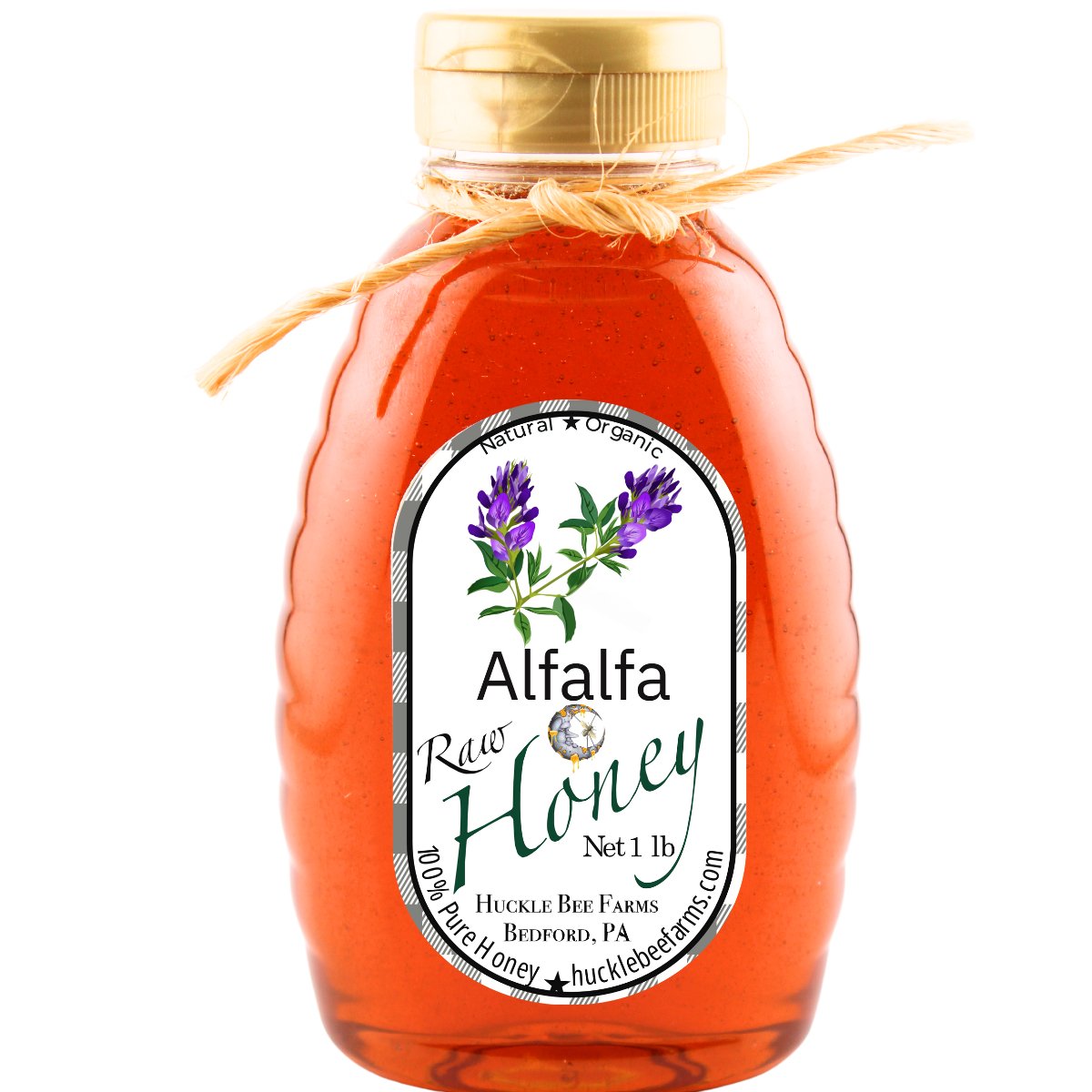
Honey for Athletes: The Ultimate Pre- and Post-Workout Fuel
Honey for Athletes: Natural Workout Fueling Guide
Honey is a natural, fast-absorbing carbohydrate that athletes use to fuel workouts, sustain endurance, and speed recovery. Made of glucose and fructose, honey delivers both immediate energy and steady release during training. Unlike processed sports gels, raw honey is gentler on digestion and supports hydration when paired with water or a pinch of salt. This guide shows exactly how athletes use honey before, during, and after workouts for performance and recovery.
Quick Guide: Why Athletes Choose Raw Honey
Dual-Fuel Energy: Honey’s natural 1:1 ratio of fructose and glucose uses separate absorption pathways in the gut, providing up to 20% more energy to muscles than glucose alone while preventing "gut rot."
Sustained Performance: With a moderate Glycemic Index (~58), raw honey prevents the insulin spikes and crashes associated with refined sugars, making it an ideal fuel for endurance and recovery.
Natural Recovery: Unlike synthetic gels, raw honey contains live enzymes, antioxidants, and electrolytes that reduce oxidative stress and help replenish glycogen stores faster post-workout.
"Research published in the International Journal of Sport Nutrition and Exercise Metabolism found that honey is an effective carbohydrate for athletes, inducing the same metabolic responses and endurance capacity as traditional manufactured energy gels."
Table of contents

Honey, often considered as a superfood, shows up in a lot of gym bags for a simple reason: it is easy to carry, easy to digest, and it behaves like a quick source of natural athletic energy when you need it, contributing to overall health. For athletes, its performance benefits make it useful before training, providing an endurance boost and energy boost during long sessions, and right after, when your body is trying to refill what you just spent.
Because honey is mostly carbohydrates (largely glucose and fructose), with a relatively low glycaemic index, it can work a lot like sports gels and chews, just in a familiar, pantry friendly form.
"From a nutritional standpoint, honey offers a unique blend of simple sugars that are readily available for energy, making it an excellent natural option for athletes seeking sustained performance without the artificial additives often found in commercial sports products. Its natural composition supports both immediate energy needs and glycogen replenishment."
— Dr. Emily R. Carter, Sports Nutrition Physician
What honey actually does in your body during training
Honey is roughly 80 to 85 percent sugars by weight, mainly glucose and fructose. That mix matters.
Glucose is absorbed quickly and can raise blood sugar fast, which is why it often feels like “instant energy.” Fructose takes a different path, going through the liver first, and tends to support steadier blood glucose over time while helping refill liver glycogen.
Honey is not an electrolyte drink on its own, and it is not a meaningful vitamin source in typical serving sizes, but it serves excellently as a natural sweetener. It does have small amounts of minerals like potassium and sodium and a range of plant compounds with antioxidant properties that vary by floral source, making honey a source of antioxidants as well.
One spoonful is not magic. It is just well behaved carbohydrate, with a nice texture and flavor, that can fit athletic fueling needs.
| Feature | Raw Honey (1 tbsp) | Standard Energy Gel (1 packet) |
|---|---|---|
| Primary Sugars | Natural Fructose & Glucose | Maltodextrin & Fructose (Synthetic) |
| Calories | ~60-64 kcal | ~100 kcal |
| Digestion Speed | Dual-Path: Fast absorption, easy on the stomach | Variable: Known to cause GI distress in some |
| Nutrient Profile | Antioxidants, enzymes, & electrolytes | Isolated carbohydrates & preservatives |
| Glycemic Index | Moderate (~58) | High (~85-100) |
| Ingredients | 1 (Raw Honey) | 10+ (Thickeners, flavors, dyes) |
A practical fueling cheat sheet
How much you need depends on body size, sport, workout length, and how close you are to the session. A tablespoon is a common starting point because it is small enough to test and large enough to feel.
Here is a simple way to think about timing and portions.
| Timing | Typical honey amount | Best use | Notes |
|---|---|---|---|
| 15 to 30 minutes pre workout | 1 Tbsp (about 15 g) | Quick top off | Great when you do not want a full snack |
| 45 to 90 minutes pre workout | 1 to 2 Tbsp (15 to 30 g) | With a light snack | Pair with oats, yogurt, toast, or fruit |
| During endurance sessions (60+ minutes) | 1 to 2 tsp every 15 to 20 minutes, or 1 Tbsp every 30 to 40 minutes | Steady carbs | Aim for 30 to 60 g carbs per hour from all sources |
| Within 60 minutes post workout | 1 to 2 Tbsp (15 to 30 g) | Recovery carbs | Pair with protein for muscle repair support |
If you already use sports nutrition guidelines like grams of carbohydrate per hour, honey simply becomes one more way to hit your number.

Customizing Honey Intake Based on Sport Type
While the general guidelines for honey intake are useful, tailoring your approach to your specific sport can optimize its benefits. Different athletic demands require varied fueling strategies.
- Endurance Sports (Running, Cycling, Swimming): For activities lasting over an hour, consistent carbohydrate intake is crucial. Honey's blend of glucose and fructose provides sustained energy. Consider diluting honey in water for easier consumption during long efforts, aiming for 30-60g of carbs per hour from all sources.
- Strength Training (Weightlifting, CrossFit): Pre-workout honey can provide a quick energy boost without feeling heavy, ideal for intense lifting sessions. Post-workout, pairing honey with protein helps replenish glycogen and supports muscle repair, crucial for recovery and growth.
- Team Sports (Soccer, Basketball, Hockey): These sports involve intermittent high-intensity bursts. Honey can be used for quick energy top-offs before games or during halftime to maintain performance. Its rapid absorption helps keep energy levels stable during dynamic play.
- Short-Duration, High-Intensity (Sprinting, HIIT): For shorter, explosive efforts, a small amount of honey 15-30 minutes prior can provide an immediate energy surge. Focus on quick, digestible carbs to fuel peak performance without digestive burden.
Experiment with timing and dosage during training to find what works best for your body and the specific demands of your sport.
"Is honey good for athletes? Yes. Its 1:1 ratio of fructose to glucose provides both immediate and sustained energy, making it a superior natural alternative to synthetic gels."
Pre-workout: quick energy without a heavy stomach
Pre-workout honey works best when your goal is “start fueled” without feeling full. Many athletes like it before early morning sessions, before a run when solid food feels too dense, or before strength training when a large snack can bounce around.
After a paragraph like this is the right moment to keep it simple:
- Quick spoonful and water
- Stir into tea or coffee
- Drizzle on toast
- Add to a banana
A good test is to take 1 tablespoon 15 to 30 minutes before training and note how you feel at minute 20 of the workout, when intensity often starts climbing.
If you are training hard for more than an hour, honey right before may not be enough by itself. Think of it as the match, not the whole campfire.
"Honey provides fast, easily digestible carbohydrates that help fuel training sessions without stomach discomfort. For a deeper look at how honey supports stamina and sustained output,"
Read our guide on Boost your energy naturally with honey.

When pre-workout honey can backfire
If you are sensitive to sweets right before exercise, honey can cause a brief spike followed by an energy boost and then a dip, or just an unsettled stomach. That is more about timing and dose than honey itself.
Try one of these adjustments:
- Go smaller: 1 to 2 teaspoons instead of a full tablespoon
- Go earlier: 45 to 60 minutes pre-workout with a little food
- Dilute it: mix into water with a pinch of salt and sip slowly
During long sessions: a simple DIY gel strategy
Endurance athletes already know the game: the longer you go, the more fueling becomes part of performance. As a natural energy source and natural sweetener, honey can cover that role, providing an endurance boost with a couple of practical considerations.
First, it is concentrated. Taking straight honey mid run can feel sticky and make you thirsty. Mixing it into water helps.
Second, fructose and glucose together can be helpful when you are trying to absorb more carbs per hour. Many commercial products use mixed sugars for that reason. Honey naturally contains a blend, though the exact ratio varies by variety.
A simple homemade option is a soft flask with honey and warm water shaken together. If you want it closer to a sports drink, keep it light so it empties from the stomach well. Add a small pinch of salt if you are sweating heavily, since honey itself is not salty enough to cover sodium needs.
Athlete Performance Quiz
Test your knowledge on natural fueling
Real Results from the Field
"I swapped my standard energy gels for Huckle Bee honey sticks during my last marathon training block. No more 'gut rot' at mile 18, and the energy release felt much more stable. A total game changer for endurance."
"As a cyclist, I need fuel that's easy to digest on the move. The raw honey gives me that instant kick for climbs without the sugar crash afterward. It’s the only natural fuel I trust for 50+ mile rides."
Honey's Role in Immune Support for Athletes
Intense training can sometimes suppress the immune system, making athletes more susceptible to illness. Beyond its energy-boosting properties, honey offers potential benefits for immune health, which is crucial for consistent training and performance.
- Antioxidant Power: Honey contains various plant compounds, including flavonoids and phenolic acids, which act as antioxidants. These compounds help combat oxidative stress induced by strenuous exercise, potentially reducing cellular damage and supporting overall immune function.
- Anti-inflammatory Properties: Some research suggests honey possesses anti-inflammatory effects. Reducing inflammation can aid in recovery and help the body maintain a robust immune response, especially after demanding workouts.
- Soothes and Protects: Historically, honey has been used for its antimicrobial properties and as a soothing agent for sore throats and coughs. While not a primary treatment, incorporating honey into your diet may offer a mild protective effect against common ailments that can sideline athletes.
While honey is not a magic bullet for immunity, its natural compounds can contribute to a well-rounded diet that supports an athlete's immune system, helping them stay healthy and perform at their best.
Post workout: refilling glycogen and supporting recovery
Recovery nutrition is often described in two goals: refill carbohydrate stores, such as those from carbohydrates, and provide protein for muscle repair. Honey addresses the carb side quickly, and it pairs easily with protein foods.
Right after training, glucose helps raise insulin and drive sugar back into muscle. Fructose can support liver glycogen, which matters when you train again later the same day or early the next morning.
There is also growing interest in honey’s antioxidant properties, plant compounds, and antioxidant activity. Early research has linked honey intake with reduced soreness or improved recovery markers in certain groups, yet the big, reliable benefit for athletes remains the same: it is an efficient carbohydrate source you can actually enjoy.
A recovery snack does not need to be complicated, and it should not taste like punishment.

Honey and Gut Health for Athletes
An athlete's gut health is intrinsically linked to performance, nutrient absorption, and overall well-being. Honey, a natural food, can play a supportive role in maintaining a healthy digestive system.
- Prebiotic Properties: Honey contains oligosaccharides, which can act as prebiotics. Prebiotics are non-digestible food ingredients that stimulate the growth and activity of beneficial bacteria in the colon, contributing to a healthy gut microbiome. A balanced gut flora is essential for efficient nutrient absorption and immune function.
- Gentle on the Stomach: Unlike some artificial sweeteners or highly processed sports products, honey is generally well-tolerated and easy to digest for most individuals. This makes it a suitable option for athletes who experience gastrointestinal distress during intense exercise.
- Supports Nutrient Absorption: A healthy gut environment, fostered by beneficial bacteria, is more efficient at absorbing essential vitamins, minerals, and macronutrients from food. By supporting gut health, honey indirectly contributes to better overall nutrition for athletes.
Incorporating honey into a balanced diet can be a simple and natural way to support gut health, which in turn can enhance an athlete's ability to train, recover, and perform consistently.
Best Honey for Athletes
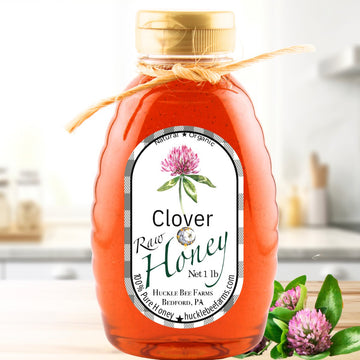
The best honey for athletes is raw, minimally processed honey because it retains natural enzymes, trace minerals, and a balanced mix of glucose and fructose for efficient energy delivery. Clover honey is an excellent all-purpose choice for training and competition thanks to its mild flavor, smooth texture, and easy digestion, making it ideal before or during workouts. For longer endurance sessions or post-workout recovery, wildflower or lightly infused honeys can offer a slightly richer mineral profile and flavor variety without causing stomach discomfort. Avoid ultra-filtered or artificial honey substitutes, as they lack the natural composition that helps athletes fuel performance, support hydration, and recover efficiently.
Raw vs. processed honey, and what “infused” means for athletes
From a fueling standpoint, most honeys behave similarly because the primary ingredient is still sugar, but honey can also enhance your athletic energy during workouts. The differences show up in taste, texture, and the minor compounds that come along for the ride.
Raw, unfiltered honey is often chosen by people who want minimal processing and more of honey’s natural enzymes and plant compounds. That is part of why small-batch apiaries, including family-run producers like Huckle Bee Farms, focus on freshness and on-demand bottling so the flavor and aroma stay vivid.
Infused honey can be surprisingly useful for athletes because it makes consistency easier. If you genuinely like the flavor, you are more likely to use it the same way every session, which helps you dial in timing and dose. Cinnamon, espresso, smoked, and spicy styles can all fit depending on your preferences and your stomach.
One caution: if an infusion includes caffeine (like espresso infused honey), treat it like any other caffeine source and account for your total daily intake.
Why Clover Honey is Great for Athletes
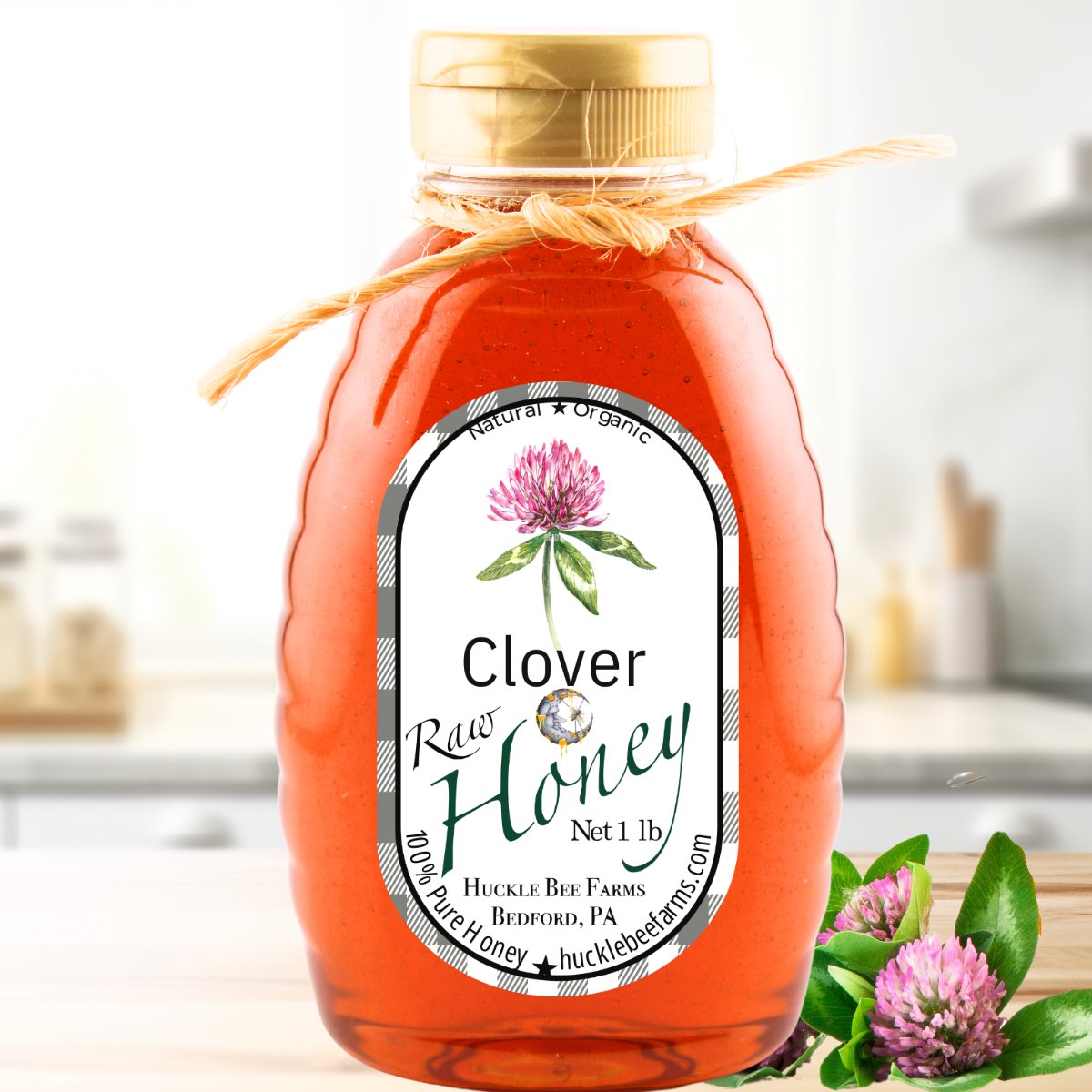
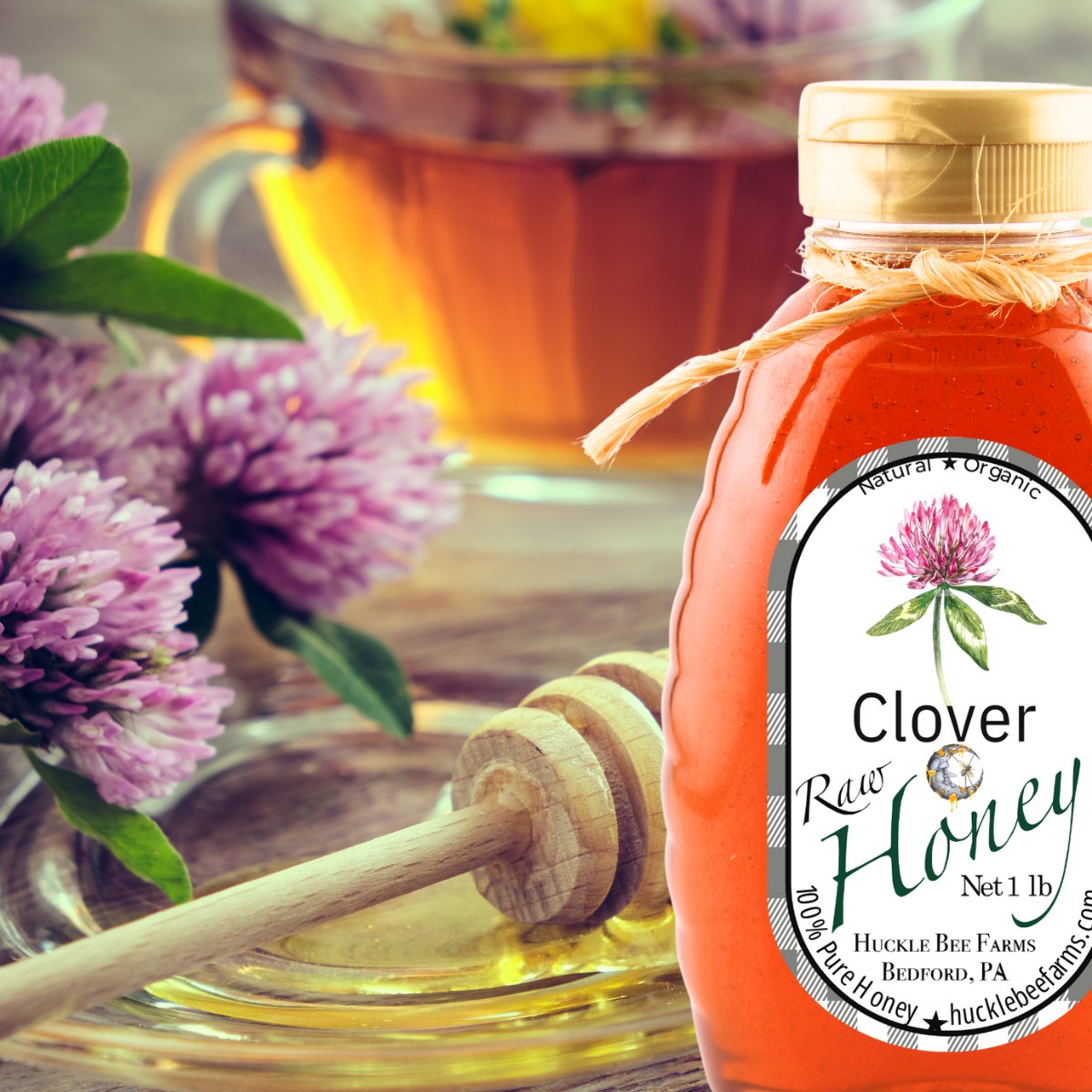
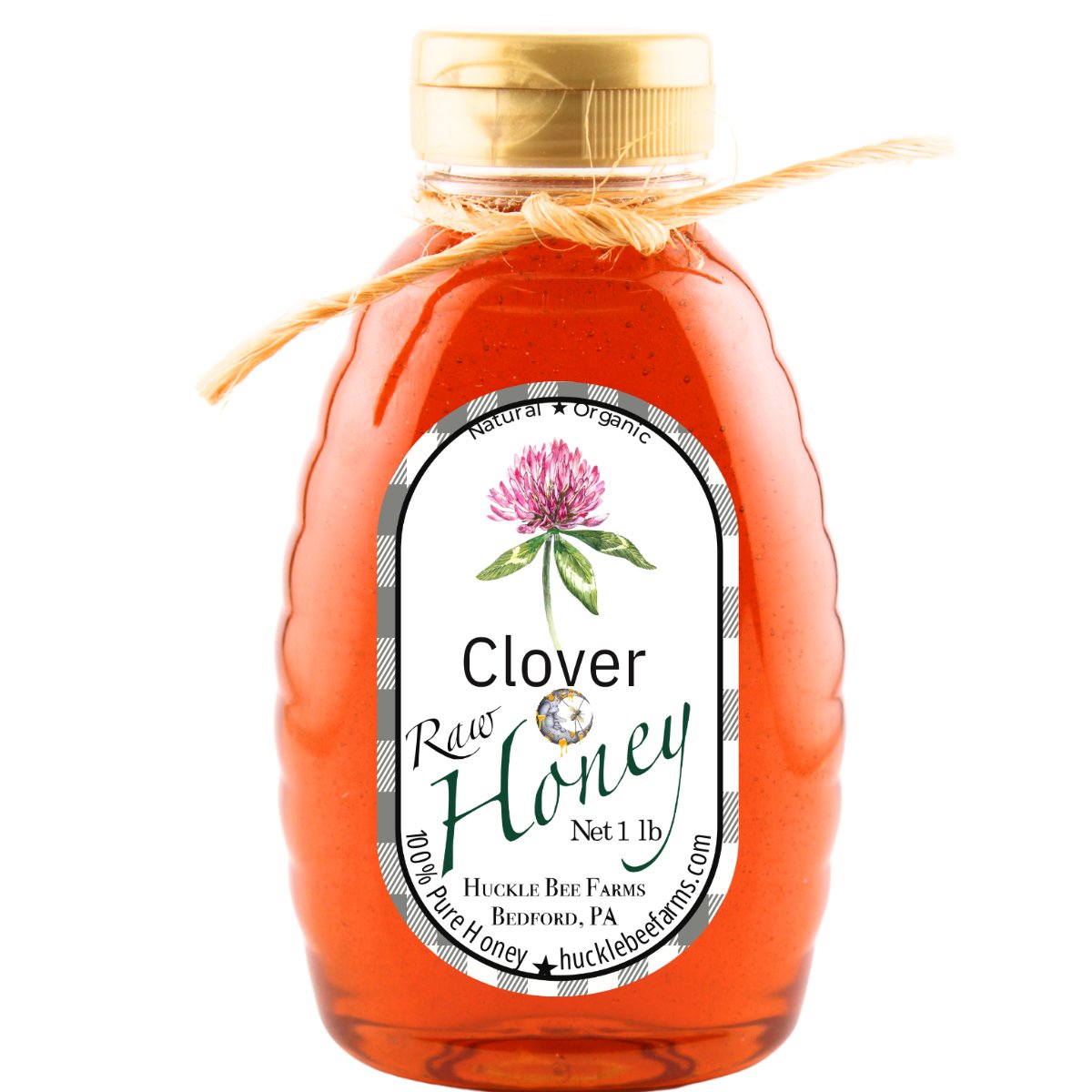
Huckle Bee Farms Clover Honey is a natural, pure honey sourced from clover blossoms, known for its light, mild flavor and smooth texture. For athletes, this honey offers several benefits as both a pre- and post-workout fuel:
1. Natural Energy Source: Clover honey is rich in natural sugars (mainly glucose and fructose), which are quickly absorbed by the body. This provides a rapid energy boost, making it ideal for fueling workouts or replenishing energy stores afterward.
2. Easy to Digest: Unlike some processed sports gels or bars, clover honey is gentle on the stomach and less likely to cause digestive discomfort during intense activity.
3. Antioxidants and Nutrients: Huckle Bee Farms Clover Honey contains trace vitamins, minerals, and antioxidants that help combat exercise-induced oxidative stress and support overall recovery.
4. Supports Hydration: Mixing honey with water or herbal teas can help maintain hydration and electrolyte balance, especially during endurance sports.
5. Versatile Usage: Athletes can use clover honey in a variety of ways:
- Drizzle over oatmeal or yogurt before a workout.
- Stir into a pre-workout smoothie.
- Mix with nut butter on toast for sustained energy.
- Add to recovery shakes or herbal teas post-exercise.
How to Use Huckle Bee Farms Clover Honey for Athletic Performance
- Pre-Workout: Take 1-2 tablespoons 30 minutes before exercise for a quick energy boost.
- During Exercise: Mix a spoonful into your water bottle for long-duration activities.
- Post-Workout: Combine with protein-rich foods to aid muscle recovery and replenish glycogen stores.
Why Choose Huckle Bee Farms?
Huckle Bee Farms is known for its commitment to sustainable beekeeping and pure, unfiltered honey. Their clover honey is free from additives and artificial ingredients, ensuring athletes get clean, natural fuel.
Wellness Tip:
Always test honey as a workout fuel during training, not on race day, to ensure it works well with your body.
Honey compared with other natural carb options
Athletes often rotate foods based on convenience and gut comfort. Honey is fast and portable, yet it has no fiber. That can be a pro or a con.
Here is a quick comparison that helps when you are packing snacks for training.
| Option | What it’s best at | Tradeoffs | When it fits |
|---|---|---|---|
| Honey | Quick, concentrated carbs | Sticky, no fiber | Pre-workout, during endurance, post-workout add-in |
| Banana | Easy to digest with some fiber and potassium | Bulkier to carry | Pre-workout snack, mid-ride food |
| Dates | Dense carbs with fiber | Can be too chewy when breathing hard | Longer sessions, hiking, steady efforts |
| Maple syrup | Simple carb, easy to mix into foods | Mostly sucrose, not as portable | Home prep, smoothies, pancakes pre long run |
| Coconut water | Fluids and electrolytes with mild sweetness | Low carbs | Hydration support, pair with other carbs |
If your stomach likes bananas and hates gels, combining honey with a banana can be a sweet spot that balances natural sugars with carbohydrates. If you struggle with fiber during races, honey may sit better than dates.
Easy honey recipes athletes actually use
The best recipe is the one you will make on a busy weekday, measure without fuss, and tolerate at intensity.
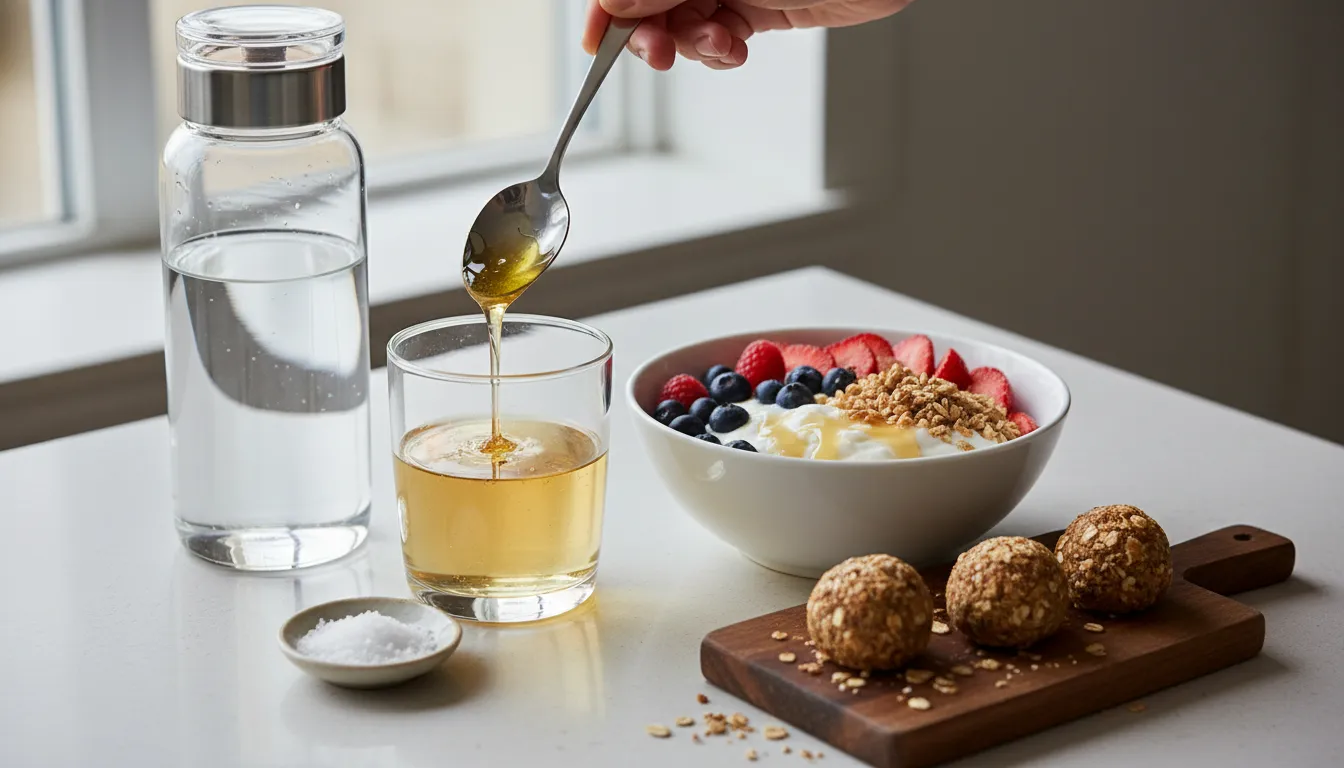
Here are a few that tend to work well, especially if you want repeatable portions:
- Warm water fuel bottle: 1 Tbsp honey, 12 to 16 oz water, pinch of salt
- Yogurt recovery bowl: Greek yogurt, berries, 1 to 2 Tbsp honey, sprinkle of granola
- No bake bites: oats, nut butter, honey, pinch of salt, roll and chill
If you train early, honey in tea can be a gentle pre workout routine. If you lift after work, honey stirred into a protein shake is an easy recovery move that does not require cooking.
Common questions athletes ask (and honest answers)
Honey is natural, yet it is still sugar. That does not make it “bad,” it just means it should be used with intention.
If you are thinking about adding honey to your training, these points help keep it safe and useful:
- Start small. Gut training matters, and your stomach needs practice just like your legs do.
- Mind your teeth. Rinse with water after sticky carbs, especially if you sip honey drinks for hours.
- Know when to be careful. If you have diabetes, reactive hypoglycemia, or a medical reason to limit sugars, talk with a clinician or sports dietitian before using honey as a routine fuel.
And the standard reminder: honey is not for infants under 12 months.


Making honey part of a consistent fueling routine
Consistency beats intensity when it comes to fueling experiments. Pick one workout each week, use the same honey dose at the same time, and track how your energy and stomach feel. Then adjust one variable, like timing or dilution, instead of changing everything at once.
Athletes who love honey often end up keeping two jars around: a clean, classic raw honey for everyday use and an infused option for moments when flavor helps them stick with the plan, especially during long training blocks.
Frequently Asked Questions
1. Can honey be used as a substitute for sports drinks?
Yes, honey can serve as a natural alternative to sports drinks due to its carbohydrate content. While it doesn't provide electrolytes like sodium or potassium, honey offers a quick source of energy through its natural sugars, glucose and fructose. Athletes can mix honey with water to create a homemade energy drink, making it easier to consume during workouts. However, for prolonged activities, consider pairing honey with other sources of hydration and electrolytes for optimal performance.
2. Is honey safe for athletes with dietary restrictions?
Honey is generally safe for most athletes, but those with specific dietary restrictions should exercise caution. For individuals with diabetes or those managing blood sugar levels, it's essential to consult a healthcare professional before incorporating honey into their diet. Additionally, athletes with allergies to bee products should avoid honey altogether. Always consider personal health conditions and dietary needs when adding new foods to your fueling routine.
3. How does honey compare to other natural sweeteners?
Honey stands out among natural sweeteners due to its unique blend of glucose and fructose, which provides both quick and sustained energy. Unlike maple syrup or agave nectar, honey has a lower glycemic index, making it a better option for maintaining stable blood sugar levels during workouts. However, it lacks fiber, which some other sweeteners may provide. Ultimately, the choice depends on personal preference and how each sweetener affects individual performance and digestion.
4. Can honey help with muscle recovery after workouts?
Yes, honey can aid in muscle recovery post-workout. Its carbohydrate content helps replenish glycogen stores, which are depleted during exercise. Consuming honey with a source of protein, such as Greek yogurt or a protein shake, can enhance recovery by promoting muscle repair. Additionally, honey's antioxidant properties may help reduce exercise-induced oxidative stress, further supporting recovery. Incorporating honey into your post-workout nutrition can be both effective and enjoyable.
5. What are the best ways to incorporate honey into my diet as an athlete?
There are numerous ways to include honey in your diet as an athlete. You can drizzle it over oatmeal or yogurt for a nutritious breakfast, mix it into smoothies for a pre-workout boost, or add it to your post-exercise recovery shake. Additionally, honey can be used in homemade energy gels by mixing it with water and a pinch of salt. Experimenting with different recipes can help you find the best ways to enjoy honey while meeting your fueling needs.
6. How should I store honey to maintain its quality?
To maintain the quality of honey, store it in a cool, dry place away from direct sunlight. Honey should be kept in an airtight container to prevent moisture absorption, which can lead to fermentation. If honey crystallizes, it can be gently warmed in a water bath to return it to a liquid state without compromising its nutritional properties. Proper storage ensures that honey retains its flavor and health benefits for an extended period.
7. Are there any side effects of consuming honey during workouts?
While honey is generally safe for most athletes, some may experience digestive discomfort if consumed in large amounts or too close to exercise. This can include bloating or an upset stomach. To minimize these effects, start with small amounts and gradually increase as your body adapts. Additionally, if you have a sensitivity to sugars, consider testing honey during training sessions rather than on race day to assess how your body reacts.
Conclusion
Incorporating honey into your workout routine offers a natural, easily digestible source of energy that can enhance performance and recovery. Its unique blend of glucose and fructose provides quick energy while also supporting sustained endurance, making it an ideal choice for athletes. By experimenting with honey as a fueling option, you can discover the best ways to optimize your workouts and recovery. Explore our range of Huckle Bee Farms honey products to find the perfect fit for your athletic needs today.

Author - Jim Douglas - Founder Huckle Bee Farms
For Jim Douglas, beekeeping is more than a craft—it’s a commitment to purity and the environment. After an honorable career in the U.S. Army and a tenure as a COO for the Boy Scouts of America, Jim sought a way to combine his leadership experience with his love for the outdoors.
In 2012, he founded Huckle Bee Farms with a simple mission: to take honey back to its raw, unadulterated roots. Jim’s expertise lies in the delicate balance of infusing raw honey with organic ingredients without compromising its natural medicinal properties. His "small-batch" philosophy ensures that every jar meets the highest standards of quality and transparency. Today, Jim continues to lead Huckle Bee Farms with the same integrity he practiced in uniform, ensuring that every drop of honey supports both the health of the consumer and the survival of the honeybee.
His mission is simple: to make life a little sweeter—naturally.
Key Takeaways on Using Honey for Athletic Performance
This list summarizes the essential points regarding the benefits and applications of honey as a natural fuel source for athletes, highlighting its role in energy provision, digestion, and recovery.
- Natural Energy Source: Honey provides a quick energy boost due to its high content of natural sugars, primarily glucose and fructose, making it ideal for pre-workout fueling.
- Easy to Digest: Unlike many processed sports gels, honey is gentle on the stomach, reducing the risk of digestive discomfort during intense activities.
- Antioxidants and Nutrients: Raw honey contains trace vitamins, minerals, and antioxidants that help combat oxidative stress from exercise, supporting overall recovery.
- Versatile Usage: Honey can be incorporated into various meals and snacks, such as drizzling over yogurt or mixing into smoothies, enhancing both taste and nutritional value.
- Post-Workout Recovery: Consuming honey with protein-rich foods post-exercise aids in replenishing glycogen stores and promoting muscle repair.
- Hydration Support: Mixing honey with water or herbal teas can help maintain hydration and electrolyte balance, especially during endurance sports.
- Consistency is Key: Regularly testing honey as a workout fuel during training sessions helps athletes determine the best timing and dosage for their individual needs.
References
The information presented in this article is based on current scientific understanding of nutrition, carbohydrate metabolism, and the properties of honey. Key insights and expert perspectives are also drawn from:
- Dr. Emily R. Carter, Sports Nutrition Physician: Quoted for her expertise on honey's nutritional benefits for athletes.
- General scientific consensus on the roles of glucose and fructose in energy metabolism and glycogen replenishment.
- Observations from early research regarding honey's antioxidant properties and potential benefits for recovery, as noted within the article.
Medical and Scientific References
The claims and recommendations in this article are supported by a growing body of scientific research in sports nutrition and food science. Below are selected references that provide further insight into the benefits of honey for athletic performance and recovery:
- Al-Waili, N. S., Boni, N. S., & Al-Waili, T. N. (2004). Effects of honey on the blood glucose and lipid profile in normal individuals and patients with diabetes mellitus. Journal of Medicinal Food, 7(1), 102-110. (Relevant for glucose/fructose metabolism and glycemic response).
- Kreider, R. B., Wilborn, C. D., Taylor, L., Campbell, B., Almada, A. L., Collins, R., ... & Antonio, J. (2010). ISSN exercise & sport nutrition review: research & recommendations. Journal of the International Society of Sports Nutrition, 7(1), 7. (General sports nutrition guidelines, carbohydrate recommendations).
- Shamala, T. R., & Prakash, V. (2006). Antioxidant and antimicrobial activities of honey. Journal of Food Science and Technology, 43(5), 484-488. (Supports claims about honey's antioxidant properties).
- Earnest, C. P., Lancaster, S. L., Rasmussen, C. J., Kerksick, C. M., Lucia, A., & Greenwood, M. C. (2004). Low vs. high glycemic index carbohydrate prior to and during prolonged exercise in trained cyclists. Journal of Sports Science & Medicine, 3(3), 162. (Discusses carbohydrate timing and glycemic index for performance).
- Jentjens, R. L., & Jeukendrup, A. E. (2005). Determinants of post-exercise glycogen synthesis during short-term recovery. Sports Medicine, 35(11), 945-964. (Explains the importance of carbohydrate intake for glycogen replenishment post-exercise).
- Maughan, R. J., & Burke, L. M. (2010). Sports Nutrition: From Science to Practice. Wiley-Blackwell. (Comprehensive textbook covering carbohydrate metabolism, fueling strategies, and recovery).
- Pasupuleti, V. R., Sammugam, L., Ramesh, N., & Gangadaran, S. (2017). Honey, propolis, and royal jelly: A comprehensive review of their biological actions and health benefits. Oxidative Medicine and Cellular Longevity, 2017. (Review article supporting the broader health benefits and antioxidant activity of bee products).
These references underscore the scientific basis for honey's efficacy as a natural and effective fuel source for athletes, aligning with the principles of sports nutrition and exercise physiology.