


How Honey Impacts Blood Sugar: Glycemic Index, Natural Benefits, and Practical Tips for Managing Glucose
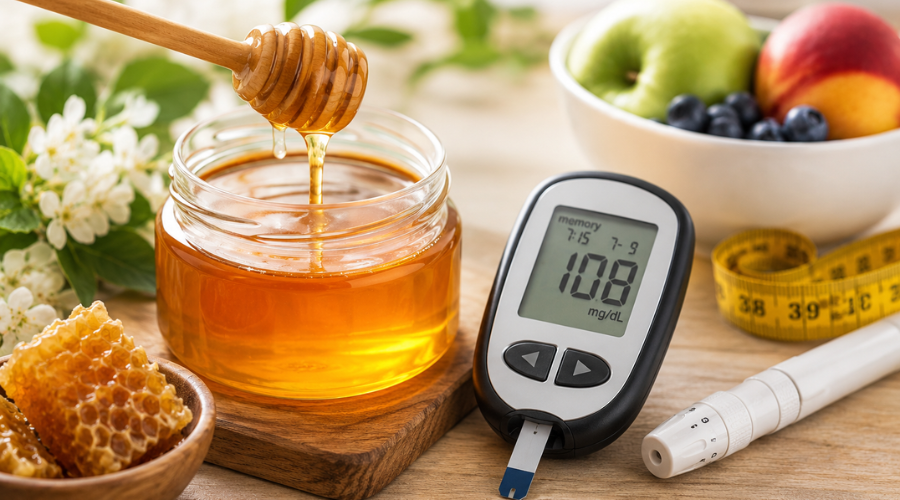
The glycemic index (GI) of honey describes how quickly the sugars in a given honey raise blood glucose after you eat it. That number helps you choose sweeteners that fit your personal glucose goals. This guide explains GI and glycemic load, compares honey with other sweeteners, summarizes evidence about raw and infused honeys’ effects on blood glucose and insulin, and offers practical guidance on selecting varieties and using honey in recipes. Many readers want a natural sweetener that adds flavor and a little nutrition without causing big glucose spikes. Because honey is a mix of sugars plus antioxidants and other bioactives, its effects aren’t identical to plain sucrose—some honeys may even soften glucose peaks. We walk through what changes a honey’s GI (floral source, processing, infusion ingredients), profile common varietals, review the evidence, and share easy infused-honey recipes and sourcing tips from farms that support pollinators. We also use terms like honey glycemic index, raw honey glycemic index, and infused honey blood sugar so you can find clear, practical, evidence-based advice for everyday choices.
What Is the Glycemic Index of Honey and Why It Matters
The GI compares how fast a carbohydrate raises blood glucose versus a reference (usually pure glucose). Honey typically sits in a low-to-moderate GI range because different honeys contain different proportions of fructose and glucose. Honeys with more fructose are often absorbed more slowly than straight glucose, which can blunt the immediate blood-sugar spike—though that effect depends on the flower source and handling. Clinically, GI gives a sense of post-meal glucose response; glycemic load (GI adjusted for serving size) is more useful for everyday portioning. Knowing both helps you balance sweetness, flavor, and total carbs when you add honey to meals. Practical takeaway: choose lower-GI varieties when possible, keep portions modest, and pair honey with fiber, protein, or fat to reduce glucose peaks.
| Honey Type | Typical Glycemic Index | Typical Fructose:Glucose Ratio |
|---|---|---|
| Clover/Light floral | 45–64 | ~1.1:1 |
| Wildflower/Polyflora | 45–60 | 1.0:1 to 1.5:1 |
| Buckwheat/Dark floral | 35–55 | ~1.2:1 |
| Manuka (varies) | 35–60 | 1.0:1 to 1.4:1 |
This table highlights that darker, antioxidant-rich honeys often fall lower on the GI scale and bring stronger polyphenol profiles. Choosing varietals with a higher fructose-to-glucose ratio and robust antioxidant scores can modestly reduce glycemic impact—especially with small portions. Use these ranges to weigh both blood-sugar effects and flavor when you select honey.
How Honey’s Glycemic Index Compares to Other Sweeteners
Depending on variety, honey’s GI generally sits between table sugar and some lower-GI alternatives. For context, sucrose (table sugar) is typically around 60–65, while certain honeys test lower thanks to fructose content and bioactive compounds. The core idea: fructose is largely processed in the liver and usually causes a slower immediate blood-glucose rise than glucose, so higher-fructose honeys can temper post-meal peaks. When you swap sweeteners, remember both perceived sweetness and carbohydrate load—one tablespoon of honey usually has slightly more calories and carbs than one tablespoon of granulated sugar, so adjust portions. Below is a quick comparison and substitution guidance you can use right away.
- Table sugar (sucrose): Predictable, moderate GI; the glucose-fructose split still raises blood glucose steadily.
- Honey (varies): Wide GI range; higher-fructose varietals tend to produce smaller immediate spikes.
- Agave syrup: Often lower GI because of higher fructose, though composition and processing vary widely.
In short, honey can be a lower- or higher-GI option depending on varietal and serving size. Portion control and pairing with other macronutrients are the most reliable strategies to manage blood sugar.
What Affects the Glycemic Index of Raw and Infused Honey?
Several factors drive GI differences across honeys: the plants bees visit (botanical origin) determine the nectar’s sugar mix; processing alters enzyme activity and water content; and added infusion ingredients can change how sugars are absorbed. Floral origin sets the fructose:glucose ratio and the polyphenol profile—buckwheat and some wildflower honeys tend to be darker, richer in antioxidants, and lower on the GI scale. Heating and heavy filtration reduce enzymes and volatile compounds that affect taste and possibly metabolic response. Infusions—like cinnamon, herbs, or vinegar—introduce bioactive molecules that may modestly influence digestion or insulin sensitivity. Understanding these drivers helps you choose a honey that matches both your glycemic goals and flavor preferences.
- Floral origin: Different nectars set the baseline sugar mix and polyphenol content.
- Processing: Heat and filtration change enzyme levels and flavor.
- Infusions: Added ingredients can alter digestion and metabolic signaling.
If you want to maximize potential glycemic and antioxidant benefits, look for raw, minimally processed, and florally diverse honeys.
How Raw Honey Affects Blood Sugar and Metabolic Health
Raw honey raises blood glucose, but the timing and downstream metabolic effects can differ from refined sugars because of its mixed sugars and bioactive compounds. The fructose fraction and polyphenols in some honeys may slow gastric emptying and affect glucose transport, producing lower peak glucose in certain studies. Raw honey also contains enzymes, pollen, and small prebiotic compounds that may support gut microbes and antioxidant defenses—factors linked to inflammation and insulin sensitivity over time. Safety depends on dose and individual health: moderate servings within your carbohydrate plan usually pose less risk than large amounts of refined sugar, but people with diabetes should monitor closely and consult a clinician. The sections below unpack specific benefits and the strength of the scientific evidence.
Potential Benefits of Raw Honey for Blood Sugar Control
Raw honey may support blood-sugar control through antioxidants, a balanced fructose proportion, and prebiotic oligosaccharides that influence gut microbes and satiety. Darker honeys, richer in polyphenols, can reduce oxidative stress and inflammation—both linked to insulin resistance. Small clinical trials and laboratory studies report smaller post-meal glucose rises when honey replaces other sugars under controlled conditions, though outcomes depend on honey type and portion size. In practice, adding one teaspoon to one tablespoon of raw honey to a meal that includes fiber or protein tends to blunt spikes more than eating honey alone. Treat honey as a measured flavoring, not a free-for-all sugar replacement.
What the Science Says About Raw Honey and Blood Sugar
Research through 2023 is mixed but promising: some randomized trials and pooled analyses show that honey can produce smaller short-term glucose rises than equal amounts of sucrose in select groups, and observational studies link moderate honey intake with improved lipid and inflammation markers. Limitations include small sample sizes, varied honey types, and heterogeneous participant populations. Overall evidence is moderate—mechanistic studies offer plausible explanations (fructose metabolism, antioxidant effects), but larger, standardized clinical trials are needed for definitive medical guidance. For now, a cautious, individualized approach is sensible: use raw honey in controlled amounts and track your response.
Which Honey Varieties and Low-Glycemic Options Suit People Managing Glucose?
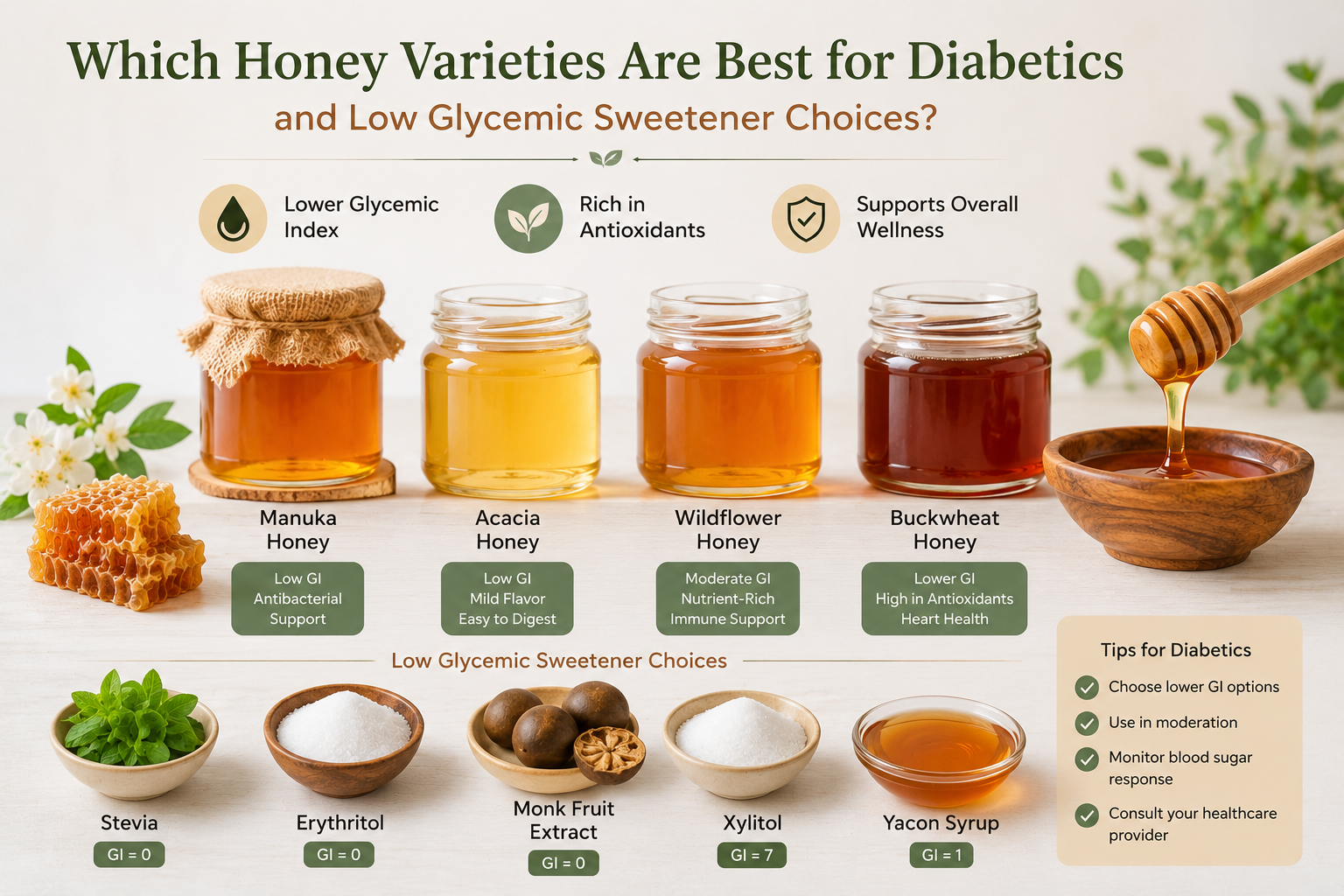
Choosing honeys with favorable sugar ratios and strong antioxidant profiles can reduce glycemic impact while keeping great flavor. Buckwheat, select wildflower and forest blends, and some Manuka batches often trend lower on the GI scale and score higher for antioxidants. Think about how you’ll use the honey—light-colored honeys work well in beverages and baking, while darker honeys pair beautifully with savory dishes and dairy. If you want lower-glycemic sweetening, consider small amounts of high-fructose-rich honeys or suitable non-nutritive sweeteners, always balancing taste with metabolic goals. The table below compares common varietals and practical culinary uses to help inform your choices.
| Honey Variety | Glycemic Load per Tbsp (approx.) | Antioxidant Score (Relative) |
|---|---|---|
| Buckwheat | Moderate–Lower | High |
| Wildflower/Forest | Moderate | Moderate–High |
| Clover/Light floral | Moderate–Higher | Low–Moderate |
| Manuka (medical grades vary) | Variable | Moderate–High |
This chart helps you prioritize darker, polyphenol-rich varieties for potentially lower glycemic effect and antioxidant benefit, but remember that serving size and meal context are the main drivers of glucose response. When possible, choose minimally processed, floral-diverse honeys and test how your body reacts.
Is Honey Safe for People with Diabetes?
Honey can be included safely for some people with diabetes when used carefully. It works best when counted as part of total carbohydrate intake, kept to small measured servings, and monitored with blood-glucose checks. Safety depends on your baseline glucose control, medications, and how you budget carbs. Replacing refined sugar with a measured amount of honey may offer small benefits, but honey still raises blood glucose. Practical tips: measure servings (for many people, this means a teaspoon to a tablespoon depending on your plan), pair honey with protein and fiber to slow absorption, track your response, and consult your clinician before changing medication or dosing.
How Infused Honeys Can Affect Blood Sugar
Infused honeys blend honey’s sugars with herbs or botanicals that can modestly change glycemic response by adding polyphenols, soluble fibers, or compounds that influence insulin sensitivity. Ingredients like cinnamon or certain herbs contain molecules that may improve glucose uptake or slow gastric emptying, which can lower post-meal peaks when used sparingly. Concentration matters: light infusions add flavor with negligible carb change; heavy extracts may introduce physiologically active doses. Use infused honey as a culinary tool—add sparingly and monitor your glucose to see if you notice any benefit.
Health Effects and Simple Recipes for Infused Honey
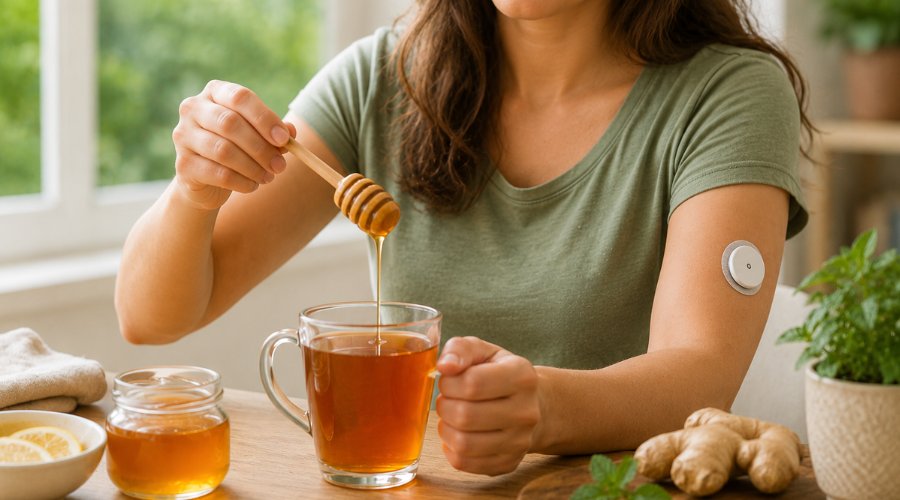
Infused honey combines flavor with functional botanicals—cinnamon, fenugreek, and citrus peel are examples that may support modest glycemic control and satiety when used in small amounts. Likely mechanisms include antioxidant activity from polyphenols, slower gastric emptying, and inhibition of some carbohydrate-digesting enzymes. Practically, infused honey works well in dressings, teas, yogurt, and marinades where a small amount goes a long way. The table below pairs common infusion ingredients with proposed effects and suggested uses to inspire easy recipes.
| Infusion Ingredient | Mechanism | Suggested Use |
|---|---|---|
| Cinnamon | May improve insulin signaling; slows gastric emptying | Stir into yogurt or oatmeal (½–1 tsp) |
| Fenugreek | Contains soluble fiber-like compounds; may reduce glucose absorption | Infuse into dressings or tea |
| Citrus peel (bitter compounds) | Polyphenols may modulate digestion | Use in marinades and herbal teas |
These pairings help you choose infusions that add potential metabolic value while keeping portions modest. Below are simple recipe ideas and a short guide to using infused honey sensibly.
- Cinnamon-infused honey for breakfast: Stir ½ teaspoon into Greek-style yogurt topped with nuts.
- Fenugreek-honey vinaigrette: Whisk 1 teaspoon into a large salad dressing for bright flavor.
- Herbal tea sweetener: Add ¼–½ teaspoon to warm herbal tea instead of several teaspoons of sugar.
These recipes focus on small portions and pairing with fiber or protein to blunt glucose spikes. Storage tip: keep infused honey in a cool, dry jar; start with mild infusion strengths and adjust to taste and tolerance.
Infusion Ingredients That May Support Blood Sugar Control
Common infusion ingredients worth trying include cinnamon, fenugreek, bitter citrus peel, and select adaptogenic herbs. Their proposed actions range from improving insulin signaling to slowing carbohydrate absorption and increasing satiety. Cinnamon’s cinnamaldehyde and polyphenols have shown promise in some studies; fenugreek supplies soluble fiber-like compounds and saponins that slow digestion; citrus peels deliver flavonoids that can affect carbohydrate-processing enzymes. Use small infusion concentrations for flavor and modest active exposure—don’t expect large metabolic changes from a drizzle. Also watch for allergies and possible herb–drug interactions with concentrated infusions.
Using Infused Honey in Recipes for Natural Sweetening
Infused honey works best when it replaces refined sugar in dishes that already contain protein, fat, or fiber, since those components reduce added blood-sugar impact. As a rule of thumb, reduce other sweeteners by about two-thirds when swapping sugar for honey—honey is sweeter and denser. Try drizzling ½ teaspoon over steel-cut oats with nuts, adding ½ teaspoon to a large vinaigrette, or stirring ¼ teaspoon into tea. Start small, pair honey with high-fiber foods, and use glucose monitoring to fine-tune portion size and timing for your body.
Why Pollinator Health Matters for Sustainable Honey and Glycemic Qualities
Pollinator health shapes nectar diversity, which affects a honey’s sugar profile, polyphenol mix, and microbial makeup—ingredients that influence GI and antioxidant content. Diverse forage creates varied nectar chemistry, producing honeys with richer polyphenol spectra and sometimes lower glycemic tendencies. Monocultures narrow nectar options and can reduce these beneficial compounds. Sustainable beekeeping that favors floral diversity and limits chemical exposure supports honey quality and the ecosystem services behind it. Supporting pollinators helps protect biodiversity and the nutritional characteristics of the honey on your table.
- Floral diversity: Encourages complex nectar profiles rich in beneficial polyphenols.
- Pesticide avoidance: Protects colony health and keeps honey purer.
- Habitat planting: Sustains long-term nectar sources and seasonal variety.
These practices improve honey quality and resilience. The next section explains specific farm-level choices that shape honey composition and GI.
How Sustainable Farming Practices Affect Honey Quality and Glycemic Index
Planting mixed wildflower strips, minimizing pesticide use, and moving hives to access diverse forage change the nectar bees collect—and therefore the honey’s sugar balance and antioxidant content. Honey from bees that forage widely tends to have a broader polyphenol profile, which can contribute to antioxidant-driven modulation of post-meal glucose. Gentle handling and avoiding high-heat processing preserve enzymes and volatile compounds that affect taste and possibly metabolic effects. If you’re after lower-GI honey, look for producers who prioritize floral diversity and gentle processing.
The Role Bees Play in Producing Healthful Honey Varieties
Bees (Apis mellifera and other pollinators) transform floral chemistry into honey through foraging, enzymatic conversion of nectar, and hive-level processing that concentrates sugars and bioactives. Which flowers bees visit determines the dominant nectars in a jar; colony health affects foraging range and consistency. Hive enzymes like invertase change sugar forms and influence digestibility. Understanding bee biology links farm practices to honey traits: healthy colonies with diverse forage make more chemically complex honeys that may offer stronger antioxidant support and potentially gentler glycemic responses.
Common Questions About Honey’s Glycemic Index and Blood Sugar
Below are concise, practical answers to the questions we hear most about honey, GI, and diabetes so you can apply these ideas to everyday choices and personal testing.
What Is the Glycemic Index of Raw Honey?
Raw honey typically ranges from about 35 to 65 on the GI scale. Darker, polyphenol-rich honeys tend toward the lower end and lighter, higher-glucose honeys toward the higher end. Variation comes from floral source, fructose:glucose ratio, and processing—so treat the numbers as a guideline. Serving advice: count honey as a carbohydrate and limit portions (for many people that means roughly 1 teaspoon to 1 tablespoon, depending on your plan) while monitoring your glucose response.
Can People with Diabetes Safely Consume Honey?
Some people with diabetes can include honey if it’s managed within their carbohydrate targets and monitored carefully. Safety depends on blood-glucose control, medications, and portion planning. Best practices: use small measured servings, pair honey with fiber and protein, measure your glucose response regularly, and consult your healthcare provider before changing meal plans or medication dosing. Using honey as a flavoring rather than the main carbohydrate source reduces risk.
How Does Infused Honey Affect Blood Sugar Levels?
Infused honey may modestly alter blood-sugar response because certain botanicals—like cinnamon or fenugreek—can slow absorption or improve insulin sensitivity. Still, the honey’s carbohydrate content is the dominant factor. Practical advice: keep infusions light, use them with lower-glycemic meals, and test your own blood sugar to see whether you notice a meaningful difference.
If you’re seeking responsibly sourced honey and educational resources, Huckle Bee Farms LLC offers premium raw and infused honeys and focuses on pollinator sustainability and community outreach. Our selection features florally diverse raw honeys and chef-ready infused blends designed for both flavor and function. Try small jars of different honeys to find what fits your taste and blood-sugar goals.
- Try small amounts first: Start with ½ teaspoon to assess your glucose response.
- Pair with fiber and protein: Combine honey with foods that slow absorption.
- Choose diverse-source, minimally processed honey: Floral variety often brings better antioxidant content.
Supporting pollinators and buying from producers who practice sustainable beekeeping helps ensure long-term access to high-quality, potentially lower-GI honeys. Get involved with local education and community efforts to protect forage diversity and hive health so these benefits continue for future harvests.
Medical Provider Insight
"In my clinical experience, incorporating honey as a natural sweetener can work well for some patients managing blood sugar, provided it’s consumed in moderation and within a balanced diet. The key is individualized monitoring and pairing honey with fiber or protein to minimize glucose spikes. Patients should always consult their healthcare provider before making significant changes to diet or medication." – Dr. Emily Carter, Endocrinologist
Frequently Asked Questions
1. How can I incorporate honey into a diabetic-friendly diet?
Use honey carefully: measure small portions (start with one teaspoon), pair with fiber or protein to slow absorption, and monitor your blood-glucose response. Treat honey as a flavor enhancer rather than the main carbohydrate source, and consult your healthcare provider for personalized guidance based on medications and glucose targets.
2. Are there specific honey varieties that are better for blood sugar management?
Yes. Darker honeys—like buckwheat and some wildflower blends—tend to show lower GI tendencies and higher antioxidant content, which can help moderate blood-sugar responses. Look for honeys with higher fructose-to-glucose ratios and minimal processing. Your taste and intended use should also guide your choice.
3. What role do antioxidants in honey play in blood sugar control?
Antioxidants, especially polyphenols, may reduce oxidative stress and inflammation—factors linked to insulin resistance. By supporting insulin signaling and metabolic health, higher-antioxidant honeys could help blunt post-meal glucose spikes. Still, antioxidants are one part of a balanced diet and work best alongside other healthy habits.
4. How does processing affect a honey’s glycemic index?
Processing—particularly heating and heavy filtration—can diminish enzymes and beneficial compounds, which may change a honey’s metabolic profile. Raw, minimally processed honey retains more natural enzymes and antioxidants that could lower its glycemic impact. When feasible, choose raw or gently handled honeys for both flavor and potential health advantages.
5. Can infused honey provide extra benefits for blood sugar management?
Infused honey can add functional botanicals like cinnamon or fenugreek that may aid insulin sensitivity or slow carbohydrate absorption. Keep portions small and monitor your blood glucose to see whether an infusion produces a noticeable effect for you. Treat infused honey as a culinary complement, not a medical treatment.
6. What are the best practices for storing honey to maintain quality?
Store honey in a cool, dry place away from direct sunlight in an airtight container to avoid moisture and fermentation. Don’t refrigerate—cold temperatures can cause crystallization. If honey crystallizes, gently warm the jar in a water bath to return it to liquid without overheating. Proper storage preserves flavor, texture, and beneficial properties.
7. How can I test my blood sugar response to honey effectively?
To test your response: consume a small, measured amount (for example, one teaspoon), check your blood glucose before eating and at 30, 60, and 120 minutes after, and record the results. Repeat tests with different honeys, portions, and meal pairings to spot patterns. Share your findings with a healthcare provider to interpret results and adjust plans if needed.
Conclusion
Understanding honey’s glycemic index and its effects on blood sugar helps you make smarter choices about natural sweeteners. By choosing suitable varieties, keeping portions small, and pairing honey with fiber or protein, you can enjoy its flavor and potential benefits while managing glucose. Explore our selection of raw and infused honeys to find what fits your diet and taste, and join us in supporting sustainable beekeeping—healthy pollinators and diverse forage are the best ways to protect honey quality and its benefits for years to come.
Author - Jim Douglas - Founder Huckle Bee Farms
For Jim Douglas, beekeeping isn’t just work—it’s a way to connect careful stewardship with honest, unprocessed honey. After a career in the U.S. Army and leadership roles with the Boy Scouts of America, Jim started Huckle Bee Farms in 2012 to bring honey back to simple, raw roots.
Jim’s small-batch approach emphasizes transparency and thoughtful infusion of organic ingredients without masking honey’s natural character. He runs Huckle Bee Farms with the same integrity and commitment that guided his earlier work, aiming to make life a little sweeter—naturally.
Key Takeaways on Honey's Glycemic Index and Blood Sugar Management
This list summarizes the essential points about honey's glycemic index, its effects on blood sugar, and practical tips for using it—especially for those managing glucose levels.
- Understanding Glycemic Index (GI) – Honey's GI typically ranges from 35 to 65, influenced by floral source and processing methods, so it’s important for blood-sugar management.
- Fructose vs. Glucose Ratio – Honeys higher in fructose relative to glucose tend to cause smaller immediate blood-sugar spikes, making them preferable for people monitoring glucose.
- Portion Control – Consuming honey in small, measured servings (1 teaspoon to 1 tablespoon) helps manage its impact on blood sugar.
- Pairing with Other Nutrients – Combining honey with fiber, protein, or fat can blunt glucose spikes and improve its suitability as a sweetener.
- Choosing the Right Varietals – Opt for darker, antioxidant-rich honeys like buckwheat or some wildflower blends, which generally lean toward lower GI values and greater potential benefits.
- Infused Honey Benefits – Infused honeys with ingredients such as cinnamon or fenugreek may add metabolic benefits that can support insulin sensitivity.
- Sustainable Sourcing – Supporting pollinator health and sustainable beekeeping practices helps preserve the quality and nutritional benefits of honey, which can influence its glycemic properties.
- Monitoring Blood Sugar Response – Regularly testing glucose after consuming honey helps individuals understand its effects and adjust intake accordingly.


