


How to Make Iced Tea: Easy Brewing Methods, Bright Recipes, and Natural Honey-Sweetening Tips
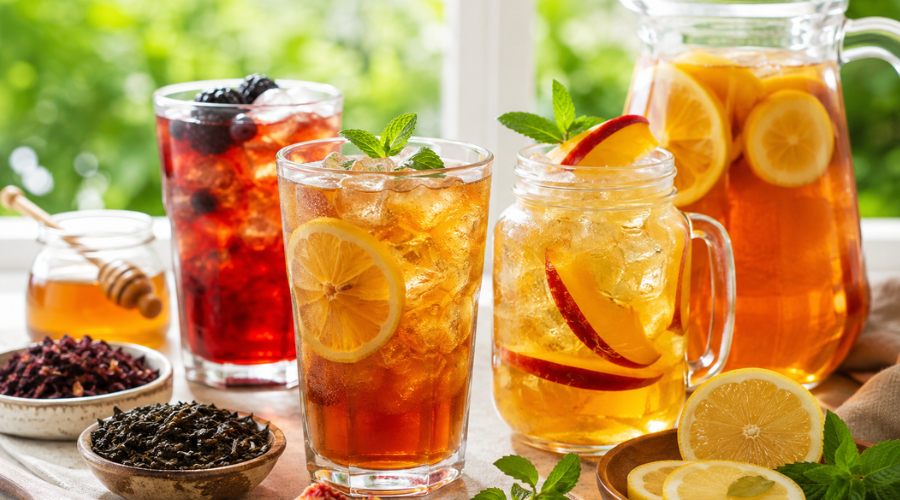
Iced tea is simply brewed tea chilled and poured over ice. This guide walks you through straightforward hot- and cold-brew techniques, a few crowd-pleasing recipes, and practical tips for sweetening naturally with raw or flavored honey. You’ll find clear brewing steps for classic hot steeping and slow cold-brew, recipe templates for honey-sweetened and fruit-infused versions, and sensible advice for cutting sugar while keeping flavor. Common home-brew issues — bitterness, fast dilution, or flat taste — are explained with step-by-step fixes so your pitcher comes out balanced every time. The page compares methods, offers recipe cards with exact measures, suggests healthy flavorings and presentation ideas, and covers safe storage, so you can brew confidently for daily sipping or when guests arrive. Keywords like iced tea recipe, cold brew tea, sweetened iced tea with honey, and fruit-infused iced tea are included naturally to help you find the technique and flavor you want.
What Are the Best Methods for Brewing Iced Tea?
There are three common approaches: hot-brew (steep in hot water then cool), cold-brew (long, cold infusion), and sun tea (gentle warmth from the sun). Each pulls flavor differently — hot-brew extracts tannins and aromatics quickly, cold-brew yields a smoother, lower-bitterness cup, and sun tea creates a mild, mellow brew with minimal fuss.
Choose a method based on how bold you want the tea, how much time you have, and the tea type. Black teas make sturdy hot-brewed bases, green teas respond well to careful hot or cold techniques, and many herbal blends benefit from cold-brewing to preserve delicate floral notes.
Below are quick comparisons to help you decide, followed by a simple table summarizing temperatures, steep times, ideal leaves, and pros/cons for iced applications.
| Method | Key Variable | Typical Range / Note |
|---|---|---|
| Hot-brew | Water temp | 200–212°F (93–100°C) for black; 160–185°F (71–85°C) for green |
| Cold-brew | Steep time | 6–12 hours in fridge; up to 16 for strong black |
| Sun tea | Exposure | 3–5 hours in indirect sun; milder extraction |
In short: hot-brew is quick and bold, cold-brew is smooth with less astringency, and sun tea is a gentle, hands-off choice. Knowing these trade-offs makes picking a method predictable and reliable.
How to Brew Classic Iced Tea Using Hot Water
Classic hot-brew iced tea begins with a dependable tea-to-water ratio, a timed steep, and rapid cooling to keep flavors bright. Use about 1 tablespoon loose black tea (or 2 standard tea bags) per 8 ounces (1 cup) of water — roughly 4 tablespoons per quart as a baseline. For black tea, steep at boiling for 3–5 minutes, then remove the leaves to prevent bitterness. Cool the brew quickly in an ice bath or over a chilled metal bowl; if you’ve made a concentrate, dilute with cold water to taste before pouring over fresh ice. Common mistakes include over-steeping, using water that’s too hot for delicate greens, and adding sweetener directly to cold tea — dissolve sugar or honey first in a warm syrup for even sweetness. Follow these steps to avoid tannic harshness and serve a balanced, refreshing pitcher.
What Is the Cold Brew Technique for Iced Tea?
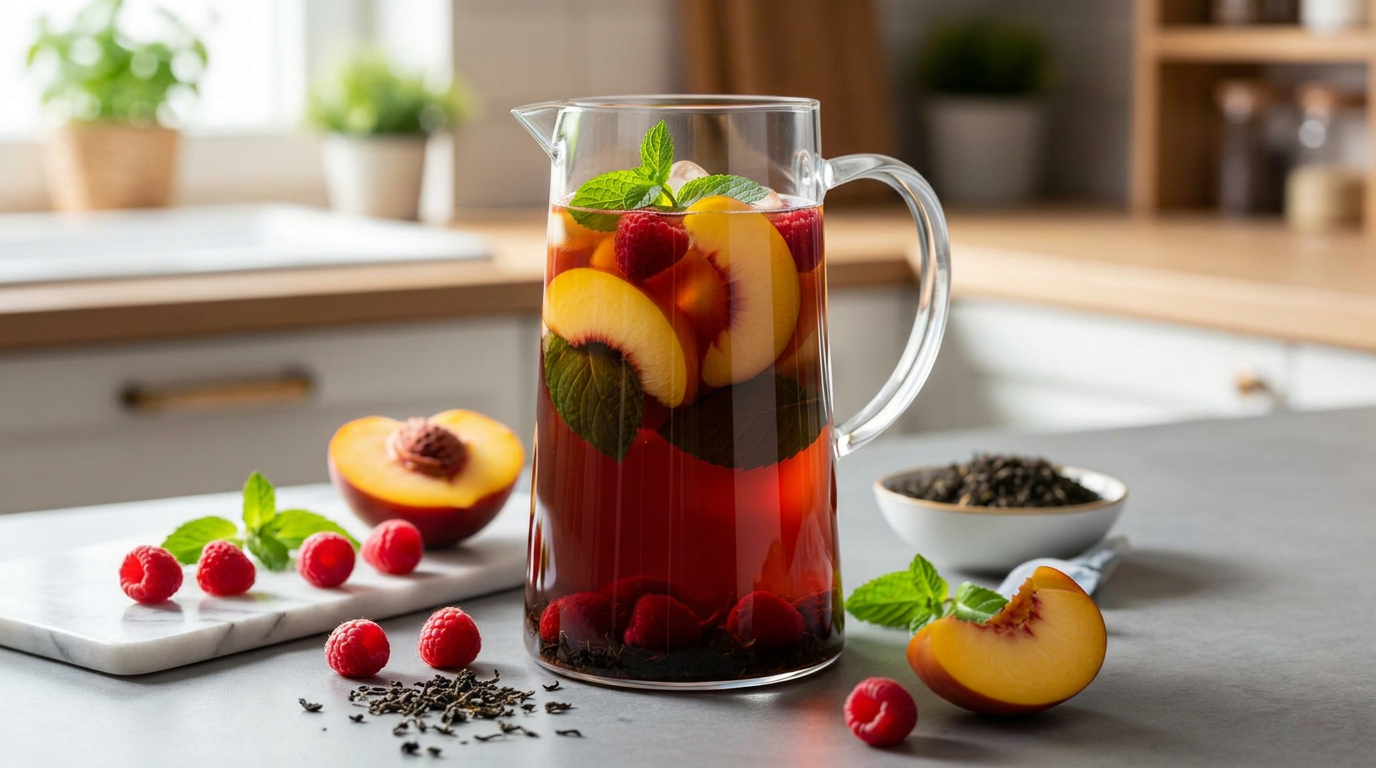
Cold-brew iced tea relies on time rather than heat to extract flavor, giving a smooth, low-bitterness result — ideal for delicate teas and floral herbal blends. Use a slightly higher leaf ratio than hot-brew: about 1.25 tablespoons loose tea per cup (≈5 tablespoons per quart) for black or green leaves, and steep in cold, filtered water for 8–12 hours in the fridge. Herbal blends may finish in 6–10 hours depending on strength. A simple pitcher and strainer or a dedicated cold-brew jar work fine. Slow extraction highlights natural sweetness and aromatics while keeping astringency low — perfect for making batches ahead or pairing with fresh fruit and light sweetening.
Which Homemade Iced Tea Recipes Are Easy and Delicious?
Homemade iced tea is fast and crowd-pleasing when you lean on a few reliable templates: classic sweet tea, honey-sweetened tea, and fruit-infused blends. Each recipe below lists ingredients, exact measures, prep time, and clear steps so you can scale up for a party. After the recipes you’ll find substitution notes showing how to swap granulated sugar for raw or infused honey using approximate tablespoon ratios. These recipes are flexible — switch tea types, tweak steep times, and match honey flavors with fruit for balanced results.
Simple recipe cards and substitution tips make home brewing approachable:
| Recipe | Recommended Tea Type | Honey substitution (tbsp per cup) |
|---|---|---|
| Classic Sweet Tea | Black tea (Assam or Ceylon) | 1 tbsp honey per cup (dissolve in warm syrup) |
| Honey Iced Tea (light) | Black or green tea | 0.75–1 tbsp honey per cup |
| Peach-Raspberry Infusion | Black tea base | 1 tbsp mild floral honey per cup |
How to Make Sweetened Iced Tea with Honey
To sweeten iced tea with honey, make a warm honey syrup first so it blends smoothly and preserves aroma. For one quart of hot-brewed black tea, heat 1/2 cup water with 1/3 to 1/2 cup raw or infused honey until dissolved, then cool slightly before stirring into the brewed tea. Start with about 1 tablespoon honey per cup as a baseline and adjust to taste. Because honey doesn’t mix well into cold liquids, add the syrup after refrigeration for cold-brewed tea. Raw honey brings earthy, floral notes and a fuller mouthfeel; infused honeys (citrus, lavender) pair nicely with fruit and herbal blends. Chill thoroughly and serve over generous fresh ice for a bright, balanced glass.
If you source or sell ingredients, consider offering quality raw and infused honeys that pair with tea flavors. Single-origin or lightly infused honeys add pairing depth and support mindful sourcing practices many home cooks appreciate.
What Are Popular Fruit-Infused Iced Tea Combinations?
Fruit-infused iced teas are colorful, flavorful, and ideal for seasonal produce. Try peach with black tea for a Southern-style favorite, raspberry with green tea for lively tartness, lemon-mint with green or white tea for a citrus-herb refresher, or mixed berries with rooibos for a caffeine-free, ruby-hued option. Prep methods include macerating fruit with a touch of honey syrup, simmering fruit briefly to make a light syrup, or adding sliced fruit directly to cold-brewed tea and letting it steep in the fridge for several hours. For honey pairings, use mild honey with citrus, floral honey with berries, and citrus-infused honey with stone fruits to lift natural sweetness without overpowering the tea.
Popular pairings to try:
- Peach + Black Tea
- Raspberry + Green Tea
- Lemon & Mint + White or Green Tea
- Mixed Berries + Rooibos
These combos highlight how the tea base and fruit choice interact and make it easy to swap ingredients for what’s in season or to suit your preferred sweetness.
How Can You Create Healthy Iced Tea Options?

Healthy iced tea focuses on cutting added sugar, choosing unsweetened or herbal bases, and boosting flavor with fresh ingredients so calories stay low while taste stays high. Unsweetened black, green, or white teas hydrate with antioxidants and almost no calories. Herbal blends like hibiscus, chamomile, or rooibos are caffeine-free and full of flavor. Practical swaps include citrus, fresh herbs, or modest amounts of honey instead of refined sugar, and using concentrated infusions with measured dilution to control sweetness and strength. Below are a few actionable ways to reduce sugar and increase nutrition, followed by a quick look at benefits from unsweetened and herbal iced teas.
Create healthier iced tea by trying these steps:
- Start with unsweetened tea and lift flavor with citrus, herbs, or cold spice infusions.
- Replace some or all refined sugar with measured raw or infused honey — begin around 1 tbsp per cup and adjust.
- Choose herbal or rooibos blends to skip caffeine while enjoying antioxidants and gentle functional benefits.
These swaps lower calories without sacrificing flavor and lead into the next section on the specific benefits of unsweetened and herbal teas.
What Are the Benefits of Unsweetened and Herbal Iced Teas?
Unsweetened and herbal iced teas offer hydration with low or zero calories and can provide antioxidants or calming effects depending on the blend. Green and white teas supply polyphenols that support heart health and cellular antioxidant defenses, while herbal choices like hibiscus may support healthy blood pressure and chamomile can encourage relaxation without caffeine. For those sensitive to caffeine, herbal and rooibos blends are flavorful alternatives with mild functional perks. Swapping sugary drinks for unsweetened iced tea is an easy way to cut added sugar from your day. Choose green or white for antioxidant support and herbal blends for caffeine-free, goal-focused hydration.
These health-forward options naturally lead into flavoring tips that avoid excess sugar while keeping drinks lively and satisfying.
How to Use Natural Ingredients for Flavor Without Added Sugar
Natural ingredients — citrus, fresh herbs, spices, and small amounts of honey — add bright flavor without relying on refined sugar. Use lemon, lime, or orange wedges or thin peels for acidity that balances bitterness; gently muddle mint or basil to release oils; briefly steep whole spices like cinnamon or cardamom for warm depth; and add measured honey syrup sparingly — start around 1 tablespoon per cup. Techniques include making honey simple syrup for even sweetness, muddling fruit and herbs in the pitcher for instant aroma, or pouring cold-brew over a touch of concentrated fruit syrup for layered flavor. Taste and adjust in small steps until acidity, sweetness, and tannins feel balanced.
Beyond flavor, choosing sustainably sourced raw or infused honey brings natural sweetness and supports pollinator-friendly and traceable ingredient values many cooks care about.
What Tips Enhance the Flavor and Presentation of Iced Tea?
Great iced tea is about more than taste — presentation, chilling method, and thoughtful garnishes boost enjoyment. To preserve flavor, cool hot-brew quickly in an ice bath, chill concentrates then dilute, or brew extra-strong and add measured ice to control dilution. Glassware, fresh garnishes, and serving temperature change perception: tall chilled glasses with citrus wheels, herb sprigs, or a light honey drizzle read as fresh and cared-for. Below are practical serving tips and garnish pairings to help you present iced tea that looks as good as it tastes.
Chilling and serving essentials:
- Cool hot-brewed tea quickly in an ice bath to lock in bright aromatics.
- Serve over large ice cubes to slow dilution.
- Use glass pitchers and strainers to keep clarity and aroma intact.
These presentation choices tie directly into garnish and add-in options that suit particular tea and fruit pairings.
How to Properly Chill and Serve Iced Tea for Maximum Refreshment
To chill and serve without watering tea down, pre-chill glasses, use large-format ice (it melts more slowly), or make a concentrate and dilute just before serving. For gatherings, refrigerate the brew fully and keep chilled water on hand for last-minute dilution so each glass stays balanced. Aim for 35–45°F (2–7°C) in the glass for immediate refreshment while preserving aromatics, and avoid storing tea near strong-smelling foods. Quick hacks — freeze reusable ice cubes from the same tea or nest a sealed pitcher in an ice bowl — help maintain flavor intensity for groups. These tricks keep every glass cold, flavorful, and inviting.
What Garnishes and Add-Ins Elevate Your Iced Tea Experience?
Garnishes add aroma, texture, and visual polish that make iced tea feel special. Classic finishes include lemon wheels, fresh mint sprigs, and thinly sliced fruit; for floral teas, edible flowers or a light drizzle of infused honey add a refined touch. Think pairing: mint and lemon brighten green tea, lavender or lemon-honey suits light oolong or white tea, and citrus-infused honey pairs beautifully with peach or stone-fruit blends. Non-caloric add-ins like citrus peels or whole spice sticks build complexity without extra sugar, while a small spoonful of honey syrup can be used sparingly to round flavors. Thoughtful garnishes link appearance to taste and make iced tea feel handcrafted.
These garnish ideas lead directly into storage tips that keep tea and fresh add-ins tasting their best until service.
How Do You Store and Preserve Fresh Iced Tea?
Good storage protects flavor and safety: refrigerate iced tea in sealed containers at or below 40°F (4°C), label with the brew date, and consume within the recommended window to avoid quality loss or microbial risk. Use glass pitchers or sealed jars when possible to avoid flavor transfer from plastic, keep tea covered to prevent odors, and place pitchers away from strong-smelling foods. The table below outlines best practices for refrigeration, container choices, and safe shelf-life expectations for homemade iced tea.
| Item | Attribute | Best Practice |
|---|---|---|
| Homemade iced tea | Refrigerator temp | Store ≤ 40°F (4°C) in sealed glass or BPA-free container |
| Shelf life | Maximum safe duration | 3–5 days for unsweetened; shorter if long infusion or added fruit |
| Sweetened tea (honey or sugar) | Quality factor | Honey-sweetened tea may still degrade; consume within 3 days |
What Is the Best Way to Refrigerate Iced Tea to Maintain Freshness?
Store iced tea in airtight glass jars or stainless steel pitchers to prevent odors and oxidation, and keep containers toward the back of the fridge rather than the door for steadier temperatures. Mark pitchers with the brew date so you can track freshness, and avoid placing tea next to strong-smelling items. If you won’t drink it within 24–48 hours, strain out fruit solids before storing — fruit speeds flavor change. These steps help preserve both aroma and taste until serving.
How Long Can Homemade Iced Tea Be Safely Stored?
Refrigerated homemade iced tea is best within 3–5 days at ≤40°F (4°C). Unsweetened teas tend to last toward the longer end, while fruit- or sweetened batches age faster. Watch for spoilage signs: off-odors, cloudiness, fermentation-like bubbles, or a sour taste — discard if any appear. Honey won’t make tea shelf-stable; once mixed into water its antimicrobial edge is reduced, so treat honey-sweetened batches like other sweetened drinks and consume within about 3 days when fruit or fresh herbs are present. To stretch usability without losing flavor, make smaller batches or freeze portions in ice cube trays to use later for dilution.
These timelines and spoilage cues help you plan batch-making so every glass stays fresh and safe.
Frequently Asked Questions
What types of tea are best for iced tea?
Tea choice shapes the outcome. Black teas like Assam or Ceylon give a sturdy base that cools well. Green teas are lighter and very refreshing. Herbal options — hibiscus, chamomile, rooibos — are excellent caffeine-free choices with distinctive flavors. Try a few to find your favorites.
Can I use flavored teas for iced tea?
Yes — flavored teas add an easy twist. Fruit-, spice-, or herb-infused blends can boost aroma and taste. A peach-flavored black tea makes a lovely summer pitcher; mint-flavored green tea is cooling and bright. Just check labels — some flavored teas include added sweeteners if you’re watching sugar.
How can I make my iced tea less bitter?
Bitterness usually comes from over-steeping or water that’s too hot. For black tea, brew 3–5 minutes at boiling; for green, use lower temps (160–185°F) and 2–3 minutes. Cold-brewing is another easy fix — it naturally yields a smoother, less bitter cup.
What are some creative ways to sweeten iced tea naturally?
Raw honey is a popular natural sweetener — dissolve it first in warm water. Agave, maple syrup, or fruit purées also work. Fresh fruit like berries or citrus can add sweetness and depth without refined sugar.
How can I make iced tea ahead of time for gatherings?
Brew a large batch using your preferred method, cool it quickly in an ice bath, then refrigerate in an airtight container. Make flavored syrups or infusions ahead and add them just before serving so the tea tastes fresh for guests.
What are the best storage practices for homemade iced tea?
Keep iced tea in airtight glass or BPA-free pitchers at or below 40°F (4°C), and label with the date. Store away from strong-smelling foods and consume within 3–5 days, sooner if it contains fruit or sweeteners.
Can I freeze iced tea for later use?
Yes. Freeze brewed tea in ice cube trays to chill future servings without diluting flavor. You can also freeze larger portions in airtight containers — leave space for expansion. Frozen tea cubes are a handy way to enjoy your favorite brew weeks later.
Conclusion
Making iced tea at home is an easy way to enjoy refreshing, flavorful drinks that match your taste and cut back on added sugars. Learn the basic brewing methods, try a few recipes, and experiment with natural ingredients to find your perfect pitcher. Use these tips to brew confidently — then settle in with a cool glass and enjoy.
Author - Jim Douglas - Founder Huckle Bee Farms
For Jim Douglas, beekeeping is more than a job — it’s a way to connect good stewardship with honest, unfiltered honey. After a career in the U.S. Army and leadership roles with the Boy Scouts of America, Jim launched Huckle Bee Farms in 2012 to bring honey back to its simple, raw roots.
Jim’s small-batch approach focuses on transparency and careful infusion of organic ingredients without compromising honey’s natural character. He runs Huckle Bee Farms with the same integrity and commitment that guided his earlier work, aiming to make life a little sweeter—naturally.
Key Takeaways for Brewing Iced Tea at Home
These essentials sum up the best practices and techniques for making delicious iced tea, so you can hit the right balance of flavor and refreshment every time.
- Choose Your Brewing Method Wisely – Pick hot-brew, cold-brew, or sun tea based on your time and desired flavor profile; each method brings different strengths.
- Use Quality Tea Leaves – Opt for good loose leaf or tea bags to improve flavor; black teas are hearty, while green and herbal options offer lighter, refreshing choices.
- Control Steeping Time and Temperature – Steep black tea at boiling for 3–5 minutes; green tea needs lower temps (160–185°F) and 2–3 minutes to avoid bitterness.
- Sweeten Naturally with Honey – Make a warm honey syrup to blend smoothly into your iced tea, starting around 1 tablespoon per cup for balanced sweetness.
- Experiment with Fruit Infusions – Boost iced tea with seasonal fruits like peaches or raspberries; try macerating or steeping fruit to pull out vibrant flavors.
- Focus on Healthy Ingredients – Use unsweetened teas and natural flavor boosters like herbs and citrus to keep calories low while maximizing taste.
- Present with Style – Serve iced tea in chilled glassware with garnishes like mint sprigs or lemon wheels to elevate both look and flavor.
- Store Properly for Freshness – Refrigerate iced tea in sealed containers at or below 40°F (4°C) and consume within 3–5 days to maintain quality and safety.


