


Honey Jar vs Squeeze Bottle: Honey Packaging Guide (Pros, Cons, and Best Uses)
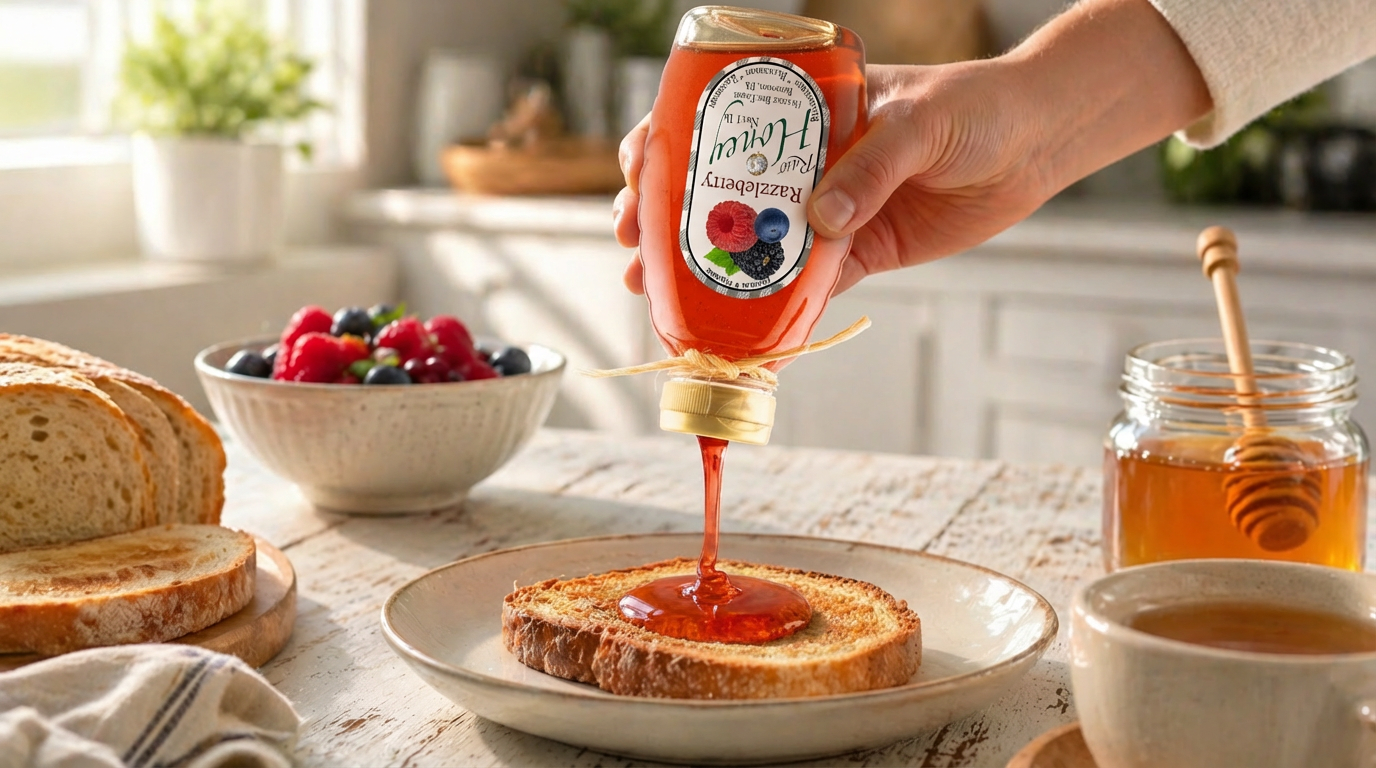
A good honey can taste wonderful in almost any container, but the way it is packaged, such as in BPA-free honey bottles, changes the whole experience of using it. The spoon in the honey jar vs squeeze bottle, the quick squeeze over toast, the single honey stick tucked into a tea bag caddy, each one fits a different kind of day.
That is why the question is not really which package is “best” in every case, but how to choose the right one with the help of a honey packaging guide. It is which one fits your kitchen, your routine, and the way you like to enjoy honey.
Why packaging matters more than people think
Honey is naturally shelf-stable, but packaging still shapes freshness, ease of use, storage, gifting, and shipping. A glass jar may feel classic and beautiful on the counter. A squeeze bottle may save your breakfast table from sticky rings. A honey stick may be the only format that makes sense in a purse, lunchbox, or travel mug setup.
It also affects how honey is perceived. If you are giving a host gift, serving brunch, stocking a pantry with veteran owned honey, or setting out wedding favors, the container becomes part of the experience. Honey lovers often care about flavor first, yet the package changes how often that honey gets reached for.
One more thing: crystallization is natural, and it can happen in jars, bottles, or sticks, which leads to discussions about preventing honey crystallization and decrystallizing honey in plastic vs glass containers.
Huckle Bee Farms Packaging
Huckle Bee Farms packaging combines practicality and aesthetics in their honey containers, ensuring that each customer finds the right match for their needs. Whether it's an elegantly labeled glass favors or a convenient squeeze bottle, Huckle Bee Farms caters to both traditionalists and those who prioritize convenience. For gifting or personal use, their sustainable honey packaging enhances the honey experience, preserving honey enzymes and maintaining the quality that customers expect from this veteran-owned business.
The case for jars
Jars are the traditional choice, and for good reason. They look timeless, show off honey’s color beautifully, and feel right at home in a pantry, on a gift table, or as a perfect option for gifting honey jars, especially when filled with pa wildflower honey jar. Glass jars, especially eco-friendly honey jars, have a clean and polished feel that many people connect with raw, carefully packed honey, and the glass honey jar benefits such as natural preservation and flavor protection enhance this experience.
They are also strong performers for storing raw honey. Glass does an excellent job blocking outside moisture and odors, which helps preserve flavor over long stretches of time, making it an ideal option for those wondering how to store honey long term, as detailed in any comprehensive raw honey storage guide. Plastic jars can work well too, especially when weight, durability, and breakage matter, though they do not have quite the same long-term barrier performance as glass.
The tradeoff is everyday mess, and understanding the differences between glass vs plastic honey packaging can help mitigate potential issues. Wide-mouth jars usually need a spoon, honey dipper, or spatula, unless you opt for a chemical-free honey storage solution that minimizes residue and stickiness. That is fine when measuring for baking, stirring into marinades, or adding a generous spoonful to tea. It is less charming when the lid gets sticky, the rim glues itself shut, or someone leaves a spoon in the jar.
After all that, jars still earn their place because they do some jobs better than anything else, especially when considering glass vs plastic for food safety.
- Best for: gifting, pantry storage, baking, serving boards
- Strong point: attractive presentation and excellent flavor protection
- Less ideal: quick one-handed use at the breakfast table
- Worth remembering: glass is reusable and widely recyclable, but heavy and breakable
For event favors and holiday bundles, jars often feel especially fitting. They label well, stack neatly, and give honey a handmade, special-occasion look.
Why squeeze bottles win busy mornings
If jars are the classic option, the artisan non-drip honey squeeze bottle, particularly an easy pour honey bottle or a mess-free honey dispenser, is the practical favorite and often regarded as the best honey bottle for coffee, especially when using recyclable honey containers, considering the honey squeeze bottle pros and cons. They are built for real life: toast in one hand, tea in the other, waffles on the table, kids asking for “just a little more.” A good squeeze bottle lets honey come out where you want it, in the amount you want, without needing a utensil.
That ease matters. Flip-top and nozzle styles help reduce drips, sticky rims, and the cross-contact that happens when spoon after spoon goes back into a container. It is one of the biggest reasons many households prefer bottles for daily use, as the best way to dispense honey, even if they keep a jar tucked away for recipes or bulk storage.
Squeeze bottles, often considered a practical plastic condiment container, also tend to travel better than jars. They are lighter, harder to break, and easier to ship. For small-batch honey brands that send orders across the country, packaging small batch honey jars can be a real benefit. For customers, it usually means a bottle feels less risky in a picnic basket, lunch tote, or crowded pantry shelf.
There are limits, of course. Plastic does not have the same long-term feel or appearance as glass, and many shoppers still see jars as more gift-worthy, which fuels the debate of glass vs plastic honey packaging. Bottles are about function first.
That function can be hard to beat.
- Quick drizzles
- One-handed use
- Kid-friendly
- Less sticky cleanup
- Safer for travel and shipping
For hot honey, infused honey, and everyday table honey, BPA-free honey bottles often make the most sense because they encourage frequent use instead of careful, occasional use.
Where honey sticks fit in
Honey sticks are not usually the first format people think of, but they fill a very specific need. They are portable, pre-portioned, and almost entirely mess-free until the moment you open one, thanks to their plastic coating. If the honey is meant for tea at work, a snack after the gym, a travel bag, a sample set, or a party favor, sticks make a lot of sense.
They also protect each portion until it is used. Since every stick is sealed on its own, there is no repeated opening and closing. That keeps each serving clean and handy.
The downside is easy to spot, too. Honey sticks are single-use, and they usually create more packaging waste per ounce. They are convenient, but not always the most practical choice for a home kitchen that uses honey every day.
A side-by-side look
Sometimes the fastest way to choose is to compare the formats directly.
| Packaging | Main strengths | Main drawbacks | Best use |
|---|---|---|---|
| Jar | Great for storage, beautiful presentation, easy to scoop for recipes | Needs utensils, can get sticky, glass can break | Gifts, baking, charcuterie boards, pantry stock |
| Squeeze bottle | Clean dispensing, easy control, portable, family-friendly | Less polished look, usually plastic | Daily drizzling, breakfast table, lunch prep |
| Honey sticks | Portable, portioned, clean, convenient for sampling | Single-use, more packaging waste, not ideal for bulk use | Travel, tea stations, events, tasting packs |
Which one should you buy?
The answer depends less on the honey itself and more on how you plan to use it, especially when considering options like small batch honey jars for that artisanal touch. Someone who bakes often may prefer a jar because it is easier to scoop and measure. Someone who sweetens oatmeal every morning may find a squeeze bottle to be the best honey container for daily use. Someone who wants a little honey in a desk drawer or gym bag will probably be happiest with sticks.
A lot of honey lovers end up using more than one format, especially when debating between options like a honey jar vs squeeze bottle. That is not overdoing it. It is simply practical.
- For the kitchen counter: plastic squeeze bottle
- For recipes and refills: jar
- For gift baskets: jar
- For office tea drawers: honey sticks
- For road trips: sticks or a small bottle
- For wedding or shower favors: mini jars or single-serve packs
There is also a cost angle. Jars, especially glass ones, often cost more to ship and protect. Squeeze bottles usually keep shipping lighter and breakage lower. Honey sticks can cost more per ounce because they are individually packed. If value matters most, a larger bottle or jar is often the better buy.
If appearance matters most, jars usually come out ahead.
What about freshness and honey quality?
Honey holds well in all three formats when properly sealed and stored away from excessive heat and moisture. Still, there are differences.
Glass jars offer the strongest barrier, which is one reason they remain a favorite for long-term storage and specialty honey. Squeeze bottles still do a good job, especially for honey that will be opened and used regularly. Honey sticks keep each portion protected until use, which is very handy for single servings.
Packaging does not change whether the honey is raw, infused honey, smoked, or whipped. It changes how you interact with it. That sounds simple, but it can shape whether a bottle gets used up in weeks or forgotten in the back of the cabinet.
The look and feel factor
People absolutely judge honey by the package, even if they do not say it out loud. A glass jar suggests craft, care, and table-ready charm. A squeeze bottle suggests convenience, speed, and everyday use. A honey stick suggests portability and novelty.
For small-batch brands, that matters. Raw wildflower honey or a seasonal infusion may feel more special in a jar or a curated gift box. A hot honey or cinnamon honey meant for pizza night, biscuits, or weekday tea may feel more natural in a bottle that is easy to grab and drizzle.
This is also why many honey shops carry both. Different packaging speaks to different moments.
A simple pantry plan
If only one format is going into the house, most families will get the most mileage from a squeeze bottle. It is easy, clean, and friendly for everyday use.
If there is room for two, a very smart setup is a larger jar for storage and measuring, plus a smaller squeeze bottle for the table. That gives you the best of both worlds: the charm and staying power of a jar, with the easy reach of a bottle.
And if tea, travel, or event favors are part of the picture, honey sticks earn their place too. They may not replace the jar or the bottle, but they are excellent at the one job they were made to do.
Frequently Asked Questions
What are the environmental impacts of different honey packaging options?
When considering honey packaging, it's important to evaluate the environmental impact of each option. Glass jars are reusable and recyclable, making them a more sustainable choice in the long run. However, they are heavier and can lead to higher shipping emissions. Squeeze bottles, often made of plastic, are lightweight and less prone to breakage, but they contribute to plastic waste. Honey sticks, while convenient, generate significant single-use plastic waste. Choosing eco-friendly packaging, like BPA-free options, can help mitigate these impacts.
How can I prevent honey from crystallizing in different containers?
Crystallization is a natural process for honey, but it can be managed based on the container used. In glass jars, storing honey in a cool, dark place helps maintain its liquid state. For squeeze bottles, ensure they are tightly sealed to prevent moisture ingress, which can accelerate crystallization. If honey does crystallize, gently warming the container in warm water can help restore its liquid form. Avoid using high heat, as it can damage honey's beneficial properties.
Are there specific types of honey that work better with certain packaging?
Yes, the type of honey can influence the best packaging choice. For example, thicker varieties like whipped honey may be better suited for jars, as they can be scooped easily. In contrast, liquid honeys, especially infused or flavored ones, are often more convenient in squeeze bottles for easy dispensing. Honey sticks are ideal for single-serving flavored honeys, making them perfect for travel or sampling. Ultimately, the choice should align with how you plan to use the honey.
What are the best practices for storing honey in jars or bottles?
To maximize the shelf life and quality of honey, proper storage is essential. For glass jars, keep them tightly sealed and store them in a cool, dark place away from direct sunlight and heat sources. Squeeze bottles should also be kept sealed and stored upright to prevent leaks. Avoid storing honey in areas with high humidity, as moisture can lead to fermentation. Regularly check for any signs of crystallization or spoilage, and use clean utensils to prevent contamination.
Can I use honey sticks for baking or cooking?
While honey sticks are convenient for on-the-go sweetness, they are not ideal for baking or cooking due to their single-use nature and limited quantity. Each stick typically contains a small amount of honey, making it impractical for recipes that require larger quantities. For baking, using a jar or squeeze bottle allows for easier measurement and mixing. However, honey sticks can be a fun addition to recipes that call for a drizzle of honey as a finishing touch.
How do I choose the right honey packaging for gifting?
When selecting honey packaging for gifts, consider the occasion and the recipient's preferences. Glass jars often convey a sense of elegance and are perfect for special occasions like weddings or holidays. They can be beautifully labeled and presented. Squeeze bottles, while practical, may not have the same aesthetic appeal for gifting. Honey sticks can be a fun and unique option for party favors or small gifts. Ultimately, the choice should reflect the recipient's taste and the context of the gift.
Conclusion
Choosing the right honey packaging can significantly enhance your experience, whether you prefer the elegance of a glass jar, the convenience of a squeeze bottle, or the portability of honey sticks. Each option offers unique benefits that cater to different needs, ensuring that your honey remains fresh and accessible. By understanding these differences, you can make an informed decision that aligns with your lifestyle and preferences. Explore our diverse range of honey packaging solutions today to find the perfect fit for your honey enjoyment.
Author - Jim Douglas - Founder Huckle Bee Farms
For Jim Douglas, beekeeping is a calling—one that ties environmental stewardship to pure, honest honey. After a career in the U.S. Army and leadership roles with the Boy Scouts of America, Jim founded Huckle Bee Farms in 2012 to return honey to its raw, unadulterated roots.
Jim’s small-batch philosophy emphasizes transparency and careful infusion of organic ingredients without compromising honey’s natural properties. He leads Huckle Bee Farms with the same integrity and commitment that guided his earlier work, aiming to make life a little sweeter—naturally.
Key Takeaways on Honey Packaging Options
This list summarizes the essential points regarding different honey packaging formats, highlighting their strengths, weaknesses, and best uses to help you make informed choices for your honey needs.
- Glass Jars – Ideal for gifting and long-term storage, glass jars provide excellent flavor protection and an attractive presentation, making them perfect for special occasions.
- Squeeze Bottles – Best for daily use, these containers allow for quick, one-handed dispensing, making them a favorite for busy mornings and family-friendly settings.
- Honey Sticks – Perfect for portability and single servings, honey sticks are convenient for on-the-go sweetness, ideal for travel, tea stations, or party favors.
- Environmental Considerations – Glass jars are reusable and recyclable, while squeeze bottles and honey sticks contribute to plastic waste; consider eco-friendly options to minimize impact.
- Crystallization Management – Proper storage in glass jars helps prevent crystallization, while squeeze bottles should be sealed tightly to maintain honey's liquid state.
- Best Uses – Choose jars for recipes and refills, squeeze bottles for table use, and honey sticks for office or travel needs.


