
Creamed vs Crystallized Honey: What You Need to Know
Creamed vs Crystallized Honey: Differences, Uses, and Storage
Creamed honey and crystallized honey are often confused, but they’re not the same. Creamed honey is intentionally crystallized into a smooth, spreadable texture, while crystallized honey forms naturally over time as glucose crystals separate from liquid honey. Both are safe to eat and made from pure honey, but each has distinct textures, best uses, and storage needs. This guide explains the key differences between creamed and crystallized honey, how to use each, and how to store them properly.
At a glance 🍯
Creamed honey → smooth, whipped, and easy to spread
Crystallized honey → naturally firm with visible crystals
Neither is spoiled or bad — both are pure, real honey with different uses and storage needs
Table of contents

If you’ve ever reached for a jar of honey and found it cloudy, thick, or downright solid, you might wonder, “why is my honey solid?” You’re not alone. Honey changes texture all the time, and most of those changes are completely normal. The two forms people mix up most often are crystallized honey and creamed honey, leading many to ask, is creamed honey the same as crystallized honey, with the process of creaming influencing their appearance and texture. Many enthusiasts even debate creamed honey vs raw crystallized honey, wondering what is creamed honey, how creamed honey is made, and the difference between creamed honey texture vs crystallized honey. They look similar at a glance, but their behavior on toast, in tea, and in the pantry can be quite different.
At Huckle Bee Farms, we talk about this a lot because raw, unpasteurized honey is wonderfully “alive” in the sense that it keeps its natural character and can shift with temperature and time. Once you know what you’re looking at, it’s easy to choose the texture you want—whether that’s the smooth consistency of creamed honey or the more robust feel of raw crystallized honey—and learn how to store creamed honey in the way that keeps it there, as well as how to store crystallized honey to maintain its natural texture.
What’s happening when honey crystallizes?
Honey is a concentrated sugar solution, mostly fructose and glucose, plus water and small amounts of natural acids, enzymes, and plant compounds. This composition directly affects the shelf life of crystallized honey and explains why honey crystallizes. Because there’s so much sugar dissolved in so little water, honey is “supersaturated,” which sets the stage for crystals to form and also answers the common question, “why is my honey solid?” A simple process occurs: crystallization is mainly glucose falling out of solution and organizing into crystals. This happens slowly at room temperature or more rapidly when honey is kept cool for a while. Different floral sources have different sugar balances—one honey may stay runny for months while another turns solid in a few weeks.
A few things make crystals show up faster:
- Glucose content: More glucose usually means faster crystallization.
- Water content: Drier honey crystallizes more readily.
- Storage temperature: Cooler conditions encourage crystals to form.
Crystallized honey, much like the intentionally produced creamed honey, is still good honey and retains many of its benefits. It is not spoiled, nor is it a sign that anything is amiss—even if you’re asking, “can you eat crystallized honey?” or wondering how to soften crystallized honey. The honey is not spoiled, not “sugared,” and it is simply undergoing a natural process.

What Is Crystallized Honey? (Texture & Natural Crystallization)
Crystallized honey is simply raw honey that has firmed up on its own. It often turns lighter in color and becomes opaque or cloudy. The texture can range from a soft and spoonable consistency to a hard and chunky one, depending on the nectar source, the shelf life of creamed honey, and the length of time it’s been crystallizing.
The biggest giveaway is the crystal size. Natural crystallization often creates larger, uneven crystals, so it may feel a bit gritty on the tongue. Many people love that rustic texture—especially on a cheese board or when stirred into oatmeal, as the crystals melt into warm bites. If your jar looks like it has a thick layer on the bottom and a thinner layer on top, that’s also expected. Crystallization can start at the cooler bottom where tiny particles (like pollen) act as “seeds” for crystal formation.
What Is Creamed Honey? (Controlled Crystallization & Texture)
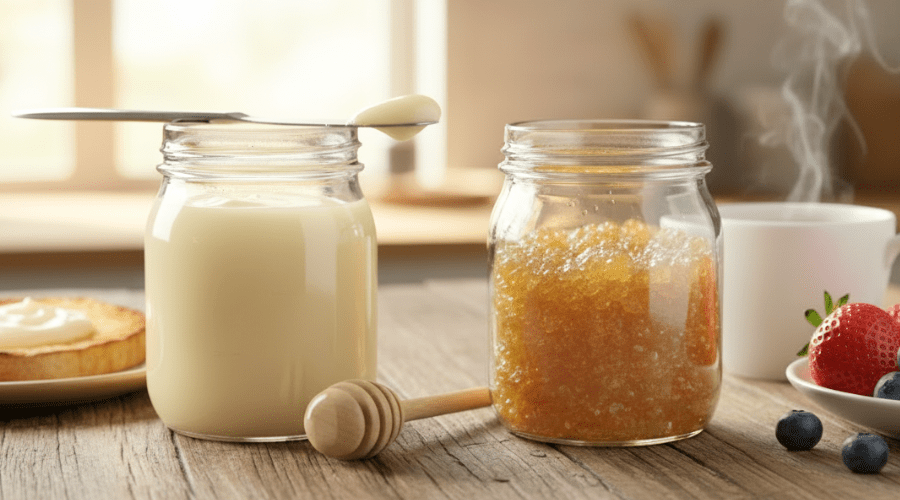
Creamed honey (sometimes called whipped or spun honey) is also crystallized honey—only it’s crystallized under controlled conditions so that the crystals remain very small and uniform. This precise process helps answer the common query: does creamed honey crystallize? The result is a smooth, spreadable honey that feels almost buttery, featuring a distinct creamed honey texture that many prefer.
It’s important to note that creamed honey does not contain dairy. The term “creamed” refers solely to its texture. Producers achieve this texture by introducing fine “seed” crystals (often made from raw crystallized honey) into liquid honey. The mixture is then held at a cool temperature while it sets, ensuring that the crystals remain tiny rather than growing large. When processed correctly, creamed honey stays consistent from the top of the jar to the bottom and spreads neatly without tearing the bread.
This texture is a great canvas for infused flavors. A cinnamon creamed honey, a lemon creamed honey, or a berry-forward creamed honey tends to taste extra plush, as the micro-crystals affect how sweetness is delivered to your palate.
Skip the Refrigerator
To maintain the perfect pour, store your honey in the pantry. Cold air is the primary cause of rapid crystallization, turning smooth honey into a solid texture. Keep it at room temperature to preserve its natural, liquid state.
Creamed vs Crystallized Honey: Key Differences & Uses
Creamed vs crystallized honey describes two natural honey textures—one intentionally controlled, the other naturally occurring.
Below is a practical breakdown that highlights what you’ll notice when using either type—including the subtle distinction in taste difference, creamed vs crystallized honey, and other characteristics.
| Feature | Creamed Honey | Naturally Crystallized Honey |
|---|---|---|
| How it happens | Controlled crystallization using “seed” crystals | Crystallizes on its own over time |
| Crystal size | Very fine, uniform | Often larger and uneven |
| Texture | Smooth, spreadable, scoopable | Grainy to chunky, sometimes hard |
| Best at | Toast, biscuits, quick snacks, flavored spreads | Cheese boards, rustic topping, melted into recipes |
| What it implies | A style choice with a refined creamed honey texture | A natural trait that often indicates raw honey quality |
| Can you liquefy it? | Yes, gently, though the texture may change | Yes, gently; it typically returns to liquid form |
Both are real honey, and the only difference is how the crystals are managed. If you’re comparing creamed honey vs raw crystallized honey, it’s really a matter of personal preference and intended use.

Best Uses for Creamed vs Crystallized Honey
When it comes to selecting honey, texture often matters more than taste. If you prefer a clean swipe across warm sourdough, creamed honey is usually the easy pick due to its spreadable, buttery feel. On the other hand, if you enjoy a bit of crunch or plan to warm your honey during cooking, naturally crystallized (or raw crystallized honey) might be your best bet.
Consider where the honey is headed:
- Spread-first foods: ideal for biscuits, toast, English muffins, and cornbread
- Stir-in foods: perfect for tea, coffee, yogurt, and oatmeal
- Melted applications: great for marinades, vinaigrettes, and baking
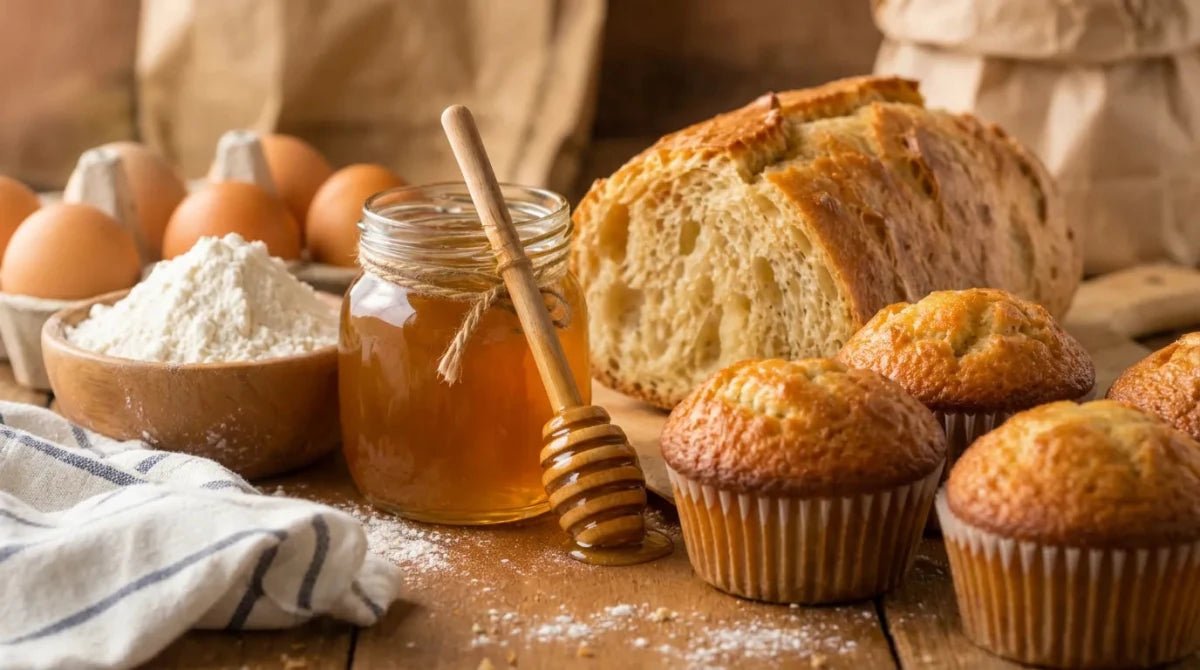
When honey is destined to be melted, either form works fine. However, for direct spreadability and to showcase its unique creamed honey texture, creamed honey is the top choice. After some trial and error, you might find that keeping one jar of creamed honey for smooth mornings and another of crystallized honey for recipes or a cheese board (emphasizing raw crystallized honey) works best.

When to Substitute One for the Other (Without Ruining Your Recipe)
The good news is that creamed vs crystallized honey both share the same basic ingredients; substituting one for the other is mostly about handling, not chemistry. If a recipe calls for liquid honey and you only have crystallized honey, you may need to soften it first—a process that gently answers concerns like “can you liquefy crystallized honey?”—so that it measures accurately and blends smoothly. Meanwhile, if you’re using creamed honey in a dressing or sauce, it will usually whisk in just fine, although it might require a bit more stirring at cooler temperatures because it’s already set.
A few practical swaps include:
- In tea: Creamed honey dissolves quickly and evenly; crystallized honey works best if the beverage is hot and stirred well.
- In baking: Either form can be used once slightly warmed; however, avoid high heat if you wish to maintain the raw character.
- On toast: Creamed honey spreads cleanly, while crystallized honey is easiest if the bread is warm.
For those who appreciate a strong flavor theme, infused honeys provide an extra boost. Whether you choose a cinnamon-forward or fruity creamed honey, these varieties can sometimes replace jam when you want natural sweetness without the extra moisture.
Myths & Misconceptions About Creamed and Crystallized Honey
Honey is a fascinating natural product, yet there’s plenty of confusion around the terms “creamed honey” and “crystallized honey.” Let’s clear up some of the most common myths:
Myth 1: Crystallized Honey Is Spoiled or Bad
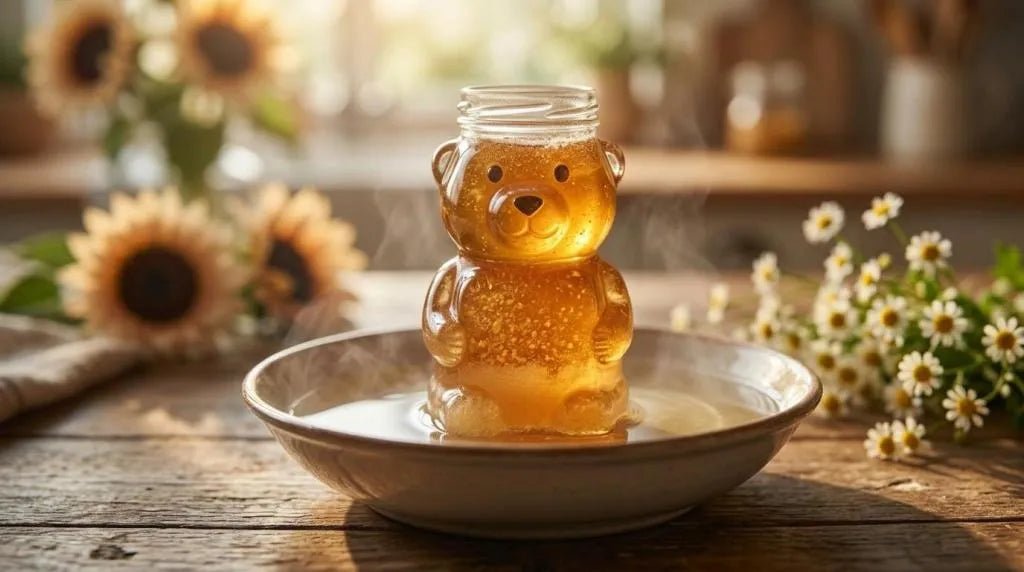
Crystallization is a natural process where the glucose in honey separates from the water and forms tiny crystals. This doesn’t mean the honey has gone bad! In fact, crystallized honey—whether you call it raw crystallized honey or simply crystallized honey—is safe and delicious. If you prefer a silky texture, you can gently warm the jar in a bowl of warm water to return it to its liquid state.
Myth 2: Creamed Honey Contains Dairy or Added Cream
Despite the name, creamed honey contains no dairy or cream. The term “creamed” refers only to the smooth, spreadable texture achieved by carefully controlling crystallization to produce fine, uniform crystals.
Myth 3: Whipped Honey and Creamed Honey Are Different Products
“Whipped honey,” “spun honey,” and “creamed honey” are different names for the same process—honey that’s been processed to control crystallization and create a creamy, spreadable consistency. There’s no added dairy or extra air; it’s all about temperature control and the occasional addition of seed honey made from raw crystallized honey.
Myth 4: Crystallized Honey Means Low Quality
Crystallization is actually a sign of pure, raw honey. While commercial honey is often heated and filtered to delay crystallization, this process can reduce some of the natural flavors and beneficial enzymes. If your honey crystallizes, it often indicates that it’s minimally processed and of high quality.
Myth 5: Creamed Honey Will Never Crystallize Further
Although creamed honey is produced under controlled conditions so that the crystals remain small, it can still become firmer over time—especially if stored in a cool environment. This is perfectly normal and does not affect the flavor or safety of the honey.

How to Store Creamed and Crystallized Honey
Honey is famous for lasting a very long time when properly sealed, but texture is sensitive to temperature swings and moisture. For most kitchens, a pantry or cupboard is the sweet spot. Refrigeration speeds up crystallization, making honey unpleasantly hard, while high heat can thin honey and gradually reduce the qualities prized in raw or unpasteurized honey.
A few storage habits go a long way:
- Best place: A cool, dark cupboard away from the stove
- Best container: Tightly sealed glass or food-safe plastic
- Big rule: Keep water out. Honey absorbs moisture from humid air, so always keep the lid on when not in use.
If you’re trying to keep creamed honey at its ideal spreadable texture, avoid warm windowsills or spots that heat up during the day. Repeated melting and re-setting can alter the final creamed honey texture.
🛡️ The Storage Shield Checklist
How to Fix Honey That’s Too Solid (Without Scorching It)
When honey crystallizes more than you’d like, gentle heat can bring it back to life. The goal is to warm it slowly so that it loosens without being cooked away. Here’s how:
- Set the jar in a bowl or pot of warm water (not boiling).
- Let it sit, stirring occasionally if the jar is open and it’s safe to do so.
- Refresh the warm water as it cools until the honey reaches the consistency you desire.
Although a microwave is an option, it can create hot spots that overheat parts of the jar while leaving other parts solid. Therefore, microwaving should be a last resort. Remember, even creamed honey can soften when warmed, though it might lose some of its signature creamed honey texture if it fully liquefies and then re-crystallizes.
🍯 How does your honey look today?
Select the current texture of your Huckle Bee jar:
A Note on Raw Honey, “Cloudiness,” and What to Look For
Cloudy honey often worries people, but this cloudiness is usually just a sign of tiny crystals forming or air bubbles being trapped during bottling. In raw honey—whether it’s raw crystallized honey or gently processed liquid honey—you might also see natural particles like pollen, which can act as crystal “seeds” and encourage thickening.
If you’re examining a jar at home, here are some indicators:
- Crystallized: Cloudy, thick, grainy, and sometimes layered
- Creamed: Opaque and smooth, with a consistent texture from top to bottom
- Needs attention: A fizzy smell or foamy bubbling (which may indicate that moisture has gotten in)
In most cases, however, what you’re seeing is simply honey being honey.
Making Peace with Crystals (or Choosing Creamy on Purpose)
Some honey lovers keep a jar that stays liquid for drizzling and another jar that’s creamy for spreading. Whether you’re debating creamed honey vs raw crystallized honey or simply enjoying the different textures, both types have their place. The choice often depends on how you plan to use your honey during the week—creamed honey for a smooth, spreadable experience and crystallized (raw crystallized honey) for baking and cooking.
That’s also why small-batch, bottled-on-demand honey can be so enjoyable: you taste the floral source clearly, and you get to decide whether you want it liquid, naturally crystallized, or intentionally creamed for that ultra-smooth finish you can’t help spooning straight from the jar.
image
This version naturally weaves in all the missing keywords while keeping the original formatting and language intact.

Frequently Asked Questions
1. How can I tell if my honey is raw or processed?
Raw honey typically contains natural particles like pollen and may appear cloudy or crystallized. In contrast, processed honey is often filtered and heated, resulting in a clear, smooth appearance. If your honey has a consistent texture and lacks visible particles, it’s likely processed. To ensure you’re getting raw honey, look for labels that specify “raw” or “unfiltered,” as these indicate minimal processing and the retention of natural enzymes and flavors.
2. Can I use crystallized honey in baking?
Yes, crystallized honey can be used in baking, but it’s best to soften it first. Gently warming the honey in a bowl of warm water will help it return to a liquid state, making it easier to measure and mix into your recipes. Just be cautious not to expose it to high heat, as this can diminish its natural qualities. Crystallized honey can add a unique texture and flavor to baked goods, enhancing their overall taste.
3. What are the health benefits of creamed honey compared to crystallized honey?
Both creamed and crystallized honey retain many of the health benefits associated with raw honey, including antioxidants, vitamins, and minerals. The primary difference lies in texture and taste rather than nutritional value. Creamed honey may be easier to spread and incorporate into recipes, while crystallized honey can provide a unique texture. Ultimately, the choice between the two depends on personal preference, as both forms offer similar health benefits.
4. How long does honey last before it goes bad?
Honey is known for its long shelf life and can last indefinitely when stored properly. Its low moisture content and acidic pH create an inhospitable environment for bacteria and mold. However, to maintain its quality, store honey in a cool, dark place in a tightly sealed container. If honey crystallizes, it’s still safe to eat; simply warm it gently to return it to a liquid state without compromising its quality.
5. Is there a difference in taste between creamed and crystallized honey?
Yes, there can be subtle differences in taste between creamed and crystallized honey, although both originate from the same source. Creamed honey tends to have a smoother, more uniform sweetness due to its fine crystals, which can enhance the flavor profile of infused varieties. Crystallized honey, on the other hand, may have a more robust, rustic flavor due to the larger, uneven crystals. Ultimately, the taste experience can vary based on the floral source of the honey.
6. Can I make my own creamed honey at home?
Yes, you can make creamed honey at home by controlling the crystallization process. Start with raw honey and introduce fine seed crystals from previously creamed honey. Mix them together and store the mixture at a cool temperature to encourage small, uniform crystals to form. This process can take several days, but the result will be a smooth, spreadable honey that you can enjoy on toast or in recipes.
7. What should I do if my honey has a fizzy smell or bubbles?
A fizzy smell or bubbling in honey may indicate that moisture has entered the jar, leading to fermentation. If you notice these signs, it’s best to discard the honey, as it may not be safe to consume. To prevent this, always store honey in a tightly sealed container and keep it in a cool, dry place. Regularly check for any changes in texture or smell to ensure your honey remains fresh and safe.


Conclusion
Understanding the differences between creamed vs crystallized honey empowers you to choose the perfect texture for your culinary needs. Both forms retain the natural benefits of honey, offering unique flavors and uses that enhance your meals and snacks. Whether you prefer the smooth spreadability of creamed honey or the rustic charm of crystallized honey, both options are delicious and versatile. Discover our selection of premium honey products today to elevate your culinary experience.

Author - Jim Douglas - Founder Huckle Bee Farms
For Jim Douglas, beekeeping is more than a craft—it’s a commitment to purity and the environment. After an honorable career in the U.S. Army and a tenure as a COO for the Boy Scouts of America, Jim sought a way to combine his leadership experience with his love for the outdoors.
In 2012, he founded Huckle Bee Farms with a simple mission: to take honey back to its raw, unadulterated roots. Jim’s expertise lies in the delicate balance of infusing raw honey with organic ingredients without compromising its natural medicinal properties. His "small-batch" philosophy ensures that every jar meets the highest standards of quality and transparency. Today, Jim continues to lead Huckle Bee Farms with the same integrity he practiced in uniform, ensuring that every drop of honey supports both the health of the consumer and the survival of the honeybee.
His mission is simple: to make life a little sweeter—naturally.
Key Takeaways on Creamed vs Crystallized Honey
This list summarizes the essential differences and considerations between creamed honey and crystallized honey, helping you make informed choices for your culinary needs.
- Texture Differences – Creamed honey is smooth and spreadable, while crystallized honey can be grainy or chunky, affecting how they are used in recipes.
- Crystallization Process – Creamed honey undergoes controlled crystallization with fine seed crystals, whereas crystallized honey forms naturally over time.
- Flavor Profile – Creamed honey offers a uniform sweetness, while crystallized honey may have a more robust, rustic flavor due to larger crystals.
- Best Uses – Creamed honey is ideal for spreading on toast and biscuits, while crystallized honey works well in baking and as a rustic topping.
- Storage Considerations – Both types should be stored in a cool, dark place to maintain their texture; avoid refrigeration to prevent unwanted crystallization.
- Substitution Flexibility – You can substitute one for the other in recipes, but softening crystallized honey may be necessary for accurate measurements.
- Health Benefits – Both forms retain the health benefits of raw honey, including antioxidants and vitamins, making them nutritious options.