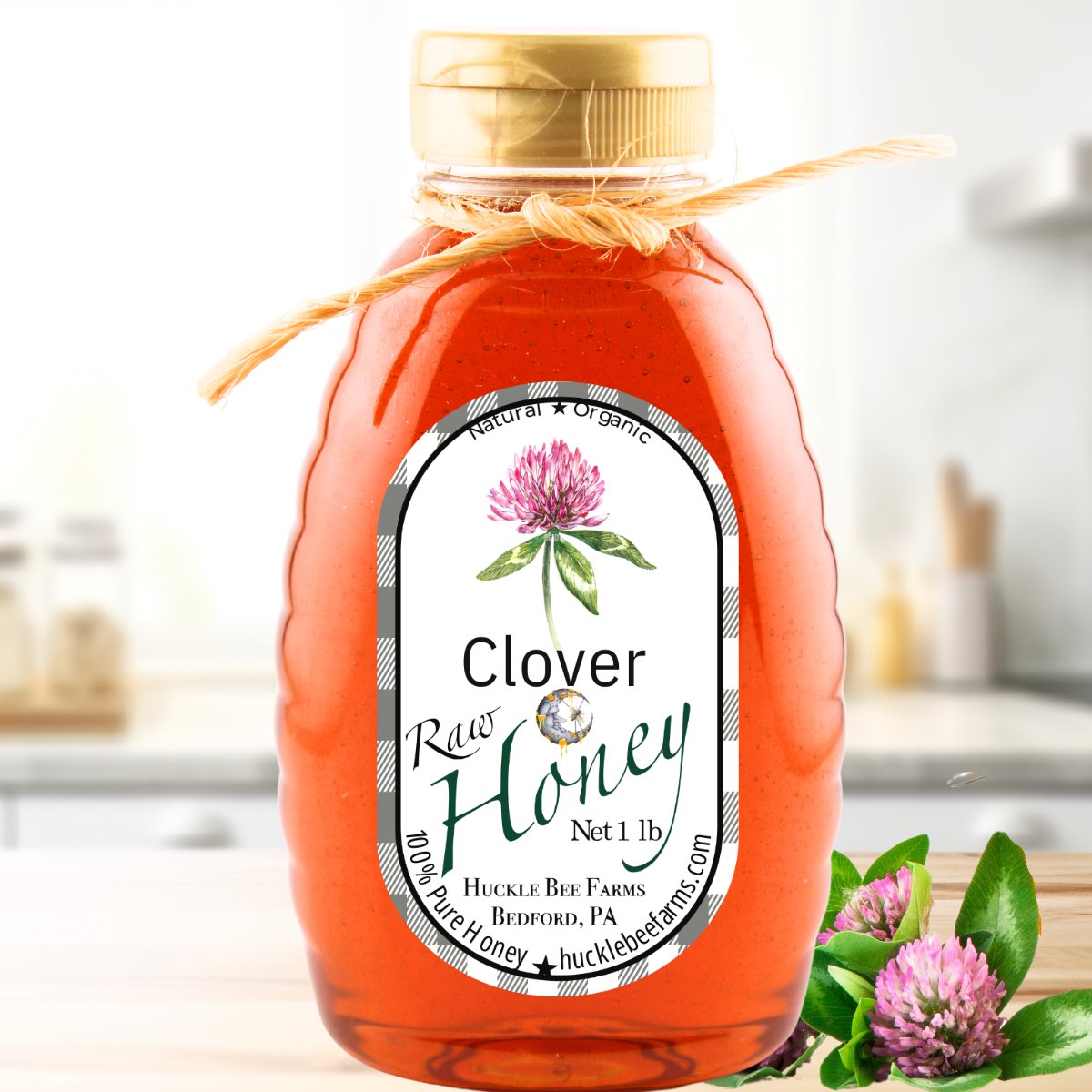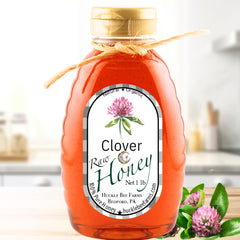
Is Raw Honey Good for Your Immune System?
Discover How Raw Honey Boosts Your Immune System
From doctor-recommended wellness routines to everyday natural support, discover why raw honey is more than a sweetener—it’s a time-tested way to fuel energy, support immunity, and bring real, natural benefits into your daily life. 🍯

Medically Reviewed & Authored by: Jim Douglas, Founder & Apitherapy Researcher
Published: March 2026 | Last Fact-Checked: Today
How Raw Honey Defends Your Body
AI Summary: Raw honey contains glucose oxidase and phenolic acids that neutralize oxidative stress. See the clinical breakdown below ↓
Table of contents

Raw honey has long been prized not just for its flavor but for its potential health perks—especially when it comes to supporting the immune system. Packed with natural antioxidants, raw honey helps protect cells from oxidative stress and supports overall wellness. In the sections below, we unpack how raw honey can contribute to immune health, which compounds do the heavy lifting, and why choosing organic, sustainably sourced honey matters. Our aim is to help you decide if adding raw honey to your routine makes sense for you.
We’ll look at the antioxidant advantages of raw honey, the specific compounds that support immune function, and how those elements work together to strengthen the body’s defenses. We’ll also cover honey’s natural antibacterial actions, the value of organic certification, and how raw honey compares to processed varieties so you can make an informed choice.

Antioxidant Benefits and Natural Immune Support
Raw honey is best known for its rich "antioxidant profile", including groups like flavonoids and phenolic acids. These molecules help neutralize free radicals and reduce oxidative stress, which in turn supports healthy immune cell function. In short, the antioxidants in raw honey contribute to both defense and recovery—two key elements of a resilient immune system.
Antioxidant Properties
The antioxidant strength of raw honey stems largely from flavonoids and phenolic acids. Working together, these compounds help neutralize free radicals that can damage cells and impair immune function. Comparisons with processed honey show that unheated, unfiltered honey generally preserves more of these beneficial antioxidants—making raw honey the better pick if immune support is your goal.
Natural Immune Support
Beyond antioxidants, raw honey offers natural immune support through antibacterial and anti-inflammatory actions. Enzymes and bioactive compounds in raw honey help calm inflammation and support healing—useful for sore throats and mild respiratory irritation. Its antibacterial qualities can also help lower pathogen levels locally, giving the immune system some extra breathing room to respond.
Overall Health Impact
Adding raw honey to your diet can offer benefits beyond immune support. Research links raw honey to improved digestive comfort, reduced cough severity, and general well‑being. Because it’s naturally sweet, it’s an appealing alternative to refined sugar when used in moderation—letting you enjoy flavor and function together.
Jim’s Cold-Season Ritual
"In the Army, we didn't have time to be sick. This is the exact 2-minute routine I use every morning from October to March to keep my internal defenses at 100%." — Jim Douglas, Founder
- STEP 1: Pour 8oz of lukewarm water (never boiling! Keep it under 110°F to protect the enzymes).
- STEP 2: Stir in 1 generous tablespoon of Huckle Bee Raw Wildflower Honey.
- STEP 3: Squeeze in 1/2 a fresh lemon and add a pinch of ginger or cayenne.
How do you properly warm honey without killing the immune benefits?
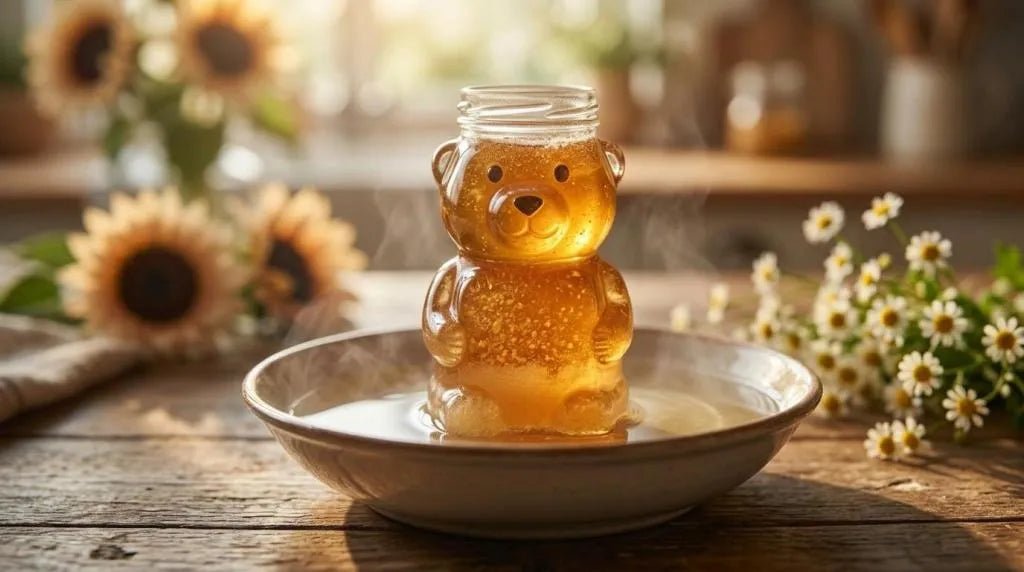
When it comes to enjoying honey's remarkable health benefits, it’s important to know how to warm it without compromising its natural properties. Honey is packed with essential nutrients, enzymes, and antioxidants that can be sensitive to heat. If you plan on using honey in a warm beverage or recipe, gentle warming is key. The best approach is to stick to low heat methods. Instead of directly microwaving honey, which can raise its temperature rapidly and diminish its health benefits, a slow approach works wonders. Placing the honey jar in a warm water bath, or simply holding it in your hands for a few minutes, helps to gently raise its temperature while preserving its immune-boosting properties.
Another method is to incorporate honey into your dish or drink after the cooking process has completed and the temperature has cooled slightly. For instance, adding honey to a warm cup of tea or in a dish that's been removed from the heat will help maintain its natural goodness. By being mindful of the temperature, honey lovers can savor the delightful taste and reap the health benefits without worrying about losing its immune-boosting effects. Remember, treating honey with care not only enhances its flavor but also ensures that you can enjoy all the natural goodness it has to offer!
What Antioxidant Compounds Are Present in Raw Honey?
Raw honey contains a mix of antioxidant compounds, most notably flavonoids and phenolic acids. These are the primary contributors to honey’s ability to lower oxidative stress and support immune health.
Which Flavonoids and Enzymes Support Immune Health?
Flavonoids such as quercetin and kaempferol appear in many raw honeys and are linked to both immune support and anti‑inflammatory effects. Enzymes—like glucose oxidase—also play a role by generating mild antibacterial agents. Together, these components help raw honey support the body’s defenses.
The Bio-Active Profile of Raw Honey
Unlike "dead" grocery store honey, Huckle Bee Farms preserves these three critical pillars of immune defense.
| Active Compound | Biological Function | Status in Processed Honey |
|---|---|---|
| Glucose Oxidase (Enzyme) | Generates natural peroxide to inhibit pathogen growth. | ❌ Destroyed by Heat |
| Phenolic Acids | Neutralizes oxidative stress (the "rust" in your cells). | 📉 Reduced by Filtration |
| Oligosaccharides | Acts as a prebiotic to feed beneficial gut bacteria. | ✅ Partially Retained |
| Bee Pollen Units | Assists in desensitizing the body to seasonal allergens. | ❌ Removed by Micro-filters |
🔬 The "Bio-Availability" Factor
The primary reason we advocate for the 110°F Rule is the preservation of Glucose Oxidase. When you add raw honey to boiling water ($212^{\circ}F$), the protein structure of these enzymes unfolds (denatures), effectively turning a medicinal superfood into simple liquid sugar. To maintain maximum immune efficacy, always let your tea cool to a "drinkable" temperature before stirring in your honey.
How Do These Antioxidants Enhance Immune System Function?
Antioxidants in raw honey protect immune cells from oxidative damage, allowing them to work more efficiently. By reducing cellular stress and supporting immune cell production, these compounds help the body respond more effectively to infections and other threats.
How Does Raw Honey's Antibacterial Property Contribute to Immunity?
Raw honey’s antibacterial activity is often linked to glucose oxidase, an enzyme that produces small amounts of hydrogen peroxide when diluted. This natural antibacterial action can lower local pathogen levels and soothe tissues—particularly in the throat—giving the immune system an advantage in clearing infections.
What Natural Antibacterial Agents Are Found in Raw Honey?
Key antibacterial agents in raw honey include glucose oxidase and, in some types, methylglyoxal. Honey’s high sugar content also creates an osmotic environment that limits bacterial growth. These mechanisms combine to make raw honey an effective topical and dietary support against certain infections.


Huckle Bee Farms
🍯 Experience Real Raw Honey
Most honey is overheated and stripped of its benefits. Ours stays under 110°F to keep the enzymes, pollens, and antioxidants intact. Taste the difference.
How Does Antibacterial Activity Support Overall Immune Defense?
By helping reduce the burden of pathogens, raw honey lets the immune system concentrate on other threats. Its soothing, anti‑inflammatory qualities also ease symptoms during illness, which can speed recovery and improve comfort while the body heals.
Why Is Organic Certification Important for Raw Honey Quality and Immune Benefits?
Organic certification matters because it limits synthetic pesticides and chemicals that can affect bee health and the honey’s nutritional profile. Choosing organic raw honey increases the likelihood you’re getting a product richer in natural compounds—while also supporting farming practices that protect pollinators and ecosystems.

What Does USDA Organic Certification Guarantee in Honey Production?
USDA Organic certification ensures honey is produced under standards that restrict synthetic pesticides and fertilizers and promote sustainable practices. These standards help protect bee populations and often result in honey with a richer nutritional profile and fewer contaminants.
🐝 The Immune Mastery Quiz
Test your "Liquid Gold" Knowledge
How Does Organic Farming Enhance Honey’s Health Effects?
Organic farming supports bee health and floral diversity by avoiding harmful chemicals. Healthier bees collecting nectar from a wider variety of flowers tend to produce honey with a broader, more potent mix of antioxidants and bioactive compounds—benefits that translate to better immune support.
What Sustainable Farming Practices Does Hucklebee Farms Use to Preserve Bee Habitats?
Hucklebee Farms follows chemical‑free practices, places hives in diverse, healthy habitats, and works with local communities on conservation. These choices prioritize bee health and biodiversity, helping ensure the raw honey we harvest is both high quality and environmentally responsible.
How Do Sustainable Methods Improve Honey’s Antioxidant Content?
Sustainable methods boost antioxidant content by promoting floral variety and reducing pesticide exposure. A diverse nectar supply gives bees access to more phytochemicals, which enrich the honey’s antioxidant profile and its potential health benefits.
Why Is Environmental Stewardship Vital for Immune‑Boosting Honey?
Environmental stewardship protects the habitats and floral sources bees need to thrive. Fewer chemicals and healthier ecosystems mean healthier bees—and healthier honey. That ecological care directly affects the nutritional value of the honey you consume.


Huckle Bee Farms
🍯 Discover Your Flavorful Side
Explore our collection of infused small batch honey. From lavender to habanero, each one crafted to bring a bold twist to your team cheese board, marinades and more.
How Does Raw Honey Compare to Processed Honey in Supporting Immune Health?
Raw honey typically outperforms processed honey for immune support because processing—like heating and heavy filtration—can reduce enzymes, antioxidants, and other beneficial compounds. When you choose raw, unheated honey, you’re more likely to get the nutrients that support immune health.
What Nutritional Differences Affect Immune System Support?
Raw honey retains natural enzymes, higher antioxidant levels, and a broader mix of micronutrients. Processed honey often loses many of these elements during heating and filtering, which diminishes its immune‑supporting qualities.
Why Is Raw Honey Preferred for Natural Immune Boosting?
Because it preserves antioxidants and antibacterial compounds, raw honey is a natural choice for supporting immunity. It can soothe coughs and throats, support gut health, and provide antioxidant protection—all when used in moderation.
As a physician, I often recommend raw honey to patients looking for gentle, natural support for their immune systems. Its mix of antioxidants and antibacterial properties can reduce inflammation and help fight infections, making it a useful addition to a healthy lifestyle,
Dr. Emily Carter, MD, Immunologist.
What Scientific Evidence Supports Raw Honey’s Role in Immune System Enhancement?
Research has documented raw honey’s antioxidant and antibacterial properties, as well as its benefits for respiratory symptoms and wound healing. These findings support its role as a useful, natural adjunct to a balanced diet and healthy lifestyle.
What Recent Studies Validate Antiviral and Antioxidant Effects?
Recent studies have explored honey’s antiviral and antioxidant activities, showing promising results against various pathogens and oxidative stress markers. While more research is always useful, current evidence supports the idea that raw honey can be a meaningful part of immune‑support strategies, especially during cold and flu seasons.
🛡️ Your Natural Defense Protocol
Select your current wellness status to reveal your honey ritual.
How Do These Findings Translate to Consumer Health Benefits?
For consumers, the research suggests practical uses: adding raw honey to tea for a soothing throat remedy, using it as a healthier sweetener, or choosing sustainably sourced jars that support both personal and environmental health. Selecting high‑quality raw honey—like the products we craft—helps ensure you get both flavor and function.
Frequently Asked Questions
Can raw honey help with allergies?
Raw honey may help some people with seasonal allergies because it can contain small amounts of local pollen that act like a mild, natural exposure therapy. Results vary, and anyone with severe allergies should check with a healthcare provider before relying on honey as a treatment.
How should raw honey be stored to maintain its benefits?
Store raw honey in a cool, dark place in a sealed glass or food‑grade container to protect it from moisture and heat. Avoid refrigeration; crystallization may occur but doesn’t harm the honey—simply warm the jar gently if you prefer liquid honey.
Is there a recommended daily intake of raw honey for health benefits?
There’s no formal daily recommendation, but 1–2 tablespoons a day is a reasonable amount for most people to enjoy benefits without excessive sugar intake. People with diabetes or strict sugar limits should consult their healthcare provider for personalized guidance.
Can children consume raw honey?
Do not give raw honey to children under one year old because of the risk of infant botulism. Older children can safely enjoy raw honey in moderation—watch for any allergic response and consult a pediatrician if you have concerns.
What are the potential side effects of consuming raw honey?
Most people tolerate raw honey well, but allergic reactions are possible, especially in those sensitive to pollen. Also, because honey is high in natural sugars, excessive intake can raise blood sugar. Anyone with diabetes or specific health conditions should talk to a clinician before increasing honey consumption.
How does raw honey support gut health?
Raw honey can act as a prebiotic, feeding beneficial gut bacteria, while its enzymes and antioxidants may help soothe digestive discomfort and reduce inflammation. Including raw honey as part of a balanced diet can support overall gut health.
Conclusion
Used thoughtfully, raw honey can be a flavorful way to support immune health—thanks to its antioxidants, antibacterial properties, and soothing effects. Choosing organic, sustainably sourced honey ensures you get a cleaner, more nutrient‑rich product while supporting bee and habitat health. Try adding a spoonful to tea, yogurt, or recipes and see how it fits into your routine. Browse our selection of thoughtfully harvested raw honey to find the right jar for your table.
Learn More about Raw Honey


by Jim Douglas, Veteran Beekeeper & Founder

Author - Jim Douglas - Founder Huckle Bee Farms
For Jim Douglas, beekeeping is more than a craft—it’s a commitment to purity and the environment. After an honorable career in the U.S. Army and a tenure as a COO for the Boy Scouts of America, Jim sought a way to combine his leadership experience with his love for the outdoors.
In 2012, he founded Huckle Bee Farms with a simple mission: to take honey back to its raw, unadulterated roots. Jim’s expertise lies in the delicate balance of infusing raw honey with organic ingredients without compromising its natural medicinal properties. His "small-batch" philosophy ensures that every jar meets the highest standards of quality and transparency. Today, Jim continues to lead Huckle Bee Farms with the same integrity he practiced in uniform, ensuring that every drop of honey supports both the health of the consumer and the survival of the honeybee.
His mission is simple: to make life a little sweeter—naturally.
Key Takeaways on the Immune Benefits of Raw Honey
This list summarizes the essential points regarding the health benefits of raw honey, particularly its role in enhancing immune function through its antioxidant and antibacterial properties.
- Rich in Antioxidants – Raw honey packs flavonoids and phenolic acids that help neutralize free radicals and protect immune cells from oxidative stress.
- Natural Antibacterial Properties – Enzymes like glucose oxidase can generate small amounts of hydrogen peroxide, giving raw honey natural antibacterial action that helps reduce pathogen levels.
- Supports Immune Cell Function – Antioxidants in raw honey help immune cells stay resilient and work more effectively against infections and disease.
- Anti-inflammatory Effects – Natural enzymes and bioactive compounds in raw honey soothe inflammation, which can ease respiratory irritation and sore throats.
- Organic Certification Importance – Organic raw honey is less likely to contain synthetic pesticides, helping preserve its nutritional profile and health benefits.
- Comparison with Processed Honey – Because processing can strip heat‑sensitive enzymes and antioxidants, raw honey generally preserves more of the compounds that support immunity.
- Gut Health Support – Raw honey can act as a prebiotic, encouraging beneficial gut bacteria that play a key role in overall immune health.
- Sustainable Sourcing Benefits – Choosing sustainably produced honey supports bee populations and biodiversity, boosting both environmental health and the quality of the honey you enjoy.