Should You Refrigerate Honey? Expert Advice & Tips
Should You Refrigerate Honey? Storage Myths, Best Containers, and Temperature Tips
Should you refrigerate honey? Learn the truth about honey storage, best containers, and the ideal temperature to keep it fresh.
🌡️ The "Sweet Spot" for Honey Storage
For a perfect, silky pour every time, aim for these temperatures:
- Ideal Range: 70°F – 80°F (Your dark pantry is perfect).
- The "Danger Zone" (< 50°F): Rapid crystallization begins.
- The "Flavor Zone" (> 90°F): Heat starts to dull the delicate floral aromas.
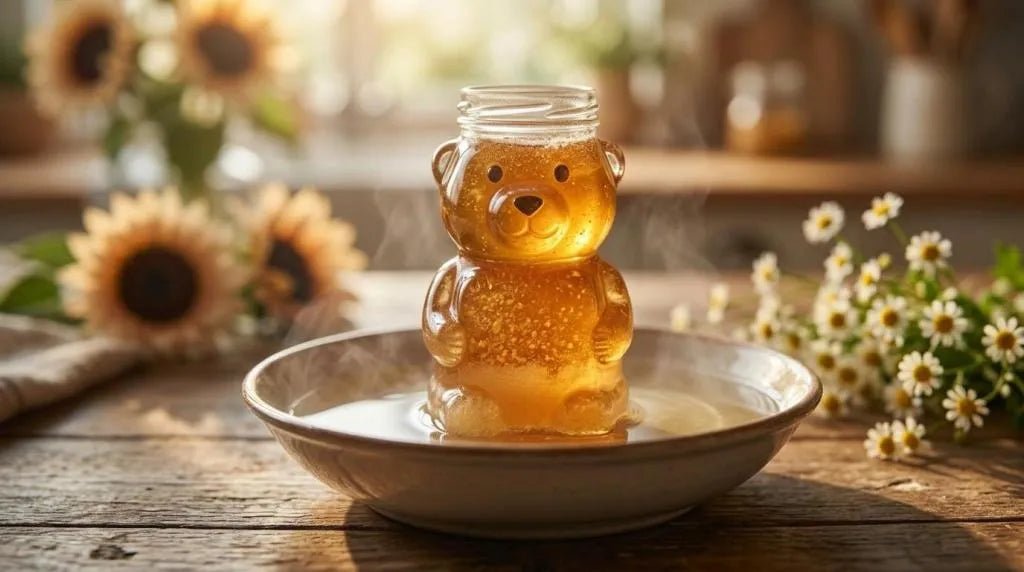
Beekeeper's Tip: If your honey does harden, don't microwave it! Use a warm water bath to keep it under 110°F and preserve those live enzymes.

Honey has a way of making people ask the same question the moment a jar turns cloudy or thick: why does honey crystallize in the fridge? Understanding why honey crystallizes in the fridge is important in deciding whether it should be in the fridge, or if you should refrigerate honey, or if honey should be kept in the refrigerator or pantry.
The short answer to the question, 'does honey go bad in the fridge,' is no. Most honey is happiest in a cupboard, not next to the yogurt and leftovers, especially when considering how to keep honey from crystallizing. Refrigeration does not make honey safer or answer the question of whether refrigerated honey is safe to eat, and in many homes it makes the jar harder to use. What matters more is keeping honey sealed in airtight containers for honey, such as the best containers for storing raw honey, dry, and away from heat and direct sun, and understanding how to store raw unfiltered honey effectively, but can you store honey in plastic containers? Learn more about refrigerate-honey.
🐝 The 110° Rule
To protect live enzymes, never heat raw honey above 110°F. If adding to coffee or tea, let it cool to sipping temp first!
The quick answer about refrigerate-honey
Honey is naturally shelf-stable because it is low in moisture and high in sugar, offering multiple benefits in the preservation of its quality over time, which is a key aspect of effective honey preservation methods. That combination makes it an unfriendly place for most microbes to grow. A well-sealed jar can stay good for a very long time at room temperature, which is often considered the ideal temperature for honey storage, inviting the question of how long does honey last at room temperature.
Putting honey in the refrigerator usually creates one big change: faster crystallization, particularly noticeable with creamed honey, because of how temperature affects honey. If you want to know how to fix crystallized honey, gently warming the jar in warm water can help dissolve the crystals and restore its smooth texture. The honey becomes thicker, grainier, and sometimes almost solid. It is still good to eat, but it is less pleasant to drizzle into tea or spread on toast.
There is one small nuance. Cooler temperatures can slow some of the gradual quality changes that happen over time. Even so, the tradeoff is usually not worth it for everyday use because the fridge makes honey hard and stubborn.

What cold, room temperature, and heat do to a jar of honey
If you think of honey storage as a balancing act, do you need to refrigerate honey, and texture and quality sit on opposite sides. Colder temperatures help slow aging, but they also push honey toward crystals, impacting the raw honey shelf life. Warmer temperatures keep it loose, but too much warmth dulls aroma and can chip away at the qualities people love in raw honey; thus, many wonder, does heat ruin honey?
Here is the practical version:
| Storage spot | What happens to texture | What happens to quality | Best use |
|---|---|---|---|
| Refrigerator, about 39 to 46°F | Crystallizes quickly, gets firm | Slows some aging, but no safety benefit | Rarely needed for home use |
| Pantry, about 65 to 75°F | Usually stays pourable longer | Good balance for flavor, texture, and shelf life | Best everyday choice |
| Warm kitchen or near the stove | Stays liquid longer at first | Quality fades faster with heat and light | Not recommended |
| Freezer | Gets extremely hard | Safe, but inconvenient | Usually unnecessary |
When considering pantry vs fridge honey storage, a stable pantry beats a hot shelf by the oven every time, especially for storing honey in hot or cold climates.
Why refrigeration causes confusion
People often refrigerate foods to keep them from spoiling, so it feels natural to do the same with honey, but is it bad to refrigerate honey? Honey just behaves differently, offering unique benefits. It does not need cold storage the way milk, berries, or broth do.
The biggest effect of refrigeration is crystallization. That cloudiness or grainy texture is not mold, and it is not a sign of bad honey. It is a normal shift in the sugars, especially glucose, and some floral varieties crystallize faster than others no matter where they are stored.
Raw honey can crystallize sooner than highly processed honey, which is one reason shoppers sometimes worry when a beautiful golden jar turns opaque.


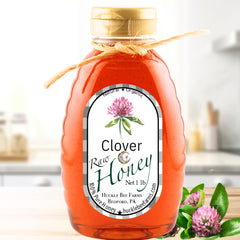
Huckle Bee Farms
🍯 Experience Real Raw Honey
Most honey is overheated and stripped of its benefits. Ours stays under 110°F to keep the enzymes, pollens, and antioxidants intact. Taste the difference.
A few storage myths that never seem to go away
Honey comes with plenty of folklore, some helpful and some not so helpful, often stemming from common honey storage myths. A little myth-clearing makes storage much easier, especially when considering natural sweetener storage tips.
- Myth: Honey must be refrigerated after opening. Clarification: Should honey be refrigerated after opening can be a common query, but room temperature storage is generally fine.Room temperature storage is fine, especially when considering the best way to store honey for the best texture and effective honey storage tips, and understanding how to store honey properly can help maintain its quality. In fact, refrigeration usually makes honey crystallize faster.
- Myth: Crystallized honey is spoiled.Crystallization is natural. The honey is still good unless moisture got in and can honey ferment if stored incorrectly and fermentation started.
- Myth: Honey lasts forever with no changes at all.Honey keeps very well, but flavor, aroma, and color can shift over time, especially if it sits in heat or sunlight, raising the question, 'does honey spoil or expire?'
- Myth: A metal spoon ruins honey.A quick stir with a clean stainless steel spoon is not a problem. Long-term storage in reactive metal containers is the bigger issue.
One myth is worth pausing on: “honey never goes bad.” It is true that honey is famously long-lasting. Still, “long-lasting” and “unchanged forever” are not the same thing. A lovely floral raw honey can lose some delicate notes after years on a shelf, even if it is still safe to eat.
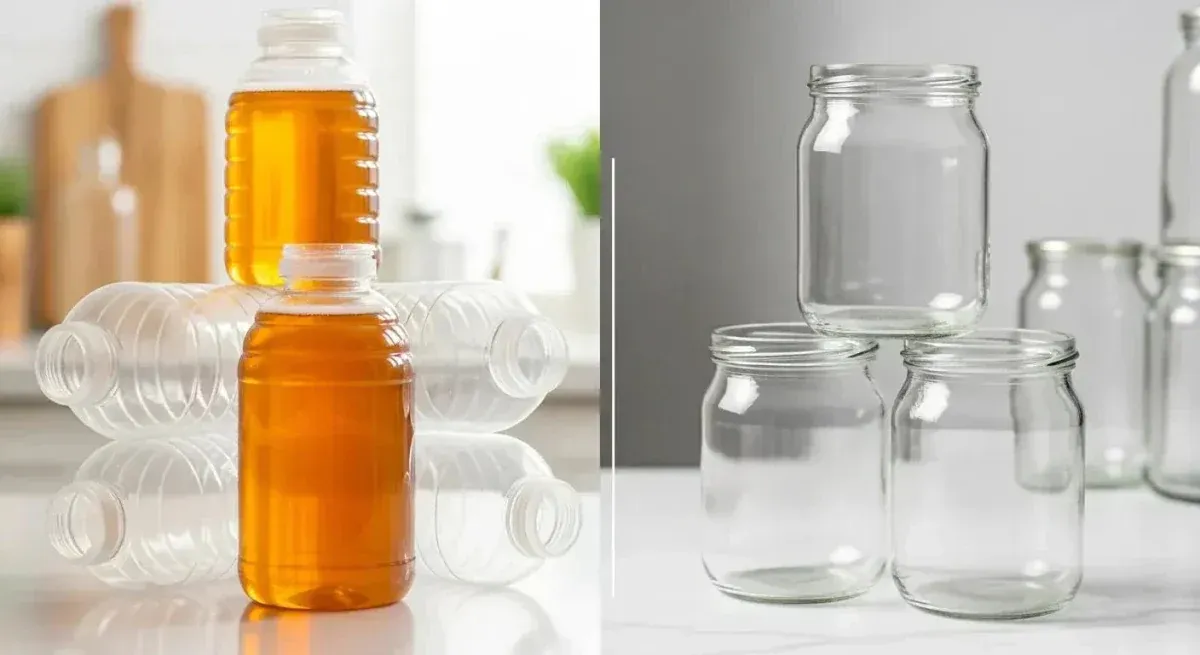
The best containers for storing honey
Container choice matters more than many people realize, mostly because honey is hygroscopic, making the decision of glass vs plastic honey storage important. That means it pulls moisture from the air. If the lid is loose, the honey can absorb water, and that is when quality problems can begin.
For home kitchens, glass is usually the favorite. It is non-reactive, easy to clean, and does not hold odors. A sturdy glass jar with a tight lid gives honey a calm, stable home. Amber glass is especially nice if the jar will sit somewhere with light exposure.
Plastic can also be perfectly fine if it is food-grade and seals well. Many squeeze bottles are designed for honey and work nicely for daily use. The key is quality. Thin or poorly sealing plastic is more likely to let in air, moisture, or kitchen odors over time.
Here is a simple guide to container choices:
| Container | Good points | Watch-outs |
|---|---|---|
| Glass jar | Non-reactive, easy to sanitize, great seal, no odor transfer | Heavier and breakable |
| Food-grade plastic | Lightweight, durable, convenient for squeezing | Needs a strong seal, avoid cheap non-food containers |
| Ceramic with food-safe glaze | Blocks light, attractive on the counter | Must be properly glazed and food-safe |
| Stainless steel | Fine for short handling or larger food-safe storage | Not the first pick for long-term home storage unless designed for food use |
After choosing the container, a few details make a real difference:
- Tight-fitting lid
- Clean, dry spoon or dipper
- No wet hands over the jar
- No storing near the stove
- No direct sun on the counter
If you buy small-batch raw honey in glass, you are already in a very good place.
🌡️ The "Sweet Spot" for Storage
For a perfect, silky pour every time, keep your Huckle Bee honey between 70°F and 80°F (21°C - 27°C).
- Too Cold (< 50°F): Rapid crystallization (thick and grainy).
- Too Hot (> 90°F): Loss of delicate floral aromas and darkening of color.
- Ideal Spot: A dark pantry shelf away from the stove or dishwasher.
Temperature tips that actually help
Honey likes consistency. Big swings in temperature can encourage uneven crystallization and make texture less predictable. A cool, dry pantry is usually ideal, somewhere around normal indoor room temperature.
If your kitchen runs warm, move the jar away from appliances, sunny windows, and the top of the refrigerator. Those little hot spots add up. Heat is a bigger enemy than cool air when it comes to preserving aroma and the more delicate parts of raw honey.
A helpful rule of thumb is this:
- Best everyday range: About 65 to 75°F
- Too cold for convenience: Refrigerator temperatures
- Too warm for long storage: Near ovens, stovetops, radiators, or sunny windows
That advice fits well with how many family-run apiaries store and recommend their honey, including the guidance often shared by Huckle Bee Farms: keep it in a cool, dry place, away from direct sunlight, and skip the refrigerator unless you want crystallization to happen faster.
What to do if your honey crystallizes
First, do not throw it out.
Crystallized honey is still honey. Many people even prefer the texture for spreading on biscuits, toast, or cornbread. It can feel soft, creamy, and rich, depending on the crystal size.
If you want it liquid again, gentle warmth is the answer. Place the jar in a bowl or pan of warm water and let it sit, stirring occasionally if needed. Replace the water as it cools. Patience works better than high heat.
A microwave is tempting, but it can overheat sections of the honey quickly. Slow warming is kinder to flavor and texture.
Signs your storage setup needs a small fix
Honey usually tells you what is happening in the jar. A few changes are normal. A few suggest the lid or location needs attention.
- Cloudy or grainy: Normal crystallization
- Very hard after fridge storage: Normal, but inconvenient
- Bubbles, foam, or sour smell: Possible fermentation from excess moisture
- Darkening faster than expected: Often linked to heat or light exposure
Fermentation is the main thing to watch for, though it is not common in properly stored honey. It usually happens when moisture sneaks in through a loose lid, a wet spoon, or a humid storage spot.
How Huckle Bee Farms recommends storing honey
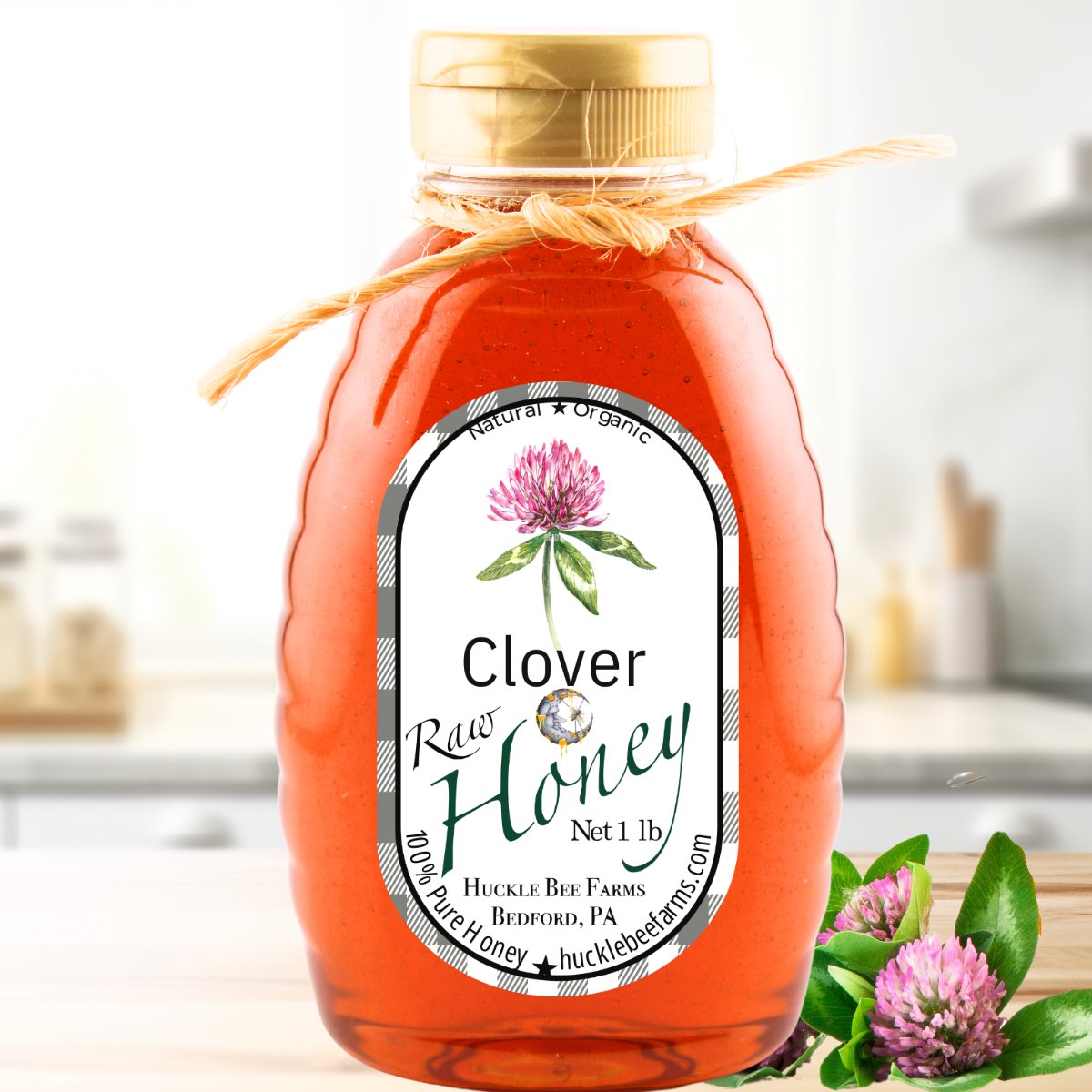
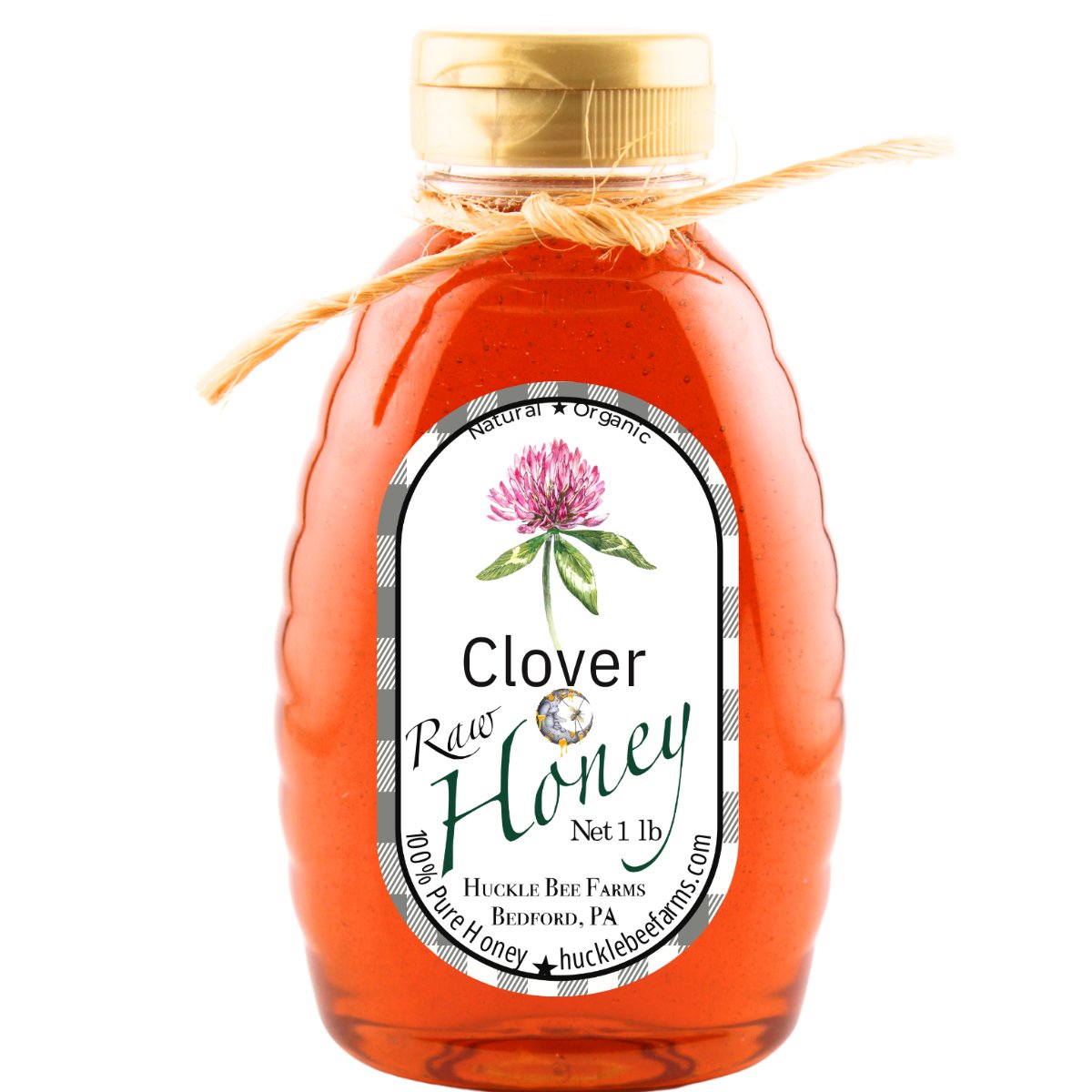
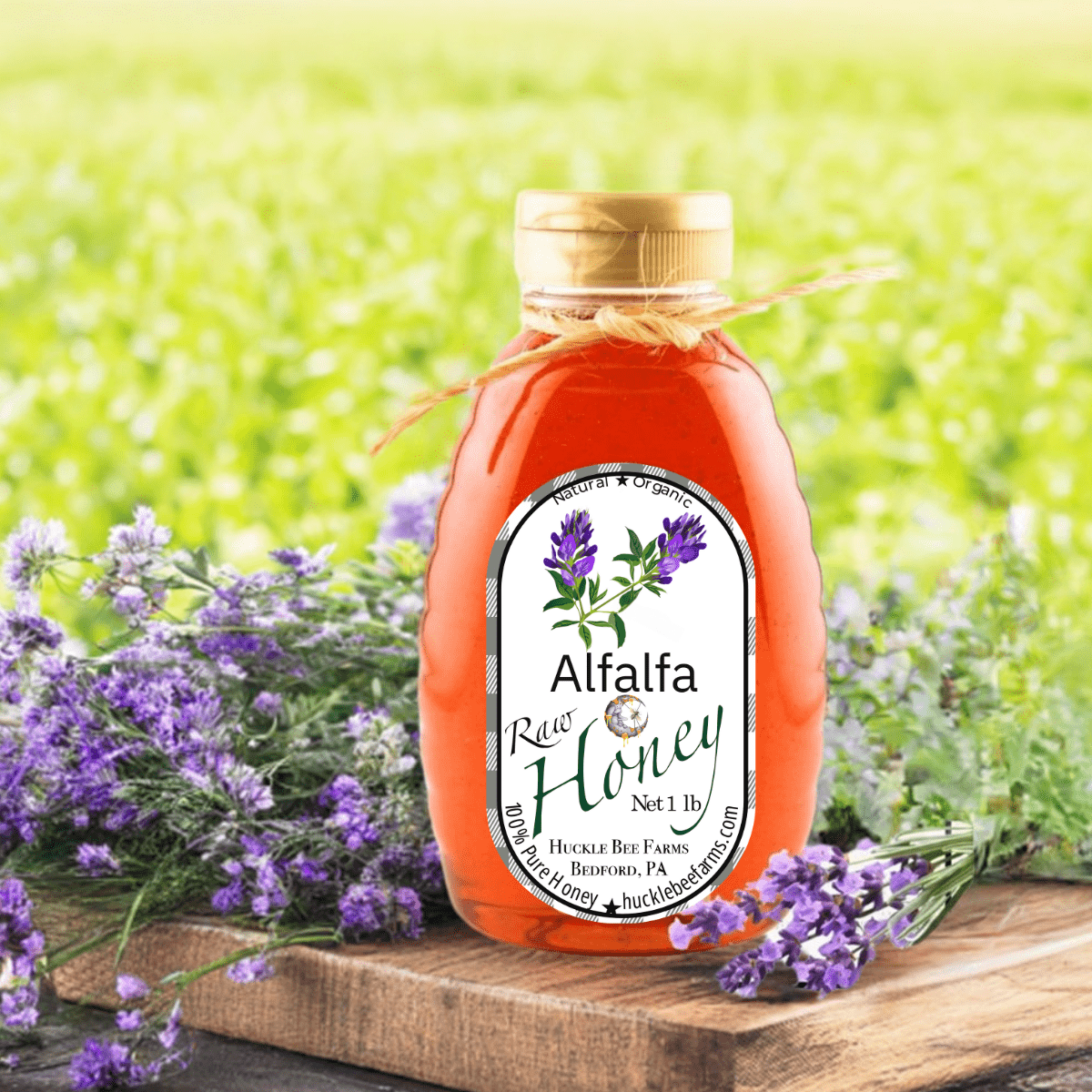
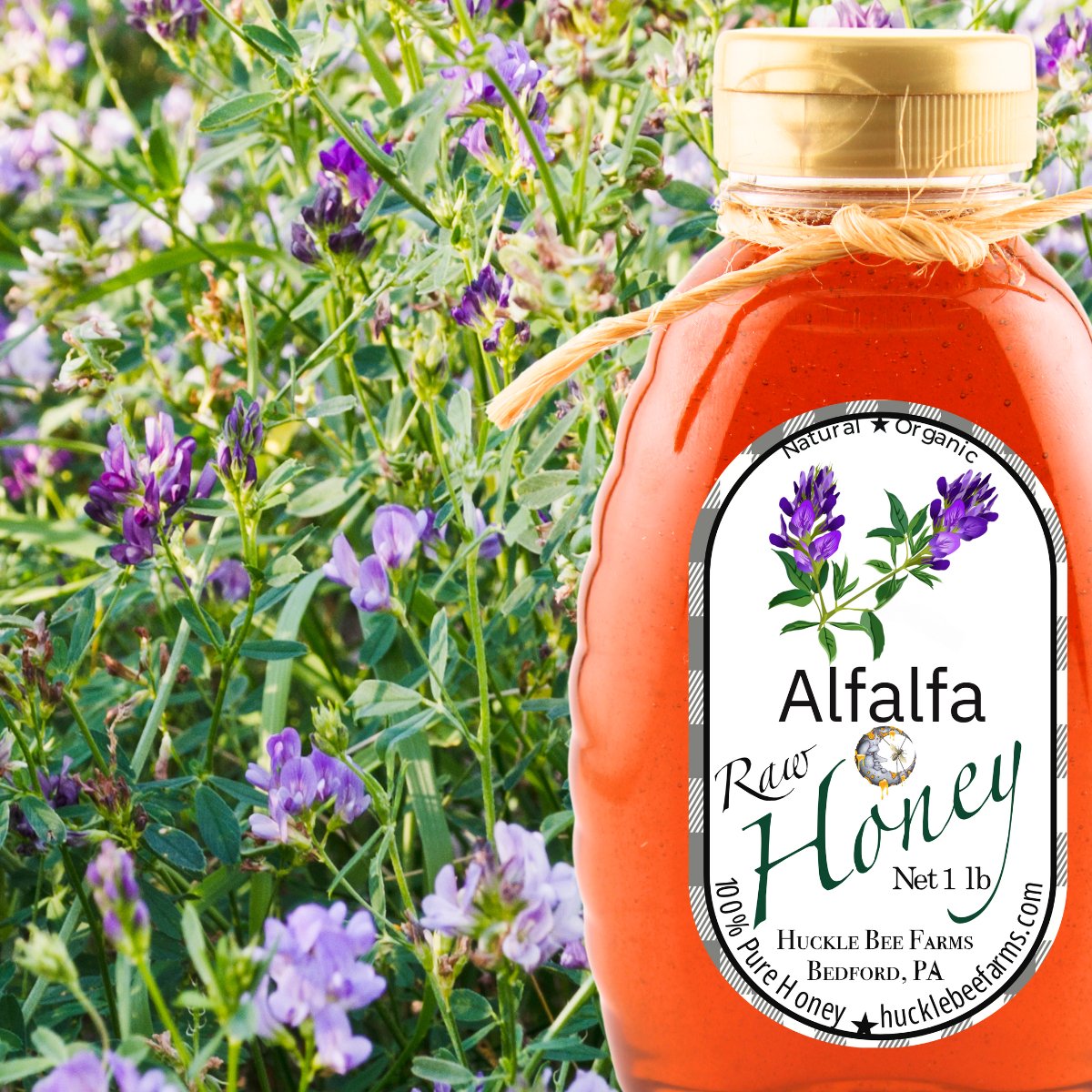
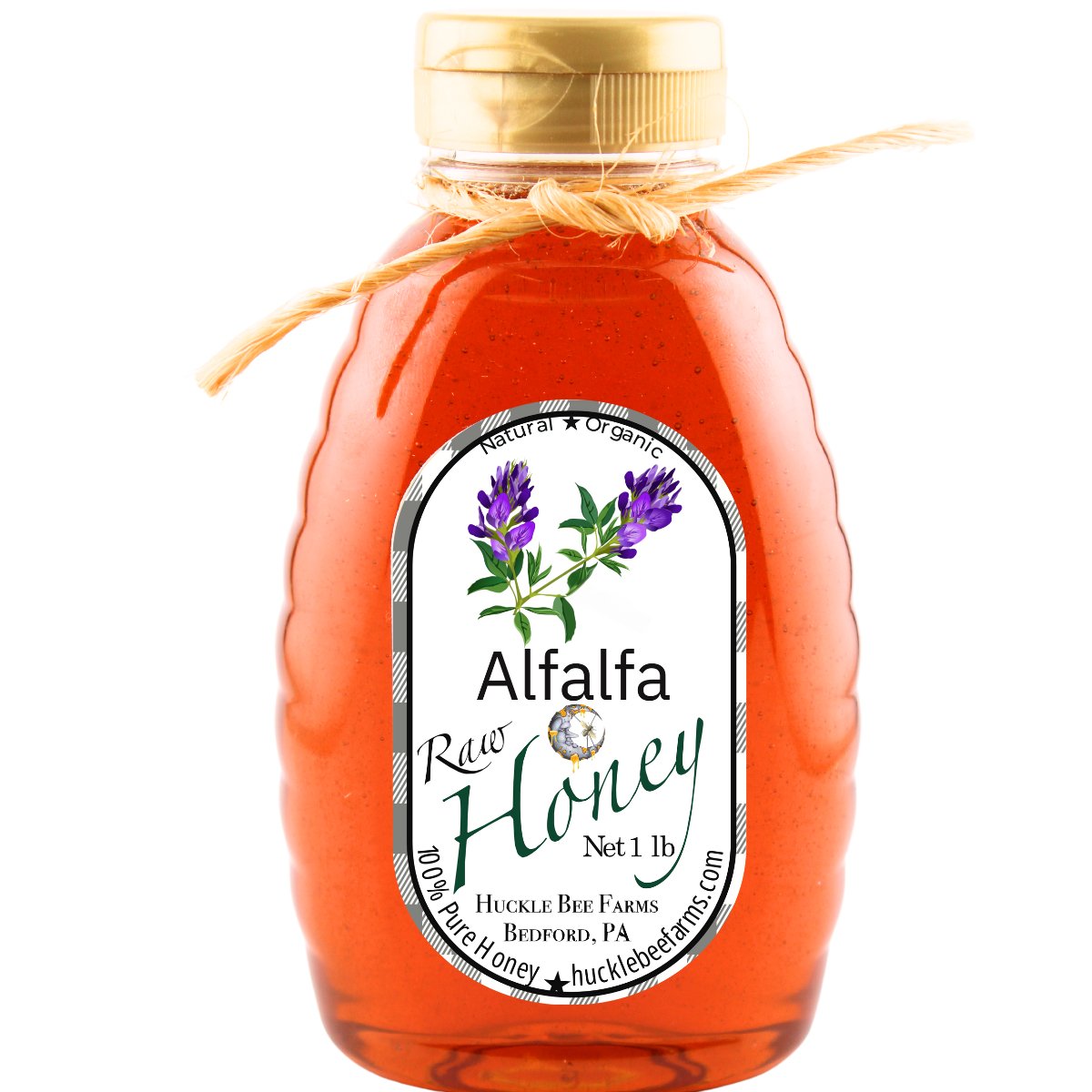
Storage advice from careful honey producers tends to be refreshingly simple. Huckle Bee Farms recommends keeping honey in a cool, dry place, away from direct sunlight, with glass jars as an ideal option. The guidance also advises against refrigeration because it speeds up crystallization.
That approach matches what many honey lovers learn after a few jars at home: pantry storage is the sweet spot. It protects ease of use while still treating raw honey with care.
The preference for glass also makes sense for small-batch honey. Glass is dependable, non-reactive, and well suited to bottled-on-demand honey meant to arrive fresh and stay that way in your kitchen.
A simple honey routine for everyday kitchens
If you want the easy version, it fits on one shelf.
Keep honey in its original sealed jar, or transfer it to a clean, dry glass jar with a tight lid. Store it in a cupboard, not on a sunny windowsill. Use a dry spoon. If it crystallizes, warm it gently instead of refrigerating it “to save it.”
That is really the whole system.
For people who use honey in tea, baking, marinades, or breakfast every day, the most practical setup is a smaller jar in the pantry and a backup jar stored the same way. That helps reduce repeated air exposure to the larger supply and keeps the everyday jar neat and easy to reach.
And if your honey turns thick in winter, that is not a flaw. It is often a sign that your honey is less processed and still behaving like real honey should.
Frequently Asked Questions
1. Can honey be stored in the freezer?
Yes, honey can be stored in the freezer, but it is generally unnecessary. While freezing honey will not spoil it, the cold temperatures can make it extremely hard and difficult to use. If you do choose to freeze honey, ensure it is in a well-sealed container to prevent moisture absorption. When you want to use it, allow it to thaw at room temperature or in warm water to restore its original texture.
2. How can I tell if my honey has gone bad?
Honey is known for its long shelf life, but it can spoil if moisture gets in. Signs of bad honey include a sour smell, bubbles, or foam, which indicate fermentation. If your honey has crystallized, it is not spoiled; this is a natural process. However, if you notice any unusual odors or textures, it’s best to discard it to avoid any health risks.
3. What is the best way to prevent honey from crystallizing?
To prevent honey from crystallizing, store it in a cool, dry place at room temperature, ideally between 65 to 75°F. Avoid refrigeration, as it accelerates crystallization. Use airtight containers to keep moisture out, and always use a clean, dry spoon when scooping honey. If crystallization occurs, gently warm the jar in warm water to restore its liquid state without damaging its flavor.
4. Is it safe to consume crystallized honey?
Yes, crystallized honey is safe to consume. Crystallization is a natural process that occurs when glucose in honey forms crystals, and it does not indicate spoilage. Many people enjoy the texture of crystallized honey for spreading. If you prefer it in liquid form, you can gently warm it to dissolve the crystals without compromising its quality.
5. How long does honey last when stored properly?
When stored properly in a cool, dry place away from direct sunlight, honey can last indefinitely. While it may not spoil, its flavor, aroma, and color can change over time. Generally, honey maintains its best quality for several years, but it’s advisable to consume it within two years for optimal taste. Always check for signs of fermentation or unusual changes before use.
6. Can I use any type of container for storing honey?
Not all containers are suitable for honey storage. Glass jars are the best option as they are non-reactive and do not absorb odors. Food-grade plastic containers can also work if they seal well. Avoid using metal containers for long-term storage, as they can react with honey. Ensure that any container used has a tight-fitting lid to keep moisture out and maintain quality.
7. What should I do if my honey ferments?
If your honey has fermented, it is best to discard it. Fermentation occurs when moisture enters the jar, leading to bubbles, foam, or a sour smell. This indicates that the honey has been compromised and is no longer safe to eat. To prevent fermentation, always use a clean, dry spoon and store honey in a moisture-free environment.
Conclusion
Understanding the best practices for honey storage can significantly enhance its longevity and quality, ensuring you enjoy its natural sweetness without unwanted crystallization. By keeping honey in a cool, dry pantry and using airtight containers, you can preserve its flavor and texture for years to come. Don't let common myths lead you astray; embrace the simplicity of proper storage techniques. Discover more tips and explore our selection of premium honey products today.
Learn More about Honey Safety


Author - Jim Douglas - Founder Huckle Bee Farms
For Jim Douglas, beekeeping is more than a craft—it’s a commitment to purity and the environment. After an honorable career in the U.S. Army and a tenure as a COO for the Boy Scouts of America, Jim sought a way to combine his leadership experience with his love for the outdoors.
In 2012, he founded Huckle Bee Farms with a simple mission: to take honey back to its raw, unadulterated roots. Jim’s expertise lies in the delicate balance of infusing raw honey with organic ingredients without compromising its natural medicinal properties. His "small-batch" philosophy ensures that every jar meets the highest standards of quality and transparency. Today, Jim continues to lead Huckle Bee Farms with the same integrity he practiced in uniform, ensuring that every drop of honey supports both the health of the consumer and the survival of the honeybee.
His mission is simple: to make life a little sweeter—naturally.
Key Takeaways for Proper Honey Storage
Understanding the best practices for honey storage can enhance its longevity and quality. Here are the essential points to remember for optimal honey preservation.
- Room Temperature Storage – Honey should be stored at room temperature, ideally between 65 to 75°F, to maintain its texture and prevent crystallization.
- Airtight Containers – Use well-sealed glass jars or food-grade plastic containers to keep moisture out and preserve honey's quality.
- Avoid Refrigeration – Refrigerating honey accelerates crystallization, making it harder to use and diminishing its quality.
- Watch for Signs of Fermentation – If honey develops bubbles, foam, or a sour smell, it may have fermented due to excess moisture and should be discarded.
- Gentle Warming for Crystallized Honey – If honey crystallizes, gently warm it in a bowl of warm water to restore its liquid state without compromising flavor.
- Keep Away from Heat and Light – Store honey in a cool, dark place to prevent quality degradation caused by heat and sunlight exposure.
- Use Clean Utensils – Always use a clean, dry spoon to scoop honey, preventing moisture contamination that can lead to spoilage.