Does Honey Expire? Discover Its Shelf Life and Storage Tips
Does Honey Ever Go Bad? Shelf Life, Crystallization, and How to Store It
Is My Honey Still Good?
Select what you see in your jar:
Table of contents
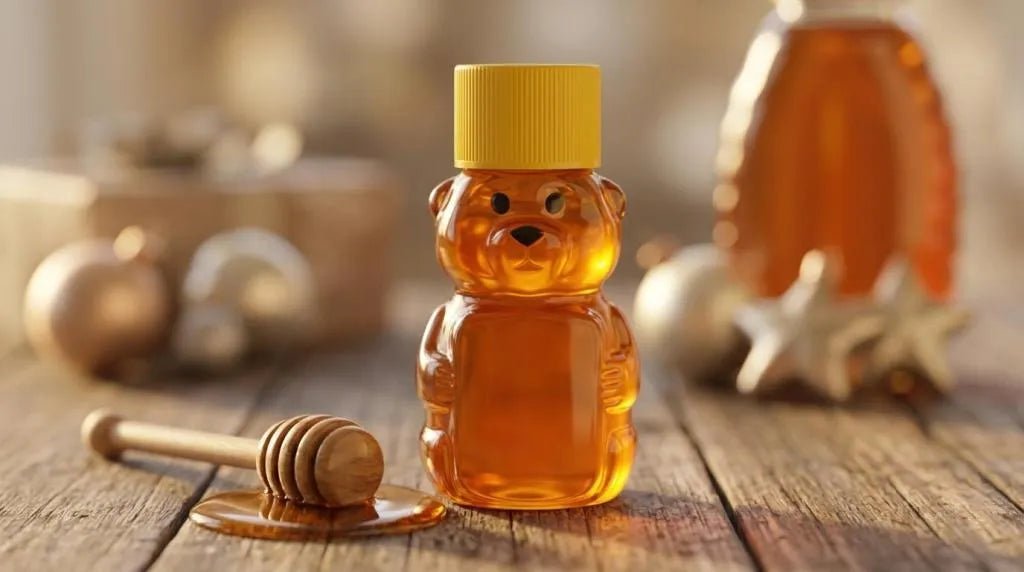
A forgotten bottle of honey tucked in the back of the pantry can feel a little mysterious. The label might show a “best by” date, the color may be deeper, and sometimes the honey turns grainy or thick. It’s natural to wonder if you should throw it out.
Honey is one of those rare foods built to keep. With a bit of common-sense storage—mainly keeping moisture and heat away—it stays safe and tasty for a very long time, even when it looks different from the day you opened it.
So, does honey expire? What is the shelf life?
Stored normally at home, mature honey doesn’t “expire” the way milk or bread does. Honey is mostly sugar with very little water, and microbes need available water to grow. It’s also naturally acidic and contains compounds that deter many bacteria and molds.
That’s why archaeologists have found edible honey in ancient tombs. Over time honey’s flavor and aroma can shift, but those changes are usually about quality, not safety.
Why do bottles still carry dates? In the U.S., many foods have “best by” dates to indicate peak quality, not a hard safety cutoff. Beekeepers add dates to help with inventory rotation and to set expectations about flavor, color, and texture.
At Huckle Bee Farms, we tell customers plainly: raw honey stored in a sealed container doesn’t spoil in normal conditions. It can last essentially forever—crystallization and all.
Honey has the best shelf life.

☕ Coffee Lover’s Honey Bundle – Espresso, Bourbon & Irish Cream Honey
Indulge in the perfect pairing of coffee and honey with our Coffee Lover’s Honey Bundle.🍯
View Coffee BundleWhat actually changes as honey sits
Honey can look and taste a bit different after months or years, even when it’s perfectly fine to eat. Most of those differences come from slow, natural chemistry.
Color often deepens. Aromas may mellow. The flavor can lose some brightness, especially if the jar spent time warm or in direct light. None of that equals spoilage.
Heat is the biggest culprit of quality loss. A jar near a sunny window or above the stove ages faster than one tucked into a cool cabinet. If you enjoy honey for its delicate floral notes, a steady room temperature and darkness will help protect them.
Here’s a practical way to read what you see in the jar:
| What you notice | What it usually means | Is it safe? | What to do |
|---|---|---|---|
| Honey turns darker | Natural aging; warmer storage speeds it | Yes | Keep using it; move it to a cooler spot if you want to slow the change |
| Grainy or solid texture | Crystallization (normal) | Yes | Use it as-is or warm gently to reliquefy |
| A thinner layer on top and thicker below | Normal separation during crystallization | Yes | Stir or warm gently |
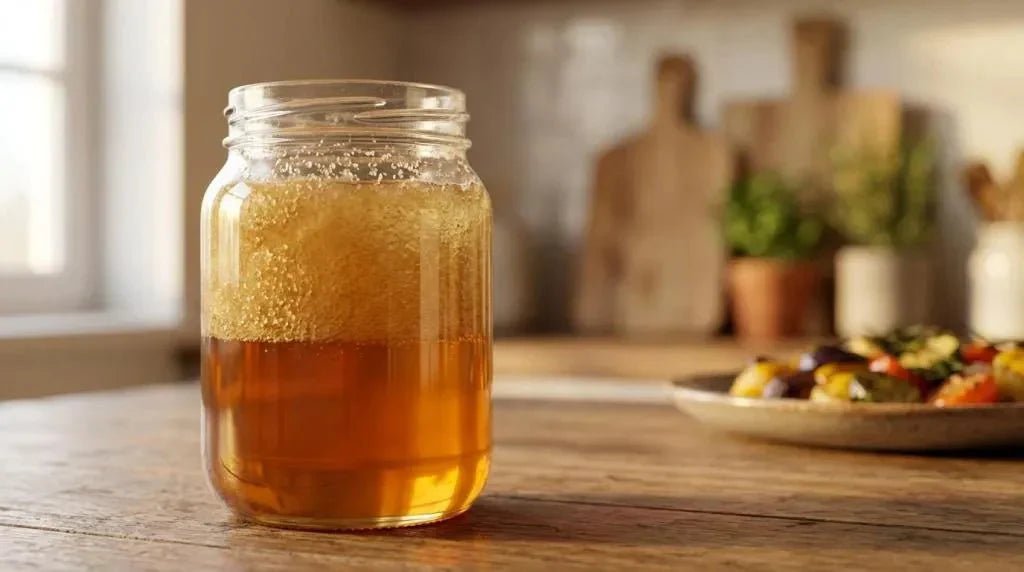
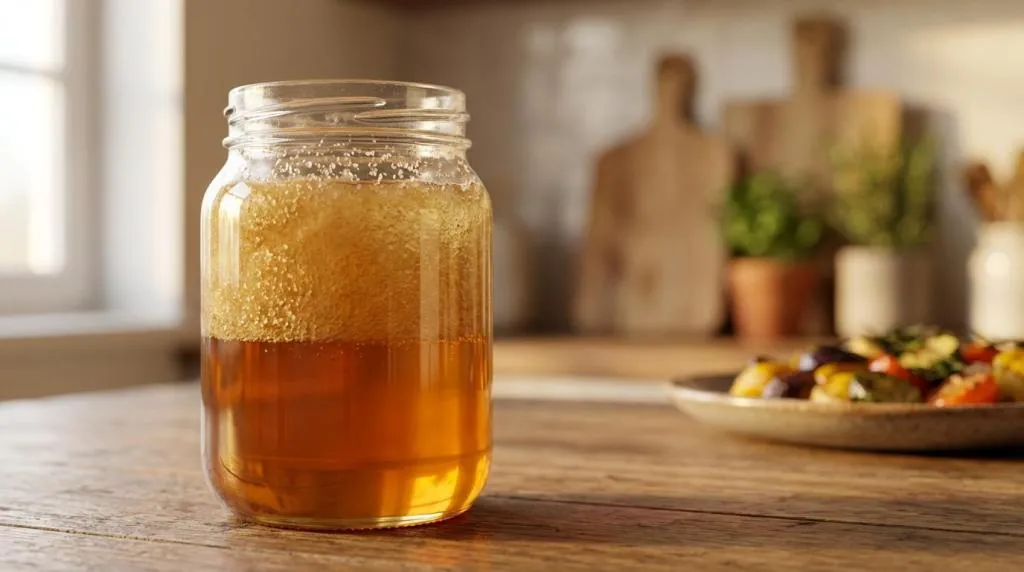
| Foam, bubbles, sour smell | Fermentation from extra moisture | No | Discard and check storage habits |
| Visible mold | Contamination, usually from added moisture or food bits | No | Discard |
One small detail: honey is hygroscopic, meaning it pulls moisture from the air. That’s handy in baking, but it’s also how honey gets into trouble if the lid is left off in a humid kitchen.

Crystallization is normal, not a warning sign
If your honey becomes thick, cloudy, or crunchy, you’re seeing crystallization (also called granulation). It’s a physical change, not spoilage.
Honey is a supersaturated sugar solution. Over time, glucose tends to form crystals while fructose stays liquid. Varieties with higher glucose crystallize sooner. Raw honey also has tiny particles—like pollen—that act as seeds for crystals.
Temperature affects crystallization too. Cooler storage speeds it up, which is why the refrigerator isn’t the best place for honey.
Keep the main triggers simple:
- Cooler temperatures
- Higher glucose content
- Natural particles in raw honey
- Time sitting undisturbed
Many people prefer crystallized honey because it spreads like soft butter and doesn’t drip. If you bake, crystallized honey is often easier to measure without it running off the spoon.
How to turn crystallized honey liquid again (without cooking it)
When you want a smooth pour for tea, biscuits, or yogurt, gentle warming is the way. High heat can dull flavor and reduce natural enzymes, so slow and steady wins.
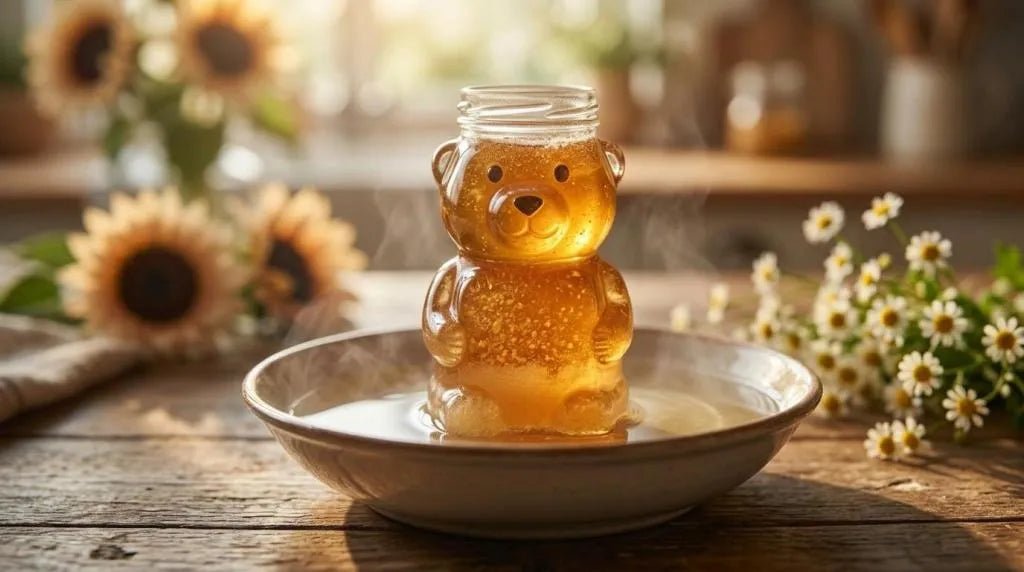
The classic method is a warm water bath: keep the jar sealed, set it in warm (not boiling) water, and be patient. Stir once it softens.
A few practical pointers make this easy and low risk:
- Warm water bath: Place the sealed jar in warm (not boiling) water and refresh the water as it cools.
- Slow patience: Allow 15 to 45 minutes depending on how solid it is.
- Dry tools only: Use a clean, dry spoon if you stir after opening.
- Skip the microwave: Fast heating creates hot spots and can overheat parts of the honey.
If your honey is in plastic, make sure the container handles warm water safely and keep temperatures modest.

Storage habits that keep honey at its best
Honey’s shelf stability is impressive, but thoughtful storage helps preserve quality. The goal: protect it from moisture, heat, and light.
Pick the right spot. A pantry or cupboard away from the stove is ideal. Room temperature suits most homes. Very warm storage speeds darkening and flavor shifts, while very cold storage encourages crystallization.
Choose a good container. Glass jars with tight lids are excellent because they’re inert and block moisture. Food-safe plastic works too if it seals well. The key is keeping humidity out.
Keep it clean. Honey doesn’t like crumbs, butter, or a wet spoon—those introduce water and microbes that can cause problems.
At Huckle Bee Farms, we keep it simple: tighten the lid, store in a cool dry place, and warm gently if crystals form. That’s all it takes.


Huckle Bee Farms
🍯 Gourmet Honey:
Your Essential Trick to Unique Flavors
Crafted in small batches for bold flavor and smooth finish, our Gourmet Honey Collection transforms everyday foods.
When honey can actually spoil
Honey’s main spoilage risk is fermentation, and it almost always comes down to extra water.
Honey can ferment if it absorbs moisture from humid air, if water gets into the jar, or if it was harvested before fully capped and mature. Fermentation happens when certain yeasts can work in a high-moisture, sugary environment.
Typical signs to watch for:
- A fizzy look or bubbles
- Foam on the surface
- A sharp, sour smell
- An alcoholic or off flavor
If you spot those signs, treat the jar like spoiled food and discard it.
One more note: flavored or infused honeys can be shelf-stable when made properly, but homemade infusions with fresh ingredients can introduce moisture. If you make your own, use dried ingredients, clean dry utensils, and store the jar carefully.
The "Storage Sin" Quiz
Are you protecting your liquid gold correctly?
Why should raw honey be kept away from direct sunlight or a hot stove?
A quick safety note about babies (and a word about pets)
Even though honey resists spoilage, it can naturally contain spores that are harmless to older kids and adults but risky for infants. Pediatric guidance in the U.S. is clear: do not give honey to babies under 12 months.
For pets, many people give small amounts of honey to dogs. Products made for dogs usually consider portion size and ingredients. If your dog has health issues or you’re unsure about serving size, check with your veterinarian.
Using “old” honey with confidence in the kitchen
If your honey has been stored well, you can use it just as you would a fresh jar. A few uses are especially forgiving if the flavor has mellowed:
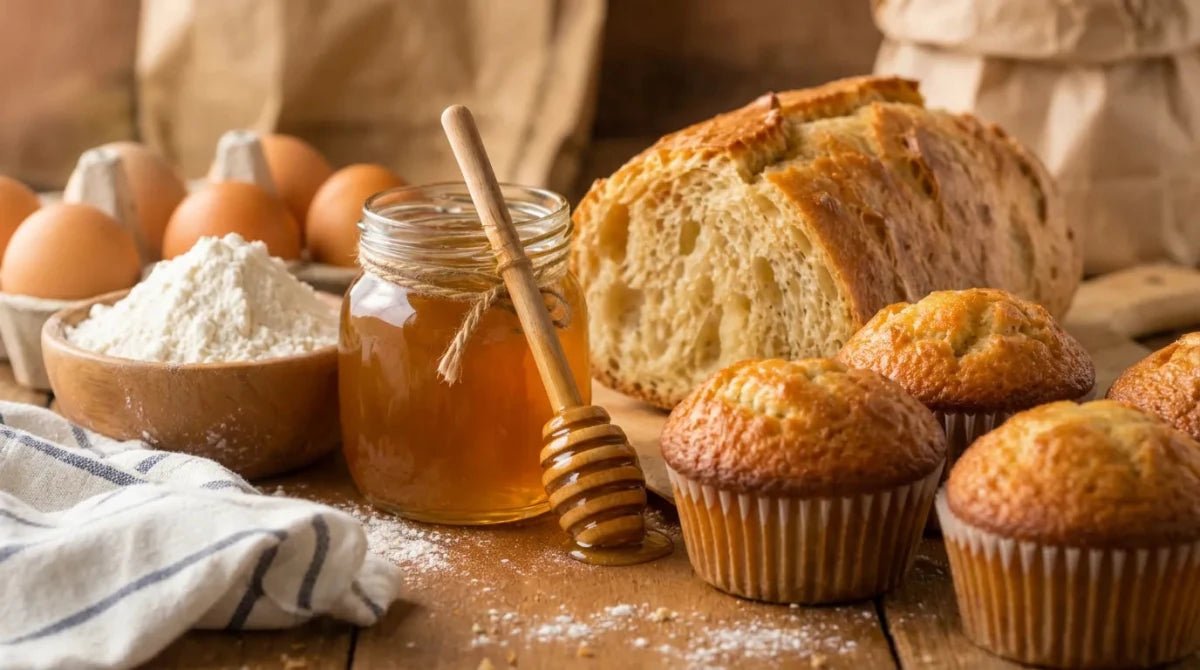
Stir it into tea, whisk it into salad dressings, brush it onto roasted vegetables, or use it in marinades where herbs, citrus, and salt share the spotlight. Crystallized honey is great on toast, in sandwiches, and on a cheese board because it stays put.
If you keep more than one jar, try rotating them: a brighter, younger jar for drizzling and a deeper, older jar for baking and sauces.
Frequently Asked Questions
1. Can honey be used after its "best by" date?
Yes. A "best by" date usually marks peak quality, not safety. Honey’s low moisture and acidity inhibit microbial growth, so when stored properly in a sealed container, it can remain edible indefinitely—even if color or flavor changes.
2. How should I store honey to maximize its shelf life?
Store honey in a cool, dark place away from heat and direct sunlight—like a pantry or cupboard. Use airtight glass jars or food-safe plastic to prevent moisture absorption. Keep the lid tightly sealed to protect against humidity and contaminants.
3. What are the signs that honey has gone bad?
Honey usually spoils through fermentation when it absorbs excess moisture. Look for a fizzy appearance, bubbles, surface foam, a sour smell, or an off flavor. If you notice those signs, discard the honey.
4. Is crystallized honey safe to eat?
Yes. Crystallization is a natural process where glucose forms crystals, creating a thicker texture. It’s not spoilage. You can enjoy crystallized honey as-is or gently warm it in a water bath to return it to liquid form.
5. Can I give honey to my pet?
Honey can be given to dogs in moderation and may offer some benefits. Consult your veterinarian if your dog has health issues or dietary restrictions. Avoid giving honey to cats, as they’re not well suited to digest it. Always use pure honey without additives.
6. What should I do if my honey ferments?
If your honey shows fermentation signs—bubbles or a sour smell—discard it. Fermentation typically comes from excess moisture, so keep honey sealed and stored in a dry spot to avoid future problems.
7. How can I use older honey in recipes?
Older honey works well in recipes where other flavors stand up to it. Use it in marinades, salad dressings, and baked goods. Crystallized honey is perfect for spreading on toast or adding to cheese boards. Experiment—older honey often shines in cooked or strongly flavored dishes.
Conclusion
Knowing how honey behaves lets you enjoy it without worry. With proper care, honey can last indefinitely while keeping its usefulness in the kitchen. Whether you drizzle it, bake with it, or spoon it into tea, a well-stored jar will serve you for a long time. Explore our selection of premium honeys to find flavors you love.

Author - Jim Douglas - Founder Huckle Bee Farms
For Jim Douglas, beekeeping is more than a craft—it’s a commitment to purity and the environment. After an honorable career in the U.S. Army and a tenure as a COO for the Boy Scouts of America, Jim sought a way to combine his leadership experience with his love for the outdoors.
In 2012, he founded Huckle Bee Farms with a simple mission: to take honey back to its raw, unadulterated roots. Jim’s expertise lies in the delicate balance of infusing raw honey with organic ingredients without compromising its natural medicinal properties. His "small-batch" philosophy ensures that every jar meets the highest standards of quality and transparency. Today, Jim continues to lead Huckle Bee Farms with the same integrity he practiced in uniform, ensuring that every drop of honey supports both the health of the consumer and the survival of the honeybee.
His mission is simple: to make life a little sweeter—naturally.
Learn More about Honey


Key Takeaways on Honey's Shelf Life and Storage
This list highlights the essentials about honey’s longevity, safe storage, and signs of spoilage so you can use honey with confidence.
- Honey Does Not Expire – Properly stored honey remains safe to eat indefinitely because it’s mostly sugar with very little water.
- Storage Conditions Matter – Keep honey in a cool, dark place away from heat and direct sunlight to preserve flavor and color.
- Crystallization is Normal – Thick or grainy honey is natural. Gently warm it to return it to liquid form if you prefer.
- Signs of Spoilage – Fizzy appearance, bubbles, foam, sour smell, or off flavors indicate fermentation from excess moisture—discard if you see these.
- Proper Container Choice – Airtight glass jars or food-safe plastic prevent moisture absorption and keep honey fresh.
- Keep It Clean – Use clean, dry utensils and avoid introducing crumbs or liquids when handling honey.
- Safe for Most, Not for Infants – Honey is safe for older children and adults but should not be given to infants under 12 months because of the botulism spore risk.