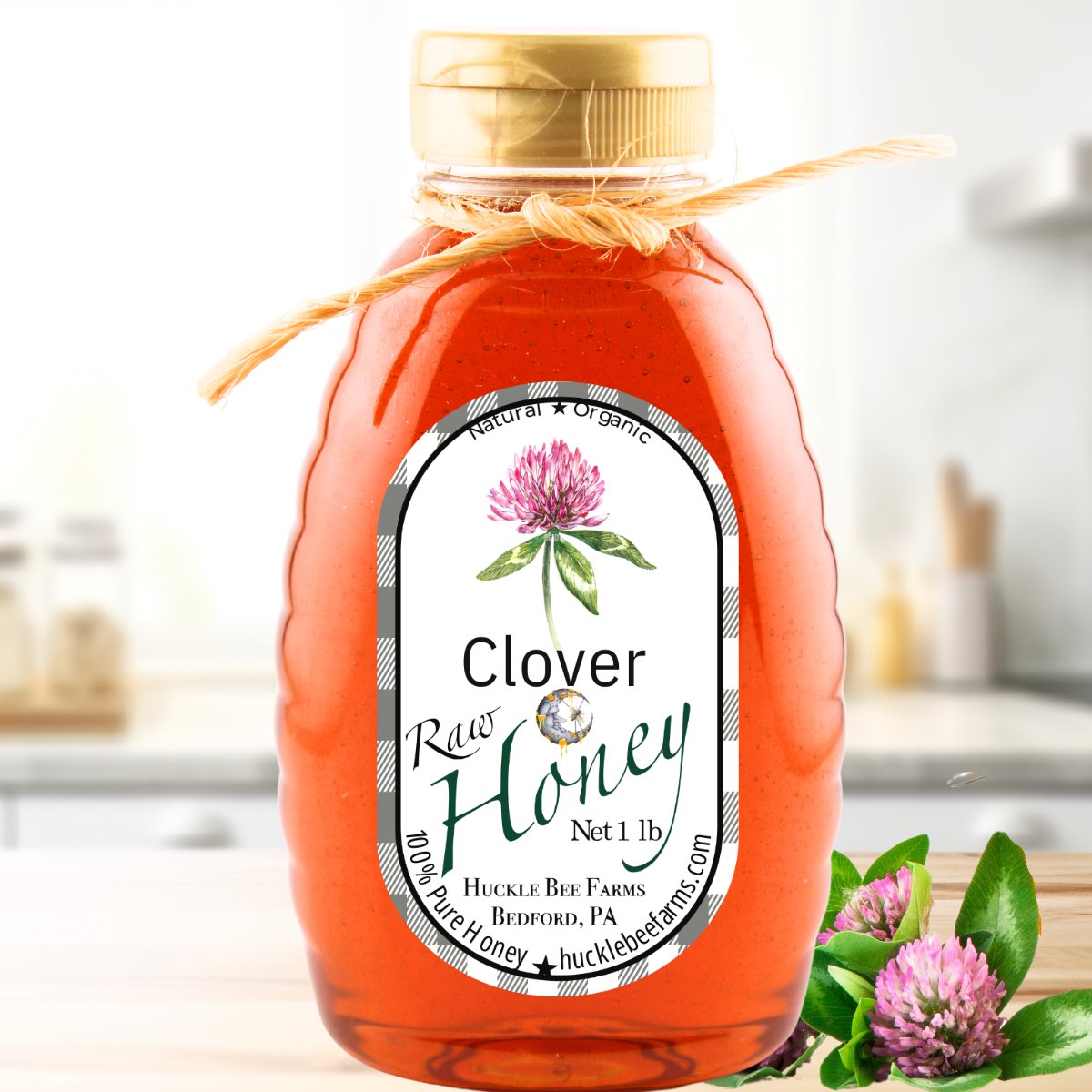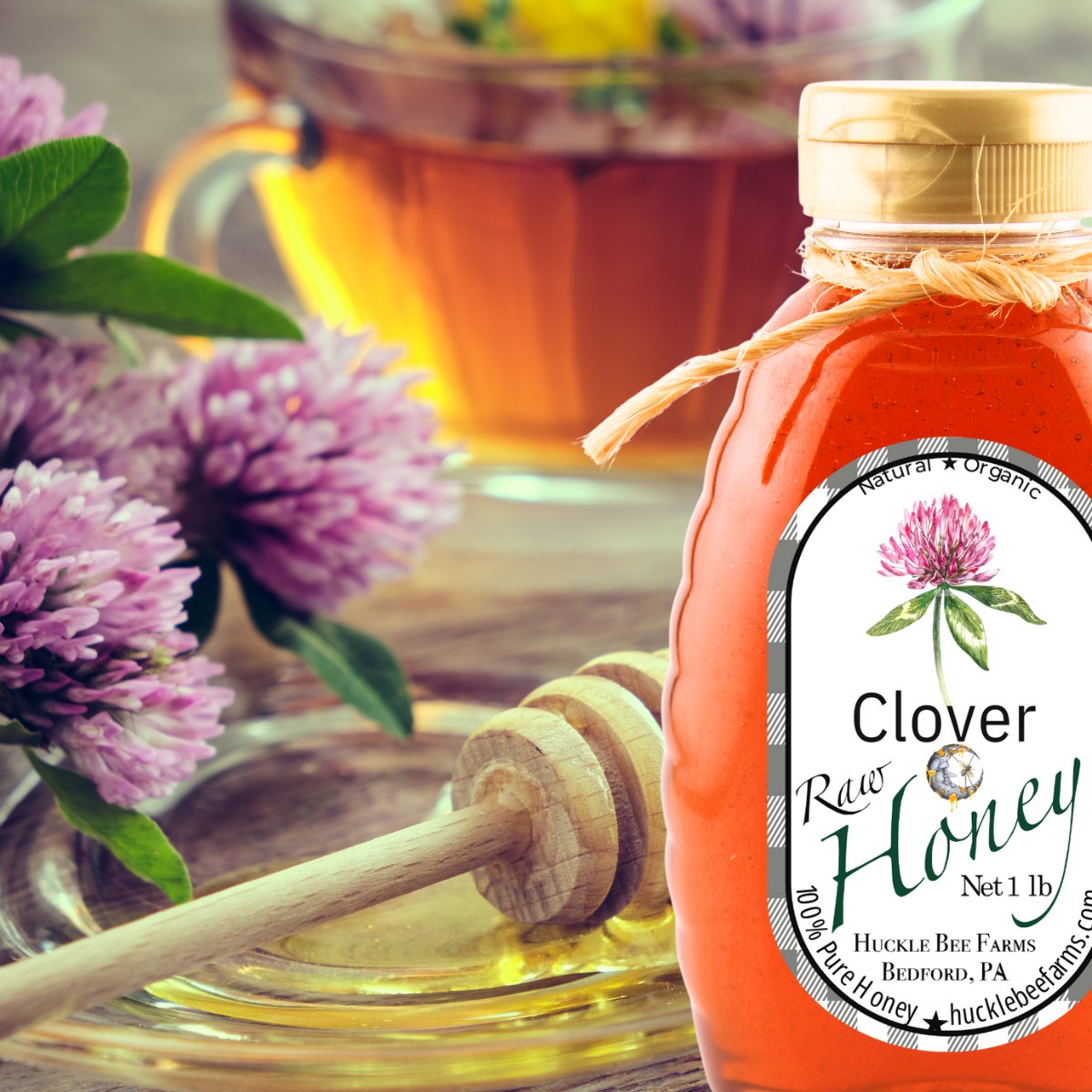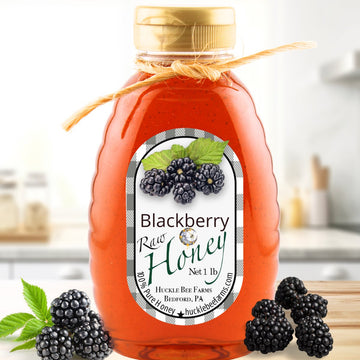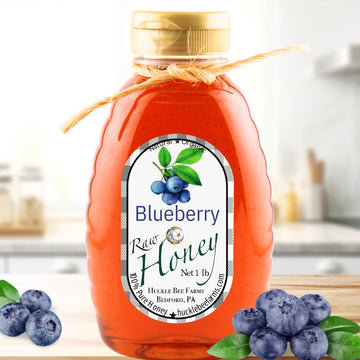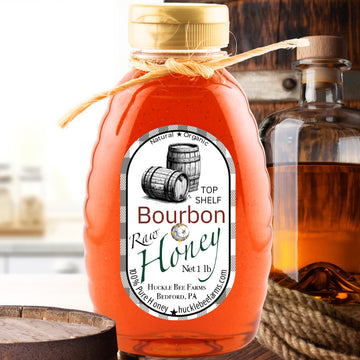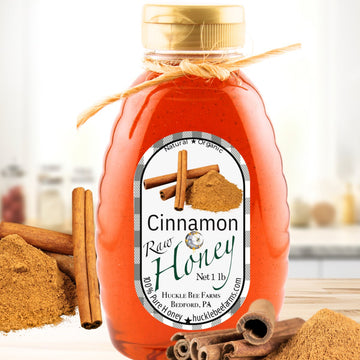
Discover the Ingredients: What is Infused Honey Made Of?
What is infused honey made of? Natural Infusions vs Flavorings (How to Read the Label)
Frequently Asked Questions: Infusion vs. Flavoring
What is infused honey made of?
Authentic infused honey consists of two ingredients: a raw honey base and whole botanicals (like cinnamon sticks or peppers) steeped over time to naturally transfer aromatic compounds and flavor.
Is infused honey the same as flavored honey?
No. Natural infusion uses whole ingredients to pull flavor, while "flavored" honey typically uses extracts or "natural flavors" added to a honey base for a more consistent, uniform taste.
Table of contents

Infused honey looks simple in the jar, yet the label can tell two very different stories. Sometimes it really is honey that has slowly taken on flavor from whole botanicals or fruit. Other times it is honey (or a honey-based sweet spread) blended with “natural flavor,” extracts, or even additional sweeteners.
Knowing what ingredients are used in real infused honey, understanding what is infused honey made of and how it is different from flavored honey, and recognizing what is natural infused honey vs flavored honey helps you buy the flavor you expect, understand honey benefits, avoid ingredients you do not want, and choose the right jar for tea, cheese boards, baking, or gifting.
Infused honey, plain and simple
At its core, infused honey starts with honey. The “infused” part is where brands vary: some use whole ingredients steeped in honey, while others add flavorings that are already concentrated.
Real infusion tends to taste layered and ingredient-driven, since the raw honey infusion process of how infused honey is made allows honey to pull aromatic compounds over time, providing a natural approach to how to infuse honey naturally, and giving insight into what goes into flavored honey. Flavoring-based products can still be tasty, but they often read as more uniform, sometimes sharper, and they may come with a longer ingredient list, leading consumers to wonder does infused honey contain additives, is infused honey natural or artificial, and seek out a guide on natural vs artificial honey flavoring explained.
One more wrinkle: a jar can be both. A producer might make some flavors with whole ingredients (cinnamon sticks, ginger root, espresso beans) and offer other flavors made with natural flavor extracts when whole ingredients are impractical, seasonal, or harder to keep consistent.
🔍 The Infused Honey Label Decoder
Don't be fooled by "Natural Flavors." Here is how to spot the difference:
- ❌ Ingredients: Honey, Natural Raspberry Flavor, Citric Acid, Red 40.
- ⚠️ Process: Liquid flavor extracts are stirred into warm honey for instant color/taste.
- 📉 Result: Uniform, candy-like taste; lacks the health benefits of the whole fruit.
- ✅ Ingredients: Raw Unfiltered Honey, Real Dried Raspberries.
- 🌟 Process: Slow cold-infusion allows aromatic compounds to migrate naturally.
- 📈 Result: Complex, layered flavor; contains actual fruit antioxidants and honey enzymes.

What natural infused honey is made of
Natural-infused honey is usually made from two building blocks, often considered the best ingredients for infused honey flavors:
- a base honey (often raw and unfiltered), and
- a real ingredient that sits in the honey long enough for aroma and flavor to migrate into the honey.
After infusion, many makers strain out the solids so the finished honey pours cleanly and stores well. Some leave fine particles behind on purpose for a rustic look or stronger presence.
Common homemade infused honey ingredients for an herbal infusion include the kinds of pantry items you would recognize immediately, like natural honey infusions with herbs and spices, and dried herbs.
- Cinnamon sticks
- Fresh or dried ginger
- Citrus peel
- Dried berries
- Vanilla bean
- Coffee beans
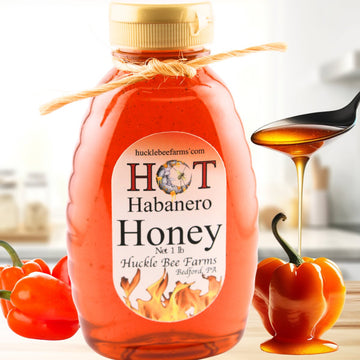
- Chili peppers
- Culinary herbs (mint, lavender, rosemary)
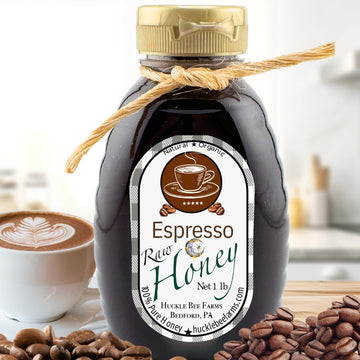
When a producer keeps the ingredient list this short, you can usually taste it. Ginger brings brightness and gentle heat. Espresso-infused honey has that roasted aroma that blooms when it hits warm toast.

What “flavored” honey is made of (and why it matters)
Flavoring-based honey typically starts with honey and then adds a flavor source that has already been extracted, distilled, or compounded. On labels, you may see terms like “natural flavor,” “artificial flavor,” “extract,” “oil,” “essence,” or the name of a flavor followed by “flavor,” prompting the question: is flavored honey fake or real?
“Natural flavor” is a real regulatory term in the United States. It means the flavoring comes from a natural source (plant or animal), but it does not mean the named ingredient itself was used in the jar. Lemon honey made with lemon oil can be labeled with “natural lemon flavor” without any lemon peel ever touching the honey.
Artificial flavors must be declared as artificial. Either way, once you learn the vocabulary, you can tell whether your “infused” honey was steeped with real ingredients or blended with flavorings, and how to tell if honey is naturally infused.
This is not automatically bad. A bourbon-style honey, for example, is often made with a natural bourbon flavor, so it can deliver oak and vanilla notes without alcohol. That can be exactly what someone wants for sauces, glazing, or gifting.


Huckle Bee Farms
🍯 Discover Your Flavorful Side
Explore our collection of infused small batch honey. From lavender to habanero, each one crafted to bring a bold twist to your team cheese board, marinades and more.
A quick way to read an infused honey label
Start with the ingredient list, listed on the front of the jar.
If you want a true infusion, the shortest ingredient list usually wins: clean ingredient infused honey plus the named ingredient, highlighting the difference between infused honey vs artificial flavoring. If you are fine with flavorings, look for transparency and a honey-forward product (Honey listed first, no extra syrups, and clear allergen info when needed).
After you scan ingredients, glance at the product name. “Honey infused with cinnamon” often signals a simple addition. “Cinnamon-flavored honey” may suggest flavorings. Wording is not perfectly standardized, so use it as a clue, not a guarantee.
A few label cues, including the presence of dried herbs, tend to mean you are not looking at a simple infusion:
- “Natural flavor”: flavor derived from a natural source, not necessarily the named ingredient in whole form
- “Artificial flavor”: synthetic flavor compounds must be identified as artificial
- “Corn syrup” / “sugar” / “glucose syrup”: extra sweeteners that turn it into more of a sweet spread than an infused honey
- “Milk” / “whey” / “butter”: dessert-style flavors (caramel, creams) that add allergens and change how it behaves in recipes
- “Oils”: can appear in confection-style blends; they also change texture and mouthfeel

Natural infusion vs flavorings: what changes in the jar?
Here is a practical comparison you can use while shopping, especially when two jars look similar from a few feet away.
| What you notice | Natural infusion (whole ingredients steeped), Huckle Bee Farms Style | Flavorings (extracts, “natural flavor,” compounds) |
|---|---|---|
| Ingredient list | Often 2 items: honey + the ingredient | Honey + “natural flavor” or “extract,” sometimes more ingredients |
| Taste | Layered, ingredient-driven, can vary slightly batch to batch | Consistent, single-note, built for repeatability |
| Appearance | May be darker; may have tiny specks or sediment | Usually uniform and clear (until honey crystallizes) |
| Texture | Raw honey texture; particles can seed crystallization | Often smooth; confection-style blends can be thicker or creamier |
| Best for | Tea, toast, yogurt, charcuterie, simple marinades | Cocktails, baking, dessert drizzles, gifting flavors that need consistency |
If you are shopping for a pantry staple, the simple two-ingredient approach is hard to beat. If you are shopping for a playful dessert drizzle, a longer ingredient list might be totally appropriate, as long as it is clearly presented.
Why some infused honeys have bits, and why crystallization happens
Raw honey naturally crystallizes over time. That is normal and often a sign of minimal processing. Infusions can crystallize a little faster because tiny particles (even invisible ones) give crystals a place to start.
You might also see:
- a light sediment from spices or botanicals
- a color shift compared to the base honey
- a slightly cloudier look in heavily infused varieties
None of that automatically signals poor quality. It usually means the honey was not ultra-filtered and the infusion had real contact with plant material.
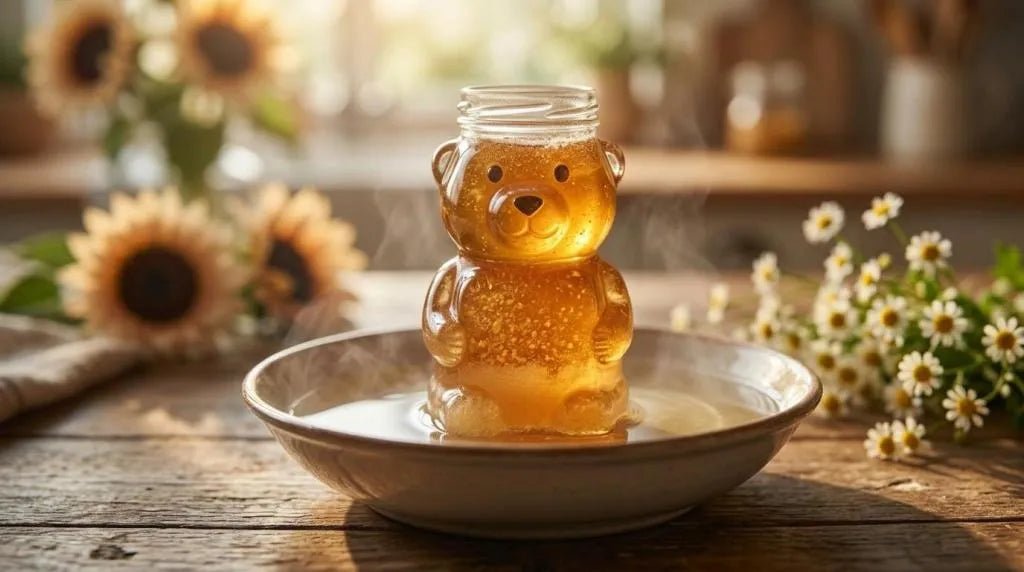
If your honey crystallizes and you want it pourable again, a gentle warm water bath can help. Keep the lid on, set the jar in warm (not boiling) water, and wait patiently. High heat can dull aromas and can be rough on the character that people buy raw honey for.
Shelf stability and safety: the moisture detail most people miss
Honey is famously shelf-stable because it is low in moisture and naturally inhospitable to microbial growth. Infused honey stays shelf-stable when the infusion method keeps water out of the jar.
That is why many makers prefer dried ingredients (dried peppers, dried citrus peel) or they strain the honey after steeping. Fresh fruit, fresh herbs, and anything watery can raise moisture and increase the chance of fermentation.
A few smart shopping habits help here:
- Choose producers that describe their infusion approach in plain language.
- Favor short ingredient lists when you want an everyday honey.
- Store honey tightly sealed at room temperature and keep moisture out (no wet spoons).
Also note the standard honey reminder: honey is not recommended for infants under 12 months.
Don't Let Your Honey Clump!
Now that you know how it's made, learn the secret to mixing it into iced coffee and cocktails without the mess.
Read the Masterclass: Sweetening Cold Drinks →“Infused” can still mean different things (and that is okay)
Some brands use “infused” as a broad umbrella. At Huckle Bee Farms, the infused lineup includes classic whole-ingredient blends (think honey plus real cinnamon, ginger, cranberries, or espresso beans) and also a few flavors made with thoughtful extracts when the goal is a specific profile, like a Marshmello-style note.
That kind of transparency matters more than perfection. A label that clearly says “natural bourbon flavor” is giving you useful information. You can decide if you want a true whole-ingredient infusion, an extract-based flavor, or a confection-style honey spread made for dessert boards.

How to choose the right jar for your kitchen (or a gift)
Choosing comes down to how you plan to use it. A Tea drinker might love bright ginger or peppermint-style flavors. A home cook might want hot honey for glazes. A gift buyer might want a sampler that covers breakfast, cooking, and dessert.
After you have read the label, match the style to the job:
- Tea and cozy drinks: cinnamon, ginger, peppermint-style flavors
- Cooking and marinades: hot honey, garlic-chili profiles, bourbon-style notes
- Cheese and grazing boards: berry infusions, espresso, smoked or spicy options
- Baking: cinnamon, gingerbread-style blends, vanilla-forward profiles
For events, favors, and corporate gifting, consistency and clear allergen information tend to matter as much as flavor. Custom labels and build-your-own bundles can make the gift feel personal without guessing what someone already has in their pantry.
Barista Pro-Tip
Now that you know how our honey is infused, don't let those natural enzymes clump in your iced coffee!
Check out our Honey Coffee Bar Guide to learn the 110°F Rule →
A simple checklist you can keep in your head at the store
You do not need to memorize regulations to shop wisely. You just need a pattern-recognition habit.
If the ingredient list reads like a home pantry, you are probably getting a true infusion. If it reads like a candy label, you are probably getting a honey-based sweet spread. Both can be delicious, but they belong in different places in your kitchen.
And if you ever feel unsure, the best signal is still the same: a brand that states exactly what is in the jar, why it is there, and what you should expect when you open it.
Frequently Asked Questions
What is infused honey made of?
Infused honey is made from a base honey, often raw and unfiltered, combined with real ingredients such as herbs, spices, fruit peels, or coffee beans that are steeped in the honey to transfer their aroma and flavor.
How is natural infused honey different from flavored honey?
Natural infused honey uses whole ingredients steeped in honey, resulting in layered, ingredient-driven flavors and often a short ingredient list. Flavored honey typically contains honey blended with extracts, natural or artificial flavors, and sometimes additional sweeteners, leading to a more uniform taste and longer ingredient list.
What does “natural flavor” mean on a honey label?
“Natural flavor” is a regulatory term meaning the flavoring comes from a natural source such as a plant or animal, but it does not necessarily mean the actual named ingredient is present in the honey in whole form.
Why does infused honey sometimes have bits or crystallize?
Bits or sediment in infused honey come from spices or botanicals used in the infusion. Crystallization is a natural process in raw honey and can happen faster in infused honey due to particles that seed crystal formation. Neither indicates poor quality.
How can I tell if infused honey is natural or contains additives?
Check the ingredient list: a short list with honey and a named ingredient usually indicates natural infusion. Presence of terms like “natural flavor,” “artificial flavor,” or added sweeteners like corn syrup suggests flavorings or additives.
Is infused honey safe to store at room temperature?
Yes, infused honey is shelf-stable if the infusion method keeps moisture out, such as using dried ingredients or straining out solids. Store honey tightly sealed at room temperature and avoid introducing moisture.
Can infused honey be given to infants?
No, honey is not recommended for infants under 12 months due to the risk of botulism.
Conclusion
Understanding the differences between natural infused honey and flavored honey empowers you to make informed choices that enhance your culinary experiences. By selecting products with simple ingredient lists, you can enjoy the rich, layered flavors that come from real infusions. Explore our diverse range of infused honeys to find the perfect addition to your kitchen or a thoughtful gift for someone special. Discover the true essence of honey today and elevate your taste experience.

Author - Jim Douglas - Founder Huckle Bee Farms
For Jim Douglas, beekeeping is more than a craft—it’s a commitment to purity and the environment. After an honorable career in the U.S. Army and a tenure as a COO for the Boy Scouts of America, Jim sought a way to combine his leadership experience with his love for the outdoors.
In 2012, he founded Huckle Bee Farms with a simple mission: to take honey back to its raw, unadulterated roots. Jim’s expertise lies in the delicate balance of infusing raw honey with organic ingredients without compromising its natural medicinal properties. His "small-batch" philosophy ensures that every jar meets the highest standards of quality and transparency. Today, Jim continues to lead Huckle Bee Farms with the same integrity he practiced in uniform, ensuring that every drop of honey supports both the health of the consumer and the survival of the honeybee.
His mission is simple: to make life a little sweeter—naturally.
Learn More about Infused Honey


Key Takeaways on Infused Honey
This list summarizes the essential points about infused honey, highlighting its ingredients, differences from flavored honey, and important considerations for consumers.
- Infused Honey Composition – Infused honey is created by steeping real ingredients in honey, allowing for a natural transfer of flavors and aromas.
- Natural Infusion Benefits – Natural infused honey utilizes whole ingredients, resulting in complex, layered flavors that enhance culinary experiences.
- Flavored Honey Characteristics – Flavored honey often contains extracts or artificial flavors, leading to a more uniform taste that may lack the depth of natural infusions.
- Ingredient List Importance – A shorter ingredient list typically indicates a true natural infusion, free from additives and unnecessary fillers.
- Understanding “Natural Flavor” – The term “natural flavor” refers to flavorings derived from natural sources, but does not guarantee the presence of the actual named ingredient.
- Crystallization in Honey – Infused honey may crystallize due to natural particles, which is a normal occurrence and does not indicate poor quality.
- Shelf Stability of Infused Honey – Infused honey remains shelf-stable when moisture is kept out during the infusion process, ensuring safety and longevity.
- Infant Safety Warning – Honey is not recommended for infants under 12 months due to the risk of botulism, a serious health concern.