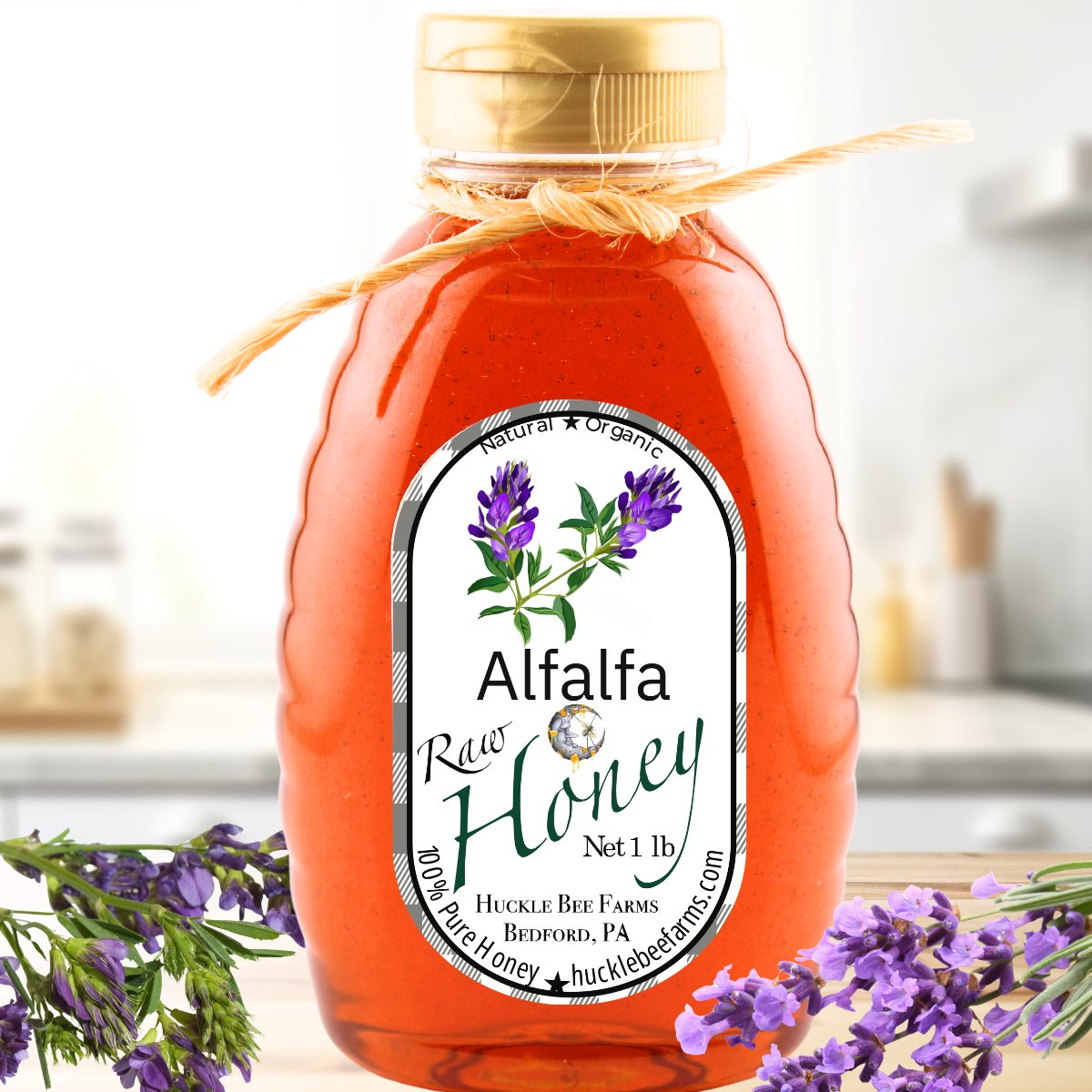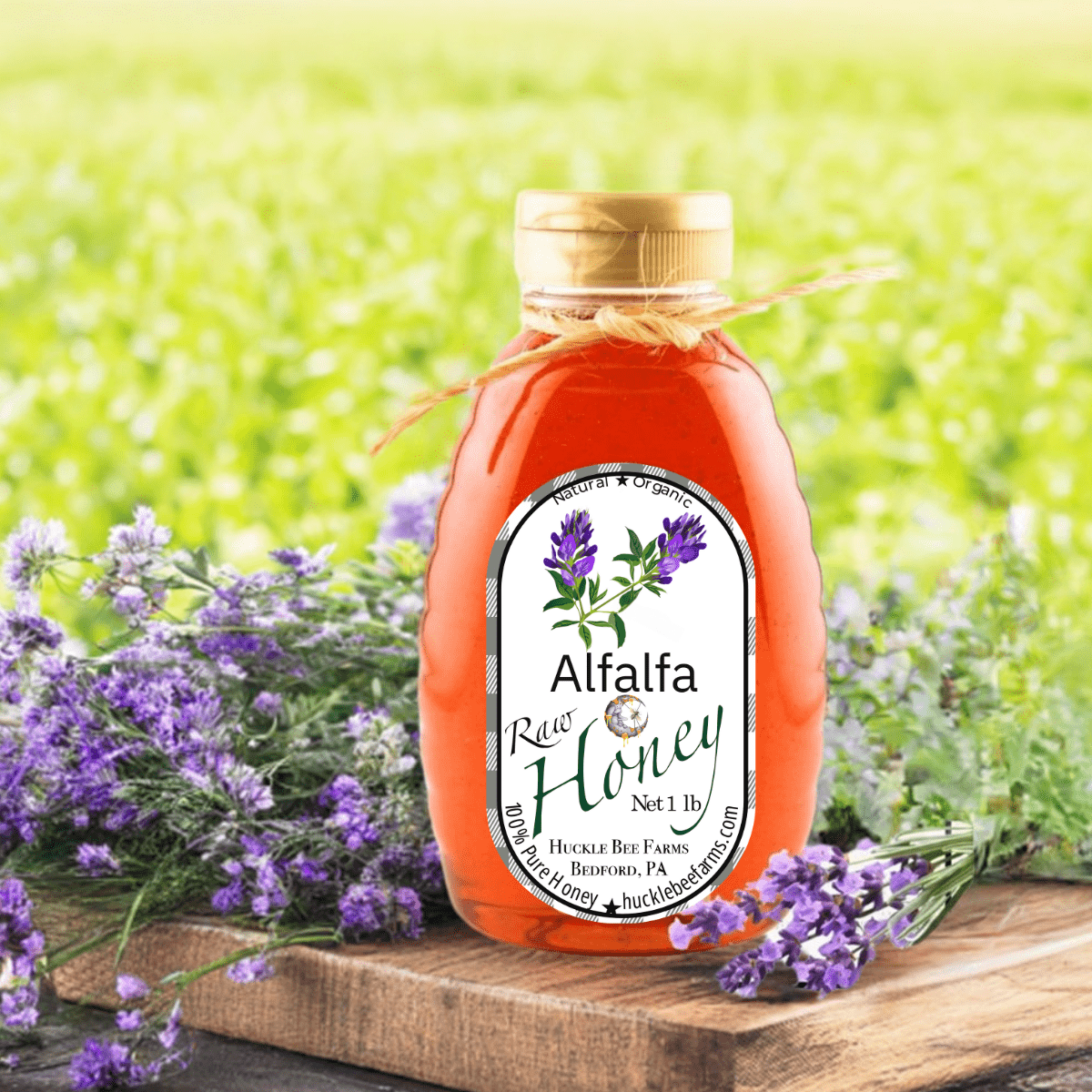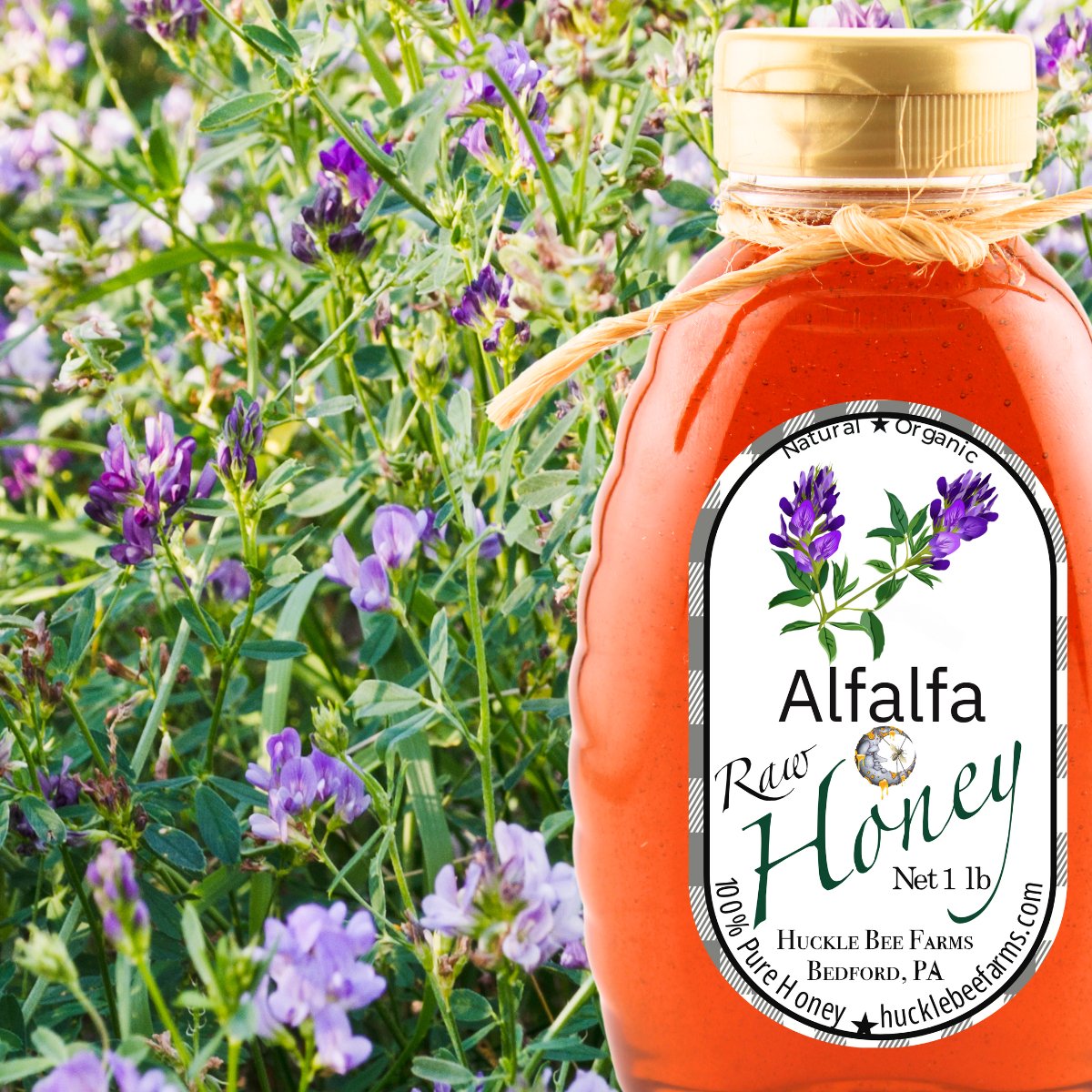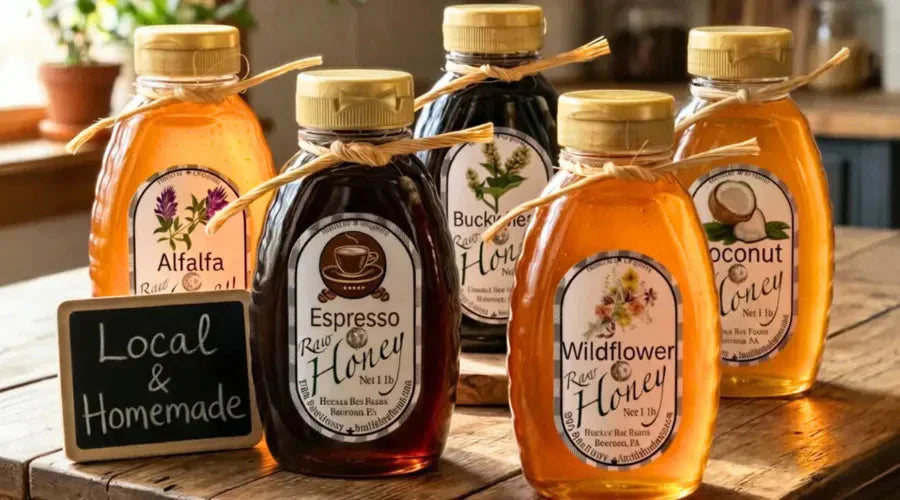
Discover the Best Raw Honey to Buy: Your Ultimate Guide
Best Honey to Buy: A Complete Guide to Choosing Raw, Organic & Specialty Honey
Looking for the best raw honey to buy? Discover how to choose high-quality, unfiltered honey, what labels actually mean, and which varieties deliver the richest flavor, real benefits, and true hive-to-table freshness. 🍯
The Huckle Bee Purity Guarantee
Not all honey is created equal. To ensure you are getting 100% Raw, Unfiltered Honey, every batch we produce meets these 4 strict criteria:
Preserves all natural enzymes and vitamins.
Contains local pollens and propolis.
Bottled fresh on-demand for maximum flavor.
Zero syrups, fillers, or artificial flavors.
Table of contents

Honey is not just a sweetener; it is a complex natural product with a variety of types, each offering unique flavors and health benefits. This guide will help you navigate the world of honey, focusing on raw, organic, and specialty varieties. You will learn how to choose the best honey for your needs, understand the differences between types, and discover the health benefits associated with honey consumption. Many consumers struggle with selecting high-quality honey that meets their health and taste preferences. This article will provide insights into the characteristics of different honey types, including raw honey, organic clover honey, and gourmet varieties. We will also explore sustainable farming practices and how they impact honey quality, ensuring you make informed choices.
Further research underscores the broad nutritional value and diverse health benefits that honey, in its various forms, offers to humans.
What is Raw Honey?
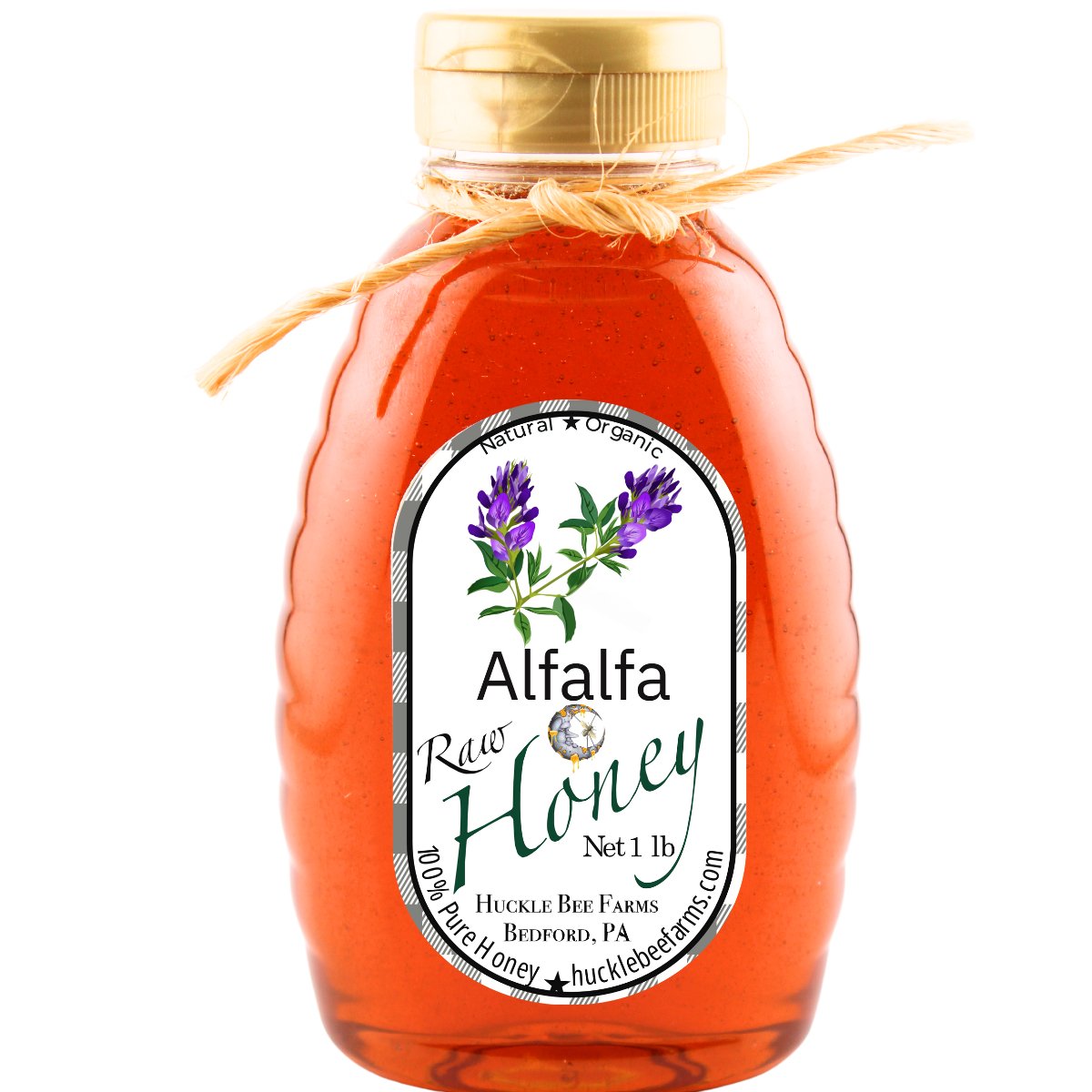
Raw honey is honey that has not been heated or processed, preserving its natural enzymes, vitamins, and minerals. This unfiltered form retains the beneficial properties that can be lost during processing, making it a popular choice among health-conscious consumers. The nutritional benefits of raw honey include antioxidants that help combat oxidative stress and anti-inflammatory properties that can support overall health. Additionally, raw honey is often used in natural remedies for sore throats and digestive issues, showcasing its versatility in health and wellness applications.
Studies confirm that raw, unprocessed honey, like that from stingless bees, retains significant physicochemical, phytochemical, and antioxidant potential.
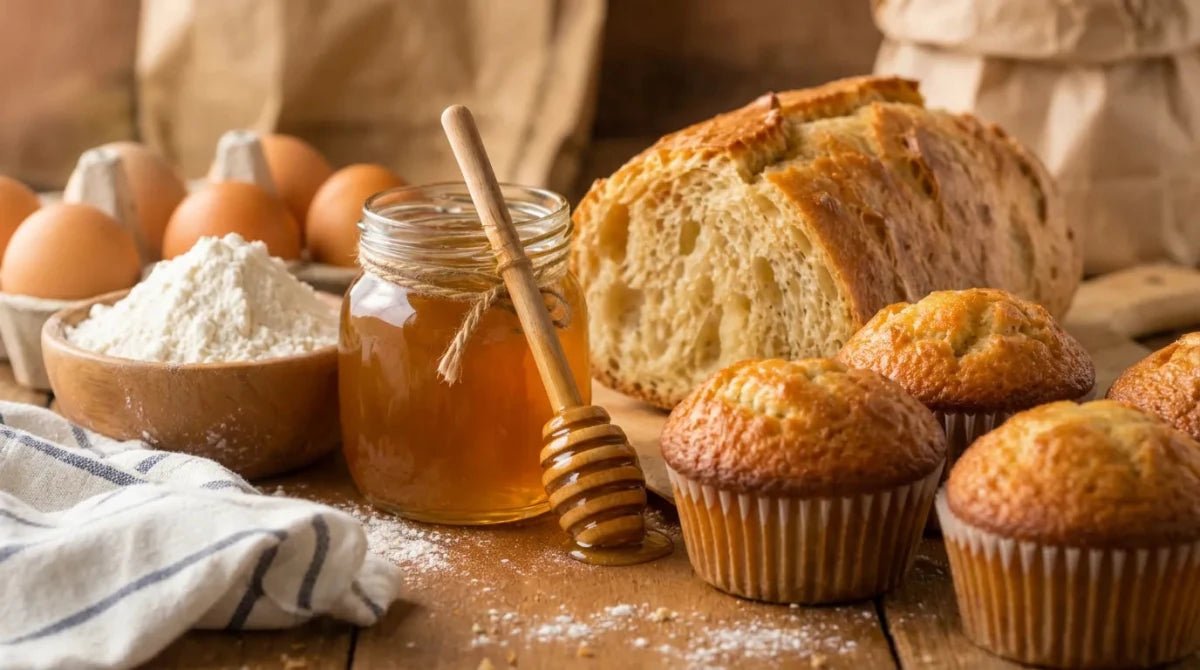
🐝 Raw Honey Kitchen Creations
1. The "Daily Immunity" Morning Tonic ▼
Best For: Using Wildflower or Clover Honey to kickstart your digestion.
- 8oz Warm Water (Not boiling! Keep it under 110°F to save enzymes)
- 1 tbsp Huckle Bee Raw Honey
- 1/2 Fresh Squeezed Lemon
- Optional: Pinch of Cayenne Pepper
Stir until dissolved and enjoy on an empty stomach for maximum health benefits.
2. 5-Minute Honey Balsamic Vinaigrette ▼
Best For: A clean, no-sugar-added dressing for summer salads.
- 3 tbsp Olive Oil
- 1 tbsp Balsamic Vinegar
- 1 tbsp Huckle Bee Raw Honey
- 1 tsp Dijon Mustard
Whisk together until creamy. The raw honey acts as a natural emulsifier to keep the oil and vinegar combined!
3. Raw Honey & Greek Yogurt "Power Bowl" ▼
Best For: A high-protein breakfast or post-workout snack.
- 1 cup Plain Greek Yogurt
- Handful of Walnuts or Almonds
- 1/2 cup Fresh Berries
- A generous drizzle of Huckle Bee Infused Honey
The thick texture of raw honey provides a rich mouthfeel that satisfies sugar cravings naturally.
Honey's Nutritional Composition & Health Benefits
Honey is one of the historical natural products produced by honey bees. Humans used it as medicine and protection against some infectious diseases, a honey quale is dependent in its classification of the honey bee. The most famous accomplished honey bees in the world are Africanized honey bee (Apis mellıfera .l), Western honey bee or European honey bee (Apis mellifera), Eastern honey bee (Apis cerana), Philippine honey bee (Apis nigrocincta), Koschevnikovs honey bee (A. koschevnikovi), Giant Honeybees (Apis dorsata), Dwarf Honeybees (Apis andreniformis). This study collected the health effect, quality and usage of honey in several industries; also argue about the nutritious value of honey that the most important parts are protein, carbohydrates, vitamin, and minerals.
A review: honey and its nutritional composition, D Qarizada, 2020
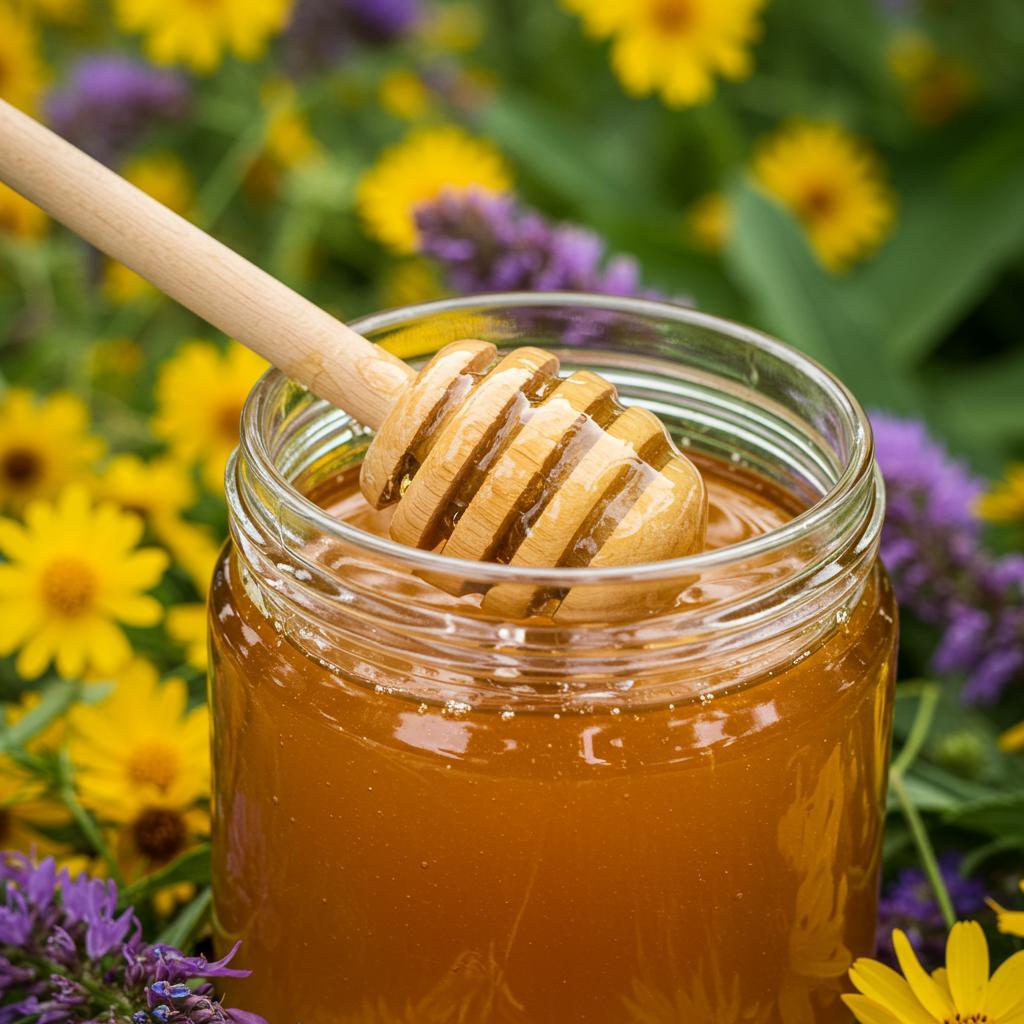
"I’ve tried dozens of brands, but Huckle Bee is the only one that actually tastes like the flowers it came from. The wildflower honey is a staple in my pantry now—unbeatable purity!"
Understanding Organic Clover Honey
Organic clover honey is derived from the nectar of clover flowers and is known for its light color and mild flavor. To be classified as organic, the honey must come from bees that forage on clover flowers grown without synthetic pesticides or fertilizers. The health benefits of organic clover honey include its potential to soothe allergies and provide a natural energy boost. When comparing organic clover honey to other honey types, it is essential to consider factors such as flavor profile and nutritional content.
| Certification | Description | Value |
|---|---|---|
| USDA Organic | Meets strict organic farming standards | High |
| Non-GMO | Free from genetically modified organisms | High |
| Fair Trade | Supports ethical farming practices | Medium |
This table highlights the various certifications that can enhance the value of organic clover honey, ensuring consumers make informed choices.
Gourmet Honey Varieties Explained
Gourmet honey encompasses a range of specialty honeys that offer unique flavors and characteristics. Some popular types include:
- Manuka Honey: Sourced from the Manuka tree in New Zealand, this honey is renowned for its antibacterial properties and is often used for medicinal purposes.
- Lavender Honey: Infused with the essence of lavender flowers, this honey provides a floral aroma and is perfect for culinary uses.
- Wildflower Honey: Collected from various wildflowers, this honey has a diverse flavor profile that can vary by season and location.
These gourmet varieties not only enhance culinary experiences but also provide distinct health benefits, making them a delightful addition to any pantry.

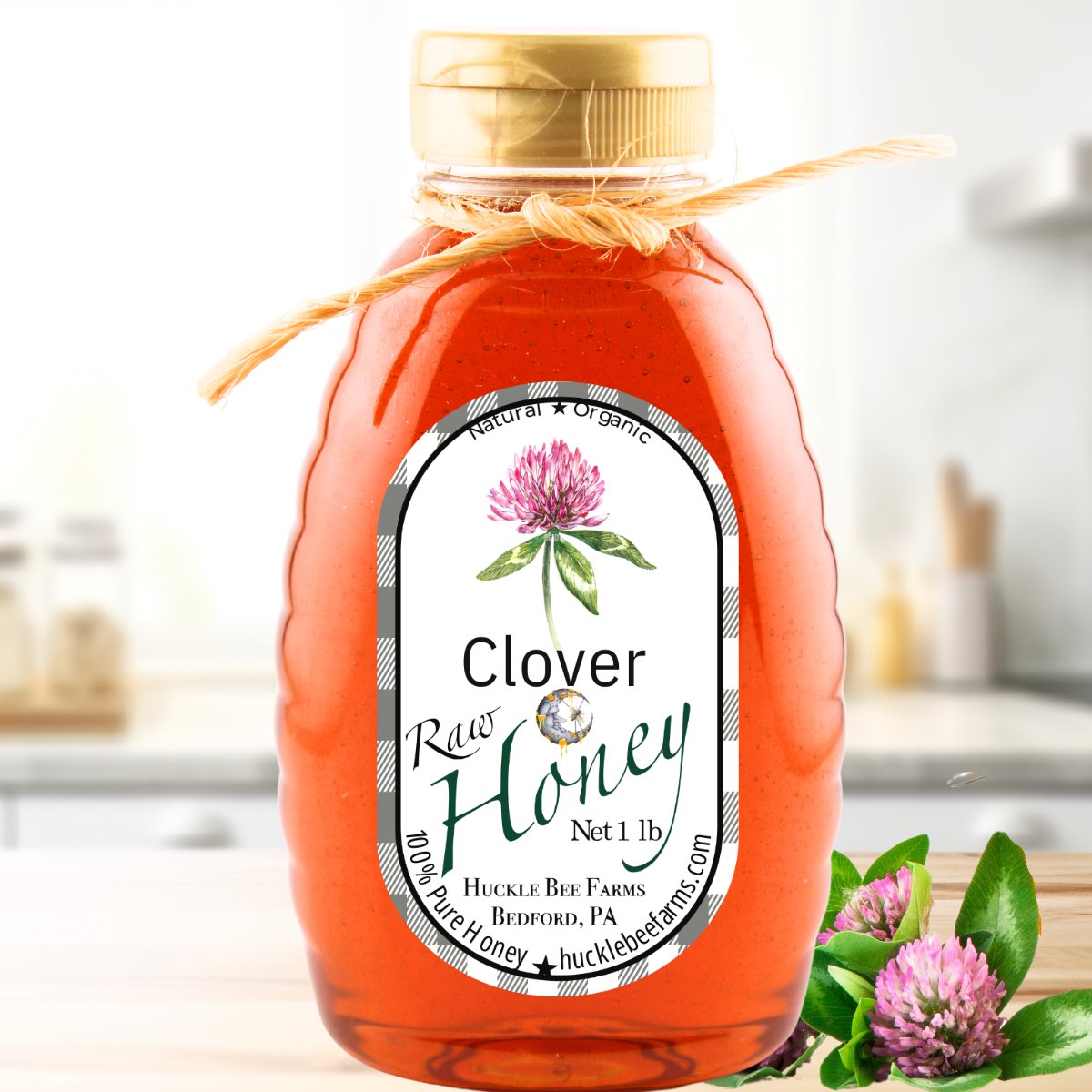
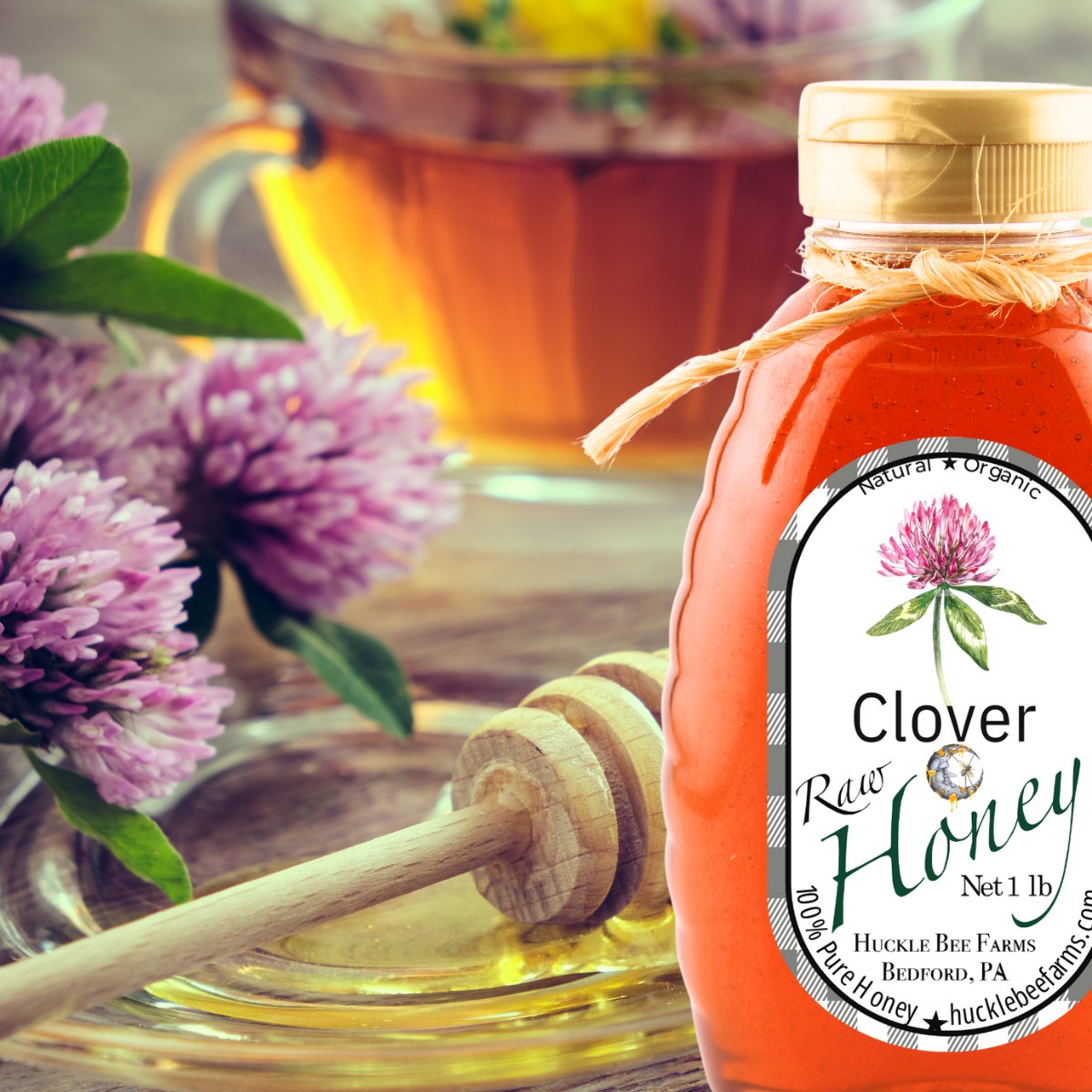
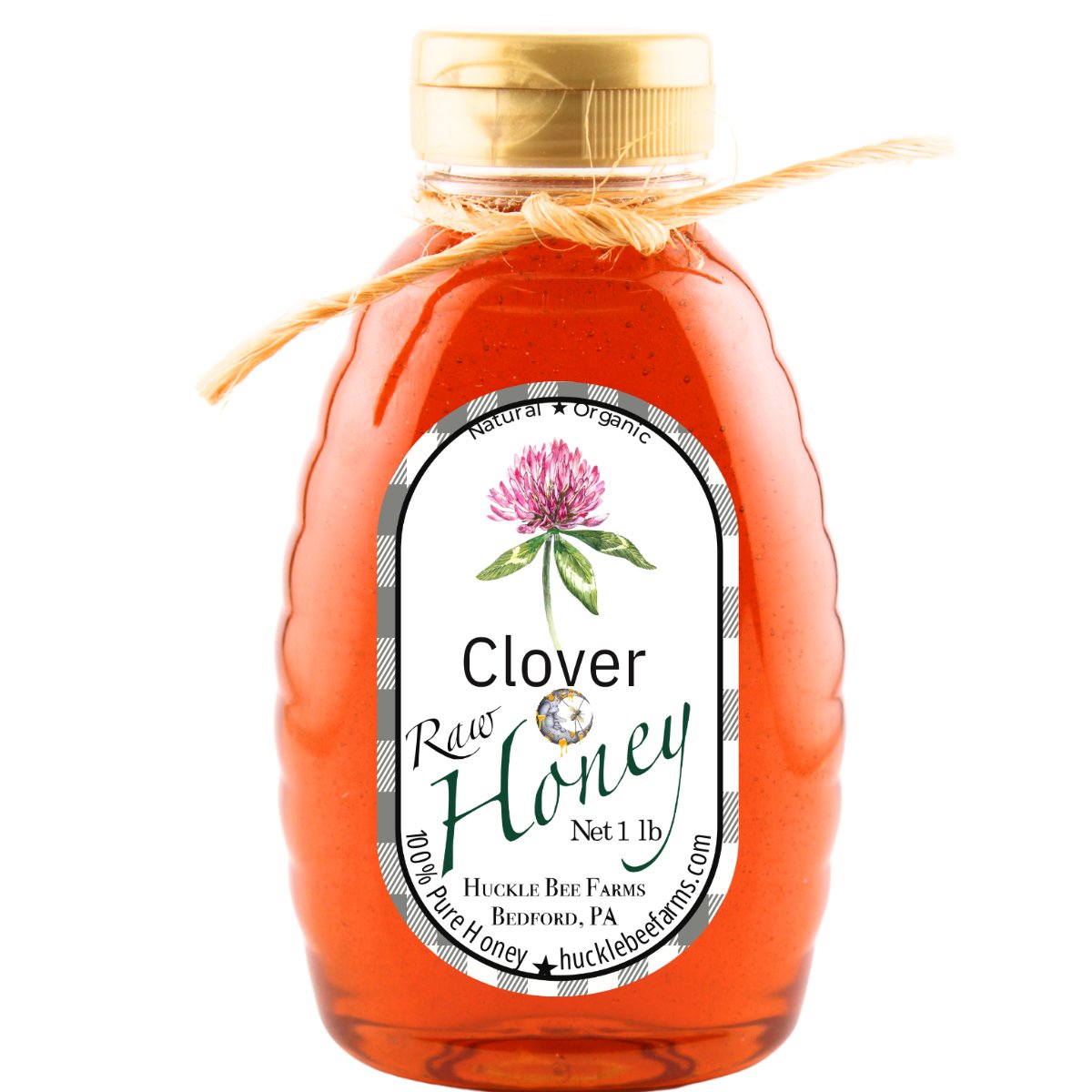
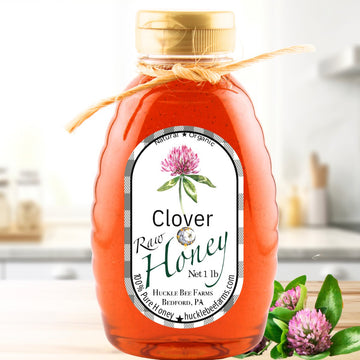
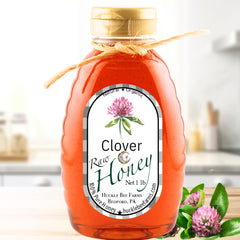
Pure Clover Honey: The Classic Sweetener
Mild, delicate, and beautifully floral. Our Clover Honey is a kitchen staple, perfect for everyday sweetening, tea, and family-favorite recipes. 🍯🌼
Sustainable Farming and Bee Health
Sustainable farming practices play a crucial role in maintaining bee populations and ensuring the quality of honey. By prioritizing eco-friendly methods, farmers can protect the environment and promote biodiversity. The benefits of organic farming extend beyond honey production; they contribute to healthier ecosystems and improved soil quality. Consumers can support sustainable practices by choosing honey products that emphasize organic certification and ethical sourcing. This conscious choice not only benefits personal health but also supports the well-being of bee populations and the environment.

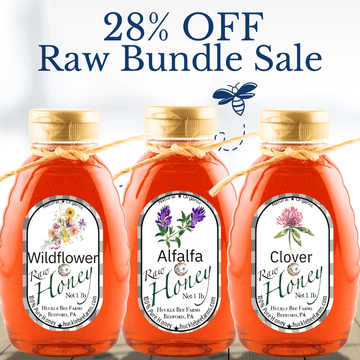
100% Pure Raw Wildflower Honey
Our most complex blend. A floral, fruity nectar that captures the essence of a thousand blossoms. Perfect for daily drizzling.
How to Choose the Best Honey for Your Needs
When selecting honey, consider the following factors to ensure you choose the best option for your health and taste preferences:
- Type of Honey: Decide between raw, organic, or gourmet varieties based on your health goals and flavor preferences.
- Source: Look for honey that is sourced from sustainable farms to support bee health and environmental practices.
- Flavor Profile: Experiment with different types of honey to find the flavors that best complement your culinary uses.
By understanding these factors, you can make informed decisions that align with your health and sustainability values. For those seeking high-quality honey, Hucklebee Farms offers a selection of organic, raw, and specialty honey products, emphasizing sustainable farming practices and organic certification.

☕ Coffee Lover’s Honey Bundle – Espresso, Bourbon & Irish Cream Honey
Indulge in the perfect pairing of coffee and honey with our Coffee Lover’s Honey Bundle.🍯
View Coffee BundleCommon Questions About Choosing the Best Honey
When it comes to selecting the right honey, consumers often have a variety of questions. This list addresses some of the most frequently asked questions, providing clear answers to help you make informed decisions about your honey purchases.
- What is the difference between raw and processed honey? – Raw honey is unfiltered and unprocessed, retaining natural enzymes and nutrients, while processed honey undergoes heating and filtering, which can diminish its health benefits.
- How can I identify high-quality honey? – Look for honey that is labeled as raw or organic, and check for certifications that indicate it is free from additives and sourced sustainably.
- What are the health benefits of organic clover honey? – Organic clover honey is known for its mild flavor and potential to alleviate allergies, making it a popular choice for those seeking natural remedies.
- How should I store honey to maintain its quality? – Store honey in a cool, dry place away from direct sunlight to preserve its flavor and nutritional properties; avoid refrigeration as it can cause crystallization.
- What is Manuka honey and why is it special? – Manuka honey, sourced from the Manuka tree in New Zealand, is renowned for its unique antibacterial properties, making it a sought-after option for medicinal use.
Learn More about Honey


Frequently Asked Questions
What are the different types of honey available?
Honey comes in various types, each with unique characteristics. The most common types include raw honey, which is unprocessed and retains its natural nutrients; organic honey, sourced from flowers grown without synthetic chemicals; and gourmet varieties like Manuka, lavender, and wildflower honey, each offering distinct flavors and health benefits. Understanding these types can help you choose the best honey for your culinary and health needs.
How can I tell if honey is pure and unadulterated?
To determine if honey is pure, look for labels that indicate it is raw or organic. Additionally, check for certifications such as USDA Organic or Non-GMO. Pure honey should not contain added sugars or artificial ingredients. A simple home test involves dissolving a spoonful of honey in water; pure honey will not leave a residue, while adulterated honey may leave a sticky film.
Can honey expire or go bad?
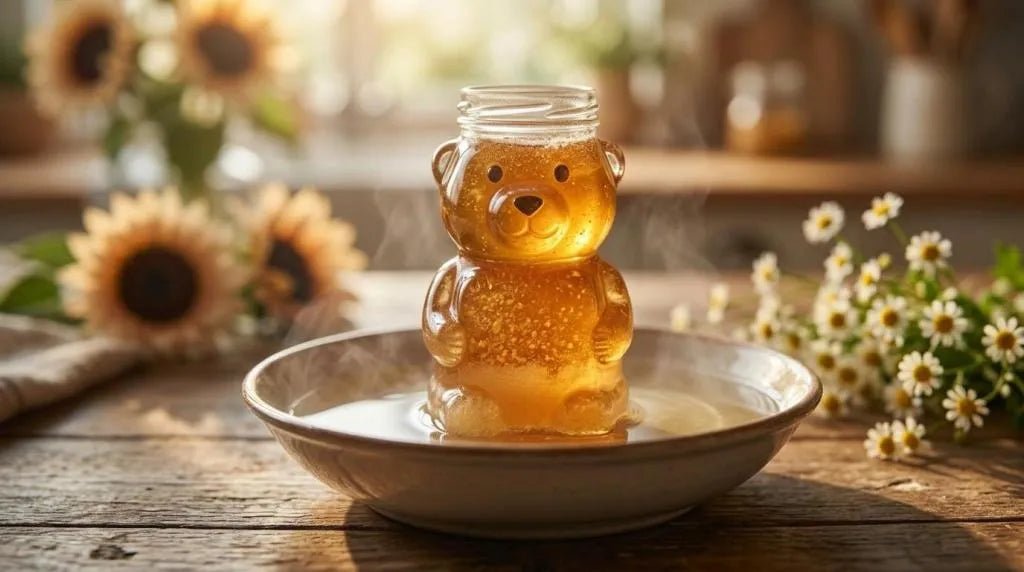
Honey has an incredibly long shelf life due to its low moisture content and acidic pH, which inhibit bacterial growth. While honey may crystallize over time, this does not mean it has gone bad. You can gently warm crystallized honey to return it to a liquid state. However, if honey develops an off smell or unusual appearance, it’s best to discard it.
What are the environmental benefits of choosing organic honey?
Choosing organic honey supports sustainable farming practices that prioritize bee health and biodiversity. Organic beekeeping avoids synthetic pesticides and fertilizers, which can harm bee populations and ecosystems. By purchasing organic honey, consumers contribute to healthier environments and promote ethical farming practices, ensuring that bees can thrive and continue to pollinate plants essential for food production.
How does the flavor of honey vary by region?
The flavor of honey can vary significantly based on the flowers from which bees collect nectar, as well as the region's climate and soil conditions. For example, wildflower honey may have a diverse flavor profile influenced by the variety of wildflowers in bloom, while Manuka honey has a distinct taste due to the unique Manuka tree. Regional differences can enhance the tasting experience and provide unique culinary uses.
What are the health benefits of consuming honey regularly?
Regular consumption of honey can offer numerous health benefits, including antioxidant properties that help combat oxidative stress, anti-inflammatory effects, and potential relief for sore throats and digestive issues. Honey is also a natural energy booster, making it a great alternative to refined sugars. However, moderation is key, as honey is still a form of sugar and should be consumed as part of a balanced diet.
Is honey safe for everyone to consume?
While honey is generally safe for most people, it should not be given to infants under one year old due to the risk of botulism. Additionally, individuals with diabetes or those monitoring their sugar intake should consume honey cautiously, as it can affect blood sugar levels. Always consult with a healthcare provider if you have specific health concerns or dietary restrictions regarding honey consumption.
Conclusion
Choosing the right honey can enhance your culinary experiences while providing numerous health benefits, from antioxidants to natural energy boosts. Understanding the differences between raw, organic, and gourmet varieties empowers you to make informed decisions that align with your health and sustainability values. By selecting high-quality honey, you not only support your well-being but also contribute to sustainable farming practices that protect bee populations. Discover our curated selection of premium honey products today.

Author - Jim Douglas - Founder Huckle Bee Farms
For Jim Douglas, beekeeping is more than a craft—it’s a commitment to purity and the environment. After an honorable career in the U.S. Army and a tenure as a COO for the Boy Scouts of America, Jim sought a way to combine his leadership experience with his love for the outdoors.
In 2012, he founded Huckle Bee Farms with a simple mission: to take honey back to its raw, unadulterated roots. Jim’s expertise lies in the delicate balance of infusing raw honey with organic ingredients without compromising its natural medicinal properties. His "small-batch" philosophy ensures that every jar meets the highest standards of quality and transparency. Today, Jim continues to lead Huckle Bee Farms with the same integrity he practiced in uniform, ensuring that every drop of honey supports both the health of the consumer and the survival of the honeybee.
His mission is simple: to make life a little sweeter—naturally.
Key Takeaways for Choosing the Best Honey
This list summarizes the essential points to consider when selecting high-quality honey, ensuring you make informed choices that align with your health and taste preferences.
- Understand Honey Types – Familiarize yourself with the differences between raw, organic, and gourmet honey to choose the best option for your health goals and flavor preferences.
- Check for Certifications – Look for labels such as USDA Organic or Non-GMO to ensure the honey is produced sustainably and free from harmful additives.
- Consider Flavor Profiles – Experiment with various honey types, like Manuka or lavender, to find flavors that enhance your culinary creations.
- Support Sustainable Practices – Choose honey sourced from farms that prioritize eco-friendly methods to help protect bee populations and promote biodiversity.
- Store Honey Properly – Keep honey in a cool, dry place away from sunlight to maintain its quality and prevent crystallization.