Why Buckwheat Honey is Your Go-To for Strong Flavored Health
Buckwheat Honey Benefits: Dark, Molasses-Rich Flavor and Practical, Everyday Medicinal Use
Buckwheat Honey is a dark, molasses-rich honey packed with antioxidants, known for its bold flavor, immune-supporting properties, and powerful wellness benefits.
Table of contents
What You Will Learn About Buckwheat Honey
This list highlights the key insights and benefits you will gain from understanding buckwheat honey, including its unique properties, health advantages, and culinary uses.
- Unique Antioxidant Properties – Discover how buckwheat honey's high levels of polyphenols and flavonoids help combat oxidative stress and promote overall health.
- Natural Cough Relief – Learn about its soothing effects on the throat, making it an effective remedy for reducing cough frequency and irritation.
- Importance of Raw and Unfiltered Quality – Understand why choosing raw, unfiltered buckwheat honey preserves essential enzymes and nutrients, enhancing its health benefits.
- Culinary Applications – Explore the versatility of buckwheat honey in various recipes, from savory dishes to baked goods, enriching flavors while providing health benefits.
- Support for Immune Function – Gain insights into how the anti-inflammatory and antimicrobial properties of buckwheat honey contribute to a stronger immune system.
- Comparison with Other Honey Varieties – Learn how buckwheat honey differs from Manuka and other honeys, particularly in its antioxidant focus versus antimicrobial properties.
- Sustainable Sourcing Practices – Discover Huckle Bee Farms' commitment to environmentally friendly production methods that support pollinator health and high-quality honey.

Buckwheat honey is a very dark, full-bodied honey made from buckwheat blossoms. Its deep, almost molasses-like color comes with a concentrated dose of antioxidants, which is why people reach for it when they want flavor and function together. In this guide we show how buckwheat differs from lighter honeys, summarize the clinical and lab evidence behind its traditional medicinal uses, and give clear, practical tips for cooking and simple home remedies. If you’re after natural cough relief, gentle anti-inflammatory support, or a richly flavored sweetener that still delivers nutrients, raw, unfiltered buckwheat honey is worth a look — it preserves enzymes, pollen, and polyphenols that heavier processing removes. Read on for how it supports immune health, easy ways to use it in tea and recipes, and how it compares to other therapeutic honeys like Manuka. Each section mixes sensory notes, a little science, and straightforward steps so you can decide how to add dark buckwheat honey to your pantry and first-aid shelf.
What Makes Buckwheat Honey Unique Among Dark Honeys?
Buckwheat honey is notable for its very dark color and concentrated phytochemical profile, coming from nectar collected mainly from buckwheat (Fagopyrum esculentum) blooms. It tends to have higher levels of polyphenols and flavonoids, which translate into measurable antioxidant activity. Minerals and pollen give it an earthy, malty character that’s clearly different from light floral honeys. Those compositional traits explain both the flavor and many of the reported health effects, positioning buckwheat as more of a functional food than just a sweetener. Below we’ll break down how that color and boldness show up on the palate and why choosing raw, minimally processed honey matters if you’re focused on health benefits.
How Does Buckwheat Honey's Dark Color and Bold Flavor Stand Out?
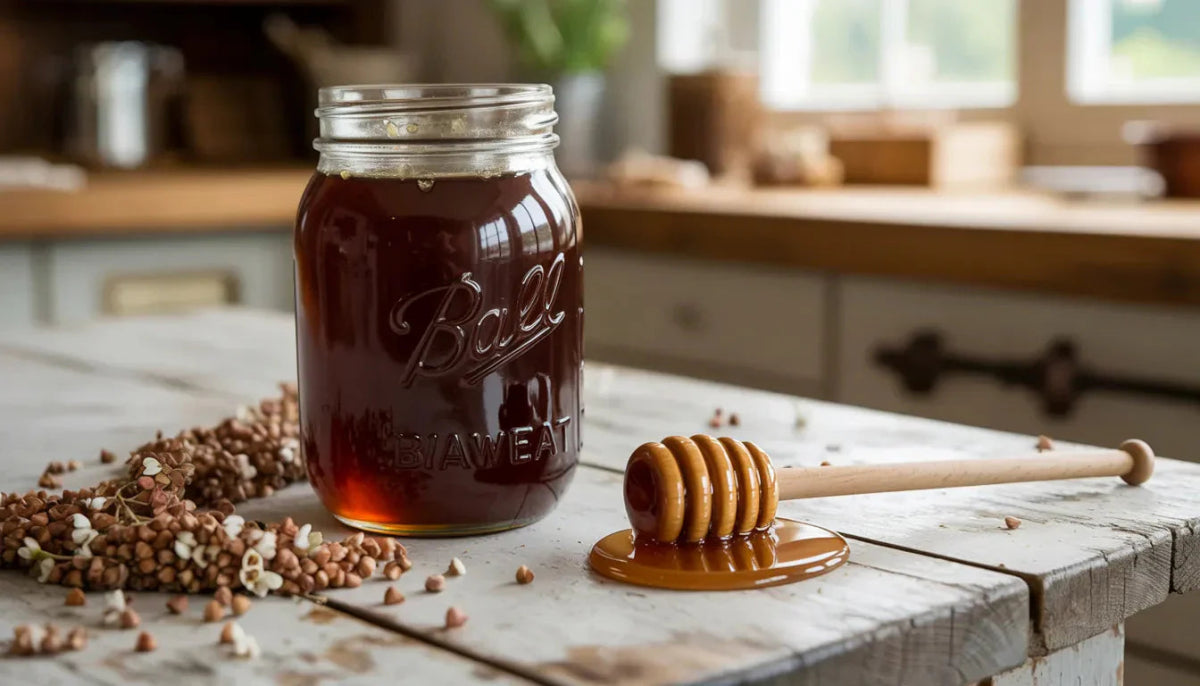
Buckwheat honey ranges from deep amber to nearly black, a reflection of concentrated plant pigments and polyphenols that develop as nectar becomes honey. On the tongue you’ll find molasses and roasted-malt notes, hints of dark chocolate, and an earthy mineral finish that can be slightly tannic compared with lighter, floral honeys. Those strong flavors pair well with bold foods — aged cheeses, roasted root vegetables, and smoked meats — where the honey’s intensity balances savory richness. Try it drizzled over blue cheese, used as a glaze for roasted beets, or folded into a stout barbecue sauce. Spotting these sensory cues helps you use buckwheat intentionally instead of defaulting to a neutral sweetener.
Why Is Raw, Unfiltered Buckwheat Honey Important for Health?
Raw, unfiltered buckwheat honey retains pollen grains, natural enzymes (like glucose oxidase), and heat-sensitive antioxidants that contribute to its functional effects. Pasteurizing and heavy filtration reduce enzyme activity and remove pollen and micronutrients, which can blunt antibacterial action and some immune-related components. If you’re seeking medicinal benefits — cough relief or topical wound support, for example — choosing raw and minimally processed honey preserves the biochemical complexity behind those traditional uses. When shopping, look for “raw” or “unfiltered” labels and accept natural crystallization as a sign of minimal processing; those cues usually mean the honey still holds much of its original phytonutrient and pollen profile. Preserving these elements is the first step toward the clinical benefits we discuss next.
What Are the Key Medicinal Benefits of Buckwheat Honey?

Buckwheat honey delivers concentrated antioxidants, throat-soothing properties, and mild antimicrobial action that together can support immune function, reduce inflammation, and ease cough symptoms. The antioxidant portion — mainly polyphenols and flavonoids — helps neutralize free radicals and may lower oxidative stress linked to chronic inflammation. Clinical and lab studies suggest buckwheat honey can calm sore throats and reduce nighttime coughing better than placebo in several trials, and topical studies of dark honeys show encouraging wound-healing signals under controlled conditions.
Those mechanisms translate into practical benefits for everyday wellness and short-term symptom relief, though anyone with a medical condition should check with a clinician. Below is a compact evidence summary that clarifies study focuses and headline findings for quick reference.
Across studies and reviews, buckwheat honey most consistently shows promise in these areas:
| Honey Type | Study Focus | Summary Finding |
|---|---|---|
| Buckwheat Honey | Antioxidant assays (polyphenols) | Often shows higher polyphenol levels and stronger radical-scavenging activity than many light honeys |
| Buckwheat Honey | Clinical cough studies (comparative) | Shown to reduce cough frequency and severity in child and adult nighttime cough trials, outperforming placebo in several reports |
| Dark Honeys (general) | Wound healing in vitro/ex vivo | Displayed antimicrobial effects and tissue-regenerative markers that support topical therapeutic potential |
This table highlights the main lines of evidence: antioxidant and cough-suppression signals are the most consistent and support practical use, while more targeted clinical work continues to refine dosing and specific indications.
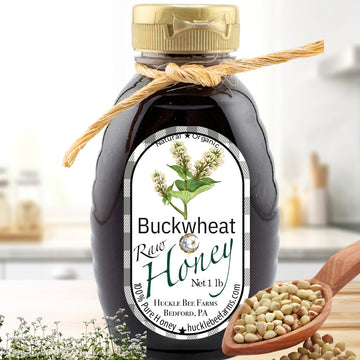
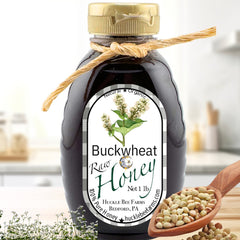
If you want to try a high-quality raw buckwheat honey, Huckle Bee Farms’ Buckwheat Honey is an example of a small-batch, raw product that matches the sensory and medicinal points above. Huckle Bee Farms LLC operates as an e-commerce and information hub offering artisanal infused and 100% pure raw honeys, produced with minimal processing to preserve nutrients. We present this product as a concrete option for shoppers who prefer raw buckwheat after reviewing the evidence and practical uses — our emphasis is science-informed guidance followed by a purchasing example.

How Does Buckwheat Honey Support Immune Health and Reduce Inflammation?
Buckwheat honey supports immune health mainly through antioxidant and anti-inflammatory compounds that help reduce oxidative stress and influence inflammatory pathways. Polyphenols and flavonoids neutralize reactive oxygen species and limit cellular damage, which can help lower chronic inflammatory markers tied to immune dysfunction. Practically speaking, small daily servings — stirred into tea or mixed with yogurt — add dietary antioxidants without relying only on supplements. Treat honey as a complementary approach, not a replacement for medical care; consult a healthcare professional if you have specific immune or inflammatory concerns. Understanding these mechanisms explains why buckwheat appears in studies of natural anti-inflammatory strategies.
In What Ways Does Buckwheat Honey Act as a Natural Cough Suppressant?
Buckwheat honey soothes coughs by coating the throat, reducing irritation, and providing mild antimicrobial effects that calm local inflammation in the upper airway. Trials comparing a single dose of honey to placebo or common cough medicines report fewer coughs and better sleep for children and adults, making honey a recommended first-line home remedy for nighttime cough in many guidelines — except for infants under one year because of the risk of botulism. Practical doses used in studies typically range from one-half to one teaspoon at bedtime or as needed for throat discomfort.
For a simple, soothing drink: stir one teaspoon of raw buckwheat honey into warm tea with lemon — the honey coats the throat while offering antioxidant and mild antimicrobial support for symptom relief.
How Can Buckwheat Honey Be Used in Culinary and Home Remedies?

Buckwheat honey’s assertive flavor and concentrated chemistry make it useful across savory cooking, baking, and comforting home remedies. Because it’s strong and slightly astringent, it shines with aged cheeses, roasted roots, and marinades where a pronounced honey note is wanted. For simple remedies, buckwheat blends easily into teas, lemon-honey syrups for coughs, and topical pastes for minor skin issues when used with basic wound-care knowledge. The list below highlights easy culinary uses and remedy formulas so you can put the honey’s flavor and functional traits to work.
Practical culinary and remedy uses include:
- Savory Glazes: Whisk buckwheat honey with mustard and soy for a glaze that builds color and resists burning.
- Tea and Nighttime Soothers: Stir one teaspoon into warm herbal tea with lemon to soothe coughs and coat the throat.
- Roasting and Baking: Use sparingly in recipes that need bold sweetness, like roasted root vegetables or dark rye breads.
These examples show how buckwheat honey adds both flavor depth and potential functional benefits; the next section gives a few specific recipe ideas to try at home.
What Are Popular Recipes and Uses for Raw Buckwheat Honey?
Raw buckwheat honey works best in recipes that let its intensity show. Try a buckwheat honey–mustard glaze: whisk two tablespoons buckwheat honey with three tablespoons Dijon mustard, one tablespoon apple cider vinegar, and a pinch of black pepper — great on pork or roasted carrots. For a simple side, drizzle buckwheat honey over roasted beets with thyme and goat cheese; the honey’s malty notes lift the beet’s earthiness. Homemade granola also benefits from this honey’s depth — mix it with oats, nuts, and a neutral oil and bake gently to preserve some enzymes. These uses show how raw, unfiltered quality enhances both taste and functional value, especially when honey is added after cooking or used at lower heat.
How Does Buckwheat Honey Enhance Tea, Baking, and Marinades?
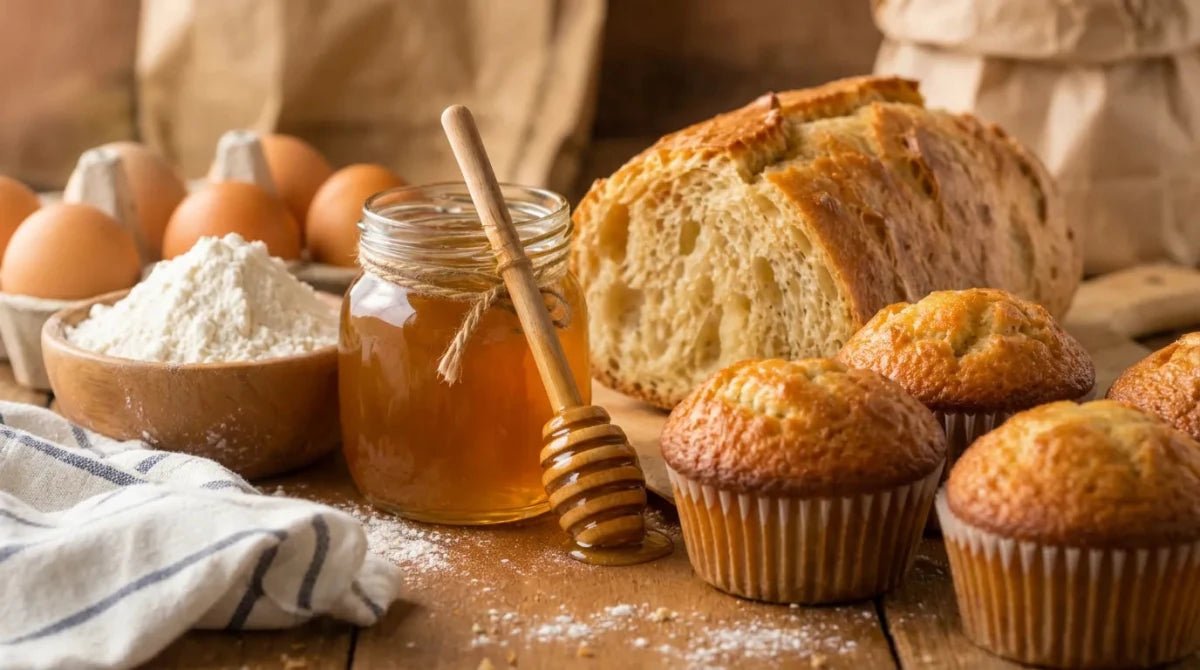
Buckwheat honey acts differently depending on temperature and acidity. In tea, add it when water has cooled slightly below boiling to protect heat-sensitive enzymes; it dissolves easily and adds body plus throat-coating benefits. When replacing sugar in baking, reduce liquid slightly and use roughly 2/3 to 3/4 cup of honey for 1 cup of sugar, and lower oven temperature by 25°F to prevent over-browning. In marinades, buckwheat contributes sweetness and glaze-promoting sugars that caramelize — pair it with an acid (vinegar or citrus) and oil to balance stickiness. These technique tips help preserve flavor and as much functional value as possible when cooking.

How Does Buckwheat Honey Compare to Other Health-Boosting Honeys?
Buckwheat honey differs from other therapeutic honeys mainly in its antioxidant focus, compared with the standardized antimicrobial markers people use to judge Manuka. Manuka is often measured by MGO or UMF scores that indicate methylglyoxal-driven antimicrobial strength, while buckwheat stands out for higher polyphenol content and stronger radical-scavenging activity. That makes buckwheat a good choice for antioxidant-focused goals — reducing oxidative stress or soothing inflammation — whereas Manuka may be preferred when standardized antimicrobial activity is the priority for wound care. Consider price, availability, and flavor: buckwheat is usually more affordable and intensely flavored, while Manuka carries a premium for its certified antimicrobial markers.
Here’s a quick comparison to guide common choices:
| Honey Type | Key Attribute | Typical Uses |
|---|---|---|
| Buckwheat Honey | High antioxidant / polyphenol content | Antioxidant support, cough relief, bold culinary uses |
| Manuka Honey | Standardized antimicrobial markers (MGO / UMF) | Wound care, targeted antimicrobial applications |
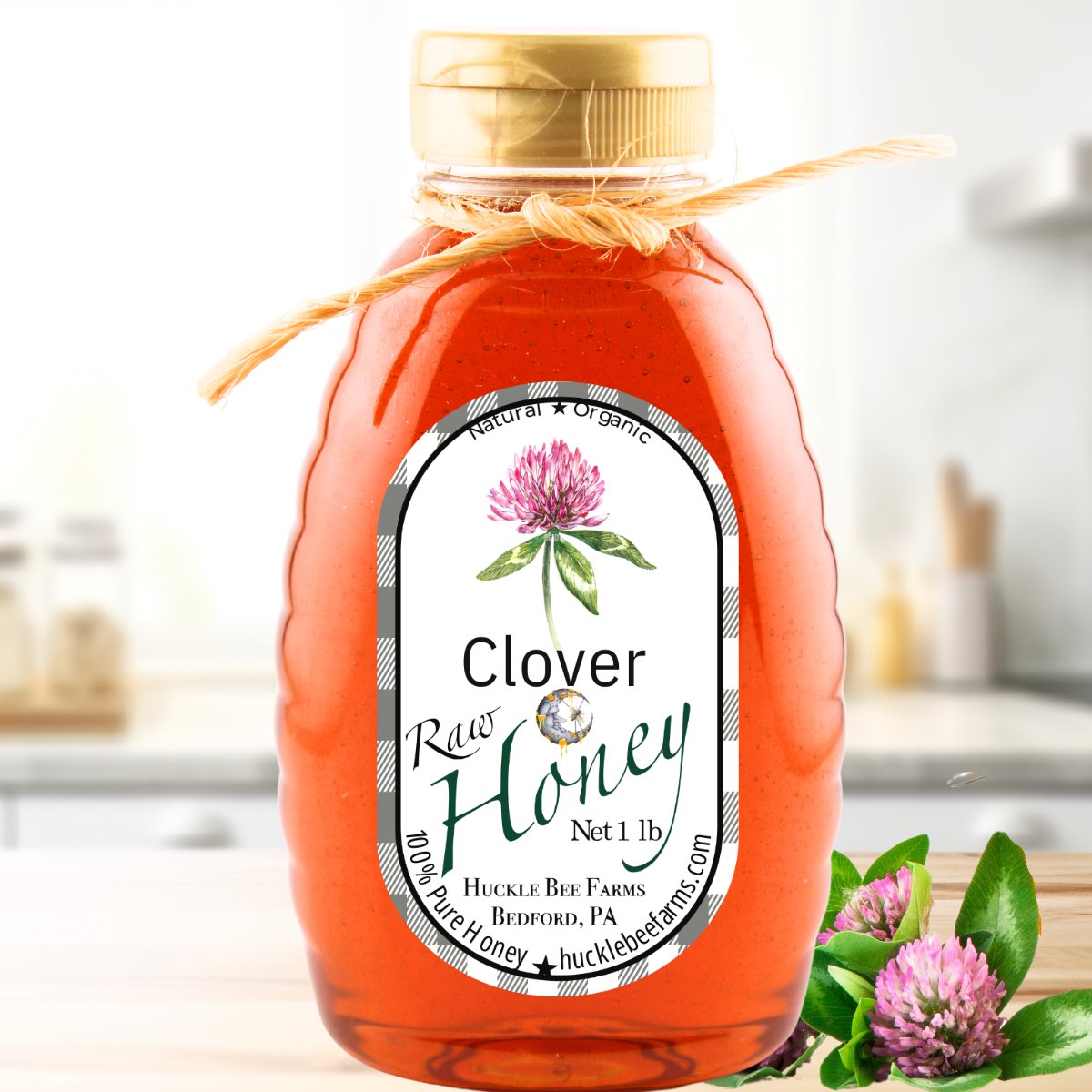
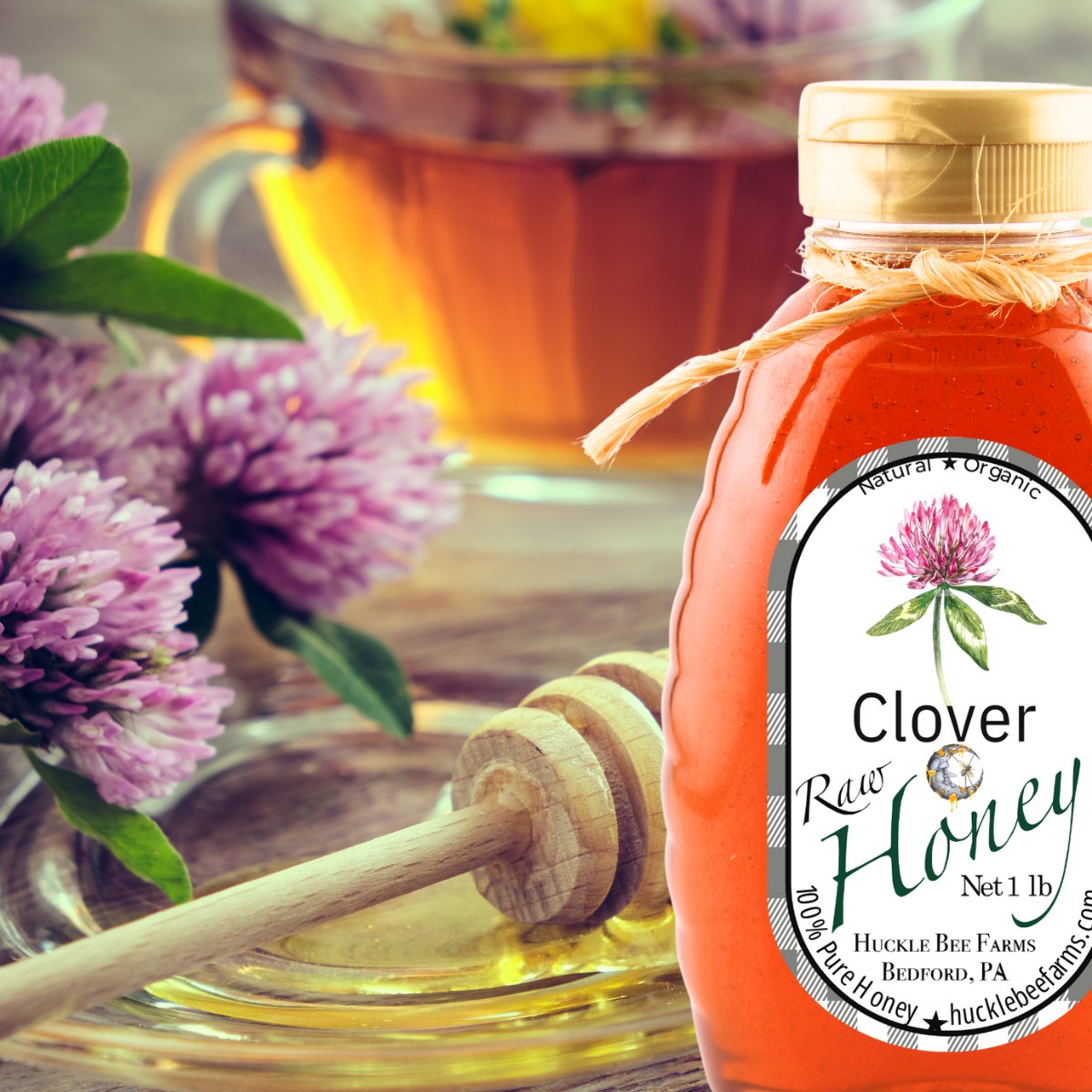
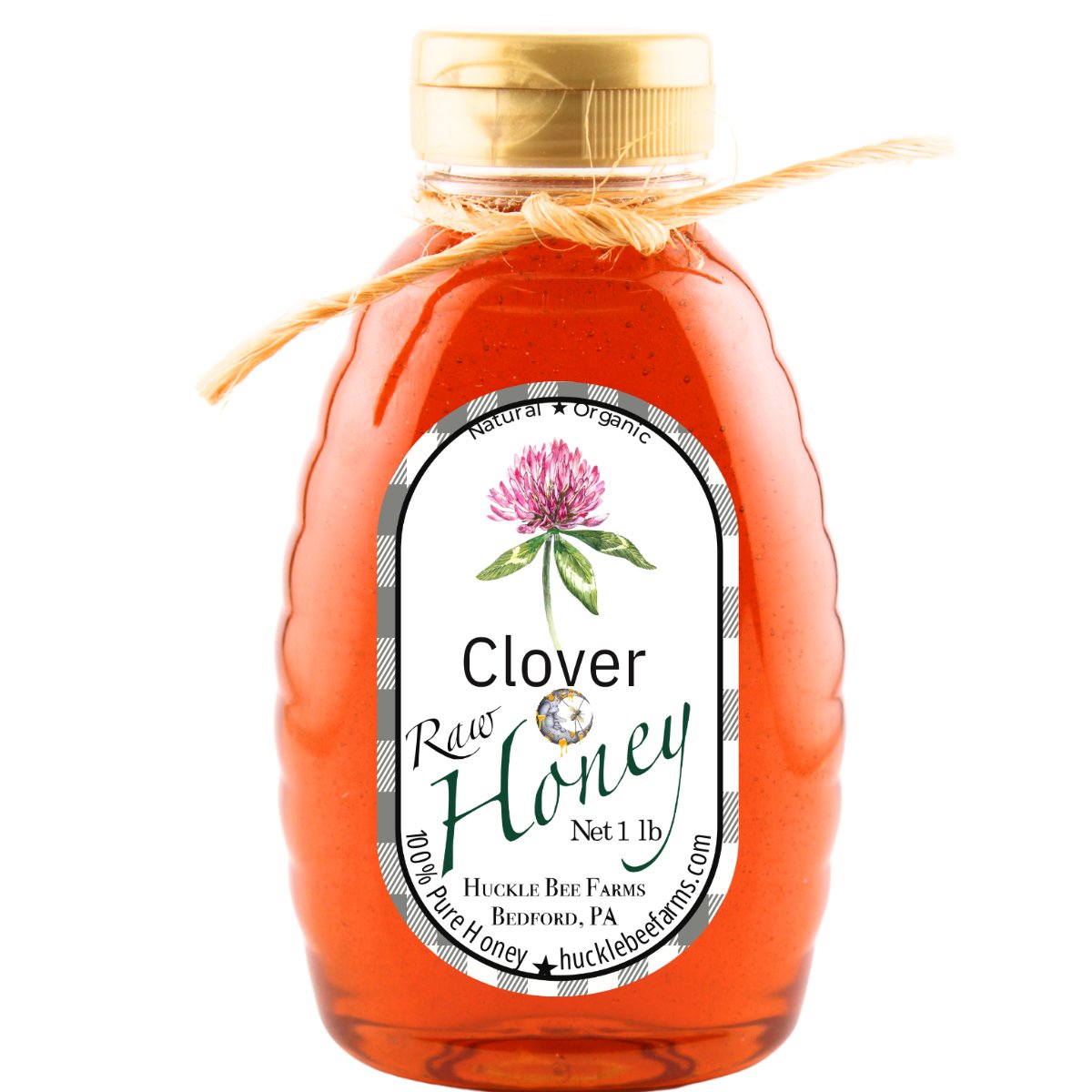
| Light Floral Honeys (e.g., Clover) | Mild flavor, lower polyphenols | Baking, neutral sweetening, everyday use |
Buckwheat Honey vs. Clover Honey
Feature |
Buckwheat Honey |
Clover Honey |
| Color | Dark brown | Light golden |
| Flavor Profile | Bold, rich, molasses-like | Light, smooth, mildly floral |
| Antioxidant Content | Very high | Moderate |
| Health Focus | Immune support, antioxidant boost | Everyday wellness, gentle energy |
| Best Uses | Baking, marinades, savory dishes, tea | Tea, coffee, drizzling, baking |
| Sweetness Level | Less sweet, more robust | Mild and naturally sweet |
What Are the Differences Between Buckwheat Honey and Manuka Honey?
Buckwheat and Manuka overlap in some uses but play different roles: buckwheat emphasizes antioxidant potency and a strong flavor, while Manuka is prized for quantified antimicrobial activity via MGO/UMF certification. For throat-soothing and adding dietary antioxidants, buckwheat’s polyphenols are a clear advantage; for clinical wound care where antimicrobial strength matters, certified Manuka is often chosen. Flavor also matters — buckwheat brings malty depth that shifts a recipe’s profile, while Manuka can be milder or floral depending on its source. Pick based on your goal: antioxidant and culinary depth (buckwheat) versus standardized antimicrobial therapy (Manuka).

How Do Antioxidant Levels in Buckwheat Honey Compare to Other Varieties?
Multiple studies measuring polyphenols and radical-scavenging ability consistently rank buckwheat among the higher-antioxidant honeys, often above many light floral varieties. Darker color generally correlates with higher antioxidant values, so choosing darker honeys like buckwheat is an easy way to add phytochemical-rich sweetness to your diet. Antioxidant numbers need context — dietary antioxidants are one part of overall health — but selecting darker honey is a simple step toward adding useful phytochemicals to meals.
What Is Huckle Bee Farms’ Commitment to Quality and Sustainability?
Huckle Bee Farms LLC is a veteran‑owned e-commerce and information hub focused on artisanal infused honey and 100% pure raw honey, including our robust Buckwheat Honey. We emphasize small-batch, handcrafted production and avoid pasteurization and excessive processing so enzymes, pollen, and phytonutrients are preserved. We also support sustainable practices and pollinator-health efforts, connecting product quality with environmental stewardship. If you prioritize raw, minimally processed honey sourced with attention to pollinators, these attributes help you choose with confidence.
The product attributes below give a quick, scannable snapshot of Huckle Bee Farms’ Buckwheat Honey for shoppers ready to buy:
| Product | Processing | Origin | Batch Style |
|---|---|---|---|
| Huckle Bee Farms Buckwheat Honey | Raw / Unfiltered | Pennsylvania | Small-batch, handcrafted |
| Huckle Bee Farms Infused Honey (general) | Artisanal infusion, minimal processing | Pennsylvania | Small-batch |
| Huckle Bee Farms Pure Raw Honey | Never pasteurized | Pennsylvania | Handcrafted |
How Is Buckwheat Honey Sourced and Produced Sustainably in Pennsylvania?
Huckle Bee Farms sources buckwheat honey from Pennsylvania-based operations and prioritizes small-batch, handcrafted production to avoid over-processing and keep natural components intact. Our sustainability efforts include pollinator-health initiatives and minimal processing that skips pasteurization to preserve nutrients. Product pages pair photos of bees, buckwheat blooms, and small honey lots to communicate artisanal provenance. These sourcing and production choices meet buyer demand for traceable, environmentally conscious honey that retains therapeutic qualities.
Why Choose Huckle Bee Farms’ Veteran-Owned, Small-Batch Buckwheat Honey?
Choosing Huckle Bee Farms’ buckwheat honey means supporting a veteran-owned small business that offers raw, unfiltered honey made in small batches with pollinator health and minimal processing in mind. The artisanal, handcrafted positioning — never pasteurized — helps preserve the sensory intensity and potential medicinal benefits described earlier, making it a good match for buyers who care about nutrient retention and environmental stewardship. A few simple reasons to consider our buckwheat honey:
- Veteran-owned small business offering artisanal honey choices.
- Raw, unfiltered processing to preserve enzymes and pollen.
- Small-batch, handcrafted production with sustainability and pollinator care in mind.
With its deep molasses flavor and exceptionally high antioxidant content, buckwheat honey stands out as a powerful, nutrient-rich honey valued for wellness support, immune health, and bold culinary uses.
Frequently Asked Questions
What are the best ways to store buckwheat honey to maintain its quality?
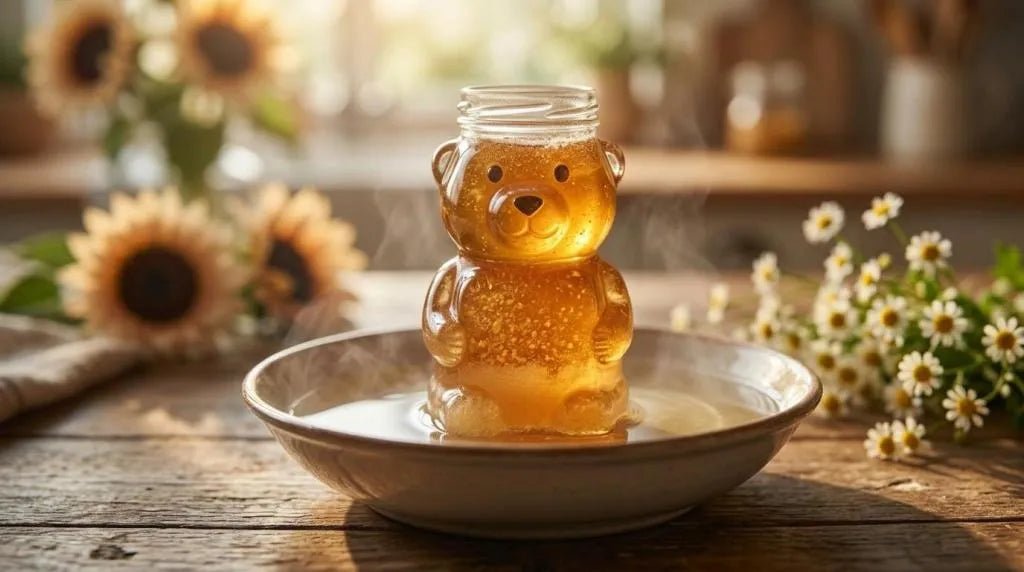
Store buckwheat honey in a cool, dark spot away from direct sunlight and heat — a pantry or cupboard at room temperature works well. Avoid refrigeration, which speeds crystallization. Keep the jar tightly sealed to prevent moisture absorption and possible fermentation. If the honey crystallizes, gently warm the jar in a water bath to return it to liquid without overheating, which can damage beneficial enzymes.
Can buckwheat honey be used in skincare routines?
Yes. Buckwheat honey’s antibacterial and anti-inflammatory properties make it a useful addition to natural skincare. As a simple mask, apply a thin layer of raw buckwheat honey to clean skin, leave for 15–20 minutes, then rinse with warm water. Its antioxidants also help fight free radicals, so it’s an easy option for routines aiming to soothe and support healthy skin.
Is buckwheat honey safe for children and infants?
Buckwheat honey is safe for children over one year old but must never be given to infants under one year because of the risk of botulism from Clostridium botulinum spores. For older children, buckwheat honey can soothe coughs and sore throats; check with your pediatrician before introducing new foods if you have concerns.
How does buckwheat honey compare to other sweeteners in terms of health benefits?
Compared with refined sugar, buckwheat honey offers extra nutrients — vitamins, minerals, and antioxidants — so it’s more than empty calories. Its natural sweetness can reduce the need for artificial sweeteners, but it’s still calorie-dense and should be used in moderation. If you want a flavorful alternative to sugar with additional beneficial compounds, buckwheat honey is a solid choice.
What are some creative culinary uses for buckwheat honey?
Because of its robust flavor, buckwheat honey is excellent in marinades for meats, salad dressings, or as a finishing drizzle on roasted vegetables. It brightens dark breads and desserts and adds depth to homemade granola or yogurt parfaits. Use it where its strong, malty character will be noticed and enjoyed.
Are there any potential side effects of consuming buckwheat honey?
Most people tolerate buckwheat honey well, but those with pollen or bee allergies may have reactions like itching, swelling, or stomach upset. Because it’s high in sugar, excessive intake can contribute to weight gain and elevated blood sugar — important for people with diabetes to note. Consume in moderation and consult a healthcare professional if you have concerns.
Conclusion
Adding buckwheat honey to your kitchen gives you a bold, flavorful ingredient that also brings antioxidant and soothing properties. Its strong taste lifts savory and sweet dishes alike, and raw, unfiltered buckwheat can provide practical benefits — from calming coughs to supplying dietary antioxidants. Choosing raw, minimally processed honey helps preserve those qualities. Try the unique character of Huckle Bee Farms’ Buckwheat Honey and give your pantry and home remedies a richer, more useful option.

Author - Jim Douglas - Founder Huckle Bee Farms
Jim is the heart and hands behind Huckle Bee Farms, a family-run honey company dedicated to bringing small-batch, infused honeys from the hive to your table. As a passionate beekeeper, storyteller, and advocate for pollinators, Jim blends his love for nature and creativity into every bottle. When he’s not tending to the hives or experimenting with new honey infusions, you’ll find him sharing recipes, health tips, and bee wisdom with the Huckle Bee Farms community. His mission is simple: to make life a little sweeter—naturally.
Key Takeaways on Buckwheat Honey Benefits and Uses
This list summarizes the essential points regarding the unique properties, health benefits, and culinary applications of buckwheat honey, making it a valuable addition to your pantry and wellness routine.
- High Antioxidant Content – Buckwheat honey is rich in polyphenols and flavonoids, which help neutralize free radicals and reduce oxidative stress, supporting overall health.
- Natural Cough Suppressant – Its soothing properties coat the throat, alleviating irritation and reducing cough frequency, making it an effective home remedy for cough relief.
- Raw and Unfiltered Quality – Choosing raw, unfiltered buckwheat honey preserves beneficial enzymes and nutrients, enhancing its medicinal properties compared to processed varieties.
- Culinary Versatility – The bold, malty flavor of buckwheat honey pairs well with savory dishes, baked goods, and beverages, enriching recipes with both taste and health benefits.
- Supports Immune Health – The anti-inflammatory and antimicrobial properties of buckwheat honey contribute to immune function, helping to reduce inflammation and support overall wellness.
- Comparison with Other Honeys – Unlike Manuka honey, which is known for its antimicrobial properties, buckwheat honey excels in antioxidant support, making it ideal for those focused on reducing oxidative stress.
- Sustainable Sourcing – Huckle Bee Farms emphasizes small-batch production and environmentally friendly practices, ensuring high-quality, minimally processed honey that supports pollinator health.