Achieve Healthy Hair with Natural Honey Treatments
DIY Honey Hair Treatments for Healthy, Shiny Hair — Nourish and Revitalize Naturally
DIY honey hair treatments use honey’s natural humectant and antioxidant properties to deeply hydrate hair, boost shine, reduce breakage, and support a healthy scalp naturally.
Table of contents
Honey-based hair treatments use a natural, sugar-rich substance made by bees to deliver lasting moisture, gentle antimicrobial support, and antioxidants to both scalp and strands. These treatments work because honey is hygroscopic (it pulls and holds water), contains enzymes and antioxidants that soothe inflammation, and offers mild antimicrobial action that helps keep the scalp balanced. In this guide you’ll learn why honey helps hair look and grow healthier, how to make and apply simple DIY masks and scalp treatments, and what safety checks to run before you make them part of your routine. If dryness, dullness, or a flaky scalp are familiar problems, honey offers an accessible, evidence-informed way to restore manageability and shine without heavy silicones. The article lays out benefits and mechanisms, step-by-step recipes and application tips, targeted scalp treatments, options for shine and manageability, and sensible precautions — with keywords like honey hair mask, honey scalp treatment, raw honey for hair, and honey hair rinse woven into practical, actionable steps so you can start safely at home.

What Are the Benefits of Using Honey for Hair Growth and Health?
Honey helps hair and scalp health in three main ways: it acts as a humectant to attract moisture, provides mild antimicrobial support, and supplies antioxidants and trace nutrients that protect the follicle environment and improve strand integrity. Its sugars (mainly fructose and glucose) pull water into the hair cortex, while enzymes and antioxidants help lower oxidative stress and calm microbial imbalances on the scalp—conditions that support healthier growth. Below is a compact look at key biochemical components and the practical hair benefits they deliver, explained simply before we move into recipes and treatments.
The different biochemical parts of honey map directly to visible improvements in hair and scalp health.
| Component | Mechanism | Practical Benefit |
|---|---|---|
| Sugars (fructose, glucose) | Hygroscopic action — attract and hold water | Better moisture retention; less dryness |
| Enzymes (e.g., glucose oxidase) | Create gentle antimicrobial activity | Reduced dandruff and a cleaner-feeling scalp |
| Antioxidants (polyphenols) | Neutralize free radicals | Protects follicles and improves strand strength |
| Minerals (iron, zinc traces) | Support basic cellular functions | Subtle nutrient support for follicle health |
This table shows how simple biochemical traits of honey translate into real benefits like less flaking, improved elasticity, and a glossier finish. Knowing how honey works helps you pick sensible uses: masks for deep moisture, light serums for scalp care, and rinses for surface shine. If you’d rather buy ready-made blends, raw honey and herbal-infused honeys are common options from natural hair-care sellers and provide an easy alternative to mixing at home.
How Does Honey Promote Hair Growth and Strength?
Honey supports growth and strength mainly by improving the scalp environment and helping hair keep moisture — two factors that create healthier conditions for follicles. Its humectant sugars draw water into the hair and scalp, reducing brittleness and breakage that slow length retention. Its mild antimicrobial effects help limit microbes that can inflame follicles. Less-processed honey also brings antioxidants and trace minerals that protect follicular tissue from oxidative damage and support repair. Think of honey as a two-part helper: it improves surface and scalp condition so follicles can function better, and it reduces mechanical damage by increasing strand flexibility — together those effects lead to stronger, more resilient hair.
Why Is Honey Considered a Natural Hair Moisturizer?
Honey is a natural moisturizer because its hygroscopic sugars attract and bind water from the air and from any applied liquid, raising hydration inside the hair cortex. Unlike oils, which primarily seal moisture in, honey brings water into the fiber; pairing honey with a light oil creates an attract-and-seal system for longer-lasting hydration. In practice, combining honey with a carrier oil like coconut or olive helps lock in the moisture honey draws, reducing mid-length and end dryness while keeping hair flexible. For seasonal dryness or chemically treated hair, this humectant-plus-sealant pairing is a practical way to restore softness without weighing hair down.
How to Make an Effective Honey Hair Mask DIY for Shiny, Soft Hair?

A good honey hair mask pairs honey’s humectant power with ingredients that add protein, lipids, or slip depending on your hair’s needs and porosity. Start by choosing one of the recipes below for moisture, shine, or protein balance, follow the step-by-step application tips, and adjust timing for your texture and sensitivity. These recipes use clear measurements and kitchen-friendly ingredients so results are repeatable and safe for at-home use. After the recipes we note product options for anyone who prefers ready-made blends.
Three easy DIY honey masks that address common needs using familiar ingredients.
- Moisture Mask: Mix 2 tbsp raw honey, 2 tbsp mashed avocado, and 1 tbsp olive oil for deep hydration and lipid replenishment.
- Shine & Slip Mask: Combine 1 tbsp honey, 2 tbsp plain yogurt, and 1 tbsp coconut oil to add slip and surface smoothness while boosting shine.
- Protein-Balanced Mask: Whisk 1 egg yolk with 1 tbsp honey and 1 tbsp olive oil for gentle protein support to strengthen fragile strands.
Each recipe includes exact measurements to keep consistency and predictable results. Use moisture or shine masks every 1–2 weeks, and space protein-focused masks 3–4 weeks apart to avoid overdoing protein treatments.
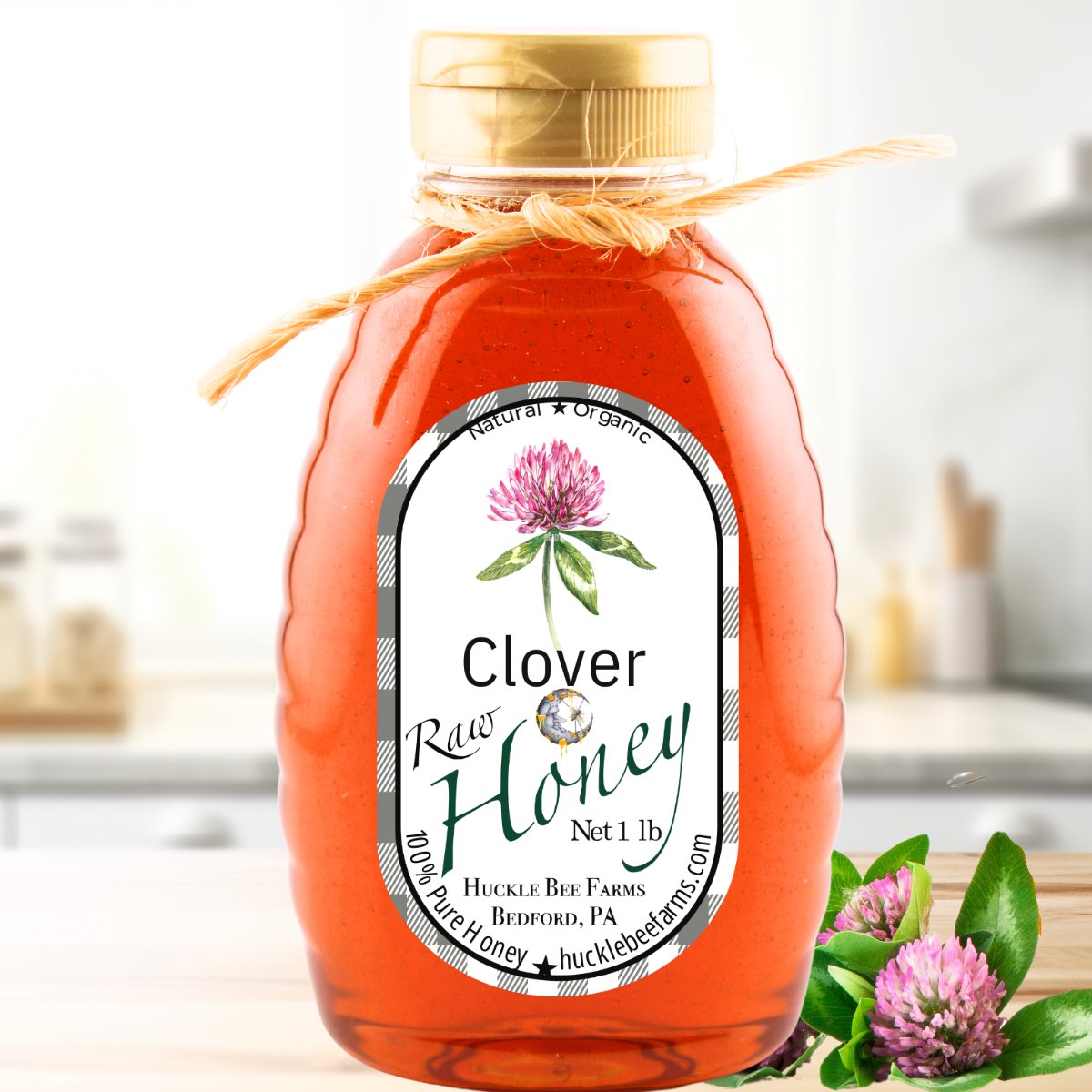
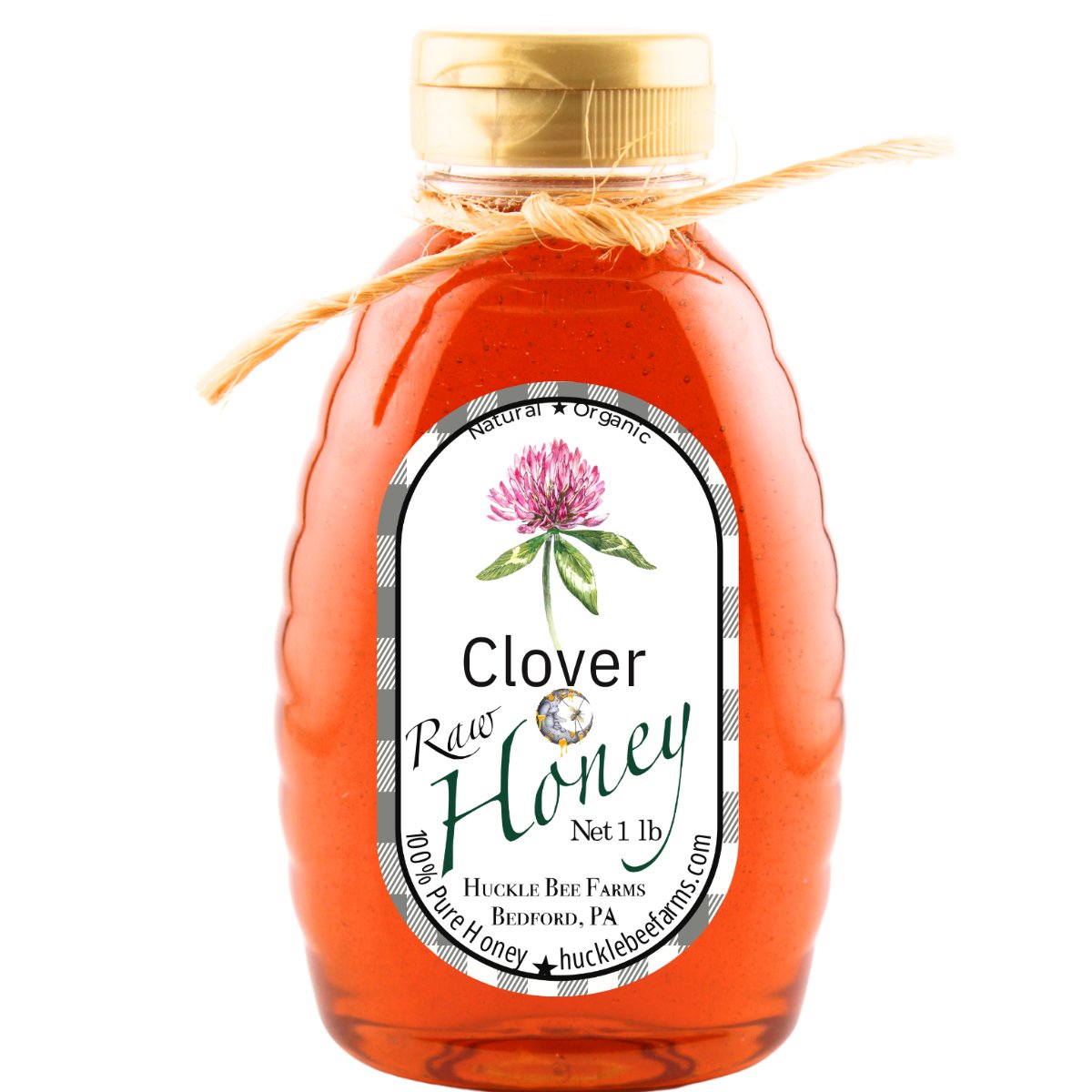
If you prefer ready-made options, look for single-ingredient raw honey or mild herbal-infused blends from reputable sellers that provide clear product details and usage guidance to match your hair type.

What Ingredients Complement Honey in a DIY Hair Mask?
Complementary ingredients fall into three functional groups: sealants (oils), protein sources (egg, yogurt), and lipid-rich emollients (avocado, banana). They work together to balance moisture and structure. Oils like coconut or olive create a barrier that locks in the hydration honey attracts, while yogurt or egg adds protein to mend cuticle gaps. Essential oils and herbal infusions bring fragrance and targeted benefits — tea tree for scalp clarity or lavender for calming — when used at safe dilutions. To choose ingredients, identify whether you need moisture (avocado, yogurt), slip and detangling (coconut or olive oil), or protein (egg yolk), and combine accordingly.
| Ingredient | Role in Mask | Best For |
|---|---|---|
| Coconut oil | Seals moisture and improves slip | Coarse, frizzy hair |
| Yogurt | Provides gentle protein and lactic acid | Weak or chemically treated hair |
| Avocado | Supplies lipids, vitamins, and creaminess | Very dry hair |
| Egg yolk | Protein plus emulsifying power | Brittle, breaking hair |
Pairing ingredients by role helps you combine honey with elements that support — not fight — its humectant action. This avoids overdoing oils (which can weigh hair down) or proteins (which can make hair stiff).
How to Apply and Use a Honey Hair Mask for Best Results?
Follow a tidy application sequence to maximize contact and minimize mess: start with damp hair, apply the mask from mid-lengths to ends, and use a small amount on the scalp only when treating dryness or flakes. Section hair into manageable panels, work the mask through with fingers or a wide-tooth comb for even coverage, then cover with a shower cap or warm towel to gently trap heat and boost penetration. Leave masks on 20–40 minutes depending on the recipe and your sensitivity, rinse thoroughly with lukewarm water, and follow with a mild conditioner if you need extra slip. Frequency guidance: fine hair — every two weeks, normal hair — weekly to biweekly, and coarse or highly textured hair — often weekly.
What Are the Best Honey Scalp Treatments for a Healthy Scalp?

Scalp-focused honey treatments aim to reduce flaking, calm inflammation, and rebalance the scalp microbiome rather than just conditioning the lengths. Scalp blends often thin honey with carrier oils and — if needed — small amounts of antimicrobial essential oils used sparingly to soften scales and soothe irritation while the sugars draw moisture into dry patches. Below are practical scalp soaks and serum recipes, plus guidance on choosing a scalp treatment instead of a full mask. These targeted approaches treat the root environment that affects hair growth.
When tackling dandruff or scalp dryness, pick treatments that combine honey’s antimicrobial traits with gentle lipid support.
- Honey Scalp Soak: Mix 1 tbsp honey with 2 tbsp warm (not hot) olive oil and massage onto a dry scalp to loosen flakes.
- Honey-Propolis Serum: Combine 1 tbsp honey with a few drops of propolis or tea tree oil diluted in 1 tbsp jojoba oil for short-contact antimicrobial support.
- Overnight Hydration: Thin 1 tbsp honey in 2 tbsp water and apply to the scalp under a cap for up to 2 hours for deeper hydration.
Use these targeted recipes intermittently — start with one application per week and adjust based on how your scalp responds. If irritation continues or worsens after consistent, correct use, see a clinician because persistent inflammatory scalp conditions may need medical treatment beyond topical honey.
How Does Honey Help with Scalp Conditions and Dandruff?
Honey helps common scalp conditions through a mix of antimicrobial, anti-inflammatory, and humectant actions that reduce flaking and calm irritation. Its gentle antimicrobial activity can limit organisms linked with seborrheic dermatitis and dandruff, while antioxidants and soothing enzymes support barrier repair and reduce redness. By improving hydration and lowering mechanical flaking, honey cuts down the material that fuels microbial imbalance and irritation, which supports healthier new hair growth. For severe or persistent problems — intense itching, open sores, or rapid hair loss — honey can be supportive but is not a replacement for clinical care.
How to Prepare and Use Honey-Based Scalp Treatments at Home?
Make scalp treatments by warming (not overheating) carrier oils to thin raw honey for easier spreading. Apply mixtures in small sections and use fingertips to massage in gentle circles for 3–5 minutes to boost circulation and encourage penetration without harsh rubbing. Leave treatments on 20–60 minutes depending on sensitivity, then rinse well and shampoo if oily residue remains; use conditioner on lengths only. For sensitive skin, shorten contact time, dilute honey more, and always do a patch test before a full application to check for intolerance.
Which Honey Hair Treatments Enhance Shine and Manageability?
To increase shine and manageability, choose from three practical formats: quick rinses that smooth the cuticle and change surface pH, mid-length leave-ons that seal and add slip, and deeper masks for structural repair. Each approach offers different benefits: rinses give instant gloss, conditioners improve combability, and masks rebuild moisture and strength over time. The table below compares DIY masks, rinses, and commercial infused products by ease, time, primary benefit, and who benefits most, to help you pick the right format for your routine.
| Treatment Type | Ease of Use | Time to Apply | Primary Benefit | Best For |
|---|---|---|---|---|
| DIY Honey Mask | Moderate | 20–40 minutes | Deep hydration and structure | Dry, coarse hair |
| Honey Rinse | Easy | 2–5 minutes | Surface shine and cuticle smoothing | Fine to normal hair |
| Pre-mixed Infused Product | Easy | 1–3 minutes | Consistent convenience and targeted benefits | Busy users seeking consistency |
This comparison shows rinses are best for quick shine, masks for deeper repair, and infused blends for convenience and repeatable results. When deciding between at-home mixes and ready-made products, think about how often you’ll treat your hair and whether you value full ingredient control or time-saving convenience.
What Are the Top Honey Hair Rinses and Conditioners for Shine?
Effective honey rinses pair honey with a mildly acidic base or a herbal infusion to smooth the cuticle and boost light reflection for instant shine. A simple DIY rinse mixes 1 tsp honey with 1 cup diluted apple cider vinegar or 1 cup cool herbal tea to use after shampooing, leaving hair glossy and pH-balanced. Herbal-infused honey conditioners — made by steeping herbs in warm oil and blending with honey — add aroma and botanical benefits that improve slip and manageability. For a light leave-in gloss, mix 1 tsp honey with a bit of aloe vera gel or a drop of argan oil and apply sparingly to the ends for shine without heaviness.
How Often Should You Use Honey Treatments for Optimal Shine?
Frequency depends on hair type: fine hair benefits from light honey rinses every 1–2 weeks, normal hair can use shine treatments weekly, and coarse or textured hair often tolerates weekly masks or more frequent sealing routines. Watch for signs of overuse — residue, limpness, or more tangling — and reduce frequency if those appear. If hair stays dull or brittle, increase moisturizing masks moderately. Seasonal changes and water hardness also matter — hard water may call for more clarifying and shine-building treatments, while humid months might reduce the need for humectant-heavy applications.

What Precautions Should You Take When Using Honey on Hair?
Honey is generally safe for hair but calls for simple precautions to avoid allergic reactions, sticky buildup, or irritation on damaged skin. Do a patch test on your inner forearm and a small strand test before full use, avoid applying honey to open wounds or severe dermatitis, and choose less-processed (raw) honey if you want more enzymes — while remembering raw products vary in potency. The table below summarizes allergy risk, patch test steps, when to avoid honey, and safe alternatives so you can decide whether to add honey to your routine.
| Risk Element | Patch Test Method | When to Avoid | Safe Alternatives |
|---|---|---|---|
| Allergy Risk | Apply a small dab to the inner forearm for 24 hours | History of bee-related allergies or severe dermatitis | Glycerin-based humectant or aloe vera |
| Irritant Reaction | Test on a small hair section for 48 hours | Open scalp wounds or infected sores | Mild, fragrance-free scalp oils |
| Buildup Potential | Rinse a 1-inch strand to check for residue | Very fine hair that tangles easily | Diluted honey rinse with vinegar |
Use these simple checks to lower the chance of problems and pick alternatives when honey isn’t appropriate. Clear sourcing and correct dilution help reduce surprises and keep your routine predictable and safe.
Are There Any Allergies or Side Effects to Consider?
Allergic reactions to honey are uncommon but possible, especially for people with pollen or bee-product sensitivities; reactions range from localized itching and redness to swelling in more severe cases. Separate short-lived irritant responses — brief stinging or mild reddening from incorrect dilution — from true allergic reactions that persist or worsen; if symptoms escalate, stop use and consult a clinician. Rarely, applying honey to open or badly inflamed skin can delay healing or cause discomfort, so avoid using honey on compromised skin and choose alternative moisturizers or seek professional guidance instead.
How to Test Honey Products Safely Before Full Application?
A stepwise patch test lowers the risk of adverse reactions: first, put a pea-sized amount on the inner forearm and watch for 24 hours for redness, itching, or swelling; second, do a strand test by applying diluted honey to a small section of hair and rinsing after the recommended time to check for residue or unexpected texture changes. Read product labels for added fragrances, preservatives, or essential oils that may raise irritation risk, and with commercial infused honeys choose products with simple, transparent ingredient lists. If tests are clear, proceed to a full application using recommended contact times and dilution ratios, and reduce concentration for sensitive skin.
This guide explained how honey works, offered clear recipes, and laid out practical safety steps for at-home use. By pairing the science of humectancy with thoughtful application and ingredient choices, you can use honey to improve moisture, shine, and scalp health while keeping risks low.

Conclusion
Adding honey to your hair-care routine is a simple, natural way to boost moisture, shine, and scalp health. With a basic understanding of how honey works and a few straightforward DIY recipes, you can get softer, glossier hair without harsh chemicals. If you’re ready to try honey treatments, start with the recipes here or choose a trusted raw or infused honey product that fits your hair type. Small, consistent steps can make a big difference — enjoy the process and the results.
From deep hydration to scalp nourishment, DIY honey hair treatments offer a simple, natural way to restore shine, strength, and moisture using honey’s proven humectant and antioxidant benefits.
Frequently Asked Questions
Can honey treatments be used on all hair types?
Yes — honey treatments can help all hair types, but how you apply them and how often will change. Fine hair does best with light honey rinses every 1–2 weeks to prevent buildup. Normal hair can use treatments weekly, and coarse or textured hair usually tolerates weekly or more frequent moisturizing and sealing routines. Tailor ingredients and frequency to whether you need moisture, shine, or protein balance.
How long should I leave a honey hair mask on?
Leave most honey hair masks on for 20–40 minutes. Shorter times suit fine or sensitive hair, while coarser textures can handle the longer end of that range. Pay attention to how your hair responds and adjust timing to avoid over-conditioning or residue.
Is it safe to use honey on colored or chemically treated hair?
Generally yes — honey is moisturizing and can help restore shine to colored or chemically treated hair. Always do a patch test first to check for reactions, and avoid overuse since buildup can weigh processed hair down. Pair honey with gentle, nourishing ingredients that support your hair’s needs.
What should I do if I experience irritation from honey treatments?
If irritation occurs, stop using the treatment and assess the reaction. For mild irritation, soothe the area with aloe vera or a fragrance-free moisturizer. If symptoms persist or worsen, consult a healthcare professional. Patch tests before full application help reduce this risk, especially for sensitive skin or allergy history.
Can I mix honey with other ingredients for enhanced benefits?
Absolutely. Mixing honey with complementary ingredients boosts benefits: yogurt adds protein, oils like coconut or olive help seal in moisture, and small amounts of essential oils can provide fragrance or targeted effects (used safely). Tailor blends to your needs — moisture, slip, or strengthening — and avoid overloading one category.
How do I store leftover honey hair masks or treatments?
Store leftover masks in an airtight container in a cool, dark place — the refrigerator is best for most homemade blends. Most homemade treatments keep up to a week refrigerated. Always check for changes in smell, color, or texture before reuse and discard anything that looks or smells off.
Are there any specific brands of honey recommended for hair treatments?
Look for raw, minimally processed honey for the most enzymes and nutrients. Local or organic raw honeys are often good choices. Herbal-infused honeys add extra botanical benefits depending on the herbs used. Check labels for purity and avoid products with added sugars or preservatives for the best results.
Can honey lighten hair naturally?
Honey can slightly lighten hair over time when used consistently. It contains trace amounts of natural enzymes that produce hydrogen peroxide when mixed with water, which may gently brighten hair, especially when combined with sunlight. Results are subtle and gradual, not dramatic like chemical lighteners.
How often can you use a honey hair mask?
A honey hair mask can be used once or twice per week depending on your hair’s condition. Dry or damaged hair may benefit from weekly treatments, while normal or oily hair should use honey masks every 1–2 weeks to avoid buildup.
Does honey help with dandruff?
Yes, honey may help reduce dandruff and dry scalp flakes. Its natural antimicrobial and anti-inflammatory properties help soothe irritation, balance the scalp, and reduce dryness that can contribute to flaking and itchiness.

Author - Jim Douglas - Founder Huckle Bee Farms
Jim is the heart and hands behind Huckle Bee Farms, a family-run honey company dedicated to bringing small-batch, infused honeys from the hive to your table. As a passionate beekeeper, storyteller, and advocate for pollinators, Jim blends his love for nature and creativity into every bottle. When he’s not tending to the hives or experimenting with new honey infusions, you’ll find him sharing recipes, health tips, and bee wisdom with the Huckle Bee Farms community. His mission is simple: to make life a little sweeter—naturally.
Key Takeaways from DIY Honey Hair Treatments
This list highlights four essential insights about using honey for hair care, emphasizing its benefits, application methods, and safety precautions.
- Natural Moisturizer – Honey's hygroscopic properties attract and retain moisture, making it an excellent choice for hydrating dry hair and scalp.
- Antimicrobial Support – The mild antimicrobial effects of honey help reduce dandruff and maintain a balanced scalp environment, promoting healthier hair growth.
- Versatile Application – Honey can be used in various forms, including masks, rinses, and scalp treatments, allowing for tailored solutions based on individual hair needs.
- Safety Precautions – Always perform patch tests before full application to avoid allergic reactions, and be cautious with honey use on damaged skin or open wounds.