From Our Hive to Your Home: The Huckle Bee Farms Story
From Our Hive to Your Home: The Huckle Bee Farms Story and Why It Matters
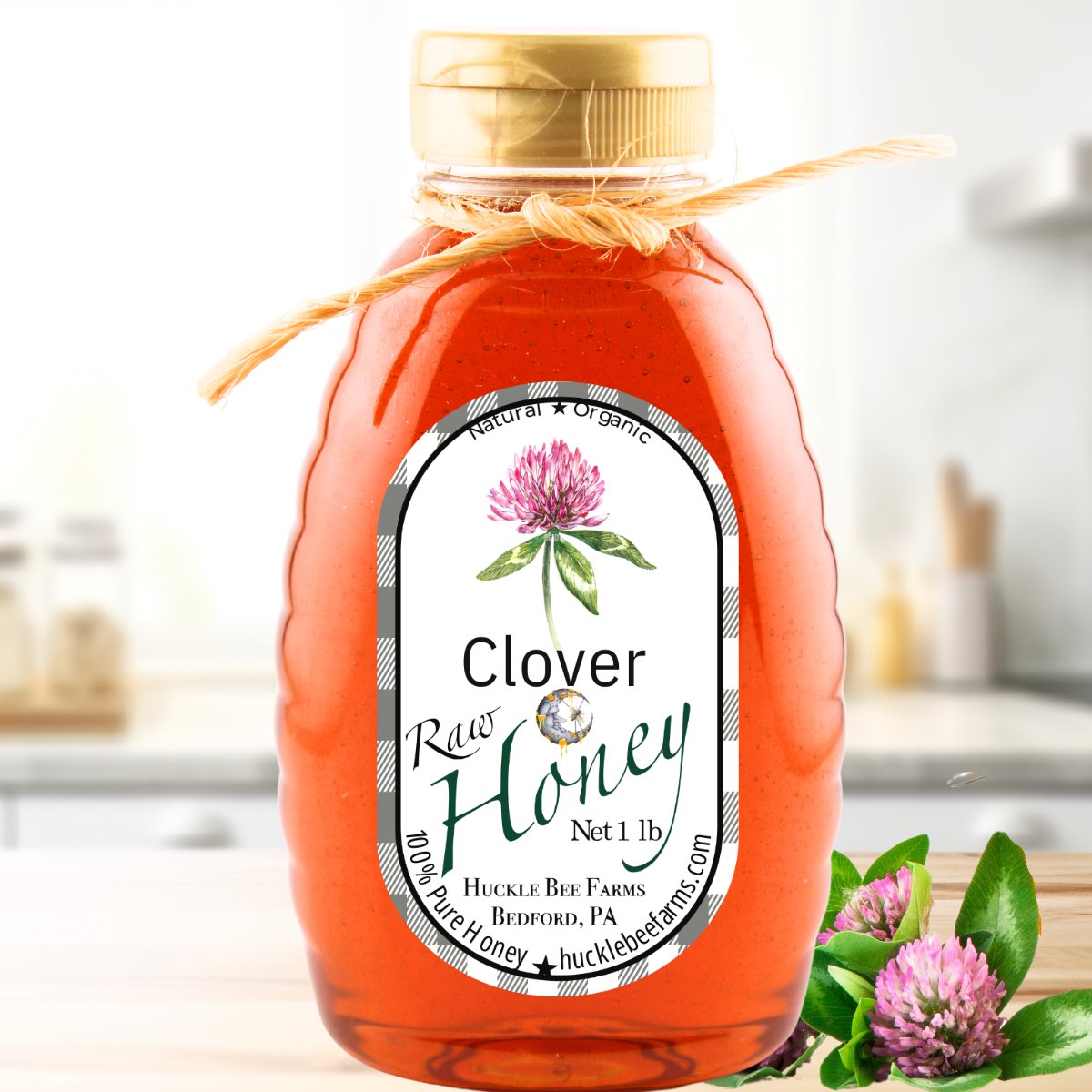
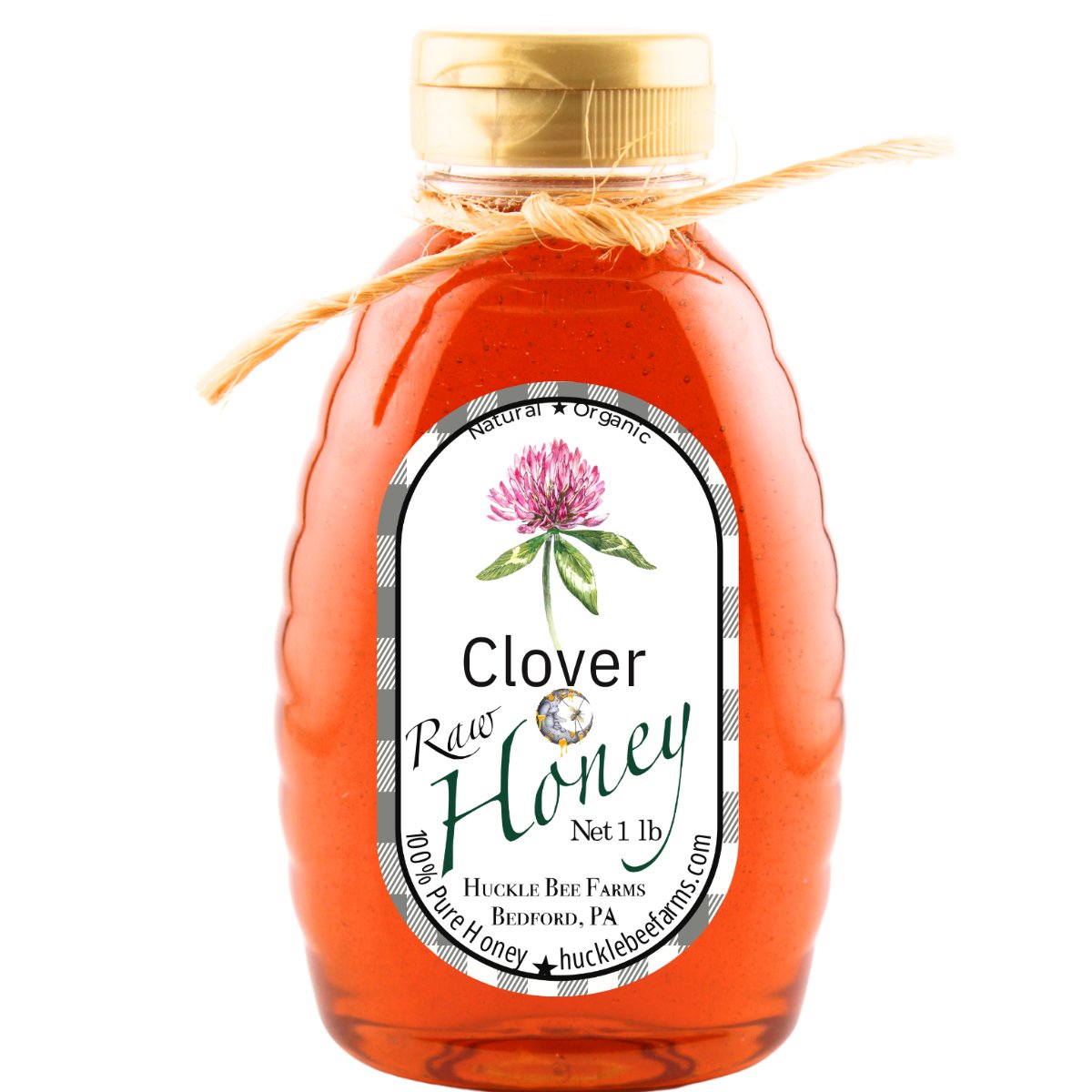
From our own hives in Pennsylvania to your kitchen and gift table, Huckle Bee Farms crafts small-batch raw and infused honey that preserves natural enzymes, antioxidants, and authentic flavor while supporting sustainable beekeeping and pollinator health.
Table of contents

At Huckle Bee Farms LLC, we bring carefully tended honey from our hives to your kitchen and gift table. Based in Pennsylvania and founded by Jim and Rasi Douglas, we focus on small-batch, nutrient-rich honey — raw, never pasteurized — plus handcrafted infused jars made with whole fruits, vegetables, and spices. In this piece we share why we started, how we handle honey to keep natural enzymes and antioxidants intact, why chemical-free beekeeping matters, and simple ways to enjoy our jars in recipes and gift sets. If you value authentic honey that keeps prebiotic and antioxidant qualities, we explain how processing and infusion choices affect those benefits and what sustainable beekeeping means for local food security.
We aim for clear, evidence-backed explanations of what raw honey preserves and how infused varieties are made without compromising those qualities. You’ll find a side-by-side look at raw versus infused honey (processing, flavor sources, health properties, and best uses), plus practical recipes, pairings, and gift ideas. We also cover local conservation needs in Pennsylvania and the on-farm actions we take to protect pollinators — so you can make informed choices when buying or supporting pollinator-friendly practices.
Who Are the Founders Behind Huckle Bee Farms?
Huckle Bee Farms grew out of hands-on beekeeping and a passion for teaching. Jim and Rasi Douglas combined practical apiary experience with a commitment to producing small-batch, nutrient-forward honey. Their choice to keep honey raw — never pasteurized — reflects a desire to preserve the enzymes, pollen, and antioxidants that make honey more than just a sweetener. Education and habitat-friendly practices are core to the brand: we sell honey, yes, but we also share what we learn about bees and how to care for them. That mix of product and purpose explains why conservation and quality sit at the center of everything we do.
What Inspired Jim and Rasi Douglas to Start Huckle Bee Farms?
Jim and Rasi were drawn to beekeeping through direct work with colonies and a wish to reconnect neighbors with where food comes from. Early time in the apiary showed them how quickly hive health and honey quality respond to thoughtful management. That led to a simple philosophy: minimal processing, whole-ingredient infusions, and hands-on education for customers. Their story keeps the brand rooted in practical stewardship — and it’s also shaped by a veteran-owned ethic of service and accountability.
How Does Being a Veteran-Owned Business Shape Our Mission?
Being veteran-owned brings a clear ethic of duty, care, and community to Huckle Bee Farms. We apply those values to hive management, education, and outreach — consistent, careful practices that support colony resilience and product integrity. For many customers, that background is a signal of trust: we take responsibility seriously, and we aim for long-term stewardship in both conservation work and customer relationships.
What Makes Our Raw and Infused Honey Unique?

Raw honey is unheated and handled gently so it keeps natural enzymes, pollen, and antioxidants. Infused honey starts with that raw base and adds whole spices, fruits, or brewed extracts to create distinct, balanced flavors. We avoid pasteurization and heavy filtration so beneficial components stay in the jar; infusions are done in small batches with real ingredients so the flavor folds into the honey without stripping its nutrient profile. The result: a product you can use for everyday sweetening and health-minded uses (raw honey), or to lift recipes and gifts with focused flavor (infused varieties).
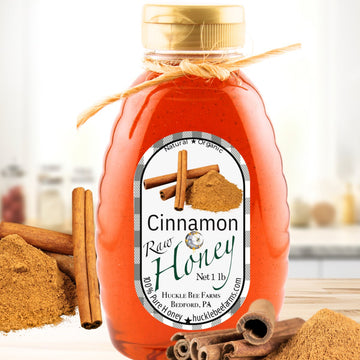
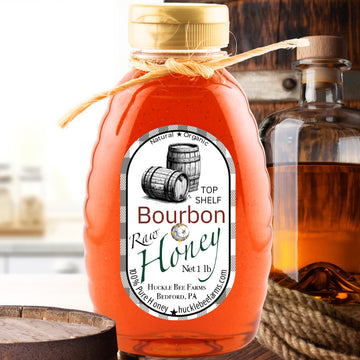
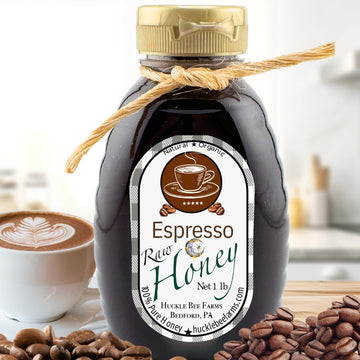
We make small-batch raw jars and a curated set of infused flavors — Espresso, Bourbon, Salted Caramel, Cinnamon — to show how whole ingredients complement honey without denaturing it. These flavors work in teas, desserts, and savory glazes, and they also serve as approachable examples of honey’s culinary range. Next, we’ll outline the specific handling steps that help preserve honey’s healthful properties.
Raw and infused honey differ across processing, flavor sources, and best uses — here’s a quick summary.
Raw vs. Infused honey attributes table intro:
| Product Type | Key Processing Attribute | Primary Value / Best Use |
|---|---|---|
| Raw honey | Never pasteurized; minimal handling | Retains enzymes and pollen; ideal for natural sweetening and immune-support uses |
| Infused honey | Small-batch infusion with whole spices or extracts | Adds deliberate flavor for pairings, glazes, and specialty teas |
| Filtering level | Light-to-moderate filtration to remove debris | Balances clarity with retention of beneficial pollen and nutrients |
Choosing raw or infused honey comes down to whether you prioritize nutrient retention or a specific culinary flavor. Knowing these differences helps you pick the right jar for health goals or for cooking.
What sets our honeys apart:
- Small-batch production that favors quality over scale.
- Never-pasteurized handling to preserve enzymes and pollen.
- Infusions made with real fruits, spices, or extracts for authentic flavor.
These care points show why artisan handling and ingredient sourcing matter when you select honey for both health and taste.
How Is Our Raw Honey Crafted for Maximum Health Benefits?
We keep processing simple so bioactive compounds remain intact. Frames are removed and gently uncapped to let honey flow naturally; honey is strained to remove large debris while keeping pollen; jars are filled in small runs to minimize oxidation and protect enzymes. Those steps help preserve antioxidants and prebiotic components that support gut microbes and immune function — honey that does more than sweeten. Research trends support the choice: minimally processed honey retains more bioactive compounds than heat-treated alternatives, which is why we avoid pasteurization.
Research consistently highlights raw honey’s antioxidant and pharmacological properties.
Raw Honey: Antioxidant & Nutritional Benefits
This study examined phytochemical, physicochemical, sensory, microbiological and pharmacological properties of raw versus regular honey, finding that raw samples showed notable antioxidant and pharmacological activity — including antibacterial and anticancer effects in laboratory tests. The findings underscore raw honey’s richer profile of bioactive compounds compared with more processed samples.
Clinical research shows that honey contains a variety of antioxidants and bioactive compounds with potential health-supporting properties, including flavonoids and phenolic acids that help protect cells from oxidative stress. (Honey and Health: A Review of Recent Clinical Research)
Knowing these handling steps makes it easier to understand why raw honey behaves differently in recipes and wellness uses — and it sets up the contrast with infusion methods that layer flavor without degrading honey’s core properties.
What Are the Distinct Flavors and Benefits of Our Infused Honey?
We begin with raw honey as a stable, nutritious base and fold in whole ingredients — espresso grounds, aged bourbon notes, salted caramel components, warming cinnamon — to build layered flavor. Espresso honey gives roasted, chocolaty notes perfect for coffee pairings and breakfast pastries; Bourbon honey brings oak and vanilla tones for cocktails or savory glazes; Salted Caramel balances sweet and salty for desserts; Cinnamon adds warming spice for teas and baking. Each infusion preserves the raw base’s qualities while expanding practical uses for cooking and gifting.
Careful infusion with natural ingredients can also add complementary bioactive compounds that support honey’s health-promoting profile.
Herbal-Infused Honey: Nutrients, Enzymes & Health Benefits
Honey contains reducing sugars, vitamins, minerals, and enzymes. When combined with plant secondary metabolites — phenolic acids, flavonoids, tannins, terpenoids and similar compounds — infused honey can carry additional bioactive properties. Herbal and spice infusions have been linked to antioxidant, anti-inflammatory and antimicrobial effects, among other potential benefits.
Scientific literature on the traditional and modern uses of natural honey highlights its versatile role in human health, including antimicrobial and anti-inflammatory properties that go beyond simple nutrition.
Flavor notes and pairing suggestions:
- Espresso honey: Roasted, bittersweet—pair with coffee, yogurt, or chocolate desserts.
- Bourbon honey: Warm, oaky—use in marinades, over charred fruit, or in cocktail syrups.
- Salted Caramel honey: Sweet and salty—drizzle over ice cream or fold into baked goods.
- Cinnamon honey: Warming spice—stir into tea or use on spice-rubbed meats for a glazed finish.
Why Is Sustainable Beekeeping Vital in Pennsylvania?
Sustainable beekeeping matters here because pollinators support regional agriculture, native biodiversity, and the stability of local food systems. Bees and other pollinators enable many fruits, vegetables, and wild plants to reproduce; healthy hives help farms and gardens produce reliably. Pennsylvania faces pressure from pesticides, habitat loss, and climate shifts that affect pollinator numbers — so chemical-free beekeeping, habitat plantings, and forage restoration are practical ways to boost resilience across the landscape.
The table below links common sustainable practices to clear ecological benefits so you can see how changes in management make a measurable difference.
Practice table intro:
| Practice | Description | Benefit to Pollinators / Ecosystem |
|---|---|---|
| Chemical-free treatments | Avoiding synthetic acaricides and pesticides in hive care | Reduces toxin exposure and supports colony immune function |
| Forage planting | Establishing native wildflowers and nectar sources near apiaries | Increases seasonal food diversity and supports nutrition |
| Habitat buffering | Preserving hedgerows and natural shelter corridors | Provides nesting and overwintering habitat and predator refuge |
These practices show how targeted changes in hive and landscape management help pollinators recover and sustain local ecosystems. Knowing the why and how prepares you to support effective conservation choices.
How Does Huckle Bee Farms Practice Chemical-Free Beekeeping?
We follow chemical-free principles through frequent hive checks, mechanical or physical controls when needed, and by improving on-farm forage so colonies face fewer stressors. Our approach leans on integrated pest management: early detection, non-chemical interventions, and habitat that strengthens colonies naturally. Those choices help us produce honey with lower chemical exposure, aligning our product with customers who prefer naturally managed sweeteners.

What Role Do Pollinators Play in Our Ecosystem and Food Security?
Pollinators transfer pollen between flowers, enabling fruit and seed production that feeds people and wildlife. Their services boost crop yields and maintain plant diversity, which in turn stabilizes soils and habitats. Protecting pollinators supports access to nutritious foods and helps preserve the resilience of local ecosystems. Simply put: community and individual actions to support pollinators translate into healthier food systems and landscapes.
Key takeaways about pollinators:
- They enable reproduction of many food crops through pollen transfer.
- They support biodiversity by helping flowering plants reproduce.
- Local actions to support pollinators strengthen food security and ecosystem health.
How Does Huckle Bee Farms Support Pollinator Conservation Efforts?

We back pollinator conservation through on-farm habitat work, clear consumer education, and hands-on community outreach. Our educational materials show the ecological context of honey and give practical tips for pollinator-friendly gardening and purchasing choices. We also partner with local groups to plant native forage, host informational events, and share best practices — actions that extend benefits beyond our hives into the wider landscape.
Conservation and outreach activities:
- Planting native wildflowers and creating forage corridors near our apiaries.
- Offering educational resources and hosting events on pollinator-friendly gardening.
- Partnering with local organizations to promote habitat restoration and awareness.
By combining production with education, we multiply positive outcomes across regional ecosystems and local food systems.
What Are the Current Threats to Pollinators in North America?
Pollinators face several major threats: pesticide exposure, habitat fragmentation and loss, disease and parasites (like varroa mites), and climate-driven shifts that change bloom timing and food availability. Pesticides can harm bee survival and foraging behavior; habitat loss reduces the variety and abundance of flowers bees need; disease and parasites weaken colonies; and climate variability can create gaps in forage. Together, these pressures increase colony vulnerability and threaten the pollination services that crops and native plants depend on.
Succinct list of threats:
- Pesticides: Chemical exposure harms bee survival and behavior.
- Habitat loss: Fewer native flowers mean weaker nutrition and resilience.
- Disease & parasites: Pathogens and mites reduce colony health.
- Climate stress: Shifts in bloom timing disrupt seasonal forage.
Recognizing these threats shows why local, targeted actions — in farms and gardens — are essential to protect pollinators.
How Can Consumers Help Protect Bees and Pollinators?
There are practical steps you can take at home and in your community: plant native species, choose pollinator-conscious products, and get involved in local habitat projects. A pollinator-friendly garden with a sequence of native blooms provides continuous forage; minimizing or avoiding pesticides reduces toxic exposure; buying from local beekeepers who practice habitat-friendly management supports sustainable producers; and joining community restoration efforts amplifies impact. Together, these choices build market incentives for conservation-minded practices.
Actionable steps consumers can take:
- Plant native flowering species to supply seasonal nectar and pollen.
- Avoid or limit pesticide use and favor integrated pest management.
- Support local beekeepers by buying from producers who protect habitat.
- Join community habitat projects and attend educational events.
Small decisions add up — they help create healthier landscapes for pollinators and the people who depend on them.
How Can You Enjoy Honey Through Our Recipes and Products?
Honey is versatile: use it as a simple sweetener or as a flavor builder in dressings, glazes, drinks, and desserts. Infused varieties broaden pairing options with teas, cheeses, and proteins. Knowing when to reach for raw honey (for its health-forward properties) versus an infused jar (for a specific flavor) will guide your cooking. We offer product bundles, gift sets, teas, and spices that pair well with our honeys, so you can build thoughtful gifts or recipe-centered presents. The table below pairs recipes with recommended honey flavors and serving ideas.
Recipe table intro:
| Recipe / Dish | Recommended Honey Flavor | Serving Suggestion / Pairing |
|---|---|---|
| Breakfast oatmeal | Espresso honey | Stir in for mocha notes; top with toasted nuts |
| Roasted root vegetables | Bourbon honey | Drizzle before roasting for a caramelized glaze |
| Tea or latte | Cinnamon honey | Sweeten warm tea or a frothy latte for cozy spice |
| Dessert drizzle | Salted Caramel honey | Finish crème brûlée or ice cream with a salted-sweet touch |
Use this mapping as a starting point — it makes pairing easy and encourages both everyday use and special-occasion serving.

What Are Some Popular Recipes Featuring Our Honey?
Here are simple recipes that showcase raw and infused honeys, with quick prep notes and suggested flavors. Each is designed for easy home cooking and to show how honey’s texture and flavor transform dishes.
- Honey Citrus Tea: Steep black tea, add lemon, and sweeten with Cinnamon honey for a warming, antioxidant-rich cup. Prep time: 5 minutes.
- Bourbon Honey Glazed Carrots: Toss roasted carrots with a glaze of Bourbon honey and butter for a savory-sweet side. Prep time: 25 minutes.
- Espresso Honey Yogurt Parfait: Layer Greek yogurt, granola, and a drizzle of Espresso honey with fresh berries for an easy breakfast or snack. Prep time: 10 minutes.
- Salted Caramel Honey Ice Cream Drizzle: Warm Salted Caramel honey slightly and spoon over vanilla ice cream for an elevated finish. Prep time: 3 minutes.
These quick ideas make it simple to bring our honeys into everyday meals and special desserts — and to experiment with different flavor combinations.
What Gift Sets and Honey Collections Does Huckle Bee Farms Offer?
We curate honey bundles and gift sets that showcase small-batch flavors and make gift-giving simple. Typical collections pair a raw jar with a selection of infused flavors — for example, Espresso + Cinnamon for a breakfast-themed gift, or Bourbon + Salted Caramel for a dessert-focused set. Bundles are ready to give and include messaging about artisanal quality and pollinator support. For shoppers, our collections simplify selection while reinforcing the farm’s mission of sustainable beekeeping and education.
Gift set highlights and occasions:
- Breakfast bundle: Espresso + Cinnamon — perfect for morning lovers and brunch hosts.
- Dessert bundle: Salted Caramel + Bourbon — great for foodies and celebratory gifting.
- Sampler collection: Mixed small jars — ideal for corporate gifts or event favors.
Each collection pairs useful flavors with the story behind our production practices, making gifting both practical and purposeful.
From hive management to small-batch bottling, every step of the journey ensures honey arrives at your home with its natural quality, flavor, and integrity fully preserved.
Conclusion
Choosing Huckle Bee Farms’ raw and infused honeys supports your kitchen adventures and helps protect local pollinators. Our chemical-free approach preserves natural enzymes and antioxidants, while small-batch infusions add thoughtful flavor without compromising quality. When you choose our artisanal products, you’re also supporting pollinator conservation work that matters for food security and biodiversity. Explore our offerings, elevate your meals, and make a positive impact with every jar.
Frequently Asked Questions
What are the health benefits of consuming raw honey?
Raw honey retains natural enzymes, antioxidants, and prebiotic compounds that can support digestion and overall wellness. Because it’s not pasteurized, raw honey keeps more of these beneficial components than heavily processed alternatives. Research and traditional use point to reduced inflammation, digestive support, and a steady source of natural energy. Used in place of refined sugars, raw honey is a flavorful, nutrient-forward option in many recipes.
How can I incorporate infused honey into my cooking?
Infused honey is an easy way to add distinct flavor to dishes. Bourbon honey works well in marinades and glazes for meats; Espresso honey enhances desserts, yogurt, and chocolate treats; Cinnamon honey is lovely in tea and baked goods. Try infused honey in cocktails, over cheese, or as a finishing drizzle — and experiment to discover pairings you love.
What steps can I take to support local beekeepers?
Buy directly from local beekeepers at farmers’ markets or their websites, and look for producers who use habitat-friendly practices. Plant native flowers, reduce pesticide use in your yard, and join community restoration projects. Spreading the word about the importance of bees and supporting local producers helps build resilient pollinator populations.
What are the best storage practices for honey?
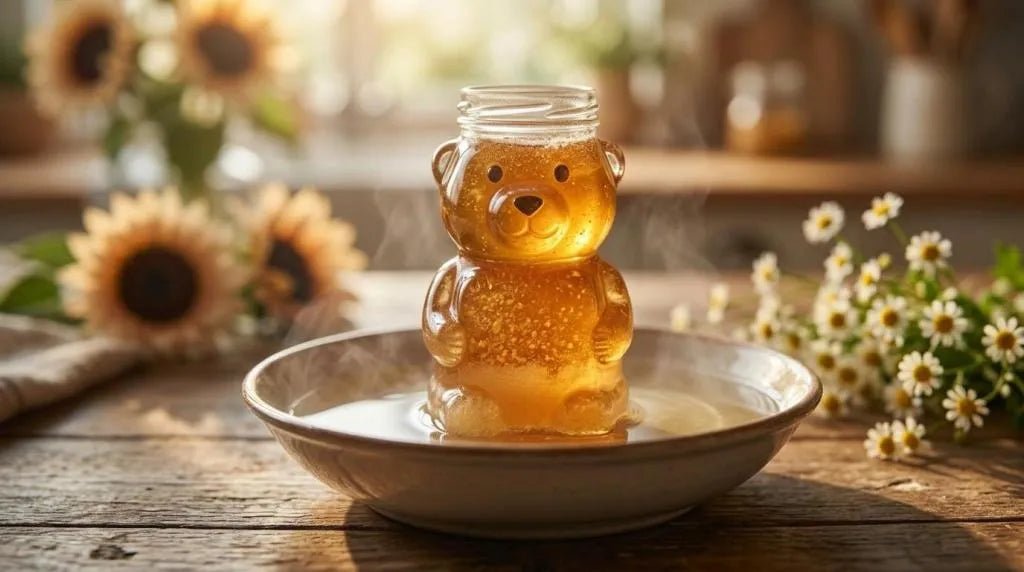
Store honey in a cool, dry place away from direct sunlight; glass jars are ideal. Honey doesn’t spoil but it can crystallize — if that happens, gently warm the jar in a water bath to return it to liquid without overheating. Avoid refrigerating honey, which speeds crystallization.
How does Huckle Bee Farms contribute to pollinator conservation?
We invest in habitat restoration, community education, and sustainable hive practices. That includes planting native wildflowers around our apiaries, avoiding chemical treatments, and hosting events to teach pollinator-friendly gardening. By pairing production with outreach, we aim to amplify conservation impact across our region.
What are some common misconceptions about honey production?
Not all honey is the same. Raw honey keeps more enzymes and nutrients because it isn’t pasteurized; processed honey can lose some of those properties. Honey is also much more than a sweetener — its flavor and health properties vary widely with floral source and handling. Knowing these differences helps you choose the right honey for your needs.

Author - Jim Douglas - Founder Huckle Bee Farms
Jim is the heart and hands behind Huckle Bee Farms, a family-run honey company dedicated to bringing small-batch, infused honeys from the hive to your table. As a passionate beekeeper, storyteller, and advocate for pollinators, Jim blends his love for nature and creativity into every bottle. When he’s not tending to the hives or experimenting with new honey infusions, you’ll find him sharing recipes, health tips, and bee wisdom with the Huckle Bee Farms community. His mission is simple: to make life a little sweeter—naturally.
Sources:
* Honey and Health: A Review of Recent Clinical Research (NCBI)
https://pmc.ncbi.nlm.nih.gov/articles/PMC5424551/
* Traditional and Modern Uses of Natural Honey in Human Health (NCBI)
https://pmc.ncbi.nlm.nih.gov/articles/PMC3758027/
Key Takeaways from Huckle Bee Farms
This list summarizes the essential insights and principles that define Huckle Bee Farms, highlighting the importance of sustainable practices, the uniqueness of their honey products, and the role of pollinators in our ecosystem.
- Commitment to Raw Honey – Huckle Bee Farms prioritizes raw honey production to retain natural enzymes, antioxidants, and prebiotic compounds that support health and wellness.
- Artisanal Infusions – Infused honey varieties are crafted using whole fruits, spices, and extracts, enhancing flavor while preserving the health benefits of the raw base.
- Sustainable Beekeeping Practices – The farm employs chemical-free methods and habitat restoration to support pollinator health and local ecosystems, ensuring a resilient agricultural landscape.
- Community Engagement – Huckle Bee Farms actively participates in educational outreach and conservation efforts, promoting awareness of pollinator importance and sustainable gardening practices.
- Support for Local Food Security – By fostering healthy bee populations, the farm contributes to the stability of local food systems, enhancing biodiversity and agricultural productivity.