🐾 How to Give Dogs Honey: A Pet Owner's Guide
🐶 Can Dogs Eat Honey? Safety, Benefits, and Proper Use
Honey is safe for most adult dogs when given in small, controlled amounts, but it should be avoided in puppies and dogs with certain health conditions.
When used correctly, plain raw honey can be a natural supplement for dogs, offering quick energy, trace antioxidants, and gentle digestive support. However, portion size, dog age, and overall health are critical. This guide explains how to give dogs honey safely, how much is appropriate by size, which dogs should not have honey, and what pet owners need to know before adding it to their dog’s routine.
Table of contents

A tiny lick of honey can feel like a sweet little “yes” for your dogs, especially when you are trying to coax a picky eater, soothe a scratchy throat, or make a boring supplement more appealing; understanding how to give dogs honey safely can enhance this treat experience.
The key is to treat honey like what it is: a concentrated sugar with a few interesting natural compounds, not a daily staple. When you introduce it slowly and measure it carefully, most healthy adult dogs can enjoy small amounts without trouble.
Understanding Honey's Benefits for Dogs
While honey should not become a regular part of your dog's diet, there are some benefits when given in moderation. Here’s a closer look at how this golden substance can be beneficial:
1. Natural Energy Boost:
Honey is an excellent source of simple sugars like glucose and fructose, making it a quick, natural energy booster for dogs that might need a slight uptick in pep—ideal for active dogs or those recovering from illness.
2. Rich in Antioxidants:
Honey contains antioxidants that can help support your dog's immune system. These antioxidants work to neutralize harmful free radicals in the dog's body, potentially reducing inflammation and promoting overall health.
3. Soothe a Cough or Sore Throat:
Much like with people, a bit of honey can help soothe a dog's cough or scratchy throat. This can be especially comforting during allergy season or if your pup is dealing with kennel cough.
4. Minor Wound Care:
For centuries, people have used honey as a natural remedy for minor wounds due to its antibacterial properties. While it’s not a substitute for veterinary care, applying honey to a dog's minor cuts or burns might provide soothing relief.
According to veterinary nutrition guidance, honey may be safely given to healthy adult dogs in small amounts, but it is not recommended for puppies or dogs with metabolic conditions.
Is honey safe for dogs?
For many healthy adult dogs, plain honey in small portions is generally considered safe. It is mostly glucose and fructose, with trace minerals and plant compounds that vary by floral source, including manuka honey, which contributes to its potential healing properties. Raw honey also contains pollen and natural enzymes, which is part of why some people reach for it in the first place.
Still, “safe” depends on your dog’s age, health, and how much you give. Honey is calorie dense and sticky, which matters for weight and teeth.
A good mindset is to think of honey the way you think of a rich treat: tiny serving, occasional use, and watch how your dog responds.
When honey is a “no,” or a “call your vet first”
Before you open the jar, do a quick safety check. Some dogs should not have honey at all, and some should only have it with veterinary guidance.
Here are the big guardrails most veterinarians agree on, plus what many honey makers print on K9 products:
- Puppies and very young dogs: Avoid raw honey for puppies, especially under 12 to 16 weeks, because their immune systems are still developing and raw honey can contain Clostridium spores. Many canine honey labels take an even more cautious approach and recommend skipping honey under 1 year.
- Diabetes and blood sugar disorders: Honey can spike blood glucose, even in small amounts, so it is usually avoided.
- Pancreatitis, obesity, or strict weight-loss plans: Extra sugar can be a poor fit, even when portions look small.
If your dog has a history of food sensitivities, chronic stomach trouble, allergies, or seasonal itchiness, using natural remedies like honey following safe foods principles can still be possible, but the “start tiny and monitor” rule matters even more.

Choosing a honey you feel good about feeding
Honey is one of those foods where the label really matters. Dogs do best with a single ingredient product that is truly honey.
You are looking for something that is:
- Pure honey (no added sweeteners)
- Free from flavorings and syrups
- Stored properly and not fermented
The biggest safety issue with “honey flavored” products is not just that they are junky, it is that some sugar-free sweeteners (xylitol) are toxic to dogs. If the ingredients list is not crystal clear, skip it.
Raw and unfiltered honey has more pollen and natural particles, which some people like. It can also be more likely to trigger a reaction in a dog that is sensitive to pollen. If you are unsure, start with a small amount of a clean, plain honey and see how your dog does.
K9 Honey Dosage Finder
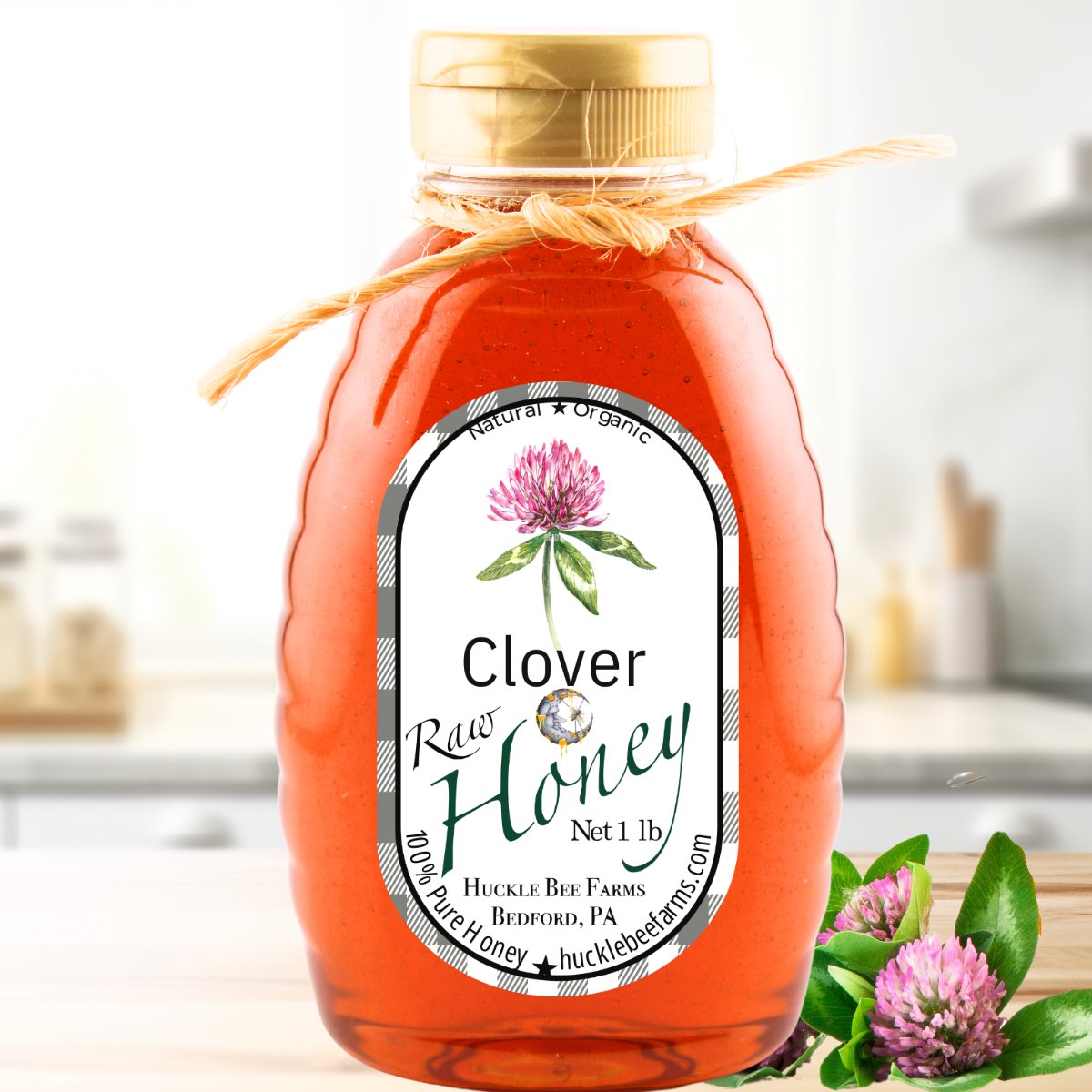
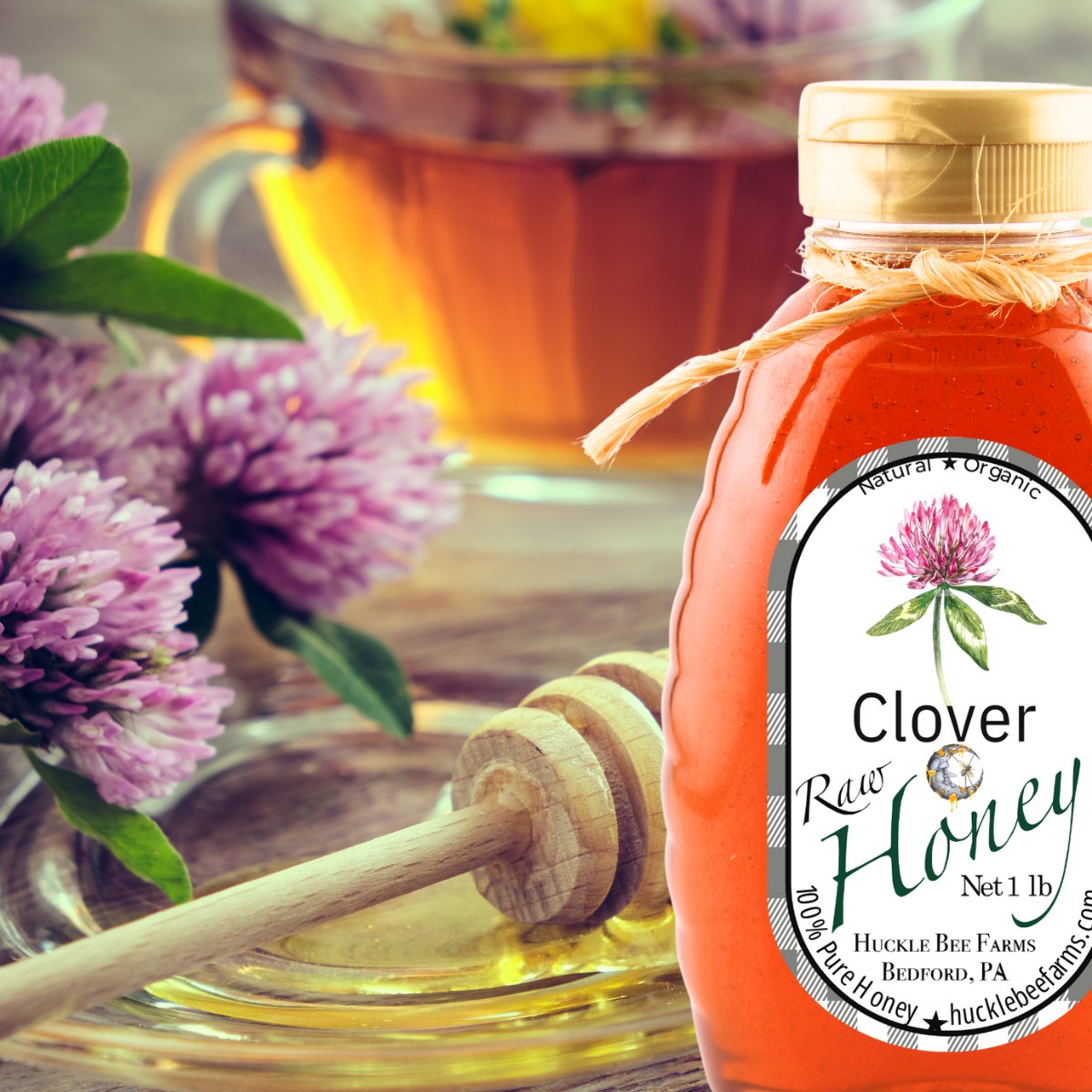
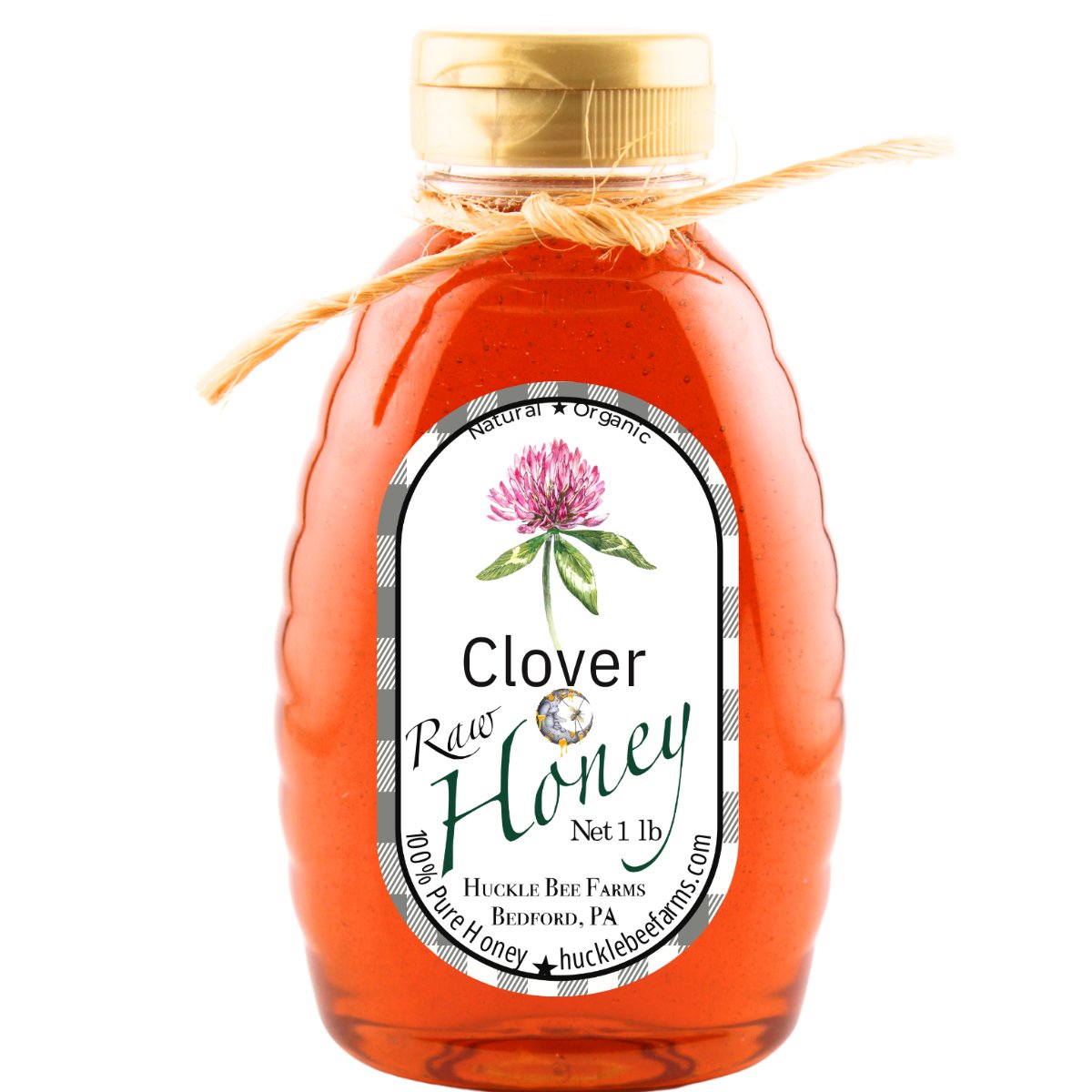
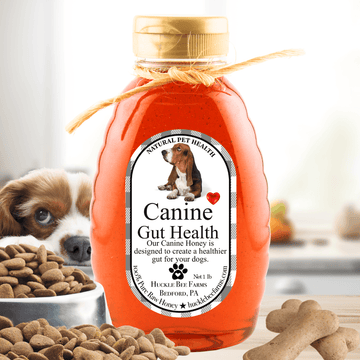
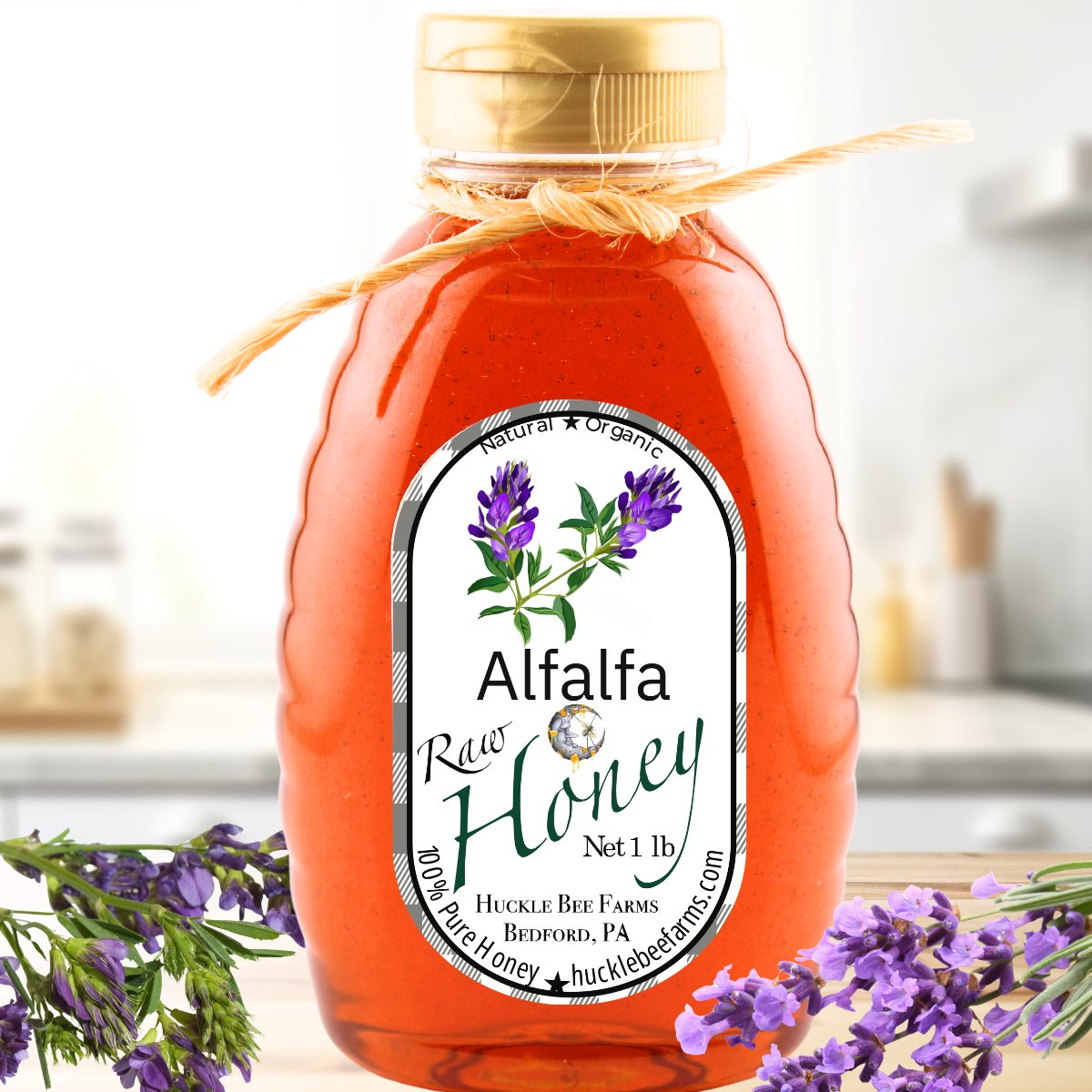
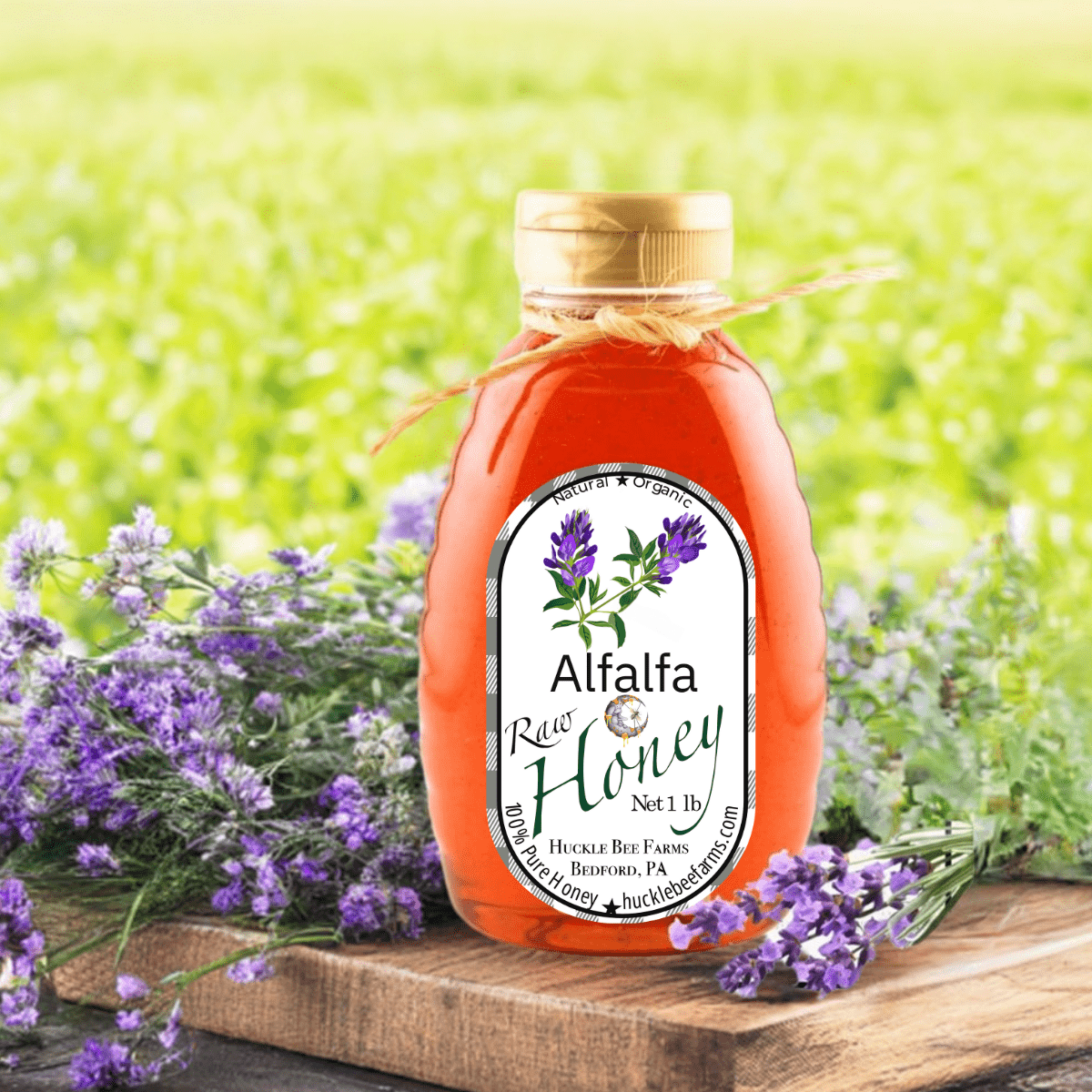
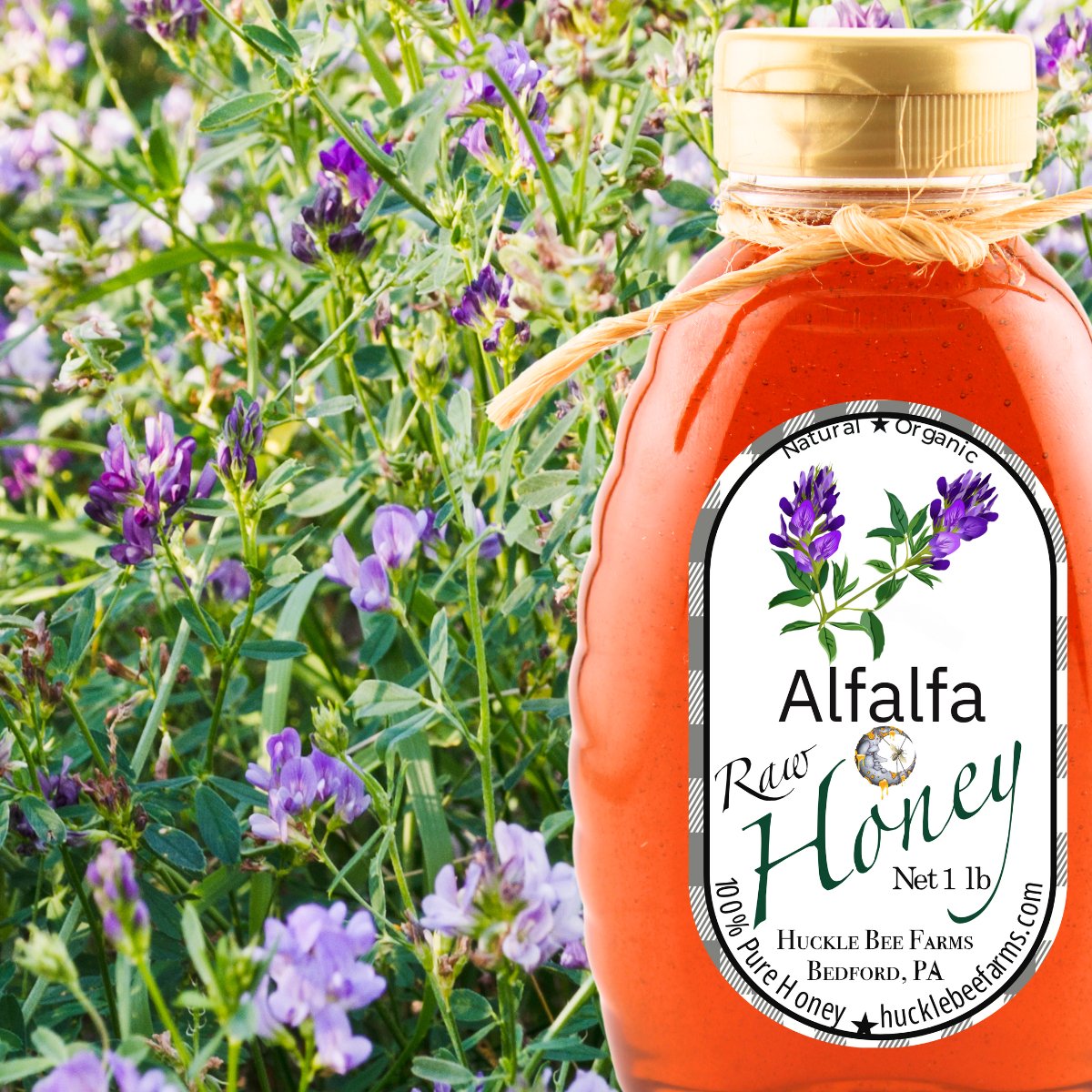
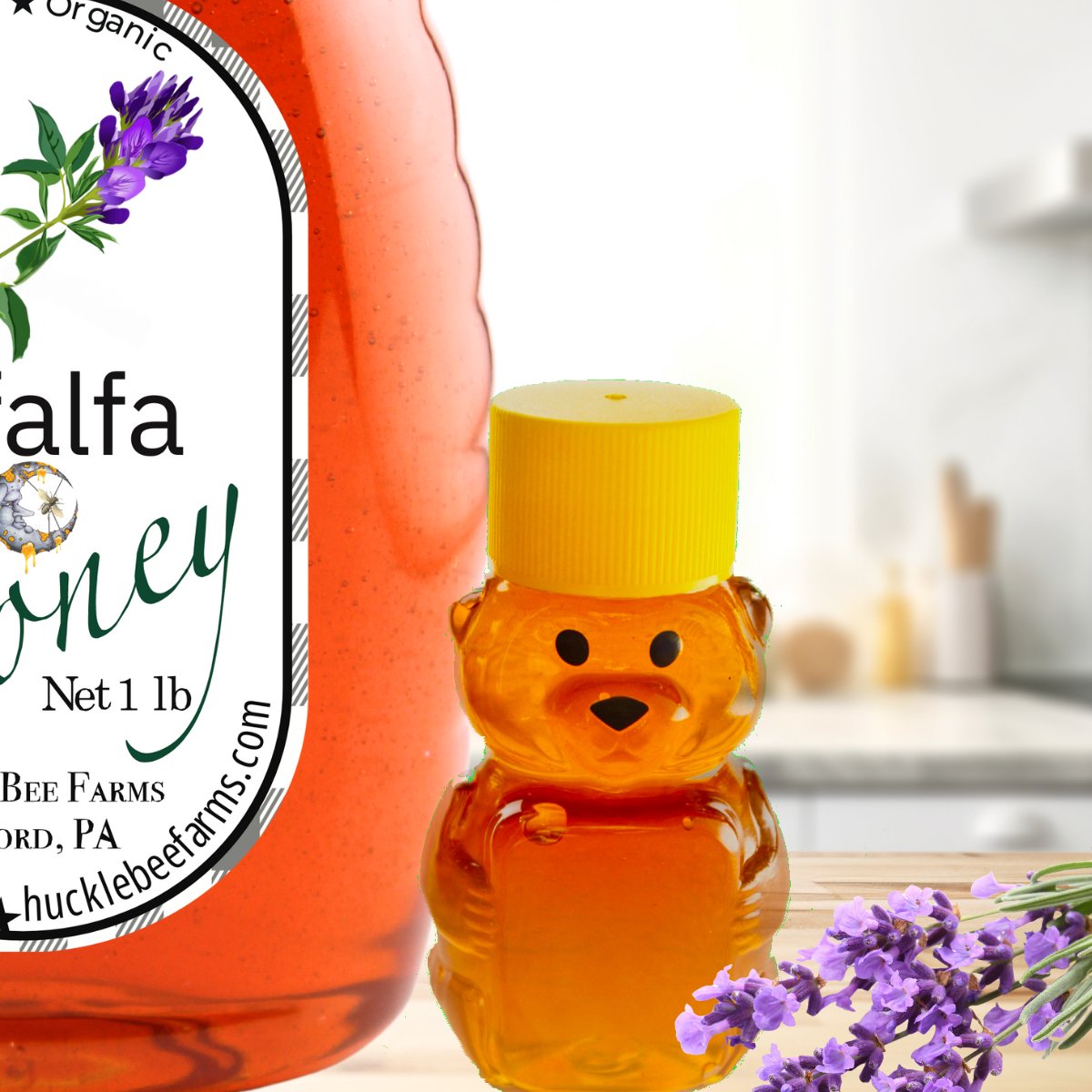
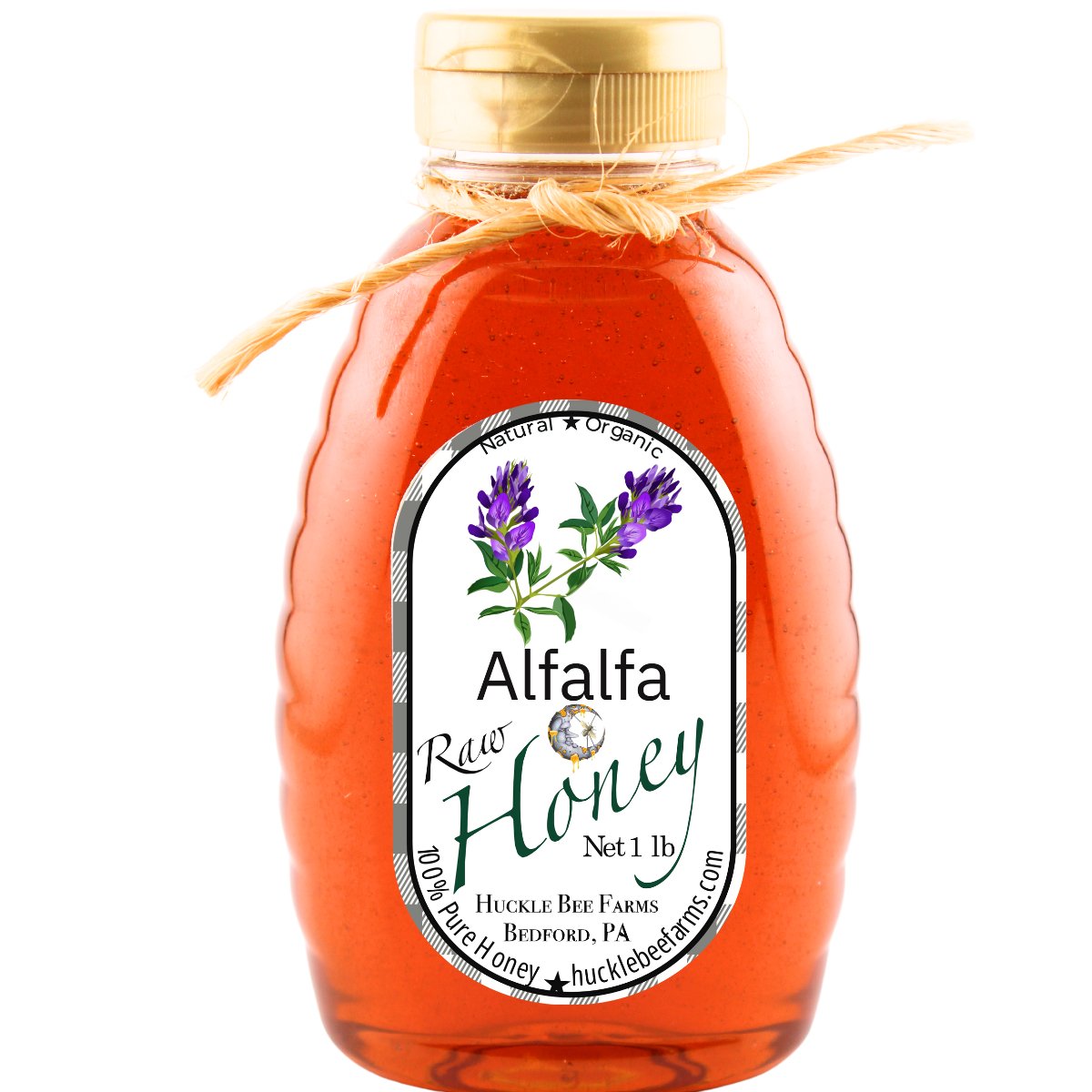
What Is Huckle Bee Farms Canine (K9) Honey?
Huckle Bee Farms Canine Honey—also known as K9 Honey—is a specialty honey product designed specifically for dogs, and it sometimes even includes ingredients like propolis, royal jelly, and beeswax for added health benefits. Here’s what makes it unique:
- Ingredients: Combines raw wildflower and buckwheat honey, sometimes with bee pollen, to support canine health.
- Benefits:Natural Energy Boost: Provides a quick source of energy due to its natural sugars.Soothes Throat & Cough: Can help dogs with kennel cough or sore throats.Supports Digestion: Contains prebiotics that may aid gut health.Antioxidant Properties: May support immune health, as antioxidants are known to combat free radicals, contributing to overall health in dogs.Wound Care: Some pet owners use honey topically on wounds for its antibacterial properties on minor cuts or skin irritations (always consult your vet first).
- Vet-Approved: Formulated with input from veterinarians for safety and effectiveness.
- How to Use: Can be given as a treat, mixed with food, or used as a training reward.
You can find more details or purchase directly from the Huckle Bee Farms website or their Canine Honey Allergy Relief Formula page.
If you’d like specific feeding guidelines, ingredient lists, or customer reviews, let me know!

A simple step-by-step plan to introduce honey
Start small enough that you can confidently say, “Even if this doesn’t agree with my dog, the amount was tiny.”
Then move forward slowly.
Step 1: Pick your “first serving” day
Choose a day when you will be home for a few hours to observe, and ensure you have only safe foods in your dog’s routine. Avoid starting honey right after vaccines, boarding, a diet change, or a stomach upset.
Feed honey earlier in the day, not right before bedtime. If it causes gassiness or loose stool, you will spot it more easily.
Step 2: Start with a micro dose
A practical starting point for many adult dogs is a small smear, or about 1/8 teaspoon mixed into food. For very small dogs, go smaller than that.
If your goal is simply to see if honey agrees with your dog, you do not need a full teaspoon to learn that.
Give that tiny amount once, then wait 24 hours before offering more.
Step 3: Choose the easiest delivery method
After you decide on the dose, decide how you will serve it. The best method is the one that lets you measure accurately and keeps the experience calm, especially if you are using high-quality manuka honey.
Many dog owners rotate between a spoon lick, mixing into food, or using honey as a “glue” to help powders stick to dinner.
Here are a few pet-friendly ways to serve it, with a quick note on why each works:
- Straight from a spoon: Easy to see exactly what your dog got.
- Mixed into wet food: Helps slow down gulping and spreads the sweetness.
- Smeared inside a treat toy: Keeps portions tiny and makes it last longer.
- Stirred into plain yogurt: Handy for dogs that already tolerate dairy well (avoid if dairy bothers your dog).
Step 4: Repeat for three days, then reassess
If the first micro dose goes well, repeat the same amount once per day for three days. Keep everything else the same, including treats, so you can tell what is causing what.
After three days, decide if you even need to increase. Many dogs do perfectly fine with “a dab” as the long-term plan.
Step 5: Increase slowly if you have a reason
If you are using honey for a specific short-term goal (like enticing appetite, soothing wounds or a throat with its antibacterial properties, or even to introduce the benefits of propolis), you might increase slightly. Raise the amount in small steps, not jumps. A common approach is adding another 1/8 teaspoon and sticking with that for several days.
If you ever see loose stool, new itching, allergies, or vomiting, stop and go back to the last amount that was tolerated, or skip honey altogether.
"My Golden Retriever used to struggle with seasonal paw-licking and sneezing. Since adding K9 Honey to his breakfast using this dosage guide, his coat is shinier and the allergies have practically disappeared!"
How much honey can a dog have? (A practical dosing table)
Portion size depends on weight, but also on body condition, activity level, and how many other treats your dog gets, especially considering the antioxidants in honey. The table below is designed for healthy adult dogs as an occasional treat, not as a daily supplement plan.
If you are thinking about daily honey, that is the moment to ask your veterinarian how it fits your dog’s calories and health history.
| Dog size (approx. weight) | Suggested starting amount | “Occasional treat” upper end | Notes |
|---|---|---|---|
| Under 10 lb | 1/16 to 1/8 tsp | Up to 1/2 tsp | Toy breeds gain weight quickly, keep it tiny. |
| 10 to 30 lb | 1/8 tsp | Up to 1 tsp | Mix into food to avoid gulping. |
| 31 to 50 lb | 1/8 to 1/4 tsp | Up to 2 tsp | Reduce other treats the same day. |
| Over 50 lb | 1/4 tsp | Up to 1 Tbsp | Large dogs can still get stomach upset from too much sugar. |
These upper ranges line up with many canine honey serving suggestions you may see on specialty products, but plenty of dogs do better staying under them. More is not “more helpful” when sugar is part of the deal.
What to watch for after you give honey
Most honey problems show up like any other “new treat” problem: stomach upset, extra itching, or a dog that seems off, especially if dogs are introduced too quickly.
If you are introducing honey thoughtfully, your job is mostly observation. Keep it boring. Keep it consistent. Write it down if you are trying honey for a specific purpose.
Here are signs that mean “stop honey and check in with a vet,” especially if they are strong or do not fade quickly:
- Skin signs: Hives, facial swelling, intense itching.
- Digestive signs: Vomiting, diarrhea, belly pain, refusal to eat.
- Breathing changes: Coughing that worsens, wheezing, labored breathing.
If your dog has a known bee-sting allergy, be extra cautious. Honey can contain trace bee proteins and pollen.

How often can you give honey?
If honey is simply a treat, “sometimes” is the sweet spot. Many families keep it to a few times per week or less.
Daily honey can be appropriate in limited cases, but it should come with a plan: measured portions, calories accounted for, teeth cared for, and your veterinarian in the loop. The sugar load is the main reason to avoid turning it into an everyday habit.
One simple rule that helps: treats (including honey) should stay under 10 percent of your dog’s daily calories.
Honey and teeth: the sticky truth
Honey clings to teeth. That is part of why it feels soothing in the throat, and also why it can be rough on dental health.
If you give honey more than once in a while, it is worth pairing it with good dental routines. Brushing is best, dental chews help some dogs, and even a rinse of water after a spoon lick can reduce stickiness.
A tiny smear inside a toy that encourages licking can also spread honey around the mouth less than a big spoonful that gets gulped and splattered.
Little ways to use honey that keep portions sensible
Honey is easiest to overdo when you free-pour. The best approach is to portion first, then serve.
A few low-drama ideas:
- Mix a measured dab into a meal once, then put the jar away.
- Smear a very thin layer inside a lick mat, then freeze it, so your dog gets a long activity with very little honey.
- Use honey as a “binder” for a supplement powder, rather than adding honey and a separate treat.
If you are shopping for dog-friendly honey products, look for options that focus on clean ingredients and clear serving guidance. At Huckle Bee Farms, canine honey is made with that “measure it, keep it simple” mindset, and jars are meant for small servings, not poured like pancake syrup.
A quick note on expectations (allergies, coughs, and gut health)
You will hear a lot of hopeful talk about honey for seasonal allergies, digestion, and immune support. Some of that comes from honey’s pollen content and natural compounds, and some of it is plain word of mouth.
Topical medical-grade honey has the strongest research support in veterinary settings. Feeding honey for internal benefits is less clear, and results can vary widely from dog to dog.
So if you want a grounded plan: treat honey as a small, optional food that may be comforting and enjoyable, and do not use it to replace proven care. If your dog has ongoing itching, ear trouble, coughing, or chronic stomach issues, honey should be a side note in a bigger conversation with your veterinarian.
If you remember only three things
- Measure it.
- Start smaller than you think.
- And if your dog is a puppy, diabetic, overweight, or prone to pancreatitis, skip honey and ask your vet about safer options.
Veterinarian Review & Approval
The information and guidelines presented in this article regarding the safe introduction and use of honey for dogs have been reviewed and approved by a qualified veterinary professional. Our commitment is to provide accurate, evidence-based advice to ensure the health and well-being of your canine companions. Always consult your personal veterinarian for advice tailored to your dog's specific health needs.
"As a veterinarian, I appreciate the balanced approach this guide takes to introducing honey to dogs. It correctly emphasizes moderation, proper dosing, and the importance of consulting a vet, especially for dogs with pre-existing conditions. While honey offers some natural benefits, it's crucial for pet owners to understand its limitations and potential risks, particularly for puppies and diabetic dogs. This article provides clear, actionable advice that aligns with best veterinary practices for responsible pet care."
— Dr. Emily R. Carter, DVM, Certified Canine Nutritionist
Frequently Asked Questions
Can honey help with my dog's allergies?
Honey may provide some relief for seasonal allergies due to its pollen content, which can help build immunity over time. However, the effectiveness varies from dog to dog, and it should not replace veterinary care. If your dog has severe allergies, it's best to consult your veterinarian for a comprehensive treatment plan. Remember, honey should be given in moderation and is not a guaranteed solution for allergy symptoms.
What should I do if my dog has a bad reaction to honey?
If your dog shows signs of a bad reaction after consuming honey, such as vomiting, diarrhea, or skin irritations, stop giving honey immediately. Monitor your dog closely for any worsening symptoms, and contact your veterinarian for advice. It's essential to provide them with details about the amount of honey consumed and any other treats or foods your dog has had recently to help determine the cause of the reaction.
Is there a specific type of honey that is best for dogs?
Raw, unfiltered honey is often recommended for dogs because it retains more natural enzymes and beneficial compounds. However, it's crucial to ensure that the honey is pure and free from additives or sweeteners, especially xylitol, which is toxic to dogs. Always check the label and opt for honey sourced from reputable producers to ensure quality and safety for your pet.
How can I incorporate honey into my dog's diet safely?
To safely incorporate honey into your dog's diet, start with a very small amount, such as 1/8 teaspoon, and monitor your dog's reaction. You can mix it into their food, use it as a treat, or smear it inside a toy. Gradually increase the amount if your dog tolerates it well, but always keep portions small to avoid excessive sugar intake. Regularly consult your veterinarian for personalized advice based on your dog's health needs.
Can honey be used for dogs with diabetes?
Generally, honey is not recommended for dogs with diabetes or blood sugar disorders, as it can cause spikes in blood glucose levels. If your dog has diabetes, it's crucial to consult your veterinarian before introducing any sugary foods, including honey. They can provide guidance on safe treat options that won't interfere with your dog's blood sugar management.
How often can I give my dog honey?
Honey should be treated as an occasional treat rather than a daily staple. Many pet owners choose to give honey a few times a week, depending on their dog's overall diet and health. If you plan to give honey more frequently, consult your veterinarian to ensure it fits within your dog's caloric needs and health considerations. Remember, moderation is key to preventing potential health issues.
What are the signs that my dog might be allergic to honey?
Signs that your dog may be allergic to honey include hives, facial swelling, intense itching, or gastrointestinal upset such as vomiting or diarrhea. If you notice any of these symptoms after giving honey, discontinue use immediately and consult your veterinarian. It's essential to monitor your dog closely, especially when introducing new foods, to ensure their safety and well-being.
🐾 Final Thoughts: Giving Dogs Honey the Right Way
Honey can be a helpful, natural addition to a dog’s routine when used thoughtfully and in moderation. For healthy adult dogs, small amounts of plain, raw honey may offer gentle energy support and trace nutrients, but it should never replace a balanced diet or veterinary care. Always start with a tiny serving, monitor your dog’s response, and avoid honey for puppies or dogs with underlying health conditions. When in doubt, consult your veterinarian — and remember, the safest treats are the ones given intentionally, not daily or in excess. today.

Author - Jim Douglas - Founder Huckle Bee Farms
For Jim Douglas, beekeeping is more than a craft—it’s a commitment to purity and the environment. After an honorable career in the U.S. Army and a tenure as a COO for the Boy Scouts of America, Jim sought a way to combine his leadership experience with his love for the outdoors.
In 2012, he founded Huckle Bee Farms with a simple mission: to take honey back to its raw, unadulterated roots. Jim’s expertise lies in the delicate balance of infusing raw honey with organic ingredients without compromising its natural medicinal properties. His "small-batch" philosophy ensures that every jar meets the highest standards of quality and transparency. Today, Jim continues to lead Huckle Bee Farms with the same integrity he practiced in uniform, ensuring that every drop of honey supports both the health of the consumer and the survival of the honeybee.
His mission is simple: to make life a little sweeter—naturally.


Key Takeaways for Safely Introducing Honey to Your Dog
Understanding the essential points about incorporating honey into your dog's diet can help ensure a safe and beneficial experience. Here are the key takeaways to remember:
- Start Small: Begin with a tiny amount, such as 1/8 teaspoon, to monitor your dog's reaction before increasing the dosage.
- Observe for Reactions: Watch for any signs of allergies or digestive issues, such as vomiting or diarrhea, especially after the first few servings.
- Choose Quality Honey: Opt for pure, raw, and unfiltered honey without additives or sweeteners, ensuring it is safe for your dog.
- Limit Frequency: Treat honey as an occasional treat rather than a daily staple, ideally giving it a few times a week.
- Consult Your Veterinarian: Always check with your vet before introducing honey, especially if your dog has health issues like diabetes or pancreatitis.
- Monitor Dental Health: Be aware that honey can stick to teeth; maintain good dental hygiene to prevent potential issues.
- Use as a Training Aid: Honey can be an effective reward during training sessions, but ensure portions remain small to avoid excess sugar intake.