
Discover If Honey is Keto: Glycemic Index Explained
Is Honey Keto? Carbs, Glycemic Index, and Smart Swaps
🍯 Quick Answer: Is Honey Keto?
Usually, no. Honey is a natural sweetener, but it is also high in carbohydrates. Since most keto diets are very low in carbs, even a small serving of honey can use up a large portion of your daily carb limit.
- Honey is high in carbs and can make it harder to stay in ketosis.
- Strict keto diets usually avoid honey because it adds sugar quickly.
- Targeted keto athletes may sometimes use a very small amount of honey before workouts for quick energy.
- For most keto eaters, honey is best used rarely and carefully rather than as an everyday sweetener.
Bottom line: Honey is not considered keto-friendly for a strict ketogenic diet, but in some targeted keto approaches, a very small amount may be used around exercise for fast fuel.
Table of contents

You love the rich, floral sweetness of raw honey, but you’re committed to the Keto lifestyle. >It’s a frustrating spot to be in. Most "wellness experts" tell you that honey is a total forbidden fruit—a one-way ticket out of ketosis—leaving you stuck with chemical-tasting stevia or bitter artificial sweeteners in your morning tea.
But here’s the truth: You don’t have to choose between your health goals and real flavor. By understanding the Glycemic Index and the specific carb counts of our raw varieties, we’ve crunched the numbers to show you exactly how (and when) you can enjoy Huckle Bee Farms honey while staying firmly in the "Safe Zone."
Honey, much like sugar, is one of those foods that feels “healthy” by instinct. It comes from flowers, it tastes like sunshine, and a little spoonful can make tea, yogurt, or a marinade taste finished. So it’s completely normal to wonder whether it belongs on a ketogenic diet.
The short, practical answer is that honey and strict keto do not mix well. Not because honey is “bad,” but because keto is a very specific metabolic setup, and honey is primarily sugar.
What keto actually needs from your carb intake
A ketogenic diet works by keeping digestible carbohydrates low enough that your body relies heavily on fat for fuel and produces ketones, providing your body with sustained energy. That shift is sensitive to carb dose and timing, because carbs raise blood glucose and insulin, and insulin signals the body to pause fat release and ketone production.
Many people aim for 20 to 50 grams of net carbs per day on a keto diet (sometimes less at the beginning). Within that budget, sweeteners are not just about taste. They are about whether the sweetener brings digestible carbs along for the ride.
One more point that helps: keto is not the same thing as “lower sugar.” You can adjust your diet to eat lower sugar and still not be in ketosis. Keto is the stricter target, often requiring sugar alternatives to keep carbohydrate intake low.
Honey’s carbs: the math that knocks it out of keto
Honey is mostly simple sugars, primarily fructose and glucose, and is high in calories. By weight, it’s around 80% fermentable carbohydrates, and in everyday kitchen terms it adds up quickly.
A commonly cited nutrition estimate is that honey is a natural sweetener, but:
- 1 tablespoon of honey (about 21 g) contains roughly 17 g of carbohydrates, essentially all sugar.
If your daily keto target is 20 g net carbs, that tablespoon can take almost the whole day’s carb budget on its own.
Here’s a quick “kitchen conversion” view to make it feel real.
| Honey amount | What it looks like | Approx carbs (g) | Keto impact (typical) |
|---|---|---|---|
| 1 teaspoon | a small drizzle | ~5 to 6 g | Big chunk of many meal budgets |
| 1 tablespoon | a generous spoon | ~17 g | Often knocks people out of ketosis |
| 2 tablespoons | a proper sweetening | ~34 g | Exceeds many daily limits by itself |
Nutrition numbers vary slightly by honey type and measuring style, but they do not vary enough to turn honey into a keto sweetener.

Glycemic index: “moderate” still isn’t keto-friendly
People often bring up honey’s glycemic index (GI) as a reason it might be acceptable. Honey’s GI is usually described as moderate, with an average around 58, compared with table sugar around 60. Published tables show a wide range (roughly 30 to 80), depending on floral source and the fructose-to-glucose ratio.
That’s interesting, and it can matter for some eating styles. Yet keto has a different gatekeeper: total digestible carbs and insulin response.
Even if a honey variety produces a slightly smaller or slower glucose rise than table sugar, it still supplies a meaningful dose of sugar. Your body does not need a dramatic glucose spike or significant change in blood sugar levels to reduce ketone production. It just needs enough carbohydrate to raise insulin and shift fuel use toward carbs.
Does raw honey, local honey, or infused honey change the keto answer?
Raw, unfiltered honey can be a beautiful ingredient. Many people choose it for flavor, trace components, nutritional value, and minimal processing. Small-batch honey that’s bottled on demand is also prized for freshness and aroma, and transparent beekeeping practices matter to shoppers who care about sustainability.
But from a keto perspective, raw vs. pasteurized doesn’t change the basic carbohydrate reality. Processing affects enzymes and heat-sensitive compounds far more than it affects sugar content.
The same general idea applies to:
- Monofloral honeys (acacia, buckwheat, clover, wildflower): different flavor and different fructose-to-glucose ratios, but still mostly sugar.
- Infused and smoked honeys: incredible culinary tools, yet the sweetness still comes from honey sugars.
If you love honey and are mindful of your sugar and overall diet, that’s actually a useful insight. You can choose honey based on flavor and values, not based on hoping it becomes keto.

When honey can fit (if you are low-carb, not strict keto)
Some people eat “keto-ish,” do cyclical keto, or use targeted carbs around workouts. In those cases, honey might be used intentionally, measured carefully, and treated like any other concentrated carbohydrate.
A small amount can also make sense for someone who is simply eating a lower carb diet (not aiming to stay in ketosis), where 5 to 15 grams of sugar fits into a larger day.
If you decide to include honey occasionally, it helps to treat it like a strong seasoning, not a free-pour sweetener.
- Measure with a real spoon when using honey as a natural sweetener.
- Count it as sugar, not as a “natural bonus”
- Use it where it matters most (a glaze, not a background sweetness)
A bold, complex honey can help you use less. Darker honeys, herbal infusions, or a touch of smoked honey often register on the palate faster than mild honey, so the “satisfaction per drop” can be higher.
After you’ve decided it’s an occasional choice, these habits keep it from quietly taking over your carb budget:
- Pick one honey moment: morning tea or the salad dressing, not both.
- Keep it tiny: start at 1/2 teaspoon and see if you even need more.
- Pair with fat and protein: it will not make honey keto, but it can soften the blood sugar swing for many people.
🍯 3 Ways to Use Honey on Keto
☕ 1. The Buckwheat "Bulletproof" Latte [View Recipe]
Best for: Pre-workout energy and antioxidants.
- 8oz Dark Roast Coffee
- 1 tbsp Grass-fed butter or MCT Oil
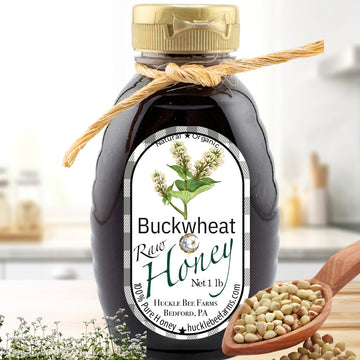
- 1 tsp Huckle Bee Farms Buckwheat Honey
- Dash of cinnamon
The Pro-Tip: Blend on high for 20 seconds. The fats in the butter slow the absorption of the honey, keeping your insulin levels steady!
🍗 2. Wildflower Garlic & Soy Wings [View Recipe]
Best for: A savory dinner that feels like a cheat meal.
- 1lb Chicken Wings (Air-fried)
- 2 tbsp Liquid Aminos (Keto-sub for Soy Sauce)
- 1 clove minced garlic
- 1.5 tsp Huckle Bee Farms Wildflower Honey
The Pro-Tip: Toss the wings in the glaze after cooking. This keeps the raw enzymes in the honey intact and the flavor punchy.
🍦 3. Whipped Clover "Cream" Cloud [View Recipe]
Best for: Crushing late-night sugar cravings.
- 1/2 cup Full-fat Greek Yogurt or Mascarpone
- 3-4 Crushed Walnuts
- 1 tsp Huckle Bee Farms Clover Honey
The Pro-Tip: Clover's mildness perfectly complements the tang of the yogurt without adding a "heavy" honey taste. Total Net Carbs: ~8g.
Smart swaps: how to get the honey vibe without the carb hit
If the goal is staying in ketosis, you need sweeteners with little to no digestible carbohydrate, minimal calories, and a minimal glycemic effect, as these factors influence your blood sugar and how your body processes and digests these inputs. That’s why keto kitchens lean on options like allulose, stevia, monk fruit, and erythritol.
Here’s a simple comparison that focuses on the two things keto cares about: carbs and glycemic impact.
| Sweetener | Net carbs (typical serving) | GI (typical) | What it does well |
|---|---|---|---|
| Honey | ~17 g per 1 Tbsp | ~58 (varies) | Floral flavor, viscosity, browning, glazes |
| Stevia (extract) | 0 g | 0 | Big sweetness in tiny amounts (no bulk) |
| Monk fruit (extract) | 0 g | 0 | Clean sweetness (no bulk) |
| Erythritol | ~0 g | 0 | Granulated bulk, good for many baked goods |
| Allulose | ~0 g net in many labels | ~0 | Syrupy feel, softer sweetness, helps with sauces |
You can get surprisingly close to honey’s “cozy” sweetness by thinking in layers: sweetness plus aroma plus a little thickness.
Here are a few swap strategies that work well in everyday cooking and sipping:
- Bold aroma boosters: cinnamon, vanilla, orange zest, ginger, cardamom
- Texture helpers: allulose syrup, a pinch of xanthan gum, a spoon of nut butter in dressings
- Salt as a flavor amplifier: a tiny pinch can make “sweet” taste sweeter
If you like a more structured approach, use this simple decision guide.
- For tea and coffee: use stevia or monk fruit drops, then add cinnamon or vanilla.
- For yogurt and ricotta bowls: use allulose (or an allulose syrup) plus lemon zest.
- For marinades and glazes: use allulose syrup, then balance with vinegar, chili, garlic, and salt.
And if you like the clarity of a checklist, these “two-part” swaps help you match honey’s role more precisely:
- For sweetness intensity: Monk fruit or stevia: a few drops go a long way.
- For honey-like body: Allulose syrup: brings the gentle viscosity honey normally provides.
- For baking structure: Erythritol: adds bulk, though it can cool or crystallize in some recipes.
🥑 Keto-Honey Safety Tool
Find your "Sweet Spot" without breaking ketosis.
Your Honey Allowance:
1.0 Teaspoons
Based on a standard 25g daily limit, you can enjoy this much Huckle Bee Farms honey.
*Calculated at ~5g carbs per tsp. Always consult your nutritionist.
Using honey substitutes in real food (without making it taste “diet”)
Honey often does three jobs at once: sweeten, thicken, and round out sharp flavors in your diet. When you replace it with a zero-carb sweetener, you may need to rebuild those jobs.
That can sound fussy, yet it’s usually one small tweak.
A vinaigrette is a great example. Honey’s sweetness balances vinegar and mustard. A keto version can keep that balance by using a syrupy sweetener and enough salt. A spoonful of olive oil and a little Dijon already bring richness, so you’re mostly replacing the “bridge” between sour and savory.
Baking is where people get surprised. Honey adds moisture, contributes calories, and helps browning. If you remove it, muffins can turn dry and pale. Allulose helps with browning more than many other options, and combining sweeteners often tastes better than using one alone.
Try these quick, practical swaps when a recipe calls for 1 tablespoon of honey:
- Tea or iced drinks: 6 to 10 drops liquid stevia or monk fruit (to taste), plus a pinch of cinnamon.
- Salad dressing: 1 tablespoon allulose syrup, plus an extra pinch of salt to round the vinegar.
- A quick glaze: allulose syrup plus smoked paprika or chili flakes for that hot-honey feel, without the sugar load.
If you keep a specialty pantry, pairing a sweetener with a flavorful finishing salt or a good spice blend can make the result feel crafted, not compromised.

100% Pure Raw Wildflower Honey
Our most complex blend. A floral, fruity nectar that captures the essence of a thousand blossoms. Perfect for daily drizzling.
A quick safety note if you have dogs in a keto household
Many keto-friendly sweeteners are fine for people, yet xylitol is dangerous for dogs. If your home includes pets and you bake or sweeten drinks often, it’s worth choosing dog-safer options and keeping all sweeteners stored carefully.
Honey is sometimes used in pet products too, but it is still sugar. If you are feeding a dog with specific health needs, it’s best to check with a veterinarian before adding sweet treats, natural or not.
Where honey still shines, even if keto is your goal

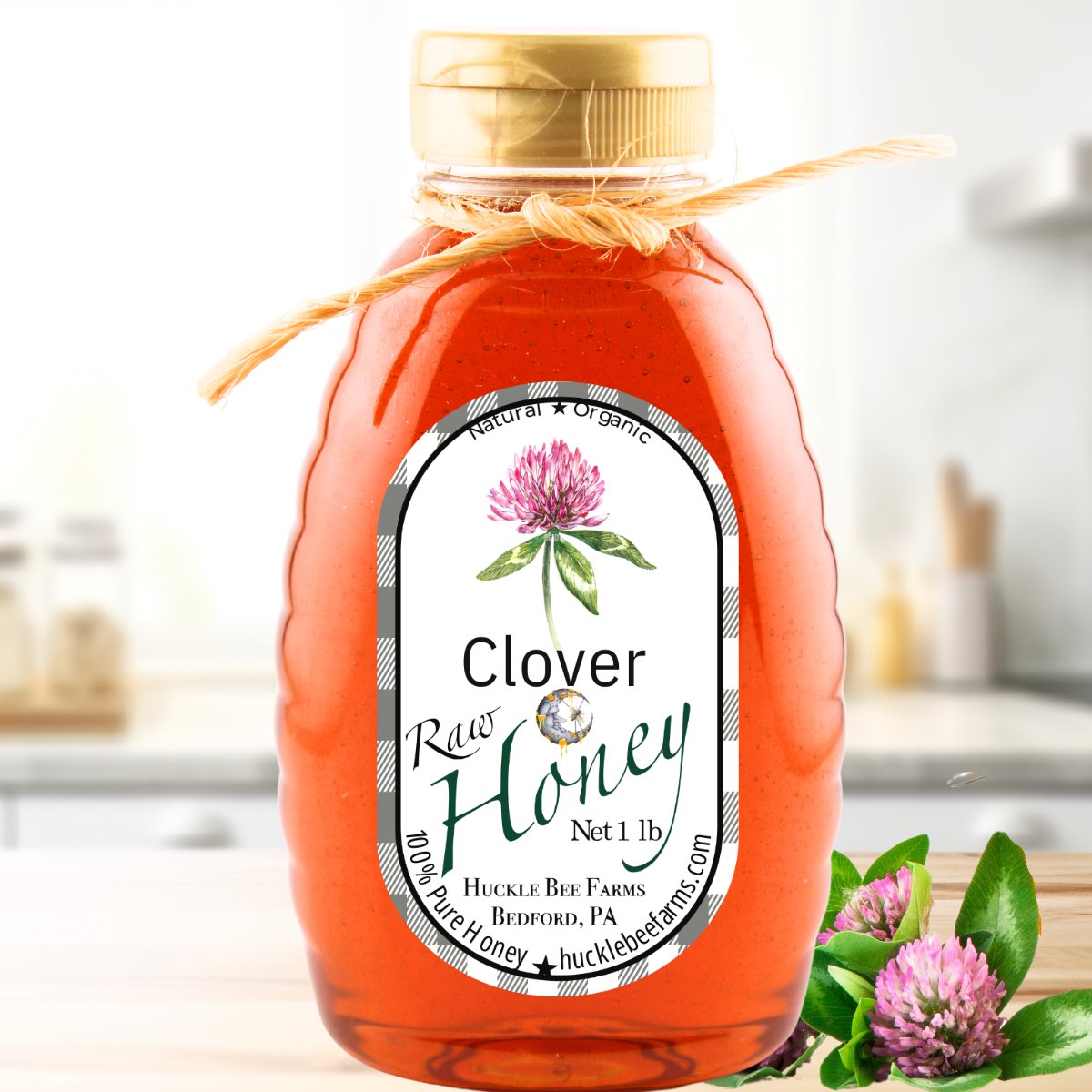
Pure Clover Honey: The Classic Sweetener
Mild, delicate, and beautifully floral. Our Clover Honey is a kitchen staple, perfect for everyday sweetening, tea, and family-favorite recipes. 🍯🌼
Keto can be a season of saying “not right now” to certain foods in your diet, not “never again.” If you love honey, it can still have a place in your kitchen in ways that feel intentional: a special ingredient used sparingly when you are not trying to stay in ketosis, or a gift-worthy pantry staple you share with friends and family who eat differently.
And if what you really want is the comfort of honey flavor in your daily routine, the mix of zero-glycemic sweeteners, warm spices, and a syrupy texture from allulose can get you very close while keeping your carb budget intact.
The Keto-Honey Cheat Sheet
Stop guessing your macros. This one-page guide breaks down the carb counts, glycemic impact, and "safe-dose" timing for every Huckle Bee Farms variety. Perfect for your fridge or digital pantry!
📥 DOWNLOAD CHEAT SHEETExpert Quote
“From a medical perspective, it’s important to understand that while honey offers some nutritional benefits, its high sugar content makes it incompatible with strict ketogenic diets. Patients aiming for ketosis should opt for low or zero-carb sweeteners to maintain metabolic balance and avoid disrupting ketone production.” – Dr. Emily Carter, MD, Endocrinologist and Metabolic Health Specialist
Frequently Asked Questions
1. Can I use honey in moderation on a low-carb diet?
Yes, you can use honey in moderation on a low-carb diet, but it’s essential to be mindful of your overall carbohydrate intake. If you are not strictly following a ketogenic diet, incorporating small amounts of honey may fit into your daily carb allowance. However, it’s crucial to measure your portions carefully and consider how it affects your total carb budget for the day.
2. What are some keto-friendly alternatives to honey?
There are several keto-friendly alternatives to honey that provide sweetness without the high carbohydrate content. Popular options include stevia, monk fruit, erythritol, and allulose. These sweeteners have little to no digestible carbs and minimal glycemic impact, making them suitable for a ketogenic diet. Each alternative has unique properties, so you can choose based on your taste preferences and the specific culinary application.
3. How does honey affect blood sugar levels compared to other sweeteners?
Honey has a moderate glycemic index (GI) of around 58, which means it can raise blood sugar levels significantly. In contrast, many keto-friendly sweeteners like stevia and erythritol have a GI of 0, causing little to no impact on blood sugar. This difference is crucial for those on a ketogenic diet, as maintaining stable blood sugar levels is essential for staying in ketosis.
4. Are there any health benefits to using honey, even if not on keto?
Yes, honey has several health benefits, including its antioxidant properties, potential antibacterial effects, and soothing qualities for sore throats. It also contains trace vitamins and minerals. However, these benefits should be weighed against its high sugar content, especially for those managing their carbohydrate intake. Using honey sparingly can allow you to enjoy its benefits without significantly impacting your diet.
5. Can I still enjoy the flavor of honey without using it?
Absolutely! You can replicate the flavor of honey in your dishes by using a combination of zero-carb sweeteners and flavor enhancers. For instance, adding a touch of cinnamon, vanilla extract, or citrus zest can create a similar taste profile. Additionally, using allulose syrup can provide a honey-like texture, making it easier to enjoy the essence of honey in your recipes without the carbs.
6. What should I consider when choosing honey for recipes?
When selecting honey for recipes, consider the type of honey and its flavor profile. Different varieties, such as wildflower or clover, have distinct tastes that can enhance your dish. Additionally, consider whether you want raw or processed honey, as raw honey retains more nutrients. However, remember that regardless of the type, honey remains high in sugar and should be used sparingly, especially in low-carb diets.
7. Is it safe to give honey to pets, especially dogs?
While honey is generally safe for pets in small amounts, it’s important to exercise caution, especially with dogs. Honey contains sugar, which can contribute to obesity and dental issues in pets. Additionally, xylitol, a common sweetener in human foods, is toxic to dogs. Always consult with a veterinarian before introducing any new treats, including honey, to your pet's diet to ensure their safety and health.
Conclusion
While honey may seem like a natural sweetener, its high carbohydrate content makes it unsuitable for strict ketogenic diets. Understanding the impact of honey on blood sugar levels reinforces the importance of choosing low-carb alternatives for maintaining ketosis. By exploring keto-friendly sweeteners, you can enjoy delicious flavors without compromising your dietary goals. Discover our range of zero-carb sweeteners to find the perfect fit for your low-carb lifestyle today.

Author - Jim Douglas - Founder Huckle Bee Farms
For Jim Douglas, beekeeping is more than a craft—it’s a commitment to purity and the environment. After an honorable career in the U.S. Army and a tenure as a COO for the Boy Scouts of America, Jim sought a way to combine his leadership experience with his love for the outdoors.
In 2012, he founded Huckle Bee Farms with a simple mission: to take honey back to its raw, unadulterated roots. Jim’s expertise lies in the delicate balance of infusing raw honey with organic ingredients without compromising its natural medicinal properties. His "small-batch" philosophy ensures that every jar meets the highest standards of quality and transparency. Today, Jim continues to lead Huckle Bee Farms with the same integrity he practiced in uniform, ensuring that every drop of honey supports both the health of the consumer and the survival of the honeybee.
His mission is simple: to make life a little sweeter—naturally.
Key Takeaways on Honey and the Keto Diet
This list summarizes the essential points regarding the compatibility of honey with a ketogenic diet, highlighting its carbohydrate content, glycemic index, and suitable alternatives.
- High Carbohydrate Content – Honey contains approximately 17 grams of carbohydrates per tablespoon, which can quickly exceed daily keto limits.
- Moderate Glycemic Index – With a glycemic index around 58, honey can still raise blood sugar levels significantly, impacting ketosis.
- Raw vs. Processed Honey – Regardless of processing, honey remains high in sugar, making it unsuitable for strict keto diets.
- Occasional Use in Low-Carb Diets – Honey can be included in moderation for those not strictly adhering to keto, but portion control is crucial.
- Keto-Friendly Sweeteners – Alternatives like stevia, monk fruit, erythritol, and allulose provide sweetness without the high carb content.
- Flavor Replication Strategies – Use spices and zero-carb sweeteners to mimic honey's flavor profile in recipes without the sugar load.
- Mindful Consumption – If using honey, treat it as a seasoning rather than a sweetener to maintain carb control.