


Honey vs Artificial Sweeteners: Understanding the Real Difference for Health and Sustainability

The debate between honey and artificial sweeteners has gained significant attention as consumers become more health-conscious and environmentally aware. This article delves into the differences between these two sweeteners, focusing on their health implications and sustainability factors. Readers will learn about the nutritional benefits of organic honey, the potential health risks associated with artificial sweeteners, and how sustainable farming practices can influence the quality of honey. As families seek healthier alternatives, understanding these distinctions is crucial for making informed dietary choices. We will explore the practices employed by Hucklebee Farms in honey production, the key health benefits of organic honey, and the environmental impacts of both sweeteners.
Differences Between Honey and Artificial Sweeteners
The primary differences between honey and artificial sweeteners lie in their composition, health effects, and environmental impact. Honey is a natural sweetener produced by bees from nectar, containing various nutrients, enzymes, and antioxidants. In contrast, artificial sweeteners are synthetic compounds designed to mimic the sweetness of sugar without the calories. While honey offers numerous health benefits, artificial sweeteners have been linked to various health concerns.
Health Implications
Honey is rich in antioxidants, vitamins, and minerals, making it a nutritious alternative to sugar. Studies have shown that honey can help with wound healing, soothe sore throats, and provide energy. In contrast, artificial sweeteners may pose health risks, including potential links to metabolic disorders and digestive issues. Research indicates that regular consumption of artificial sweeteners can alter gut microbiota, leading to adverse health effects.
Further research supports the notion that artificial sweeteners can negatively impact metabolic health by altering the gut microbiome.
Artificial Sweeteners, Gut Microbiota, and Glucose Intolerance
Non-caloric artificial sweeteners (NAS) are among the most widely used food additives worldwide, regularly consumed by lean and obese individuals alike. NAS consumption is considered safe and beneficial owing to their low caloric content, yet supporting scientific data remain sparse and controversial. Here we demonstrate that consumption of commonly used NAS formulations drives the development of glucose intolerance through induction of compositional and functional alterations to the intestinal microbiota. These NAS-mediated deleterious metabolic effects are abrogated by antibiotic treatment, and are fully transferrable to germ-free mice upon faecal transplantation of microbiota configurations from NAS-consuming mice, or of microbiota anaerobically incubated in the presence of NAS. We identify NAS-altered microbial metabolic pathways that are linked to host susceptibility to metabolic disease, and demonstrate similar NAS-induced dysbiosis and glucose intolerance in healthy human subjects. Collectively, our results link NAS consumption, dysbiosis and metabolic abnormalities, thereby calling for a reassessment of massive NAS usage.
Artificial sweeteners induce glucose intolerance by altering the gut microbiota, J Suez, 2014
| Health Aspect | Honey | Artificial Sweeteners |
|---|---|---|
| Nutritional Value | High in antioxidants and nutrients | Low to no nutritional value |
| Health Risks | Generally safe, with potential benefits | Linked to metabolic disorders and gut issues |
| Consumer Preference | Favored for its natural properties | Often avoided due to health concerns |
The health implications of these sweeteners highlight the importance of choosing natural options like honey over artificial alternatives.
Sustainability Factors
Sustainability is another critical factor when comparing honey and artificial sweeteners. Honey production, especially from organic farms, supports biodiversity and promotes sustainable agriculture. Bees play a vital role in pollination, which is essential for many crops. On the other hand, the production of artificial sweeteners often involves synthetic processes that can harm the environment.
Hucklebee Farms is committed to sustainable practices in honey production, ensuring that their methods support ecological balance and minimize environmental impact. By choosing organic honey, consumers can contribute to sustainable agriculture and support local ecosystems.
Practices Used by Hucklebee Farms in Honey Production

Hucklebee Farms employs several sustainable practices in their honey production, ensuring that their products are not only high-quality but also environmentally friendly. These practices include chemical-free beekeeping methods, diverse forage planting, and community engagement in honey production. By prioritizing sustainability, Hucklebee Farms helps protect bee populations and promote biodiversity.
Sustainable beekeeping practices are crucial for maintaining bee health and ensuring the long-term viability of honey production.
Sustainable Beekeeping: Challenges and Management Practices
Beekeeping is an essential industry facing several global challenges, affecting its overall status and socio-ecological benefits. Due to intense competition in the modern world, beekeepers are under significant pressure. These issues are particularly evident in countries like Iran. Identifying the factors that affect the management of the beekeeping industry and their mechanisms is the first step toward improving its management status, competitiveness, and socio-ecological services.
Good beekeeping farm management practices, towards sustainable development (experiences from Iran), SE Hosseini, 2024
What Are the Key Health Benefits of Organic Honey Compared to Artificial Sweeteners?
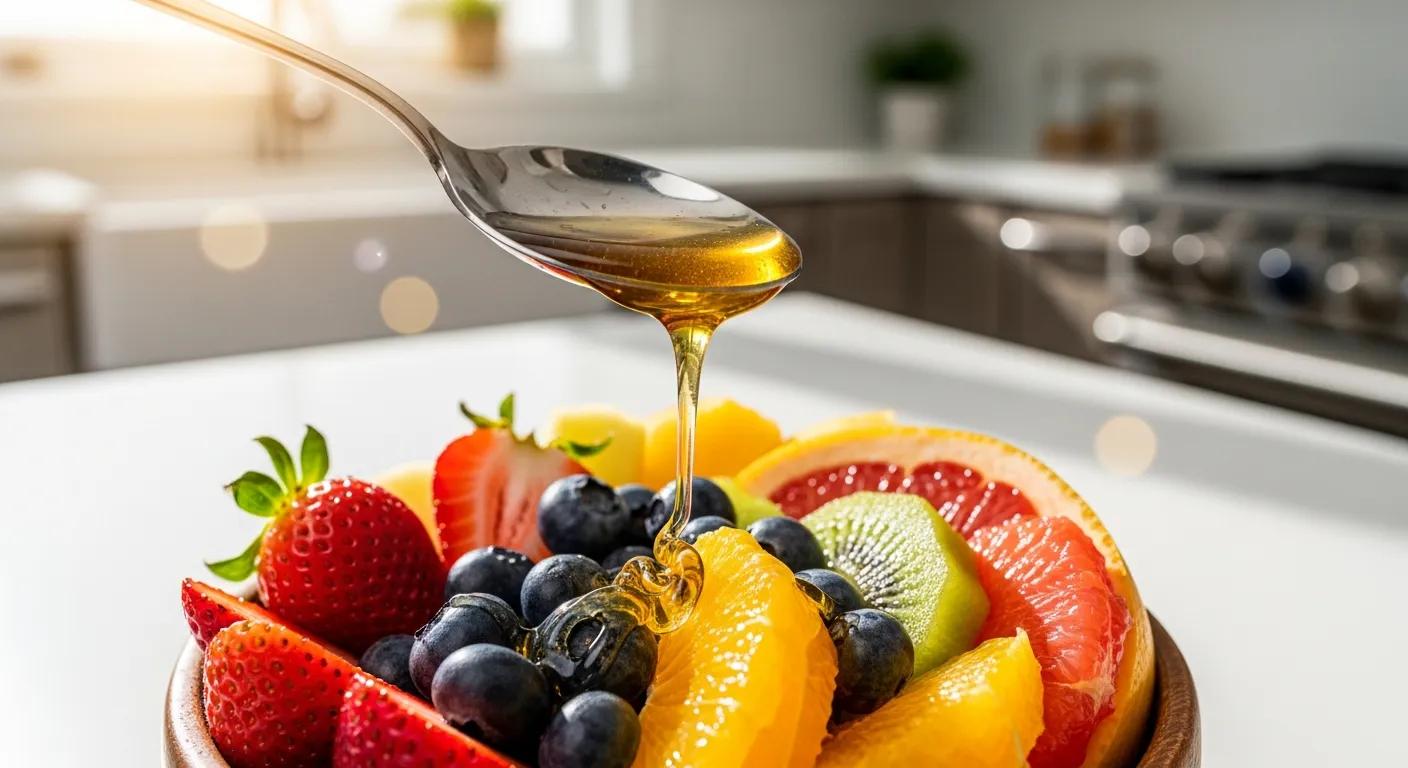
Organic honey offers several health benefits that artificial sweeteners cannot match. These benefits include:
- Rich in Antioxidants: Organic honey contains antioxidants that help combat oxidative stress and inflammation, which are linked to chronic diseases such as heart disease and cancer.
- Natural Energy Source: Honey provides a quick source of energy due to its natural sugars, making it an excellent choice for athletes and active individuals. Its glycemic index is lower than that of refined sugar, leading to a more gradual increase in blood sugar levels.
- Supports Digestive Health: Honey has prebiotic properties that can promote gut health and improve digestion by fostering beneficial gut bacteria.
- Antimicrobial and Wound Healing Properties: Organic honey has been shown to have antimicrobial effects, helping to prevent infections and promote faster wound healing.
- Anti-Inflammatory Effects: Regular consumption of organic honey may reduce inflammation, which is a root cause of many chronic conditions.
In contrast, artificial sweeteners lack these beneficial properties and may contribute to health issues over time.
How Does Organic Honey Support Natural Nutrition and Antioxidant Intake?
Organic honey supports natural nutrition by providing essential nutrients and antioxidants that are beneficial for overall health. The antioxidants found in honey, such as flavonoids and phenolic acids, help protect the body from free radicals, reducing the risk of chronic diseases. Additionally, honey's natural sugars provide a quick energy boost without the harmful effects associated with artificial sweeteners.
The diverse composition of honey, including its bioactive compounds, contributes significantly to its antioxidant and antimicrobial properties. Moreover, the antioxidant content can vary depending on the floral source and geographic origin, offering a range of health benefits.
Honey's Bioactive Compounds: Antioxidant & Antimicrobial Properties
Monofloral and multifloral honey produced in different regions may have different bioactive compounds and antioxidant capacities, resulting in changes in the antimicrobial activity of honey. However, many of these compounds degrade due to the extreme digestion conditions, which may inhibit the antimicrobial activity. Given this context, this study aimed to describe the bioactive compounds of honey produced in Brazil and verify if honey samples from different botanical and geographical origins differ in bioactive
B
ioactive compounds of honey from different regions of
Brazil: The effect of simulated gastrointestinal digestion on antioxidant and antimicrobial properties, MBS Junior, 2024
What Are the Health Risks Associated with Artificial Sweeteners?
Artificial sweeteners have been linked to several health risks, including:
- Metabolic Disorders: Some studies suggest that artificial sweeteners may disrupt metabolic processes, leading to weight gain, insulin resistance, and increased risk of type 2 diabetes.
- Digestive Issues: Many individuals report gastrointestinal discomfort after consuming artificial sweeteners, which can affect overall digestive health. These sweeteners may alter gut microbiota composition, potentially leading to dysbiosis.
- Potential Links to Chronic Diseases: Research is ongoing regarding the long-term effects of artificial sweeteners on health, with some studies indicating potential links to conditions such as diabetes, cardiovascular disease, and even neurological effects.
- Appetite and Cravings: Artificial sweeteners may interfere with appetite regulation, potentially increasing cravings for sweet or high-calorie foods, which can undermine weight management efforts.
These risks highlight the importance of considering natural alternatives like organic honey.
How Do Sustainable Farming Practices Influence the Quality of Organic Honey?
Sustainable farming practices significantly influence the quality of organic honey. By using chemical-free methods and promoting biodiversity, organic farms can produce honey that is not only healthier but also richer in flavor and nutrients. The absence of pesticides and synthetic fertilizers ensures that the honey retains its natural properties, making it a superior choice for consumers.
Additionally, sustainable practices help maintain healthy bee populations, which are essential for pollination and ecosystem balance. This, in turn, supports the production of high-quality honey with consistent nutritional profiles.
What Sustainable Methods Does Hucklebee Farms Use in Honey Production?
Hucklebee Farms utilizes several sustainable methods in their honey production, including:
- Chemical-Free Beekeeping: Ensuring that no harmful chemicals are used in the beekeeping process, protecting both bees and the environment.
- Diverse Forage Planting: Planting a variety of flowers to provide bees with a rich and diverse diet, which enhances the nutritional quality and flavor complexity of the honey.
- Community Engagement: Involving the local community in sustainable practices and education about the importance of bees, fostering environmental stewardship.
- Habitat Conservation: Protecting and restoring natural habitats around apiaries to support wild pollinators and biodiversity.
These methods not only enhance the quality of the honey but also contribute to the overall health of the environment.
How Does Organic Certification Ensure Environmental Responsibility?
Organic certification plays a crucial role in ensuring environmental responsibility in honey production. Certified organic farms must adhere to strict guidelines that promote sustainable practices, such as avoiding synthetic pesticides and fertilizers. This certification helps consumers trust that the honey they purchase is produced in an environmentally friendly manner, supporting both their health and the planet.
Moreover, organic certification often requires regular audits and transparency in production methods, which encourages continuous improvement in sustainability and quality standards.
Why Choose Natural Sweeteners Like Organic Honey Over Artificial Alternatives?
Choosing natural sweeteners like organic honey over artificial alternatives offers several advantages:
- Nutritional Benefits: Organic honey provides essential nutrients and antioxidants that artificial sweeteners lack.
- Healthier Choice: Natural sweeteners are generally safer and have fewer associated health risks.
- Support for Sustainable Practices: Purchasing organic honey supports sustainable agriculture and helps protect the environment.
- Enhanced Flavor and Culinary Uses: Honey offers a complex flavor profile that enhances recipes, unlike the often one-dimensional sweetness of artificial sweeteners.
These factors make organic honey a preferable choice for health-conscious consumers.
How Can Families Safely Incorporate Organic Honey into Their Diets?
Families can safely incorporate organic honey into their diets by following these guidelines:
- Moderation: Use honey in moderation to avoid excessive sugar intake, keeping within recommended daily limits for added sugars.
- Quality Selection: Choose high-quality organic honey from reputable sources, such as Hucklebee Farms, to ensure purity and nutritional value.
- Safe Introduction for Children: Introduce honey to children over one year old, as it is not safe for infants due to the risk of botulism.
- Varied Use: Incorporate honey in diverse ways such as sweetening beverages, drizzling over foods, or using in cooking and baking to enjoy its benefits.
By following these tips, families can enjoy the benefits of organic honey while maintaining a balanced diet.
What Are the Environmental Impacts of Artificial Sweetener Production Compared to Organic Honey?
The environmental impacts of artificial sweetener production are often negative, involving synthetic processes that can harm ecosystems. In contrast, organic honey production supports biodiversity and promotes sustainable farming practices. By choosing organic honey, consumers can help mitigate the environmental damage associated with artificial sweeteners.
Artificial sweetener manufacturing typically requires significant energy inputs and chemical processing, which can contribute to pollution and resource depletion. Conversely, organic honey production relies on natural processes and supports pollinator health, which is vital for ecosystem services.
How Does Artificial Sweetener Manufacturing Affect Sustainability?
Artificial sweetener manufacturing can negatively affect sustainability due to the use of synthetic chemicals and processes that contribute to pollution and habitat destruction. In contrast, organic honey production emphasizes ecological balance and supports the health of bee populations, making it a more sustainable choice.
Additionally, the disposal of byproducts from artificial sweetener production can pose environmental hazards if not managed properly, further impacting sustainability.
In What Ways Does Organic Honey Production Promote Ecological Balance?
Organic honey production promotes ecological balance by supporting bee populations and encouraging biodiversity. Healthy bee populations are essential for pollination, which is crucial for many crops and wild plants. By choosing organic honey, consumers contribute to the preservation of these vital ecosystems.
Moreover, organic beekeeping practices avoid harmful chemicals that can disrupt local flora and fauna, fostering a healthier environment overall.
What Are the Nutritional Advantages of Honey as a Natural Sweetener?
Honey offers several nutritional advantages as a natural sweetener, including:
- Rich in Nutrients: Honey contains vitamins, minerals, and antioxidants that are beneficial for health.
- Natural Energy Source: The natural sugars in honey provide a quick energy boost without the crash associated with artificial sweeteners.
- Supports Immune Function: Honey has antimicrobial properties that can help support the immune system.
- Contains Enzymes: Honey includes enzymes that aid digestion and contribute to its health benefits.
These advantages make honey a superior choice for those seeking a healthier sweetener.
How to Choose Natural Sweeteners for Your Family?
When selecting natural sweeteners for your family, consider the following criteria:
- Quality: Look for high-quality, organic options that are free from additives and preservatives.
- Nutritional Value: Choose sweeteners that offer additional health benefits, such as antioxidants and vitamins.
- Taste Preferences: Consider the flavor profiles of different sweeteners to find the best fit for your family's tastes.
- Source Transparency: Prefer products with clear sourcing and production information to ensure ethical and sustainable practices.
By following these guidelines, families can make informed choices about the sweeteners they incorporate into their diets.
Frequently Asked Questions
1. Can honey be used as a substitute for sugar in baking?
Yes, honey can be used as a substitute for sugar in baking, but adjustments are necessary. Generally, you can replace one cup of sugar with about 2/3 cup of honey. Since honey is liquid, reduce the other liquids in the recipe by about 1/4 cup. Additionally, lower the baking temperature by 25°F to prevent over-browning. Honey adds moisture and a unique flavor, making it a great alternative for many baked goods.
2. Are there any specific health benefits of honey for children?
Honey can provide several health benefits for children over one year old. It is a natural source of energy, rich in antioxidants, and can help soothe coughs and sore throats. Honey also has prebiotic properties that support gut health. However, it should never be given to infants under one year due to the risk of botulism. Always consult a pediatrician before introducing new foods into a child's diet.
3. How can I ensure the honey I buy is truly organic?
To ensure that the honey you purchase is truly organic, look for certification labels from recognized organic certifying bodies. These labels indicate that the honey has been produced without synthetic pesticides or fertilizers and adheres to organic farming practices. Additionally, consider buying from reputable local producers or farmers' markets, where you can ask about their production methods and sourcing practices.
4. What are the environmental benefits of choosing organic honey over artificial sweeteners?
Choosing organic honey over artificial sweeteners supports sustainable agriculture and biodiversity. Organic honey production promotes healthy bee populations, which are essential for pollination and ecosystem balance. In contrast, artificial sweeteners often involve synthetic processes that can harm the environment. By selecting organic honey, consumers contribute to ecological health and help mitigate the negative impacts associated with artificial sweetener production.
5. How does the taste of organic honey compare to artificial sweeteners?
Organic honey has a distinct, rich flavor profile that varies based on its floral source, offering a natural sweetness that artificial sweeteners cannot replicate. While artificial sweeteners may provide sweetness without calories, they often have a chemical aftertaste that many find unappealing. Honey's complex taste can enhance various dishes, making it a preferred choice for those seeking a more flavorful and natural sweetening option.
6. What are the potential side effects of consuming artificial sweeteners?
Consuming artificial sweeteners can lead to several potential side effects, including digestive issues such as bloating, gas, and diarrhea. Some individuals may also experience headaches or allergic reactions. Long-term consumption has been linked to metabolic disorders and changes in gut microbiota, which can affect overall health. It's essential to monitor your body's response and consult a healthcare professional if you experience adverse effects.
7. How can I incorporate honey into my family's diet safely?
Incorporating honey into your family's diet can be done safely by using it in moderation. Add honey to teas, yogurt, or oatmeal for natural sweetness. Ensure that children over one year old are the only ones consuming honey, as it is unsafe for infants. Always choose high-quality, organic honey to maximize health benefits and flavor. Educate your family about the advantages of honey as a natural sweetener to encourage healthier choices.
Conclusion
Choosing organic honey over artificial sweeteners provides numerous health benefits, including essential nutrients and antioxidants that support overall well-being. By understanding the sustainability of honey production, consumers can make informed choices that benefit both their health and the environment. Embrace the natural sweetness of organic honey and explore high-quality options from trusted sources like Hucklebee Farms. Start your journey towards healthier eating today by incorporating organic honey into your diet.
Author - Jim Douglas - Founder Huckle Bee Farms
For Jim Douglas, beekeeping is more than a craft—it’s a commitment to purity and the environment. After an honorable career in the U.S. Army and a tenure as a COO for the Boy Scouts of America, Jim sought a way to combine his leadership experience with his love for the outdoors.
In 2012, he founded Huckle Bee Farms with a simple mission: to take honey back to its raw, unadulterated roots. Jim’s expertise lies in the delicate balance of infusing raw honey with organic ingredients without compromising its natural medicinal properties. His "small-batch" philosophy ensures that every jar meets the highest standards of quality and transparency. Today, Jim continues to lead Huckle Bee Farms with the same integrity he practiced in uniform, ensuring that every drop of honey supports both the health of the consumer and the survival of the honeybee.
His mission is simple: to make life a little sweeter—naturally.
Key Takeaways on Honey vs Artificial Sweeteners
This list summarizes the essential points regarding the differences between organic honey and artificial sweeteners, highlighting their health benefits, sustainability factors, and overall impact on well-being.
- Natural Nutritional Benefits – Organic honey is rich in antioxidants, vitamins, and minerals, providing essential nutrients that artificial sweeteners lack.
- Health Risks of Artificial Sweeteners – Regular consumption of artificial sweeteners has been linked to metabolic disorders, digestive issues, and potential chronic diseases.
- Sustainability of Honey Production – Organic honey production supports biodiversity and sustainable farming practices, benefiting the environment and local ecosystems.
- Quality of Ingredients – Organic honey is produced without synthetic pesticides or fertilizers, ensuring a healthier product compared to chemically processed sweeteners.
- Support for Local Agriculture – Choosing organic honey helps support local farmers and promotes sustainable agricultural practices that protect bee populations.
- Flavor and Culinary Versatility – Honey offers a unique flavor profile that enhances various dishes, while artificial sweeteners often have a chemical aftertaste.
- Safe Consumption Guidelines – Families should introduce honey in moderation, ensuring it is suitable for children over one year old to avoid health risks.
- Additional Health Benefits – Organic honey provides antimicrobial, anti-inflammatory, and prebiotic effects that artificial sweeteners do not offer.
- Environmental Stewardship – Supporting organic honey production contributes to habitat conservation and the health of pollinator populations.


