


Raw Honey vs Sugar: Which Is Healthier for Pets? Exploring Natural Sweeteners for Optimal Pet Nutrition
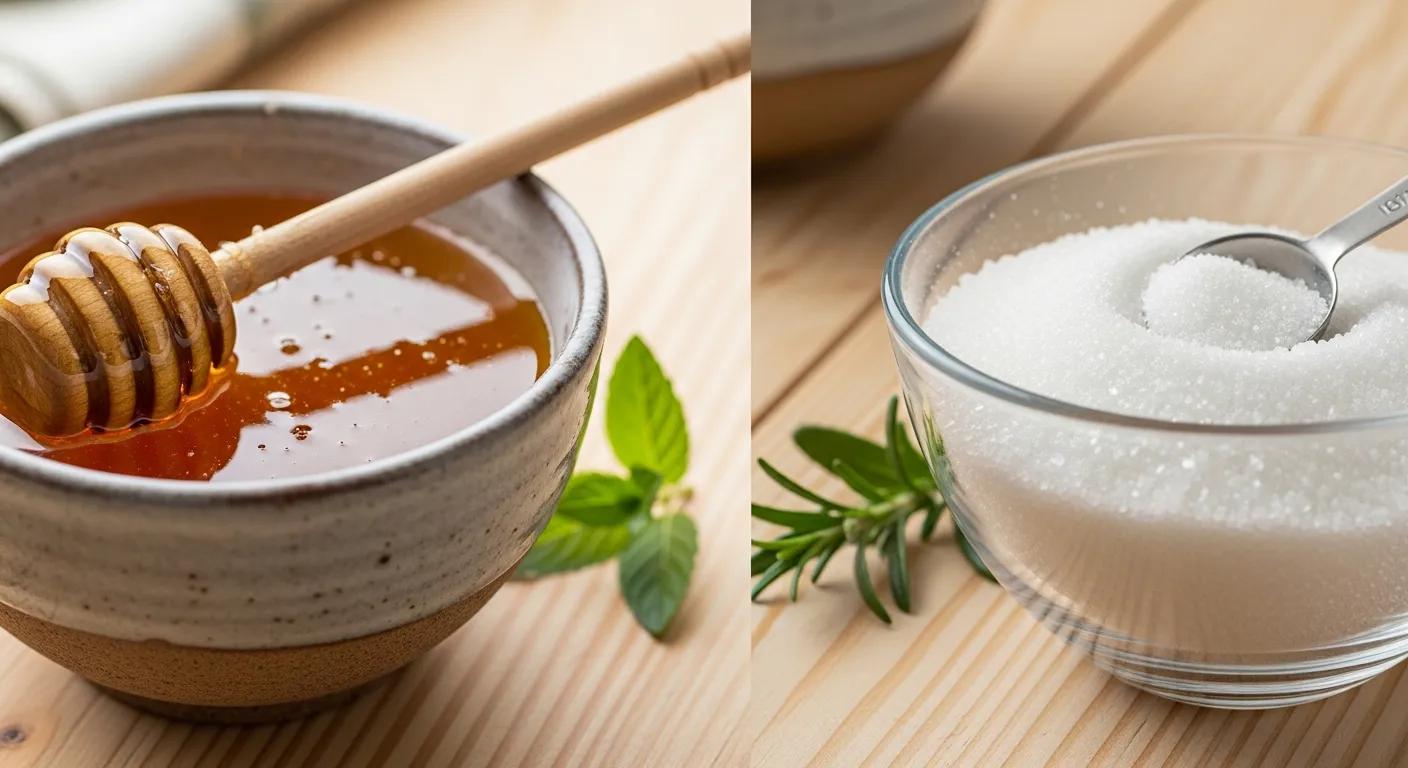
When it comes to pet nutrition, the choice between raw honey and sugar can significantly impact your furry friend's health. Understanding the nutritional profiles and health implications of these sweeteners is essential for pet owners. This article delves into the benefits and drawbacks of raw honey and sugar, providing insights into which option may be healthier for pets. We will explore the nutritional benefits of raw honey, the risks associated with sugar consumption, and how sustainable farming practices enhance the quality of honey. By the end, you'll have a clearer understanding of how to incorporate these sweeteners into your pet's diet safely.
Nutritional Benefits and Drawbacks of Raw Honey and Sugar for Pets
The nutritional profiles of raw honey and sugar differ significantly, impacting their suitability for pets. Raw honey is a natural sweetener rich in antioxidants, vitamins, and minerals, while sugar is a processed product that lacks nutritional value. Understanding these differences is crucial for making informed decisions about your pet's diet.
Raw Honey: Benefits
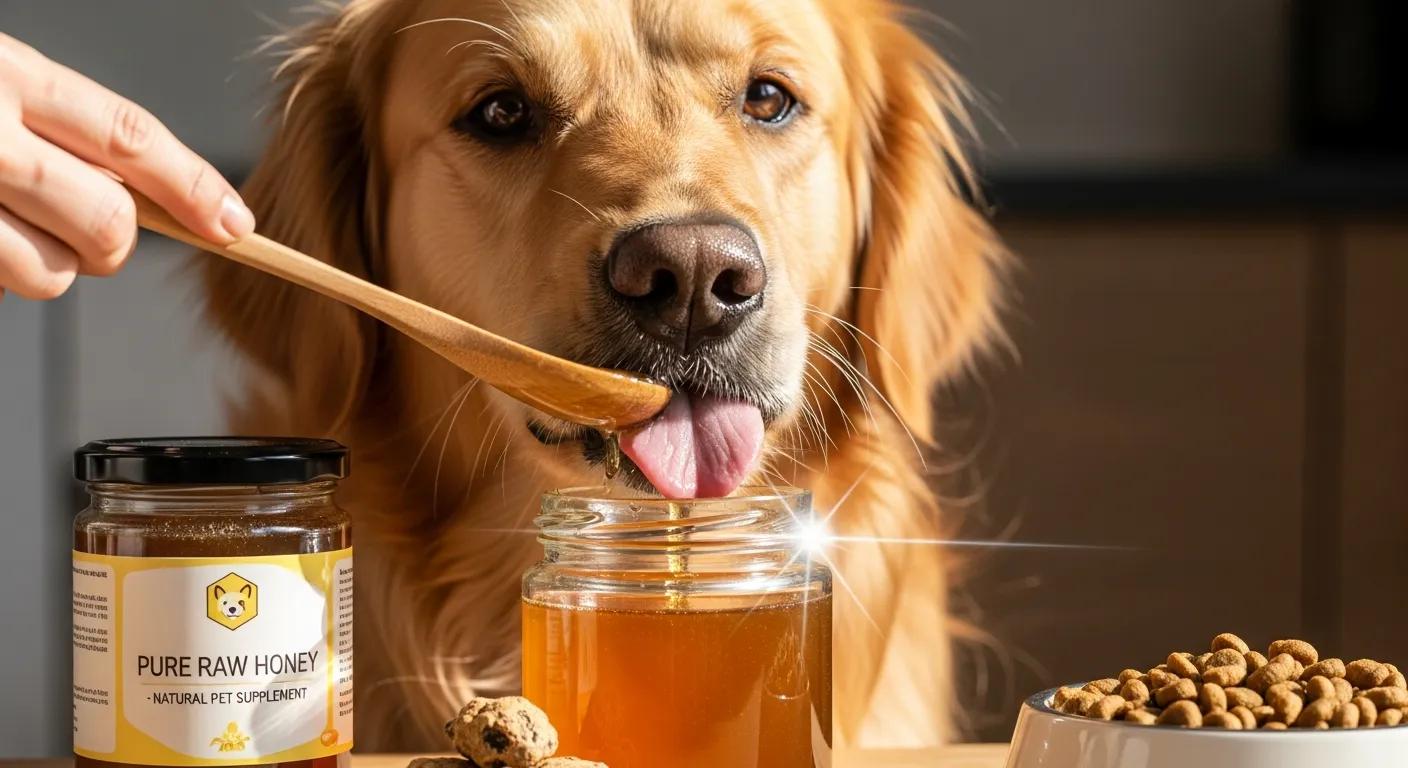
Raw honey offers several health benefits for pets. It is rich in antioxidants, vitamins B and C, and essential minerals such as calcium, iron, magnesium, and potassium. These nutrients contribute to overall health and well-being. Additionally, raw honey contains prebiotics that promote beneficial gut bacteria, enhancing digestive health. The antioxidants in raw honey combat oxidative stress, supporting a robust immune system. This makes raw honey a valuable addition to your pet's diet, providing both nutritional support and health benefits.
Raw Honey: Drawbacks
Despite its benefits, raw honey has some drawbacks. It is high in sugar, which can lead to weight gain if consumed in excess. Additionally, raw honey can contain spores of Clostridium botulinum, posing a risk of botulism, particularly for young pets. For diabetic pets, honey can cause dangerous spikes in blood sugar levels, making it essential to consult with a veterinarian before introducing it into their diet.
Research further highlights the specific risks associated with honey, particularly concerning botulism spores.
Honey and Botulism Risk: Understanding Spore Exposure
Since then, honey has been identified as the only well-known risk factor for infant botulism despite a multitude of international environmental surveys isolating C. botulinum spores from ground soil, aquatic sediments, and commonly available infant foods. Associations of infant botulism cases with confirmed sources of C. botulinum exposure have primarily implicated outdoor soil and indoor dust, as well as commonly ingested foods including honey, dry cereals, and even powdered infant formula.
Infant Botulism: In Search of Clostridium botulinum Spores, RA Harris, 2024
Sugar: Benefits
Sugar can provide quick energy for pets, making it a useful ingredient in certain situations. It enhances the palatability of pet food, encouraging pets to eat. However, these benefits must be weighed against the potential health risks associated with sugar consumption.
Sugar: Drawbacks

The drawbacks of sugar consumption in pets are significant. Sugar lacks vitamins, minerals, and antioxidants, offering no nutritional value. Excessive sugar intake can lead to obesity, dental issues, and diabetes in pets. Furthermore, sugar does not provide any immune support, making it a less favorable option compared to raw honey.
The detrimental effects of sugar extend to oral health, as evidenced by studies on its impact on pet dental well-being.
Sugar's Impact on Pet Dental Health & Risk Factors
the relationship between pH, pet health and the role of free sugar in this process. The Pet mode could be used as a dental health marker, helping clinicians identify patients at risk
The Sugargotchi: An Embodied Digital Pet to Raise Children's
Awareness of their Dental Health and Free Sugar Consumption, SI Gray, 2020
Frequently Asked Questions
Can pets with diabetes consume raw honey?
Pets with diabetes should avoid raw honey due to its high sugar content, which can lead to dangerous spikes in blood sugar levels. It's crucial for diabetic pets to maintain stable glucose levels, and introducing honey can complicate their management. Always consult with a veterinarian before adding any sweeteners to the diet of a diabetic pet to ensure their health and safety.
What are the signs of botulism in pets?
Signs of botulism in pets can include weakness, lethargy, difficulty swallowing, and paralysis. If you suspect your pet has ingested raw honey and is showing these symptoms, seek veterinary care immediately. Early intervention is critical for recovery, as botulism can progress rapidly and may be life-threatening if not treated promptly.
How does raw honey compare to artificial sweeteners for pets?
Raw honey is a natural sweetener that offers nutritional benefits, such as antioxidants and vitamins, while artificial sweeteners often lack these health properties and can even be harmful to pets. For example, xylitol, a common artificial sweetener, is toxic to dogs. Therefore, raw honey is generally a safer and healthier option compared to artificial sweeteners for pets.
Is it safe to give raw honey to puppies?
Raw honey should not be given to puppies under one year old due to the risk of botulism, which can be particularly dangerous for young animals. Their immune systems are still developing, making them more susceptible to infections. It's best to wait until they are older and consult with a veterinarian before introducing honey into their diet.
What are the best ways to store raw honey for pet use?
To store raw honey for pet use, keep it in a cool, dry place away from direct sunlight. Use an airtight container to prevent moisture from entering, which can lead to fermentation. Properly stored, raw honey can last indefinitely, but always check for any changes in color or texture before use, as these may indicate spoilage.
Can raw honey help with pet allergies?
Yes, raw honey may help alleviate seasonal allergies in pets. It contains small amounts of local pollen, which can help desensitize pets to allergens over time. However, this should be done cautiously and under the guidance of a veterinarian, especially for pets with severe allergies or underlying health issues.
What should I do if my pet has an adverse reaction to honey?
If your pet shows signs of an adverse reaction to honey, such as vomiting, diarrhea, or allergic symptoms like hives, stop giving it immediately and consult your veterinarian. Monitoring your pet closely after introducing any new food is essential to ensure their safety and well-being.
Conclusion
In summary, moderation is key when considering sweeteners for pets. While raw honey offers numerous health benefits, it should be given in moderation, especially for pets with specific health concerns. Consulting with a veterinarian before introducing new foods is always advisable. Encouraging the purchase of organic products, such as those from Hucklebee Farms, can also ensure that your pet receives the highest quality ingredients.
What Are the Health Benefits of Raw Honey for Dogs and Other Pets?
Raw honey provides several health benefits for dogs and other pets. It can boost the immune system, soothe sore throats, and aid in digestion. Regular consumption of raw honey may help desensitize dogs to local pollen, making it a natural remedy for allergies.
How Does Raw Organic Honey Support Pet Immune Systems and Overall Wellness?
Raw organic honey supports pet immune systems through its rich antioxidant content. These antioxidants help combat free radicals, promoting overall vitality. Additionally, the natural enzymes and nutrients found in raw honey contribute to a pet's overall wellness, making it a beneficial addition to their diet.
Indeed, the broader scientific community recognizes honey's potential to bolster the immune system and promote overall wellness in various animals.
Honey for Pet Health: Immune Support & Wellness Benefits
Its health-promoting properties are thought to assist with the immune system, to dogs plus other pets or livestock, can potentially benefit from the health-promoting benefits of honey. A
13 Honey and Bee Products for Animal Health and Wellness, 2023
What Nutritional Properties Make Raw Honey a Superior Natural Sweetener for Pets?
Raw honey is superior to sugar due to its rich nutritional content. It contains antioxidants, vitamins like B6 and C, and natural enzymes that sugar lacks. Unlike regular sugar, raw honey retains its natural properties, making it a healthier choice for pets. It can be given as a treat or mixed into their food for added benefits.
What Are the Risks and Effects of Sugar Consumption on Pet Health?
Sugar consumption poses several risks to pet health. It can negatively impact metabolism, leading to obesity and diabetes. Common health issues linked to sugar include dental problems and a weakened immune system. Pet owners should be cautious about the amount of sugar in their pets' diets and consider healthier alternatives.
How Do Sustainable Organic Farming Practices Enhance the Quality of Honey for Pets?
Sustainable organic farming practices significantly enhance the quality of honey. These methods avoid synthetic pesticides and fertilizers, promoting a healthier environment for bees. By maintaining a diverse range of floral sources, sustainable practices ensure that honey retains its natural qualities, making it a superior choice for pet nutrition.
What Sustainable Methods Does Hucklebee Farms Use to Produce Organic Raw Honey?
Hucklebee Farms employs several sustainable organic farming practices, including chemical-free beekeeping and biodiversity promotion. They avoid synthetic pesticides and fertilizers, which helps maintain the purity of their honey. This method minimizes processing, allowing the honey to retain its natural qualities, making it a great option for pet owners seeking high-quality products.
How Does Organic Certification Ensure Safety and Purity in Pet Honey Products?
Organic certification guarantees that honey is produced without synthetic pesticides or fertilizers. The certification process involves strict guidelines that ensure the honey's safety and purity. This provides consumers with confidence that the honey they purchase is of high quality and suitable for their pets.
How Can Pet Owners Safely Incorporate Raw Honey as a Natural Sweetener in Pet Nutrition?
Incorporating raw honey into your pet's diet can be beneficial, but it must be done safely. Here are some guidelines for pet owners:
- Start with Small Amounts: Begin with a very small amount, such as 1/8 to 1/2 teaspoon.
- Dosage Guidelines: A general guideline is to aim for about 1 teaspoon of honey per 30 pounds of body weight.
- Mix with Food: Honey can be mixed with food or given as a special treat.
What Are Recommended Dosages and Usage Tips for Feeding Raw Honey to Pets?
When feeding raw honey to pets, it is essential to start with small amounts and gradually increase the dosage based on their weight. For dogs, a teaspoon per 30 pounds of body weight is a good guideline. Mixing honey with their food can make it more palatable and enjoyable for them.
What Precautions Should Be Taken When Introducing Honey into Pet Diets?
Before introducing honey into your pet's diet, consult with a veterinarian, especially if your pet has underlying health conditions. Honey should not be given to puppies under one year due to the risk of botulism. Always monitor for signs of allergies, such as hives or gastrointestinal upset, when introducing any new food.
Conclusion
Incorporating raw honey into your pet's diet can provide numerous health benefits, including immune support and digestive health. While it is a superior natural sweetener compared to sugar, moderation and veterinary guidance are essential to ensure safety. By choosing high-quality, organic honey, you can enhance your pet's nutrition effectively. Discover our range of organic honey products today to give your furry friend the best possible care.
Author - Jim Douglas - Founder Huckle Bee Farms
For Jim Douglas, beekeeping is more than a craft—it’s a commitment to purity and the environment. After an honorable career in the U.S. Army and a tenure as a COO for the Boy Scouts of America, Jim sought a way to combine his leadership experience with his love for the outdoors.
In 2012, he founded Huckle Bee Farms with a simple mission: to take honey back to its raw, unadulterated roots. Jim’s expertise lies in the delicate balance of infusing raw honey with organic ingredients without compromising its natural medicinal properties. His "small-batch" philosophy ensures that every jar meets the highest standards of quality and transparency. Today, Jim continues to lead Huckle Bee Farms with the same integrity he practiced in uniform, ensuring that every drop of honey supports both the health of the consumer and the survival of the honeybee.
His mission is simple: to make life a little sweeter—naturally.
Key Takeaways on Raw Honey and Sugar for Pet Nutrition
This list summarizes the essential points regarding the health implications of raw honey and sugar for pets, helping pet owners make informed dietary choices.
- Raw Honey's Nutritional Benefits – Rich in antioxidants, vitamins, and minerals, raw honey supports overall health and boosts the immune system in pets.
- Digestive Health Support – The prebiotics in raw honey promote beneficial gut bacteria, enhancing digestive health for pets.
- Risks of Botulism – Raw honey can contain spores of Clostridium botulinum, posing a risk of botulism, especially in young pets.
- Sugar's Lack of Nutritional Value – Unlike raw honey, sugar offers no vitamins or minerals, making it a less favorable option for pet diets.
- Health Risks of Sugar Consumption – Excessive sugar intake can lead to obesity, diabetes, and dental issues in pets, highlighting the need for moderation.
- Consultation with Veterinarians – Always consult a veterinarian before introducing new sweeteners like raw honey into your pet's diet, especially for those with health concerns.
- Moderation is Key – While raw honey has benefits, it should be given in moderation to avoid potential health risks associated with high sugar content.
- Organic Honey Quality – Choosing organic honey ensures that it is free from synthetic pesticides and retains its natural health benefits for pets.


