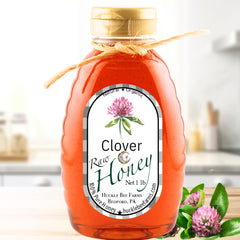
Reuse Your Empty Honey Bottles: Smart & Sustainable Ideas
Zero-Waste Honey: 15 Clever Ways to Reuse Your Empty Honey Bottles
Honey bottles are reusable, food-safe containers that can be repurposed for storage, cooking, and household use instead of being thrown away.
Empty honey bottles — whether sturdy glass jars or easy-pour squeeze bottles — aren’t just waste to throw away; they’re durable, food-safe containers with endless household uses. Reusing them saves energy, cuts down on landfill waste, and puts these perfectly shaped vessels to work in your kitchen, pantry, craft space, and home. From homemade dressings and marinades to pantry organization and DIY gifts, smart reuse is a simple way to reduce waste and embrace sustainability in everyday life.
🧼 Pro-Tip: Preparing Your Bottles
- Glass Jars: Dishwasher safe or boil for 10 mins for full sterilization.
- Plastic Squeeze Bottles: Hand wash with warm soapy water (avoid boiling).
- Label Removal: Use a mix of equal parts baking soda and coconut oil to dissolve sticky residue.
Table of contents

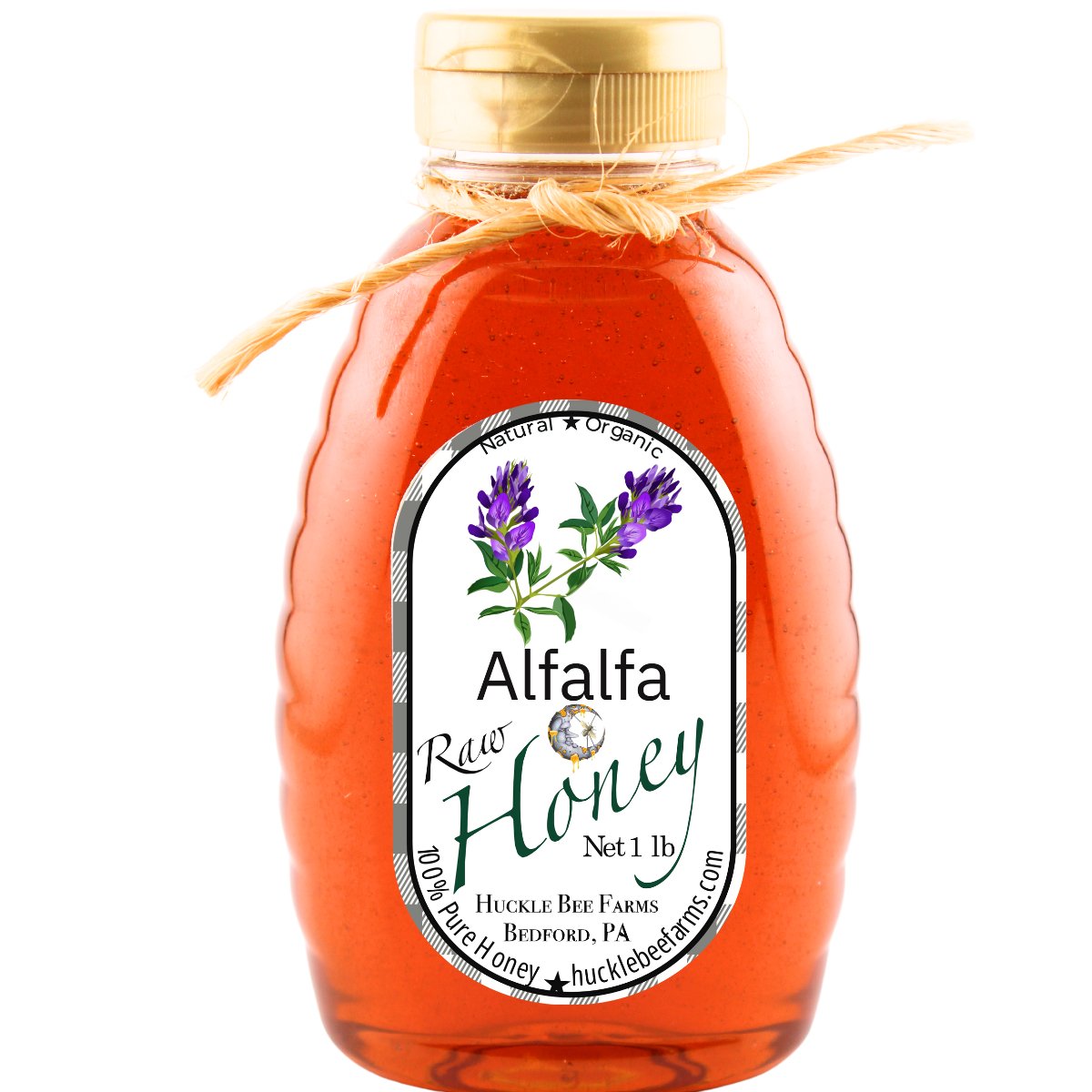
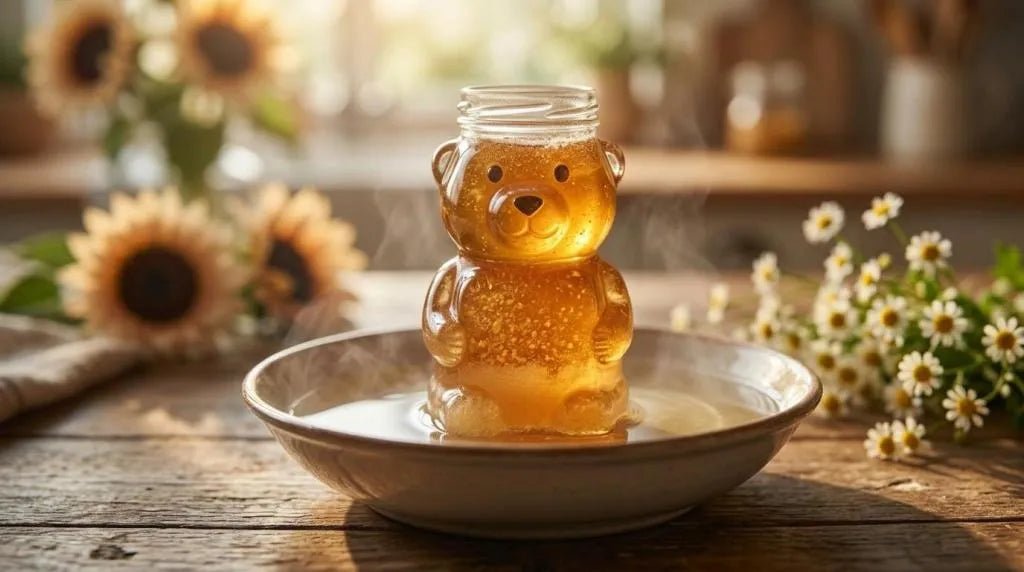
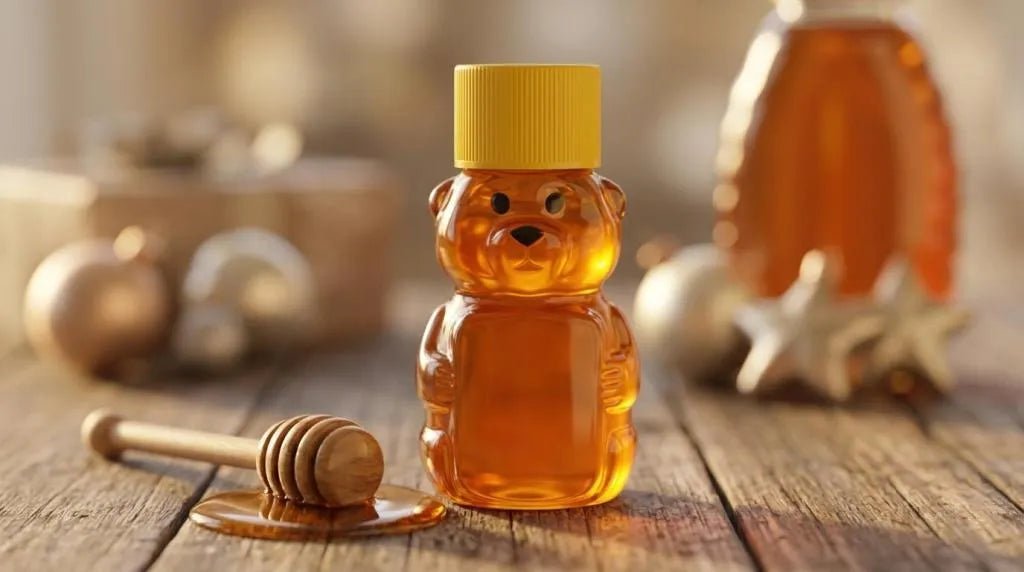
Empty honey jars and honey bear squeeze bottles are the kind of packaging that feels too good to toss. They are sturdy, food-safe, easy to grip, and sized for the exact “little bit of something” tasks that happen all day in a creative kitchen, offering endless ideas for various needs. Can you reuse your empty honey bottles effectively in your household?
At Huckle Bee Farms, we care a lot about keeping things simple and honest, from chemical-free beekeeping to incorporating sustainability into waste management practices with eco-friendly packaging choices that are recyclable, biodegradable, and reusable wherever possible, such as encouraging people to reuse honey bottles for marinades, promoting resource conservation and protecting the environment. Once your honey is gone, the container still has plenty of life left in it, ready to be repurposed or even used for repair needs around the house.
Why honey containers are worth keeping
Honey packaging is built for stickiness and storage. That means tight lids, durable materials, and shapes that dispense well, especially with squeeze tops. Glass jars have weight and stability, much like a good drinking glass, and clear walls are useful for seeing what’s inside at a glance. Even the “mess-proof” design that keeps honey from dribbling down the sides is useful long after the last spoonful.
Another perk is that reusing what you already have, such as when you learn how to reuse honey bottles, provides an opportunity to explore empty honey bottle ideas and honey bottle storage ideas, reducing the need to buy extra containers for pantry organization, meal prep, gifting, or crafts, emphasizing the importance of reuse and fostering a sense of community as these practices sustain environmental responsibility and become shared habits. It is a small habit, but it adds up quickly when you do it a few times a month.
- Reusing containers like honey bottles offers significant environmental benefits beyond personal convenience.
- It greatly reduces landfill waste and conserves raw materials.
- Manufacturing new glass bottles consumes high temperatures and a lot of energy, whereas washing and refilling existing bottles cuts energy use and greenhouse gas emissions.
- This practice minimizes the demand for new production, lowering the carbon footprint and supporting a sustainable economy.
Beekeeper Fact
Every container reused helps cut down on plastic waste and reduces the energy needed for manufacturing and transportation of new packaging.
The Broader Impact: What Global Studies Reveal About Reuse
Beyond individual efforts, global studies underscore the critical importance of reuse in fostering a sustainable future. According to a landmark report by the Ellen MacArthur Foundation, a circular economy model, which heavily relies on reuse, could reduce annual plastic leakage into oceans by 80% by 2040. Furthermore, research published by the Glass Packaging Institute highlights that using recycled glass in manufacturing can reduce energy consumption by 2-3% for every 10% of cullet (recycled glass) used. This demonstrates significant energy savings when containers are reused directly rather than just recycled, as it bypasses the energy-intensive melting process. These findings reinforce that choosing to reuse is not just a personal preference but a powerful collective action with far-reaching environmental and economic benefits, supported by leading environmental organizations and industry research.
The fastest way to clean an “empty” honey jar or bottle
Honey clings. The easiest clean-up trick is to treat leftover honey like an ingredient, not a problem, which perfectly encapsulates the verb reuse. Start by using what is still in there, then wash.
Here’s a simple routine that works for both glass jars and many squeeze bottles to recycle effectively:
- Add warm water, cap, and shake
- Pour the honey-water into tea, oatmeal, or a marinade
- Repeat once if needed
- Wash with dish soap and hot water
- Air dry fully before storing
If a label is stubborn, soaking in warm, soapy water usually loosens it. A little baking soda paste can help with leftover adhesive.

Fifteen clever reuses for honey jars and bottles
The goal is not perfection. Pick two or three ideas that fit your daily life, then keep a small “clean jar” stash ready to go.
| Reuse idea | Best container | Quick how-to | Waste you avoid |
|---|---|---|---|
| 1) Salad dressing shaker | Jar or squeeze bottle | Add oil, vinegar, mustard, herbs; shake hard | Store-bought dressing bottles |
| 2) Marinade container | squeeze bottle |
Add marinade + tofu, chicken, or veggies; turn a few times | Zip bags and disposable tubs |
| 3) Leftover holder | Jar or squeeze bottle |
Portion grains, soup, sauces; label with tapeJar or squeeze bottle | Single-use takeout containers |
| 4) Pantry storage | Jar or squeeze bottle |
Fill with seeds, rice, beans, baking soda, spices | Small plastic pantry bins |
| 5) Portable snack cup | Jar | Pack fruit, trail mix, yogurt toppings | Disposable snack cups and bags |
| 6) Herb windowsill planter | Jar or squeeze bottle |
Add pebbles, then soil; plant basil or mint; water lightly | Plastic seedling pots |
| 7) Succulent planter | Jar or squeeze bottle |
Gravel + cactus soil + small succulent; minimal water | New ceramic pots |
| 8) Mini terrarium | Jar or squeeze bottle |
Pebbles, charcoal, soil, moss; mist and cap loosely | New decor containers |
| 9) Flower vase | Jar or squeeze bottle |
Fill with water; snip stems; cluster several jars | Store-bought vases |
| 10) Tealight holder | Jar | Add sand or pebbles; nest a tealight | New candle holders |
| 11) Beeswax candle vessel | Jar | Melt beeswax, add wick, pour carefully; cure overnight | New candle jars |
| 12) Body scrub container | Jar or squeeze bottle |
Mix sugar or salt + oil + a spoon of honey; seal | Single-use cosmetic tubs |
| 13) Craft or garage organizer | Jar | Sort buttons, nails, beads, twine; label lid | Plastic organizers |
| 14) Coin or tip jar | Jar | Use as-is or cut a slit in lid (carefully) | Disposable coin cups |
| 15) Homemade gift jar | Jar or squeeze bottle |
Layer cocoa mix, soup mix, or spiced sugar; add tag | One-time gift packaging |
A small note about refills: some local honey shops and co-ops do offer jar refills. Even without a formal return program, bringing a clean jar along when you spot a refill station or choosing to reuse honey bottles for soap or cleaners is a great way to keep glass and plastic in use longer.
A few safety and food-quality notes
Reusing containers, such as choosing to reuse honey bottles for salad dressing or sauces, is meant to be practical, not stressful, while also contributing to resource conservation and a healthier environment—besides, how many times can you reuse honey bottles before they need to be repurposed again? A couple guardrails keep things safe and pleasant, especially when switching between food, bath, and craft uses.
- Food use: Keep jars dedicated to food once they have held food. If you used a jar for crafts, do not bring it back to food storage.
- Heat: Do not assume all containers are meant for boiling water or pressure canning. Many are fine for hot tap water and warm contents, but canning needs canning-rated jars.
- Strong flavors: Garlic, onion, and some essential oils can leave lingering aromas. Reserve one jar for bold items.
- Lids and seals: If a lid warps or the threads crack, retire it to non-food storage.
- Pet items: If you use a jar for dog treats or supplements, label it clearly so it stays in the pet zone.
If you are ever unsure, choose a non-food reuse. Organizers, vases, and planters are forgiving.
BOTTLE REUSE SAFETY GUIDE
Want to keep these safety tips on your fridge?
♻️ Honey Bottle Reuse Checklist
Before reusing an empty honey bottle, make sure it’s ready:
☐ Rinse with warm water to remove leftover honey
☐ Soak briefly if needed to loosen sticky residue
☐ Wash thoroughly with dish soap
☐ Rinse and air-dry completely
☐ Check that the cap and bottle are crack-free
☐ Use for food only if the bottle is fully clean and odor-free
☐ Label reused bottles to avoid mix-ups
Turning a single jar into a habit, not a project
The easiest way to keep reuse going is to assign jobs to jars based on where you spend time. But, can you determine what to do with empty honey bottles for different purposes? One jar near the stove becomes your go-to for salad dressing or marinades. Another jar in the bathroom becomes the sugar scrub container. A few in a drawer becomes the “tiny parts” organizers.
Squeeze bottles are especially handy when you want clean lines and quick portioning, and exploring refillable squeeze bottle ideas can enhance your organization and convenience. They work well for homemade syrups, pancake toppings, or a simple honey vinaigrette you want to drizzle without needing a spoon. Glass jars tend to shine for storage and gifting.
If you like giving honey as a present, empty jars can support your gift-giving style in a new way. A layered hot cocoa mix in a honey jar feels personal, and it is naturally reusable. Pair it with tea and a small honey dipper, and it turns into a cozy, low-waste bundle. Huckle Bee Farms also offers reusable honey accessories like a glass dispenser, which is a nice option when you want a countertop jar that stays in service for a long time.

When recycling really is the best call
Some containers reach the end of their useful life. Labels get ugly, lids go missing, or plastic gets cloudy from years of washing. That is fine. Reuse is one tool, recycling is another.
Rinse containers well before recycling so they do not contaminate a bin. If your local program treats caps differently, follow that guidance. Many areas handle plastic caps and pumps in their own way, and glass recycling rules can vary by county.
If you are unsure what your bottle is made from, check the resin code on the bottom for plastic, or treat glass like glass and keep it clean. When you can reuse a jar, you save the energy and processing that recycling requires. When you cannot, recycling keeps valuable material in circulation.
The sweetest spot is a kitchen where jars cycle naturally: honey becomes dressing, dressing becomes storage, storage becomes a gift jar, and the jar keeps going until it truly cannot.
Safety First Review
"I was worried about using the wrong cleaning chemicals for my jars. This guide's non-toxic sterilization tips were a lifesaver. 5 stars for making sustainability safe for my family!"
Frequently Asked Questions
What types of materials are honey bottles made from?
Honey bottles can be made from various materials, including glass and plastic. Glass jars are popular due to their durability, non-reactive nature, and ability to be reused multiple times. Plastic squeeze bottles are lightweight and convenient for dispensing honey. Both materials are designed to be food-safe, ensuring that they do not leach harmful chemicals into the honey. When reusing these containers, it's essential to consider their material properties, especially regarding heat resistance and cleaning methods.
Can I use honey bottles for non-food items?
Yes, honey bottles can be effectively repurposed for non-food items. Once a jar has been used for food, it’s best to keep it dedicated to similar uses to avoid contamination. However, you can use empty honey jars for organizing craft supplies, storing small hardware items, or as decorative vases. Just ensure that any previous contents are thoroughly cleaned out, and consider labeling the jars to avoid confusion about their new purpose.
How can I ensure my reused honey bottles are safe for food storage?
To ensure safety when reusing honey bottles for food storage, follow a few guidelines. First, always clean the jars thoroughly with hot, soapy water to remove any residual honey or contaminants. Avoid using jars that have warped lids or damaged seals, as these can compromise food safety. Additionally, designate specific jars for food use only, and avoid switching them back to non-food uses once they have held food items. This practice helps maintain hygiene and safety in your kitchen.
Are there any eco-friendly alternatives to honey bottles for storage?
Yes, there are several eco-friendly alternatives to honey bottles for storage. Glass containers, stainless steel jars, and biodegradable storage options are great choices. Many brands offer reusable silicone bags and beeswax wraps that can replace single-use plastic bags. Additionally, mason jars are versatile and can be used for various storage needs, from pantry items to leftovers. Choosing these alternatives not only reduces waste but also supports sustainable practices in your home.
What are some creative ways to decorate reused honey jars?
Decorating reused honey jars can be a fun and creative project. You can paint the jars with non-toxic acrylic paints or use decoupage techniques to apply decorative paper or fabric. Adding twine, ribbons, or labels can enhance their aesthetic appeal. For a rustic look, consider wrapping the jars in burlap or jute. These decorated jars can serve as unique gifts or home decor items, showcasing your creativity while promoting sustainability through reuse.
How can I encourage others to reuse their honey bottles?
Encouraging others to reuse honey bottles can be done through sharing ideas and practical tips. Start by demonstrating your own reuse projects on social media or in community groups. Organize workshops or DIY sessions where people can learn how to repurpose their jars creatively. Providing information on the environmental benefits of reusing containers can also motivate others. Lastly, consider creating a local exchange or refill program to make it easier for people to participate in sustainable practices.
What should I do if my honey bottle is damaged?
If your honey bottle is damaged, it’s important to assess whether it can still be safely used. For glass jars with cracks or chips, it’s best to retire them from food use to avoid potential injury. Plastic bottles that are warped or have broken seals should also be discarded. If the container is beyond repair, recycle it according to your local guidelines. Always prioritize safety and sustainability by ensuring that damaged containers do not end up in landfills unnecessarily.
Conclusion
Reusing empty honey bottles not only promotes sustainability but also enhances your creativity in the kitchen and beyond. By transforming these containers into practical items, you contribute to resource conservation while enjoying the benefits of organization and functionality. Start incorporating these clever reuse ideas into your daily routine and witness the positive impact on your environment. Discover more innovative solutions and eco-friendly products at Huckle Bee Farms today.

Author - Jim Douglas - Founder Huckle Bee Farms
For Jim Douglas, beekeeping is more than a craft—it’s a commitment to purity and the environment. After an honorable career in the U.S. Army and a tenure as a COO for the Boy Scouts of America, Jim sought a way to combine his leadership experience with his love for the outdoors.
In 2012, he founded Huckle Bee Farms with a simple mission: to take honey back to its raw, unadulterated roots. Jim’s expertise lies in the delicate balance of infusing raw honey with organic ingredients without compromising its natural medicinal properties. His "small-batch" philosophy ensures that every jar meets the highest standards of quality and transparency. Today, Jim continues to lead Huckle Bee Farms with the same integrity he practiced in uniform, ensuring that every drop of honey supports both the health of the consumer and the survival of the honeybee.
His mission is simple: to make life a little sweeter—naturally.
Key Takeaways for Reusing Empty Honey Bottles
This list highlights essential points to remember when considering the reuse of empty honey bottles, emphasizing sustainability, creativity, and practical applications in everyday life.
- Versatile Storage Solutions – Empty honey jars can be repurposed for various storage needs, such as pantry organization, reducing the need for additional containers.
- Creative Crafting Opportunities – Use honey bottles for DIY projects, including decorative vases or organizers, promoting creativity while minimizing waste.
- Eco-Friendly Practices – Reusing containers supports environmental sustainability by conserving resources and reducing landfill waste.
- Practical Kitchen Uses – Transform honey jars into salad dressing shakers or marinade containers, making meal prep easier and more efficient.
- Safety Considerations – Always ensure jars are thoroughly cleaned and dedicated to food use to maintain hygiene and safety standards.
- Community Engagement – Sharing reuse ideas fosters a sense of community and encourages others to adopt sustainable practices.
- End-of-Life Recycling – When jars can no longer be reused, recycling them properly ensures materials are kept in circulation, supporting a circular economy.
Key Authority References for Sustainable Practices in Honey Reuse
This list highlights essential authority references that provide valuable insights and research on sustainable practices related to reusing honey bottles and promoting environmental responsibility.
- Ellen MacArthur Foundation – A leading organization advocating for a circular economy, their reports emphasize the importance of reuse in reducing plastic waste and promoting sustainability.
- Glass Packaging Institute – This institute provides research on the benefits of using recycled glass, highlighting energy savings and environmental impacts associated with glass reuse.
- Environmental Protection Agency (EPA) – The EPA offers guidelines and statistics on waste management, recycling, and the benefits of reusing materials to minimize landfill contributions.
- World Wildlife Fund (WWF) – WWF focuses on conservation efforts and sustainable practices, providing resources on how reusing materials can help protect ecosystems and reduce carbon footprints.
- National Resources Defense Council (NRDC) – NRDC advocates for environmental protection and sustainability, offering insights into the impact of consumer choices on waste reduction and resource conservation.
- Local Honey Associations – Many local honey associations promote sustainable beekeeping practices and encourage the reuse of honey containers, providing community resources and educational materials.