


Glow Naturally — Tea & Honey for Healthy Skin
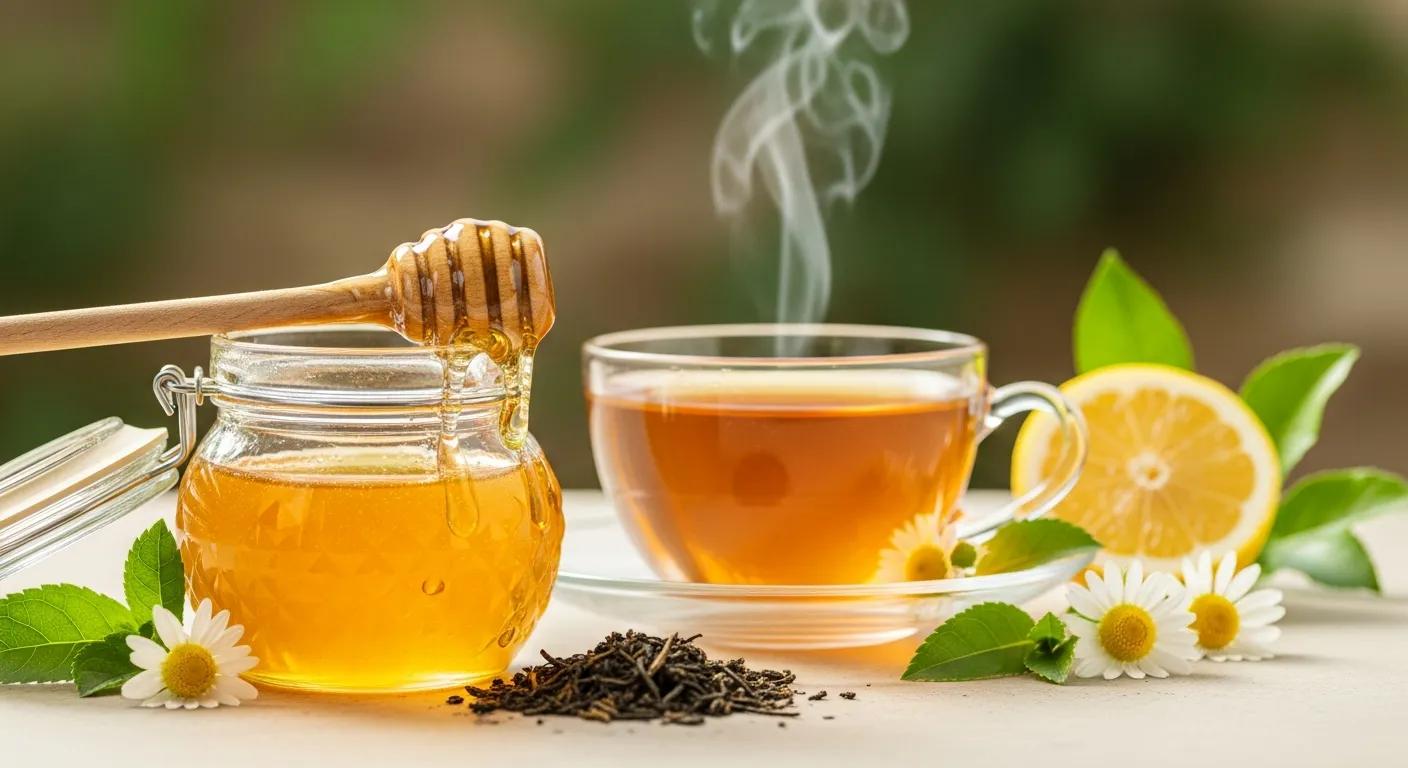
Tea and honey are more than cozy rituals — they’re gentle, research-backed helpers for skin health. Antioxidants in tea and enzymes and humectants in raw honey protect cells from oxidative stress, slow collagen breakdown, and support repair so skin looks smoother and more luminous. In this guide we walk through the green tea compounds and herbal infusions that most directly benefit skin, explain how raw and botanical‑infused honeys add enzymatic and moisturizing support, and offer simple ways to use these ingredients both inside and out. If you’re after natural anti‑aging steps that combine everyday nutrition with gentle topical care, you’ll find clear, evidence‑informed tips here: the antioxidants worth targeting, how studies compare topical versus oral use, the best teas for common concerns, step‑by‑step routines and DIY recipes, and why pollinator health matters for ingredient quality. We move from basic biochemistry to practical application so you can choose teas and honeys with confidence.
Key Green Tea Antioxidants That Support Your Skin

Green tea is rich in polyphenols — especially catechins such as EGCG — which act as antioxidants, soothe inflammation, and help shield skin from UV‑driven oxidative stress. EGCG (epigallocatechin gallate) is the best studied: it neutralizes free radicals, inhibits matrix metalloproteinases (MMPs) that break down collagen, and dampens inflammatory signaling to reduce redness and photodamage. Whether you sip it or apply it topically, these actions can support better elasticity, fewer fine lines, and a more even tone. Knowing which compounds matter helps you pick matcha or high‑catechin extracts when anti‑aging is the goal, and sets you up for the practical comparison of ingestible versus topical use below.
Green tea’s antioxidants can act systemically when you drink them and locally when applied — so preparation and formulation influence results.
Different green tea antioxidants work through distinct pathways that create specific skin benefits. The quick reference below shows which compounds do what before we cover evidence and practical tips.
| Antioxidant | Mechanism | Skin Benefit |
|---|---|---|
| EGCG (catechin) | Neutralizes free radicals; inhibits MMPs | Protects collagen and lessens sun-related damage |
| Epicatechin | Modulates inflammatory signals | Reduces redness and irritation |
| Polyphenols (total) | Overall antioxidant capacity; UV defense | Improves tone and strengthens the skin barrier |
This snapshot highlights the green tea compounds most relevant to skin and why catechin‑rich preparations matter for anti‑aging routines.
How Catechins and Polyphenols Boost Elasticity and Radiance
Catechins and broader polyphenols help skin stay springy by slowing enzymatic collagen breakdown and supporting fibroblast activity in the extracellular matrix. EGCG in particular inhibits MMPs that would otherwise degrade collagen and elastin, while its anti‑inflammatory effects reduce low‑grade inflammation that speeds photoaging. In practice, stabilized topical EGCG serums and regular matcha or green tea intake complement each other: topical products act directly on skin cells, and oral intake strengthens systemic antioxidant defenses. Using both — a green tea serum alongside daily antioxidant tea — targets underlying causes and visible signs of aging together, which leads naturally into the clinical evidence below.
Understanding when to lean on topical actives versus oral antioxidants helps you design a routine that handles immediate surface needs and long‑term protection.
What the Research Says About Green Tea and Skin Aging
Clinical trials and reviews show green tea extracts can reduce UV‑induced redness, improve texture, and soften fine lines when used consistently — whether applied topically or consumed regularly. Randomized studies report lower inflammatory markers and improved photodamage scores after weeks of topical EGCG or daily green tea intake, with clearer benefits appearing over months. Evidence is strongest for reducing redness and increasing antioxidant capacity; results are more mixed for deep wrinkle reversal. Overall, the data support adding green tea both to your beverage routine and to topical steps to capture complementary benefits for sustained anti‑aging care.
We’ll translate these findings into practical choices so you can pick the right tea forms and application frequency for real‑world results.
How Raw and Infused Honey Nourish Skin and Support Anti‑Aging

Raw and infused honeys bring antioxidant phenolics, active enzymes, and humectant properties that nourish skin, provide gentle exfoliation, and support repair. Phenolic acids and flavonoids in honey neutralize free radicals, while enzymes like glucose oxidase produce low levels of hydrogen peroxide for mild antimicrobial action — helping clearer, healthier skin without harshness. Infused honeys layer botanical compounds (lavender, cinnamon, ginger) on top of those base benefits to target sensitivity, circulation, or other concerns in topical uses or oral rituals. Together, their antioxidant, enzymatic, and moisturizing actions make raw and infused honeys versatile tools for natural anti‑aging and barrier support — which we unpack in the next sections.
Before we look at product contexts, it’s useful to compare raw and infused honeys for common cosmetic roles and nutrient content.
At Huckle Bee Farms we focus on small‑batch raw and infused honeys made for purity, flavor, and function. Our attention to sustainable sourcing and pollinator health helps keep phytochemical richness intact and ensures consistent ingredient quality for skincare uses. We also provide clear, practical education so customers understand how floral diversity affects honey’s properties.
| Honey Type | Key Attributes | Cosmetic Uses |
|---|---|---|
| Raw honey | High phenolic content; active enzymes | Masks, spot treatments, humectant layers |
| Infused honey (lavender, ginger, cinnamon) | Botanical phytochemicals plus honey enzymes | Soothing compresses and targeted masks |
| Filtered/processed honey | Lower enzyme activity | Less effective topically than raw options |
That comparison helps you choose the right honey for topical or ingestible routines based on antioxidant potency and intended use.
Which Honey Compounds and Enzymes Benefit Skin?
Honey provides phenolic acids and flavonoids that act as antioxidants, while enzymes such as glucose oxidase create small amounts of hydrogen peroxide for gentle antimicrobial support. Those phenolics reduce oxidative stress in the epidermis, slowing collagen‑degrading pathways, and flavonoids soothe inflammation that can cause redness. Bee‑derived enzymes also aid mild exfoliation and wound repair by balancing surface microbes and encouraging tissue healing. Knowing which ingredients deliver these effects helps you use honey more effectively in formulations and at‑home recipes.
Picking honeys with the right active profile lets you target the outcomes your skin needs.
Why Sustainable, Pollinator‑Friendly Honey Matters for Natural Skincare
Source makes a difference. Pollinator health shapes floral diversity, which determines the phytochemical richness and flavor of honey — and those phytochemicals are the compounds that deliver skin benefits. When pollinators thrive across varied landscapes, honey collects a wider array of phenolics and volatiles that increase antioxidant capacity and topical effectiveness. Ethical beekeeping and sustainable practices also protect supply consistency and ingredient quality for skincare products. Supporting pollinator‑friendly methods preserves ecosystems and the potency of natural skincare ingredients — a connection we’ll return to with local actions you can take.
That ecological perspective leads into the best herbal teas and their antioxidant profiles for skin health.
Best Herbal Teas for Skin Health and What Makes Them Work
Certain teas stand out for skin‑supporting polyphenols and vitamins: matcha (high in catechins and EGCG), rooibos (aspalathin and other flavonoids), and chamomile (apigenin and calming terpenoids). Each has a distinct biochemical profile that suits different skin goals — matcha for antioxidant power and brightening, rooibos for collagen support, and chamomile for soothing sensitivity. Choose the tea that fits whether you want systemic antioxidant intake, topical infusions, or a calming ritual to lower stress‑related flareups. The table below summarizes signature compounds and main skin benefits to help you decide.
| Herbal Tea | Signature Compounds | Primary Skin Benefit |
|---|---|---|
| Matcha | EGCG, catechins, vitamin C | High antioxidant protection and brightening |
| Rooibos | Aspalathin, flavonoids | Collagen support and antioxidant defense |
| Chamomile | Apigenin, terpenoids | Calming inflammation and reducing redness |
This quick guide helps you match teas to skin goals and prepares you for practical prep and application tips in the sections that follow.
How Matcha and Other Teas Support Natural Anti‑Aging
Matcha delivers concentrated catechins and EGCG that neutralize free radicals and help limit UV‑related damage when you drink it regularly or use it in masks. Because matcha is powdered whole leaf, it provides a higher antioxidant dose than a typical steeped tea — handy in smoothies for systemic support or as a mild topical mask for brightness and gentle exfoliation. Rooibos and chamomile complement matcha by adding flavonoids and anti‑inflammatory terpenoids that calm reactive skin and support collagen health. Simple prep choices — correct steep time, water temperature, and airtight storage — preserve polyphenols so your teas deliver the most benefit.
Good technique and sensible dosing turn research‑backed compounds into effective routine tools.
Which Polyphenols and Vitamins in Teas Brighten Skin and Improve Barrier Function?
Vitamins like C and E, and polyphenols such as flavonoids and aspalathin, support brightness and a resilient barrier by promoting collagen formation, limiting pigmentation, and quenching oxidative stress. Vitamin C in certain infusions helps collagen cross‑linking and can reduce excess melanin production; flavonoids lower inflammation that dulls radiance. Choosing teas rich in these nutrients — matcha for catechins and vitamin C, rooibos for unique flavonoids, and rosehip for vitamin C — lets you tailor selections for dullness, hyperpigmentation, or sensitivity. Here are quick picks keyed to their main compounds and benefits.
- Matcha: Concentrated EGCG and vitamin C for brightening and antioxidant protection.
- Rooibos: Aspalathin and flavonoids that support collagen and antioxidant defense.
- Chamomile: Apigenin and terpenoids to calm inflammation and reduce redness.
How to Add Tea and Honey to Your Daily Skincare Ritual
Tea and honey pair nicely as an internal ritual and as topical treatments: a daily cup of antioxidant tea plus a spoonful of raw honey supports both circulating defenses and surface health. Orally, make matcha or a quality green tea a habit to keep catechins in your system, which helps manage oxidative stress and support collagen. Topically, use cooled strong tea as a facial rinse or compress to calm inflammation, and apply raw honey as a humectant mask or spot treatment to aid healing and moisture retention. Below are practical, easy‑to‑repeat methods and DIY recipes to use these strategies safely and effectively.
- Daily ingestible ritual: Brew a strong cup of green tea or matcha and stir in 1 teaspoon raw honey; enjoy with meals to boost daily antioxidant intake.
- Soothing compress: Steep two tea bags in 250 ml hot water for 10 minutes, cool to lukewarm, soak a clean cloth and apply for 10 minutes to calm redness.
- Topical honey mask: Spread 1 tablespoon raw honey on cleansed skin for 15–20 minutes, then rinse with lukewarm water; repeat 2–3 times weekly.
We craft our honeys and blends to complement these routines — choosing sustainably sourced raw or infused honey helps maintain ingredient potency while supporting pollinators.
Step‑by‑Step: Safe Methods for Tea and Honey Topicals
Start by making concentrated tea infusions for topical use and picking raw honey that still shows enzymatic activity for masks and spot care. For a gentle toner or compress, brew double‑strength green tea (use twice the usual leaves or bags) and steep 5–7 minutes, then cool to room temperature before applying to avoid irritation. Always patch‑test honey or botanical‑infused honeys on the inner forearm for 24 hours to check sensitivity, and don’t combine enzyme‑rich honey treatments with strong topical acids on the same day. These prep and safety steps help you add tea and honey into your routine without unwanted reactions.
Careful preparation and patch‑testing keep these natural treatments supportive, not irritating.
DIY Recipes and Products That Pair Tea and Honey
Try these three simple, repeatable DIY recipes that combine tea and honey, plus storage and frequency tips to keep them safe and effective.
- Matcha + Raw Honey Antioxidant Mask: Mix 1 tsp matcha with 1 tbsp raw honey into a smooth paste; apply 10–15 minutes and rinse gently. Use weekly for a brightening boost.
- Chamomile Soothing Compress: Steep 2 chamomile tea bags in 200 ml water for 10 minutes, cool, soak gauze or a soft cloth, and apply to irritated areas for 10 minutes; use as needed.
- Green Tea + Sugar Exfoliant with Honey: Combine 1 tbsp cooled strong green tea, 1 tbsp raw honey, and 1 tbsp fine sugar; massage gently for 30–60 seconds then rinse; use once weekly.
Store homemade masks in airtight containers in the refrigerator for up to 48 hours and discard if texture or smell changes. These recipes work best with raw or infused honeys that add botanical benefits and make a lovely at‑home complement to professional products.
These practical recipes let you experiment safely while keeping antioxidant potency intact.
Why Pollinator Health Matters for Sustainable Beauty
Pollinators shape the diversity and chemical complexity of the plants behind natural skincare. Cross‑pollination supports resilient floral communities, producing richer nectar and pollen that translate into greater phenolic diversity in honey and more varied compounds in plant extracts. Declines in pollinator populations reduce that diversity over time, which can lower the functional richness of honeys and botanicals. Protecting pollinators therefore preserves ingredient potency, supply stability, and the ethical integrity of natural beauty supply chains. Understanding this link shows why pollinator‑friendly practices are both an environmental choice and a quality decision for skincare ingredients.
From that ecological perspective, there are simple community actions and resources you can join to help pollinators thrive.
How Pollinator Preservation Improves Ingredient Quality
Healthy pollinators and greater floral diversity produce a broader phenolic profile in honey and wider chemical variety in plant extracts — translating to stronger antioxidant activity and richer functional benefits for skin. Multifloral honeys, for example, often show higher total phenolic content than single‑flower varieties, which can boost topical antioxidant and antimicrobial effects. Stable pollinator populations also support steadier harvests and reduce supply volatility that affects product quality. Tracing the chain from pollinator behavior to ingredient chemistry highlights why sustainability matters to anyone seeking potent natural skincare.
| Conservation Action | Impact on Ingredients | How to Participate |
|---|---|---|
| Pollinator habitat planting | Boosts floral diversity and nectar sources | Plant native flowers in your garden or community spaces |
| Supporting sustainable beekeepers | Encourages ethical practices and better product quality | Buy from suppliers who prioritize sustainable sourcing |
| Educational outreach | Builds local awareness and long‑term conservation | Join or support community education programs |
This table outlines clear conservation steps, their impact on ingredient quality, and simple ways you can help support pollinators and the natural beauty supply chain.
Community Projects and Resources for Pollinator‑Friendly Practices
Local efforts often include habitat‑creation projects, school and neighborhood planting programs, and workshops that teach pollinator‑friendly gardening and ethical honey sourcing. Seed swaps, volunteer planting days, and outreach events help restore native flora, while educational materials guide you on choosing pollinator‑friendly plants and reducing pesticide use. Many brands and nonprofits run outreach programs to engage communities — offering straightforward ways to learn and take part. By joining these initiatives or buying from producers with clear pollinator commitments, you help protect the long‑term availability and quality of botanical ingredients used in natural skincare.
- Plant native pollinator species: Choose local flowers that bloom across the seasons to feed diverse pollinators year‑round.
- Support ethical producers: Buy from vendors who practice sustainable sourcing and share their pollinator initiatives.
- Volunteer or donate: Help with habitat restoration or education programs to multiply your impact.
These concrete steps let readers contribute to pollinator health and safeguard the integrity of natural skincare ingredients for the future.
Frequently Asked Questions
1. How do I choose the right type of tea for my skin concerns?
Match the tea to your skin goal. For antioxidant protection and brightening, choose matcha for its high catechin and vitamin C content. For collagen support, rooibos brings unique flavonoids like aspalathin. For sensitive or reactive skin, chamomile’s apigenin and terpenoids help calm inflammation. Start with your main concern and pick the tea whose benefits line up with it.
2. Can I use tea and honey together in my skincare routine?
Yes — they work well together. Brewed tea and raw honey make good masks or compresses: a matcha‑and‑honey mask offers antioxidants plus moisture. A cooled tea rinse followed by a thin layer of honey can soothe and hydrate. Together they balance each other’s strengths for a simple, effective routine.
3. What is the best way to store homemade tea and honey masks?
Keep homemade masks in airtight containers in the refrigerator and use within 48 hours. Always check for changes in texture or smell before reuse and discard if anything seems off. Proper storage helps preserve the active properties of your ingredients.
4. How can I incorporate tea and honey into my diet for skin health?
Begin with a daily cup of green tea or matcha, sweetened with a teaspoon of raw honey if you like. Add honey to smoothies or yogurt, or use herbal teas as cooking liquids. Regular consumption supports skin health from the inside while complementing topical care.
5. Are there specific times when I should apply honey or tea topically?
Honey masks are great in the evening when skin is in repair mode, letting humectant and healing actions work overnight. Tea compresses are handy during the day to calm redness or soothe irritation, especially after sun exposure. A tea rinse after cleansing can refresh and calm the skin.
6. What should I look for in a high‑quality green tea?
Choose high‑quality loose‑leaf green tea or ceremonial matcha. Look for a vibrant green color and a fresh aroma — signs of freshness and higher nutrient content. Airtight packaging preserves flavor and antioxidants. When possible, prefer suppliers who practice sustainable farming.
7. How do I know if I have an allergy to honey or tea?
Patch‑test new ingredients: apply a small amount of honey or brewed tea to a discreet area and wait 24 hours. If you see redness, swelling, or irritation, stop use and consult a healthcare professional. Allergic reactions vary, so test first if you’re unsure.
8. Can drinking tea improve my skin health?
Yes. Drinking tea — especially green tea — supports skin through its antioxidants. Catechins and polyphenols fight oxidative stress, lower inflammation, and help maintain elasticity. Regular green tea intake can contribute to a brighter, more even complexion, and the hydration it provides supports overall skin moisture.
9. How often should I use honey in my skincare routine?
Raw honey is gentle enough for use about 2–3 times per week as a mask or spot treatment. Apply for 15–20 minutes, or use as needed for localized care. Always patch‑test first, especially if your skin is sensitive or allergy‑prone.
10. Are there any side effects of using green tea on the skin?
Green tea is generally well tolerated, but some people may experience irritation or an allergic reaction. Patch‑test topical products or DIY extracts before widespread use. If a high concentration causes dryness or irritation, reduce frequency or dilute the preparation and consult a dermatologist if problems continue.
11. What is the best way to prepare tea for topical use?
Make a concentrated infusion by doubling the usual amount of tea leaves or bags and steeping 5–7 minutes. Let the tea cool to room temperature before applying. This gives a stronger dose of beneficial compounds suitable for rinses, compresses, or DIY masks.
12. How can I tell if honey is raw and of high quality?
Look for labels that say “raw” or “unfiltered.” Raw honey usually retains natural enzymes, antioxidants, and pollen particles that processed honey lacks. High‑quality honey is often thicker, may contain tiny flecks of pollen or wax, and won’t dissolve immediately in water — whereas heavily processed honey dissolves quickly.
13. Can I mix different types of herbal teas for skin benefits?
Absolutely. Blending teas combines strengths — try chamomile for calming plus rooibos for collagen support. Choose blends that target your concerns and test them for taste and tolerance. Mixing lets you create a ritual that suits both skin and palate.
14. What role do antioxidants play in skin health?
Antioxidants neutralize free radicals that damage cells and speed aging. They protect skin from UV exposure, pollution, and other stressors, support collagen production, reduce inflammation, and improve texture. Antioxidant‑rich ingredients like tea and honey help maintain a healthier, more resilient complexion.
Conclusion
Tea and honey make a simple, science‑aligned pairing for skin health. Their antioxidants, enzymes, and humectant properties work together to counter oxidative stress, support elasticity, and promote a natural glow. By choosing high‑quality teas and sustainably sourced raw or infused honeys — and using them thoughtfully both orally and topically — you can add effective, low‑fuss steps to your daily routine. Ready to begin? Explore our selection of thoughtfully made teas and honeys to find blends that suit your skin goals.
About the Author - Jim Douglas, Founder of Huckle Bee Farms
Jim started Huckle Bee Farms as a family venture focused on small‑batch raw and infused honeys. He’s a beekeeper who loves cooking, simple recipes and time outdoors. Jim cares deeply about bees and native plants, and he pours that passion into every jar. When he isn’t tending hives you’ll find him sharing recipes, bee tips, and easy ways to make life a little sweeter — naturally.
Key Takeaways for Using Tea and Honey in Skincare
Keep these essentials in mind when adding tea and honey to your skincare routine for the best results.
- Choose high‑quality teas – Pick loose‑leaf green tea or ceremonial matcha for maximum antioxidant content and freshness.
- Incorporate raw honey – Use raw honey for its active enzymes and phenolic compounds that nourish and protect skin.
- Daily rituals – Make a habit of drinking antioxidant‑rich tea daily, sweetened with raw honey if you like, to support skin from the inside out.
- Topical applications – Use cooled tea as a facial rinse and raw honey as a mask to boost hydration and healing.
- Patch test new ingredients – Always test honey or tea on a small area before wider use to check for allergic reactions.
- Combine ingredients for masks – Mix tea with honey to create antioxidant masks that brighten and soothe.
- Store homemade products properly – Keep DIY masks in airtight containers in the refrigerator and use within 48 hours to maintain effectiveness.


