Spice Rubs Meet Honey: A Culinary Delight
Spice Rubs Meet Honey: How to Pair Gourmet Salts and Spices with Different Honeys
Sweet meets heat in the most powerful way. When honey blends with spices, it doesn’t just sweeten — it amplifies flavor, deepens caramelization, and creates a rich, mouthwatering crust on meats, veggies, and grilled favorites. From smoky BBQ rubs to peppery dry blends, adding honey transforms ordinary seasoning into a glossy, flavor-locking finish that chefs swear by....
The Science of Rubs & Honey
- 🧂 Bark Formation: Learn how dry rubs create the initial "bark" while honey provides the final sticky-sweet lamination.
- 🔥 Maillard Control: Strategic timing prevents the natural sugars in raw honey from burning over high-heat dry rubs.
- 🍯 Flavor Bridging: Use infused honeys (Garlic, Bourbon, Habanero) to bridge the gap between salty rubs and savory proteins.
- 💧 Hygroscopic Glazing: Honey's ability to retain moisture helps keep smoked meats juicy even under heavy spice crusts.
Table of contents

Honey and spice rubs come together for one simple reason: honey is not only sweet, but it is also sticky, aromatic, and a little bit wild—much like the honey hog that embodies its essence in cooking. It clings to food, carries spice into every nook, and caramelizes into a glossy, craveable crust when treated with care.
Once you start pairing honeys with gourmet salts, spice blends, and a touch of Meat Church seasoning deliberately, you can transform weeknight chicken into a dish that tastes like it was planned days in advance.
Why Honey Changes a Spice Rub (and Why It Can Also Ruin It)?
Honey acts as a flavor “binder.” Dry spices that might otherwise fall off a chop or a tray of vegetables suddenly stay put. This means more aroma in the pan and more flavor in every bite.
Honey also browns quickly. This is both the magic and the risk. High heat can take honey from lacquered to scorched in an instant, so timing matters more than it does with a standard dry rub.
A good rule of thumb: think of honey as the last layer when cooking hot and fast, and as an early layer when cooking low and slow.
After making a few batches, you start to notice what honey really does in the mix:
- Grip: helps spices and salt adhere to meat, tofu, and vegetables
- Balance: softens sharp heat from chiles and black pepper
- Browning: creates a shiny, caramelized finish quickly
- Body: gives sauces and glazes a thicker, more luxurious texture
Why Start with the Honey’s Personality, Not the Protein?
Not all honey tastes the same, and that’s a gift in the spice-rub world. Light honeys tend to be floral and fresh. Dark honeys are earthy, malty, and sometimes molasses-like. Infused honeys bring their own built-in spice cabinet.
If you keep a couple of styles on hand, you can build very different rubs using the same base spices.
A simple way to think about it:
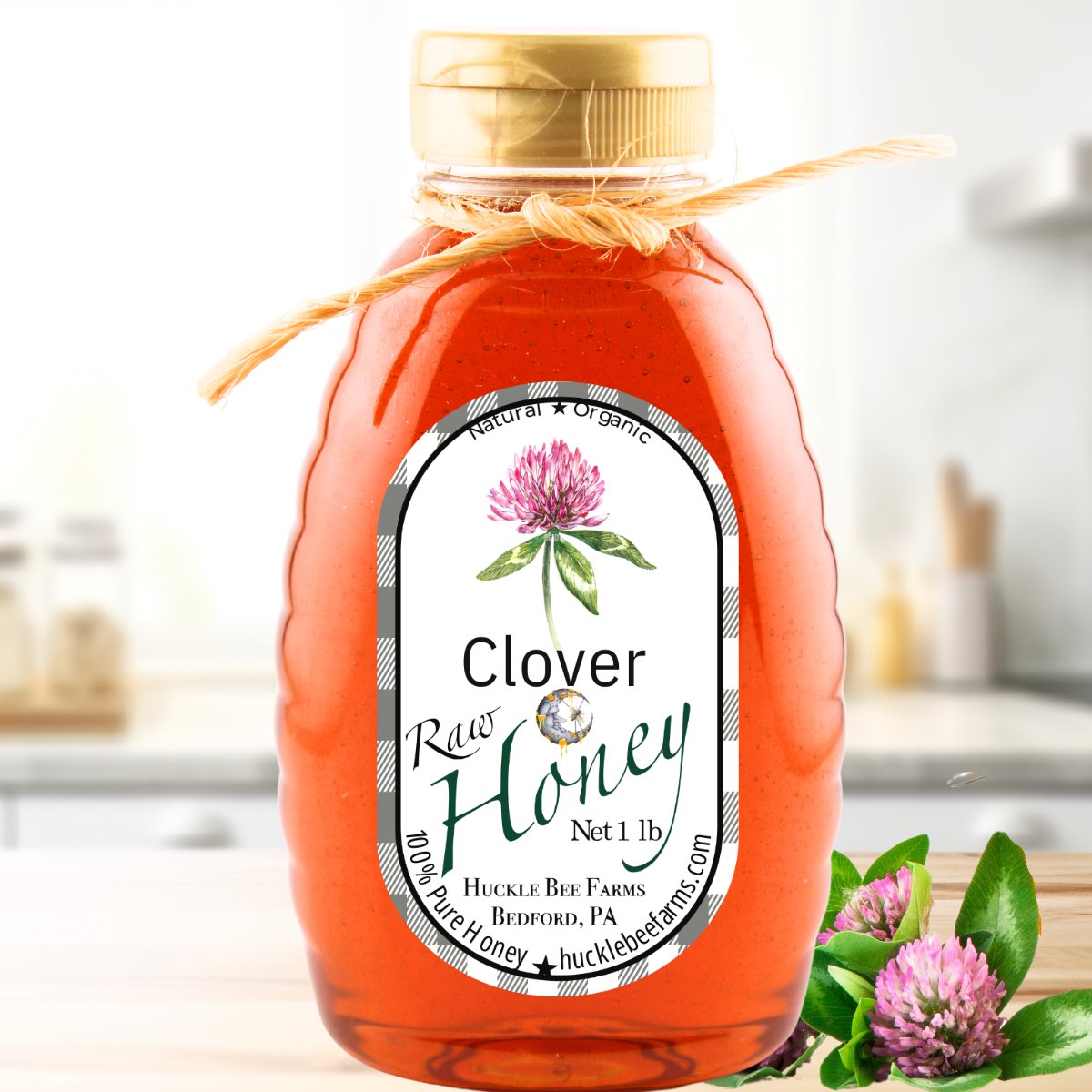
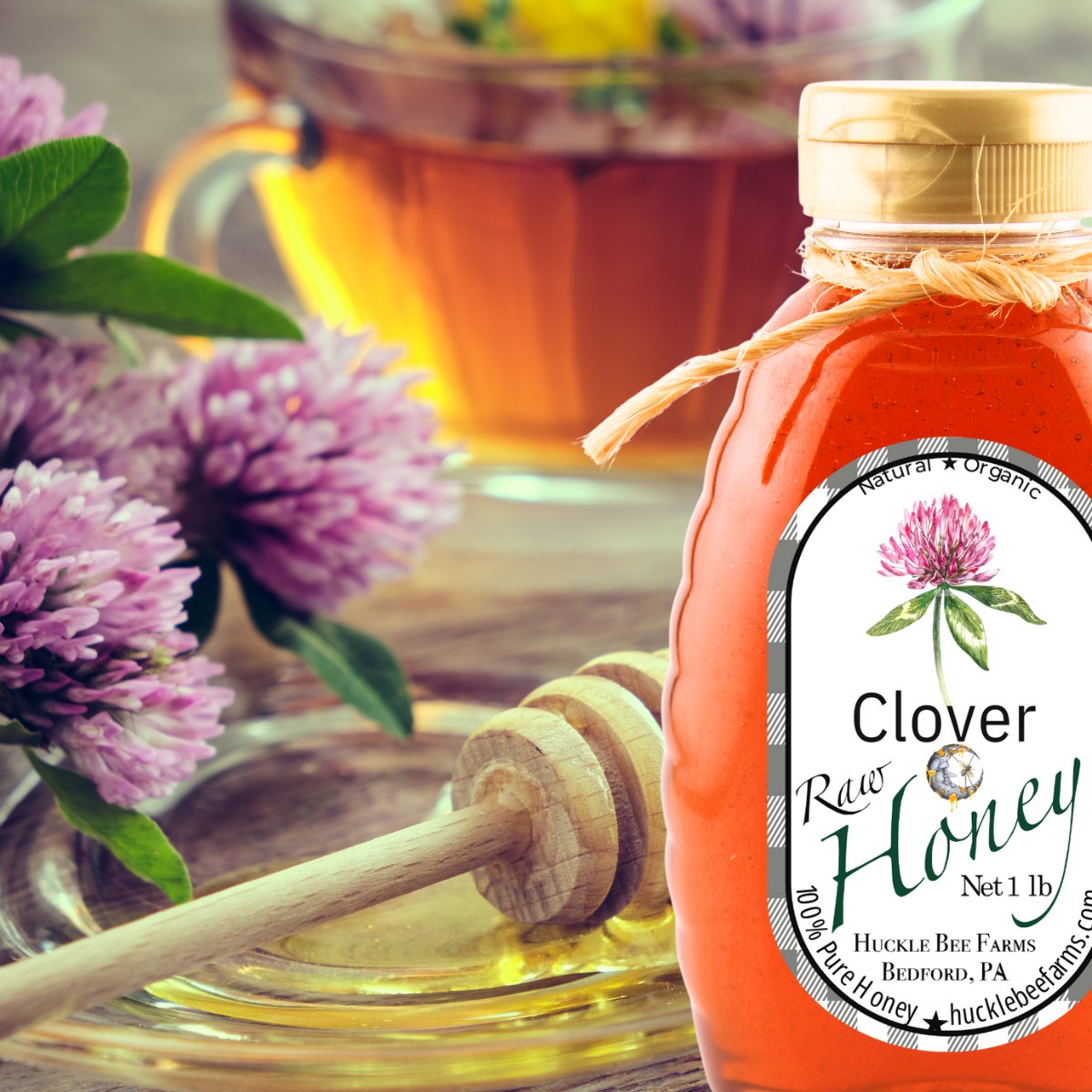
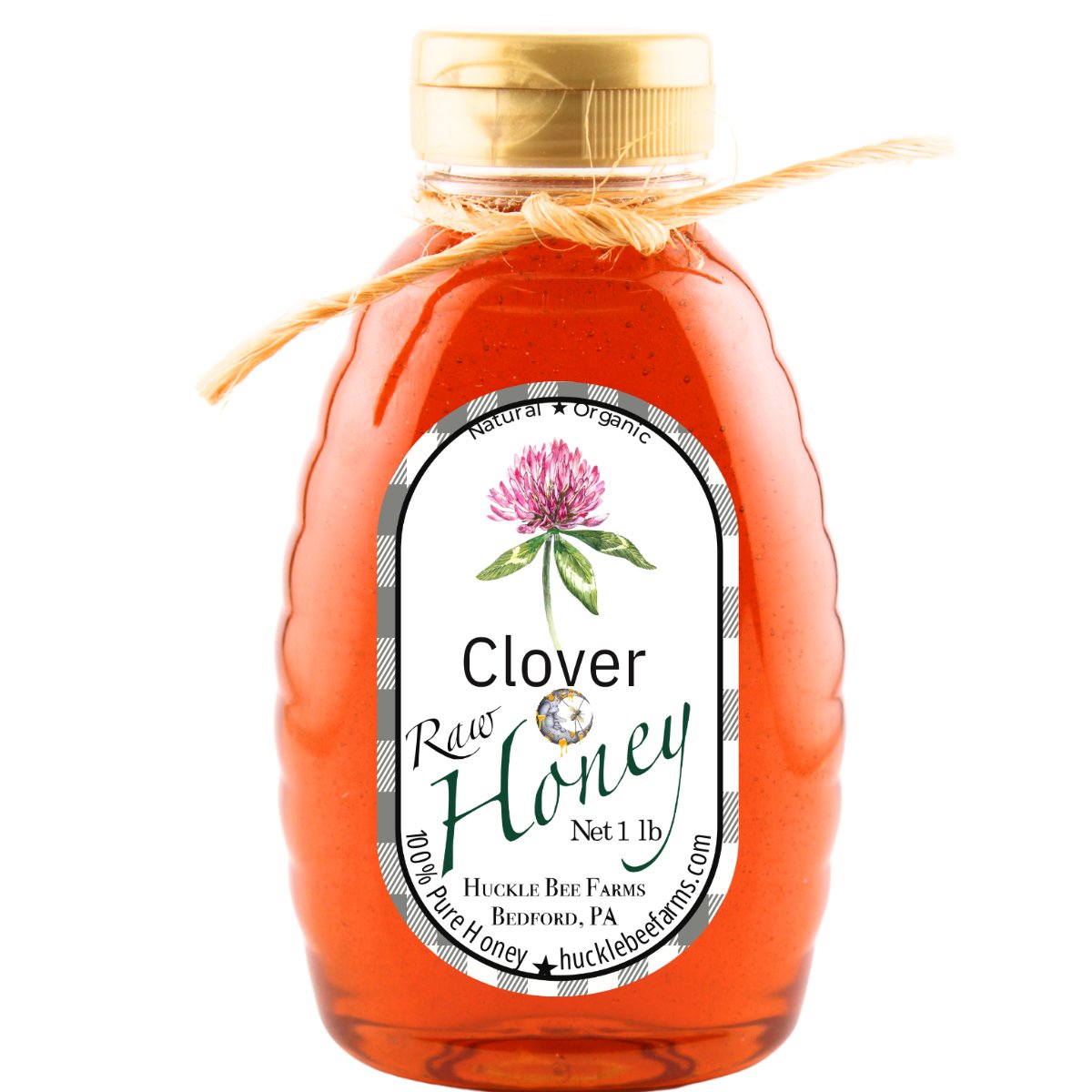
- Light honey (clover, orange blossom): bright, gentle, pairs well with herbs and citrus salts
- Medium honey (wildflower): versatile, complements almost anything
- Dark honey (buckwheat, chestnut): bold, ideal with smoky flavors, chile, coffee, and warm spices
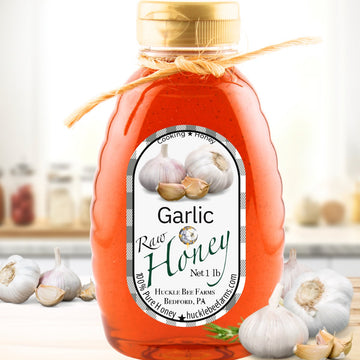
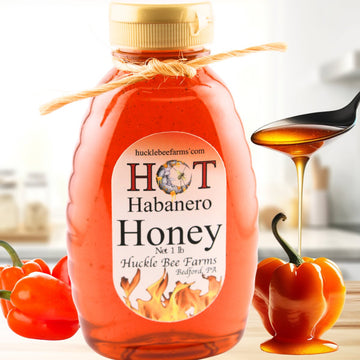
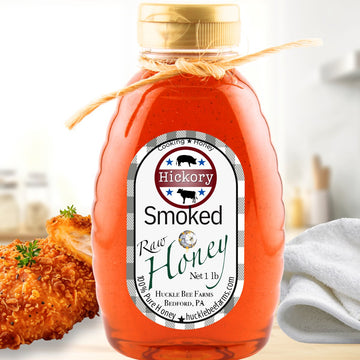
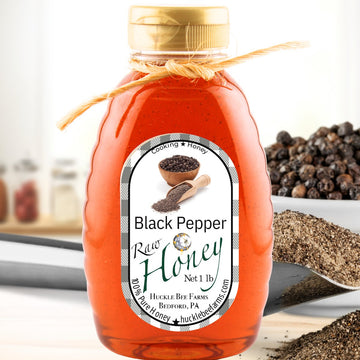
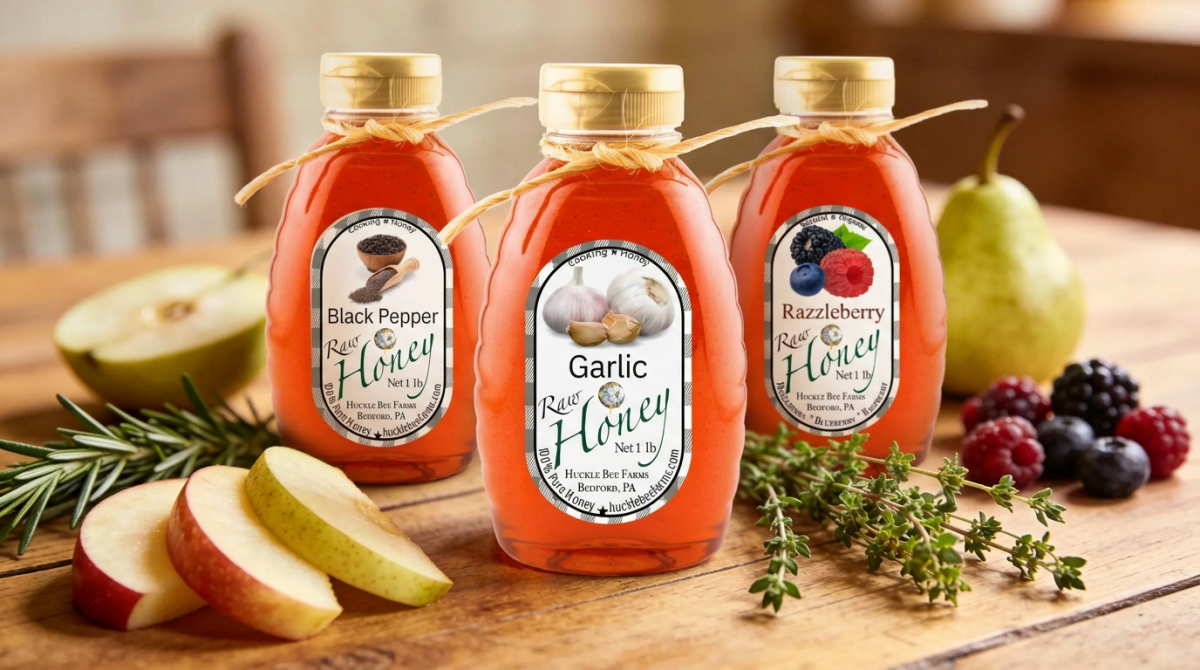
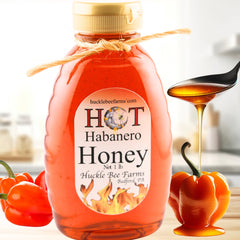
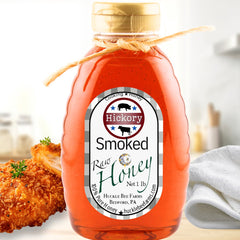
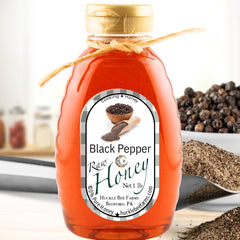
At Huckle Bee Farms, much of the fun is in those infused options, made in small batches with real ingredients like dehydrated garlic and bottled on demand, so the aroma bursts when you crack the lid. Cinnamon, ginger, bourbon, espresso, black pepper, garlic, salted caramel, and seasonal blends can each “steer” a rub without needing a long ingredient list.

Is Gourmet Salt Just “Salt” When Honey Is Involved?
Salt, often mixed with silicon dioxide to maintain its free-flowing texture, serves two purposes in honey rubs: it seasons the food and prevents sweetness from turning syrupy. Texture matters too. Flaky salts can finish a dish with sparkle, while fine salts dissolve into a wet rub and season all the way through.
Smoked salts can stand in for hours of smoking when cooking indoors, and citrus salts can make honey taste brighter and lighter without adding extra liquid.
A few easy finishing moves are worth keeping in your back pocket:
- Fleur de sel on honey-glazed carrots (use about 1/4 teaspoon per serving)
- Lemon salt on honeyed grilled chicken (about 1/2 teaspoon per chicken breast)
- Applewood smoked salt on sticky ribs (1/2 teaspoon per rack)
- Chipotle salt on honey-roasted sweet potatoes (1/4 teaspoon per medium sweet potato)
- Himalayan pink salt on honey butter toast (a pinch per slice)
🧂 The Ultimate Rub & Honey Matchmaker
Select your protein to find the perfect infusion formula
A Pairing Table You Can Actually Cook From
| Honey Style | Flavor Profile | Best Salt Partners | Best Spice Partners | Ideal Uses |
|---|---|---|---|---|
| Clover (light) | Mild, floral | Fleur de sel, lemon salt | Ginger, cardamom, white pepper | Chicken cutlets, shrimp, fruit, yogurt |
| Orange blossom | Bright, citrusy | Lemon or lime salt | Coriander, cumin, gentle chile | Grilled chicken, salmon, vinaigrettes |
| Wildflower | Rounded, floral | Himalayan pink, chili salt | Paprika, garlic, black pepper | Pork tenderloin, roasted vegetables, wings |
| Buckwheat (dark) | Earthy, malty | Smoked salts (applewood, hickory) | Chipotle, espresso, cumin | Brisket, ribs, mushrooms, root vegetables |
| Cinnamon-infused honey | Warm, woody | Fleur de sel, Himalayan pink | Chili flakes, smoked paprika | Pork chops, roasted squash, oatmeal |
| Bourbon-infused honey | Oaky, vanilla-like | Hickory salt, smoked salt | Black pepper, paprika | Carrots, ham, grilled peaches, ribs |
| Garlic-infused honey | Savory-sweet | Flaky sea salt, chili salt | Oregano, paprika | Chicken thighs, tofu, green beans |
| Black pepper honey | Spicy, aromatic | Fleur de sel | Cardamom, citrus zest | Steak bites, roasted grapes, cheese boards |


Huckle Bee Farms
🍯 Gourmet Honey:
Your Essential Trick to Unique Flavors
Crafted in small batches for bold flavor and smooth finish, our Gourmet Honey Collection transforms everyday foods.
Build a Honey Rub in Five Steps (Without Making It Too Sweet)
The best honey rubs are really “wet rubs.” They look like a paste and spread like a glaze. If you aim for balance first, the shine takes care of itself.
A practical ratio for many home cooks is 3 parts honey to 1 part acid, then add salt and spices. The acid can be apple cider vinegar, lemon juice, mustard, or even a splash of pickle brine. Mustard is especially helpful because it brings tang and acts as an emulsifier.
Here’s a reliable workflow with suggested amounts for about 1/2 cup of rub:
- Mix 6 tablespoons honey and 2 tablespoons acid (apple cider vinegar, lemon juice, or mustard), then taste for tang.
- Add 1 to 1 1/2 teaspoons salt slowly, especially if your spice blend already contains salt.
- Stir in 1 to 2 teaspoons of your chosen spices until it looks like a loose paste, not a pourable syrup.
- Rest it 5 to 10 minutes so dry spices hydrate and mellow.
- Decide timing: apply early for low heat cooking, or late for high heat cooking.
If your honey is thick or crystallized, warm the jar gently in hot water for a few minutes. You’re not trying to cook it, just loosen it enough to mix.
Is Timing the Difference Between Glossy and Burnt?
Honey caramelizes quickly, and that changes how you use it depending on your cooking method.
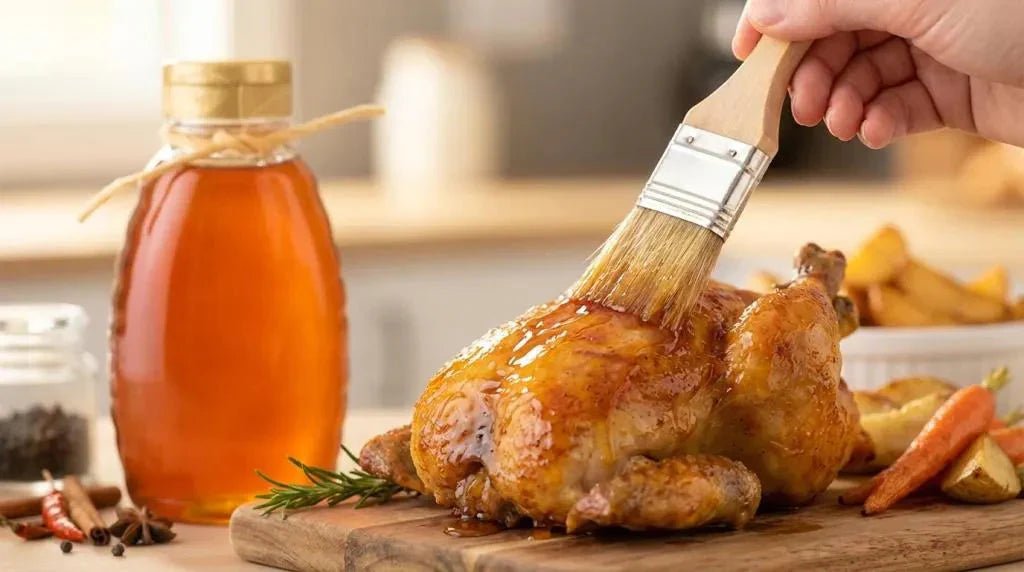
High heat (grilling, broiling, roasting above 350°F): Season with a dry rub first, then brush on honey rub or honey glaze near the end. Think final 10 to 20 minutes, flipping or rotating often.
Low and slow (smoker, oven at 225 to 275°F): You can apply honey earlier because the sugars brown gradually. It becomes part of the bark instead of a burnt shell.
Stovetop sear: Use honey at the very end. Sear your protein with a dry spice rub, lower the heat, then add a spoonful (about 1 tablespoon) of honey mixture and baste quickly.
One sentence that saves dinner: if you smell toast turning into marshmallow, you are one minute away from bitter.
Pairing Ideas That Feel “Chef-y” but Stay Simple
Small changes in salt and spice can make the same cut of meat taste completely different. Try building a few signature recipes and repeating them until you can do it by feel.


Huckle Bee Farms
🧂 Steel City Salt: Premium Seasoning for Flavor Lovers
Crafted for the perfect blend of bold flavor and smooth finish, our Salt & Spice Collection transforms everyday foods.
Chicken: Bright Honey, Citrus Salt, Gentle Heat
Orange blossom or clover honey loves lemon salt or lime salt. Add 1/2 teaspoon garlic powder, 1/2 teaspoon coriander, and a pinch (1/8 teaspoon) of chile. Brush it on at the end of roasting (last 10 minutes), then finish with a few flakes of salt for crunch.
This one is great for sheet-pan meals because it flatters vegetables too, making it a versatile addition to many recipes. Think onions, bell peppers, zucchini, and lime wedges.
Pork: Wildflower Honey Plus Smoke
Pork is sweet-friendly, so it can take more honey than chicken. Wildflower honey with 1 teaspoon applewood smoked salt and 1 teaspoon smoked paprika builds that backyard flavor even in an oven.
If you want it punchier, add 1/2 teaspoon chipotle or chili salt and 1/4 teaspoon cumin. Keep the acid present (about 1 tablespoon vinegar or lemon juice) so it stays savory.
Beef: Dark Honey, Coffee or Pepper, and Restraint
Buckwheat honey pairs naturally with 1 teaspoon espresso powder, 1/2 teaspoon black pepper, and 1 teaspoon smoked salts. Use a light hand with honey on steaks since high heat is common. A better move is to sear first, then glaze right at the end for a shiny finish.
For brisket or chuck roast, you can apply earlier because the cook is long and gentle.

Vegetables: Honey Makes Spices Stick (and Makes Edges Crisp)
Roasted carrots with bourbon honey and hickory salt taste like a special occasion side. Use about 2 tablespoons honey and 1 teaspoon salt for 1 pound of carrots. Brussels sprouts love a black pepper honey moment with a squeeze of lemon (1 tablespoon honey per pound, plus juice of half a lemon).
For sweet potatoes, try wildflower honey plus chipotle salt. Add 2 tablespoons honey and 1/2 teaspoon chipotle salt halfway through roasting so it caramelizes without going bitter.
🐝 Beekeeper’s Tips for the Kitchen
The "Living" Glaze Rule: Raw honey contains delicate enzymes and probiotics. To keep these beneficial properties intact, never boil your honey. Instead, whisk it into your warm spice rub or mop it onto your meats during the final 5 minutes of cooking.
A Note on Infused Honeys: Treat Them Like a Built-In Spice Blend
Infused honey is the shortcut that still feels artisanal. Instead of adding cinnamon and ginger separately, a spoonful of cinnamon-honey or ginger-forward honey can carry that warmth throughout the dish.
A few easy pairings many home cooks enjoy:
- Cinnamon honey: 1 teaspoon smoked paprika, 1/2 teaspoon cumin, and 1/4 teaspoon flaky salt on pork or squash
- Bourbon honey: 1/2 teaspoon black pepper, 1 teaspoon hickory salt on carrots, ham, ribs
- Espresso honey: 1/2 teaspoon chipotle, 1 teaspoon smoked salt on beef or mushrooms
- Garlic honey: 1 teaspoon oregano, 1/2 teaspoon paprika, 1/4 teaspoon citrus salt on chicken or tofu
Huckle Bee Farms focuses on small-batch, raw and unfiltered honey and uses real fruits, spices, herbs, and botanicals in infusions, so these flavors tend to taste rounded rather than candy-like. That matters when you’re building a rub, because you want the honey to read as “seasoning,” not “dessert.”
Troubleshooting: When Your Honey Rub Is “Off”
Most honey-rub problems are easy to fix once you know what you’re tasting.
If it’s too sweet, add acid first. Vinegar, citrus, mustard, or even a spoonful of plain yogurt in a marinade can pull it back.
If it tastes flat, add salt in small pinches, then a little bitterness or bite. Black pepper, smoked paprika, coffee, or charred citrus can help.
If it burns, your heat is too high for so early in the application. Next time, shift honey to the final stage, or thin the honey with a little water and acid so it browns more gently.
Chef Tip
For the perfect honey-spice rub, always balance sweetness with acidity and salt, and remember to apply honey late in high-heat cooking to avoid burning. This simple timing and balance trick will elevate your dishes with a glossy, flavorful crust every time.
Pantry-Building That Makes Gifting Easy Too
Honey, spice, and salt are a natural trio for gift bundles because they invite the recipient to cook, not just collect. A jar of honey plus a gourmet salt and one bold spice blend can cover weeknight dinners for weeks.
If you like to give edible gifts, pairing a sampler of infused honeys with a smoked salt and a citrus salt gives people a “choose your own adventure” setup for chicken, vegetables, cocktails, and cheese boards, with plenty of room to play.
Frequently Asked Questions
1. How can I store honey to maintain its quality?
To maintain the quality of honey, store it in a cool, dry place away from direct sunlight. A tightly sealed glass jar is ideal, as it prevents moisture from entering. Avoid storing honey in the refrigerator, as this can cause it to crystallize faster. If crystallization occurs, gently warm the jar in hot water to return it to a liquid state. Proper storage ensures that honey retains its flavor and beneficial properties for a long time.
2. Can I use honey in baking, and how does it affect the recipe?
Yes, honey can be used in baking, but it alters the recipe slightly. Honey adds moisture and sweetness, so you may need to reduce other liquids in the recipe. A general rule is to replace one cup of sugar with ¾ cup of honey and reduce the liquid by about ¼ cup. Additionally, since honey browns faster than sugar, consider lowering the baking temperature by 25°F to prevent over-browning. This adjustment helps achieve the desired texture and flavor in baked goods.
3. What are some common mistakes to avoid when using honey in cooking?
Common mistakes when using honey include applying it too early in the cooking process, which can lead to burning due to its high sugar content. It's best to add honey towards the end of cooking for high-heat methods. Another mistake is not balancing the sweetness; always consider adding an acid like vinegar or citrus to counteract the sweetness. Lastly, using the wrong type of honey for a dish can affect the overall flavor, so choose wisely based on the honey's profile.
4. How do I know which honey to choose for my recipes?
Choosing the right honey depends on the flavor profile you want to achieve. Light honeys, like clover or orange blossom, are great for delicate dishes, while dark honeys, such as buckwheat, offer robust flavors suitable for hearty meals. Infused honeys can add unique twists, so consider the dish's ingredients and desired taste. Always taste the honey before using it to ensure it complements your recipe, and keep a variety on hand for versatility in cooking.
5. Are there health benefits associated with using honey in cooking?
Yes, honey offers several health benefits when used in cooking. It contains antioxidants, which can help combat oxidative stress in the body. Honey also has antibacterial properties and can soothe sore throats. Additionally, it serves as a natural sweetener, potentially reducing the need for refined sugars. However, moderation is key, as honey is still high in calories. Incorporating honey into your diet can enhance flavor while providing some nutritional advantages.
6. Can I substitute honey for other sweeteners in recipes?
Honey can often be substituted for other sweeteners, but adjustments are necessary. When replacing sugar with honey, use about ¾ cup of honey for every cup of sugar and reduce the liquid in the recipe. For liquid sweeteners like maple syrup, use a 1:1 ratio but consider the flavor differences. Keep in mind that honey has a distinct taste, so it may alter the final flavor profile of your dish. Always taste and adjust as needed.
7. What are some creative ways to use honey beyond cooking?
Honey can be used creatively in various ways beyond cooking. It makes an excellent natural sweetener for beverages like tea or smoothies. You can also use honey in homemade skincare products, such as face masks or scrubs, due to its moisturizing and antibacterial properties. Additionally, honey can be drizzled over cheese or yogurt for a delicious snack, or used in salad dressings for added sweetness. Its versatility makes it a valuable ingredient in both culinary and non-culinary applications.
Conclusion
Pairing gourmet salts and spices with honey not only enhances flavors but also elevates your culinary creations to new heights. Understanding the unique characteristics of different honeys allows you to craft rubs that balance sweetness and spice, ensuring a delightful dining experience. Experiment with our selection of infused honeys and gourmet salts to discover your signature flavor combinations. Start your culinary adventure today and transform your meals into gourmet delights.

Author - Jim Douglas - Founder Huckle Bee Farms
For Jim Douglas, beekeeping is more than a craft—it’s a commitment to purity and the environment. After an honorable career in the U.S. Army and a tenure as a COO for the Boy Scouts of America, Jim sought a way to combine his leadership experience with his love for the outdoors.
In 2012, he founded Huckle Bee Farms with a simple mission: to take honey back to its raw, unadulterated roots. Jim’s expertise lies in the delicate balance of infusing raw honey with organic ingredients without compromising its natural medicinal properties. His "small-batch" philosophy ensures that every jar meets the highest standards of quality and transparency. Today, Jim continues to lead Huckle Bee Farms with the same integrity he practiced in uniform, ensuring that every drop of honey supports both the health of the consumer and the survival of the honeybee.
His mission is simple: to make life a little sweeter—naturally.
Key Takeaways for Pairing Honey with Gourmet Salts and Spices
This list summarizes the essential insights for effectively pairing honey with gourmet salts and spices, enhancing your culinary creations while ensuring balanced flavors.
- Honey as a Flavor Binder: Honey helps spices adhere to food, enhancing aroma and flavor in every bite.
- Understanding Honey Varieties: Different honeys (light, medium, dark) offer unique flavor profiles that complement various dishes.
- Gourmet Salt Selection: Choose salts like flaky or smoked varieties to enhance texture and flavor without overpowering sweetness.
- Building a Honey Rub: A balanced ratio of honey to acid (3:1) creates a flavorful wet rub that enhances meats and vegetables.
- Cooking Techniques Matter: Apply honey at different stages based on cooking methods to avoid burning and achieve the desired caramelization.
- Infused Honeys as Spice Blends: Use infused honeys to simplify flavoring, as they carry built-in spices for added depth.
- Troubleshooting Honey Rubs: Adjust sweetness with acid, enhance flavor with salt, and manage heat to prevent burning.
- Gift Bundles: Pairing honey, gourmet salts, and spices makes for thoughtful and practical edible gifts.