


Honey brings together several naturally occurring compounds — antioxidants, antibacterial factors, prebiotic sugars, and anti-inflammatory plant compounds — that can support immune health and ease symptoms when you’re under the weather. This article breaks down how those compounds work at a cellular level in plain, everyday language so you can use honey as a simple, sensible part of an immune-support routine. You’ll learn what the immune system does, how honey’s antioxidants and antimicrobial actions protect immune cells, how honey helps gut health and calms inflammation, and practical ways to add honey to your meals. We also compare specific honey varieties, share a few safe, quick recipes, and answer common safety questions. By the end, you’ll have a clear, usable view of the science behind honey’s benefits and how Huckle Bee Farms’ raw and infused honeys fit into supportive routines — always alongside, not instead of, medical care.

What Is the Immune System and How Does It Protect You?
Your immune system is the body’s defense network — it spots and removes germs, damaged cells, and foreign invaders so you stay healthy. It works on two main fronts: fast, general responses (innate immunity) and slower, finely tuned responses (adaptive immunity) that learn and remember specific threats. Together they stop infections quickly and build memory to reduce repeat illness. Understanding these layers makes it easier to see how foods and natural compounds like honey can support different parts of the immune response. Next, we’ll break the system down into its key parts so you can see where nutrition matters.
What Are the Key Components of the Immune System?
The immune system is built from physical barriers, quick-acting innate cells, and targeted adaptive cells — each with a clear job. Barriers like skin and mucous membranes block entry and stay healthier with good nutrition. Innate cells (macrophages and neutrophils) jump on invaders fast, using reactive oxygen species and phagocytosis to neutralize threats; they rely on antioxidants to prevent collateral damage. Adaptive immunity — B cells and T cells — creates antibodies and memory, so keeping cells healthy supports longer-lasting protection. These parts work together to detect, attack, and remember threats, which leads us into how the immune response unfolds during infection.
How Does the Immune System Fight Infections?
The immune response moves through three main phases: detect the invader, mount an attack, and remember it for the future — and nutrition and biochemical support influence each stage. Detection uses pattern recognition by innate cells, which triggers localized inflammation and recruits help while adaptive cells prepare a specific response. The attack phase kills or contains microbes; antioxidants and antimicrobial foods can lower pathogen load and protect immune cells during this fight. Finally, memory cells form to speed future responses and reduce the chance of repeated infection. With that foundation, we’ll look at how honey’s antioxidants, antimicrobials, and prebiotic sugars support these stages.
How Do Honey’s Antioxidants Boost Your Immune System?
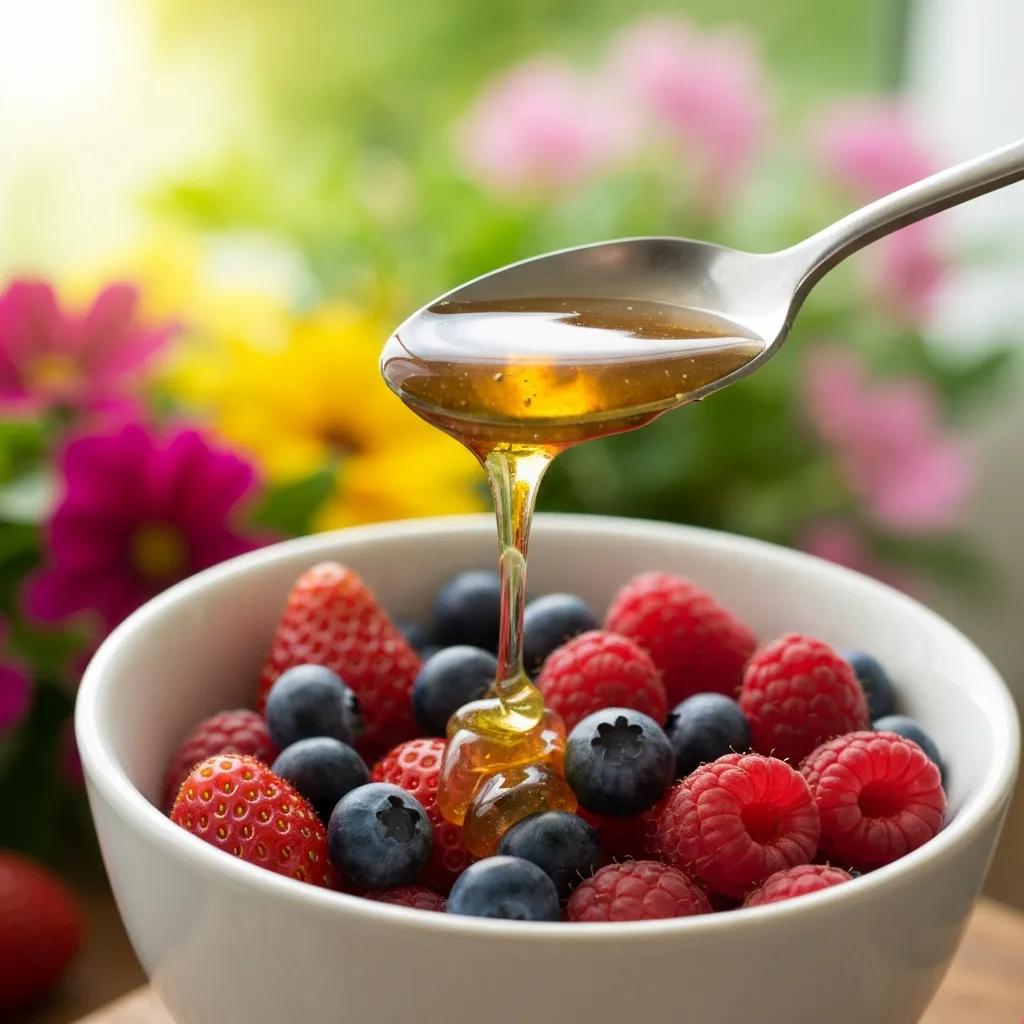
Antioxidants in honey — mainly flavonoids and phenolic acids — neutralize free radicals and lower oxidative stress that can damage immune cells and blunt immune responses. By mopping up reactive molecules, these compounds help preserve white blood cell function and slow cellular aging, supporting sharper detection and stronger memory formation. Antioxidant protection also reduces chronic oxidative inflammation, which keeps immune signaling clearer and more balanced. Below we list the main antioxidant classes commonly found in honey and explain, in everyday terms, how each one supports immunity. After that, we compare Huckle Bee Farms varieties that tend to be richer in immune-supporting antioxidants.
Honey contains several antioxidant classes that help protect immune cells:
- Flavonoids: Plant-based molecules that neutralize free radicals and bolster cellular antioxidant defenses.
- Phenolic acids: Compounds that help stabilize cell membranes and limit oxidative damage to immune cells.
- Enzymatic antioxidants: Natural enzymes in honey that can reduce local oxidative stress during immune activity.
These antioxidant groups work together to preserve immune cell function and lower harmful inflammation, which primes the body for more efficient responses to infection and supports long-term immune health.
What Antioxidants Are Found in Honey and How Do They Work?
Flavonoids and phenolic acids are the most common antioxidants in honey. They work by donating electrons to neutralize free radicals that would otherwise damage cells. That protection helps immune cells like macrophages and lymphocytes stay functional and finish their jobs without being overwhelmed by oxidative stress. Some honeys also contain enzymes and small antioxidant peptides that act locally at wounds or inflamed sites. The overall effect is healthier immune cells that can detect, attack, and form memory with less collateral damage — which is why antioxidant-rich foods, including certain honeys, can be useful in a daily immune-support plan.
Studies highlight honey’s nutritional and anti-inflammatory properties, driven largely by its phenolic and flavonoid content.
Honey's Nutritional and Anti-Inflammatory Value
This review summarizes how honey’s phenolic and flavonoid compounds contribute to anti-inflammatory effects across several conditions, discusses bioavailability of honey polyphenols, and highlights honey’s potential roles in gut health, metabolic and cardiovascular contexts, and tissue repair.
Which Huckle Bee Farms Honeys Are Rich in Antioxidants?
Here’s a quick comparison of Huckle Bee Farms honeys suited for antioxidant-focused immune support, with their key compounds and practical uses to help you choose. We highlight Orange Turmeric Honey, Black Pepper Honey, and Raw Wildflower Honey, tying each variety’s ingredients to immune benefits and simple serving suggestions. These pairings show how infused and raw honeys can combine antioxidant action with everyday culinary use so you can pick a honey that matches your taste and your immune-support goals.
| Honey Variety | Key Compounds | Immune Benefit / Suggested Use |
|---|---|---|
| Orange Turmeric Honey | Curcumin (from turmeric) + citrus flavonoids | Anti-inflammatory antioxidant support — great in warm drinks to soothe and balance inflammation |
| Black Pepper Honey | Piperine (helps absorption) + phenolic acids | Boosts turmeric’s bioavailability and adds antioxidant support — try it in teas or savory dressings |
| Raw Wildflower Honey | Mixed flavonoids and phenolic acids | Broad antioxidant protection — a daily spoonful or stirred into yogurt for gut support |
This quick comparison shows how Huckle Bee Farms’ infused and raw honeys pair antioxidant compounds with practical uses, making it easier to choose a variety based on flavor and immune-support goals.
What Are Honey’s Antibacterial and Antiviral Properties for Immunity?
Honey fights microbes through several natural mechanisms — concentrated sugars that create osmotic stress, enzymes that produce low levels of hydrogen peroxide, an acidic pH, and plant-derived phytochemicals (like methylglyoxal in some varieties). These actions can lower pathogen load and help the immune system clear infections. Different honeys lean on different mechanisms, so the right choice depends on the intended use — for example, soothing a sore throat versus topical wound care. Next we’ll outline those antibacterial and antiviral modes of action and compare which honey types are strongest for specific needs.
Honey uses three main natural antimicrobial actions:
- Osmotic effect: High sugar concentration draws water out of microbes, inhibiting their growth.
- Hydrogen peroxide production: Enzymes in many honeys generate low levels of hydrogen peroxide that suppress bacteria.
- Phytochemical action: Certain honeys contain antimicrobial molecules (for example, methylglyoxal) that directly impair microbes.
These layered mechanisms reduce pathogen load and can complement the immune system’s work, helping control infections while immunity mounts a targeted response.
How Does Honey Fight Bacteria and Viruses Naturally?
Honey’s antimicrobial effects come from both physical and chemical properties: concentrated sugars create osmotic pressure that dehydrates microbes, enzymes produce hydrogen peroxide to slow bacterial growth, and an acidic pH makes the environment hostile to many pathogens. Plant-derived phytochemicals — either present from nectar or added via infusions — add extra antimicrobial and antiviral activity by disrupting microbe membranes or interfering with replication. For viruses, honey is most useful for local symptom relief and reducing throat viral load rather than as a systemic antiviral. Altogether, these actions offer a multi-pronged reduction in microbes that helps the immune system clear infections more easily.
Which Types of Honey Have the Strongest Antibacterial Effects?
The table below compares common honey types by their main antibacterial mechanism and practical uses so you can match selection to your needs. Manuka honey is known for methylglyoxal (MGO) potency, raw wildflower honey relies on peroxide activity plus osmotic effects, and infused honeys add targeted phytochemicals for combined benefits. Use Manuka for strong topical antibacterial needs, raw wildflower for everyday oral or dietary support, and infused honeys for combined anti-inflammatory and antimicrobial effects depending on the infusion.
| Honey Type | Antibacterial Mechanism | Relative Strength / Use Cases |
|---|---|---|
| Manuka Honey | Methylglyoxal (MGO) | High topical antibacterial strength — useful for wound care and stubborn infections |
| Raw Wildflower Honey | Hydrogen peroxide production + osmotic effect | Moderate antibacterial activity — good for dietary use and throat soothing |
| Infused Honeys (e.g., turmeric, black pepper) | Phytochemicals layered on baseline honey mechanisms | Variable strength — ideal for combined anti-inflammatory and antimicrobial support |
This comparison helps you choose the right honey for oral use, topical care, or combined immune-support purposes based on the dominant antimicrobial actions each type offers.
How Does Honey Support Gut Health to Strengthen Immunity?
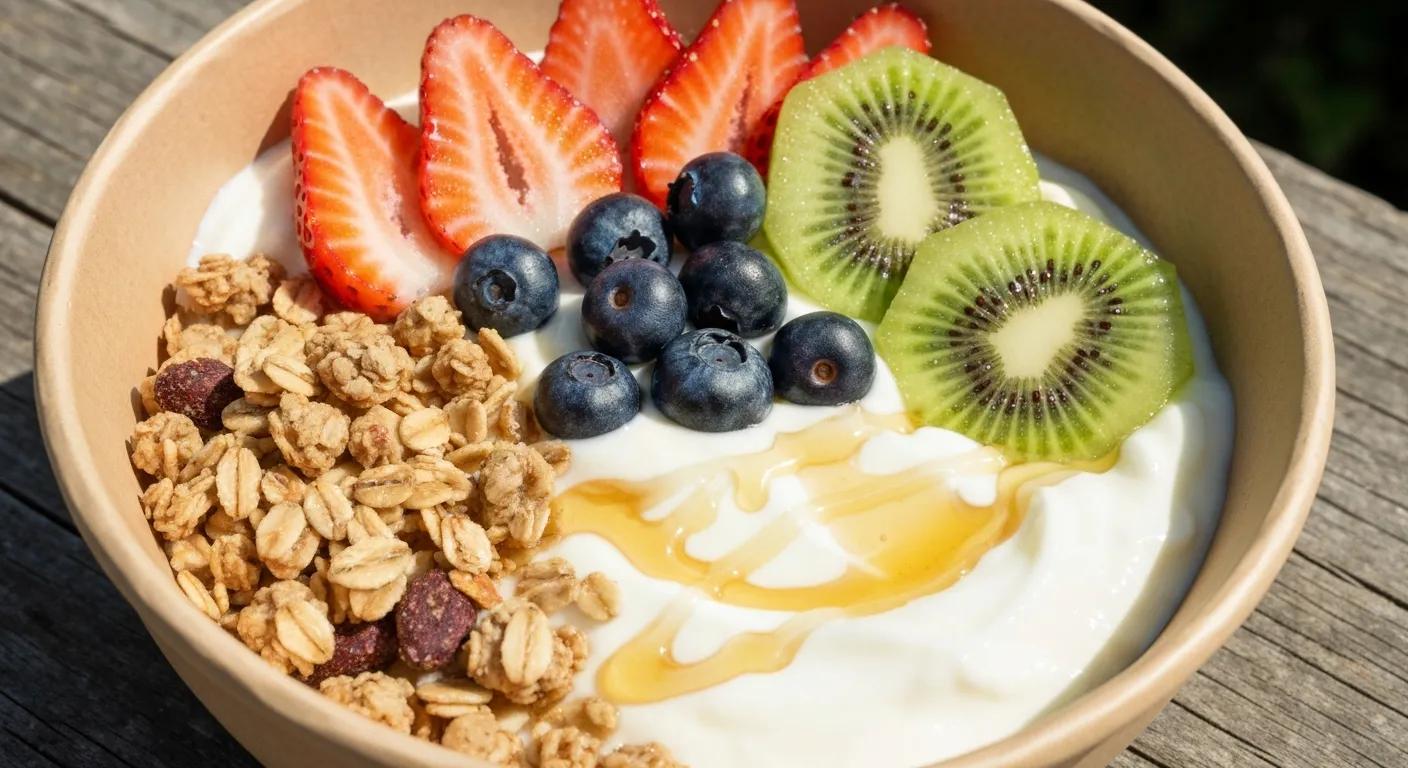
Honey can support gut health by providing small prebiotic sugars and bioactive compounds that feed beneficial bacteria, helping keep the microbiome balanced — and a balanced microbiome plays a large role in training and regulating immune responses. The gut-associated lymphoid tissue (GALT) is a key immune hub; when gut bacteria and their metabolites are in good shape, the body better distinguishes harmless from harmful microbes and reduces unnecessary inflammation. Moderate, regular honey paired with probiotic foods can encourage microbial diversity and support short-chain fatty acid production, which helps immune regulation. Below we define prebiotics and show simple food pairings that make it easy to use honey in a gut-friendly routine.
What Are Prebiotics and How Does Honey Act as One?
Prebiotics are food components that beneficial gut bacteria ferment for fuel; honey contains oligosaccharides and small sugars that can act as mild prebiotics. These sugars support strains like bifidobacteria and lactobacilli, which in turn produce short-chain fatty acids that nourish intestinal cells and fine-tune immune signaling. Pairing honey with probiotic foods — yogurt or kefir, for example — creates a helpful synergy where prebiotics and probiotics work together to improve microbial balance. Keep portions moderate because honey is still a sugar, but small, consistent servings can support gut–immune interactions over time.
Emerging studies suggest honey has prebiotic potential and can positively influence the gut microbiome.
Honey's Prebiotic Potential for Gut Health
This research review explores honey’s potential as a prebiotic food capable of shifting gut microbial communities toward a healthier state and discusses possible benefits for host metabolism and immune interactions.
How Does a Healthy Gut Improve Your Immune Response?
A balanced microbiome trains immune cells in the gut-associated lymphoid tissue to respond appropriately to threats while tolerating harmless substances, lowering unnecessary inflammation that can weaken immunity. Beneficial bacteria also compete with pathogens for resources and produce antimicrobial compounds, reducing the chance of harmful colonization. Short-chain fatty acids from microbial fermentation help maintain the intestinal barrier, preventing unwanted immune activation and systemic inflammation. These gut-driven effects show how diet — including thoughtful use of honey — influences immune balance and resilience.
How Does Honey Reduce Inflammation to Enhance Immune Function?
Honey can help reduce inflammation through antioxidant activity and by carrying anti-inflammatory phytochemicals in infused varieties. Together these actions can modulate cytokine signaling and dial down damaging chronic inflammation. Lower chronic inflammation improves immune efficiency by preventing immune-cell exhaustion and supporting clearer communication between immune components. Choosing an anti-inflammatory honey and using it in warm, soothing preparations is a practical way to gain both comfort and regulatory effects on immune signaling. Next we’ll explain cytokines in simple terms and point out which Huckle Bee Farms honeys are useful for calming inflammation.
What Role Do Cytokines Play in Inflammation and Immunity?
Cytokines are signaling proteins that tell immune cells how to behave: some promote inflammation to fight infection, while others help resolve inflammation and repair tissue. When pro-inflammatory cytokines stay elevated too long, they can damage tissues and blunt immune effectiveness, so balancing cytokine levels matters. Honey’s antioxidants and phytochemicals can help shift the balance toward lower pro-inflammatory signaling, supporting tissue repair and more effective pathogen clearance. With cytokine balance in mind, choosing honeys with known anti-inflammatory ingredients makes sense for everyday routines.
Which Huckle Bee Farms Honeys Help Calm Inflammation?
Huckle Bee Farms’ Orange Turmeric Honey is a natural pick for anti-inflammatory support because turmeric’s curcumin is widely studied for moderating inflammatory pathways, and honey makes it easy and pleasant to use daily. Black Pepper Honey complements turmeric by supporting curcumin’s absorption and adding its own antioxidant support, making the combination useful in warm drinks. Raw Wildflower Honey delivers broad antioxidant coverage that helps lower baseline oxidative stress and low-level inflammation in regular diets. These examples show how infused and raw honeys can be used thoughtfully to support a calmer immune environment and better overall responsiveness.
What Are Simple Ways to Use Honey Daily for Immune Support?
Simple ways to use honey include a spoonful in tea, a drizzle over yogurt, using it to sweeten dressings, or taking a small daily spoon as a gentle antioxidant boost — each delivers beneficial compounds while fitting naturally into meals. These easy habits let you pair honey with probiotic or anti-inflammatory foods to amplify gut and immune benefits without complicated prep. Below is a short list of everyday uses and a usage table mapping recipes to recommended honey types and serving guidance. After the table, you’ll find quick recipes and important safety notes.
- A teaspoon in warm lemon tea to soothe the throat and add mild antibacterial support.
- A drizzle over yogurt to combine honey’s prebiotic sugars with probiotic cultures.
- A tablespoon blended into smoothies for an antioxidant and flavor lift.
| Use / Recipe | Recommended Honey Type | Serving Size / Frequency |
|---|---|---|
| Warm lemon-honey tea | Orange Turmeric Honey | 1 teaspoon to 1 tablespoon, once daily when soothing the throat |
| Yogurt + honey bowl | Raw Wildflower Honey | 1 teaspoon daily as a prebiotic pairing with probiotic yogurt |
| Anti-inflammatory warm drink | Orange Turmeric or Black Pepper Honey | 1 tablespoon in warm milk or tea, up to once daily |
| Smoothies and dressings | Raw Wildflower or Black Pepper Honey | 1 tablespoon per serving, 3–4 times per week |
This usage table helps match honey varieties to recipes and suggests gentle serving sizes that fit into a balanced diet for ongoing immune support.
How Much Honey Should You Take for Immune Benefits?
For most adults, a moderate daily serving — about one teaspoon to one tablespoon — supplies bioactive compounds without a large sugar load and is a sensible starting point for routine support. People with diabetes or other blood-sugar concerns should discuss honey with a healthcare provider to choose safe amounts. Never give honey to infants under 1 year because of botulism risk; that’s an important safety rule. Remember: honey is a complementary tool alongside vaccines, hygiene, rest, and any prescribed treatments.
What Are Easy Recipes to Incorporate Honey into Your Routine?
Try these quick, gentle recipes that pair honey with immune-supportive ingredients and note the Huckle Bee Farms honeys we recommend. Warm lemon-honey tea: steep lemon in hot water, then stir in one teaspoon of Orange Turmeric Honey for a soothing, anti-inflammatory lift. Yogurt bowl: mix one teaspoon of Raw Wildflower Honey into probiotic yogurt and top with fresh fruit for prebiotic–probiotic synergy. Warm turmeric milk: whisk one teaspoon of Orange Turmeric Honey into warmed milk or a milk alternative with a pinch of black pepper to help absorption and promote calm.
Why Choose Huckle Bee Farms Honey for Your Immune Wellness?
Huckle Bee Farms is an online producer and resource focused on natural, pure, and thoughtfully infused honey products with wellness in mind and a commitment to sustainable beekeeping and pollinator health. Our “Healthy Living with Honey” blog pairs clear, practical education with product choices — like Orange Turmeric Honey, Black Pepper Honey, and Raw Wildflower Honey — so you can pick varieties that match your immune-support goals. That combination of useful content and carefully made honey makes it easier to use honey safely and effectively as part of a balanced wellness routine.
How Does Huckle Bee Farms Practice Sustainable Beekeeping?
We prioritize sustainable beekeeping and pollinator health across our practices, caring for bee populations and local ecosystems while producing high-quality honey. Pollinator-friendly practices support diverse floral sources, which influence nectar and the beneficial compounds found in honey. Our educational content helps customers understand how pollinator stewardship connects to product quality and ecosystem resilience. If environmental care matters in your food decisions, choosing our honeys supports both your wellbeing and local pollinators.
What Makes Huckle Bee Farms Honey Unique for Immune Support?
Huckle Bee Farms offers natural raw honey and thoughtfully infused options like Orange Turmeric and Black Pepper, designed to deliver antioxidant and anti-inflammatory support in delicious, easy-to-use formats. Infused honeys layer honey’s baseline antioxidant and antimicrobial actions with added phytochemicals — for example, turmeric’s curcumin — to support specific immune goals like lowering inflammation or boosting antioxidants. Our blog guides recipes and practical use so customers can match a honey to a use case. That mix of natural products and clear guidance helps you add honey into daily immune-support routines responsibly.
What Are the Most Common Questions About Honey and Immunity?
People often ask whether honey can prevent illness, whether raw is better than processed, and what safety points to consider. Short answers: honey can support immune defenses and soothe symptoms but won’t guarantee prevention of infections and should never replace vaccines or medical care. Raw honey often keeps more enzymes and antioxidants than heavily processed honey, but sourcing and safety matter. Key safety notes include the infant warning, blood-sugar considerations for people with diabetes, and allergy awareness for those with severe pollen or bee allergies.
Can Honey Prevent Colds and Flu?
Honey can ease symptoms and may help reduce throat pathogen load, supporting your immune system while it fights infection — but it’s not a guaranteed prevention for colds or flu. The best protection remains vaccination, good hygiene, balanced nutrition, and rest. Use honey as supportive care to make symptoms easier to manage while primary prevention and treatment measures stay in place.
Is Raw Honey Better for Immune Support Than Processed Honey?
Raw honey may retain more enzymes, volatile compounds, and antioxidants than highly processed honey, which can mean greater immune-supporting potential. Heating and heavy filtration can reduce enzyme activity and some volatile phytochemicals, so choosing raw, well-sourced honey can be beneficial for those seeking maximal natural compound retention. That said, safety and reliable sourcing are important — choose reputable producers and use raw honey responsibly. Raw wildflower honey often provides a broad mix of antioxidant and antimicrobial components useful in daily routines.
Are There Any Safety Concerns or Contraindications?
Key safety reminders include never giving honey to infants under 1 year (botulism risk), checking with a healthcare provider if you have diabetes or blood-sugar concerns, and being cautious if you have severe bee- or pollen-related allergies.
- Infant safety: Do not give honey to children under 1 year of age because of the risk of botulism.
- Blood sugar: People with diabetes should consult a healthcare professional before adding regular honey servings.
- Allergies: Those with severe bee or pollen allergies should use caution and watch for reactions.
Frequently Asked Questions
How can honey be used to enhance overall wellness beyond immune support?
Honey does more than support immunity. It’s a natural sweetener you can use in place of refined sugar, and its prebiotic qualities may help digestive health by nourishing beneficial gut bacteria. Topically, honey’s moisturizing and antibacterial traits can support minor skin care needs. Used thoughtfully, honey can be a small, versatile tool in broader wellness habits.
What are the best ways to store honey to maintain its quality?
Store honey in a cool, dry place away from direct sunlight and keep it in an airtight container to prevent moisture uptake. Glass jars are ideal because they don’t absorb odors or flavors. Don’t refrigerate honey — it speeds crystallization. If the honey crystallizes, gently warm the jar in a warm water bath to restore its liquid texture without overheating.
Can honey be used in cooking, and does it lose its health benefits when heated?
You can cook with honey, but high heat can reduce some of its enzymes and volatile compounds. To preserve more of its beneficial properties, add honey near the end of cooking, use it in no-cook recipes, or stir it into warm (not boiling) liquids. This keeps flavor and many nutrients while still letting you enjoy honey in a variety of dishes.
Are there specific populations that should avoid honey?
Yes. Infants under one year should not consume honey because of botulism risk. People with diabetes or other blood-sugar concerns should consult their healthcare provider before adding regular honey servings. And anyone with severe pollen or bee-product allergies should use caution, since honey can contain trace allergens.
How does honey compare to other natural sweeteners in terms of health benefits?
Compared with refined sugar, honey contains antioxidants, trace vitamins, and minerals and usually has a lower glycemic index, which can mean a milder blood-sugar response. Still, honey is calorie- and sugar-dense, so moderation is important. Each natural sweetener has pros and cons; choose based on taste, cooking needs, and personal health goals.
What are the potential side effects of consuming honey?
Most people tolerate honey well, but excessive intake can contribute to weight gain and dental issues because it’s high in sugar. Some individuals may have allergic reactions, especially if they’re sensitive to pollen or bee products. As always, consume honey in moderation and be mindful of any personal health conditions.
Conclusion
Adding honey to your daily routine can support immune health through antioxidants, antimicrobial actions, and mild prebiotic effects. Huckle Bee Farms’ lineup of raw and infused honeys makes it easy to choose flavors that fit both taste and wellness goals. Browse our selections and try small, consistent servings as part of a balanced lifestyle — and remember to keep honey as a complement to, not a replacement for, medical care. Start exploring how honey can add simple, natural support to your wellbeing today.
Co-Author - Jim Douglas - Founder Huckle Bee Farms
Jim is the heart and hands behind Huckle Bee Farms, a family-run honey company dedicated to bringing small-batch, infused honeys from the hive to your table. As a passionate beekeeper, storyteller, and advocate for pollinators, Jim blends his love for nature and creativity into every bottle. When he’s not tending to the hives or experimenting with new honey infusions, you’ll find him sharing recipes, health tips, and bee wisdom with the Huckle Bee Farms community. His mission is simple: to make life a little sweeter—naturally.
Co-Author Bio: Dr. John Comb
Dr. John Comb is a renowned holistic wellness expert and functional medicine practitioner with over 20 years of experience helping patients achieve balance through natural remedies and nutritional healing. A graduate of Bedford University School of Medicine, Dr. Comb has dedicated his career to bridging the gap between traditional medicine and modern holistic care. His research and publications focus on the health benefits of natural foods, sustainable nutrition, and the body’s innate ability to heal itself.
When he’s not in the clinic or writing about evidence-backed natural health solutions, Dr. Comb enjoys beekeeping, hiking, and experimenting with plant-based recipes in his kitchen. His mission is simple: to empower others to live healthier, happier lives—one natural remedy at a time.


