


Honey for Minor Burns & Scrapes — Natural First Aid with Raw and Medicinal Honey Benefits
Honey has been used for wound care for generations because it combines natural antimicrobial action with moisture support and soothing compounds. Below, we explain how raw and medicinal honeys help small, superficial burns and abrasions, summarize the clinical evidence, and give clear, safety-first guidance for topical use. If you’re looking for a natural first-aid option that can lower infection risk, keep the wound comfortable, and support surface healing, honey offers several complementary mechanisms worth knowing. Read on for the biology behind honey’s effects, how infused varieties differ, step-by-step application tips, and when to choose medical care instead. We’ll also touch on how sustainable beekeeping affects honey quality and how Huckle Bee Farms’ raw and infused products fit into responsible topical use.
What Are the Medicinal Properties of Raw Honey for Wound Healing?
Raw honey helps wounds heal in a few practical ways: it limits microbial growth through enzyme-driven peroxide production and strong osmotic pressure, it supplies antioxidants that calm inflammation, and it creates a moist, protective surface that supports tissue repair. Together these effects can reduce bacterial colonization, encourage healthy granulation, and soothe damaged skin — making honey a useful option for small, superficial injuries. Understanding these properties makes it easier to pick the right honey and apply it correctly. The sections below explain how enzyme activity and osmolarity deliver antibacterial action and then summarize the clinical evidence for minor burns and scrapes.
How Does Raw Honey Exhibit Antibacterial and Healing Effects?
Raw honey’s antimicrobial action centers on an enzyme called glucose oxidase, which—when the honey is diluted by wound fluid—creates gluconic acid and low levels of hydrogen peroxide. That steady, low-level peroxide activity, combined with honey’s high sugar content (low water activity), draws moisture away from microbes and helps inhibit their growth without harsh chemicals. Some honeys also contain non-peroxide factors—plant-derived phenolic antioxidants and other bioactive molecules—that reduce oxidative stress and local inflammation, aiding repair. Add a naturally acidic pH and a viscous protective layer, and you get a microenvironment that both limits pathogens and supports surface healing.
| Feature | How it works | Why it matters for healing |
|---|---|---|
| Enzymatic peroxide activity | Glucose oxidase → gluconic acid + low hydrogen peroxide | Provides steady, mild antimicrobial action when diluted by wound fluid |
| High osmolarity | Concentrated sugars reduce available water | Draws fluid from microbes and inhibits bacterial growth |
| Low pH | Acidic environment (pH ~3.2–4.5) | Discourages pathogen growth and supports tissue remodeling |
What Scientific Evidence Supports Honey’s Use in Minor Burn and Scrape Care?
Clinical trials and meta-analyses through 2023 generally show that topical honey can shorten healing time and lower infection rates for small, superficial burns and minor wounds compared with some standard dressings. Studies report faster epithelialization and fewer dressing changes in many cases, though quality and methods vary across trials. Authors note outcomes depend on honey type, sterility, and how it’s applied. In short: the evidence supports honey as a reasonable complementary first-aid option for minor, superficial injuries — but deep or severe burns still need professional care.
How Can Infused Honey Varieties Enhance Natural First Aid for Burns and Scrapes?

Infused honey builds on honey’s baseline antimicrobial and moisture-balancing properties by adding botanicals that contribute targeted topical benefits — for example, anti-inflammatory or soothing compounds. Properly made infusions keep the honey’s antimicrobial matrix intact while delivering gentle herbal support from calendula, lavender, comfrey, and similar plants. When choosing an infused honey for first aid, look for raw or minimally processed bases, single-ingredient botanical infusions, and clear sourcing so enzyme activity is preserved. Below we list common infusion ingredients and then describe how Huckle Bee Farms’ offerings illustrate those choices in practice.
What Are the Benefits of Different Infused Honey Products for Skin Repair?
Popular infusions layer additional skin-friendly effects onto honey’s core actions. Calendula-infused honey is often chosen for its calming, anti-inflammatory qualities. Lavender brings a gentle antiseptic note plus a soothing scent that can ease tension. Comfrey or carefully blended herbal infusions are used traditionally to support skin comfort and soft tissue repair. These botanical pairings can be helpful for small burns and scrapes that need both microbial management and symptom relief without disrupting honey’s antimicrobial functions.
Common infusion benefits include:
- Calendula: calming, anti-inflammatory easing for irritated skin.
- Lavender: mild antiseptic qualities and a stress-reducing aroma.
- Comfrey / herbal blends: traditional support for skin comfort and regeneration.
These profiles can help you choose a topical-friendly honey and understand how different products are made.
How Does Huckle Bee Farms’ Infused Honey Compare for Wound Care?
At Huckle Bee Farms LLC we focus on small-batch raw and single-ingredient infused honeys made with sustainable beekeeping practices. Our goal is to preserve natural enzyme activity while adding herbs that have a history of topical use for comfort and recovery. For anyone considering infused honey for minor topical care, our products are examples of transparent sourcing and gentle infusion methods designed to keep honey’s wound-supportive qualities intact. Always follow package directions and check with a healthcare provider when you have concerns about a wound.
What Are the Best Practices for Applying Honey to Minor Burns and Scrapes?
Using honey topically for minor injuries is straightforward but hygiene-focused: cool and clean the area, apply a thin sterile layer of honey, cover with a sterile dressing, and check the wound daily for signs of trouble. Reserve honey for small, superficial burns (first-degree and minor second-degree without deep tissue damage) and uncomplicated abrasions; larger, deeper, or contaminated wounds need professional attention. Proper technique protects honey’s antimicrobial action and prevents contamination while routine dressing changes let you track healing.
What Step-by-Step Methods Ensure Safe and Effective Honey Application?
- Run cool (not ice-cold) water over the wound for several minutes to remove debris and reduce heat; gently pat dry with sterile gauze.
- Using a clean tool or sterile applicator, spread a thin, even layer of raw or herbal-infused honey across the wound surface.
- Cover with a sterile, non-adherent dressing and secure it; change the dressing once daily or sooner if it becomes saturated.
- Watch for signs of worsening — more redness, swelling, foul odor, or increased pain — and stop honey use and seek medical care if these appear.
These steps keep treatment sanitary, limit the amount of honey used, and make it easy to spot when a wound needs higher-level care.
Which Precautions Should Be Taken When Using Honey as a Natural Antiseptic?
Before applying honey, consider allergies, medical conditions, and wound severity. Anyone allergic to bee products should avoid topical honey and choose an alternative antiseptic. People with diabetes should consult a healthcare provider before using honey on wounds, since sugar-containing topical products can complicate care in some situations. Don’t use honey on deep, heavily contaminated, or surgically closed wounds without medical supervision, and discontinue use if irritation or infection develops. Following these precautions helps ensure safe, effective use and timely escalation when needed.
Why Is Sustainable Beekeeping Important for Quality Honey and Pollinator Health?
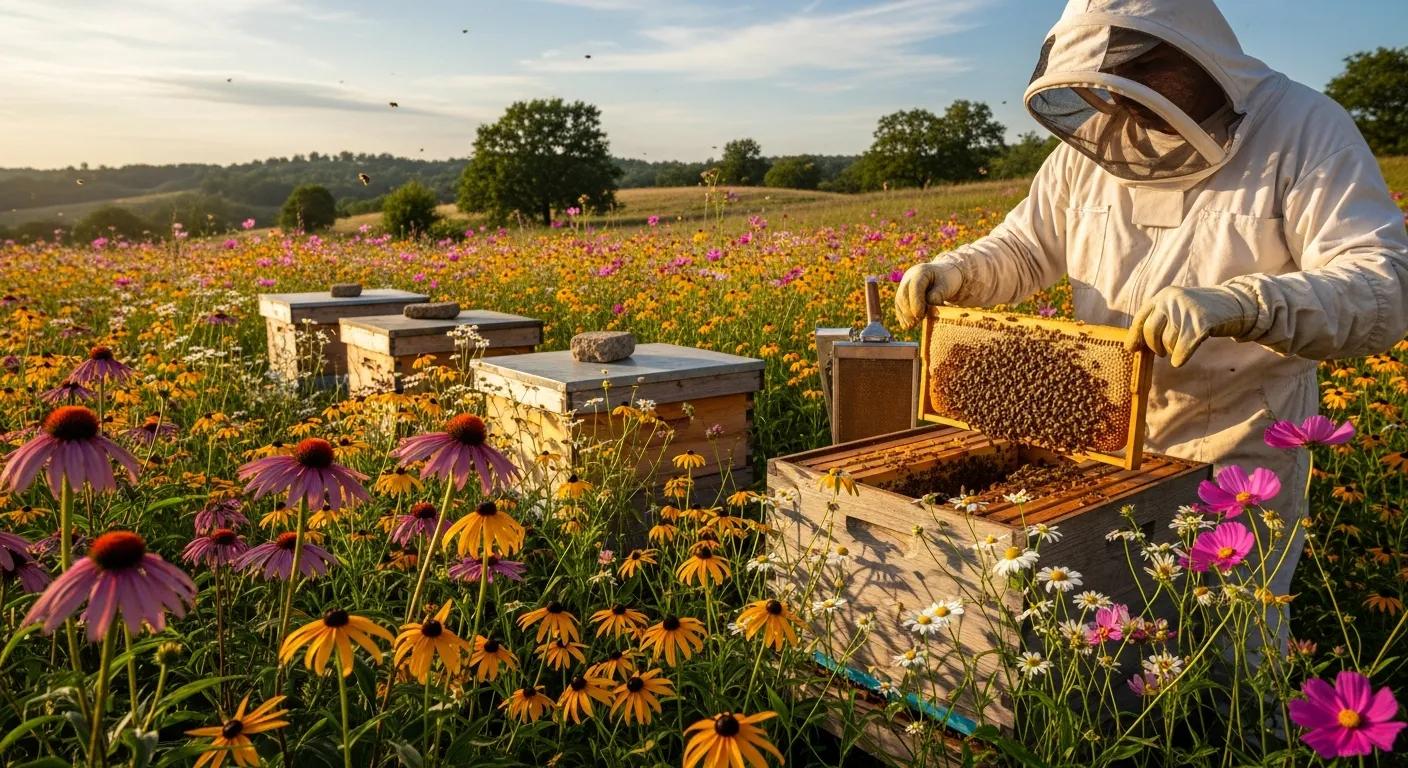
How honey is produced affects both its composition and the bees that make it. Sustainable beekeeping — promoting diverse forage, minimizing chemical exposure, and managing hives ethically — helps preserve enzymes and phytochemicals that contribute to honey’s medicinal qualities. When colonies access a variety of nectar sources, honey contains a broader mix of bioactive compounds and antioxidants. Reducing chemical treatments helps keep enzymes like glucose oxidase intact, which matters for honey’s peroxide-based antimicrobial action. Below we explain how stewardship links to honey quality and highlight Huckle Bee Farms’ approach.
How Does Sustainable Beekeeping Support Pollinator Health and Honey Quality?
Diverse forage gives bees better nutrition and produces honeys with richer phytochemical profiles — more antioxidants and plant-derived compounds that can support topical benefits. Ethical hive care and less reliance on harsh chemicals protect bee health and ensure beneficial enzymes aren’t degraded before harvest. Strong pollinator populations also boost local biodiversity and crop pollination, creating a virtuous cycle where good stewardship improves product consistency and ecosystem resilience. These connections are practical things consumers should consider when choosing honey for wound-supportive uses.
| Sustainable Practice | How It Protects Pollinators | Effect on Honey Quality |
|---|---|---|
| Diverse forage planting | Gives colonies varied nutrition | Adds phytochemical variety to honey |
| Reduced chemical treatments | Limits toxin exposure for bees | Helps preserve enzyme activity and natural compounds |
| Ethical hive management | Builds colony resilience | Produces more consistent, higher-quality harvests |
This table shows how practical stewardship choices translate into benefits for pollinators and the medicinal qualities of honey, and it leads into how producers implement those practices.
What Role Does Huckle Bee Farms Play in Promoting Environmental Sustainability?
Huckle Bee Farms LLC centers sustainable beekeeping and pollinator education in our work. We prioritize transparent sourcing, small-batch production, and habitat-friendly practices that benefit bees and local ecosystems while protecting honey quality. If ethical sourcing and traceability matter to you, our approach is designed to align with best practices for honey that’s suitable for both culinary and topical uses. That connection between stewardship and product quality is something we care about and share with our customers.
What Do Customers Say About Using Organic Honey for Natural First Aid?
Customers often report that organic or raw honey soothes minor burns and scrapes, eases irritation, and seems to support quicker superficial healing when applied correctly and watched carefully. Many note symptom relief within 24–48 hours, easier scab formation, and fewer dressing changes. While these are personal experiences rather than clinical proof, they provide useful, real-world insight into what people commonly notice when they use honey for small injuries. Below we summarize typical user stories and offer guidance on reading testimonials responsibly.
Which User Experiences Highlight Honey’s Effectiveness on Minor Burns and Scrapes?
Common user accounts describe immediate soothing, reduced redness in a day or two, and gradual re-epithelialization over about a week for very superficial damage. People often emphasize that keeping dressings clean and changing them daily helped outcomes, and that honey worked best alongside standard wound hygiene practices. These recurring themes suggest practical benefits for appropriate injuries, while reminding us that results vary with wound size, honey type, and care routine.
Typical reported outcomes include:
- Soothe and calm: Less stinging and quick comfort after application.
- Improved moisture balance: Reduced cracking and better comfort under dressings.
- Shorter dressing cycles: Some users need fewer dressing changes thanks to a stable wound environment.
These user-focused observations set realistic expectations while underscoring the need to seek professional care if a wound worsens.
How Do Testimonials Support Honey’s Role as a Natural Burn Remedy?
Anecdotes can show what people typically experience with honey for small wounds, but they aren’t a substitute for clinical advice. Use testimonials to understand timelines, common practices, and potential benefits, but rely on healthcare guidance for diagnosis and treatment decisions. Look for consistent patterns in reports — soothing, modest improvement, attention to hygiene — and remember that serious or infected wounds require professional evaluation.
Responsible use of testimonial data means combining user experience with scientific evidence and clear rules for when to escalate care.
How Does Honey Compare to Other Natural First Aid Remedies for Minor Burns?
Compared with other home remedies — like aloe vera, coconut oil, or cool water compresses — honey stands out because it brings antimicrobial activity, osmotic action, and moisture balance all at once. Aloe vera soothes and cools, and oils provide occlusion and hydration, but they don’t offer the same mix of antimicrobial mechanisms. Honey is especially useful when a small superficial burn needs both infection control and sustained moisture. The sections that follow outline these advantages and explain when honey is the better choice versus other options.
What Are the Advantages of Honey Over Alternative Natural Burn Treatments?
Honey’s strengths are its multi-part antimicrobial profile, its ability to maintain a moist healing environment, and its viscous, protective nature. Unlike simple cooling or emollients, honey actively reduces microbial load through osmotic and enzymatic effects while minimizing drying that can happen with some antiseptics. For small superficial burns that benefit from both microbial management and moisture, honey can be a distinctively useful choice.
Key comparative advantages:
- Antimicrobial breadth: Peroxide and non-peroxide factors limit microbes.
- Moisture management: Keeps an environment that supports epithelial migration.
- Protective viscosity: Forms a gentle barrier without harsh chemicals.
These points help you weigh honey against other natural treatments based on the injury and your goals.
When Should You Choose Honey Versus Conventional First Aid Options?
Use honey for small, clean, superficial burns and minor abrasions that aren’t deep and don’t have large blisters or significant tissue loss. Seek medical care for burns that are deep, larger than about 3 inches (7.5 cm), involve the face or major joints, show infection signs (spreading redness, pus, increasing pain, fever), or affect vulnerable people such as very young children or those with poor circulation. Honey can complement basic first aid — cooling with water and gentle cleaning — but should never replace urgent evaluation for high-risk wounds. Clear escalation rules keep home treatment safe and effective.
| Remedy | How it works | Advantages / Limitations |
|---|---|---|
| Honey | Enzymatic peroxide + osmolarity + antioxidants | Broad antimicrobial action and moisture balance; best for small superficial wounds |
| Aloe vera | Polysaccharide-mediated soothing and cooling | Good for symptom relief; limited antimicrobial activity |
| Coconut oil | Occlusive hydration and mild antimicrobial fatty acids | Provides moisture but lacks strong antimicrobial breadth |
| Conventional antiseptics | Chemical antimicrobial agents | Strong pathogen reduction when used properly; may dry tissue or irritate sensitive skin |
This side-by-side view clarifies when honey is an appropriate natural option and when other remedies or professional care are preferable.
Frequently Asked Questions
Can honey be used for all types of burns and scrapes?
Honey is best for small, superficial burns and minor scrapes — think first-degree burns or very shallow second-degree wounds without deep tissue damage. Avoid using honey on deep, extensive, heavily contaminated, or surgically repaired wounds; those should see a medical professional. When in doubt, check with a healthcare provider before applying honey.
How should honey be stored for optimal use in first aid?
Store honey in a cool, dry place away from direct sunlight in a tightly sealed container to prevent moisture and contamination. Avoid refrigeration — it can change texture and isn’t necessary. Proper storage helps preserve enzymes and keeps honey ready for topical or culinary use.
Are there any side effects associated with using honey on wounds?
Topical honey is usually safe, but people who are allergic to bee products may react and should avoid it. Anyone with diabetes should consult a clinician before using honey on a wound. Stop use and seek medical advice if you see increased redness, swelling, heat, pus, or unusual pain. A small patch test can help check for sensitivity before wider application.
What types of honey are best for wound care?
Raw honey is often recommended because it retains enzyme activity and natural antibacterial compounds. Medical-grade manuka honey is well known for its consistent antibacterial profile and is used in clinical settings. For topical use, choose minimally processed, additive-free products; herbal-infused honeys can add soothing properties when made from a raw base.
How does honey compare to commercial wound care products?
Honey is a natural alternative that provides antimicrobial action, moisture retention, and soothing effects. Some commercial antiseptics offer stronger immediate pathogen reduction but can dry or irritate tissue. Honey can be effective for minor wounds but may not replace conventional treatments for severe infections or deep injuries. Match the remedy to the wound and follow medical advice when needed.
Can honey be used in conjunction with other treatments?
Yes — honey can be part of a simple first-aid routine alongside cooling with water and sterile dressings. Apply the honey first, then cover with a clean dressing. Make sure other treatments don’t interfere with honey’s properties, and monitor the wound closely. Consult a healthcare provider if you plan to combine treatments for more serious injuries.
Conclusion
When used properly, honey offers a natural, effective option for caring for minor burns and scrapes — combining antibacterial action, moisture support, and gentle soothing. It’s best for small, superficial injuries and should be paired with good wound hygiene and sensible escalation to medical care when needed. If you’re looking for high-quality raw or infused honeys, Huckle Bee Farms focuses on sustainable practices and transparent sourcing to preserve the qualities that matter in topical use. Choose the right honey, follow safe application steps, and keep an eye on healing — nature can help, when used responsibly.
About the Author - Jim Douglas, Founder of Huckle Bee Farms
Jim founded Huckle Bee Farms as a family business focused on small‑batch raw and infused honeys. He’s a beekeeper who loves cooking, simple recipes and time outdoors. Jim cares deeply about bees and native plants, and he pours that passion into every jar. When he isn’t tending hives, he shares recipes, bee tips and easy ways to make life a little sweeter — naturally.


