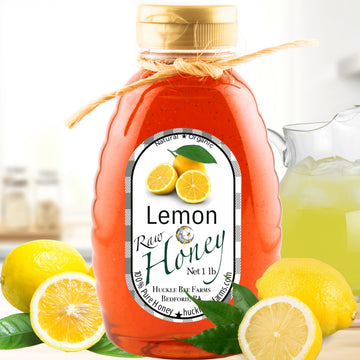
Energize Your Day with Lemon Honey Water Benefits
Unlocking the Amazing Benefits of Lemon Honey Water for Health and Wellness
Lemon honey water is a simple daily wellness drink made with warm water, fresh lemon, and raw honey that supports digestion, hydration, immunity, metabolism, and glowing skin. This easy morning ritual helps gently detox the body, boost natural energy, and promote overall health — making it one of the most effective habits for healthy living.
🍋 The Lemon-Honey Booster Summary
The Ultimate Morning Reset: Transform your morning with a single ritual. Huckle Bee Farms’ Lemon Infused Honey isn't just a sweetener; it’s a biological "power-up" for your body.
Immune Defense: Pure Vitamin C and raw enzymes fortify your natural shield.
Digestive Spark: Naturally triggers the liver to flush toxins and ease bloating.
Clean Energy: Jitter-free glycogen provides immediate brain and muscle fuel.
Skin Glow: Hydration plus antioxidants help clear skin from the inside out.
Table of contents

Lemon honey water is an easy, feel-good drink made by stirring a small spoonful of lemon-infused honey into warm or room-temperature water. It’s more than a tasty swap for plain water — when used sensibly it can support hydration, digestion, skin health, mild cough relief, and a little immune help. This guide walks through what the drink is, how lemon (vitamin C), honey (antioxidants and mild prebiotics), and water work together, and what the science actually supports. If you’re a dog owner, there’s also clear guidance on whether and how a tiny amount can be used safely for adult dogs. You’ll find recipe steps using our artisanal lemon honey, practical safety notes, and why pollinator health matters for honey quality. Short lists, easy tables, and step-by-step instructions make this guide useful for everyday routines — whether you want clearer skin, gentler digestion, calmer coughs, or just a more enjoyable way to drink water.
The Huckle Bee Farms "Protocol"
To get the most out of your morning ritual, the farm suggests these specific steps:
Temperature Matters: Boil your water, but let it cool until it is warm to the touch before adding the honey. Water that is too hot can destroy the delicate bee enzymes that make raw honey beneficial.
The Mix: Stir in one tablespoon of Lemon Infused Honey until dissolved.
Timing: Drink immediately on an empty stomach to prime your digestive system for the day.
No Reheating: Never microwave or reheat the mixture, as heating honey past a certain point creates a "half-digested" state that loses its therapeutic value.
Why Lemon Infused Honey?
While you can use fresh lemons, Huckle Bee Farms promotes their Lemon Infused Honey because the lemon oils and essences are bonded with the honey over time. This creates a balanced, zesty flavor profile that is less acidic than straight lemon juice—making it gentler on stomach lining for those prone to acidity.
Key Benefits You Can Expect from Daily Lemon Honey Water
Lemon honey water blends vitamin C and citric acid from the lemon element with honey’s antioxidants and mild prebiotics, all in a hydrating base. Put simply: vitamin C supports immune cells, antioxidants fight oxidative stress, honey soothes throats, and warm water helps digestion and hydration. A modest, daily cup is an easy habit that can increase fluid intake while adding a few helpful micronutrients and bioactive compounds that support skin and digestive wellness. Here’s a quick list of the main benefits to help you decide how it fits your routine.
Lemon honey water can offer several practical benefits when paired with a balanced diet:
- Immune Support: Vitamin C from the lemon component helps white blood cell function and antioxidant defenses.
- Digestive Aid: Citric acid and warm water stimulate digestive secretions and can ease bowel transit.
- Skin Health: Vitamin C supports collagen production; hydration and honey’s antioxidants help protect skin.
- Cough & Throat Relief: Honey coats and soothes irritated throat tissue, which can reduce cough discomfort.
- Hydration & Mild Energy: A pleasant taste encourages drinking, and honey supplies quick glucose for short-term energy.
These effects work together — better hydration supports digestion and skin, while vitamin C and antioxidants back up immune resilience. The section below explains how the lemon and honey components combine to support immunity.
The lemon element (from infused honey), honey itself, and water each bring distinct nutrients and actions that create the drink’s combined benefits.
| Component | Key Nutrients / Mechanisms | Primary Benefit |
|---|---|---|
| Lemon Element (from infused honey) | Vitamin C, citric acid | Immune support, collagen building, stimulates digestive enzymes |
| Honey | Antioxidants, enzymes, mild prebiotic sugars | Local antimicrobial action, soothes throat, supports gut microbes in moderation |
| Water | Hydration; temperature effects | Maintains fluid balance, aids digestion, and helps nutrient transport |
Seeing each component side‑by‑side shows how this drink is more than a flavored water — small, regular servings can support daily wellness without replacing whole foods.
🍯 Honey Ritual Quiz
Your Path to Better Mornings
1. What is the first thing you reach for in the morning?
2. How would you describe your ideal flavor palette?
3. If your body could send you a text message, what would it say?
| Benefit | How it Works |
|---|---|
| Gut Health | Warm liquid triggers healthy digestion. |
| Metabolism | Natural glucose sparks cellular energy. |
| Immunity | Lemon antioxidants support defense. |

How Lemon Honey Water Supports Immunity
Lemon honey water supports immunity mainly through vitamin C and antioxidant compounds. Vitamin C helps white blood cells work efficiently and protects mucosal barriers (your first line of defense). Honey contributes antioxidants that neutralize free radicals and may have mild antimicrobial actions. Clinical and observational work links dietary vitamin C with shorter colds and shows honey can ease cough symptoms, so together they can offer practical symptomatic support. For best results, pair a modest daily serving with a varied diet rich in fruits and vegetables to keep micronutrients balanced.
These immune-supporting actions make lemon honey water a helpful companion to seasonal wellness habits, but it should be used alongside vaccination and medical care when appropriate. Next, we’ll look at digestion and gut health.

Pro Tip: Use warm (not hot) water to preserve the natural enzymes in raw honey and maximize the digestive and immune-support benefits.

How Lemon Honey Water Helps Digestion and Gut Health
Citric acid in the lemon element can stimulate saliva and gastric juices, while warm water relaxes the digestive tract and eases transit — a simple way to help constipation or sluggish digestion. Honey contains small oligosaccharides and sugars that can act as mild prebiotics, feeding helpful gut bacteria when used in moderation. If you have ongoing digestive problems, see a clinician — lemon honey water is a supportive habit, not a medical treatment.
Better digestion improves nutrient absorption and energy, which links naturally to skin health and overall vitality discussed next.

Can Lemon Honey Water Improve Skin Health?
Lemon honey water supports skin through vitamin C’s role in collagen production and honey’s antioxidant and anti-inflammatory compounds that help protect skin from oxidative damage. Staying hydrated keeps skin plump and elastic, while antioxidants can reduce inflammation that worsens acne or irritation. Regularly drinking this beverage helps supply the nutrients that support collagen synthesis, though topical treatments, sun protection, and a balanced diet play larger roles in targeted skin care. Use lemon honey water as part of a broader skin-friendly routine.
The same antioxidant support that helps skin also plays a role in soothing coughs, which we cover next.
Vitamin C and Skin Health: Collagen and Aging
1. Vitamin C helps the skin make collagen — mainly types I and III — which decline with age. Researchers have worked on lipophilic versions of vitamin C (for example, a vitamin C–squalene derivative) to improve skin delivery. In ex vivo studies, that derivative increased epidermal thickness and favored collagen III production after short-term application, and it promoted glycosaminoglycan production more than some other forms.
2. L-ascorbic acid (vitamin C) supports collagen biosynthesis, can limit melanogenesis, reduce radiation-induced damage, and speed wound healing. Because oral delivery has limits for skin bioavailability, topical applications are often preferred in dermatology practice.
Vitamin C–squalene bioconjugate promotes epidermal thickening and collagen production in human skin, R Gref, 2020
Why Lemon Honey Water Soothes Coughs and Sore Throats
Honey is a well-known demulcent — it coats and calms throat tissue, lowering irritation and cough reflex sensitivity. The lemon element adds astringency that can help loosen mucus and provides a little vitamin C. Clinical studies show a spoonful of honey can reduce nighttime coughing and improve sleep in children over one year and in adults. Remember: honey is a comfort measure, not a replacement for medical care when coughs are severe, persistent, or accompanied by high fever or breathing trouble. Use small, conservative portions and check with a healthcare provider if symptoms worsen.
Because it soothes and hydrates, lemon honey water is a handy first-line comfort drink; next we’ll cover hydration and mild energy benefits.
How Lemon Honey Water Helps Hydration and Energy
A tasty glass encourages more drinking, and the natural sugars in honey supply quick, easily digested carbohydrates for mild energy without caffeine. Flavored waters often increase voluntary fluid intake — which supports plasma volume, focus, and skin hydration. Honey’s glucose can be useful before light activity, but watch portions to avoid too much simple sugar. A small warm cup in the morning or a modest serving before light exercise can support steady hydration and gentle energy.
These hydration and energy tips tie into recipe timing and preparation advice later on.

Is Lemon Honey Water Safe for Your Dog?
Small amounts of lemon honey water can offer gentle, short-term benefits to healthy adult dogs — mainly throat-soothing and minor digestive support — but safety matters. Dogs can make vitamin C on their own, so the lemon piece is mainly flavor. Never give honey to puppies under one year (botulism risk), and avoid raw honey for immunocompromised animals. Also skip honey for diabetic or overweight dogs because of sugar content. We recommend a conservative, vet-approved approach rather than routine supplementation.
Here’s a quick checklist to help dog owners decide whether to try lemon honey water safely.
- Only for adult dogs: Don’t give honey to puppies under one year because of botulism risk.
- Keep portions tiny: For a small dog, about 1 teaspoon lemon-infused honey in a cup of water; scale up only slightly for larger dogs and keep it occasional.
- Avoid with diabetes or obesity: Extra sugars can be harmful.
- Use simple, diluted mixes: No citrus oils or extra sweeteners that could be toxic.
This checklist underscores moderation and veterinary guidance. The table below summarizes safe-dosage notes for common canine situations.
| Canine Group | Attribute | Safe Dosage / Note |
|---|---|---|
| Adult, healthy dogs | Throat soothing | 1 tsp lemon-infused honey in 4–8 oz water, occasional use |
| Puppies (<1 year) | Contraindication | Avoid raw honey due to botulism risk |
| Diabetic/overweight dogs | Caution | Generally avoid due to sugar content |
| Immunocompromised dogs | Contraindication | Consult vet before any exposure to raw honey |
This table clarifies which dogs can get small amounts and which should avoid honey. The subsections below explain specific uses and safety in more detail.
Can Lemon Honey Water Help Dogs with Coughs or Kennel Cough?
For adult dogs with mild throat irritation, a tiny spoon of lemon-infused honey diluted in warm water can coat the throat and offer short-term relief. Honey’s thickness soothes mucosa and may reduce cough sensitivity. That said, kennel cough and other infectious respiratory conditions need veterinary assessment and specific treatment — honey should never replace prescribed antibiotics or veterinary care. Use honey only as a brief comfort measure and only with your vet’s okay.
Next we’ll look at digestion and allergy considerations for dogs.
Can Lemon Honey Water Help Digestion or Allergies in Dogs?
Small amounts of lemon-infused honey might act as a mild prebiotic for adult dogs, possibly easing light digestive upset in some cases. Anecdotal reports suggest trace local honey could help seasonal allergy symptoms, but evidence in dogs is limited and inconsistent. If you try it, start very small, watch closely, and stop if you see digestive upset or allergic signs. Always consult your veterinarian, especially for dogs with chronic GI or allergy issues.
Knowing these potential benefits helps guide safe use; the next section lists key precautions.
Safety Tips for Giving Lemon Honey Water to Dogs
Keep it simple: never give honey to puppies under one year, limit portions for adult dogs, avoid honey for diabetic or obese pets, and check with your vet before trying it on sick or immunocompromised animals. Use lemon-infused honey rather than straight citrus or essential oils, and always dilute well. Watch for GI upset or allergic reactions and stop if they occur. A vet’s advice ensures a home remedy won’t conflict with medical care.
With safety in mind, the next tables and instructions cover ingredient roles and practical preparation.
| Ingredient | Role | Quantity / Variant |
|---|---|---|
| Lemon-infused Honey | Soothes, provides mild prebiotics and lemon flavor | 1 tsp per 4–8 oz water for small adult dogs; consult vet |
| Water | Dilution base | Warm or room temperature to aid soothing |
How We Recommend Making Lemon Honey Water with Huckle Bee Farms Products
Making a great cup is simple: keep the water warm rather than boiling to protect honey enzymes, use a lemon‑infused honey for both sweetness and that citrus note, and choose a high‑quality raw or lightly processed honey for better flavor and functional compounds. Heating honey too hot can degrade enzymes and some antioxidants, so stir honey in after the water cools slightly. If you want an artisanal touch, try our Lemon Honey or the Green Tea with Lemon & Honey tea bag. Below are clear ingredient notes and step‑by‑step instructions for home use.
Here’s a straightforward single‑serving ingredient list that works well.
- Water: 8–12 oz, warm (not boiling).
- Lemon‑infused Honey: 1 tsp to 1 tbsp, depending on taste and calorie goals.
Specialty honeys add depth. Huckle Bee Farms’ Lemon Honey brightens the drink, while our Green Tea with Lemon & Honey tea bag adds an antioxidant lift. These are optional, flavor-forward choices that build on the basic preparation below.
Follow these simple steps to preserve honey’s beneficial qualities and get consistent flavor.
- Heat water to warm (about 120–130°F / warm to the touch) and pour into your cup.
- Add lemon-infused honey after the water cools slightly so enzymes and volatile antioxidants remain intact; stir until combined.
- Taste and adjust — enjoy warm for soothing comfort, at room temperature, or chilled over ice.
These steps help protect active compounds and keep flavor balanced. The table below maps ingredients to their roles and typical quantities for easy reference.
| Ingredient | Role | Quantity / Variant |
|---|---|---|
| Water | Solvent and hydration | 8–12 oz, warm or room temperature |
| Lemon Honey (artisanal) | Sweetener, lemon flavor, vitamin C contribution | 1 tsp–1 tbsp; Huckle Bee Farms Lemon Honey recommended |
| Green Tea with Lemon and Honey tea bag | Optional antioxidant boost | 1 bag steeped 2–3 minutes (optional) |
Classic Lemon Honey Water: What You Need
The classic version uses just water and lemon‑infused honey. Water hydrates, and the infused honey brings sweetness, antioxidants, and a touch of citric acid to stimulate digestion. Pick a raw or lightly processed lemon honey if you want more enzymes and a fuller flavor. Optional add-ins like a green tea bag or a slice of ginger can boost antioxidants or digestive support without overcomplicating the base recipe.
Keeping ingredients minimal makes the drink easy to customize for taste or purpose. Next are the step‑by‑step preparation notes.
Step‑by‑Step Preparation
Temperature and timing matter: warm (not boiling) water protects honey’s bioactive compounds. Heat water to a pleasantly hot temperature, let it cool slightly, then stir in lemon‑infused honey so enzymes remain intact. Taste and adjust the honey to your liking. Serve warm for comfort or chilled for a refreshing sip. Measuring spoons help keep portions consistent as you fine‑tune your balance.
These steps focus on preserving flavor and potential functional benefits. Below are creative variations to try.
Best Time to Drink Lemon Honey Water
- Morning (best choice): Drink on an empty stomach to support digestion, hydration, and gentle detoxification
Before meals: Helps prepare the digestive system and reduce bloating
Avoid late at night: The natural sugars in honey may provide a mild energy boost
Flavor Variations Using Infused Lemon Honey and Tea Bags
Try a green tea bag for extra catechins and antioxidants, or add fresh ginger for digestion and mild anti‑inflammatory support. Our infused Lemon Honey concentrates citrus flavor, so you may need less honey to get the sweetness you want. Calm down evenings with chamomile plus a drizzle of lemon honey, or start the day with green tea and 1 tsp of infused Lemon Honey for an antioxidant lift.
These small tweaks let you tailor the drink for relaxation, digestion, or antioxidant support. Next, timing tips help you get the most from each serving.
Learn More about Lemon Honey


Best Times to Drink Lemon Honey Water
Timing changes the effect: a warm cup in the morning jumpstarts digestion and helps rehydrate after sleep. A small serving before meals can help curb appetite and aid digestion. Evening drinks are soothing for many, though those prone to reflux or sensitive to sugar should limit larger servings before bed. For cough relief, a warm cup at night can ease throat irritation and improve sleep. Listen to your body and adjust timing to your goals.
These timing suggestions lead into a review of the evidence supporting the drink’s claims.

What Does the Science Say About Lemon Honey Water?
The science is component‑based: honey has the strongest clinical support for cough relief, and vitamin C’s role in immune function and collagen formation is well documented. Claims around “detox” or dramatic weight loss are not strongly supported. The clearest, mechanism‑based evidence applies to symptom relief (like cough) and vitamin C’s biochemical roles; broader detox claims need careful context. Below we summarize representative findings so you know what to expect.
Evidence for Honey’s Role in Cough Relief and Immunity
Randomized trials and pediatric studies show that a single dose of honey can reduce nighttime cough frequency and improve sleep in children older than one year; lab studies also document honey’s antimicrobial and antioxidant components. While honey’s effect on systemic immunity needs more research, its local soothing action and antioxidant content make it a reasonable symptomatic option. Study results vary by honey type and population, so apply clinical judgment.
These findings support symptomatic home use but do not replace medical care for serious infections.
Vitamin C from the Lemon Element: Immune and Skin Benefits
Vitamin C is a cofactor in collagen synthesis and an antioxidant that protects immune cells from oxidative stress. It helps enzymes that stabilize collagen and supports innate immune functions such as phagocytes. A modest contribution from the lemon element can be useful, but whole‑diet vitamin C intake from fruits and vegetables remains the primary source for nutritional needs. Lemon honey water is a supportive, not curative, beverage.
Next we address common detox and weight‑loss claims.
Does Lemon Honey Water Detox or Help with Weight Loss?
Scientific evidence does not support the idea that lemon honey water directly “detoxes” the body beyond normal liver and kidney function. That said, swapping sugary drinks for lemon honey water, improving hydration, and supporting digestion can indirectly help weight management as part of an overall healthy lifestyle. Real, lasting weight change depends on calorie balance, activity, and broad dietary patterns rather than any single drink.
This realistic view helps you use the drink sensibly and moves us into how pollinator health affects honey quality.
Why Pollinator Health Matters for Lemon Honey Water
Pollinator health shapes which flowers bees visit, and that floral mix influences honey’s flavor, antioxidant range, and mineral content — all of which affect the sensory and functional qualities of lemon honey water. Diverse, healthy pollinator populations let bees collect varied nectars, producing honey with richer phytonutrient profiles. Choosing brands that support pollinators often aligns with small‑batch, higher‑quality honeys. Below we explain the ecological link and how our mission ties into product quality.
Simply put: more diverse nectar sources create more interesting, nutrient‑rich honey.
How Pollinator Diversity Improves Honey Quality
Pollinator abundance and floral diversity determine the range of nectars available to bees; that diversity shapes honey’s antioxidant fingerprint and mineral makeup. Healthy pollinator habitats support steady honey production across seasons and reduce reliance on single‑crop nectars that can dilute flavor and phytonutrient variety. Consumers after nutrient‑dense, flavorful honey benefit from brands that care for pollinators because those practices support resilience and product quality. Supporting pollinators is both good for the planet and for what’s in your jar.
Next, we connect that ecological view to our brand practices.
How Huckle Bee Farms Puts This Into Practice
At Huckle Bee Farms we focus on small‑batch craftsmanship, pure honey, and natural infusions — practices that pair naturally with pollinator stewardship. Our Lemon Honey and Green Tea with Lemon & Honey tea bags reflect careful sourcing and flavor development that bring out the best in a lemon honey water recipe. These product options are designed to complement the simple preparation methods outlined earlier while supporting pollinator health and transparent sourcing.
That brand context helps tie ecological stewardship to the practical recipe tips above.

Common Questions About Lemon Honey Water
Below are short, practical answers to the questions we hear most. Each response favors moderation, safety, and realistic expectations — quick references you can use day to day.
What If I Drink Lemon Honey Water Every Day?
A modest daily cup can help with hydration, deliver small amounts of vitamin C, and offer antioxidant support from honey — benefits that can help skin and digestion over time. Risks are low for healthy adults if portions remain moderate, but watch cumulative sugar and calories if you add honey every day. People with diabetes, reflux, or citrus sensitivity should customize or avoid daily use based on medical advice. Moderation and context matter.
Is It Safe for Everyone — Including Kids and Pets?
Never give honey to infants under one year (botulism risk). Puppies and immunocompromised pets should also avoid raw honey. Children over one year can sometimes use small honey doses for cough relief under pediatric guidance. Adults and healthy adult dogs can often tolerate tiny, diluted amounts, but always check with a veterinarian before giving any home remedy to pets. People with diabetes should monitor carbs and consult their clinician before making honey a daily habit.
Can Lemon Honey Water Aid Weight Loss or Detox?
Not directly. Lemon honey water doesn’t “detox” the body in a clinical sense, but switching from sugary drinks and improving hydration can support weight management as part of a wider healthy plan. Expect modest, indirect benefits rather than dramatic results from the drink alone.
How Should I Store and Consume Lemon Honey Water?
Make it fresh when possible to preserve vitamin C and enzymes; refrigerate leftovers and use within 24–48 hours. Keep honey at room temperature in a sealed jar away from heat to protect texture and enzymes. Don’t heat honey above warm temperatures if you want to preserve bioactive compounds. Choose small‑batch or raw lemon‑infused honeys when you want stronger flavor or potential functional compounds.
Simple storage habits keep quality high and make daily use easy. As a friendly note, our Lemon Honey and Green Tea with Lemon & Honey tea options offer artisanal choices that pair nicely with the recipes and timing ideas above.
Frequently Asked Questions
Can lemon honey water help with hydration during exercise?
Yes — it can be a practical hydration option. The water rehydrates, honey supplies quick energy from natural sugars, and the lemon component adds flavor and trace electrolytes. Use it before or after light exercise to support hydration and gentle energy recovery without the added sugars of many sports drinks.
Is there a best time of day to drink lemon honey water?
Morning is popular — a warm cup helps wake digestion after sleep. Before meals can curb appetite and support digestion; evenings can soothe the throat and relax you, particularly with a cough. Listen to your body and pick times that match your goals and tolerance.
Can lemon honey water help with allergies?
Not as a cure. Some people use local honey anecdotally for seasonal allergy support, and vitamin C may help immune resilience, but evidence is mixed. Consult a healthcare provider for persistent allergy symptoms — lemon honey water is a gentle, supportive measure at best.
How does it compare to other detox drinks?
Unlike many elaborate “detox” mixes, lemon honey water is simple and focused on hydration and digestion support. It won’t perform miracles, but it’s an accessible, lower‑calorie choice that can be part of healthier beverage swaps and better hydration habits.
What are potential side effects?
Most people tolerate it fine in moderation. Watch total sugar intake if you have diabetes or are calorie‑tracking. Some people may experience reflux or stomach upset from citrus acidity. Start small and adjust if you notice discomfort.
Is it good for skin health?
Yes, as part of an overall routine. Vitamin C supports collagen production and honey brings antioxidants and mild antibacterial properties. Drinking lemon honey water helps from the inside, but combine it with sunscreen, topical care, and a balanced diet for the best results.
Is it safe for children?
Yes for children older than one year, with caution. Never give honey to infants under one year because of botulism risk. For older kids, small portions can soothe coughs under pediatric guidance. Check with a pediatrician if the child has underlying conditions or allergies.
Conclusion
Lemon honey water is a simple, enjoyable habit that can support hydration, digestion, and mild immune and skin benefits through vitamin C and antioxidants. It’s not a cure‑all, but as a daily ritual it makes drinking water more pleasant and can complement a healthy lifestyle. If you want an artisanal option, try Huckle Bee Farms’ lemon‑infused honey. Pour a cup, enjoy, and see how a small change can make your day a little sweeter — naturally.

Author - Jim Douglas - Founder Huckle Bee Farms
For Jim Douglas, beekeeping is more than a craft—it’s a commitment to purity and the environment. After an honorable career in the U.S. Army and a tenure as a COO for the Boy Scouts of America, Jim sought a way to combine his leadership experience with his love for the outdoors.
In 2012, he founded Huckle Bee Farms with a simple mission: to take honey back to its raw, unadulterated roots. Jim’s expertise lies in the delicate balance of infusing raw honey with organic ingredients without compromising its natural medicinal properties. His "small-batch" philosophy ensures that every jar meets the highest standards of quality and transparency. Today, Jim continues to lead Huckle Bee Farms with the same integrity he practiced in uniform, ensuring that every drop of honey supports both the health of the consumer and the survival of the honeybee.
His mission is simple: to make life a little sweeter—naturally.
Essential Medical References Supporting Lemon Honey Water Benefits
Below are the main lines of evidence that support the health benefits discussed in this guide, summarized for quick reference.
- Randomized trials on honey for cough relief: Several studies show honey can reduce nighttime cough frequency in children older than one year and improve sleep.
- Vitamin C and immune function research: A body of work documents vitamin C’s role in immune cell function and in shortening the duration of common colds.
- Antioxidant properties of honey: Analyses demonstrate honey contains antioxidants that help counter oxidative stress and support overall health.
- Clinical evidence of honey’s demulcent effects: Clinical studies confirm honey coats and soothes throat tissue, easing irritation and cough.
- Digestive studies on citric acid: Research supports citric acid’s role in stimulating digestive secretions and aiding bowel transit for some people.
- Hydration and energy studies: Behavioral studies show flavored water increases fluid intake, and honey provides quick carbohydrates for short-term energy needs.
Key Takeaways on Lemon Honey Water
Here’s a quick summary of the most useful points to remember when adding lemon honey water to your routine.
- Immune Support: A modest cup provides vitamin C that supports white blood cell function and antioxidant defenses.
- Digestive Aid: Citric acid and warm water can stimulate digestion and ease bowel transit.
- Skin Health: Vitamin C and honey’s antioxidants support collagen production and protect skin health when combined with a balanced diet.
- Cough Relief: Honey soothes throat tissue and can reduce cough severity — a validated home remedy for mild symptoms.
- Hydration & Energy: A pleasant flavor encourages drinking and honey supplies quick fuel for short-term needs.
- Safe for Dogs (with Caution): Tiny, diluted amounts may soothe adult dogs; avoid for puppies and for pets with health issues without veterinary approval.