


Why Pollinators Matter: How They Protect Our Ecosystems
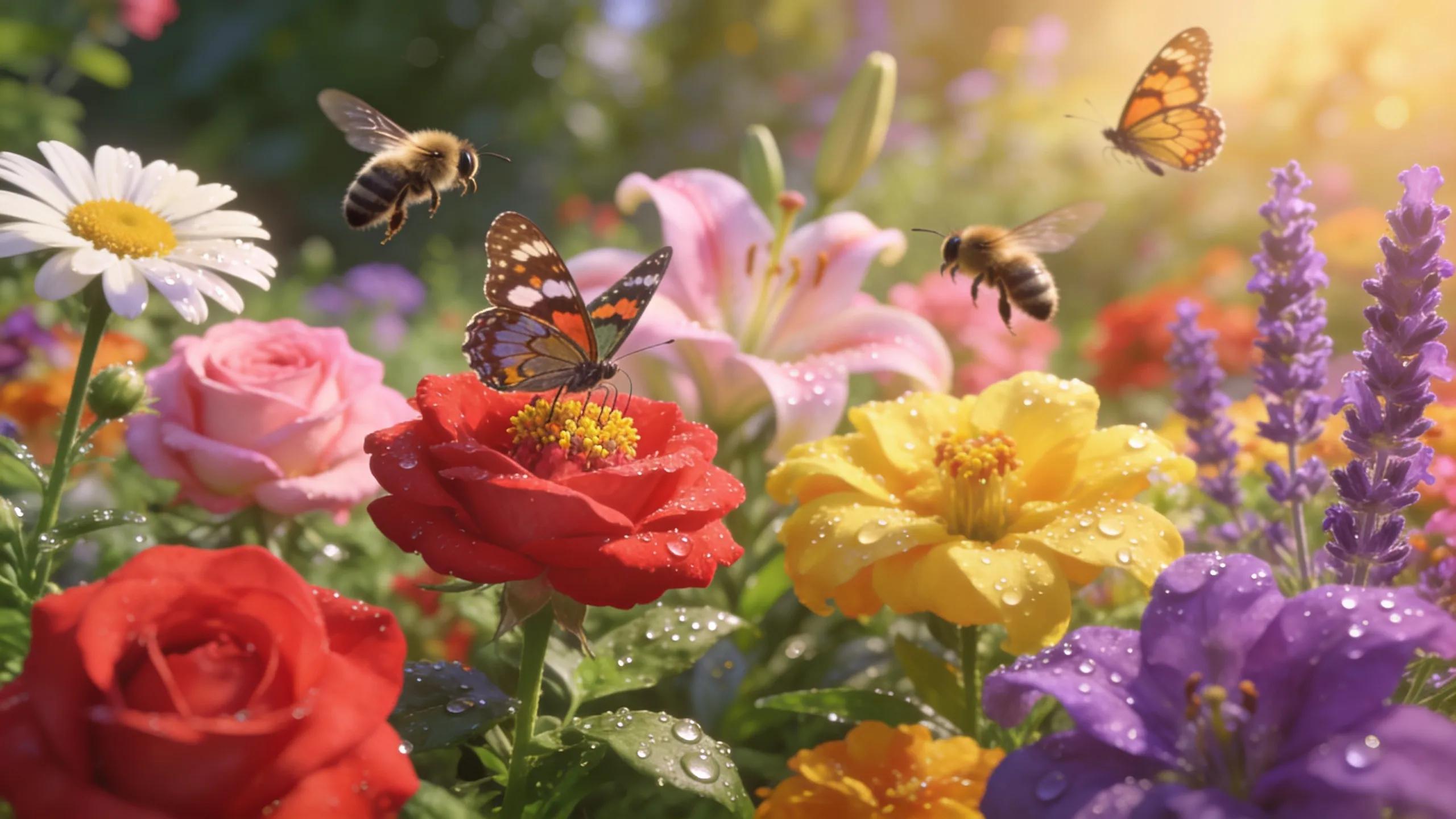
Pollinators—animals that move pollen from flower to flower—make plant reproduction possible and keep energy flowing through ecosystems. This article walks through how pollination works, why pollinators matter beyond honey, and how declines in native pollinators threaten food supply and biodiversity. You’ll meet the key species, learn the ecosystem services pollinators provide, see the main threats they face, and find practical steps farmers and consumers can take to help. We also cover sustainable farm strategies that boost pollinator habitat and share a short farm-level case study on supporting bees. By the end you’ll have clear, doable actions for habitat restoration, tips for choosing pollinator-friendly products, and a deeper sense of why native pollinators are essential for resilient landscapes.
What Are Pollinators and Which Species Play Key Roles?
Pollinators are animal carriers—often insects or birds—that move pollen from the male parts of a flower to the female parts, enabling fertilization and seed production. That simple biological process underpins fruit and seed production in both wild and farmed plants, and it supports food webs and ecosystem health. Knowing the main pollinator groups helps target conservation where it will do the most good. Below we list the primary groups and the species that do most of the pollination work in many places.
The main pollinator groups include:
- Bees: both social and solitary bees are highly efficient pollen carriers and visit a wide range of crops and native plants.
- Butterflies and moths: these insects travel longer distances and favor tubular or brightly colored flowers.
- Birds and bats: nectar-feeding vertebrates that pollinate larger flowers and serve important roles in particular ecosystems.
Which groups dominate varies by region and season. Learning your local species mix is the next step when designing habitat restoration or farm practices that support pollinators.
Which native pollinators support ecosystem health?

Native pollinators—those that evolved in a region—often have close, specialized ties to local plants, which can make pollination more efficient and improve genetic exchange. Native bees like mason bees and bumblebees are excellent at pollinating spring crops and wildflowers. Native butterflies such as monarchs and swallowtails move pollen over long distances and help reconnect fragmented habitats. In some climates, native birds and small bats perform similar services for plants adapted to vertebrate visitors. Protecting nesting sites, seasonal floral resources, and plant diversity helps these species thrive; matching their activity periods with bloom timing maximizes plant reproductive success and guides which plants to choose for restoration projects.
How do bees and butterflies contribute to pollination?
Bees actively gather pollen as a protein source and carry it on specialized hairs and pollen baskets, which makes them extremely effective pollinators for many crops and wild plants. Butterflies mainly seek nectar but pick up and move pollen on their bodies; their long proboscises reach deep, tubular flowers that many bees can’t access. On farms, bees often drive yield gains for fruits, nuts, and many vegetables, while butterflies help maintain gene flow across the landscape and support wildflower reproduction. Planning plantings and hedgerows to attract both groups improves overall pollination services.
Why Are Pollinators Essential for Agriculture and Ecosystem Services?
Pollinators provide services that translate directly into food production, genetic diversity, and ecosystem resilience. They pollinate crops that supply vitamins and minerals, help wild plant communities reproduce and form habitat structure, and maintain genetic exchange that allows plants to adapt to change. Putting numbers to pollinator contributions clarifies their economic and ecological value and helps prioritize conservation actions that protect both farm productivity and biodiversity.
The table below compares pollinator groups by the crops they pollinate, their seasonal activity, and their relative contribution to yields.
Below is a concise comparison of pollinator groups and their agricultural roles.
| Pollinator Group | Primary Attribute | Typical Contribution to Crops |
|---|---|---|
| Bees (social & solitary) | High-efficiency pollen transport | Major contributor to fruit and nut yields and many vegetable crops |
| Butterflies & moths | Long-distance foraging; floral specialization | Support wildflower reproduction and some specialty crops |
| Birds & bats | Nectar-feeding vertebrates | Essential for particular trees and tropical crops adapted to vertebrate pollinators |
Together, multiple pollinator groups sustain crop production and wild-plant reproduction. Conserving that diversity strengthens food-system resilience and biodiversity.
What ecosystem services do pollinators provide?
Pollinators deliver several linked services beyond moving pollen: they support genetic diversity through cross-pollination, help maintain plant community structure and ecosystem resilience, and offer cultural and educational benefits that connect people to nature. These services underpin food security by improving fruit set and seed production, which affects both yield and nutritional quality. Below is a short list of the core services and examples.
Pollinators provide these core services:
- Crop pollination: Boosts yields and fruit quality for many fruits, nuts, and vegetables.
- Genetic flow: Cross-pollination maintains genetic variation needed for plants to adapt.
- Habitat maintenance: Supports wild-plant reproduction that creates habitat for other wildlife.
These services justify investments in habitat restoration and sustainable farming that prioritize pollinator health, and they connect directly to the agricultural practices we describe next.
How do pollinators impact food production and biodiversity?
Animal pollination supports a large share of the world’s crop types—especially those that provide vitamins, minerals, and dietary diversity rather than just calories. For many fruits, nuts, and specialty crops, good pollination determines both marketable yield and product quality, affecting farmers’ income and consumer nutrition. In wild systems, pollinators drive seed set and plant recruitment, shaping plant communities and the habitats other animals use. Because pollination links production and biodiversity, declines in pollinators can lower yields and simplify ecosystems—so addressing the threats below is urgent.
What Are the Major Threats to Pollinator Populations Today?
Pollinator declines arise from several interacting threats: habitat loss and fragmentation reduce flowers and nesting sites; pesticides (especially systemic insecticides) cause direct and hidden harm; diseases and parasites spread more easily when pollinators are stressed; invasive species disrupt native interactions; and climate change shifts flowering times and ranges. Tackling these problems means combining smart policy with on-the-ground practices that lower stressors and restore habitat. The list below summarizes primary threats and how they harm pollinators.
Top threats to pollinators:
- Habitat loss and fragmentation: Fewer nesting sites and breaks in floral continuity.
- Pesticide exposure (including neonicotinoids): Lethal and sublethal effects that impair navigation, foraging, and reproduction.
- Diseases and parasites: Pathogens can spread faster among stressed or crowded populations.
- Invasive species: Compete with native pollinators and can introduce new diseases.
- Climate change: Shifts flowering times and pollinator activity, causing mismatches.
Knowing how these threats operate helps prioritize mitigation at farm and landscape scales, which we explore next.
The table below summarizes threats, mechanisms of harm, and observed impacts from recent research and monitoring through 2023–2025.
| Threat | Mechanism of Harm | Observed Impact (2023–2025) |
|---|---|---|
| Habitat loss | Loss of floral continuity and nesting sites | Declines in local pollinator abundance and species richness |
| Pesticides (systemic insecticides) | Acute toxicity and chronic behavioral disruption | Reduced foraging efficiency and colony reproduction |
| Disease & parasites | Increased pathogen transmission under stress | Higher colony mortality and species vulnerability |
| Invasive species | Competition and disease introduction | Displacement of native pollinators and altered community dynamics |
| Climate change | Phenological mismatches and range shifts | Reduced pollination success and altered species distributions |
This summary shows that multiple stressors combine to drive declines, and that integrated mitigation strategies can reduce cumulative impacts and support recovery.
How do pesticides and habitat loss affect pollinators?
Pesticides harm pollinators both through immediate lethal exposure and through sublethal effects that disrupt navigation, learning, immunity, and reproduction. Habitat loss removes the food and nesting resources needed for healthy populations. Recent studies show systemic insecticides can persist in nectar and pollen, exposing pollinators over time and amplifying subtle harms. Fragmented habitat forces pollinators to travel farther for food, raising energy costs and exposure. Practical mitigation examples include buffer strips, hedgerows, and targeted pesticide timing and placement to reduce exposure while keeping crops protected—measures farms can adopt to lower risk and support recovery.
What recent statistics highlight pollinator declines?
Monitoring and review reports from 2020–2023 document worrying trends in abundance and diversity across regions, with some surveys reporting double-digit declines in local wild bee populations and rising numbers of at-risk species. Results vary by region—agricultural intensification and urban expansion often correlate with declines in native pollinators. Interpreting headline figures requires context: local losses can compound to weaken ecosystem services even where managed pollinators seem stable. These trends underscore urgency: protecting pollinators now supports both short-term crop production and long-term biodiversity, and farm-level actions can help.
How Can Sustainable Farming Practices Protect Pollinators?
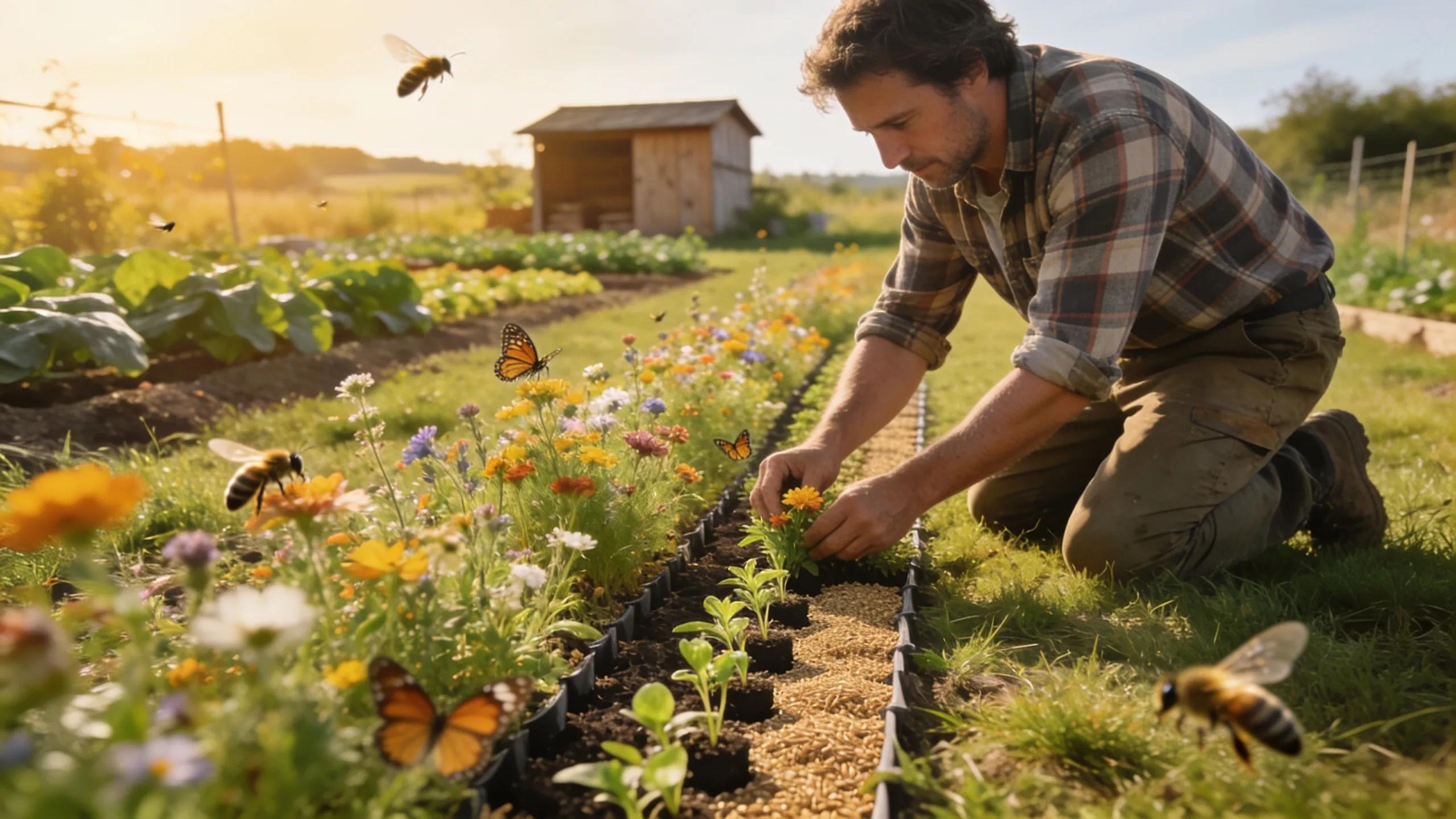
Sustainable farming boosts pollinators by adding floral resources, cutting chemical exposure, and restoring nesting habitat—actions that raise pollinator abundance and diversity on working land. Key practices include planting hedgerows and wildflower strips, using cover crops and diverse rotations, minimizing broad-spectrum pesticides through integrated pest management, and creating nesting substrates for ground- and cavity-nesting species. Farms that monitor pollinator visits and adapt management based on what they see tend to get better results over time.
The table below compares common sustainable practices, what they change on the farm, and the benefits to pollinators, with brief examples from on-farm approaches.
| Practice | What It Changes on the Farm | Benefit to Pollinators & Example |
|---|---|---|
| Wildflower strips/hedgerows | Add continuous floral resources and shelter | Increase foraging and nesting opportunities; example: seasonal wildflower margins |
| Reduced/targeted pesticide use | Lower pesticide residues in nectar and pollen | Reduce lethal and sublethal exposures; example: spot treatments and timing adjustments |
| Cover cropping/diversity | Extend bloom periods and improve soil health | Provide additional forage and nesting habitat; example: legume-rich cover crops |
Combining practices yields larger benefits than single actions. Monitoring and adaptive management further improve outcomes for pollinator communities.
What sustainable methods does Huckle Bee Farms use to support pollinators?
At Huckle Bee Farms LLC we use organic, chemical-free methods and design plantings to support native pollinators with seasonal flower diversity and nesting sites. Our on-farm actions include hedgerows and wildflower patches that provide continuous nectar and pollen, conserved undisturbed ground for ground-nesting bees, and low-intervention pest management that avoids broad-spectrum sprays. These practices increase pollinator visits and create habitat corridors that connect to surrounding natural areas. You can replicate many elements at home—plant native perennials, leave small bare-soil patches, and avoid synthetic pesticides to create pollinator-friendly microhabitats.
How does organic farming promote native pollinator conservation?
Organic farming helps pollinators by removing or greatly limiting synthetic pesticides that cause direct and sublethal harm, and by encouraging crop rotations, cover crops, and diverse plantings that lengthen bloom periods and improve soil health. Better soil and plant diversity create stable food and nesting resources that support multi-species pollinator communities across seasons. Compared with conventional monocultures with heavy pesticide use, organic systems generally sustain higher native pollinator richness and stronger ecosystem services. For farms switching practices, starting with habitat plantings and clear pest thresholds is a practical way to reduce risk while building pollinator-friendly systems.

What Actions Can Consumers Take to Help Protect Pollinators?
Consumers can help pollinators through purchases, gardening choices, and community action that reward pollinator-friendly producers and restore habitat. Buying products labeled pollinator-friendly, local, or organic sends a clear market signal that encourages farms to adopt sustainable practices. Planting native flowers and skipping pesticides in yards creates stepping-stone habitats in towns and suburbs. And supporting local conservation initiatives and policies amplifies individual actions. The list below offers clear, immediate steps consumers can take.
Five practical consumer actions:
- Buy pollinator-friendly and local products: Support farms that prioritize habitat and chemical-free methods.
- Plant native flowers: Create seasonal forage with native perennials and shrubs.
- Avoid pesticide use: Choose non-chemical controls and tolerate some insect activity.
- Provide nesting resources: Leave small bare-ground patches and install bee hotels where appropriate.
- Support local conservation: Volunteer time or donate to community habitat projects and native seed programs.
These steps produce real, on-the-ground benefits and create economic incentives for growers to adopt pollinator-supporting practices.
How can choosing pollinator-friendly products make a difference?
Buying pollinator-friendly products means choosing producers who use organic, habitat-supporting practices and who design farms to help pollinators. Consumer demand rewards farms that maintain hedgerows, wildflower strips, and no-spray policies, creating an economic incentive for wider adoption. For example, purchasing pollinator-friendly honey and conservation-focused products supports farms that invest in habitat and outreach, helping those models scale. Look for clear attributes—local origin, organic certification, and explicit pollinator commitments—when you shop.
What simple steps support pollinator habitat restoration at home?
Homeowners and renters can restore habitat with a few high-impact, low-cost steps. Plant a mix of native, seasonally staggered flowers to provide nectar and pollen across the growing season. Leave small areas of bare soil for ground-nesting bees and avoid heavy mulching there. Add shallow water sources and woody stems or bundles for cavity-nesting species, and minimize or eliminate pesticide use—use mechanical and cultural controls instead. Even balcony gardeners can help with container plantings of native flowering herbs and small shrubs. Working with neighbors to create stepping-stone habitats multiplies the benefit across the neighborhood.
Supportive implementation steps include:
- Select native species with overlapping bloom times to ensure continuous forage.
- Provide nesting microhabitats by leaving patches of bare soil and adding stem bundles.
- Avoid pesticides and embrace tolerant pest thresholds to reduce non-target harm.
These connected steps create immediate local benefits and build landscape connectivity when adopted by many households.
Huckle Bee Farms LLC is an e-commerce and information hub focused on pollinator-friendly honey and bee conservation products, and we promote organic, chemical-free farming and biodiversity preservation. Choosing pollinator-supportive products from responsible producers helps expand on-farm habitat and conservation outreach while reinforcing the practical steps above.
Frequently Asked Questions
What role do pollinators play in maintaining biodiversity?
Pollinators are central to biodiversity because they enable many flowering plants to reproduce, and those plants form food and habitat for other animals. When pollinators decline, plant diversity can fall too, which then reduces the wildlife that depends on those plants. Protecting pollinators helps keep whole ecosystems healthy and resilient.
How can urban areas support pollinator populations?
Urban areas can help by creating green spaces with native plants that bloom at different times of the year. Community gardens, parks, and green roofs can all be designed to be pollinator-friendly. Cutting pesticide use in city landscaping and encouraging neighbors to plant natives builds a network of habitats that support pollinators. Community habitat projects and neighborhood planting days multiply the effect.
What are the benefits of planting native flowers for pollinators?
Native flowers provide reliable nectar and pollen that local pollinators are adapted to use. They’re typically easier to maintain in local climates and soils and support a wider range of native pollinators, from bees to butterflies and other insects. Planting natives strengthens local ecosystems and helps maintain pollinator populations year after year.
How does climate change impact pollinator behavior?
Climate change shifts the timing of when plants flower and when pollinators are active. If plants bloom earlier or later than usual, pollinators may miss crucial food sources, which can hurt reproduction and survival. Changing weather patterns can also disrupt migration routes for some species, adding further stress to pollinator populations.
What are some signs of a healthy pollinator population?
Signs include a variety of pollinator species present, frequent foraging activity on flowers, and visible nesting behavior. Successful pollination—noticeable fruit and seed production—is another good indicator. Regular monitoring of these signs helps track the health of local pollinator communities.
How can schools and communities educate about pollinator conservation?
Schools and communities can teach pollinator conservation through hands-on programs like workshops, planting days, and nature walks. Adding pollinator topics to science lessons and organizing community garden projects helps people of all ages learn by doing. These activities build local stewardship and connect education to real conservation outcomes.
Conclusion
Pollinators are vital to both our food systems and natural landscapes. By adopting sustainable practices, choosing pollinator-friendly products, and taking small actions at home, we can make a meaningful difference. Every native flower planted and every pesticide choice avoided adds up. Join us—start with one small step today to protect these essential species and the ecosystems we all rely on.
Author - Jim Douglas - Founder- Huckle Bee Farms
Key Takeaways on Pollinators and Their Importance
-
Pollinators are vital for food production: They enable the fertilization of many crops, contributing significantly to fruit, vegetable, and nut yields.
-
Native species enhance biodiversity: Native pollinators like bees and butterflies are essential for the genetic diversity of plants, leading to healthier ecosystems.
-
Major threats include habitat loss: Urbanization and agricultural practices reduce nesting and foraging habitats for pollinators, putting their populations at risk.
-
Pesticides harm pollinator health: Chemical exposure can lead to decreased foraging ability and increased mortality, therefore, reducing overall pollinator populations.
-
Sustainable farming practices support pollinators: Techniques like planting hedgerows, reducing pesticide use, and improving crop diversity are critical for pollinator conservation.
-
Consumer choices have a significant impact: Purchasing local, organic, and pollinator-friendly products encourages sustainable farming practices and supports pollinator habitats.
-
Community involvement is key: Local conservation initiatives and community planting projects can collectively enhance pollinator populations and preserve biodiversity.


