Light vs Dark Honey: Understanding the Differences
Light vs Dark Honey: Flavor Differences, Antioxidants, and Best Uses
Discover how the honey color scale—from delicate Alfalfa and Clover to mineral-rich Wildflower and Buckwheat—acts as a natural roadmap to flavor intensity, antioxidant density, and the best culinary pairings for raw, unfiltered honey.
🍯 Light vs Dark Honey: What’s the Real Difference?
Not all honey is created equal—color tells a powerful story. From delicate, floral sweetness to bold, mineral-rich depth, light and dark honey differ in flavor, antioxidant levels, and how they perform in your kitchen.
- Light honey = mild, smooth, perfect for tea, yogurt, and everyday sweetening
- Dark honey = bold, rich, packed with antioxidants, ideal for marinades, baking, and savory dishes
- Color = a clue to taste, nutrients, and best use
Know your honey, and you’ll instantly upgrade how you cook, bake, and sweeten—naturally.
Table of contents

Honey color sparks strong opinions, leaving some to wonder why does my honey look dark while others prefer it that way. Some people reach for pale, delicate honey for tea and toast, while others want a deep amber spoonful that tastes bold enough to stand up to strong coffee, sharp cheese, or a smoky glaze.
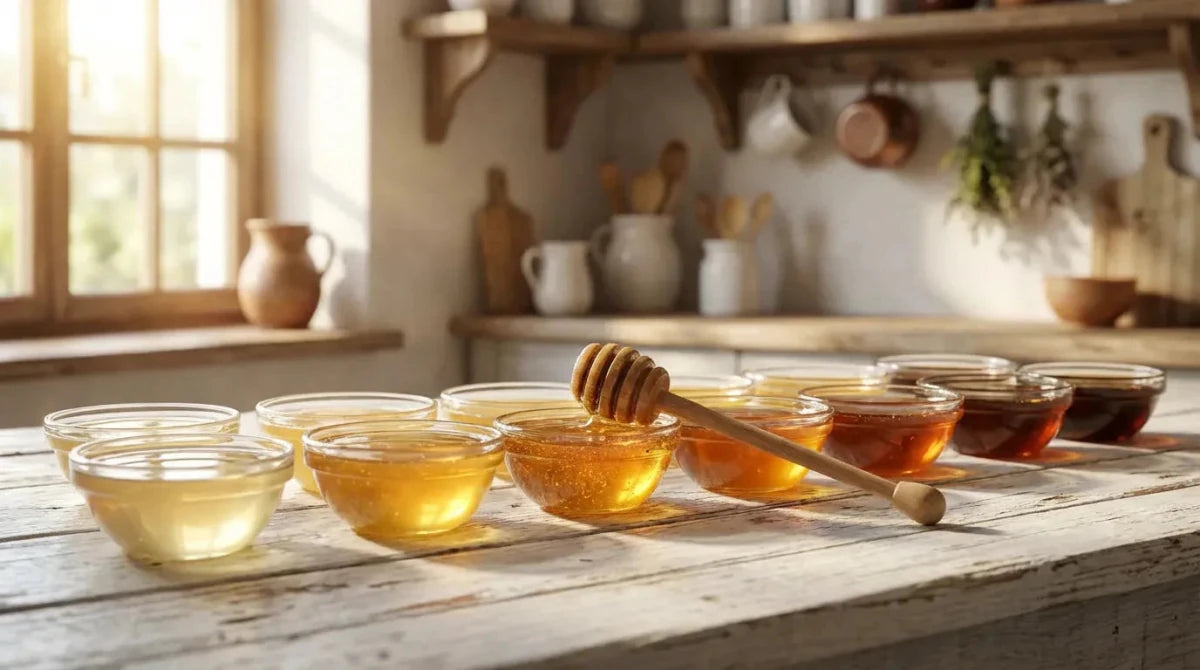
Both choices can be excellent, but when considering raw vs processed dark honey and light honey nutritional value, it's important to weigh the differences in their health benefits as well. Light and dark honey come from different nectar sources, and that natural difference shapes the flavor profile, aroma, mineral content, and how each one performs in the kitchen, with considerations of the polyphenols in dark honey vs light honey playing a role in their selection. Color is not a scorecard for quality, but understanding what determines honey color, along with the honey color guide, can provide insights into flavor profiles and kitchen uses. It is more like a clue to their different cooking uses.
If you have ever wondered about the nutrition benefits of darker honey, the health differences in light honey vs dark honey, whether lighter honey is sweeter, does dark honey have more antioxidants, which jar belongs in your baking cabinet, or what the best dark honey for immune system is, the answer starts with what the bees visited.
🐝 The Beekeeper’s Pro Tip: The 110°F Integrity Rule
Most grocery store honey is "flash-heated" to 160°F+ to make it easier to bottle and to prevent crystallization. This kills the very thing you are buying honey for. > The Rule: To maintain the medicinal benefits of those specific floral sources—especially the high antioxidant count in Buckwheat—honey should never be heated above 110°F (the natural temperature of a beehive).
What Makes Honey Light or Dark
Honey gets its color mainly from floral source. Bees gathering nectar from clover, acacia, or orange blossom often produce honey that ranges from nearly clear to pale gold. Bees working buckwheat, avocado blossom, or some late-season wildflowers can produce honey that is amber, copper, or very dark brown.
Season, region, weather, and handling also affect the final shade. A spring wildflower honey may look much lighter than a fall wildflower honey, even from the same area. Raw honey can also appear cloudier because it still contains tiny particles of pollen, propolis, and wax.
Color is a clue, not a quality grade.
A light vs dark honey can be raw, rich, and deeply floral, reminiscent of a bouquet of fresh flowers. A dark honey, such as manuka honey, can be beautifully smooth rather than harsh. The best way to think about color is this: it gives you a hint about what you are about to taste.
| Honey variety | Typical color | Usual flavor notes | Common kitchen uses |
|---|---|---|---|
| Acacia | Very light | Mild, clean, delicate | Tea, yogurt, fruit |
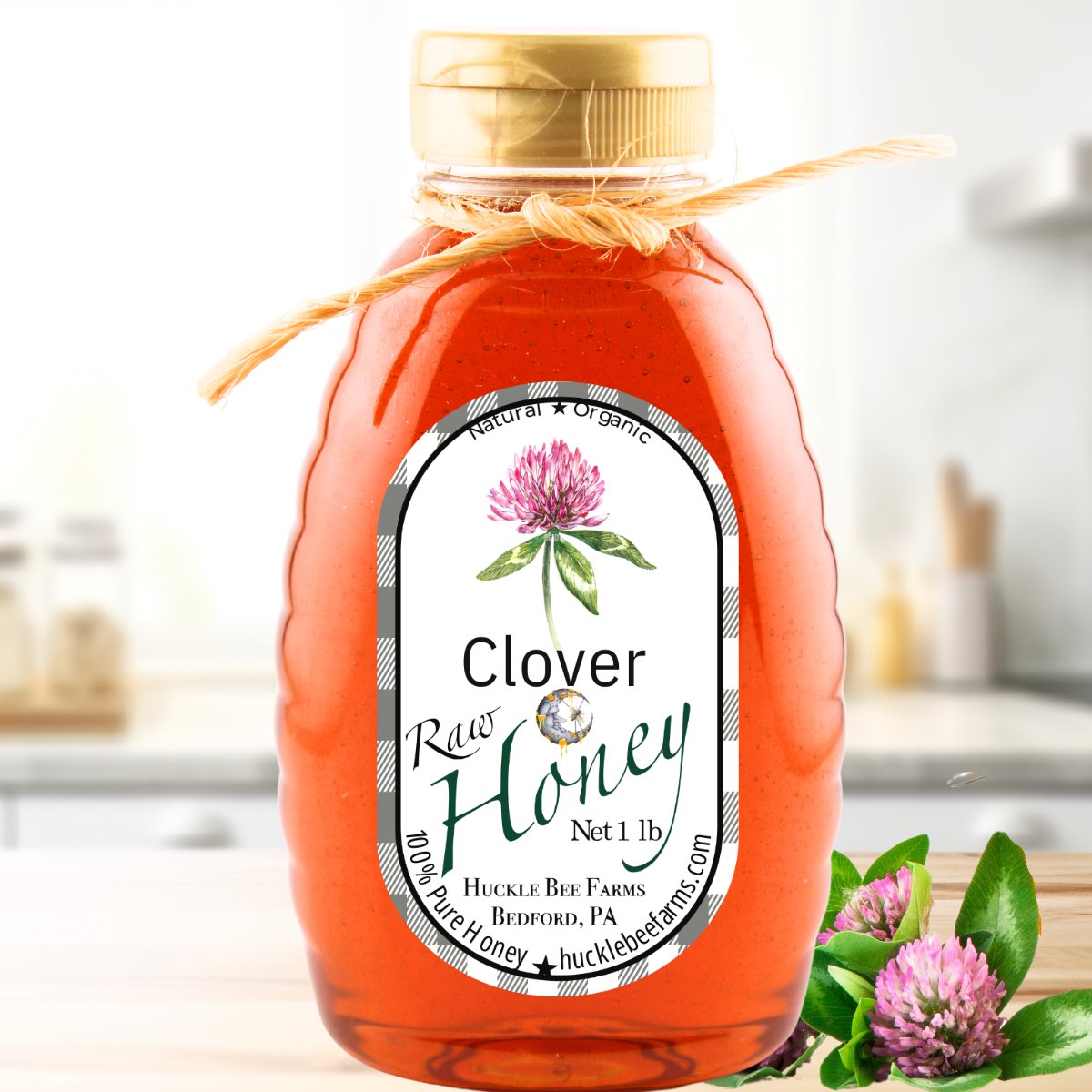
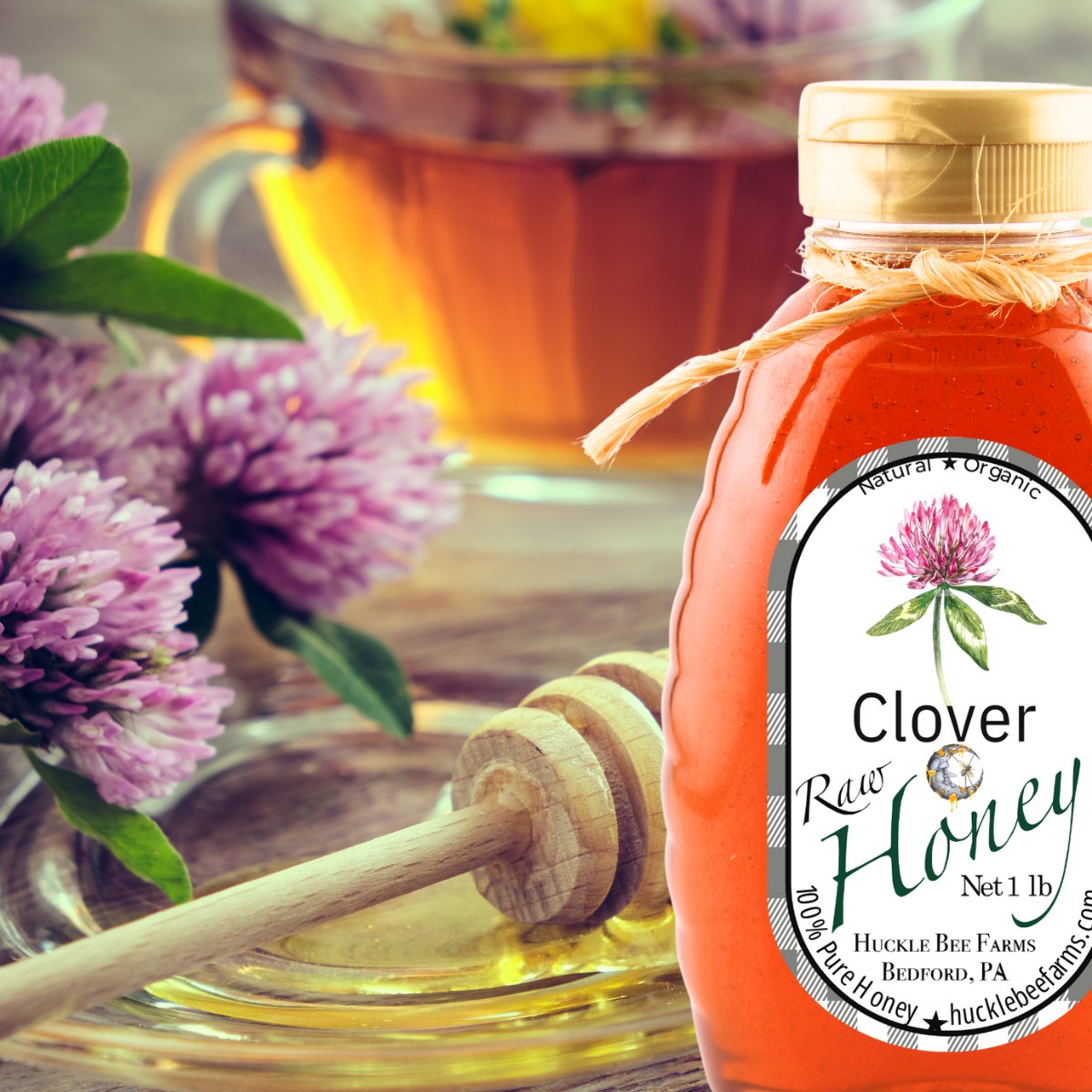
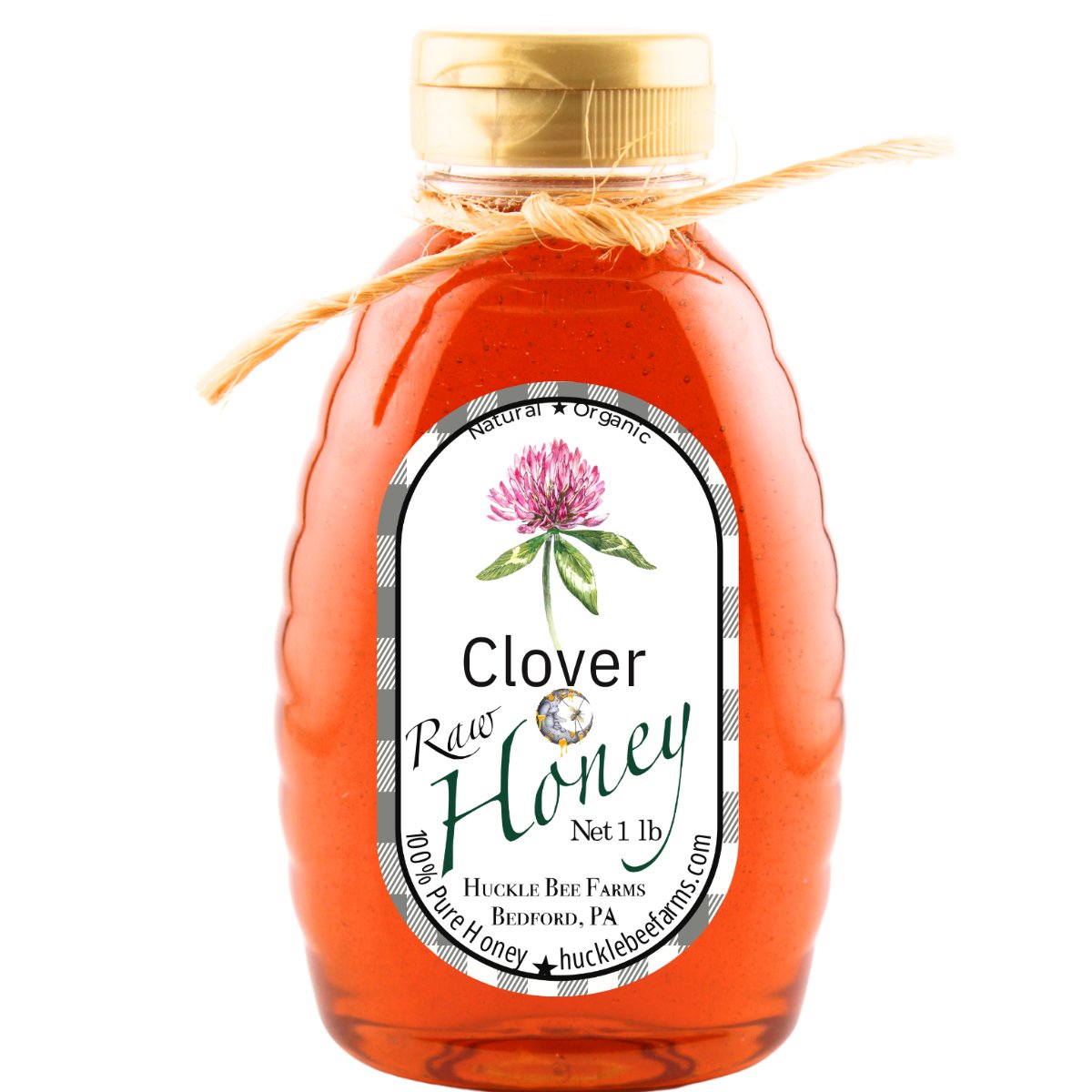
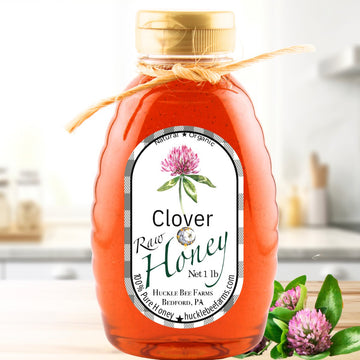
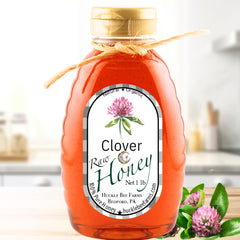
| Clover | Light gold | Soft, sweet, buttery | Everyday sweetening, toast |
| Orange blossom | Light to medium | Floral, citrusy | Tea, salad dressings, desserts |
| Wildflower | Varies widely | Layered, seasonal, sometimes herbal | All-purpose use |
| Avocado | Dark amber | Rich, buttery, slightly molasses-like | Sauces, baking, glazes |
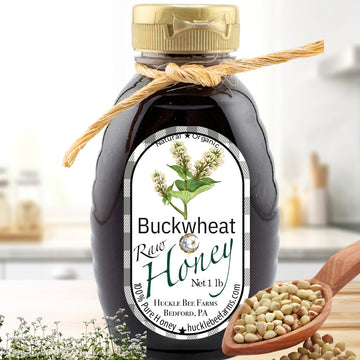
| Buckwheat | Very dark | Robust, malty, earthy | Gingerbread, marinades, strong cheeses |


Huckle Bee Farms
🍯 Experience Real Raw Honey
Most honey is overheated and stripped of its benefits. Ours stays under 110°F to keep the enzymes, pollens, and antioxidants intact. Taste the difference.
Light Honey vs Dark Honey Flavor Differences
The simplest way to describe the flavor split is this: light honeys usually taste gentler, while dark honeys usually taste fuller and more assertive. That does not mean light honey lacks character. Good light honey can carry notes of vanilla, fresh hay, citrus peel, blossoms, or warm sugar. It just tends to speak in a quieter voice.
Dark honey often lingers longer on the palate, offering unique benefits of dark honey due to its rich composition, making it an interesting subject for why is dark honey better for coughs, raw dark honey benefits, and honey antioxidant comparison. You may notice flavors that remind you of malt, spice, dried fruit, caramel, molasses, or even a faint smokiness, depending on the nectar source. This is why dark honey often feels less one-note, even when the actual sweetness level is similar.
Tasting buckwheat honey vs clover honey side by side makes the difference obvious, especially when considering the glycemic index of buckwheat honey and its medicinal properties. Try a pale clover honey on a cracker, then a dark buckwheat honey on another. The first may melt into the background. The second may take over the whole bite.
A few common flavor patterns show up again and again:
- Clover: soft and familiar
- Orange blossom: floral with citrus edges
- Wildflower: layered and seasonal
- Avocado: rich and savory-leaning
- Buckwheat: bold, earthy, almost malty
Texture can play a role too. Some light honeys feel silky and quick on the tongue. Some dark honeys seem denser or more resinous, even when moisture levels are similar. Crystallization changes that texture over time, but it does not mean the honey has gone bad.

Dark Honey and Antioxidants: What the Research Suggests
Darker honey, including varieties like manuka honey, often contains higher levels of antioxidant compounds than lighter honey. In general, the deeper the color, the more likely the honey is to contain greater amounts of phenolic compounds, pigments, and certain minerals. Buckwheat honey is a well-known example and is often mentioned in research because of its strong antioxidant activity.
That said, “often” matters here. Honey is a natural food, not a lab-made product with identical results in every jar. Floral source, region, season, storage, and processing all influence what ends up in the bottle. A medium amber wildflower honey may compare very well against another darker honey depending on where it came from.
Raw and minimally handled honey may retain more of the components people value, including pollen and fine particles that are usually removed in heavy filtration. This is one reason many shoppers prefer raw, unfiltered honey when they want honey closest to how it came from the hive.
A few practical points help keep the antioxidant conversation grounded:
- What darker color can suggest: more antioxidant activity
- What darker color does not mean: automatic better quality
- What still matters: floral source, handling, freshness, and storage
- What to remember: honey is still a sweetener, even when it offers more than sweetness
If you enjoy dark honey, the antioxidant angle is a nice bonus. If you prefer light honey, you are not making a poor choice. You are choosing a different profile.

Best Uses for Light Honey in Tea, Toast, and Delicate Recipes
Light honey shines when you want sweetness without too much weight. It dissolves easily into tea, gives oatmeal a gentle floral note, and blends nicely into yogurt, whipped butter, or fresh ricotta. If your breakfast already has bright or delicate flavors, a pale honey lets them stay in the lead.
This is also the honey that many people like for all-purpose table use. Drizzle it over biscuits, swirl it into lemon tea, spoon it onto peanut butter toast, or use it in a quick vinaigrette with olive oil and a mild vinegar. It rounds out flavor without turning every dish into a “honey-forward” recipe.
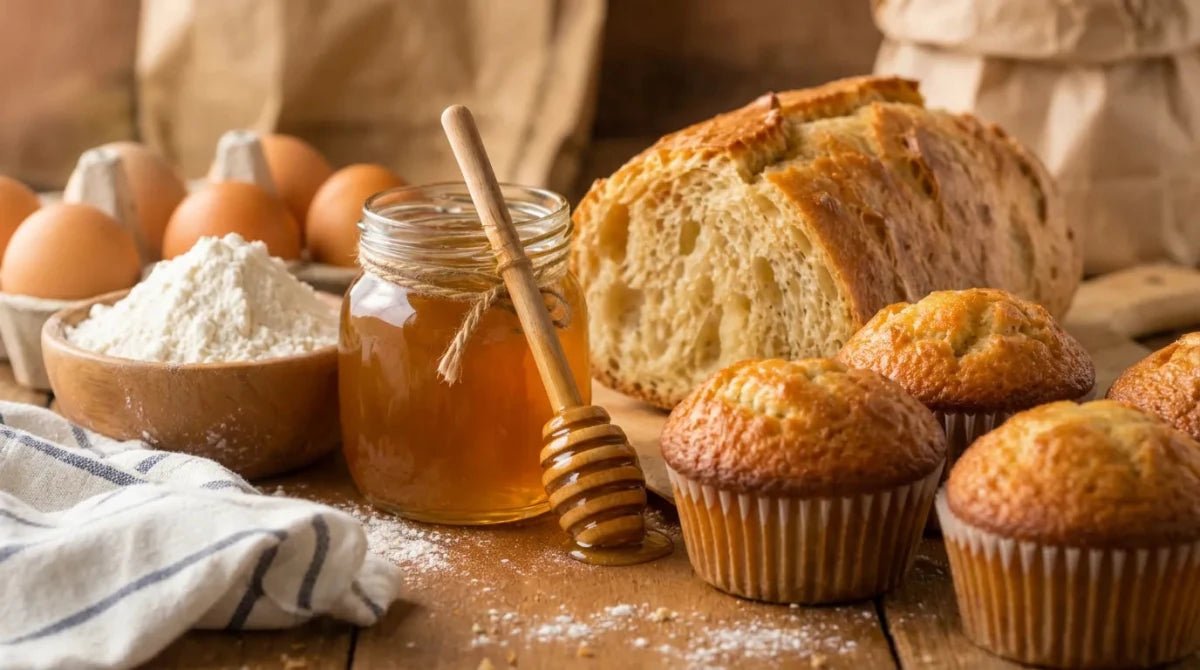
In baking, lighter honey works well when you want moisture and a touch of sweetness but not a dark, heavy character. Think vanilla cakes, simple muffins, light granola, fruit crisps, or tender sandwich bread. It can also be a smart choice in homemade lemonade or iced tea, where a dark honey might pull the flavor in a deeper direction than you want.
Here are a few strong matches for light honey:
- Fresh berries and melon
- Green tea and chamomile
- Goat cheese and ricotta
- Vanilla desserts
- Mild vinaigrettes

Best Uses for Dark Honey in Marinades, Baking, and Savory Pairings
Dark honey comes into its own when the dish can handle intensity. Stir it into barbecue sauce, brush it onto roasted carrots, whisk it into a mustard glaze, or add it to marinades for chicken, salmon, or pork. The flavor holds up against char, smoke, spice, and acid much better than a very mild honey would.
It is also excellent in hearty baking. Gingerbread, spice cookies, bran muffins, rye bread, and deeply toasted granola all benefit from honey with more body. In those recipes, dark honey does more than sweeten. It adds depth and helps build the finished flavor.
Cheese boards love dark honey too. A spoonful beside blue cheese, aged cheddar, pecorino, or a nutty alpine cheese can be the best bite on the table. Add walnuts or toasted pecans, and the whole pairing feels complete.
When using dark honey, think in terms of contrast and backbone:
- With savory foods: use it where salt, smoke, or spice need balance
- With baked goods: choose it for recipes with warm spices or whole grains
- With cheese: pair it with sharp, funky, or aged styles
- With breakfast: try it over Greek yogurt, nut butter toast, or steel-cut oats
🎯 The Huckle Bee Varietal Guide
Find your perfect match by floral source and intensity.
| Floral Source | Color Profile | Best Kitchen Use |
|---|---|---|
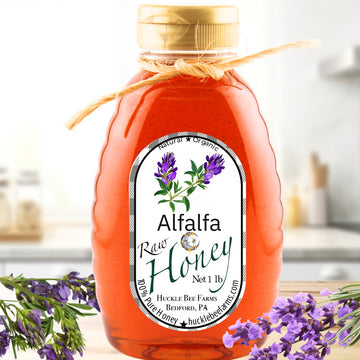
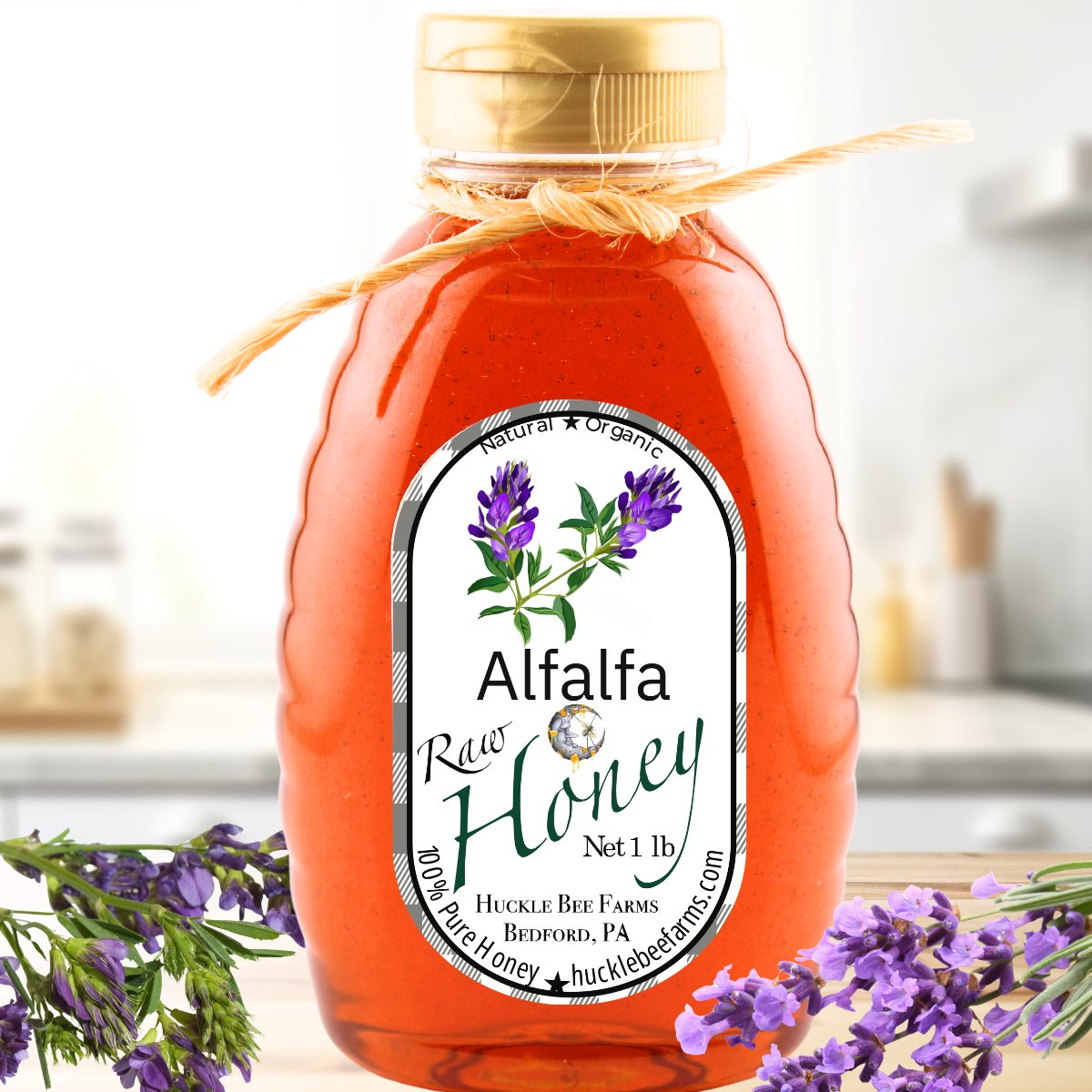
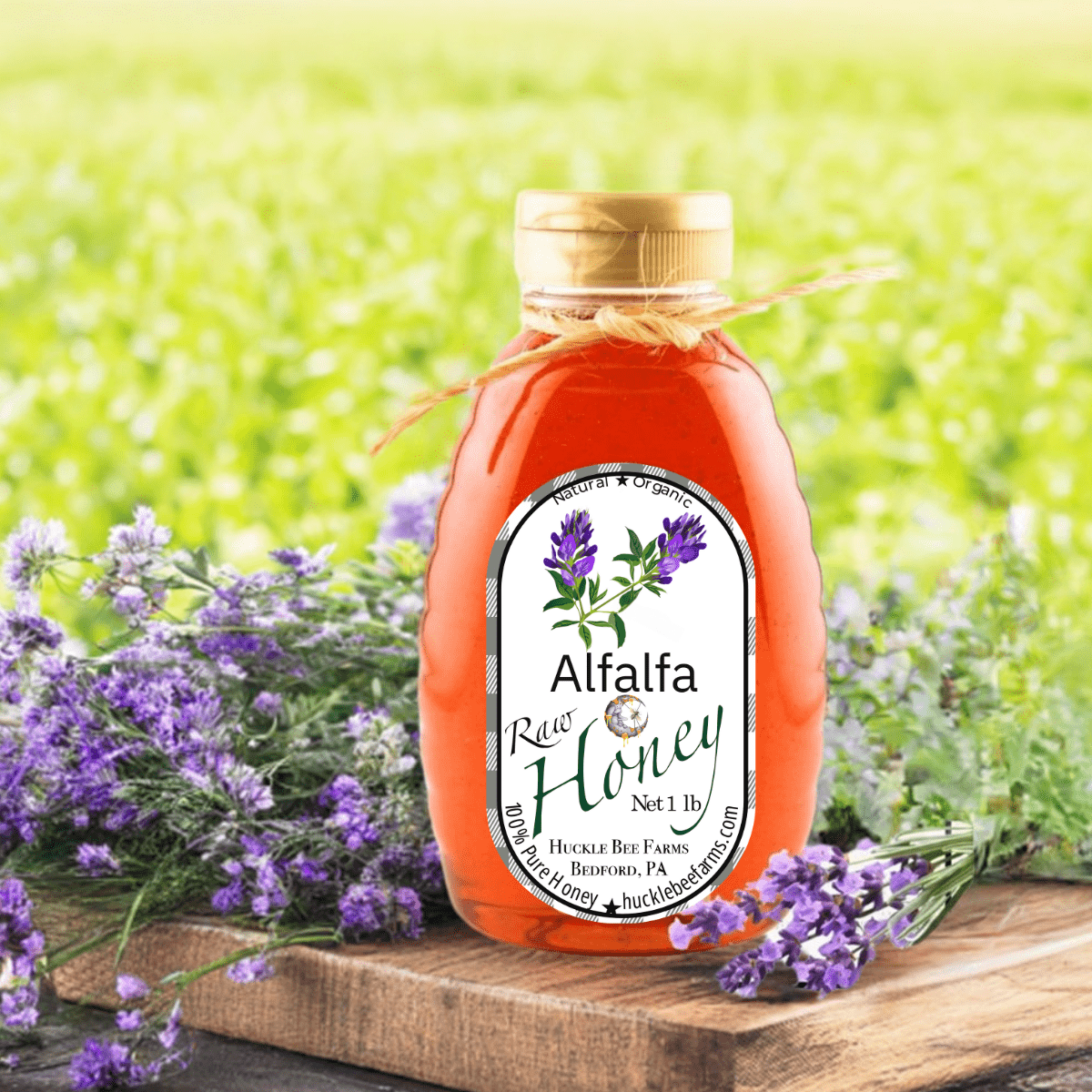
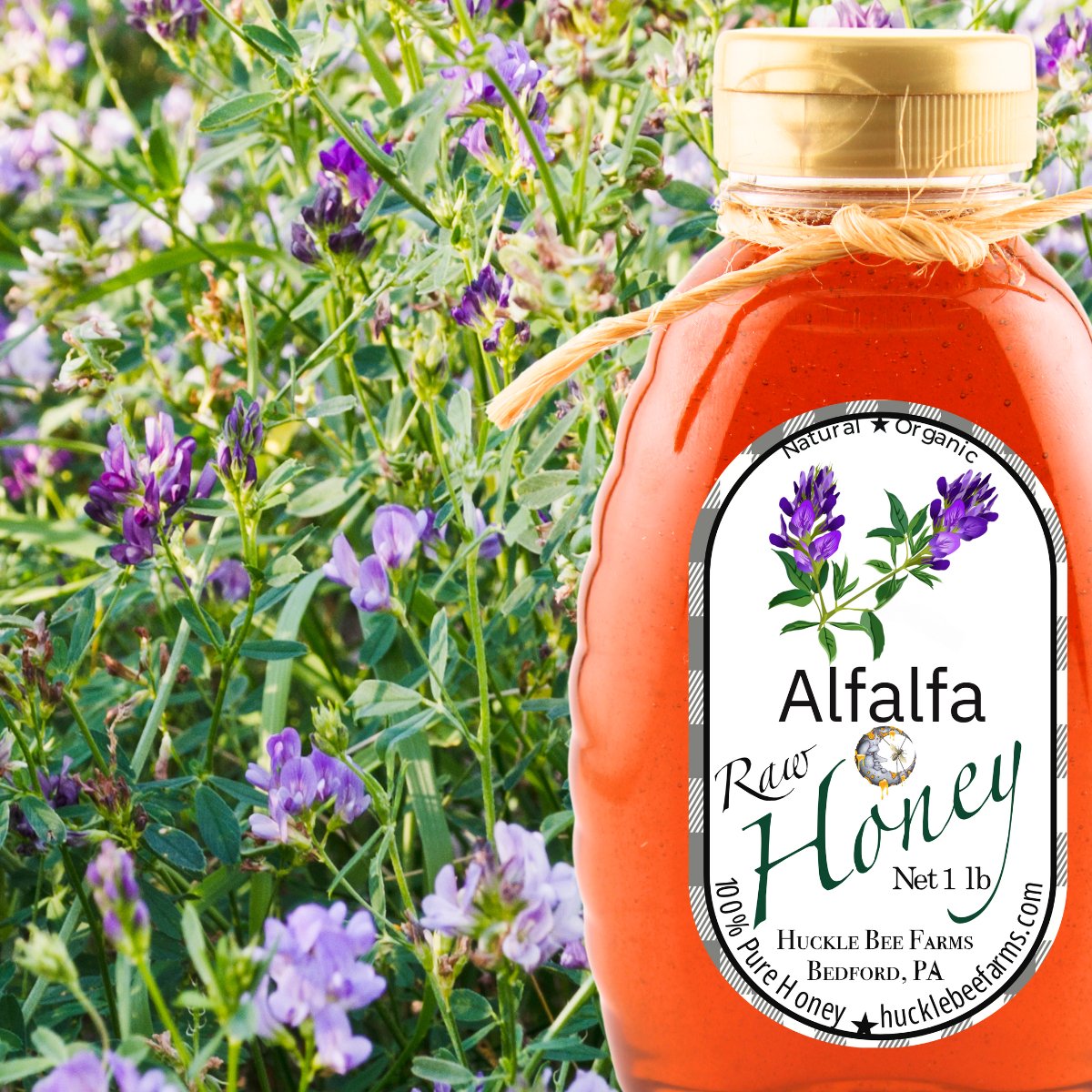
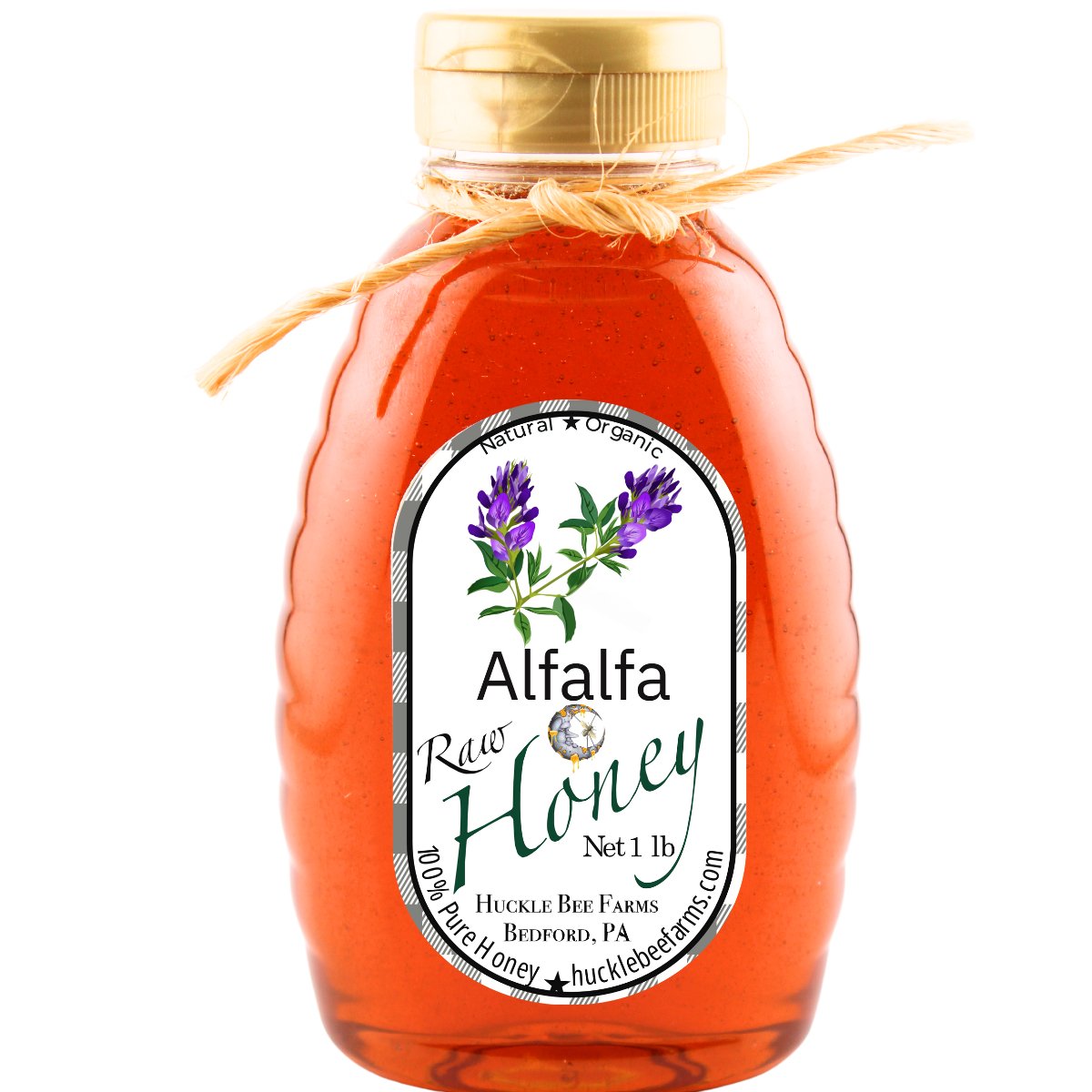
| Alfalfa | ✨ Extra Light | Baking & Delicate Teas |
| Clover | 🟡 White/Gold | Everyday Table Use |
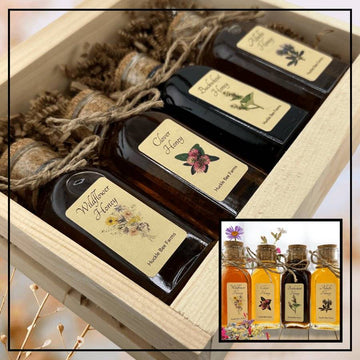
| Wildflower | 🟠 Amber | Dressings & Smoothies |
| Buckwheat | 🟤 Dark/Black | BBQ Glazes & Wellness |
Light vs Dark Honey for Everyday Sweetening
If your main question is, “Which one should I keep in the pantry?” the answer depends on how you use honey most often.
For coffee and tea drinkers, a light honey is usually the easier everyday pick. It sweetens quickly and rarely overpowers the cup. For cooks who make glazes, roasted vegetables, sauces, or bold dressings, a darker honey can earn its place faster.
Many kitchens are happiest with both. A pale, easygoing honey for daily drizzling. A darker, richer one for recipes that need more presence.
How to Choose the Right Honey Color When Shopping
Start with the floral source if the label gives it. “Raw honey” tells you about handling, but not flavor. “Wildflower” gives a broad idea, though the taste can still shift a lot from one region or season to another. A named variety like clover, orange blossom, or buckwheat gives you a better preview of what is in the jar.
Next, think about use before you buy. If the honey is meant for tea, toast, and light baking, choose a lighter variety. If you want a pantry honey for strong flavors, grilling, glazing, and winter baking, reach for a darker one. Gift buyers can also use color as a guide. Light honey often feels familiar and easy to love. Dark honey can feel more distinctive and memorable.
It also helps to buy from producers who are clear about sourcing and beekeeping practices. Honest labeling, small-batch handling, and fresh bottling all matter. Honey changes over time, and a carefully handled jar usually tastes brighter and truer to its floral source.
If you are unsure where to begin, a side-by-side tasting is the fastest teacher. Try a spoonful of light honey and a spoonful of dark honey on plain bread, apple slices, or a mild cracker. Once you taste them without other strong ingredients in the way, the right fit becomes much easier to spot.
A simple shopping checklist can save guesswork:
- Pick your main use: tea, table use, baking, glazing, or pairing
- Check the floral source: clover and orange blossom are very different from buckwheat
- Decide how bold you want the flavor: subtle or robust
- Look for careful handling: raw and minimally filtered options appeal to many honey fans
Honey does not need to be complicated, but it can be wonderfully nuanced. A light jar can brighten a cup of tea without taking over. A dark jar can give real depth to a roast, a loaf, or a cheese board. Once you know what color tends to bring to the table, choosing the right honey starts to feel less like guesswork and more like good cooking.
🍯 Find Your Perfect Floral Source
The 60-Second Taste Profile Quiz
1. What is your primary use for honey?
Frequently Asked Questions
1. Can I use light honey in recipes that call for dark honey?
Yes, you can use light honey in recipes that call for dark honey, but be aware that the flavor profile will differ. Light honey tends to have a milder, more delicate taste, which may not provide the same depth and richness that dark honey offers. If the recipe relies on the robust flavors of dark honey, consider adjusting other ingredients to balance the sweetness and flavor intensity. Experimenting with light honey can still yield delicious results, especially in lighter dishes.
2. How should I store honey to maintain its quality?
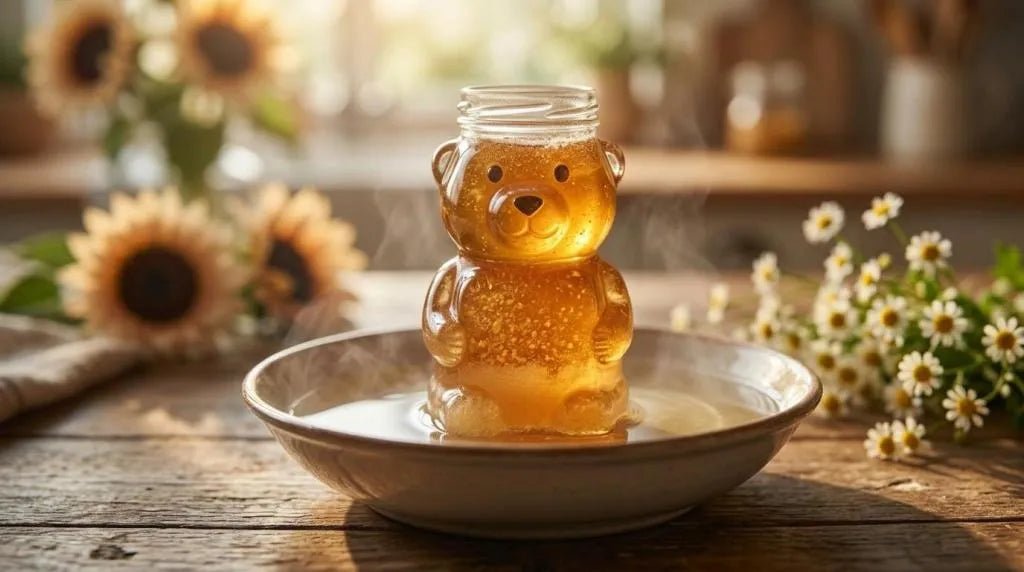
To maintain the quality of honey, store it in a cool, dry place away from direct sunlight. A tightly sealed container is essential to prevent moisture absorption, which can lead to fermentation. Avoid refrigerating honey, as this can cause it to crystallize more quickly. If crystallization occurs, gently warm the jar in a warm water bath to return it to a liquid state. Proper storage helps preserve the flavor, aroma, and beneficial properties of honey over time.
3. Are there any health benefits associated with light honey?
Yes, light honey also offers health benefits, although they may differ from those of dark honey. Light honey is often rich in vitamins, minerals, and antioxidants, albeit in lower concentrations than darker varieties. It can provide soothing effects for sore throats and may aid digestion. Additionally, light honey is a natural sweetener that can be a healthier alternative to refined sugars. Its delicate flavor makes it a versatile ingredient in various recipes, promoting overall well-being.
4. How can I tell if honey is raw or processed?
To determine if honey is raw or processed, check the label for terms like "raw," "unfiltered," or "minimally processed." Raw honey typically retains natural enzymes, pollen, and other beneficial compounds that are often removed during processing. Additionally, raw honey may appear cloudier and contain fine particles, while processed honey is usually clear and smooth. If in doubt, purchasing from reputable local beekeepers can ensure you receive high-quality raw honey.
5. What are the best ways to incorporate honey into my diet?
Incorporating honey into your diet can be both delicious and beneficial. Use it as a natural sweetener in beverages like tea, coffee, or smoothies. Drizzle honey over yogurt, oatmeal, or fresh fruit for added flavor. It can also enhance salad dressings, marinades, and sauces. For baking, substitute honey for sugar in recipes, keeping in mind that it adds moisture. Experimenting with honey in various dishes can enhance flavors while providing nutritional benefits.
6. Is there a difference in the glycemic index between light and dark honey?
Yes, there can be differences in the glycemic index (GI) between light and dark honey, although the variations are often minimal. Generally, darker honeys like buckwheat honey may have a lower GI due to their higher mineral and antioxidant content, which can slow down sugar absorption. However, individual responses to honey can vary based on factors like floral source and processing. It's essential to monitor your overall sugar intake, regardless of honey type, especially for those managing blood sugar levels.
7. Can honey be used as a natural remedy for coughs?
Yes, honey is often used as a natural remedy for coughs due to its soothing properties. Both light and dark honey can help coat the throat, reducing irritation and providing relief. Dark honey, particularly varieties like buckwheat honey, is frequently cited for its higher antioxidant content, which may enhance its effectiveness. Mixing honey with warm water or herbal teas can create a comforting drink that alleviates cough symptoms. However, it's important to consult a healthcare professional for persistent coughs.
Conclusion
Understanding the differences between light and dark honey can enhance your culinary experiences and health benefits. Each variety offers unique flavors and antioxidant properties, making them suitable for various uses in the kitchen. Whether you prefer the delicate sweetness of light honey or the robust richness of dark honey, both can elevate your dishes. Discover our selection of high-quality honey to find the perfect match for your taste and cooking needs.

Author - Jim Douglas - Founder Huckle Bee Farms
For Jim Douglas, beekeeping is more than a craft—it’s a commitment to purity and the environment. After an honorable career in the U.S. Army and a tenure as a COO for the Boy Scouts of America, Jim sought a way to combine his leadership experience with his love for the outdoors.
In 2012, he founded Huckle Bee Farms with a simple mission: to take honey back to its raw, unadulterated roots. Jim’s expertise lies in the delicate balance of infusing raw honey with organic ingredients without compromising its natural medicinal properties. His "small-batch" philosophy ensures that every jar meets the highest standards of quality and transparency. Today, Jim continues to lead Huckle Bee Farms with the same integrity he practiced in uniform, ensuring that every drop of honey supports both the health of the consumer and the survival of the honeybee.
His mission is simple: to make life a little sweeter—naturally.
Checkout Other Healthy Benefits of Honey...


Note: While dark honeys like Buckwheat are naturally higher in antioxidants and minerals, Huckle Bee Farms honeys are a natural food product and not intended to diagnose or treat medical conditions. Always consult a professional for health concerns.
Key Takeaways
- Honey color is primarily determined by the floral source, influencing flavor, aroma, and antioxidant content.
- Light honey tends to have a milder, delicate flavor, ideal for tea, toast, and light baking.
- Dark honey offers richer, bolder flavors and higher antioxidant levels, suitable for marinades, glazes, and robust dishes.
- Color is a helpful guide but not a definitive measure of quality; handling and freshness also matter.
- Both light and dark honeys provide unique health benefits and culinary uses, making them complementary in the kitchen.
- Choosing honey depends on personal taste preferences and intended culinary applications.