Can You Cook with Honey? Discover Its Smoke Point Today
Honey Smoke Point Explained: Can You Cook, Bake, or Fry with Honey?
🍯 Here’s the Truth and Everything You Need to Know
If you’re wondering whether honey can handle the heat, the answer is yes—but timing is everything. Honey has a relatively low smoke point of around 320°F (160°C), which means it can burn quickly if overheated. But when used the right way, it adds beautiful caramelization, rich flavor, and a glossy finish that sugar just can’t match.
🔥 Pro Tips for Cooking with Honey
- Use honey in the final stage of cooking to help prevent burning.
- Great for glazing meats, roasting vegetables, and finishing sauces.
- Mix with butter, oil, or water to help it handle heat more gently.
- Avoid high-heat frying—honey performs best in baking, sautéing, or low-to-medium roasting.
👉 Bottom line: Honey isn’t ideal for high-heat frying, but it’s excellent for baking, glazing, caramelizing, and adding sweet depth to finished dishes.
Table of contents

People often talk about honey like it’s an oil once heat is involved. Questions pop up about its “smoke point,” whether you can safely pan-fry with it, and why a honey glaze can flip from glossy to bitter in an instant.
Here’s the short version: honey is mostly sugars and water, not a cooking fat. It doesn’t have a single standardized smoke point like avocado or peanut oil. Instead, honey moves through a low-temperature range where it caramelizes, darkens, gives off sharper aromas, and then scorches.
🐝 Beekeeper’s Insight:
"Because our honey is small-batch and real-infused, it retains more natural enzymes than ultra-processed 'grocery store' honey. This means the flavor remains more complex even after caramelization."
What people mean by “honey smoke point”
When someone says “smoke point,” they usually mean: At what temperature does this ingredient break down and start to smoke or taste off? For oils, that ties to fat structure and free fatty acids. For honey, it’s a sugar story.
As honey heats, water evaporates and the sugars concentrate. From there, browning reactions begin. Early browning is often delicious and toasty. Turn up the heat or hold it too long, and you’ll get acrid notes and lingering bitterness.
A useful way to think about honey on the stove is that it behaves more like a sugar syrup than like oil in terms of quality.
The temperature ranges that matter with honey
Honey’s flavor shifts happen well below searing or deep-frying temps. Many cooks see honey darken around 230–250°F, and it can turn harsh if pushed higher. Some sources put obvious “burning” near 300°F. Real kitchens vary because honey varieties differ, pans heat differently, and dilution changes everything.
Here’s a simple cheat sheet you can tape inside a cabinet.
| What you’re doing with honey | Typical temperature at the food/pan | What honey tends to do | Better approach |
|---|---|---|---|
| Warm honey to drizzle | 90 to 110°F | Loosens and pours easily | Warm the jar in a bowl of warm water |
| Gentle glaze in a saucepan (diluted) | 160 to 220°F | Stays aromatic and thickens slowly | Add water, citrus, or vinegar first |
| Caramel-like notes | 230 to 285°F | Darkens, turns nutty, can get sharp | Stir constantly and keep cook time short |
| Scorch risk rises fast | 285 to 320°F | Bitter edges appear | Pull from heat early and finish off-heat |
| Searing and frying conditions | 350 to 450°F | Burns quickly, smokes, blackens | Use oil for high heat; add honey at the end |
One detail that changes everything: dilution. Honey mixed into a sauce, marinade, or batter is buffered by water, fats, and proteins. Pure honey in a dry pan has nowhere to hide.
Remember: Honey Smoke Point vs. Common Fats:
Honey: ~320°F (Focus on Caramelization)
Butter: 350°F
Olive Oil (Extra Virgin): 375°F
Canola Oil: 400°F
Takeaway: Honey burns earlier than butter! Always add it last.
Why honey burns faster than you expect
Raw honey is a complex mix of fructose and glucose, with enzymes, a little water, acids, minerals, and aromatic compounds. It’s wonderful on toast or in tea, but that mix reacts quickly under intense heat.
Once hot enough, sugars start breaking down into browning compounds. That can produce deep caramel notes, then darker pigments, and finally a burnt edge. If honey sits directly on a hot pan, the thin layer touching the metal can spike above the average temperature and scorch while the rest looks fine.
Aromas are another reason honey feels “touchy.” Many floral notes are volatile and disappear under aggressive cooking. The sweetness may remain, but much of the delicate character that made you choose a particular honey can be lost.
Can you cook with honey? Yes—but pick the right moment
Raw honey can absolutely be part of everyday cooking—for flavor and for its antioxidants. The trick is using it where it shines: sweetness, shine, and gentle browning.
After vegetables are mostly cooked, a spoonful of honey stirred in at the end can round out bitterness. A pan sauce off the heat benefits from a little honey to soften acidity without going sticky and scorched. Roasting at moderate oven temps, honey can build a glossy finish—especially when mixed with mustard, citrus, or a splash of stock.
People get into trouble when honey is treated as the primary cooking medium.
A few quick myths worth clearing up:
- Honey replaces oil in frying: It doesn’t—pure honey will burn quickly over high direct heat.
- Honey “has a smoke point”: Not in the oil sense; think browning and scorching ranges instead.
- More honey makes a better glaze: Too much increases scorch risk and can overwhelm the dish.
Baking with honey: where it usually excels
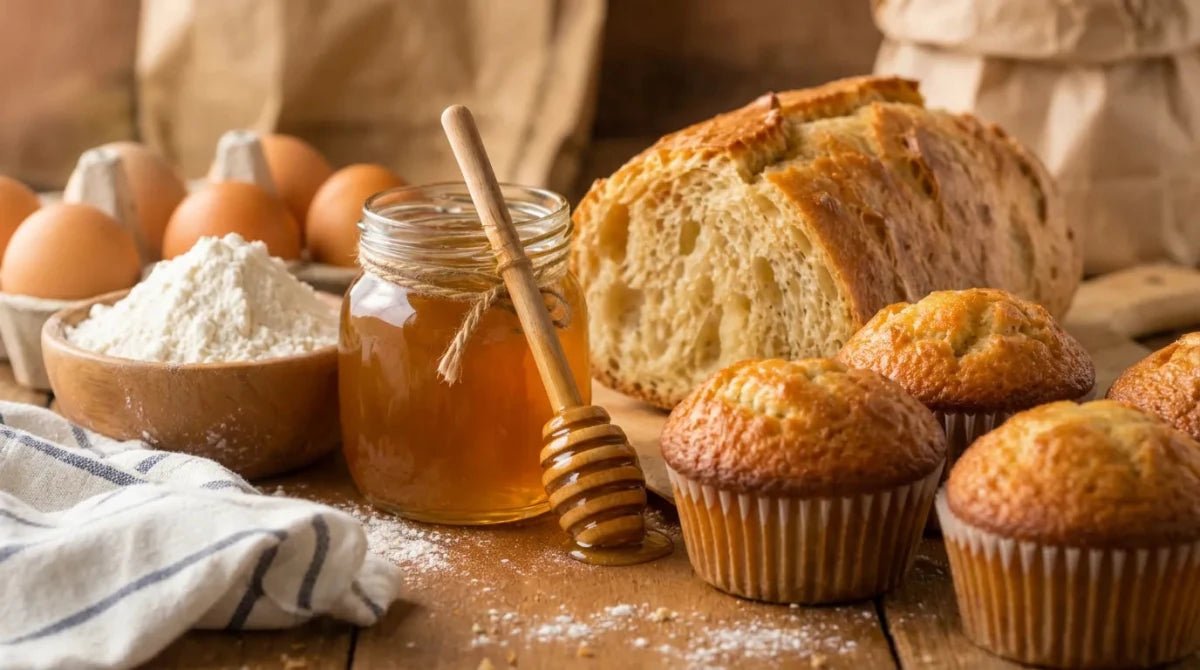
Baking is honey’s comfort zone because it’s dispersed through dough or batter. That dilution protects it from direct contact with a hot surface, and moisture in the mix slows scorching.
Raw honey, with its enzymes and antioxidants, helps baked goods in a few ways:
- It attracts moisture, helping cakes and quick breads stay tender longer.
- It promotes browning, which improves crust and color.
- It brings flavor that plain sugar can’t match.
That said, honey browns baked goods faster. If you swap honey into a recipe, you may need to lower the oven temperature slightly or tent the top late in the bake.
Remember this short tip: honey browns sooner than white sugar.
If you enjoy nuance, baked goods are where raw and infused honeys reveal personality. A floral wildflower honey will read warm and round; a chili-infused honey will leave a gentle heat that shows up after baking.
Grilling and broiling: add honey late
Direct flame and broilers create intense heat—hard on sugars. Grates and broiler elements can scorch honey fast.
If you want a lacquered finish on chicken, salmon, or carrots, use honey as a finishing step.
A reliable rhythm:
- Cook until nearly done.
- Brush on a thin honey-based glaze.
- Return to heat briefly just to set the surface.
- Pull it before the glaze turns bitter.
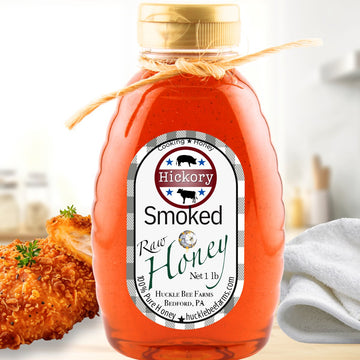
This is also where smoked honey shines—add it late to keep the smoke aroma without “cooking it out.” Many small-batch makers cold-smoke honey gently, and that same care pays off when you add it near the finish.


Huckle Bee Farms
🍯 Gourmet Honey:
Your Essential Trick to Unique Flavors
Crafted in small batches for bold flavor and smooth finish, our Gourmet Honey Collection transforms everyday foods.
Pan-frying and deep-frying: use honey nearby, not in the pan
Stovetop searing and deep-frying are the situations that prompt most “honey smoke point” questions. Frying oils run 350–375°F, and searing pans can get much hotter. Pure honey will darken and scorch under those conditions.
That doesn’t mean honey is off-limits—just don’t use it as the heat medium. Apply it after frying or mix it into a sauce made away from the hottest surface.
Two good approaches:
- Make a thin honey syrup with warm water, then toss fried items lightly.
- Stir honey into a warm sauce off-heat, then drizzle over the finished food.
For sticky wings, prepare the glaze gently in a saucepan, coat the cooked wings off-heat, and briefly set them in the oven if needed.
How to keep honey from burning in real recipes
You don’t need a thermometer for every meal, but you do need a plan. Honey rewards small habits: lower heat, shorter exposure, and a little buffering from other ingredients.
Practical fixes that work across many dishes:
- Dilute first: Water, citrus juice, vinegar, soy, or stock lowers scorch risk and helps the glaze spread.
- Add late: Stir honey in during the last minute or two, or brush it on near the finish.
- Use indirect heat: Roasting and baking are kinder than direct contact with a blazing-hot pan.
- Stir and watch: Honey can go from perfect to bitter very quickly once it starts to darken.
Love cast iron? Remember that it holds heat aggressively. Even after you turn the burner off, the pan can keep cooking the sugars.
The "Master the Heat" Trio
Three ways to use Huckle Bee Farms honey without ever burning a drop.
Choosing the right honey for heat: raw, infused, and smoked
Not all honey behaves the same under heat. Mild honeys may read merely “sweet” after baking or simmering. More aromatic honeys keep a clearer signature even after some volatile notes fade.
Infused honeys—chili, herb, or citrus—add distinct layers and hold up well in warm sauces and glazes when you avoid harsh heat. Smoked honey is especially nice as a finishing drizzle on roasted vegetables, cheese, or barbecue.
Many family-run apiaries, including Huckle Bee Farms, focus on gentle handling, freshness, and transparent beekeeping, producing high-quality raw honey. If you care about a jar’s character, treat it like an aromatic ingredient, not just a sweetener.
Quick pairing ideas that avoid high-heat trouble
Sometimes the easiest way to “cook with honey” is to skip cooking it.
These ideas keep honey’s flavor intact and fit everyday meals:
- Bold and bright: Honey + lemon + warm water — drizzle over fruit or yogurt
- Savory balance: Honey + mustard + a splash of vinegar for a glaze added near the end
- Cozy spice: Stir honey into tea after it’s steeped, when the mug is warm but not boiling
- Finish with smoke: Smoked honey over roasted sweet potatoes once they’re out of the oven

Troubleshooting: what to do when honey turns bitter or too dark
Even careful cooks occasionally end up with a sharp glaze. You can often rescue the dish by rebalancing flavors.
- Add liquid: A spoonful of water or stock can loosen a sticky glaze and reduce scorch intensity.
- Add acid: Lemon juice or vinegar brightens and distracts from slight bitterness.
- Add fat: Butter or olive oil can soften harsh edges in a pan sauce.
- Simple reset: Make a fresh small batch of glaze and brush it on off-heat.
If the honey is truly burnt, it’s hard to mask. Prevention is the best fix: keep it moving, keep it diluted, and keep it away from the hottest parts of the process.
A simple way to think about honey and heat
Honey shines in baking, gentle sauces, and as a finishing ingredient. It often works in harmony with antioxidants and enzymes to deepen flavors when warmed gently. It struggles when asked to do a job meant for oil at frying or searing temperatures.
If you want caramel notes, use moderate heat and short time. If you want honey’s floral character, use even gentler heat or add it after cooking. That’s how you get sweetness, shine, and aroma without the bitter turn.
Frequently Asked Questions
1. Can honey be used in marinades, and if so, how?
Yes. Honey adds sweetness and helps balance acidity. Dilute it with vinegar, citrus, or soy to lower scorch risk when the marinade hits heat. Shorter marinating times also help preserve honey’s flavor without inviting bitterness from high heat.
2. What types of honey are best for cooking?
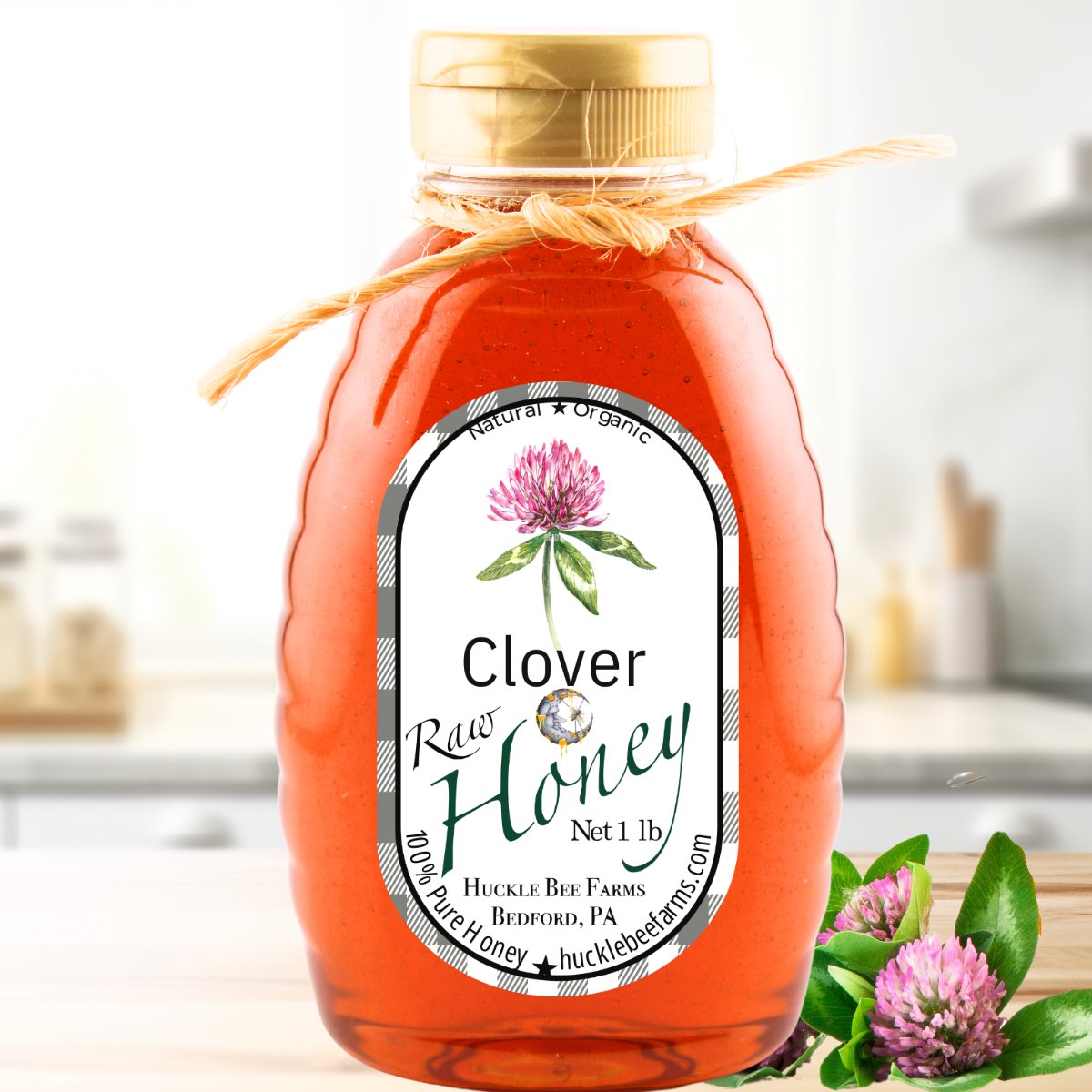
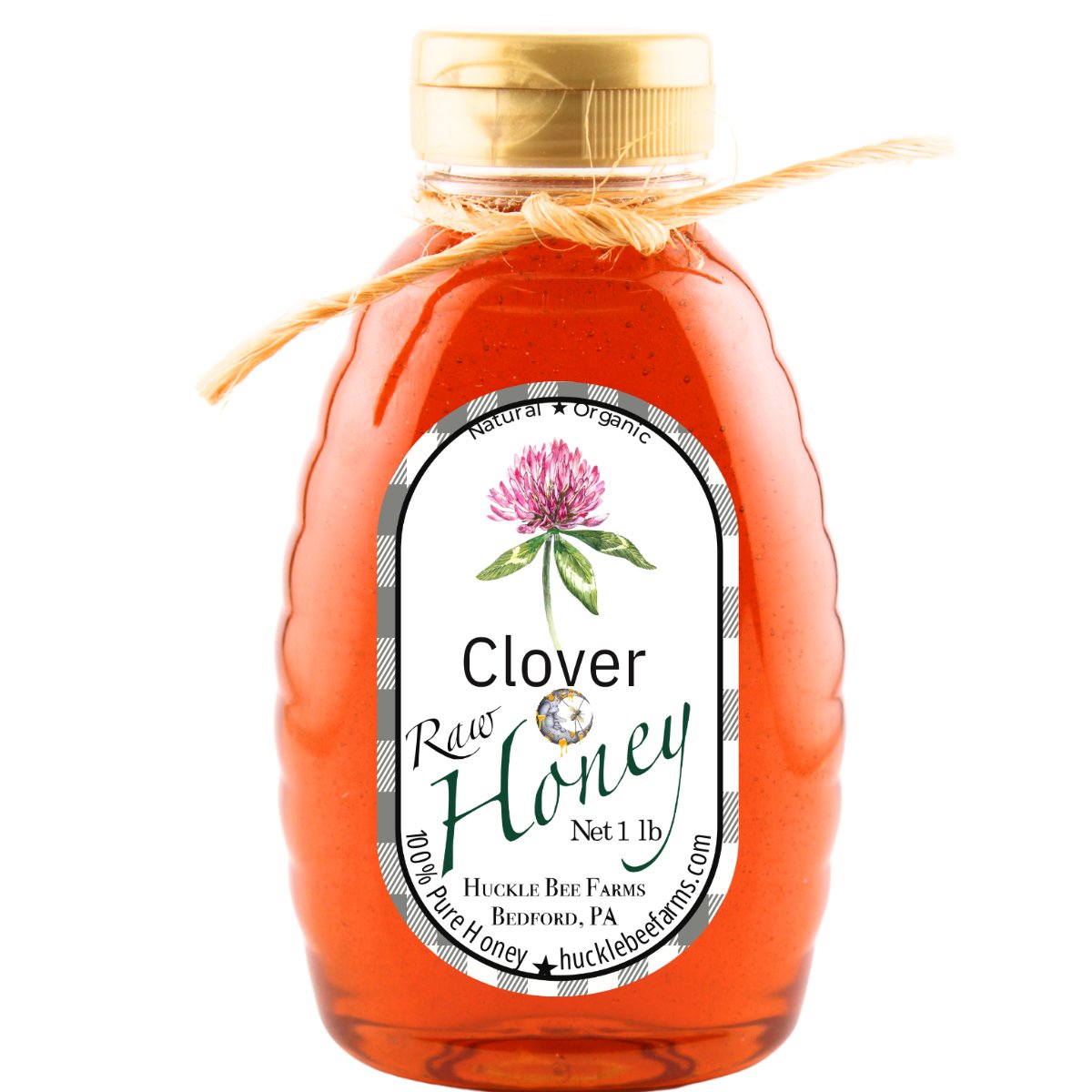
Choose honeys with clear flavor profiles—wildflower, clover, or infused honeys are great choices. Infused varieties like chili or herb bring extra character. Raw honey is a solid pick for cooking because its natural enzymes and antioxidants can enhance both flavor and texture.
3. How can I prevent honey from crystallizing?
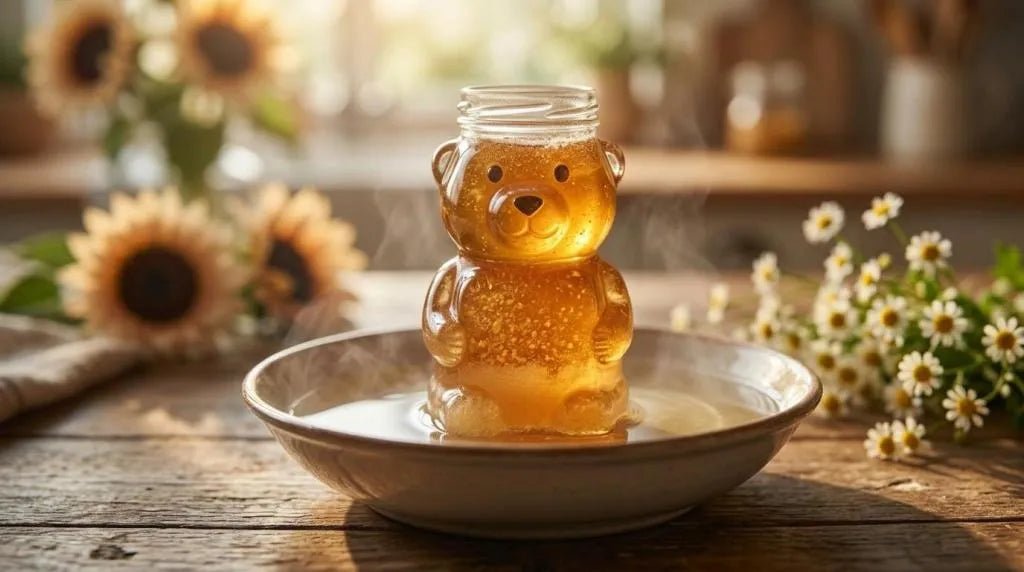
Store honey in a cool, dry place away from direct sun. If it crystallizes, gently warm the jar in a bowl of warm water—avoid high heat to protect quality. Keep the jar tightly sealed to help maintain moisture.
4. Is there a difference between raw honey and processed honey for cooking?
Yes. Raw honey is unfiltered and unpasteurized, retaining enzymes, antioxidants, and more flavor. Processed honey is often heated and filtered, which can strip some beneficial properties and nuance. For lower-temperature cooking and flavor, raw is usually preferred.
5. Can honey be used in desserts, and how should it be incorporated?
Absolutely. Honey is a lovely sweetener for desserts. Because it’s sweeter than sugar, reduce other sweeteners slightly and consider lowering the oven temperature to avoid over-browning. Honey can go straight into batters or be used as a glaze for cakes and pastries.
6. What are some common mistakes to avoid when cooking with honey?
Common mistakes include using honey as the primary cooking fat (it will burn), not diluting it before applying to hot foods, adding it too early in the process, and using too much, which can overpower a dish. Monitor heat and timing closely.
7. How does the flavor of honey change with heat?
With heat, honey’s sugars caramelize and create rich flavors. Push temperatures too high and you’ll get bitter notes and a loss of delicate floral character. Preserve flavor by using lower heat or adding honey near the end of cooking.
Conclusion
Cooking with honey can lift your dishes when handled with care. Know the temperature ranges, use dilution and short exposure, and add honey late when you want aroma and shine. For consistent results, treat honey as an aromatic ingredient—especially the raw and small-batch kinds—and use it where it can truly sing.
Checkout Our Other Great Recipes


Author - Jim Douglas - Founder Huckle Bee Farms
For Jim Douglas, beekeeping is more than a craft—it’s a commitment to purity and the environment. After an honorable career in the U.S. Army and a tenure as a COO for the Boy Scouts of America, Jim sought a way to combine his leadership experience with his love for the outdoors.
In 2012, he founded Huckle Bee Farms with a simple mission: to take honey back to its raw, unadulterated roots. Jim’s expertise lies in the delicate balance of infusing raw honey with organic ingredients without compromising its natural medicinal properties. His "small-batch" philosophy ensures that every jar meets the highest standards of quality and transparency. Today, Jim continues to lead Huckle Bee Farms with the same integrity he practiced in uniform, ensuring that every drop of honey supports both the health of the consumer and the survival of the honeybee.
His mission is simple: to make life a little sweeter—naturally.
Key Takeaways on Cooking with Honey
Quick reminders to get the most from honey in the kitchen without common pitfalls.
- Honey’s smoke point misconception: Honey doesn’t have a standardized smoke point like oils; it has a browning and scorching range that depends on heat and dilution.
- Use honey as a finishing touch: Add honey toward the end of cooking or as a glaze after cooking to avoid burning.
- Dilution is key: Mix honey with water, citrus, or vinegar before applying to hot foods to reduce scorch risk.
- Ideal for baking: Honey excels in baking—retain moisture and flavor—but it browns faster than sugar.
- Grilling and broiling tips: Apply honey-based glazes late to get a beautiful finish without burning.
- Honey in marinades: Add honey to marinades for balance, but dilute to avoid scorching during cooking.
- Choosing the right honey: Use distinct-flavored honeys or infused varieties to enhance dishes without losing character when heated.
- Troubleshooting bitter honey: If honey turns bitter, add liquid, acid, or fat to rebalance—or make a fresh glaze and apply off-heat.