Transform Your Dishes: Best Honey for Marinades
Best Honey for Marinades and Glazes: for any Meat, Fish, and Veggies
Quick-Reference: The Marinade Science
Using Raw Infused Honey in marinades serves three tactical functions: 1. Caramelization: The natural sugars create a Maillard reaction crust at high heat. 2. Tenderization: Honey enzymes break down tough fibers in proteins. 3. Flavor Infusion: Acting as a carrier, honey drives aromatics like garlic, pepper, and bourbon deep into the meat.
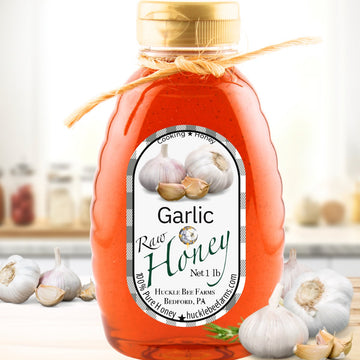
Garlic Infused
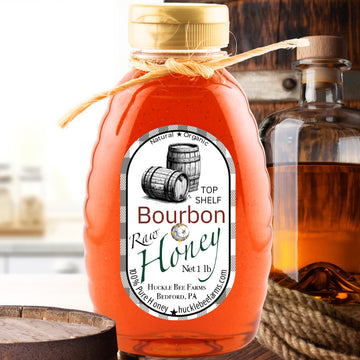
Bourbon Honey
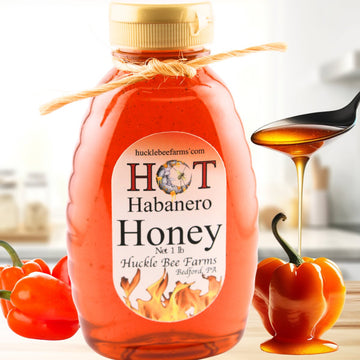
Habanero Heat
Orange Zest
Table of contents

Honey is one of those ingredients that can make marinades feel “restaurant-y” with very little effort. It brings sweetness and a sweet flavor, yes, but also body and an amber, glossy finish that clings to meat, fish, and vegetables in a way sugar water never quite can.
The trick is choosing the right honey types for the job. A delicate clover honey and a dark buckwheat honey behave similarly in the pan, yet they taste worlds apart. Add infused honeys to the mix, and you can build an entire flavor profile straight from the bottle. Let's learn more about Honey for Marinades...
Understanding Honey’s Role in Marinades and Glazes
What honey really contributes to marinades and glazes
Honey, including creamed honey, is mostly simple sugars, which means it browns readily and builds color fast, making it ideal for a honey marinade for air fryer cooking and grilling. That’s why honey glazes turn lacquered and shiny in a hot oven, and why a smoked honey marinade for smoking meat can help you get a flavorful crust on the grill.
It also has a honeycomb-like viscosity. That thickness helps a marinade “stick” and helps a glaze form a coating instead of sliding off. If you’ve ever brushed honey on chicken and watched it turn into a glossy, slightly sticky shell, you’ve seen that cling in action.
One more thing: honey tends to play nicely with savory ingredients and can enhance various sauces. Pair it with soy sauce, mustard, vinegar, citrus, garlic, ginger, herbs, black pepper, or chiles, and it stops tasting like “sweet” and starts tasting like “balanced.”
Marinade vs glaze: decide before you pick the honey
A honey marinade for roasting, especially when using carefully selected honey marinade recipes, is about seasoning the surface, lightly perfuming the interior over time, and helping to tenderize the meat. A glaze is about building a shiny layer and concentrating flavor with heat, particularly when using a honey marinade for oven baked chicken. Honey can do both, but you’ll choose and use it a little differently.
Bourbon honey marinade needs to blend smoothly with acids, salt, and fat. Mild, versatile honeys are often easiest here. Glaze honey can be bolder because it hits your palate in a more concentrated way and rides on top of the food.
If you only keep one kind of honey for meat marinades, make it a mild raw honey that disappears into the background and lets your other ingredients steer, especially when making a honey marinade for slow cooker recipes.
👨🍳 Chef’s Tactical Tip: The 2-Phase Rule
One of the biggest mistakes in grilling is applying honey too early over high heat. Because our honey is 100% raw and unfiltered, it contains natural sugars that caramelize quickly. To get the perfect crust without the char, follow the 2-Phase Method:
- 🔹 Phase 1 (The Soak): Use our Garlic or Bourbon Infused Honey in your liquid marinade for 4-12 hours. The enzymes will tenderize the meat, but most of the honey will be absorbed.
- 🔹 Phase 2 (The Finish): Save a small portion of "clean" honey to brush on during the last 5 minutes of grilling. This creates that professional, high-gloss glaze that looks as good as it tastes.
*Note: Never use the leftover liquid from the raw meat soak as your finishing glaze unless you boil it first!
Choosing Honey by Flavor and Intensity
Flavor intensity: light, medium, dark
Not all “best honey for marinades” advice travels well from one dish to another, because the food matters. Think of honey like a wine pairing: match intensity to intensity.
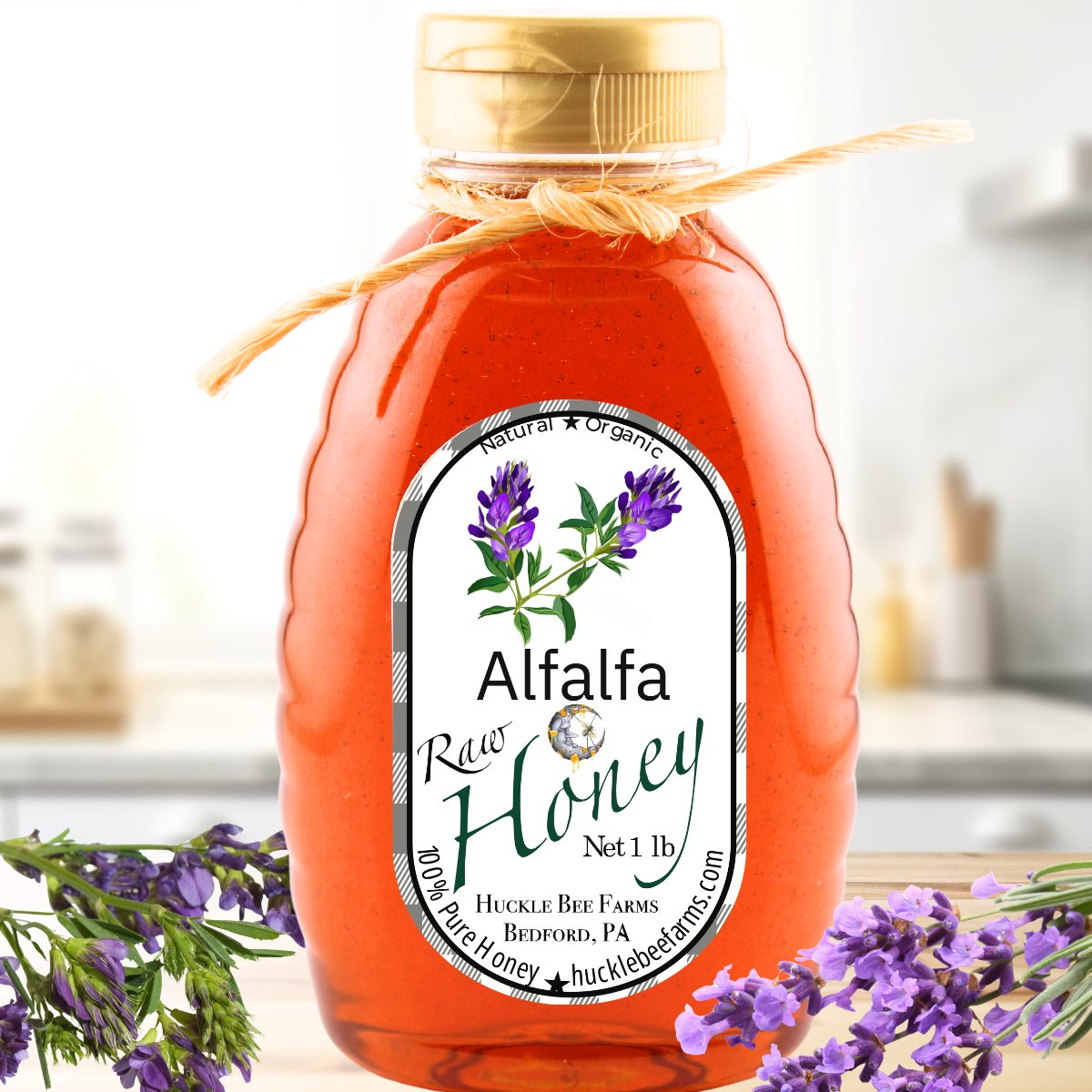
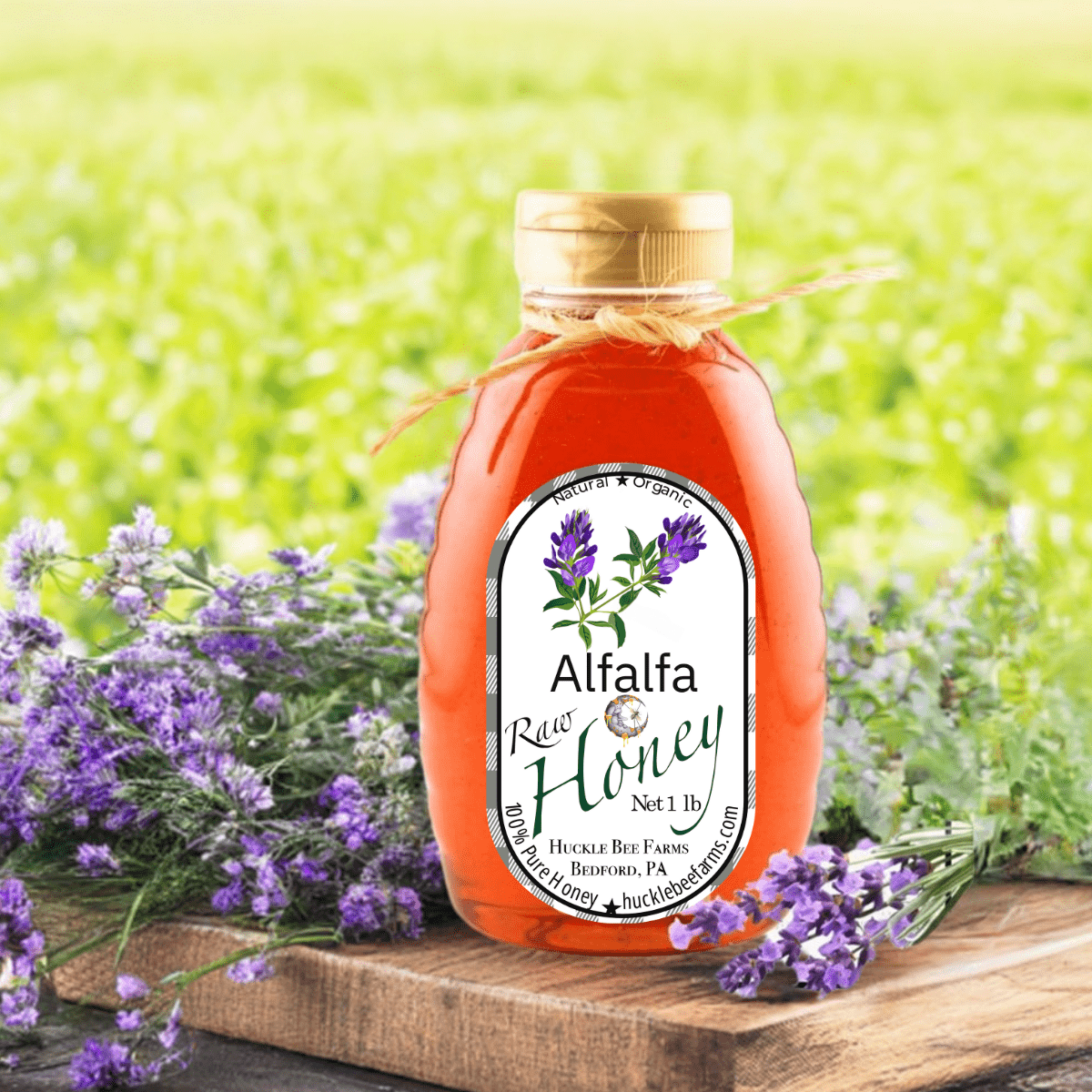
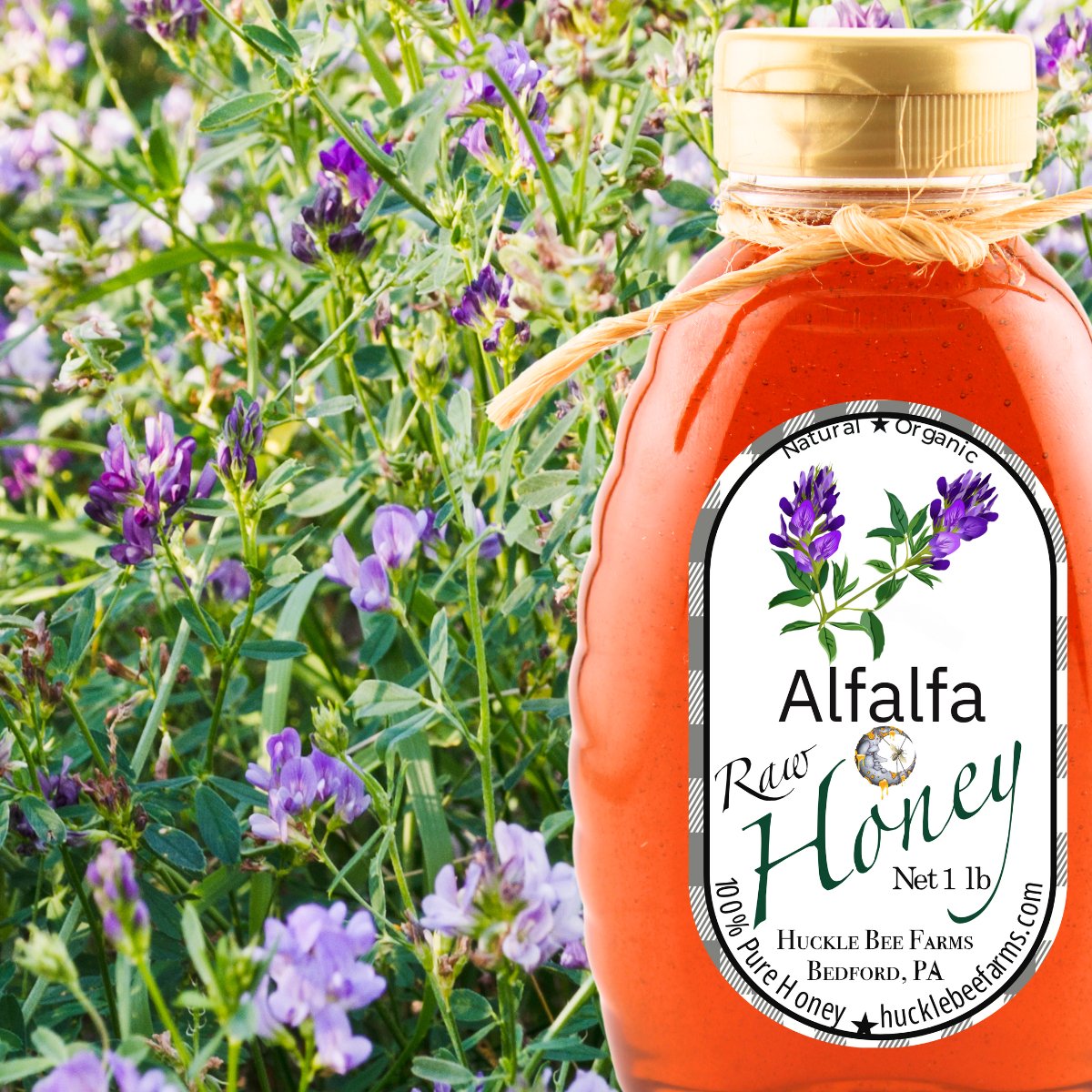
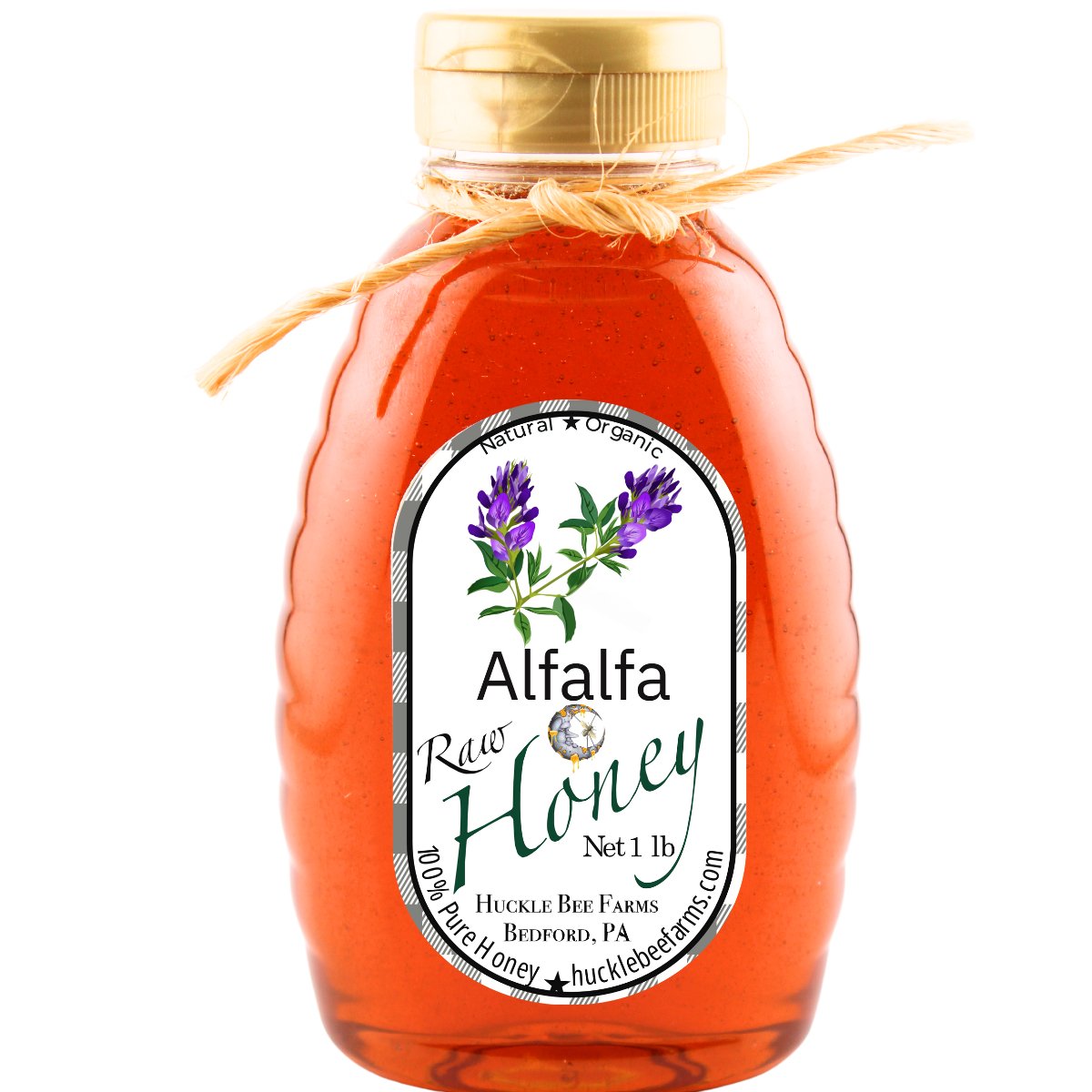
Light honeys (often clover or alfalfa style) read as clean and gently floral, making them the best honey for chicken marinade when you want sweetness without a strong honey 'signature.' They’re great when you want sweetness without a strong honey “signature,” especially with seafood, lean chicken, and tender vegetables.
Medium honeys (many wildflower honeys land here) bring more character to marinades, making them the best honey for pork marinade and allowing them to meld seamlessly with spices to enhance the overall flavor, especially when combined in a cinnamon honey marinade. They work in almost any marinade and can stand up to grill smoke, roasted flavors, and bolder spice blends.
Dark honeys (buckwheat is a classic example) taste deeper and more earthy, making them the best honey for beef marinade. They can be magic on beef, lamb, mushrooms, chicken, and anything that benefits from a molasses-like edge.
A quick guide to Huckle Bee Farms honeys for marinades and glazes
| Honey style | Flavor vibe | Best with | Best role | Simple pairing idea |
|---|---|---|---|---|
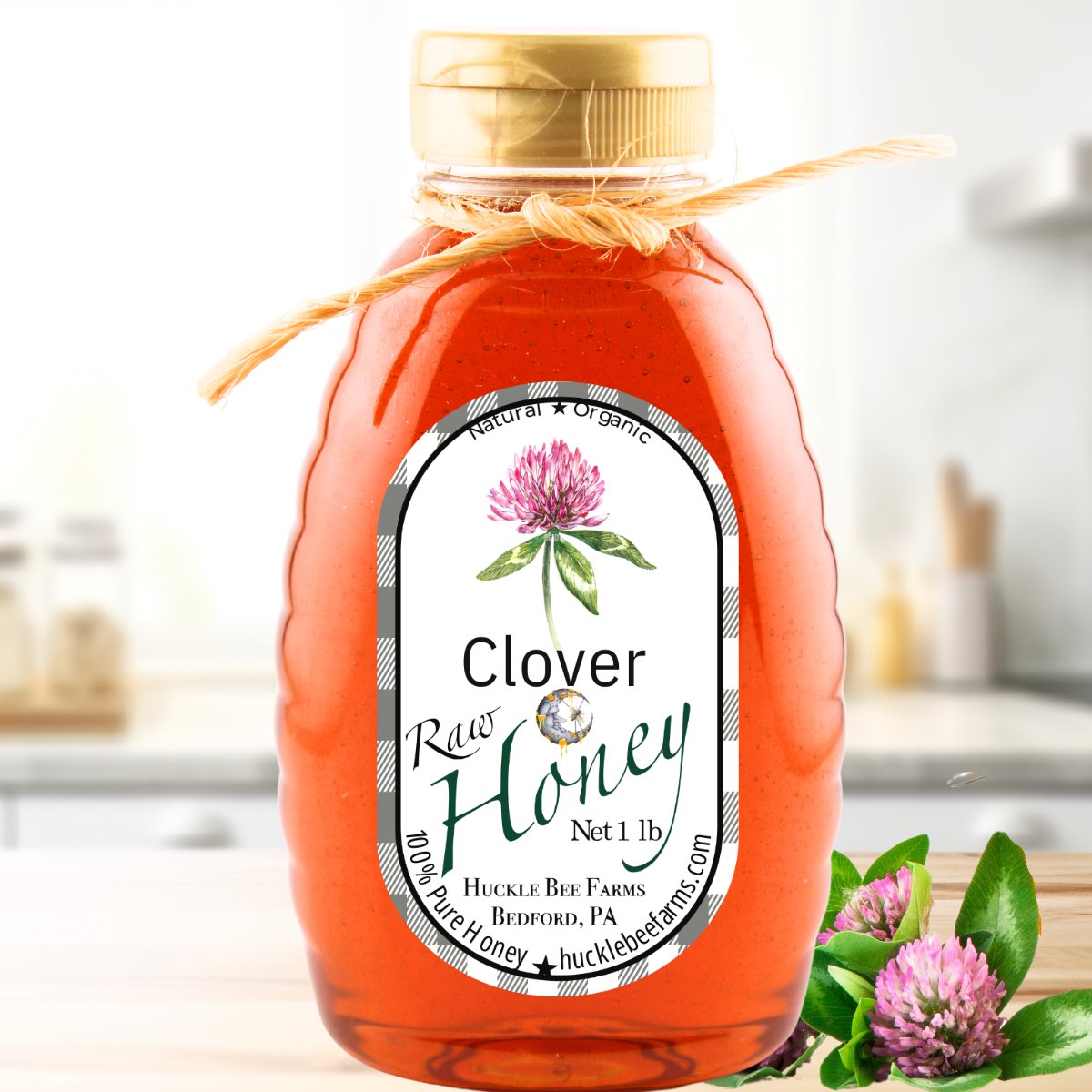
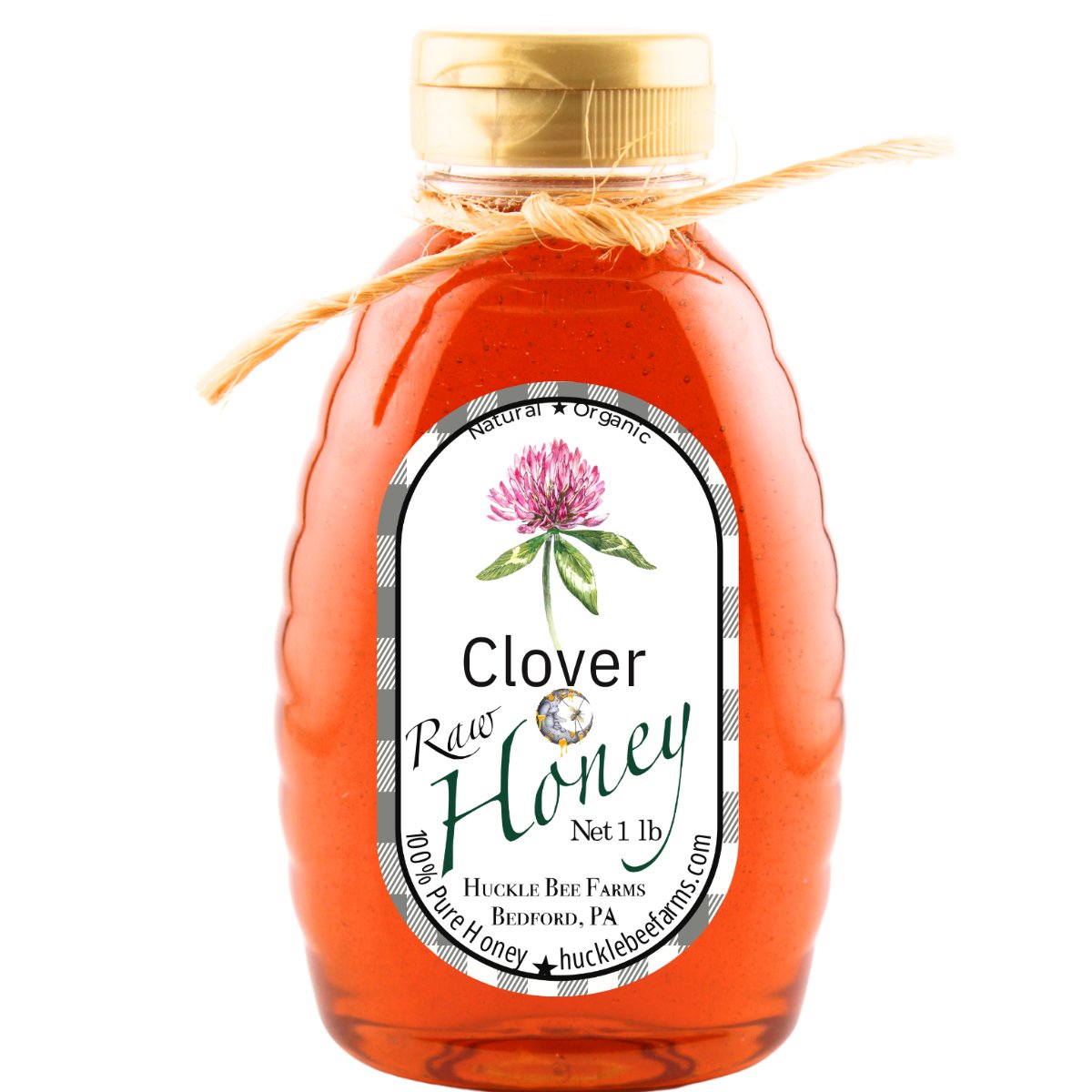
| Raw Clover | Light, easy sweetness | Fish, chicken breast, shrimp, summer veggies | Marinade base | Soy sauce + rice vinegar + garlic |
| Raw Alfalfa | Mild and delicate | White fish, turkey, zucchini, asparagus | Marinade base | Lemon juice + olive oil + thyme |
| Raw Wildflower | Bold, well-rounded | Pork, chicken thighs, salmon, mixed veggies | Marinade or glaze | Mustard + cider vinegar + pepper |
| Raw Buckwheat | Dark, robust | Beef, lamb, portobello mushrooms, winter squash | Glaze or strong marinade | Balsamic + rosemary + cracked pepper |
| Garlic Infused Honey | Sweet-savory, garlicky | Chicken, pork tenderloin, carrots, Brussels sprouts | Marinade or glaze | Lemon + soy sauce + neutral oil |
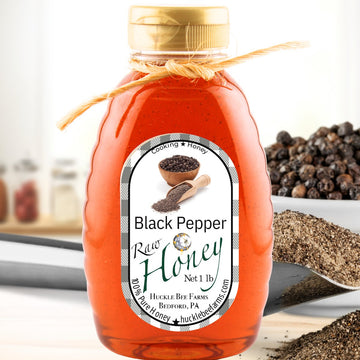
| Black Pepper Honey | Peppery warmth | Steak, chops, mushrooms, grilled onions | Marinade | Balsamic + Dijon + olive oil |
| Habanero Hot Honey | Sweet heat | Wings, ribs, shrimp, cauliflower | Glaze | Lime + butter (or oil) + pinch of salt |
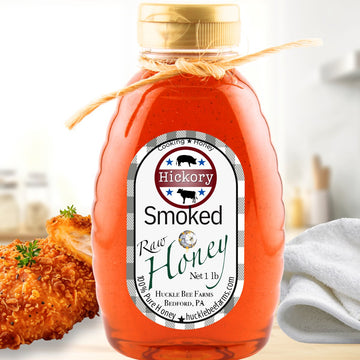
| Hickory Smoked Honey | Backyard BBQ depth | Ribs, pulled pork, grilled peaches, hearty veggies | Glaze | Tomato paste + cider vinegar + paprika |
| Lemon, Lime, Orange honeys | Bright, citrusy | Salmon, chicken, tofu, green beans | Marinade or glaze | Citrus juice + ginger + sesame oil |
| Bourbon or Espresso honey | Rich and complex | Pork chops, brisket, salmon, roasted sweet potatoes | Glaze | Soy sauce + garlic + a splash of vinegar |
🍳 Interactive Recipe Finder
Pick your meal and we’ll reveal the master marinade.
Practical Tips for Using Honey in Cooking
The “Best Honey for Marinades” depends on what you’re cooking
If you cook a lot of different foods, it helps to keep two lanes in your pantry: a dependable raw honey for flexible chicken marinades, and a few infused honeys for instant direction.
A good way to decide is to look at the protein (or vegetable) and ask what you want the honey to do, similar to how you would assess the balance of flavors in cocktails. Do you want it to enhance the flavors in savory marinades, or do you want it to announce itself in the final glaze? Or do you want it to announce itself in the final glaze?
After you’ve decided that, a few pairings become almost automatic:
- Mild raw honey: clean-tasting chicken, fish, quick weeknight veggies
- Bold raw honey: steaks, roasts, mushrooms, charred onions
- Garlic or pepper infused honey: grilling, sheet-pan dinners, anything that needs a fast flavor backbone
- Hot or smoked honey: ribs, wings, chicken, BBQ nights, big flavors and sticky finishes


Huckle Bee Farms
🍯 Gourmet Honey:
Your Essential Trick to Unique Flavors
Crafted in small batches for bold flavor and smooth finish, our Gourmet Honey Collection transforms everyday foods.
A Simple Marinade Formula that Rarely Fails
Most honey marinades taste best when the sweetness is supported by acid and salt. Without that structure, honey can drift into “candied” territory.
Here’s an easy framework you can scale up or down, and it works with raw honeys or infused ones.
- Sweetener (honey): 1 to 3 tablespoons per pound of food
- Salt and savoriness: soy sauce, kosher salt, fish sauce, miso, or marinades
- Acid: vinegar, lemon, lime, or a splash of wine
- Fat: olive oil, avocado oil, or sesame oil
- Aromatics: garlic, ginger, black pepper, herbs, chile, citrus zest
If you want a clearer roadmap, think in “parts” and taste as you go:
- Base ratio: 2 parts oil, 1 part acid, 1 part honey, plus salt to taste
- Stronger honey option: cut honey slightly and add a little water so it still spreads
- Sticky glaze version: reduce oil and increase honey, then brush near the end of cooking

Best honey choices for common meats
Honey with poultry is almost always a win. For chicken breasts, a light honey (clover or alfalfa style) keeps the flavor clean, especially when you add lemon or herbs. For chicken thighs, wildflower honey is a favorite because it stands up to browning and richer fat.
Pork loves honey’s sweet edge, which can also help tenderize the meat. Wildflower honey works as an all-purpose pick, while garlic infused honey turns pork tenderloin or chops into something that tastes like it took much longer than it did. If you’re going barbecue-style, hickory smoked honey is built for the job.
Beef is where dark honey shines, especially in marinades that enhance the natural flavors of the meat. Buckwheat honey can taste malty and deep, which fits steak tips, short ribs, or a balsamic-based marinade. Black pepper honey also makes a strong steak marinade because it brings seasoning and sweetness together in one step.

Fish and seafood: go lighter, go brighter
With seafood, the best honey for marinades is usually the one that doesn’t overpower the ocean sweetness.
Clover-style raw honey is gentle and friendly with salmon, shrimp, and scallops. Citrus-infused honeys are especially useful here because they bring brightness without having to add much extra sugar. A lemon honey with garlic and soy sauce makes a quick salmon glaze that browns beautifully.
Hot honey is great on shrimp, but treat it like a finishing glaze. Brush late, or drizzle right at the end, so the sugars don’t scorch.

Vegetables: where honey turns into a roasting tool
Honey is a secret weapon for vegetables because it amplifies browning and makes edges go crisp-tender. It’s also an easy way to make a big tray of roasted veggies feel intentional.
For sturdy vegetables, go bold with marinades. Garlic honey on carrots or Brussels sprouts tastes naturally savory. Wildflower honey works on almost everything. Buckwheat honey pairs beautifully with roasted squash and mushrooms when you want deeper, almost caramel-like notes.
For quick-cooking vegetables, keep it light and apply late. Asparagus, snap peas, and zucchini can burn if you glaze too early, especially over high heat.
🥩 The Master Marinade Matrix
When to apply honey so it doesn’t burn
Honey browns quickly. That’s part of why it’s so good, and also why timing matters.
If you’re marinating, honey can be in the mix from the start. When you’re cooking, treat honey like you would a sugary barbecue sauce: start with heat to cook the food, then bring in honey to finish.
A practical approach:
- Grill or roast most of the way, then brush on honey glaze during the last few minutes.
- If you’re baking, you can baste once or twice near the end for shine and color.
- If you want a thick, sticky shell, apply thin layers more than once rather than one heavy coat.
Infused honeys: flavor “shortcuts” that still taste handmade
Infused honey is one of the easiest ways to build marinades that taste complex without a long ingredient list. Garlic honey can replace garlic plus sweetener in one move. Black pepper honey can carry both sweetness and spice. Smoked honey gives you a BBQ note even if you’re cooking indoors.
If you keep a sampler set on hand, you can match the jar to your mood. Citrus for light dinners, smoked for weekend grilling, hot honey for wings, pepper honey for steak night.
Texture tips: pourable honey, smoother mixing
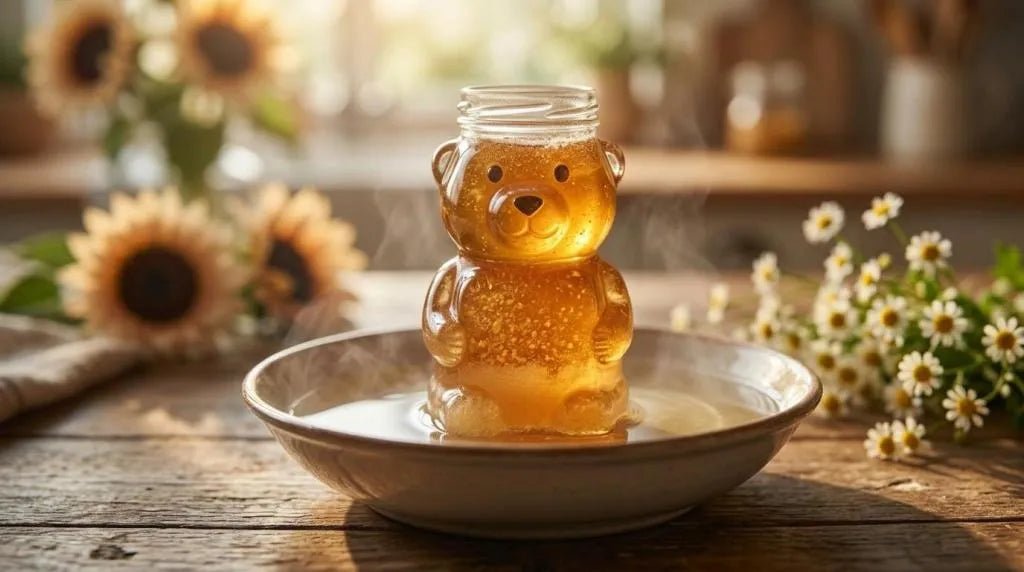
Raw honey can crystallize over time, and it can also be thick when your kitchen is cool. That’s normal. If you need it to pour or whisk easily, warm it gently.
A warm water bath is usually enough. Place the jar in warm (not boiling) water for a few minutes, then stir. That keeps the honey’s flavor intact and makes it blend into marinades without clumping.
A few easy pairings to keep on repeat
Once you get comfortable, you’ll start swapping honeys the way you swap vinegars. A raw wildflower honey can be your everyday workhorse, and infused honeys can be your “theme setters.”
These combinations cover a lot of weeknight ground:
- Chicken: garlic infused honey + lemon + soy sauce
- Salmon: citrus honey + ginger + a little sesame oil
- Pork: wildflower honey + Dijon + apple cider vinegar
- Steak or mushrooms: buckwheat honey + balsamic + black pepper
- Roasted vegetables: garlic honey + olive oil + salt, finished with herbs
- Wings or cauliflower: habanero hot honey brushed on late
Honey is flexible, forgiving, and deeply rewarding in chicken marinades. Once you start choosing it with the same care you give salt, acid, and heat, your glazes get shinier, your roasts brown better, and your food tastes more like you meant it.
🐝 Beekeepers Tip
Honey caramelizes quickly and can burn, so add it during the final third of cooking to lock in flavor without scorching.
Exploring Lesser-Known Benefits and Uses of Honey in Cooking
Honey’s natural enzymes and their impact on marinades
Beyond sweetness and texture, honey contains natural enzymes such as glucose oxidase, which can subtly influence the tenderizing process in marinades. These enzymes help break down proteins in meat, making it more tender over time without the harshness of acidic marinades. This enzymatic action is especially beneficial in slow marinades, where honey gently softens tougher cuts of meat while adding flavor complexity.
Honey as a natural preservative in marinades
Honey’s antimicrobial properties extend its usefulness beyond flavor. When used in marinades, honey can help inhibit the growth of certain bacteria on the surface of meats and vegetables, potentially extending the freshness of marinated foods before cooking. This natural preservative effect is due to honey’s low moisture content and acidic pH, which create an environment unfavorable to microbial growth.
Using honey to balance fermentation in pickling and brining
Honey can be incorporated into pickling brines and fermentation starters to add a nuanced sweetness that balances acidity and saltiness. Its sugars serve as a food source for beneficial bacteria during fermentation, promoting a healthy microbial environment. This technique can be used to create unique fermented vegetables with a subtle honey flavor, enhancing both taste and texture.
Honey’s role in enhancing Maillard reactions
The sugars in honey contribute to the Maillard reaction, a chemical process that creates complex flavors and appealing browning in cooked foods. Because honey contains a mix of fructose and glucose, it can promote more intense and varied browning compared to pure sucrose (table sugar). This makes honey an excellent choice for glazes and marinades where a rich, caramelized crust is desired.
Innovative culinary uses: honey in molecular gastronomy
In modern culinary arts, honey is being explored as a natural ingredient in molecular gastronomy techniques. Its unique sugar composition and viscosity allow chefs to create honey-based gels, foams, and spheres that add texture and flavor in unexpected ways. These applications open new avenues for honey beyond traditional marinades and glazes, showcasing its versatility in avant-garde cooking.
Frequently Asked Questions
1. Can I use honey in marinades for all types of meat?
Yes, honey can be used in marinades for various types of meat, including chicken, pork, beef, and even seafood. The key is to choose the right type of honey based on the meat's flavor profile. Light honeys like clover are great for chicken, while darker honeys like buckwheat work well with beef. Each type of honey brings its unique sweetness and depth, enhancing the overall flavor of the dish.
2. How does honey enhance the flavor of vegetables in marinades?
Honey amplifies the natural sweetness of vegetables, making them more appealing when roasted or grilled. It helps achieve a caramelized exterior, adding depth and richness to the dish. For sturdy vegetables like carrots and Brussels sprouts, bolder honeys like garlic-infused or wildflower are ideal. For quick-cooking veggies, lighter honeys should be applied later in the cooking process to prevent burning while still achieving a glossy finish.
3. What is the best way to store honey for optimal use in marinades?
To keep honey in optimal condition for marinades, store it in a cool, dry place away from direct sunlight. If honey crystallizes, which is normal, gently warm it in a water bath to restore its pourable consistency. Avoid using high heat, as it can alter the flavor. Proper storage ensures that honey retains its natural sweetness and flavor, making it a reliable ingredient for your marinades.
4. How can I prevent honey from burning during cooking?
To prevent honey from burning, apply it towards the end of the cooking process. For marinades, you can mix honey in from the start, but when grilling or roasting, brush it on during the last few minutes of cooking. This allows the honey to caramelize without scorching. If baking, baste with honey near the end to achieve a shiny finish without burning the sugars.
5. Are there any health benefits to using honey in marinades?
Yes, honey offers several health benefits when used in marinades. It contains antioxidants, which can help combat oxidative stress in the body. Additionally, honey has natural antibacterial properties and can aid in digestion. When used in moderation, honey can enhance the flavor of your dishes while providing a healthier alternative to refined sugars, making your meals both delicious and nutritious.
6. Can I substitute honey with other sweeteners in marinades?
While honey is unique in its flavor and texture, you can substitute it with other sweeteners like maple syrup, agave nectar, or brown sugar. However, keep in mind that these alternatives may alter the flavor profile of your marinade. If using a liquid sweetener, adjust the quantities to maintain the right balance of sweetness and acidity. Experimenting with different sweeteners can lead to interesting flavor combinations.
7. What are some common mistakes to avoid when using honey in marinades?
One common mistake is using too much honey, which can overpower other flavors and make the dish overly sweet. It's essential to balance honey with acids like vinegar or citrus to create a well-rounded marinade. Another mistake is applying honey too early in the cooking process, leading to burning. Always consider the cooking method and timing to ensure the best results when using honey in your marinades.
Learn More About Honey and Cooking


Conclusion
Choosing the right honey for marinades and glazes can elevate your dishes, enhancing flavors and creating a beautiful finish. With options ranging from light clover to robust buckwheat, each type of honey offers unique benefits tailored to different meats and vegetables. By experimenting with various honeys, you can unlock new flavor profiles and make your meals truly memorable. Discover our selection of premium honeys today and transform your cooking experience.

Author - Jim Douglas - Founder Huckle Bee Farms
For Jim Douglas, beekeeping is more than a craft—it’s a commitment to purity and the environment. After an honorable career in the U.S. Army and a tenure as a COO for the Boy Scouts of America, Jim sought a way to combine his leadership experience with his love for the outdoors.
In 2012, he founded Huckle Bee Farms with a simple mission: to take honey back to its raw, unadulterated roots. Jim’s expertise lies in the delicate balance of infusing raw honey with organic ingredients without compromising its natural medicinal properties. His "small-batch" philosophy ensures that every jar meets the highest standards of quality and transparency. Today, Jim continues to lead Huckle Bee Farms with the same integrity he practiced in uniform, ensuring that every drop of honey supports both the health of the consumer and the survival of the honeybee.
His mission is simple: to make life a little sweeter—naturally.
Key Takeaways for Choosing the Best Honey for Marinades and Glazes
Understanding the right honey for your marinades and glazes can significantly enhance the flavor and presentation of your dishes. Here are the essential points to consider when selecting honey for various cooking applications.
- Honey's Role in Marinades: Honey adds sweetness, color, and a glossy finish, making it ideal for marinades and glazes.
- Choosing Honey by Flavor Intensity: Light honeys are best for delicate proteins like chicken, while dark honeys complement robust meats like beef.
- Infused Honeys as Flavor Shortcuts: Infused varieties, such as garlic or citrus honey, can simplify flavoring without needing multiple ingredients.
- Timing of Honey Application: Apply honey towards the end of cooking to prevent burning and achieve a shiny glaze.
- Pairing Honey with Other Ingredients: Combine honey with acids and savory elements to create balanced marinades that enhance overall flavor.
- Storage Tips for Honey: Store honey in a cool, dry place and warm gently if crystallized to maintain its pourable consistency.
- Common Mistakes to Avoid: Avoid using too much honey, which can overpower other flavors, and be mindful of when to apply it during cooking.