Find the Best Honey Dispenser and Dipper
The Perfect Honey Dispenser and Dipper: Buyer’s Guide and Care Tips
A quality Honey dispenser and dipper make serving honey smooth, mess-free, and effortless — helping you drizzle, pour, and enjoy honey without sticky spills. From choosing the right dispenser style to caring for your dipper properly, the right honey tools preserve flavor, improve control, and make everyday honey use cleaner and more enjoyable. Discover how to pick the best honey dispenser and dipper, how to keep them clean, and how simple tools can elevate your honey experience.
Table of contents
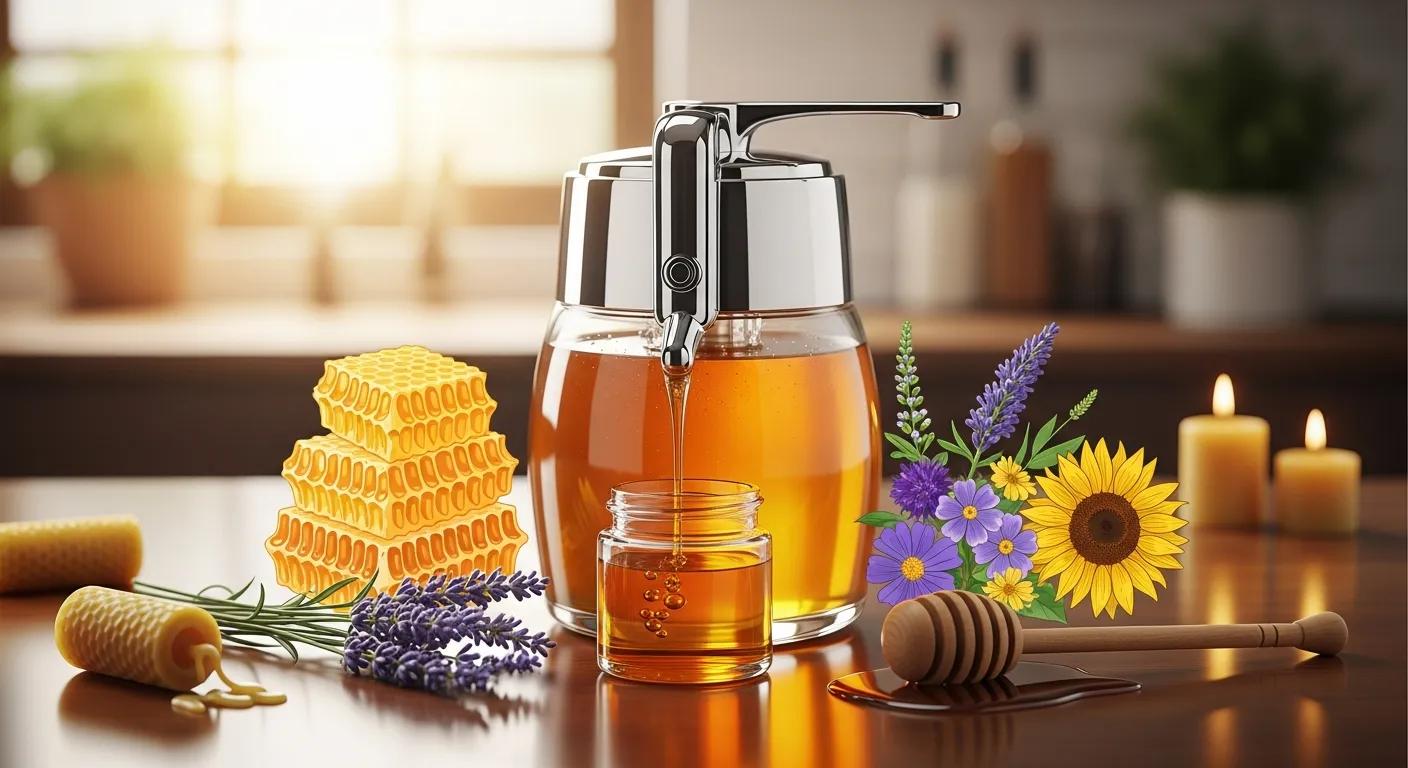
When you're weighing honey dipper vs spoon, remember: honey can be both daily and delightful. It also has a knack for leaving sticky rings, sealing lids shut, and dripping at the worst moment—usually while you’re carrying toast. The right honey dispenser and a good dipper fix most of that, and they make portioning simple for tea, baking, yogurt, or giving honey in a glass jar. A true no-drip honey dispenser—one with a valve or stopper—will stop the mess and keep serving neat. Do honey dispensers prevent dripping? Yes—when they’re designed with a proper sealing mechanism, they stop unwanted drips.
At Huckle Bee Farms we bottle honey to order for peak freshness, so we hear the same question a lot: “How should I store this so it’s tidy and easy to use?” This guide walks you through what matters when choosing a honey dispenser for home—what works best for raw honey, what gear to skip, how to clean and maintain your dispenser, and simple ways to keep honey tools fresh without fuss.
Dispenser, dipper, or both?
Think about the moments you reach for honey. A dispenser—made for one-handed pouring—is fast and perfect for breakfast or the syrup station. A dipper gives you control and small, elegant amounts for stirring drinks or finishing a plate. Most kitchens keep both: a countertop dispenser for everyday pouring and a dipper for tea, cocktails, and finishing touches.
Match the tool to the moment:
- Breakfast drizzle: a dispenser on a stand makes portioning oats and pancakes easy
- Tea and cocktails: a dipper gives a neat, small swirl into a mug or shaker
- Baking days: a jar with a spoon or a sturdy dipper is best for measured amounts
The biggest decision is material
Material shapes three things you’ll notice right away: how honey pours, how the tool cleans, and how long it lasts. Honey is hygroscopic (it attracts moisture), so an airtight, easy-to-clean setup is worth choosing.
Here’s a quick comparison of common options.
| Material | Best for | Pros | Trade-offs |
|---|---|---|---|
| Wood (dipper) | Classic drizzling, gifts, tea | Comfortable in the hand, warm natural look, grooves help hold honey | Porous—can absorb honey; needs thorough drying and can warp or crack if left wet |
| Plastic (dippers or squeeze bottles) | Kids, travel, lightweight setups | Lightweight, affordable, easy to squeeze, shatter-resistant | Can scratch and trap residue; cheaper plastics may discolor or degrade |
| Glass (dispensers, jars) | Countertop dispenser, flavor purity | Inert and hygienic, transparent so you can see levels, easy to sanitize | Heavier and breakable; some designs need hand washing |
| Stainless steel (dippers or mechanisms) | High-use kitchens, durability | Durable, non-porous, corrosion-resistant, often dishwasher safe | Heavier; mechanisms still need occasional deep cleaning and can cost more |
If you buy just one accessory, many people find a glass dispenser for everyday use plus a dipper that fits their cleaning habits is the sweet spot. Stainless steel is the low-maintenance, long-lasting choice. Wood is beautiful and traditional but asks for a little more care—so learn how to care for a wooden honey dipper if you choose it.
Dispenser styles: what actually works
Not all dispensers behave the same—especially once honey begins to thicken or crystallize. Two glass jars can look identical and pour very differently.
Look for designs that stop the flow cleanly and seal the spout between pours. That “no drip” promise usually comes from a valve, stopper, or lever that closes as soon as you stop pouring.
Common styles to consider:
- Squeeze bottle: quick and light—best with runny honey and a reliable valve cap
- Gravity or lever dispenser: controlled stream with a release-to-stop action—ideal for the table
- Simple pour jar with spout: few parts and easy to rinse—performance depends on spout shape and technique
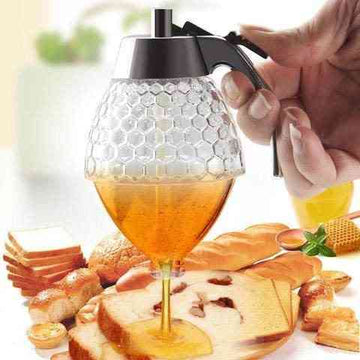
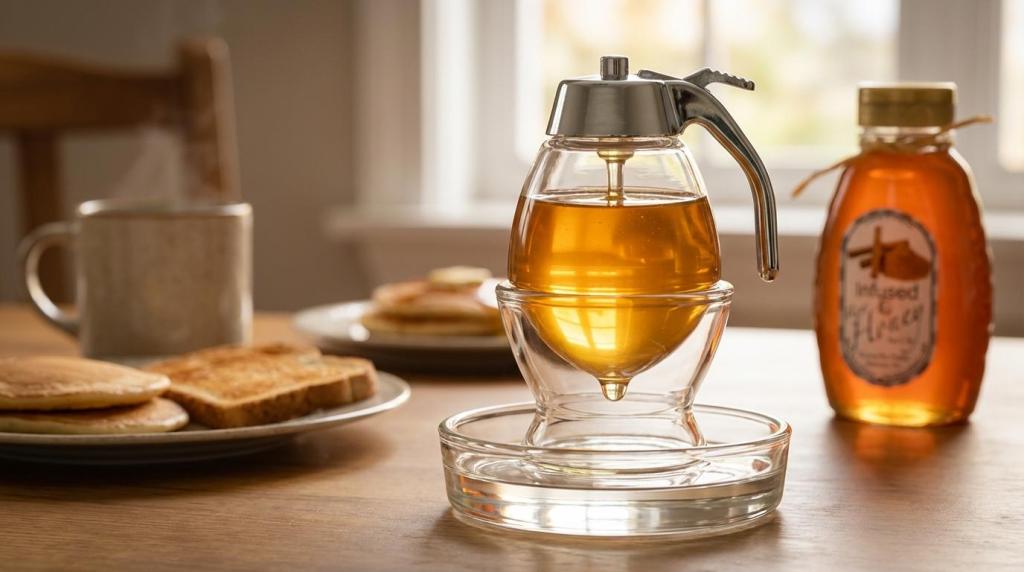
One example we recommend for the countertop is a glass dispenser with a lever and an inner stopper that seals after pouring for a true no-drip result. A stand does more than look nice—it catches stray drips and keeps the base tidy. Some stands even hold a small pot of warm water to gently loosen thick honey when needed.

No-Drip Glass Honey Dispenser - Mess-Free Syrup & Honey Server
Stop the drip and start the drizzle—upgrade your kitchen with the mess-free server your honey deserves.🍯
View Glass DispenserDippers: grooves, length, and feel
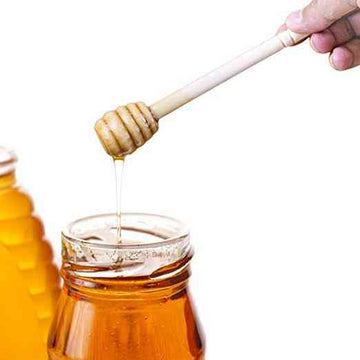
A honey dipper is a small, grooved wand that carries honey by surface tension. Used right, it drips less than a spoon because the grooves hold the honey until you’re ready to release it.
Groove shape matters, but so does handle length. Short handles work for shallow jars; taller jars call for a longer dipper so your fingers stay clean and you avoid the rim.
Wooden dippers add a timeless look and make sweet extras for gift boxes or party favors. Remember: wood is porous, so wash and dry it quickly to avoid mold or warping. Stainless steel dippers feel modern, sanitize easily, and hold up well if you use them a lot.

Match the tool to your honey’s texture
Honey has a mind of its own. Some varieties stay liquid; others crystallize sooner. Infused honeys can behave differently depending on ingredients and temperature.
Dispensers prefer liquid honey. Thick, creamy, or grainy honey is easier to handle with a dipper or spoon, or by gently warming it first. Trying to force crystallized honey through a tight valve is a quick way to clog things.
Simple rules:
- If your honey is runny and clear, a dispenser will pour cleanly.
- If your honey is thick, creamy, or grainy, a dipper or spoon gives better control.
- If you store honey near a cold window or in a chilly pantry, expect more crystallization—choose a wide spout or a jar you can warm easily.
What to look for when shopping
A beautiful glass dispenser can still be a chore to clean; a cheap dipper can be the one you reach for every day. Focus on the small details that affect daily use.
Before you buy, check these practical points:
- Spout width: wider, smoother spouts clog less when crystals form and pour more smoothly
- Seal quality: good gaskets or tight lids keep humidity out and help prevent crystallization
- Parts count: fewer pieces usually means easier cleaning and less sticky buildup
- Capacity: 8–12 oz is easy to handle and refill; 16–20 oz means fewer refills but more weight
Buying for gifts or events? Think about use-case. A wooden dipper with a mini jar makes a charming wedding favor. A sturdy glass dispenser is the better everyday gift for someone who wants style and function.
🐝 Beekeepers Tip
For most Huckle Bee fans, we recommend the No-Drip Glass Dispenser for the counter and a Wooden Dipper for the tea station.
How to use a dipper without making a mess
Most dipper drips happen when the dipper is lifted and held still. The trick is to twirl.
Dip, lift, then rotate the handle between your fingers so honey wraps into the grooves. Keep that gentle twirl as you move, then stop twirling to release the honey where you want it.
A quick line kids remember: “Spin to carry, stop to pour.” It keeps drips down and cleanup easy.
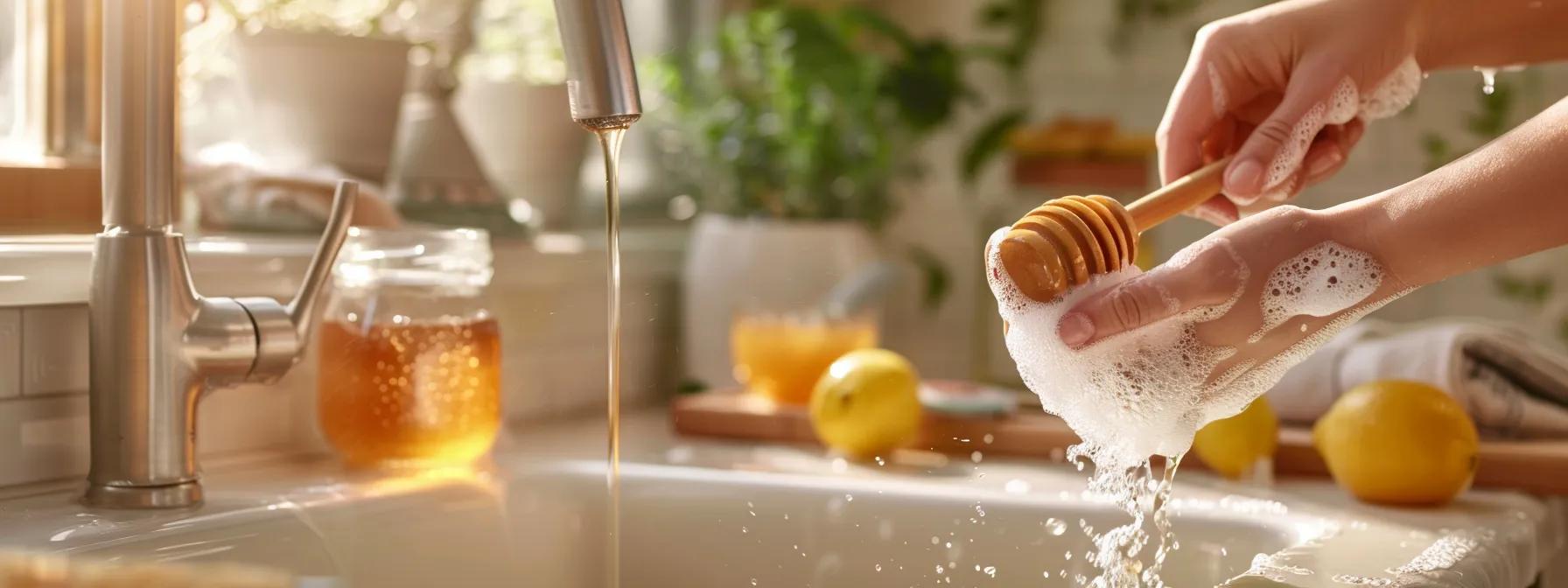
Cleaning and care that keep tools fresh
Honey is naturally antimicrobial, but sticky residue plus moisture can still cause off smells or even mold—especially on porous wood or parts stored damp. The best habit: rinse right after use.
Start with lukewarm water. Very hot water can make residue sticky and stress mixed-material parts. If you need soap, use a mild dish soap and rinse well to avoid lingering scents.
Care basics that prevent most problems:
- Rinse timing: rinse right after use so sugar doesn’t harden in seams and spouts
- Drying: air-dry completely, ideally upside down, before reassembling or storing to prevent mold and warping
- Deep clean: soak glass or stainless parts when buildup appears; avoid soaking wood to prevent damage
Material-specific care tips
Wood needs the gentlest touch. Hand-wash quickly, rinse, pat dry, then let it air-dry fully. If the wood looks dry, a small amount of food-grade mineral oil or beeswax will condition it.
Plastic does well with warm, soapy water and a soft sponge. Avoid harsh scrubbing that creates scratches where residue hides. If your dispenser uses silicone valves, rinse them carefully so honey doesn’t dry in the flap and stick.
Glass and stainless steel can handle more soaking. For stubborn crystals, a short soak in a 1:1 mix of white vinegar and water helps loosen residue on glass or metal—rinse thoroughly afterward to remove vinegar scent.
If your dispenser has a glass stand or base, empty and dry it between uses. Standing water invites musty smells and bacterial growth.
Crystallized honey: fix it gently
Crystallization is natural. It isn’t spoilage—just sugars forming crystals, often triggered by cool temperatures or tiny particles in raw honey.
To re-liquefy, set the jar in a warm water bath and wait until it loosens. Keep the water warm, not boiling, to preserve the honey’s enzymes and flavor. Avoid microwaving—hot spots can change texture and reduce quality.
When the honey is liquid again, refill your dispenser and rinse the spout to prevent crystals from building up and clogging the flow.
Troubleshooting sticky spouts and constant drips
Most dispenser “failures” are dried honey in the wrong place—between glass surfaces or around seals. A quick clean and reassembly usually restores the clean stop-and-start action.
If the spout keeps dripping, look for a thin film of honey on the sealing surface. Wash, rinse, dry, and reassemble. If it still drips, inspect the gasket or valve for wear and replace parts if needed.
If the lever is stiff or the flow is slow, crystals may be blocking the mechanism. Don’t force it—warm the honey in its original jar, clean the mechanism thoroughly, then refill with liquid honey for smooth operation.

Small touches that make honey feel easy every day
A good tool becomes part of the routine: the honey tastes like honey, the counter stays clean, and cleanup takes seconds.
Keep a dipper by your tea station, and if you use a countertop dispenser, wipe the spout every few days. When the tool is pleasant to use, you’ll reach for honey more often—whether that’s a spoonful in chamomile, a drizzle over roasted carrots, or a swipe on warm cornbread.
Frequently Asked Questions
1. How do I choose the right honey dispenser for my needs?
Choose based on the honey you use most. Runny honey pairs well with squeeze bottles or gravity dispensers; thick or crystallized honey is easier to manage with a pour jar or dipper. Think about material too—glass shows levels and stays pure, while stainless steel is durable and easy to clean. Check spout width and seal quality for a mess-free experience, and match the dispenser to how you use honey (breakfast, baking, beverages).
2. Can I use a honey dispenser for other liquids?
Many honey dispensers work for other viscous liquids like syrups or molasses, but check the product details first. Some dispensers are optimized for honey’s unique thickness and may not perform the same with different liquids. Always clean well between uses to avoid flavor transfer.
3. What are the best practices for maintaining a honey dipper?
Rinse a dipper right after use to stop honey from hardening. Use lukewarm water and mild soap if needed, and avoid harsh scrubbing. Dry wooden dippers completely to prevent warping. Occasionally condition wood with food-grade mineral oil or beeswax. Stainless steel dippers can usually go in the dishwasher and are lower maintenance.
4. How can I prevent honey from crystallizing in my dispenser?
Store honey in a cool, dry place away from direct sunlight. If your honey crystallizes often, use a dispenser with a wider spout or warm the honey gently in a water bath before refilling. Regularly check and clean the dispenser to prevent crystal buildup.
5. What should I do if my honey dispenser is leaking?
Start by cleaning dried honey from the spout and sealing surfaces, then reassemble. If it still leaks, inspect the gasket or valve for wear and replace parts if needed. Make sure you’re filling the dispenser with liquid honey—thick or crystallized honey can cause blockages that look like leaks.
6. Are there any eco-friendly options for honey dispensers?
Yes—look for dispensers made from sustainable materials like bamboo or recycled glass. These choices reduce environmental impact and still offer style and function. Reusable dippers and minimal packaging also help lower waste.
7. How can I effectively clean a glass honey dispenser?
Rinse a glass dispenser with lukewarm water immediately after use to stop honey from hardening. For deeper cleaning, soak glass parts in equal parts white vinegar and water to dissolve residue, then scrub gently with a soft sponge. Rinse thoroughly and air-dry completely before reassembling to avoid moisture buildup.
Conclusion
Choosing the right honey dispenser makes using honey cleaner and more enjoyable while protecting its flavor and quality. With the right tool for your honey type and daily habits, serving and storing honey becomes easy. Explore our selection of thoughtful dispensers and dippers at Huckle Bee Farms to find the pieces that fit your kitchen and routine.

Author - Jim Douglas - Founder Huckle Bee Farms
For Jim Douglas, beekeeping is more than a craft—it’s a commitment to purity and the environment. After an honorable career in the U.S. Army and a tenure as a COO for the Boy Scouts of America, Jim sought a way to combine his leadership experience with his love for the outdoors.
In 2012, he founded Huckle Bee Farms with a simple mission: to take honey back to its raw, unadulterated roots. Jim’s expertise lies in the delicate balance of infusing raw honey with organic ingredients without compromising its natural medicinal properties. His "small-batch" philosophy ensures that every jar meets the highest standards of quality and transparency. Today, Jim continues to lead Huckle Bee Farms with the same integrity he practiced in uniform, ensuring that every drop of honey supports both the health of the consumer and the survival of the honeybee.
His mission is simple: to make life a little sweeter—naturally.
Key Takeaways for Choosing the Perfect Honey Dispenser and Dipper
Here’s a quick checklist to help you pick the right dispenser and dipper so serving honey stays clean and easy.
- Consider Honey Type: Match the dispenser to viscosity—runny honey works best with squeeze bottles; thick honey prefers dippers or pour jars.
- Material Matters: Glass for purity and visibility, stainless steel for durability, wood for charm—each needs different care.
- Spout Design: Wider, smoother spouts resist clogging, especially with crystallized honey.
- Seal Quality: Good seals keep moisture out and slow crystallization.
- Ease of Cleaning: Fewer parts = easier cleaning; glass and stainless are generally simplest to maintain.
- Usage Scenarios: Think where you use honey most—breakfast, baking, or beverages—to choose the right tool.
- Care Instructions: Follow material-specific care: gentle hand-washing and full drying for wood; more forgiving cleaning for glass and stainless.
- Crystallization Management: Store properly and warm gently when needed to keep honey easy to dispense.
Leave a comment
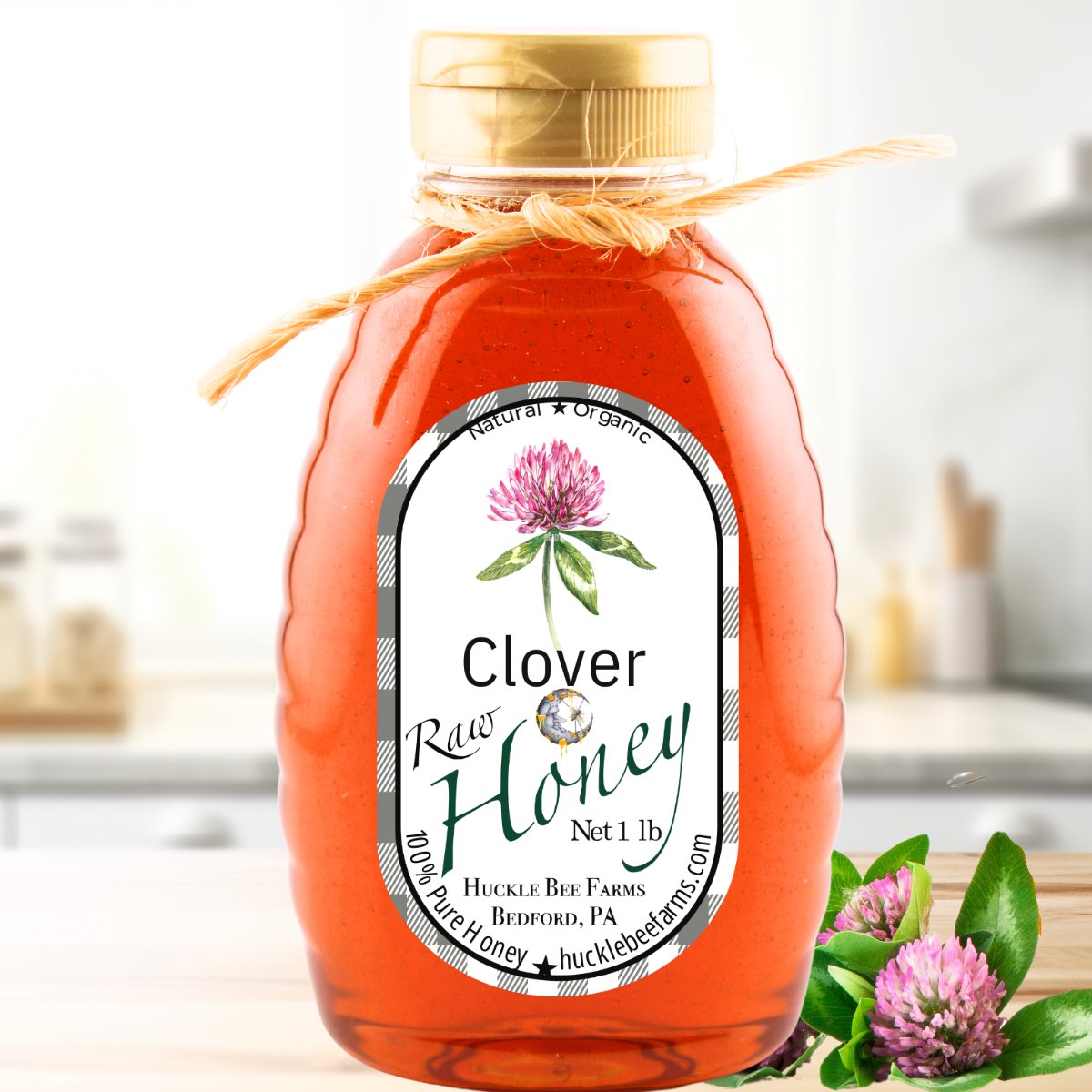
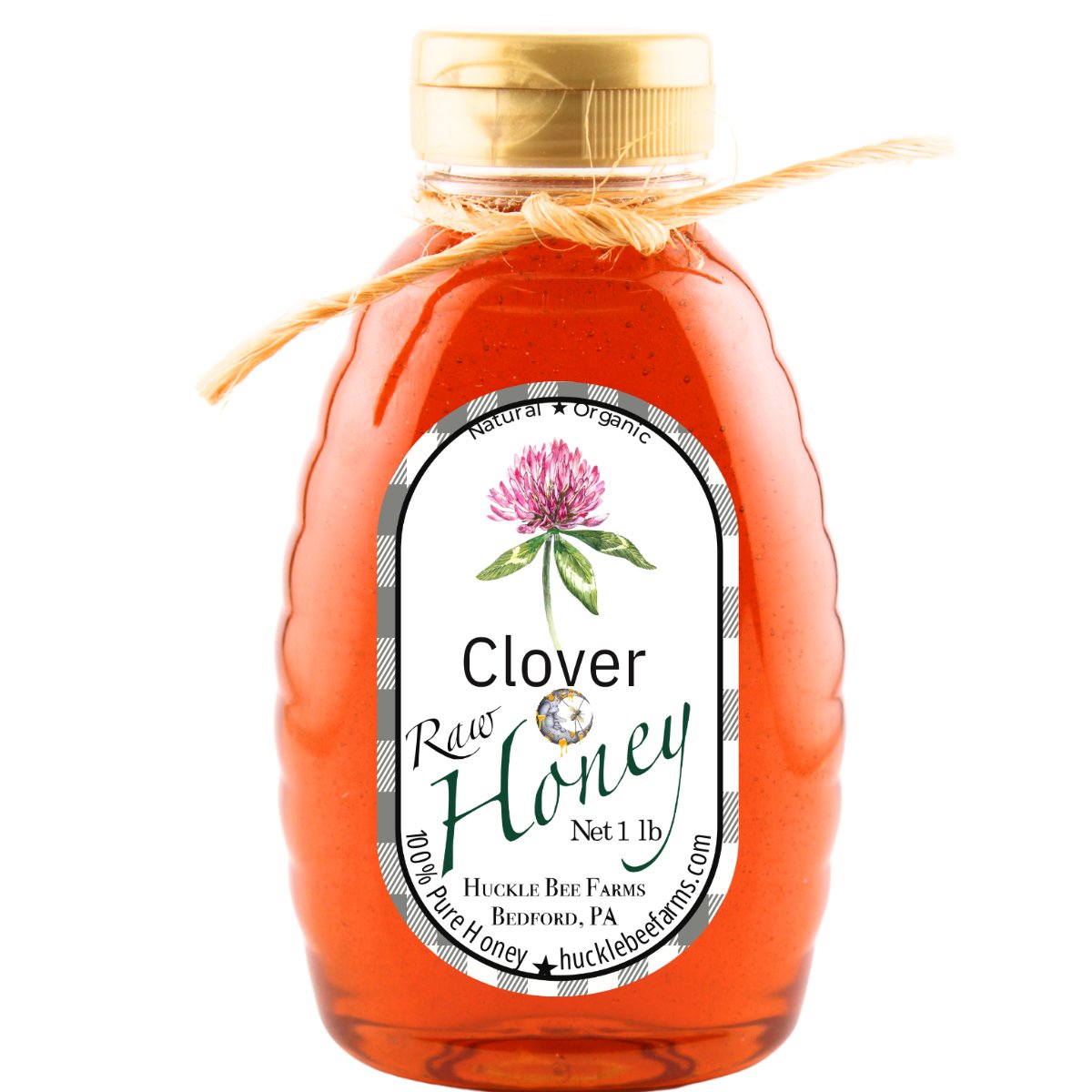
100% Pure Clover Honey - Enhance Cooking w/Natural Sweetness
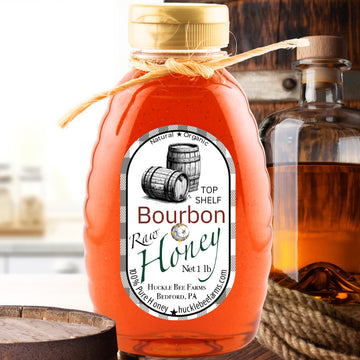
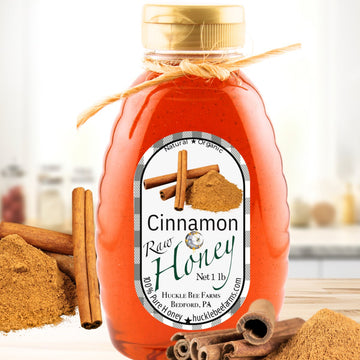
Shop the flavors we mentioned