Honey Crystallizes: Unraveling Its Sweet Secrets
Is Your Honey Crystallized? Why Real Raw Honey Turns to Sugar (and How to Fix It)
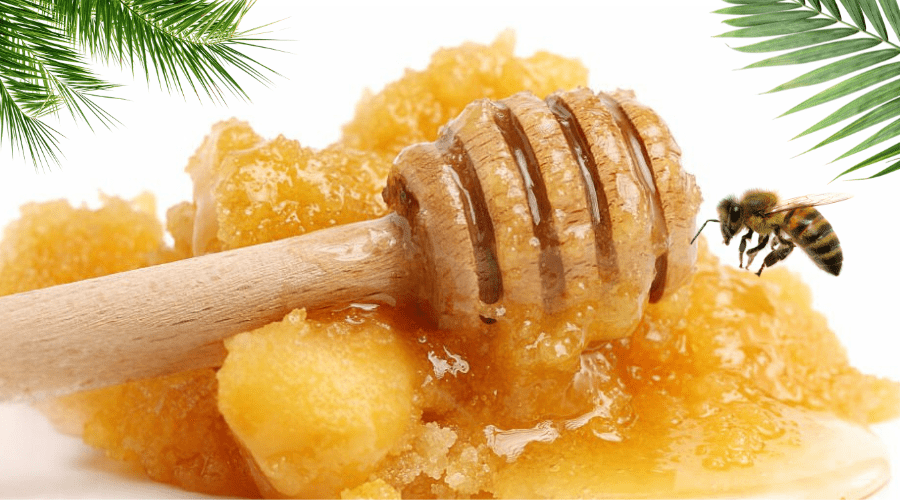
Honey crystallizes when natural glucose separates from water, forming tiny crystals that turn liquid honey thick and creamy — a completely natural process that proves your honey is raw, real, and never spoiled. Temperature, floral source, and sugar balance affect how quickly crystallization happens, but flavor, quality, and benefits stay the same. Discover why honey crystallizes, how to gently return it to liquid, and why many honey lovers enjoy its smooth, spreadable texture.
Table of contents

Have you ever opened a jar of honey only to find it has turned from a smooth liquid into a grainy, crystallized texture? Don't worry—this is a natural and fascinating process that highlights the purity and authenticity of honey. Understanding why honey crystallizes and the role pollen plays in this process not only deepens your appreciation for this golden nectar but also empowers you to manage and enjoy it in its many forms. Embrace the science behind honey crystallization, and you'll discover how to keep your honey at its best, savoring its sweetness in every spoonful.
Why Does Honey Crystallizes?
At its core, honey crystallizes because it is a super-saturated solution consisting largely of glucose and fructose sugars, and its sugar content influences its viscosity, similar to the process of fermentation in other natural products. Nature has designed honey to do this, as the balance of sugars naturally shifts over time, leading the glucose to form crystals. This transformation is influenced by various factors, including the pollen and flower nectar source, storage temperature, and time. Crystallization is a testament to honey's natural composition, so you can rest assured that the process is a hallmark of genuine, raw honey, unprocessed and pure.

Is Crystallized Honey Still Good?
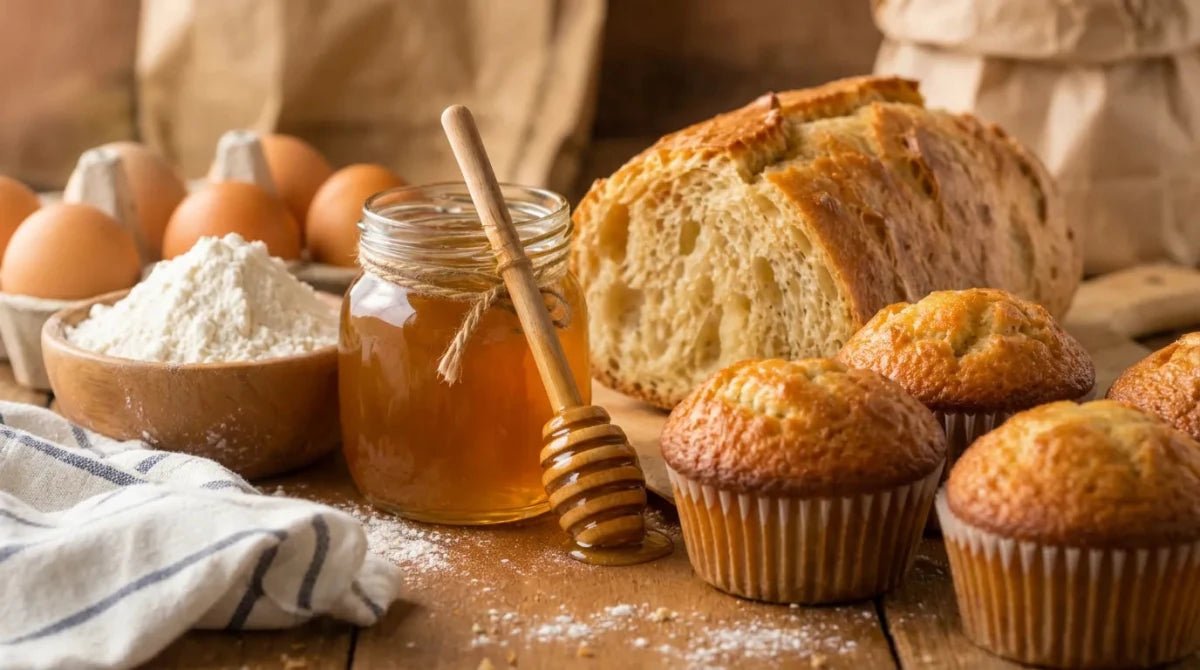
Absolutely! Crystallization does not mean your honey has gone bad; in fact, it is a sign of its purity and unaltered state. This transformation does not alter the honey's taste, nutritional value, or beneficial properties. Crystallized raw honey remains delicious and is perfectly safe to eat. Many people even prefer it for spreading on toast or incorporating into baking for its thicker consistency. Thus, seeing honey crystalizes is far from a disadvantage—it's an opportunity to explore its diverse textures and uses.
Chef’s Pro Tip: Prefer the Crunch?
Don't melt those crystals! Crystallized honey makes a velvety, mess-free spread. It’s a fan-favorite on warm sourdough or sharp cheddar where the "honey crunch" adds a sophisticated texture.
Shop Wildflower Spread →How to Slow Down the Crystallization
If you prefer your honey in a liquid form, there are simple yet effective ways to delay its crystallization. Storing honey at room temperature rather than in the refrigerator is key, as cooler temperatures expedite the crystallization process. A tightly sealed container also helps prevent moisture absorption, which can influence crystal growth. Some honey enthusiasts recommend consuming honey sooner rather than later, giving you a perfect excuse to enjoy its myriad of culinary applications without delay.
How to Bring Crystallized Honey Back
How to Restore Crystallized Honey
- Use a warm water bath at 95-110°F.
- Stir occasionally until crystals dissolve.
- Avoid microwaving to protect enzymes and flavors.
- Preserve the quality and preservation of honey with gentle heating.
- Enjoy honey's smooth texture and benefits.
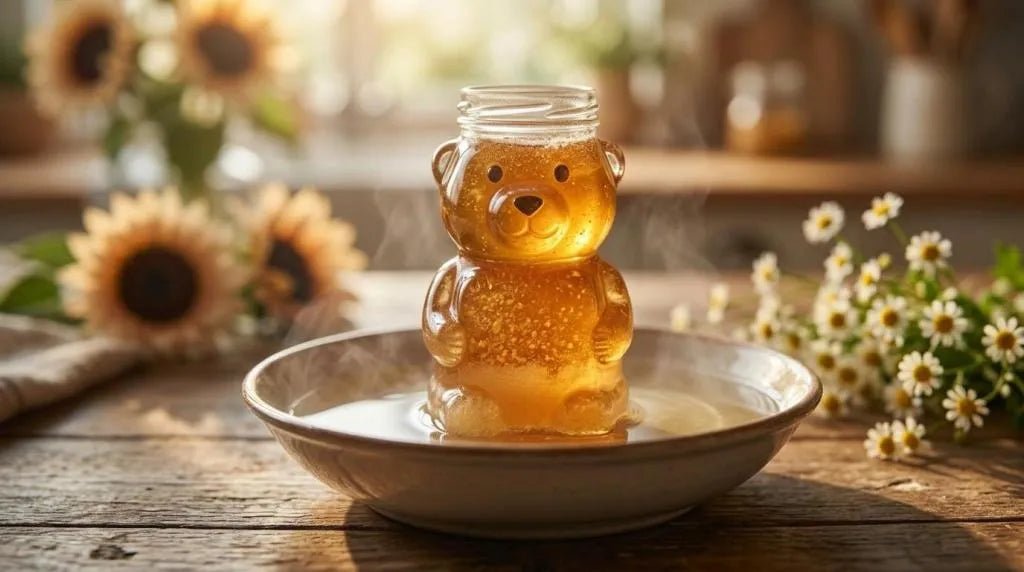
Should you wish to return your crystallized honey to its smooth, liquid state, the solution is simple and effective. Gently apply heat treatment by placing the bottle of honey in a warm water bath—aim to maintain a temperature below 104°F to preserve the honey's beneficial enzymes and flavor profile. Stirring occasionally will aid in evenly distributing the heat and dissolving the crystals. Patience is key; allow the honey to gradually embrace its liquid form without rushed heating that could disrupt its natural integrity.
Understanding raw honey's crystallization process empowers you to make informed choices about storage, preservation, and usage. No matter how you choose to enjoy your honey, know that you are partaking in a time-honored tradition of nature’s gift, enriching your culinary experiences with every golden drop.
As you observe honey transforming from a smooth liquid to solid crystals, you uncover the fascinating science behind its consistency change.
Different Honey Types May Crystallize at Different Timeframes
Not all honey is created equal when it comes to crystallization. The type of nectar source from which the honey is derived plays a crucial role in how quickly it crystallizes. For instance, honey high in glucose, such as clover honey, is more prone to crystallization and may do so more rapidly. On the other hand, acacia honey, which contains more fructose, tends to stay liquid for a much longer period. By understanding these differences, you can tailor your honey selection based on how you prefer to use and store it.
This knowledge empowers you to explore a variety of honeys, each with its unique crystallization timetable. Embrace the diversity of honey types and select the one that aligns with your culinary needs and storage preferences. Whether you desire a quickly crystallizing honey for your baking adventures or a slow-to-crystallize option for endless drizzling over your desserts, the world of honey offers myriad possibilities to match your lifestyle and taste inclinations.
By recognizing the science behind why honey crystallizes and implementing these insights, not only do you enhance your culinary experiences, but you also connect more deeply with the natural wonder that honey represents. Let this awareness guide your choices, allowing each jar of honey to be a delightful experiment and experience in flavor, texture, and tradition.

100% Pure Raw Wildflower Honey
Experience nature's pure essence with Organic Wildflower Honey from Huckle Bee Farms. 🍯
View Wildflower HoneyDifferent Honey Varieties and Their Crystallization Characteristics
Diving into the vast world of raw honey unveils various varieties, each with its crystallization tendencies. Understanding these nuances allows you to choose the perfect honey for your needs, whether you're seeking a sweetener that retains its smooth texture or relishes the variety offered by crystallization.
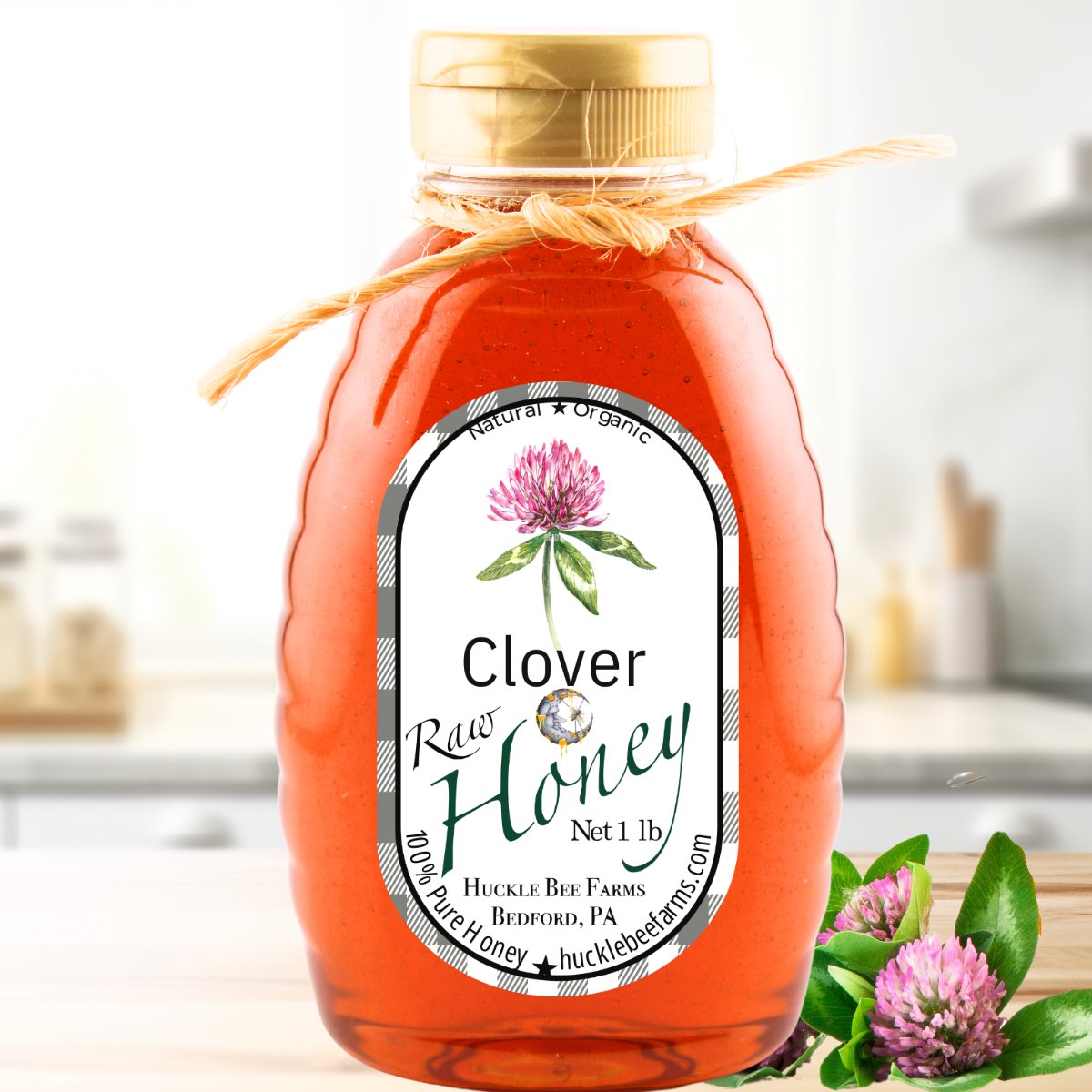
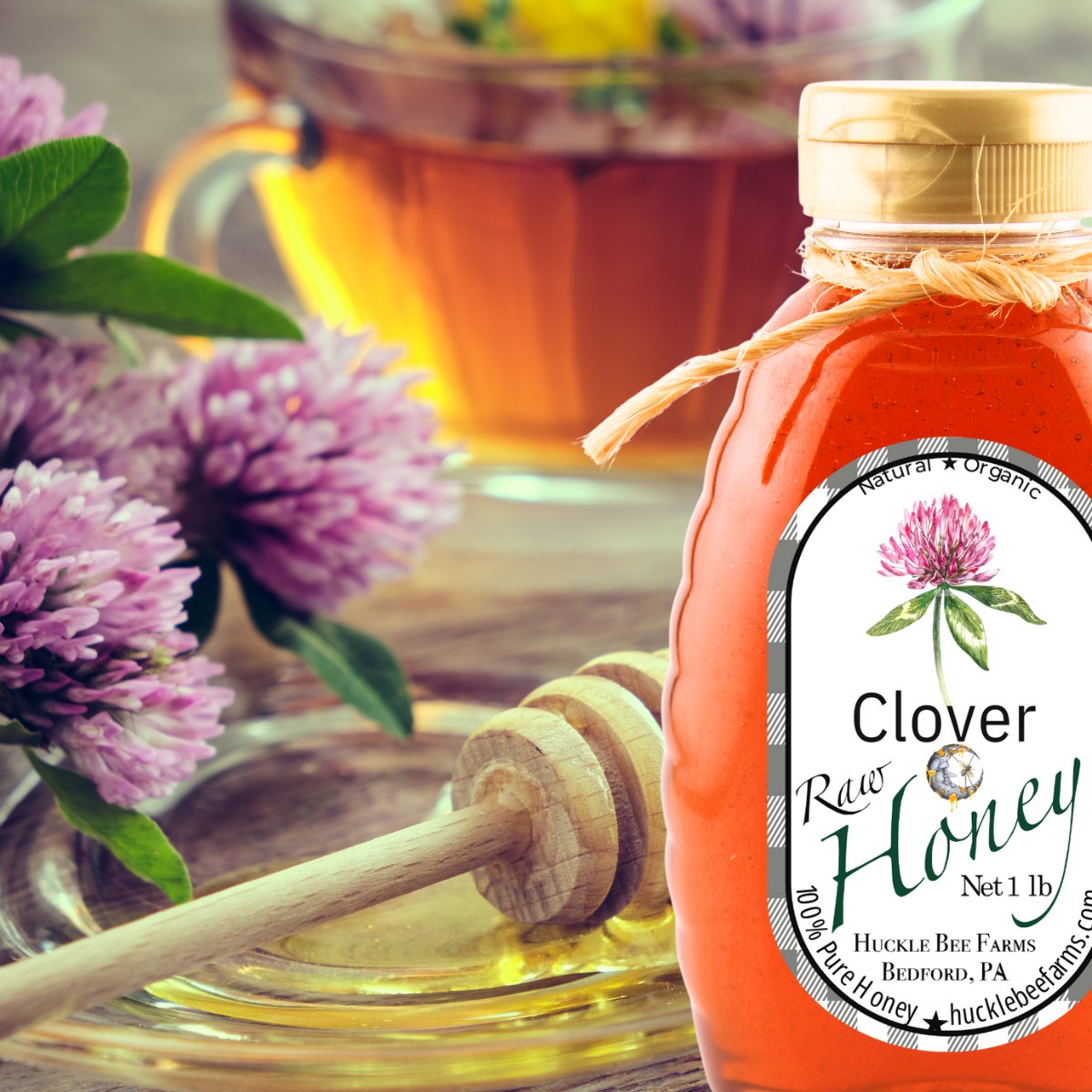
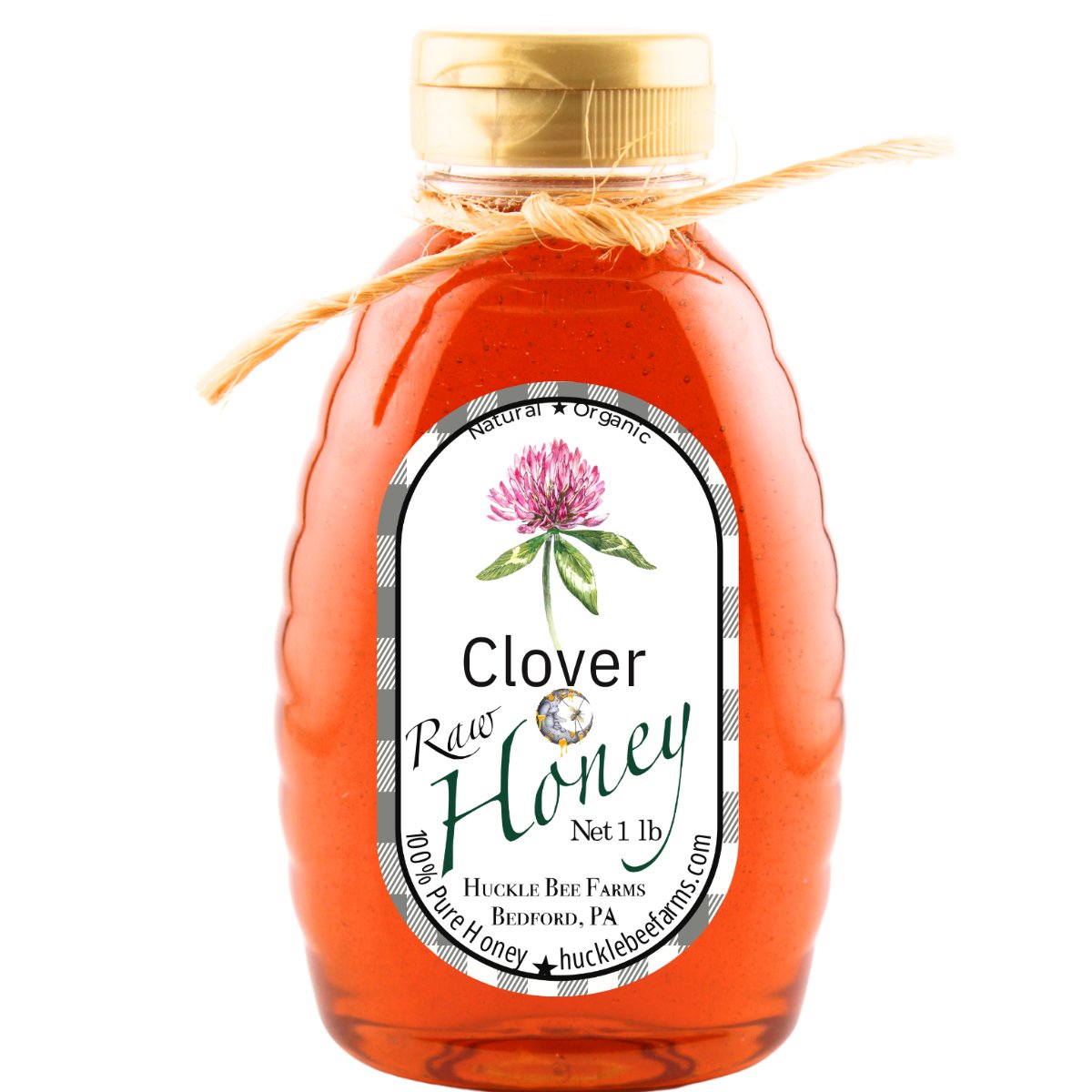
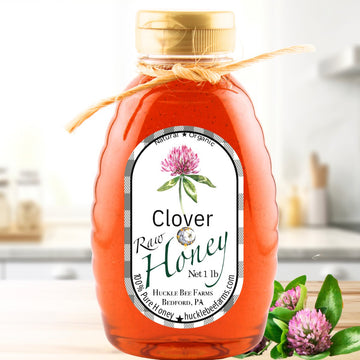
- Clover Honey: Known for its mild flavor and widespread use, clover honey tends to crystallize quickly. Its higher glucose and sugar content make it an ideal choice for those who appreciate the granulated texture, perfect for spreading on baked goods.
- Acacia Honey: If you prefer honey that remains liquid for an extended period, acacia honey is your go-to. Its higher fructose levels resist crystallization longer, making it perfect for drizzling over desserts or stirring into your favorite teas.
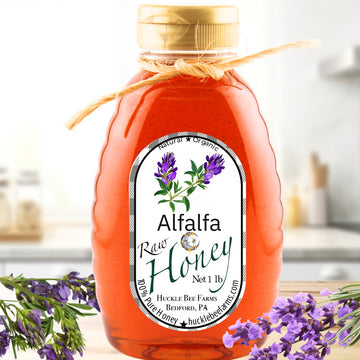
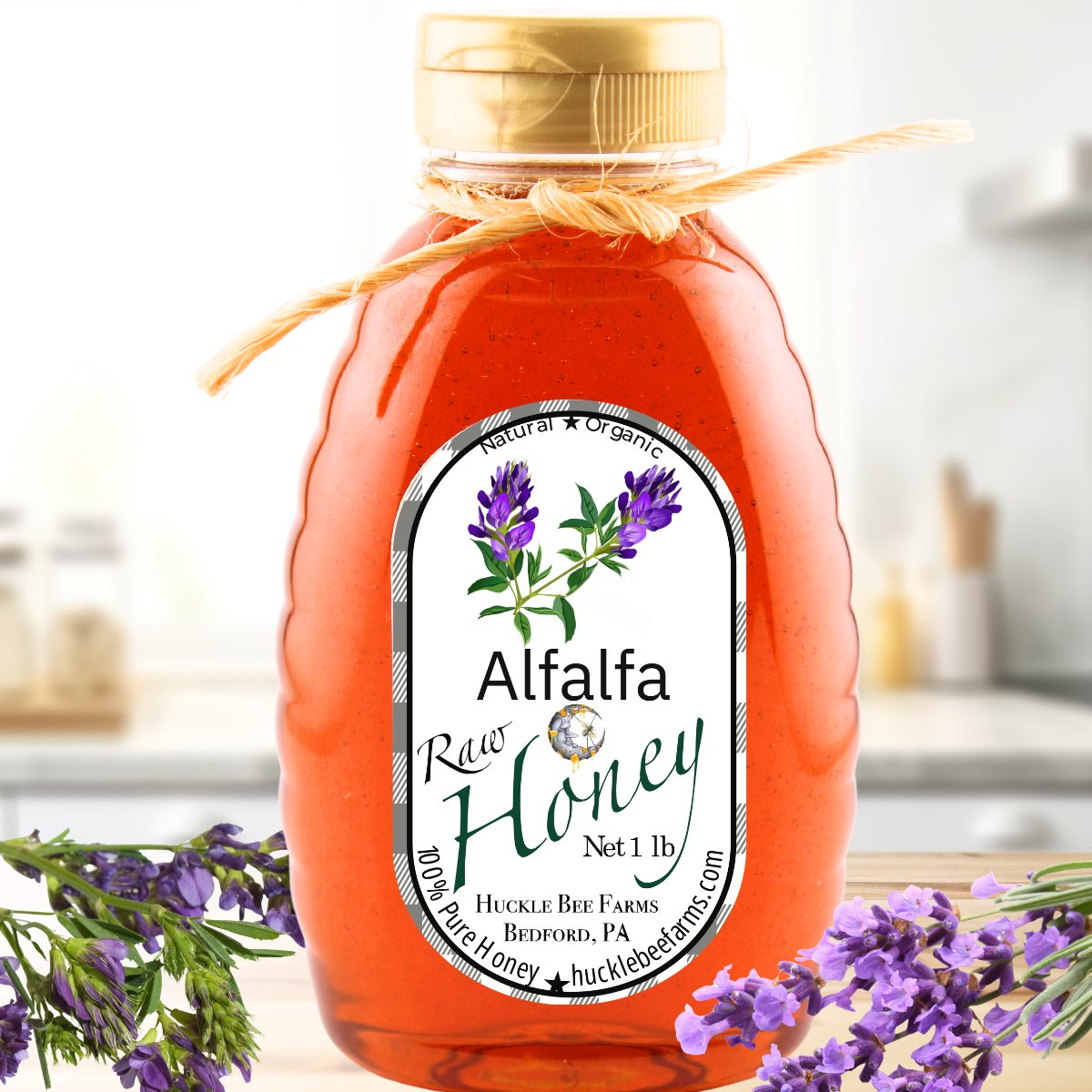
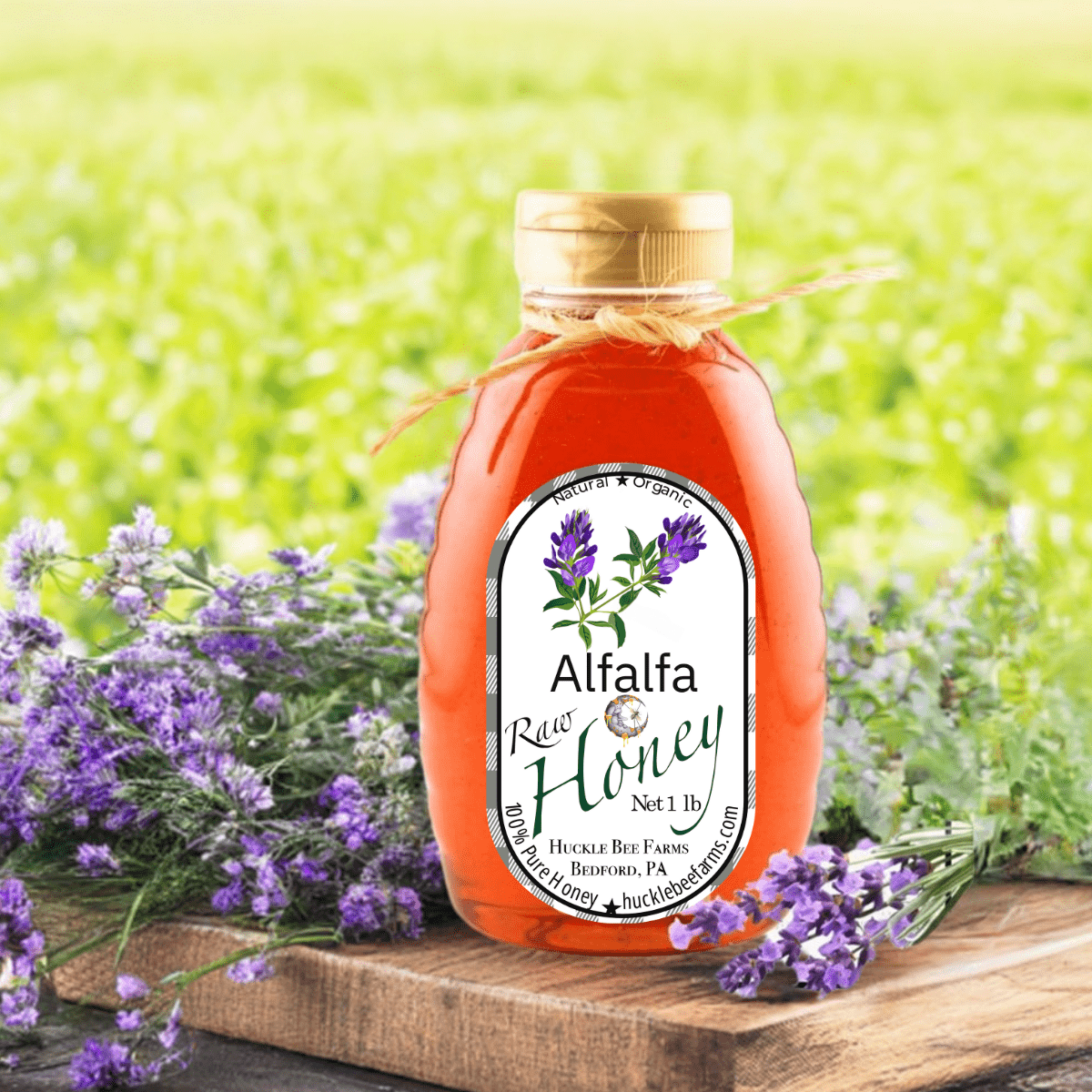
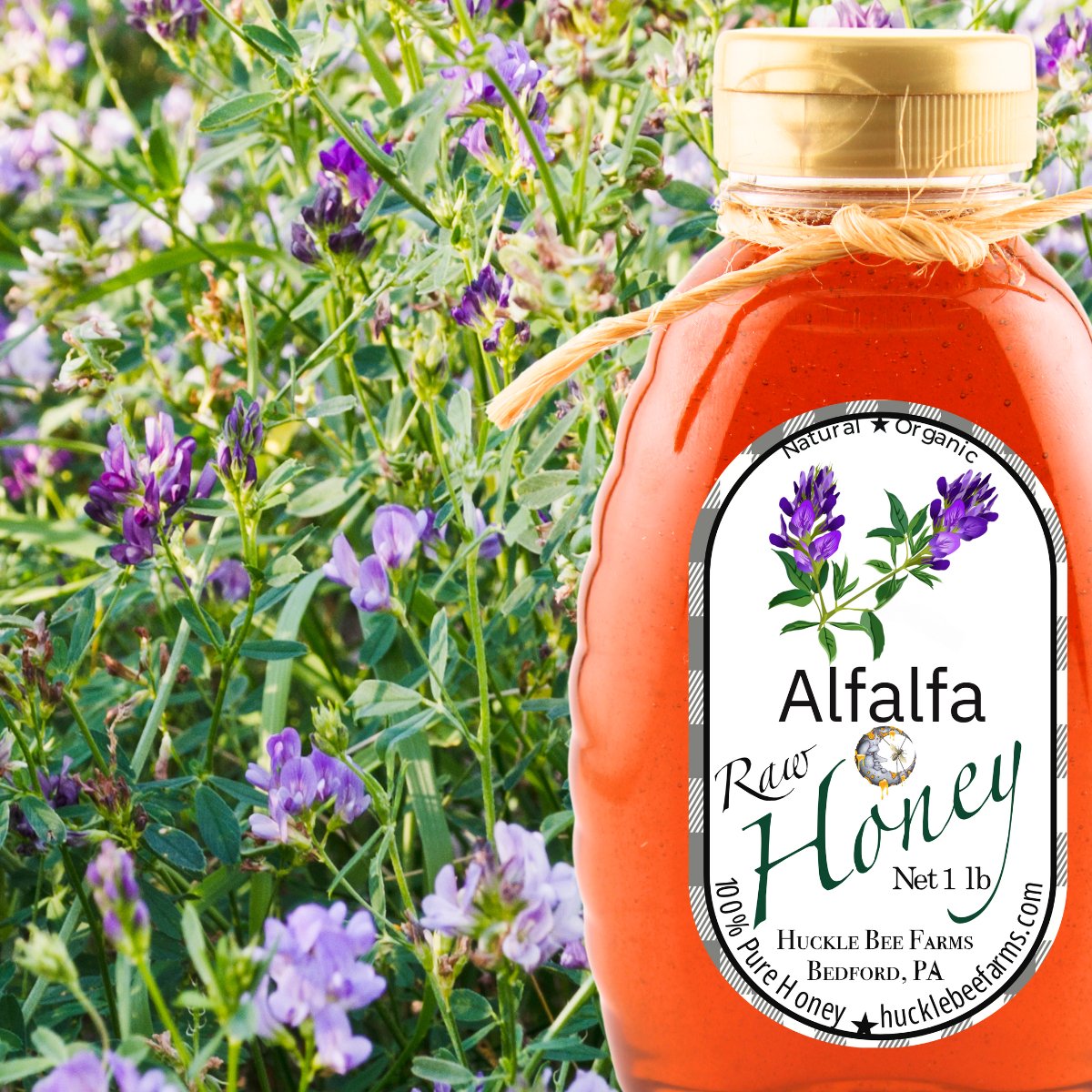
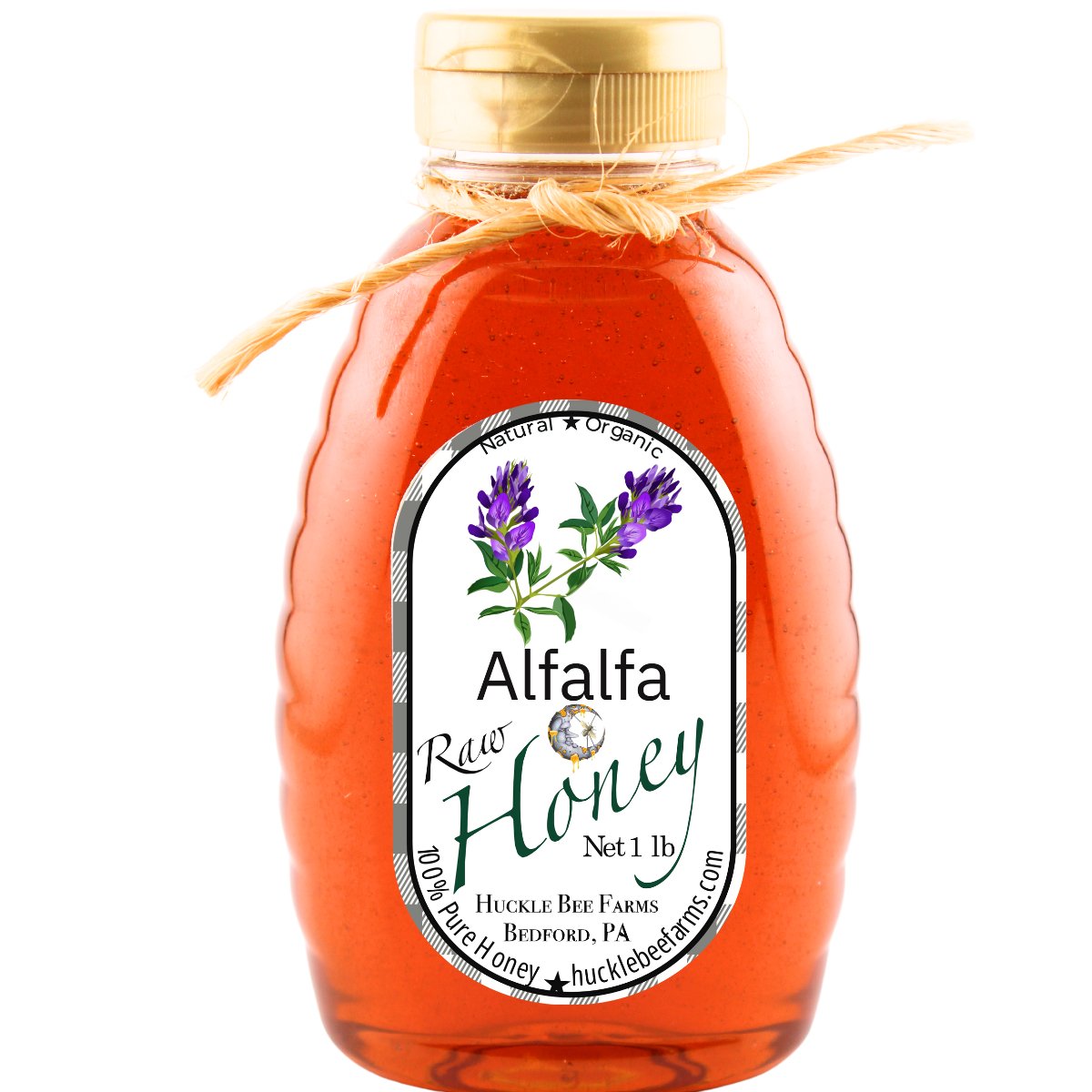
- Alfalfa Honey: This honey crystallizes at a moderate pace and boasts a delicate floral aroma. It's excellent for those who enjoy using honey in cooking and baking, allowing easy measurement and mixing.
- Sunflower Honey: Rich in glucose, sunflower honey crystallizes swiftly, creating a dense, creamy texture many find delightful. It pairs wonderfully with cheeses and adds a distinct flavor profile to your culinary creations.
- Tupelo Honey: Renowned for its resistance to crystallization, Tupelo honey stays liquid for a long time due to its high fructose composition. It's an excellent choice for those who prize ease of use in a liquid form for all kinds of culinary applications.
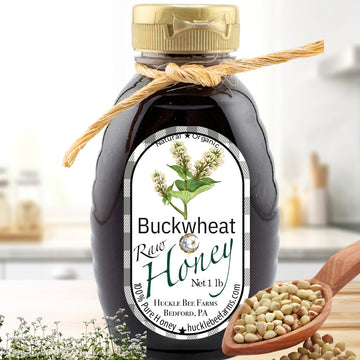
- Buckwheat Honey: With its robust flavor and dark hue, buckwheat honey crystallizes slowly, providing a delightful contrast to lighter, quick-crystallizing varieties. Its rich taste is perfect for marinades and glazes.
- Wildflower Honey: As a blend of different nectar sources, wildflower honey's crystallization rate varies. Each batch is unique, offering a beautiful surprise every time. It's versatile, adapting well to any preferred texture in your kitchen endeavors.
By familiarizing yourself with these honey types and their crystallization behaviors, you equip yourself with the knowledge to make inspired choices for any culinary adventure. Embrace the diversity of honey, including raw honey, cherishing each jar as a reflection of its floral origins, ready to elevate your everyday dishes into extraordinary experiences.
Questions People Often Ask?
Does regional honey help more than local honey for allergies? +
Yes. Since wind-borne pollen travels 200–400 miles, a narrow "10-mile" radius often misses the very allergens you are breathing. Our 300-mile Nectar Corridor provides a more comprehensive "pollen library" to better mirror your actual environment.
Is my honey ruined if it turns solid or "sugars"? +
Absolutely not! Crystallization is the ultimate proof of purity. It shows the honey hasn't been flash-heated or ultra-filtered. You can enjoy it as a spread or gently warm the jar in a water bath (under 110°F) to return it to a liquid state.
Why do you keep your honey below 95°F? +
95°F is the natural temperature of a beehive. By never exceeding this limit, we protect the live enzymes and delicate flavor profiles that are destroyed by commercial "flash-heating" processes.
Shop Our Enzyme-Rich Collection →
SUMMARY
Honey crystallization is a natural process that occurs when the glucose in honey separates from the water, forming crystals. This change in texture indicates the purity of honey and doesn't affect its quality or taste. By storing honey in a warm, dry place and sealing it tightly, you can slow down crystallization. If crystallization occurs, gently warming the honey can return it to its liquid state.

FAQ: Understanding Honey Crystallization
Explore the common questions about honey crystallization and learn how to manage it effectively.
Why does honey crystallize?
Honey crystallizes because it is a supersaturated sugar solution with high sugar content, where glucose separates from water over time, forming crystals.
Is crystallized honey still good to eat?
Yes, crystallized raw honey is perfectly safe and retains all its nutritional benefits and delicious flavor.
How can I slow down honey crystallization?
To slow crystallization, store honey in a warm, dry place and ensure the container is tightly sealed to prevent moisture entry.
How do I return crystallized honey to its liquid state?
Place the honey jar in a warm water bath at 95-110°F, stirring occasionally until the crystals dissolve, while avoiding direct microwaving.
Is it okay to microwave crystallized honey?
When your honey begins to crystallize, it’s not a sign of spoilage but a natural transformation of this delightful substance. While some might see those crystals as an inconvenient change, they're actually evidence of honey's purity and quality.
Attempting to return it to its liquid state might lead you to reach for the microwave. Is microwaving an option? Yes, but exercise caution. Overheating can degrade some of the honey's delicate flavors and beneficial enzymes.
To use a microwave effectively, set it to a low power setting. Gently heat the honey in short intervals, stirring frequently to ensure even warming. This prevents overheating and helps dissolve the crystals without compromising honey’s essence.
The best method involves placing the honey bottle in a pot of hot water, slowly bringing it back to its viscous form. This gentler approach may better preserve the natural enzymes and flavors.
Checkout Other Healthy Benefits of Honey...


Author - Jim Douglas - Founder Huckle Bee Farms
For Jim Douglas, beekeeping is more than a craft—it’s a commitment to purity and the environment. After an honorable career in the U.S. Army and a tenure as a COO for the Boy Scouts of America, Jim sought a way to combine his leadership experience with his love for the outdoors.
In 2012, he founded Huckle Bee Farms with a simple mission: to take honey back to its raw, unadulterated roots. Jim’s expertise lies in the delicate balance of infusing raw honey with organic ingredients without compromising its natural medicinal properties. His "small-batch" philosophy ensures that every jar meets the highest standards of quality and transparency. Today, Jim continues to lead Huckle Bee Farms with the same integrity he practiced in uniform, ensuring that every drop of honey supports both the health of the consumer and the survival of the honeybee.
His mission is simple: to make life a little sweeter—naturally.