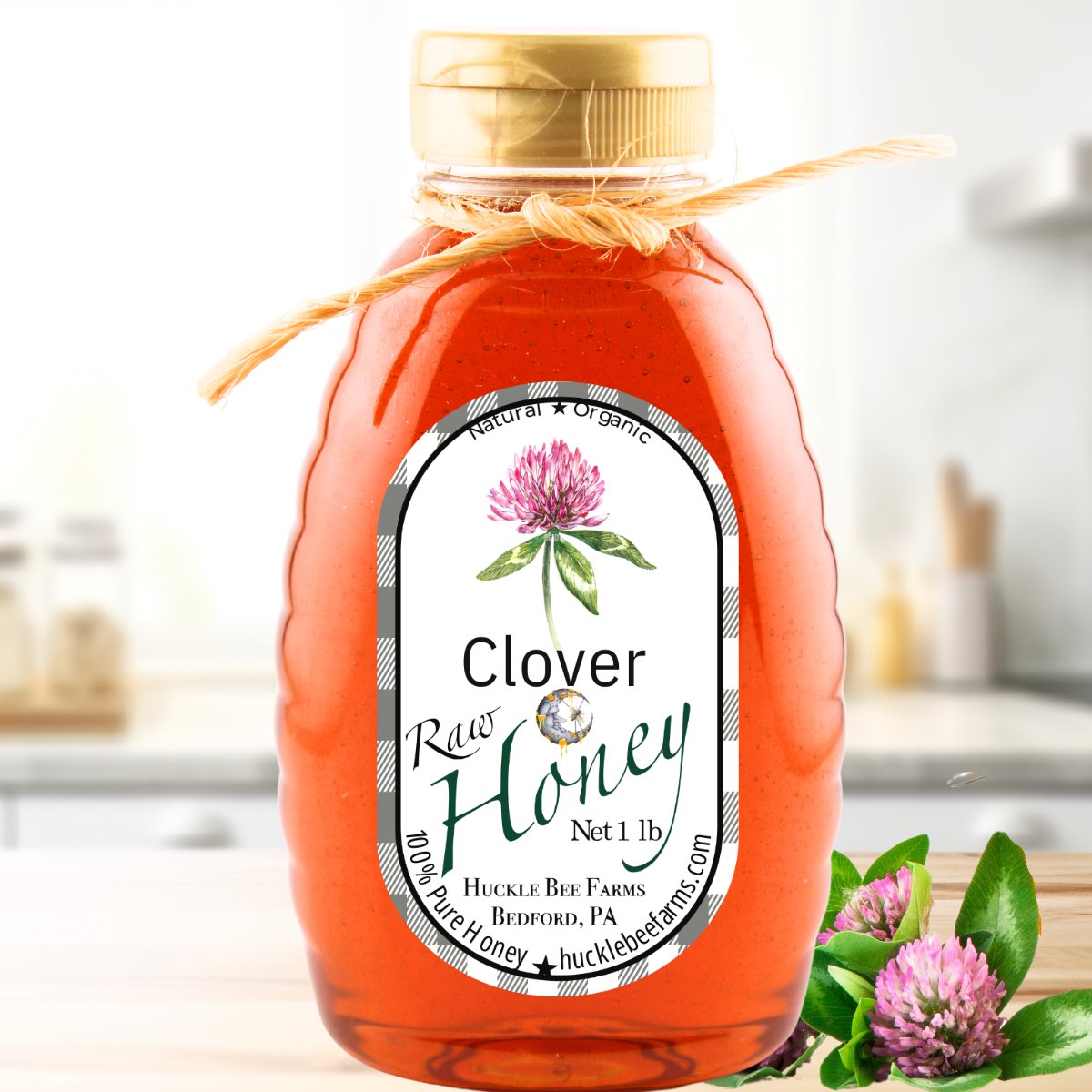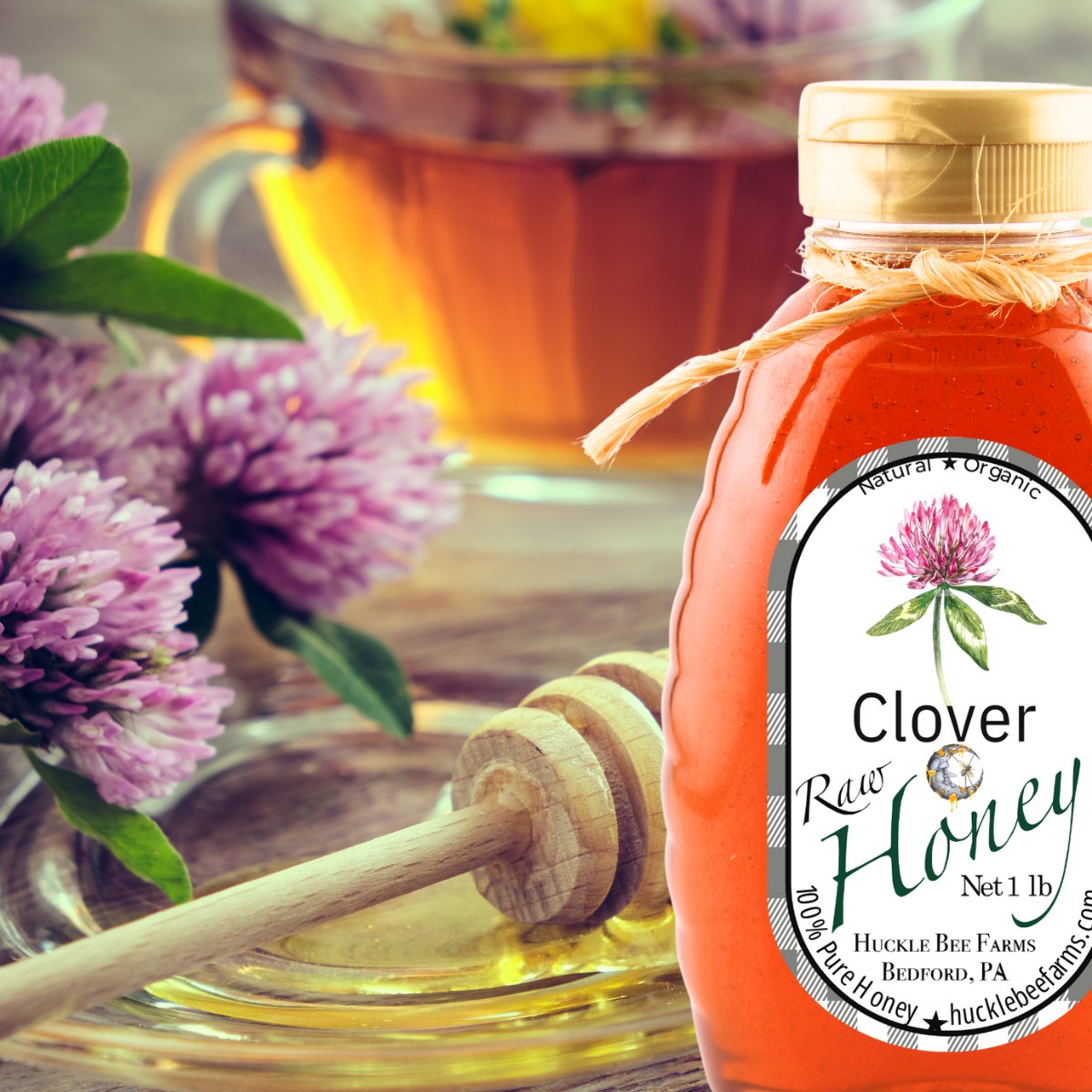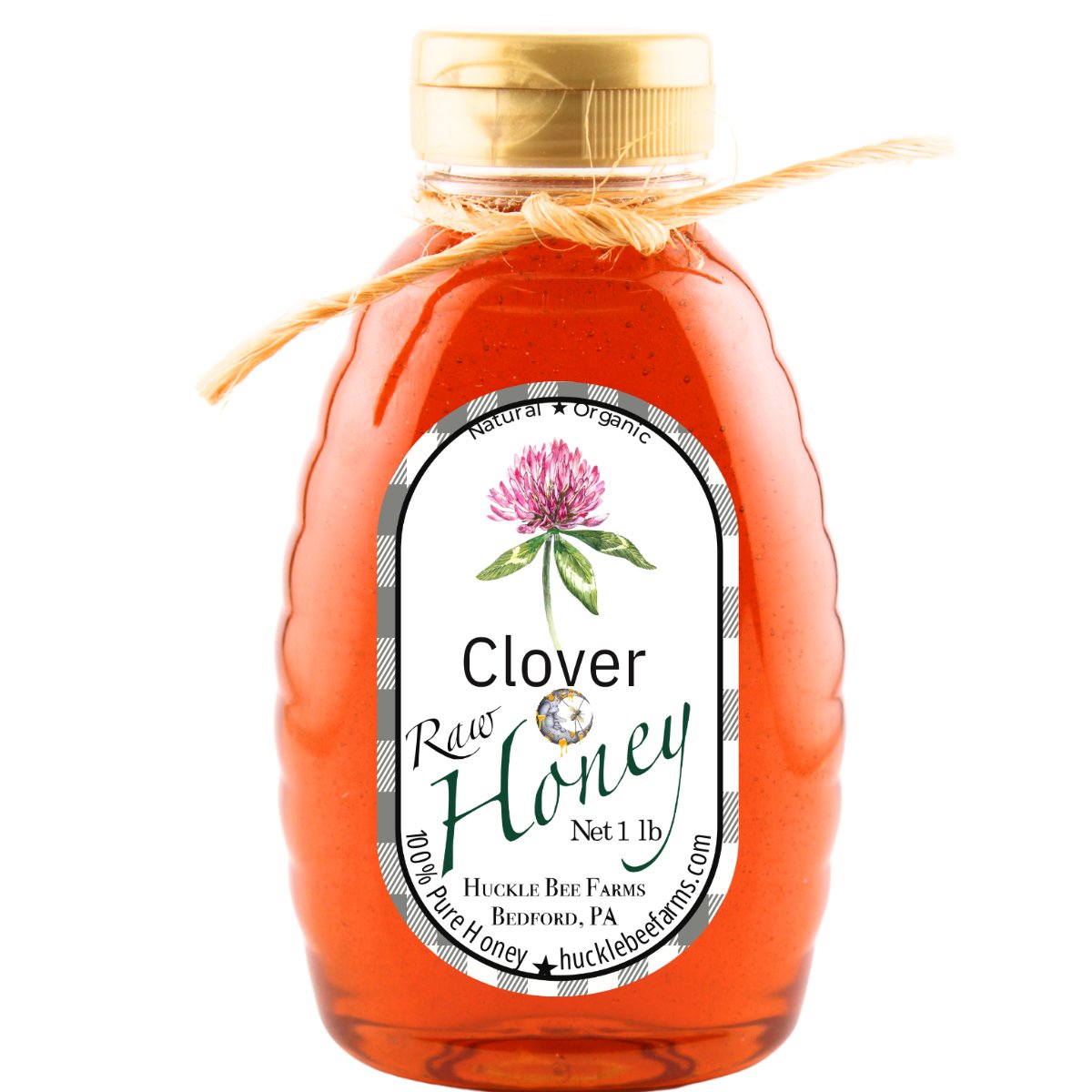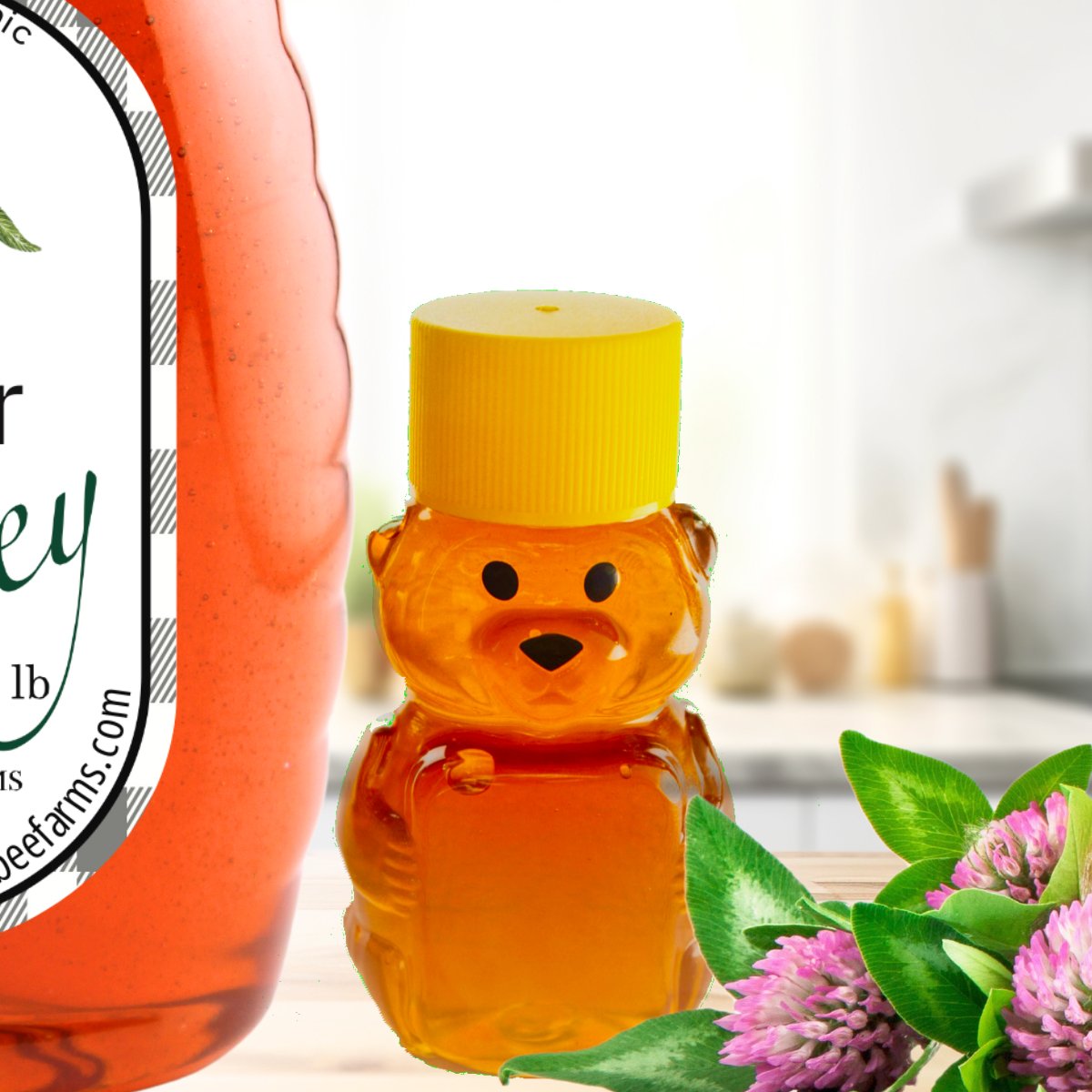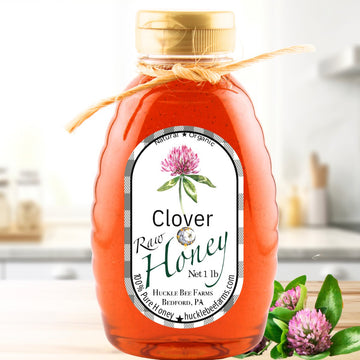
Clover Honey: Your Go-To for Classic Honey Flavor
Clover Honey: Why This Classic Flavor is the Ultimate Raw Wellness Booster
⚡ At a Glance: The Clover Honey Boost
- Metabolic Fuel: A 1:1 ratio of glucose and fructose for steady, clean energy.
- Digestive Health: Raw enzymes (diastase) that support nutrient absorption.
- Antioxidant Power: Rich in phenolic acids to help reduce inflammation.
Clover honey is the gold standard of classic honey flavor, prized for its light color, mild floral sweetness, and everyday versatility. Naturally rich in antioxidants and trace nutrients, clover honey is a cleaner alternative to refined sugar — perfect for sweetening tea, baking, cooking, and recipes where you want pure honey flavor without overpowering other ingredients.
Table of contents

Clover honey is a light, floral honey made primarily from white clover (Trifolium repens). It’s known for a gentle, classic honey flavor and a silky texture that works anywhere you want subtle sweetness—tea, baking, glazes, or a simple home remedy. Below you’ll find what clover honey is, how responsible beekeepers move nectar from field to jar, a plain-language look at its nutrition and antioxidant notes, and practical ways to use it in the kitchen and for everyday wellness. If you want a predictable sweetener that blends cleanly into recipes yet keeps enzymes and pollen when handled gently, clover honey is a reliable choice. We also cover how to spot pure or raw clover honey, how to store and decrystallize it safely, and which clover styles suit sauces, marinades, and basic remedies. The sections are arranged step-by-step so you can use clover honey with confidence.
⚡ The Bioactive Profile: Why "Raw" is a Wellness Booster
Most people see honey as just a sweetener, but Raw Clover Honey is a complex functional food. Because we never heat our honey above hive temperatures, it retains its "Top Booster" status through three key pillars:
Dual-Phase Energy: A natural 1:1 ratio of Glucose (for immediate muscle fuel) and Fructose (for a sustained, slow-burn release). This prevents the "sugar crash" associated with refined sweeteners.
Enzymatic Integrity: Our honey is packed with live diastase and glucose oxidase—enzymes that support digestive health and provide natural antimicrobial properties.
Antioxidant Density: Raw clover honey contains phenolic acids and flavonoids that help your body combat oxidative stress and support overall cellular wellness.
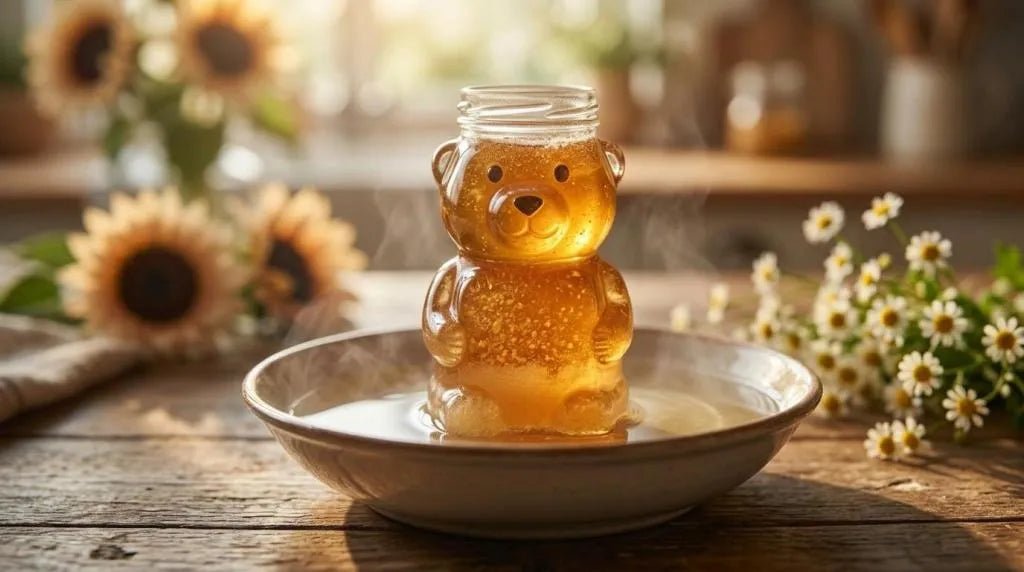
The "Clear Honey" Myth: If your honey never hardens or crystallizes, it has likely been over-processed. Crystallization is proof of purity. It shows that the natural pollens and glucose are still active. To reliquefy, simply place the jar in a warm water bath—never microwave it, as that destroys the very enzymes that provide the "boost!" - Jim Douglas, Beekeeper
What Is Clover Honey and How Is It Produced?
Clover honey gets its flavor from where the bees forage—most often white clover (Trifolium repens). That nectar typically makes a pale to light-amber honey with a mild, floral sweetness and a smooth mouthfeel. Inside the hive, bees use enzymes such as invertase to break down nectar, reduce water content, and turn complex sugars into the simpler sugars we taste. The final flavor depends on the nectar’s sugar balance and the mix of nearby plants the bees visit—hence the familiar “classic honey” profile. When honey is extracted gently and not overheated or over-filtered, those delicate aromatics and enzymes remain. That’s why production choices—small-batch extraction, minimal heating, and coarse straining—matter if you want true clover character in the jar. Knowing the process also helps you tell raw clover honey from heavily processed varieties and makes storage and use easier.
Why Clover Honey Beats Refined Sugar
| Feature | Refined White Sugar | Huckle Bee Raw Clover |
|---|---|---|
| Nutrients | Zero ("Empty Calories") | Potassium, Magnesium, Enzymes |
| Glycemic Index | High (Sharp Spike) | Moderate (Sustained Release) |
| Digestibility | Hard on the Liver | Prebiotic (Supports Gut Health) |
Definition and Floral Source of Clover Honey
Clover honey forms when bees gather nectar from clover plants—most commonly white clover—and bring it back to the hive to finish the conversion into honey. Clover nectar usually produces a balanced fructose-to-glucose ratio, which gives a light body and a subtle floral aroma that won’t overpower a recipe or a cup of tea. Bloom timing changes color and nuance: early-season nectar tends to be paler and milder, while later blooms can add a touch more color and depth. Knowing the botanical source sets realistic expectations—clover honey should taste sweet with soft floral notes, making it a dependable everyday sweetener.
Beekeeping and Small-Batch Production Practices
Small-batch beekeepers emphasize hive health, traceability, and hands-on extraction—methods like comb crushing or cold extraction that avoid high heat and heavy filtration. Skipping intense pasteurization and ultra-fine filtering helps preserve natural enzymes, pollen, and antioxidant compounds. Good beekeeping also means watching moisture levels, extracting at the right moment to prevent fermentation, and using gentle settling and coarse straining to clarify honey without stripping beneficial elements. Those careful practices are why small-batch clover honey often tastes fresher and keeps more of the subtle aromatics and enzyme activity you expect from raw honey.
Scientific Evidence Supporting Clover Honey’s Health Benefits
Clover honey is rich in antioxidants and phenolic compounds that help reduce oxidative stress and support immune health. PMC
Honey exhibits natural antimicrobial and antibacterial effects, contributing to its historical and modern use in wound care and infection prevention. PMC
Some studies show that natural honey, including clover honey, may cause a lower blood glucose response compared to refined sugars. MDPI
Reviews of clinical research connect honey intake with anti-inflammatory and therapeutic effects due to its phytochemicals.

What Are the Key Benefits of Clover Honey?
Clover honey gives quick, usable carbohydrates for energy, mild antioxidant activity compared with refined sugar, and comforting qualities that many people use for throat relief. Nutritionally it’s mainly fructose and glucose with trace minerals and phenolic compounds that act as antioxidants. While clover doesn’t match darker honeys for antioxidant power, it still delivers bioactive molecules—especially when kept raw or minimally processed. Practically, clover honey works as a fast energy source, a calming pre-bed or pre-workout sweetener, and a simple home remedy for sore throats when mixed into warm liquids. The compact table below links these benefits to how they work and everyday ways to use clover honey.
Beyond its delightful taste, recent insights into natural sweeteners underscore clover honey's understated yet powerful role in a healthier lifestyle. While often celebrated for its mild flavor, a deeper understanding reveals its consistent contribution of bioactive compounds, including phenolic antioxidants and beneficial enzymes, particularly when sourced raw. These elements, though subtle compared to some darker honeys, offer a gentle yet persistent support for the body's oxidative balance, making clover honey a smart choice for those seeking natural wellness without overwhelming intensity.
Choosing clover honey for healthier living means embracing a natural, unrefined alternative to processed sugars that offers more than just sweetness. Its unique composition provides readily available energy, making it an ideal pre-workout boost or a natural pick-me-up. Furthermore, its well-documented soothing properties for throat discomfort, combined with its mild antioxidant profile, position clover honey as a versatile staple for everyday well-being. By integrating this golden nectar into your diet, you're not just sweetening your food; you're actively opting for a wholesome ingredient that aligns with a balanced and health-conscious approach to life.
Clover honey’s benefits at a glance:
- Energy boost: Fast-absorbed sugars that provide immediate fuel for short bursts of activity.
- Soothing relief: Osmotic action and mild antimicrobial phenolics that help ease throat irritation.
- Antioxidant support: Phenolic compounds contribute light antioxidant activity versus refined sugar.
- Culinary versatility: A mild flavor that blends into many recipes without taking over.
This snapshot shows how clover honey’s plant chemistry translates into practical benefits and cooking uses, and it leads into a closer look at nutrients and at-home remedies.
| Benefit | Scientific Basis | Practical Effect / Use |
|---|---|---|
| Energy boost | High simple-sugar content (glucose & fructose) | Quick carbohydrate source for pre-workout fuel or an afternoon pick-me-up |
| Soothing relief | Osmotic action and mild antimicrobial phenolics | A spoonful in warm tea helps soothe a scratchy throat |
| Antioxidant support | Phenolic compounds and enzyme activity | Offers a small antioxidant benefit compared to refined sugar |
This table maps clover honey’s plant chemistry to everyday outcomes so you can choose it for the right reasons.
🌿 Pro Tip: Want to use this honey to jumpstart your metabolism? Check out our:
Morning Detox Protocol: Warm Lemon Water vs. Coffee.
Nutritional Profile and Antioxidant Properties
A tablespoon of clover honey is mostly concentrated sugars and calories, with trace minerals and phenolic antioxidants that vary by region and bloom source. Though it doesn’t match darker honeys like buckwheat for antioxidant power, research shows light honeys still contain phenolics and enzymes that can support oxidative balance when used instead of refined sugar. Those compounds are best preserved when honey is raw and minimally processed—high heat and aggressive filtration reduce enzyme and phenolic levels. Keep portion size and overall diet in mind: clover honey shines as a refined-sugar swap where its mild floral note and modest antioxidant content add both flavor and a small nutritional edge.


Clover Honey for Wellness: Soothing and Energy Uses
People often reach for clover honey in simple home remedies—honey with lemon in warm water is a classic for sore throats—because honey’s osmotic action and low pH create a soothing environment for irritated tissues. For a quick energy lift, one tablespoon before short exercise provides easily used sugars to bridge meals. Use small amounts (a teaspoon to a tablespoon) to enjoy benefits without excess calories, and never give honey to infants under one year because of the risk of botulism. These practical notes help keep wellness use both safe and effective.
The Huckle Bee Difference: Raw vs. Grocery Store Honey
Not all honey is created equal. Most honey found on supermarket shelves has been processed into a simple syrup, stripped of the very properties that make it a "superfood." Here is how our Raw Clover Honey compares to the mass-produced alternatives.
The Heat Factor (Pasteurization)
Grocery Store Honey: Typically heated to high temperatures (160°F or more) to prevent crystallization and speed up bottling. This process destroys diastase and glucose oxidase—the delicate enzymes responsible for honey’s antibacterial and digestive benefits.
The Huckle Bee Way: We keep our honey Raw. It is never heated above the natural temperature of the hive. This ensures every spoonful is "living food," packed with active enzymes that support your metabolic health.
The Filter Factor (Pollen Content)
Grocery Store Honey: Often "ultra-filtered" using high pressure. While this makes the honey look clear and stay liquid longer, it removes virtually all bee pollen and propolis—the sources of honey’s antioxidants and anti-inflammatory power.
The Huckle Bee Way: Our honey is Unfiltered. We gently strain out large particles (like wax) but leave the microscopic pollen intact. This preserves the honey’s complex flavor profile and its natural status as a wellness booster.
Huckle Bee Raw vs. Standard Grocery Honey
| Feature | Huckle Bee Raw Honey | Standard Grocery Honey |
|---|---|---|
| Enzyme Content | Fully Intact (Active) | Destroyed by Heat |
| Natural Pollen | Retained (Nutrient Dense) | Filtered Out |
| Antioxidants | High (Phenolic Acids) | Minimal |
| Flavor Profile | Complex, Floral, Real | Simple, Sweet, One-Note |
| Glycemic Impact | Lower/Steady | Sharp Spike/Crash |
Free shipping on orders over $38

How Can You Use Clover Honey in Everyday Cooking and Recipes?
Clover honey’s mild floral character and smooth texture make it a go-to sweetener for baking, drinks, sauces, and dressings when you want a light honey note without strong color or an intense floral punch. In baking, honey adds moisture and encourages browning through Maillard reactions, so recipes often call for slightly less liquid and a lower oven temperature. In drinks, clover honey dissolves easily in warm liquids and pairs especially well with lemon, ginger, and delicate teas. It also balances vinaigrettes and marinades when mixed with mustard, citrus, or soy. The short recipe table below helps match clover honey traits to outcomes and technique tips.
Clover honey is especially versatile for:
- Glazes and marinades that need a gentle sweet-floral balance.
- Baked goods that benefit from extra moisture and subtle honey notes.
- Beverage sweetening, since it blends smoothly without overpowering other flavors.
| Recipe / Use | Best Clover Honey Traits to Use | Flavor Result and Technique Tip |
|---|---|---|
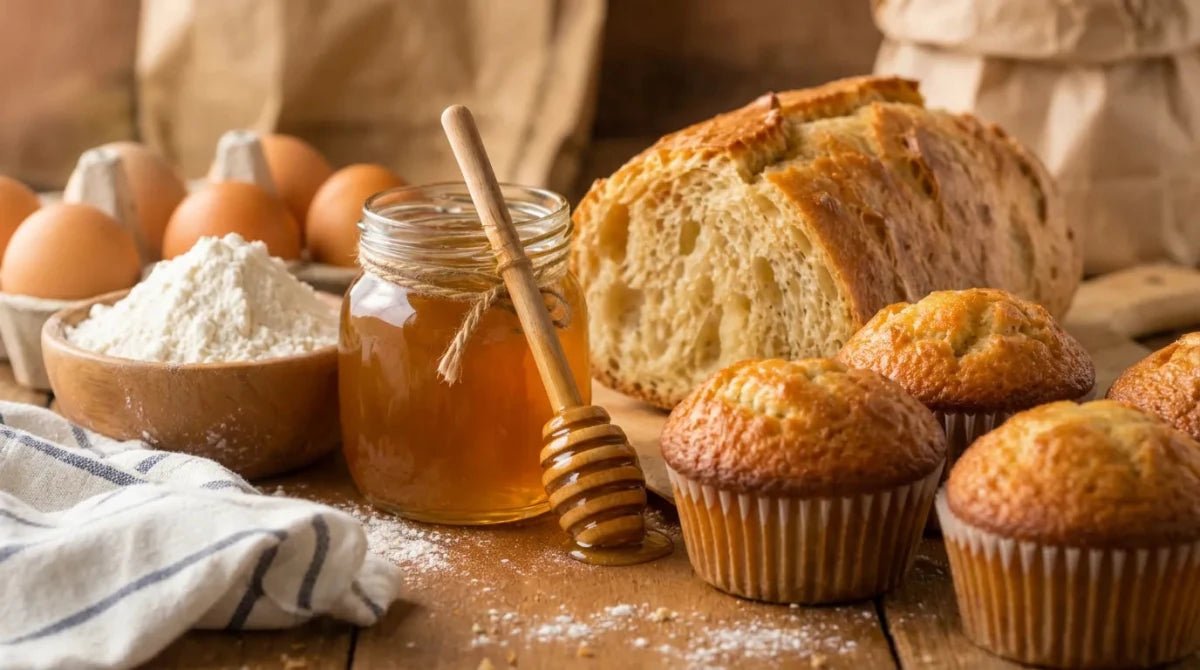
| Baking (muffins, quick breads) | Mild flavor, moderate moisture | Adds tenderness and light browning; reduce other liquids by 10–15% |
| Tea & warm beverages | Smooth texture, easy dissolution | Sweetens cleanly without dominating; stir into warm liquids |
| Marinades & glazes | Light floral notes, sticky finish | Creates a glossy glaze; pair with acid and spices to balance sweetness |
Use this guide to choose clover honey’s best role in a recipe and translate floral-sourced traits into kitchen techniques.
Baking and Sweetening with Clover Honey
When swapping clover honey for granulated sugar, a common rule is to replace 1 cup of sugar with 3/4 cup honey and reduce the recipe’s other liquids by about 10–15%. Lower the oven temperature by roughly 20–25°F to avoid over-browning, and remember honey’s acidity can react with baking soda—adjust leavening if needed to preserve rise and crumb. Because clover honey is lighter and less assertive than darker honeys, it complements ingredients like citrus and spices without masking them. These tweaks let you use honey’s humectant properties for moister bakes while keeping texture and color where you want them.
- Baking substitution guidance:
- Replace 1 cup sugar with 3/4 cup honey to keep sweetness balanced.
- Reduce the recipe’s liquid by about 10–15% to offset honey’s moisture.
- Lower oven temperature by 20–25°F to prevent excessive browning.
Follow these steps to make clover honey a simple, reliable sugar substitute in many home recipes, then explore beverage and savory ideas below.

Beverages and Savory Dishes Featuring Clover Honey
Clover honey shines in drinks—stirred into tea, lemonade, or smoothies—and in savory dishes like honey-mustard dressings, glazes for roasted vegetables, or marinades for chicken and fish. Its light flavor pairs well with citrus, ginger, mild cheeses, and whole-grain mustard, offering subtle sweet-savory balance without overwhelming other flavors. For cocktails and mocktails, make a honey simple syrup (equal parts honey and water, gently warmed) to dissolve smoothly and carry aromatics like herbs and citrus oils. From hot drinks to chilled cocktails and savory glazes, clover honey adapts and lifts overall balance.
How to Buy and Store Pure Clover Honey?
When shopping for clover honey, read label language, processing claims, and how open the producer is about sourcing. Look for clear terms like “raw,” “unpasteurized,” or “small-batch,” and watch for notes about minimal filtration. Avoid vague phrases such as “honey blend” or unspecified “natural flavors.” At home, store your jar sealed in a cool, dry spot away from direct sunlight to preserve flavor and slow crystallization. The table below helps you read labels and choose storage that matches your quality preferences.
If you prefer artisan-style, minimally processed honey, labels that say “100 percent Pure Raw Honey” are a good sign of small-batch practices that help preserve enzymes and antioxidants.
| Product Type | Processing (raw / pasteurized) | How to Identify + Storage Advice |
|---|---|---|
| Pure raw clover honey | Raw, minimal heating and coarse straining | Look for “raw” or “unpasteurized”; store sealed in a cool, dark place |
| Filtered / retail honey | Pasteurized, fine filtration | Label may not say “raw”; store similarly but expect fewer pollen particles |
| Infused / flavored honey | May be raw or processed with added ingredients | Check the ingredient list for additions; store sealed and follow any use-by notes |
This table helps you read labels and choose clover honey that fits your preferences for processing and flavor.
Identifying Pure and Raw Clover Honey
Signs of raw, pure clover honey include clear labeling (“raw” or “unpasteurized”), slight cloudiness or visible pollen from minimal filtration, and vendor descriptions of small-batch extraction methods. Be wary of vague marketing that leans on “natural flavor” without detail. Sensory checks help too: raw clover honey often has delicate floral aromatics and a slightly variable texture compared with heavily processed honey. Those cues make it easier to pick a jar that still holds natural enzymes and antioxidants.
Proper Storage and Decrystallization Techniques
Store clover honey in a sealed container in a cool, dry cupboard away from direct sunlight to preserve flavor and prevent moisture uptake. Crystallization is natural—glucose can precipitate out over time. To decrystallize, gently warm the jar in a water bath held around 95–110°F (35–43°C) until the crystals dissolve; avoid microwaving or overheating, which damages enzymes and volatile aromatics. Glass jars with tight lids protect flavor and keep out moisture. With proper storage, clover honey can keep quality for months or longer.
- Storage checklist:
- Keep honey sealed in a cool, dry place away from sunlight.
- Use glass or food-safe containers and keep lids tightly closed.
- Decrystallize gently in a warm water bath—avoid direct high heat.
These simple steps keep your clover honey ready for cooking and wellness uses.

How Does Huckle Bee Farms Support Quality Clover Honey Production?
At Huckle Bee Farms, offering 100 percent Pure Raw Honey is at the center of what we do. We’re veteran-owned and based in Pennsylvania, focusing on small-batch, minimally processed honeys—including clover varietals—and handcrafted infused options. Our approach favors real ingredients, gentle handling, and practices that preserve pollen, enzymes, and antioxidants instead of removing them through heavy processing. That commitment shows how careful, small-scale production influences flavor and functional qualities in each jar.
Veteran-Owned Commitment to Pure Clover Honey
Being veteran-owned shapes our hands-on, mission-driven approach: we hold consistent standards, track our sourcing, and use attentive extraction methods that help preserve clover honey’s natural character—floral aromatics, enzyme activity, and subtle flavor. We share this background because it guides how we manage hives and handle every jar, and because many customers value that level of care when choosing honey.
Love the mild taste of Clover but need an extra kick? Check out our Espresso Infused Honey for the ultimate morning boost.
Supporting Pollinator Health and Sustainable Practices
Huckle Bee Farms supports pollinators by planting clover and other forage, using hive management practices that limit chemical interventions, and backing local habitat efforts that boost biodiversity. Those actions improve nectar availability and colony health, which in turn influence honey quality—better forage and healthier bees often mean clearer floral signatures and stronger traceability. Choosing producers who invest in pollinator health benefits both the environment and the jar you bring home.
- Pollinator practices list:
- Planting clover and other forage to extend nectar availability through the season.
- Managing hive health with minimal chemical interventions to support bee populations.
- Backing local habitat initiatives that increase biodiversity and forage resilience.
These practices link sustainable beekeeping to better honey and stronger community benefits—one reason sourcing matters to clover honey buyers.

Clover honey remains one of the most trusted and widely loved honey varieties for a reason. Its light, balanced sweetness, smooth floral finish, and natural antioxidant content make it an ideal everyday honey — whether you’re replacing refined sugar, enhancing recipes, or enjoying honey in its purest form. From tea and baking to cooking and wellness, clover honey delivers the classic honey flavor people expect, straight from the hive to the table.
Frequently Asked Questions
What is the difference between raw and processed clover honey?
Raw clover honey is minimally processed: it retains natural enzymes, pollen, and antioxidants that add flavor and potential benefits. It’s usually unpasteurized and may look slightly cloudy. Processed clover honey is pasteurized and finely filtered, which can remove pollen and reduce some beneficial compounds, changing taste and clarity. For the most natural product, look for jars labeled “raw” or “unpasteurized.”
Can clover honey be used as a sugar substitute in recipes?
Yes—clover honey is a useful sugar substitute in many recipes. A common swap is 3/4 cup honey for each 1 cup of sugar; remember to cut other liquids by about 10–15% and lower oven temperature by 20–25°F to avoid over-browning. These adjustments help preserve texture and flavor while taking advantage of honey’s moisture and sweetness.
How should clover honey be stored to maintain its quality?
Store clover honey in a sealed glass jar in a cool, dry place away from direct sunlight to preserve flavor and slow crystallization. If it crystallizes, gently warm the jar in a water bath at about 95–110°F (35–43°C) until crystals dissolve—don’t microwave it, as high heat harms enzymes and aromatics.
Is clover honey safe for children and infants?
Clover honey is safe for children over one year old. Never give honey to infants under one year because of the risk of infant botulism. For older kids, honey can be a healthier sweetener option and soothing in warm drinks when they have a sore throat.
What are some creative ways to use clover honey in beverages?
Clover honey dissolves well in warm liquids, making it perfect for tea, hot lemon drinks, and smoothies. Make a honey simple syrup (equal parts honey and water, gently warmed) for cocktails and mocktails. It also pairs nicely with ginger and citrus for bright, balanced drinks that won’t be overpowered by the sweetener.
How does the floral source of clover honey affect its flavor?
The floral source—mostly white clover—gives clover honey its mild, floral-sweet profile. Nectar composition and nearby forage influence taste, producing a light body and subtle aroma. Seasonal bloom timing shifts color and intensity: early blooms usually yield paler, milder honey; later blooms can deepen the flavor slightly.
What health benefits are associated with consuming clover honey?
Clover honey provides quick energy from simple sugars, modest antioxidant support from phenolic compounds, and soothing properties for throat discomfort when used in warm drinks. While lower in antioxidant content than darker honeys, it’s still a better everyday alternative to refined sugar in many situations.
Conclusion
Clover honey is an easy, dependable way to add gentle sweetness and a touch of nutrition to your day—think quick energy, throat-soothing warm drinks, and subtle flavor in baking and savory dishes. Choose high-quality, minimally processed clover honey to get the fullest flavor and the most preserved enzymes and antioxidants. Ready to try? Explore our selection of premium clover honey at Huckle Bee Farms and bring that mild, floral sweetness into your kitchen.

Author - Jim Douglas - Founder Huckle Bee Farms
For Jim Douglas, beekeeping is more than a craft—it’s a commitment to purity and the environment. After an honorable career in the U.S. Army and a tenure as a COO for the Boy Scouts of America, Jim sought a way to combine his leadership experience with his love for the outdoors.
In 2012, he founded Huckle Bee Farms with a simple mission: to take honey back to its raw, unadulterated roots. Jim’s expertise lies in the delicate balance of infusing raw honey with organic ingredients without compromising its natural medicinal properties. His "small-batch" philosophy ensures that every jar meets the highest standards of quality and transparency. Today, Jim continues to lead Huckle Bee Farms with the same integrity he practiced in uniform, ensuring that every drop of honey supports both the health of the consumer and the survival of the honeybee.
His mission is simple: to make life a little sweeter—naturally.
Key Takeaways About Clover Honey
This list highlights the essentials about clover honey—its benefits, uses, and production notes—so you can see why it’s useful in everyday life.
- Natural Sweetener: Clover honey is a mild, floral sweetener that enhances dishes without overpowering them.
- Health Benefits: It supplies quick energy from simple sugars, soothing properties for throat discomfort, and light antioxidant support compared to refined sugar.
- Versatile Culinary Uses: Great for baking, beverages, and marinades—clover honey adds moisture and a subtle sweetness to recipes.
- Small-Batch Production: High-quality clover honey is often produced by small-batch beekeepers who prioritize hive health and minimal processing to retain enzymes and flavor.
- Storage Tips: Store clover honey in a sealed glass jar in a cool, dry place to preserve quality and help prevent crystallization.
- Identifying Quality: Look for labels that say “raw” or “unpasteurized” to find pure clover honey with preserved nutrients.