Honey Tasting Party Tips for an Unforgettable Experience
How to Host a Honey Tasting Party at Home: 5-Jar Lineup, Pairings, and Tasting Notes
The Anatomy of a Honey Flight
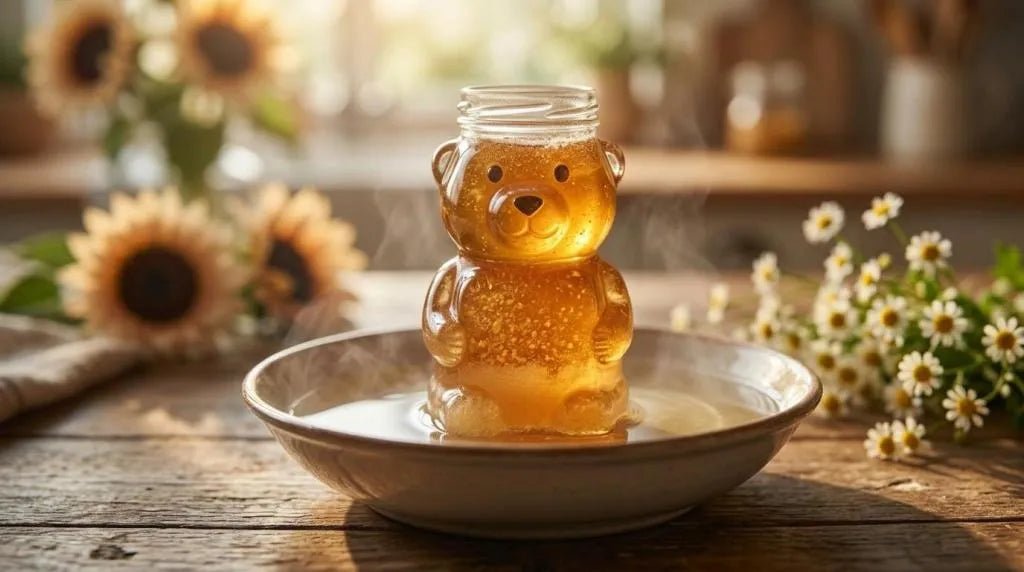
- 👃 Aromatic Evaluation: Before tasting, warm the honey slightly. This releases volatile organic compounds—the floral esters that define the honey’s true origin.
- 👅 The Palate Sweep: Coat the entire tongue. Note the viscosity and the finish; superior honeys often have a "clean" finish that doesn't leave a cloying, sugary residue.
- 🍯 Crystallization 101: Crystallization is not a sign of spoilage; it is a natural physical change based on glucose levels. It is the hallmark of raw, minimally processed honey.
- ⚖️ Understanding Terroir: Just like wine, honey reflects the soil, climate, and specific floral sources (nectar profile) of the region.
Table of contents
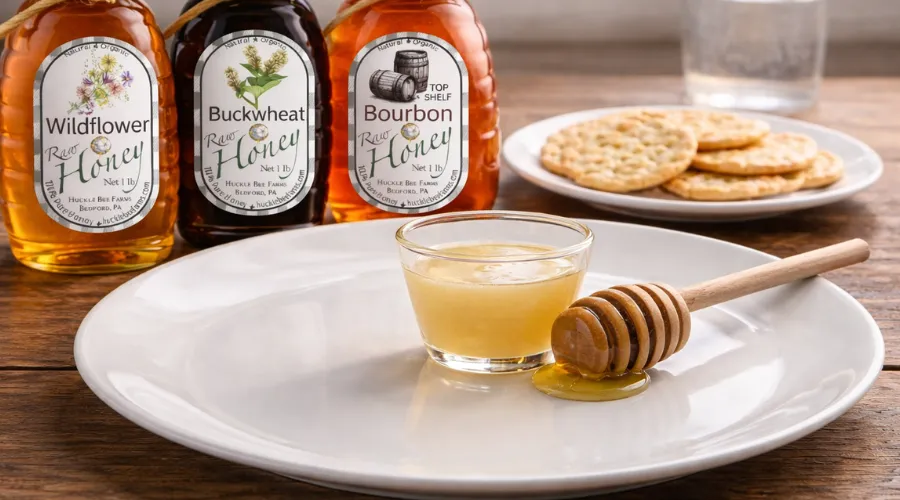
Honey is one of the few pantry staples that can act like a “single ingredient sauce.” It can be light and clean, dark and earthy, or brightened with real botanicals and spices. A diy honey tasting experience at home turns that range into a shared event, providing unique honey pairing ideas for tasting flights similar to a coffee cupping or a cheese board.
And learning how to host a honey tasting party, including exploring honey tasting party ideas and the party setup, is easier than most people think: five jars, a handful of simple pairings, and a relaxed pace that gives everyone time to notice what they actually like.
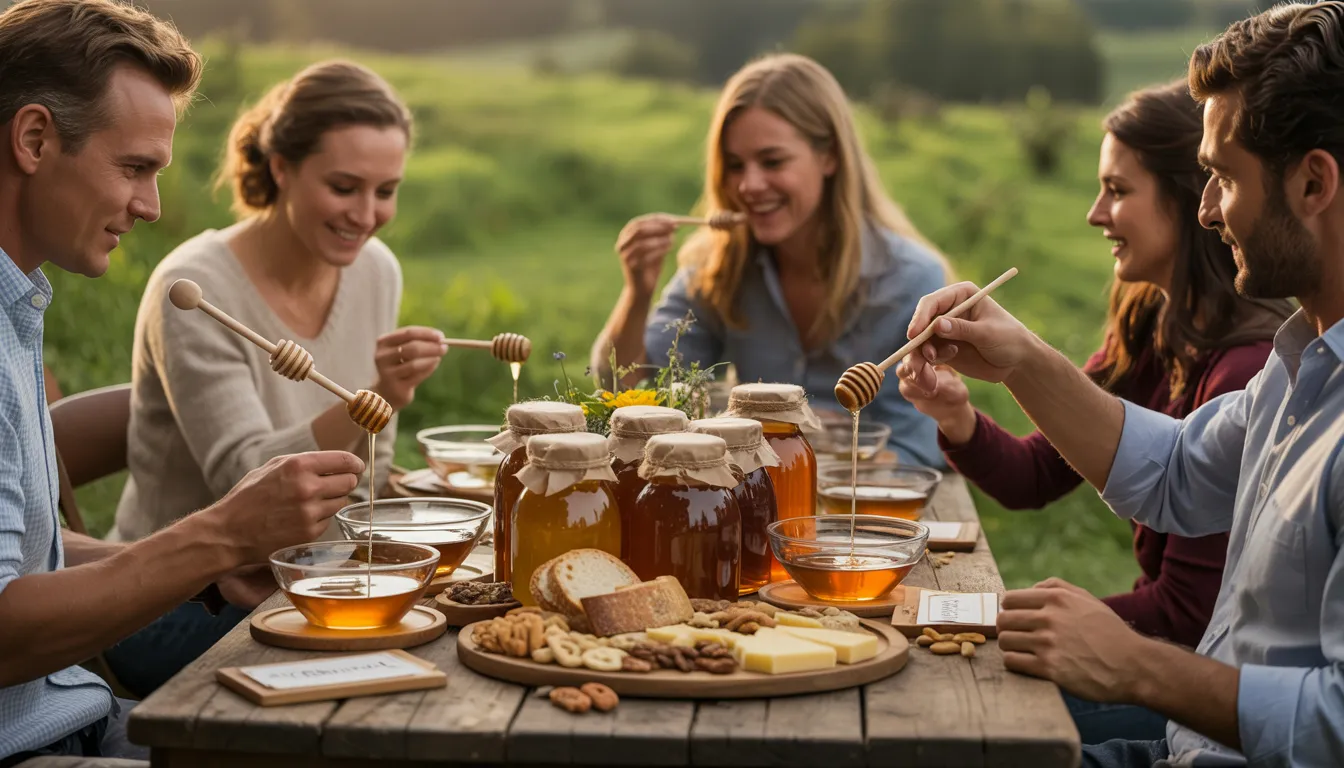
Why a honey tasting party is more than “sweet vs. sweet”
A good tasting flight teaches contrast by showcasing the unique flavor profile and characteristics of each varietal honey. Color shifts from pale straw to deep amber. Aromas move from fresh cut grass and spring flowers to toasted sugar, dried fruit, and cocoa. Texture changes too, especially with raw, unfiltered honey that may look a little cloudy (that is a feature, not a flaw).
It also makes shopping smarter. Once you know which styles you reach for, it gets easy to pick the right organic honey for tea, marinades, yogurt, or gifts.
Choosing your 5-jar lineup (and why order matters)
A five-honey lineup, perhaps featuring an orange blossom varietal, or even a wildflower vs buckwheat honey tasting, is long enough to feel special, short enough to keep palates fresh. Include bourbon honey tasting ideas by arranging the tasting from mildest to boldest so the darker, heavier honeys, including bourbon-infused options, do not drown out the lighter ones.
Here’s a lineup that works beautifully with common U.S. varieties and a couple of infused “conversation starter” jars, and don't forget to use honey tasting scorecards printable for a more interactive experience (Huckle Bee Farms is known for raw, unfiltered options plus infused flavors made with real ingredients, so their catalog maps well to this format).
| Pour order | Honey style | What you’ll notice first | Simple tasting note cues | Pairing idea |
|---|---|---|---|---|
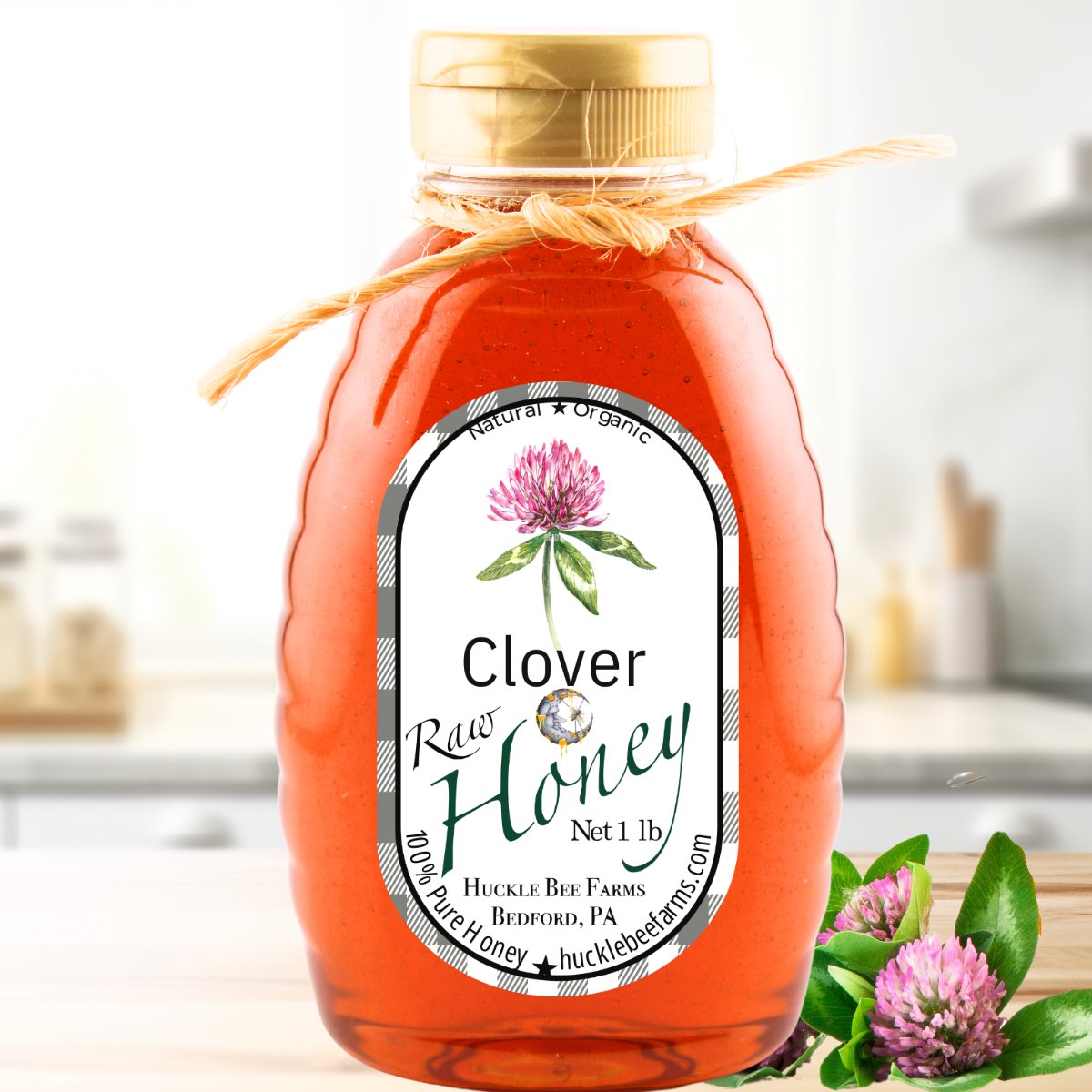
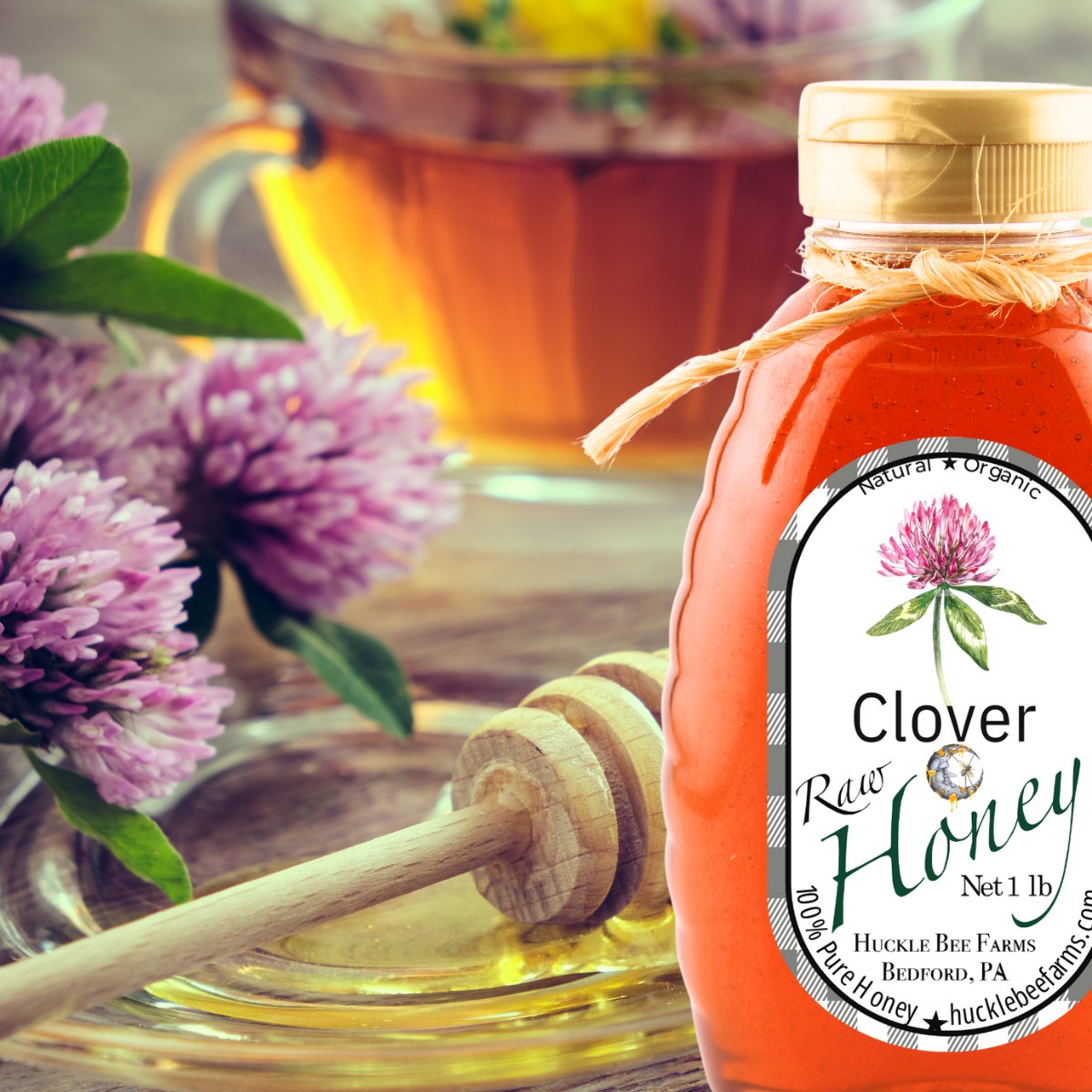
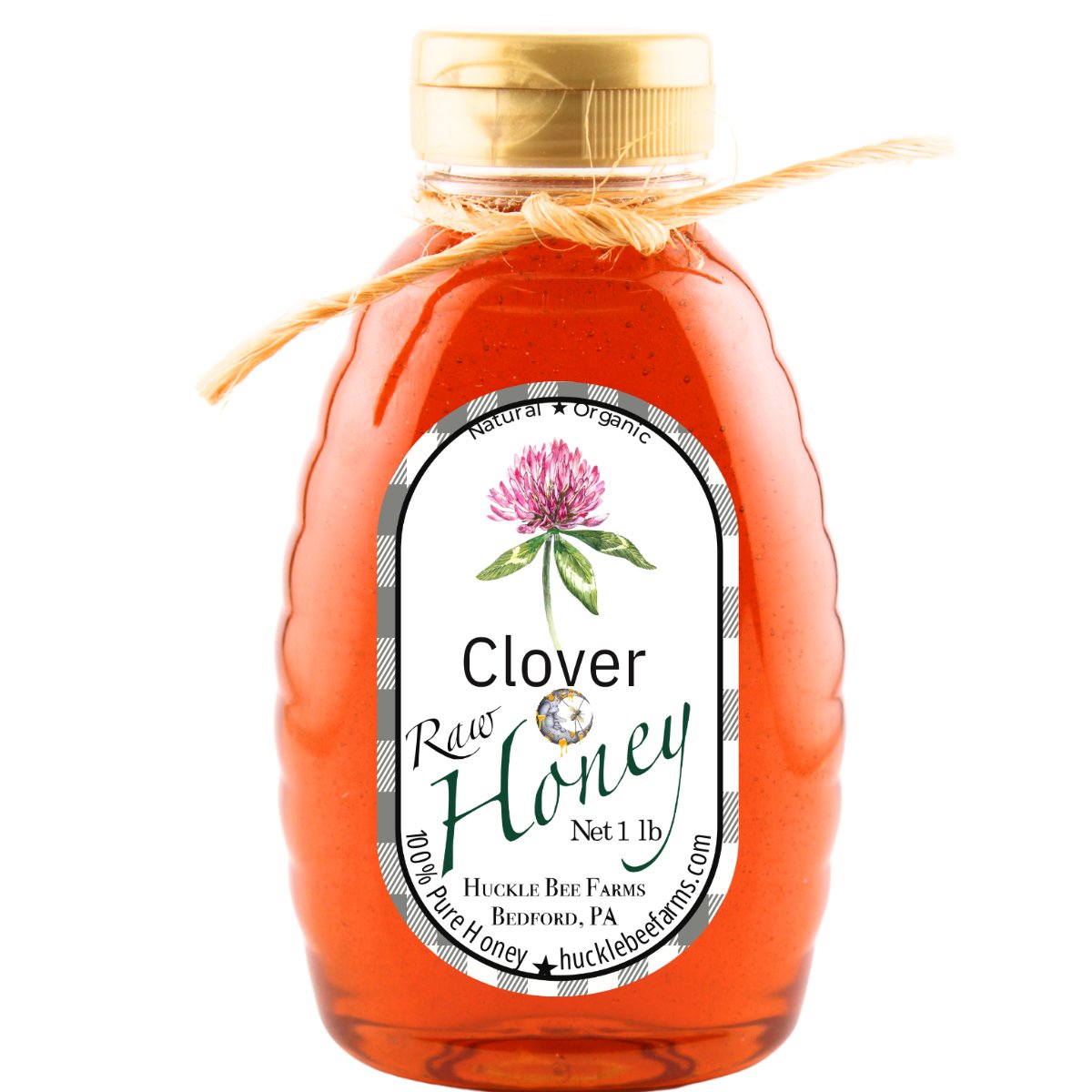
| 1 | Clover (or other light monofloral) | Clean sweetness | vanilla, fresh hay, soft florals | chèvre on a plain cracker |
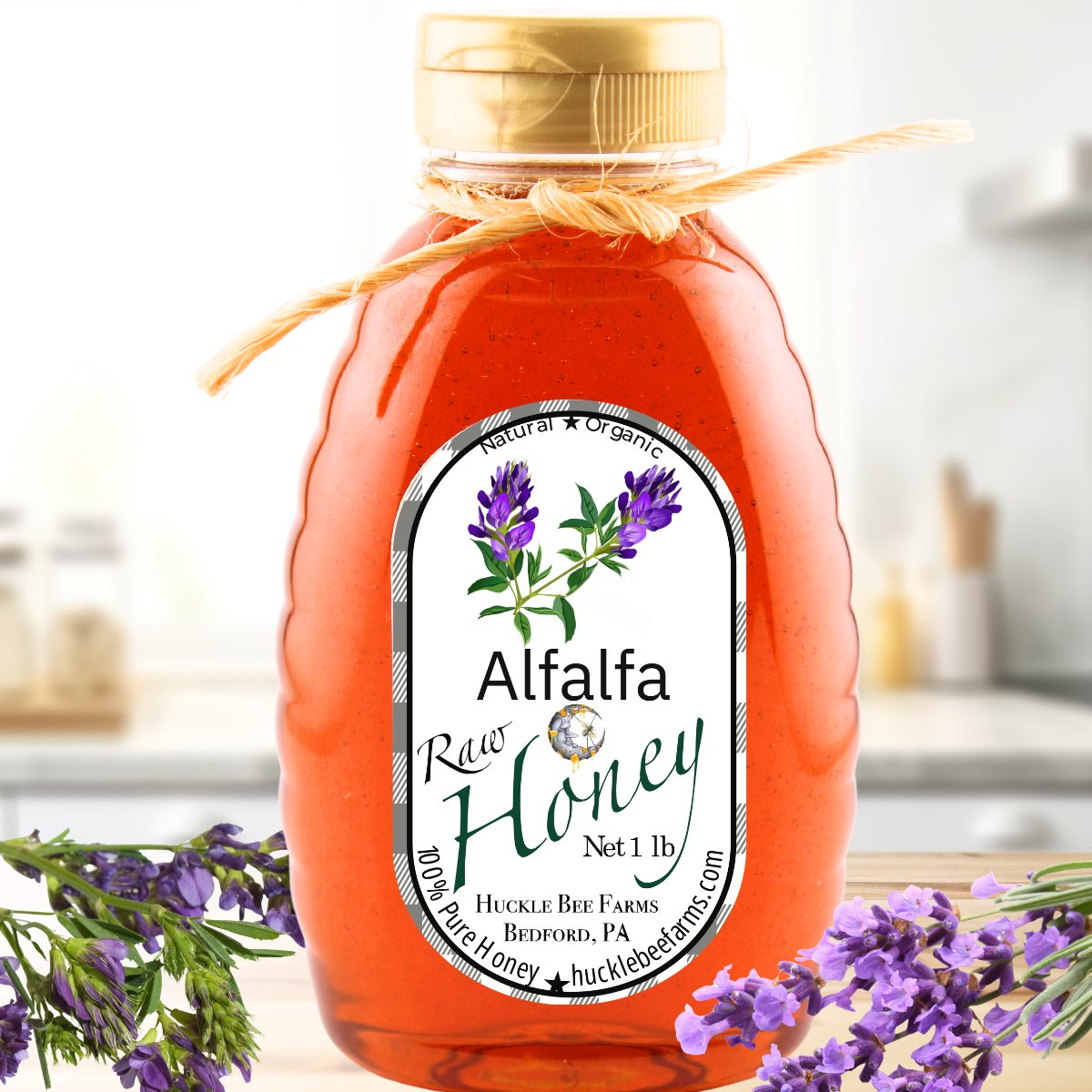
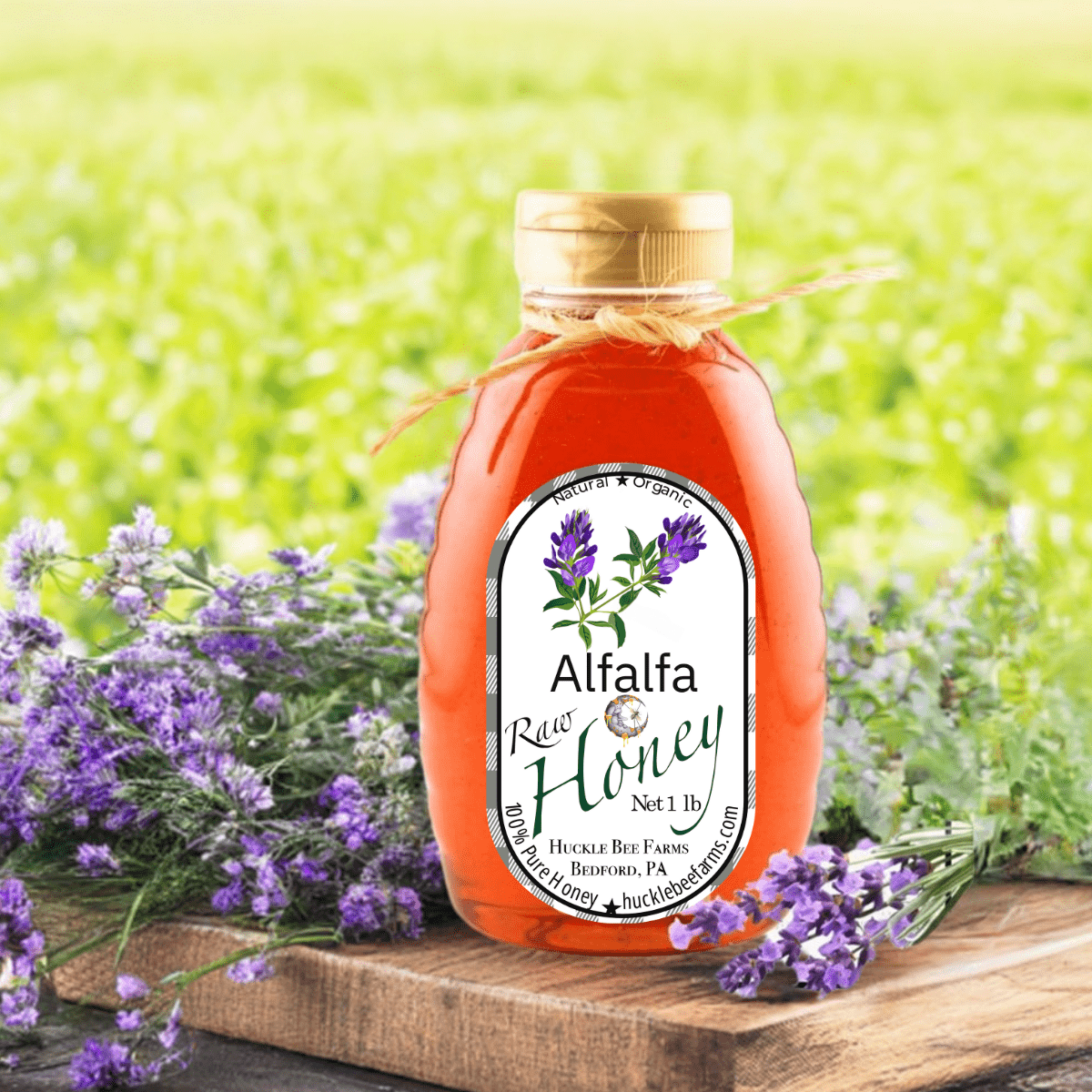
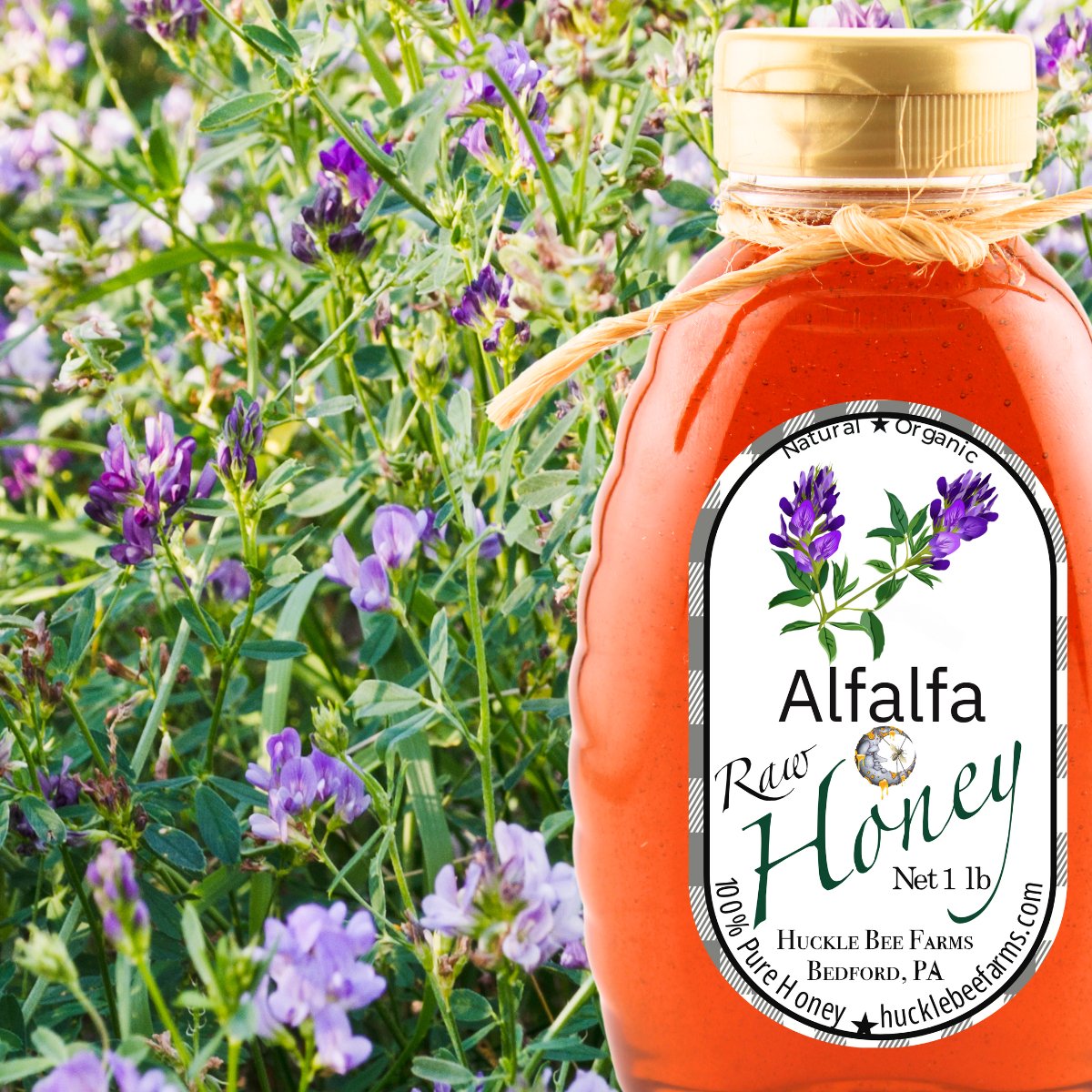
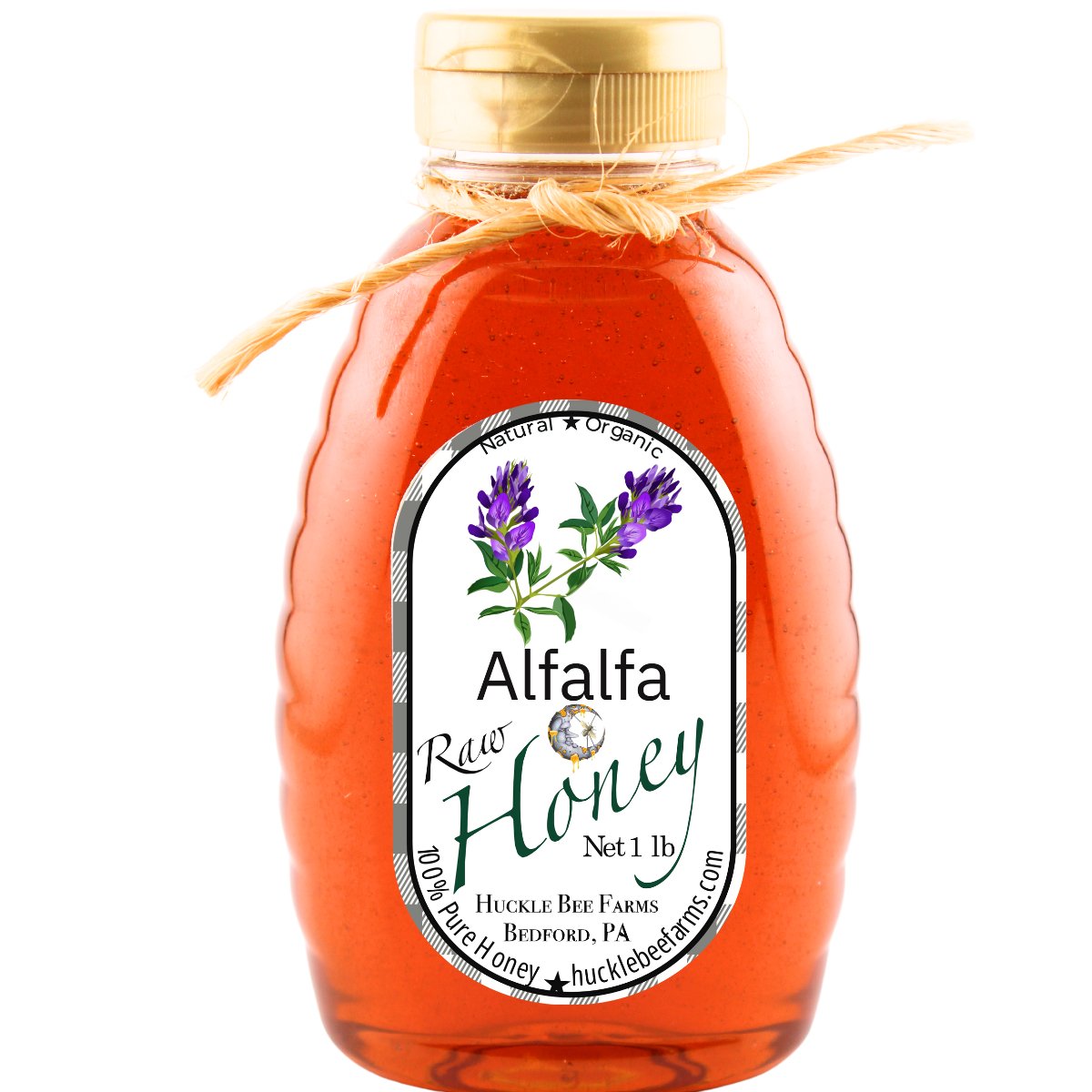
| 2 | Alfalfa (or mild wildflower) | Gentle aroma | pear, sweet grass, buttery finish | sliced apple |
| 3 | Wildflower (regional, raw) | Layered nose | mixed blossoms, dried herbs, rounded sweetness | brie on baguette |
| 4 | Citrus-infused (orange or lemon) | Bright top note | zest, marmalade, sweet-tart lift | plain yogurt or ricotta |
| 5 | Buckwheat (or another dark, bold honey) | Deep, molasses-like | cocoa, toasted malt, earthy finish | aged cheddar or blue cheese |
A small tip that helps: pick at least three “pure” honeys (monofloral or wildflower), then add one infused and one very dark, bold jar. That mix keeps the flight educational and still fun.
A simple prep plan (what to set out, what to skip)
You do not need fancy gear, but a few small choices, like considering the role of bees in producing the honey, make the honey tasting test clearer and keep the table tidy.
After you’ve decided on your lineup, gather:
- Small clear cups or 1 to 2 oz tasting vessels
- Wooden or compostable tasting spoons (one per honey, per person if possible)
- Painter’s tape and a marker for numbering jars
- Room-temperature still water
- Plain crackers or torn pieces of baguette
- A white plate or sheet of paper (for judging color)
Skip metal spoons if you can. Many tasters notice a faint metallic edge, especially with lighter honeys.
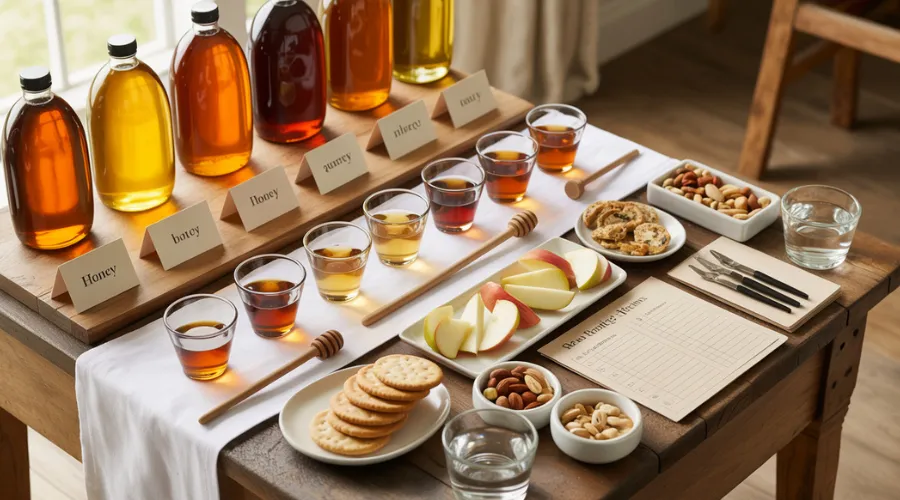
Set up the table like a tiny tasting room
Start by bringing all jars to room temperature. Cold honey moves slowly and hides aroma. Very warm honey can smell “cooked” and flatter than it should.
Then do a quick “blind” setup. Cover labels or place a numbered sticker on the lid, and keep the key on your phone. People relax when they are not trying to guess the brand, and you get more honest reactions.
Leave a little space between jars so spoons do not bump, and put the palate cleansers in the center.
Lighting matters more than you’d expect. Natural light near a window makes it easier to compare shades from jar to jar.
Tasting Party Setup
A Huckle Bee Farms Hosting Guide
1. The Honey Flight (The Stars)
2. The Palate Cleansers (The Support)
3. The Atmosphere
How to taste honey (the calm, non-fussy way)
This is the part that makes your flight feel like an event. The goal is not perfect vocabulary; it is paying attention.
After you hand out water and a simple note sheet, begin the backyard honey tasting party for adults by following the steps in this comprehensive honey tasting event guide, ensuring everyone experiences the same rhythm for each jar:
- Look: Hold the cup over a white background and note color (pale gold, amber, deep brown) and clarity (clear vs. cloudy).
- Warm: Cup the vessel in your hands for a few seconds to wake up aroma.
- Smell: Take two short sniffs, then one slow sniff. Say the first thing it reminds you of, perhaps the sweet aroma of bees in a sunlit garden.
- Taste: During the tasting, try a small amount, let it melt across the tongue, then breathe out through your nose.
- Name it: Pick 1 to 3 words (floral, citrus, caramel, earthy, spicy, toasted, organic).
- Finish: Notice what lingers after you swallow (sweetness, tang, gentle bitterness, warmth).
- Reset: Sip water, nibble a plain cracker, wait about a minute.
Keep the pours tiny. Ten to twenty drops is plenty, and it keeps everyone’s palate sharp through the darker jars.
🍯 Choose Your Tasting Flight
The "Classic" Flight
Host Tip:

Pairings that make each jar shine (without stealing the show)
Pairings should be quite supportive. Think “one bite,” not “full appetizer.”
A reliable approach is to offer one creamy element, one salty element, and one fresh fruit option, then let guests mix and match. If you want to guide pairings more directly, set out a small plate that repeats for each honey.
After you've decided how many types of honey for a tasting, arrange your honey jars and add a pairing board with a few of these:
- plain baguette slices
- unsalted crackers
- fresh chèvre
- brie or camembert
- aged cheddar
- a blue cheese (optional, small portions)
- apple and pear slices
- a handful of walnuts or almonds
- plain Greek yogurt or ricotta
You can also put out unsweetened tea. A mild green tea or a simple herbal tea works well, and guests can test what happens when the honey dissolves and the aroma rises with the steam.
Suggested tasting notes (so guests do not feel “stuck”)
People often worry they “aren’t good at tasting,” which is why a taste test can be enlightening. A simple word bank helps. Invite guests to circle a few terms rather than write paragraphs.
Here are categories that tend to fit most honeys without getting too technical:
- Floral (blossom, spring flowers)
- Fruity (citrus peel, berry, stone fruit)
- Herbal (fresh grass, hay, dried herbs)
- Sweet notes (vanilla, caramel, toffee)
- Dark notes (molasses, cocoa, malt)
- Spice (pepper warmth, cinnamon)
- Earthy or woody (nut skin, damp leaves)
If you want to make it interactive, ask everyone to share one surprising note after each round. You’ll hear how different palates pick up different things from the same jar.
A one-page scorecard you can copy by hand
You can keep this very low-tech: a sheet of paper with five rows and a few columns. The structure is what makes it useful.
Try this layout:
- Jar #
- Color: very light / light/amber / dark
- Aroma: (two words)
- Flavor: (three words)
- Texture: silky/thick / creamy/crystallized
- Finish: short/medium / long
- Best pairing bite: (cheese, fruit, bread, or honey tasting with crackers and cheese)
Raw, unfiltered honey sometimes looks cloudy and can crystallize faster than highly processed honey. That change is normal, and it can actually be enjoyable in a flight because it highlights mouthfeel.
Timing and pacing (so it feels relaxed, not rushed)
For 2 to 6 people, plan on about 45 to 75 minutes.
A rhythm that works well:
- Quick intro and setup (10 minutes)
- First three honeys, slow and quiet (20 minutes)
- Pairing playtime, guests revisit favorites (10 to 20 minutes)
- Last two honeys, with bolder flavors (10 to 15 minutes)
If kids are tasting, keep it to three jars and focus on color, smell, and “which snack tastes best with it” during the taste test.
Common hiccups and easy fixes
Honey tastings are forgiving, but selecting the best honey varieties for tasting flights can help enhance the experience, and these issues pop up often.
One jar tastes “flat.” Let it warm up, then swirl it in the cup and smell again. Aroma compounds release as the honey moves and warms.
Everything tastes the same after the third sample. Slow down. Add a longer reset with water and a plain cracker, then restart with a smaller taste.
The dark honey takes over the room. Move it to the end, keep portions extra small, and pair it with something salty or tangy like aged cheddar.
Crystallized honey feels gritty. Call it out as texture, not a problem. Try it on warm toast later if you want it to melt a bit, but do not microwave the jar.


Huckle Bee Farms
🍯 Gourmet Honey:
Your Essential Trick to Unique Flavors
Crafted in small batches for bold flavor and smooth finish, our Gourmet Honey Collection transforms everyday foods.
Making the party feel personal (without adding clutter)
Wondering what do you need for a raw honey tasting party? Consider incorporating honey-tasting party menu ideas to create a memorable honey-and-cheese tasting party as a sweet way to celebrate a season or gathering.
If you’re hosting in spring, consider organizing a local honey tasting event and lean into light florals and citrus. In fall and winter, add a smoked, spiced, or espresso-style infused honey and pair with nuts and aged cheese. If you’re building gifts or favors, consider printing small “Jar #” stickers and letting guests vote for their favorite, then sending them home with a mini jar and the winning pairing suggestion.
If your honeys are bottled on demand, as some small-batch apiaries do, you may notice the aromas from the bees feel especially lively right after opening. That freshness is part of the charm, and it rewards a slow sniff before the first taste.
Make space for opinions, even contradictory ones. Honey is one of those foods where “I love it” and “it tastes like a barn loft” can both be accurate, and both can be said with a laugh at the same table.
Learn More for a Fun Day


Frequently Asked Questions
What types of honey should I include in my tasting lineup?
For a well-rounded honey tasting experience, consider including at least three pure honeys, such as monofloral varieties like clover or orange blossom, along with one infused honey and one bold, dark honey like buckwheat. This combination allows guests to appreciate the differences in flavor profiles and textures, making the tasting both educational and enjoyable. The contrast between light and dark honeys enhances the overall experience, helping participants discover their preferences.
How can I make my honey tasting party more interactive?
To enhance interactivity during your honey tasting party, consider incorporating a word bank for guests to describe their tasting experiences. Encourage participants to share their thoughts after each honey, discussing flavors and aromas they detect. You can also provide scorecards for guests to jot down their impressions, which fosters conversation and engagement. Additionally, setting up a small plate for guests to mix and match pairings can spark creativity and collaboration in flavor exploration.
What are some common mistakes to avoid during a honey tasting?
One common mistake is serving honey that is too cold, which can mask its aroma and flavor. Always ensure honey is at room temperature before tasting. Another issue is not allowing enough time for guests to reset their palates between samples; provide water and plain crackers for this purpose. Lastly, avoid overwhelming guests with too many honey varieties at once; stick to a manageable lineup to keep the experience enjoyable and focused.
How should I store leftover honey after the tasting?
After your honey tasting party, store any leftover honey in a cool, dry place, ideally in its original container. Ensure the lid is tightly sealed to prevent moisture from entering, which can lead to fermentation. If the honey crystallizes, it’s perfectly normal; simply place the jar in warm water to gently re-liquefy it. Avoid microwaving honey, as high heat can alter its flavor and beneficial properties. Proper storage will keep your honey fresh for future enjoyment.
Can I host a honey tasting party for kids?
Absolutely! When hosting a honey tasting for kids, simplify the experience by limiting the lineup to three jars. Focus on engaging their senses by encouraging them to observe colors, smells, and tastes. You can also incorporate fun activities, like guessing which honey pairs best with different snacks. Keep the atmosphere light and playful, allowing kids to express their opinions freely. This approach not only makes it enjoyable but also educational, fostering a love for food exploration.
What are some creative pairing ideas for honey tastings?
For a successful honey tasting, consider offering a variety of simple pairings that complement the honeys without overshadowing them. Some great options include plain baguette slices, unsalted crackers, and a selection of cheeses like brie, chèvre, or aged cheddar. Fresh fruits such as apple and pear slices, along with nuts like walnuts or almonds, can also enhance the tasting experience. These pairings allow guests to explore how different flavors interact with the honey, making the event more dynamic and enjoyable.
Conclusion
Hosting a honey tasting party at home offers a delightful way to explore diverse flavor profiles while creating memorable experiences with friends and family. By carefully selecting a lineup of honeys and thoughtful pairings, you can enhance the tasting journey and deepen your appreciation for this natural sweetener. Don't miss the chance to elevate your gatherings—start planning your honey tasting event today! Discover our curated selection of premium honeys and accessories to make your party a sweet success.

Author - Jim Douglas - Founder Huckle Bee Farms
For Jim Douglas, beekeeping is more than a craft—it’s a commitment to purity and the environment. After an honorable career in the U.S. Army and a tenure as a COO for the Boy Scouts of America, Jim sought a way to combine his leadership experience with his love for the outdoors.
In 2012, he founded Huckle Bee Farms with a simple mission: to take honey back to its raw, unadulterated roots. Jim’s expertise lies in the delicate balance of infusing raw honey with organic ingredients without compromising its natural medicinal properties. His "small-batch" philosophy ensures that every jar meets the highest standards of quality and transparency. Today, Jim continues to lead Huckle Bee Farms with the same integrity he practiced in uniform, ensuring that every drop of honey supports both the health of the consumer and the survival of the honeybee.
His mission is simple: to make life a little sweeter—naturally.
Key Takeaways for Hosting a Honey Tasting Party
Discover the essential points to remember when planning your honey tasting event. These takeaways will help ensure a delightful and educational experience for you and your guests.
- Choose a Diverse Honey Lineup – Include at least three pure honeys, one infused honey, and one bold honey to showcase a range of flavors and textures.
- Prepare Simple Pairings – Offer complementary pairings like cheese, fruits, and crackers to enhance the tasting experience without overshadowing the honey.
- Set Up a Tasting Scorecard – Provide a simple scorecard for guests to jot down their impressions, helping them articulate their tasting experiences.
- Maintain Room Temperature – Ensure all honey is at room temperature to fully appreciate its aroma and flavor during the tasting.
- Encourage Interactive Discussions – Foster conversation by inviting guests to share their thoughts and surprising notes after each honey sample.
- Plan for a Relaxed Pace – Allocate 45 to 75 minutes for the tasting to allow guests to savor each honey and reset their palates between samples.
- Address Common Issues – Be prepared to warm up flat-tasting honey, manage palate fatigue, and handle crystallized honey as a texture feature rather than a flaw.