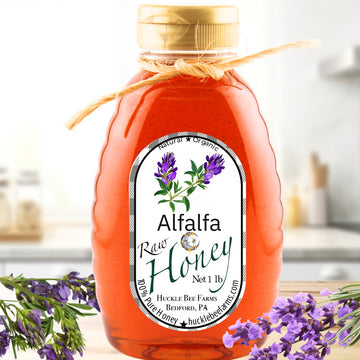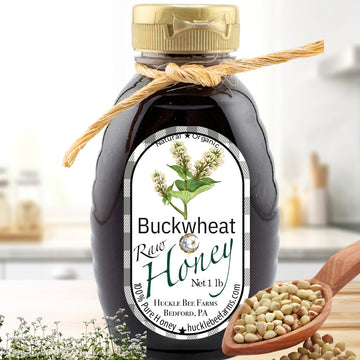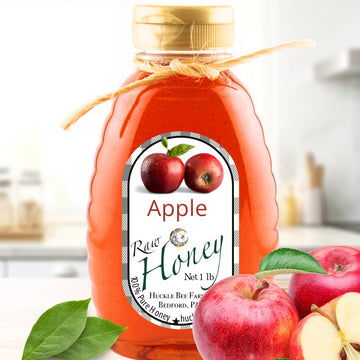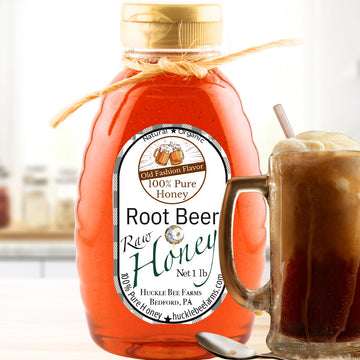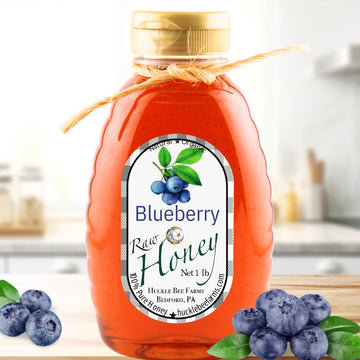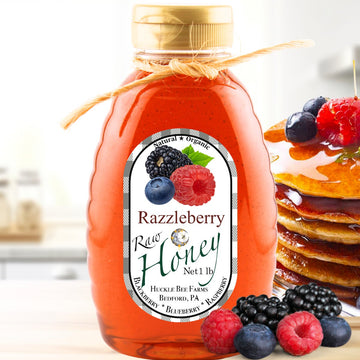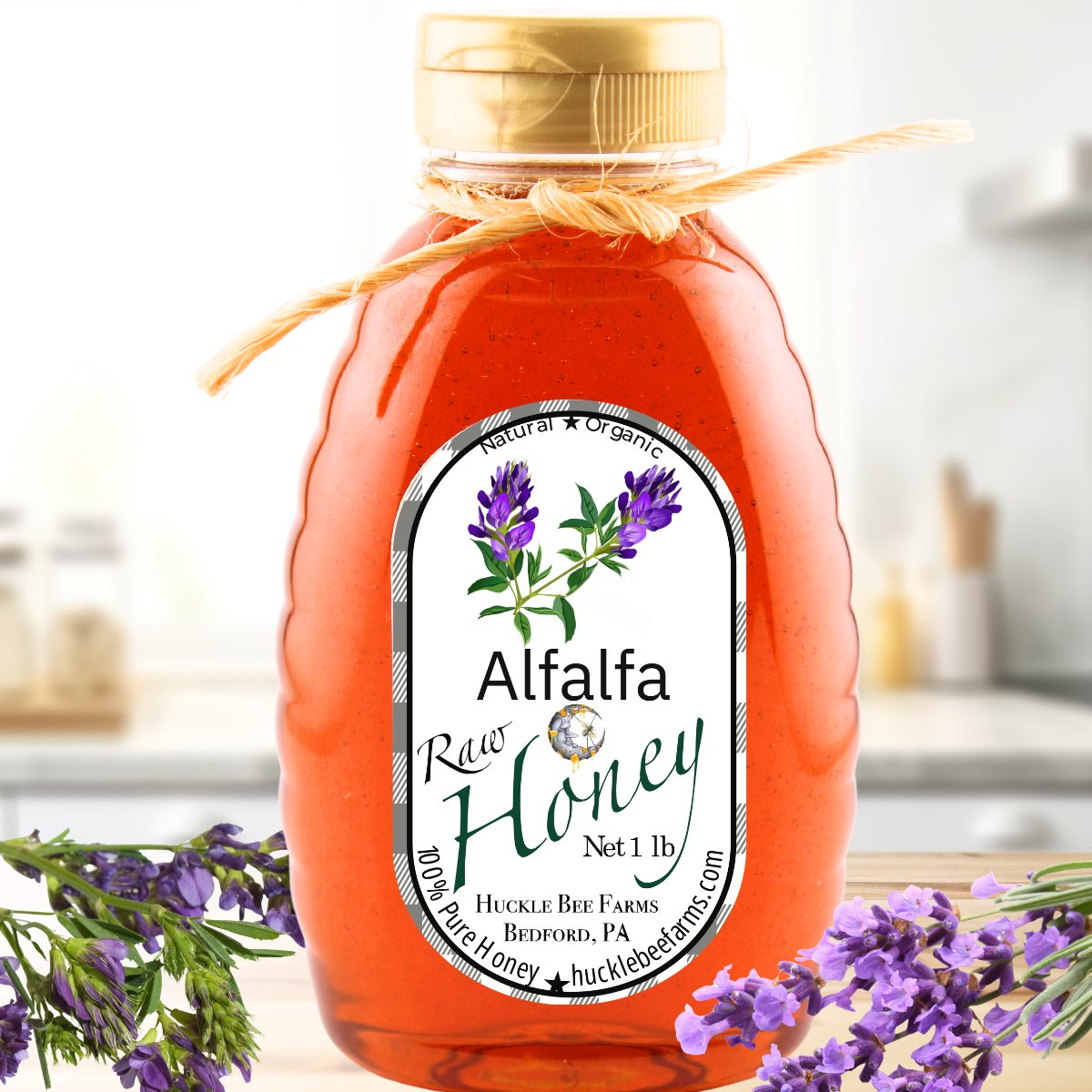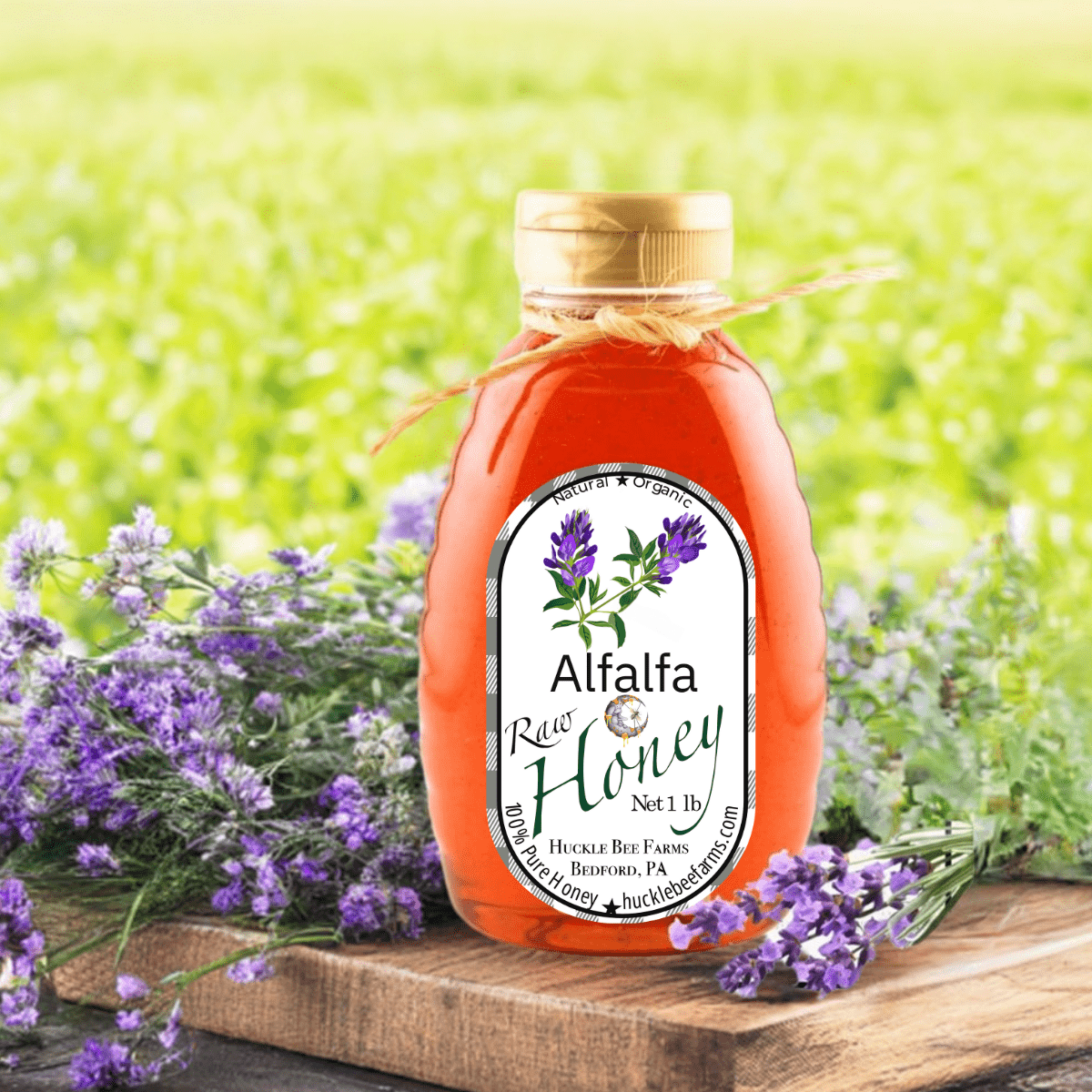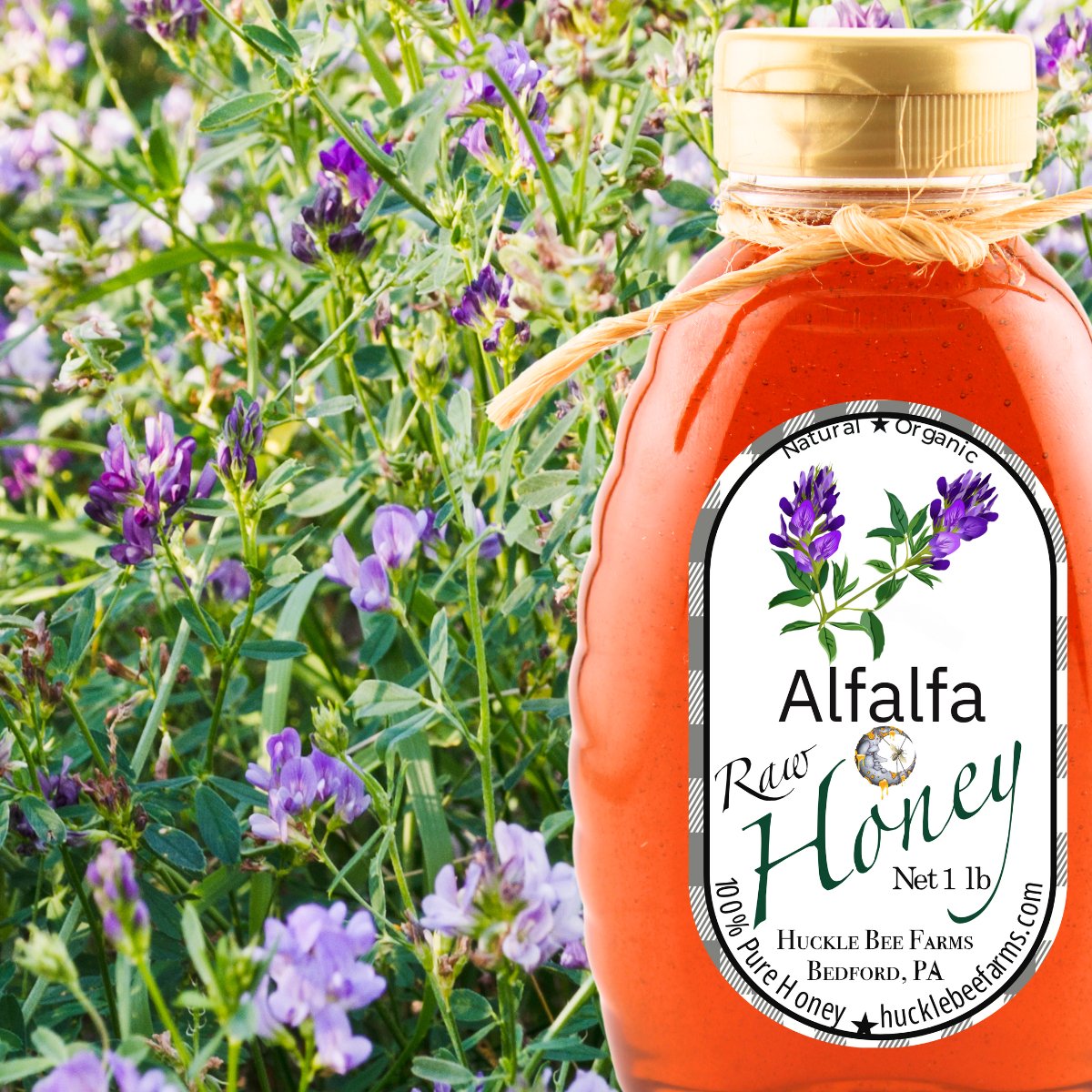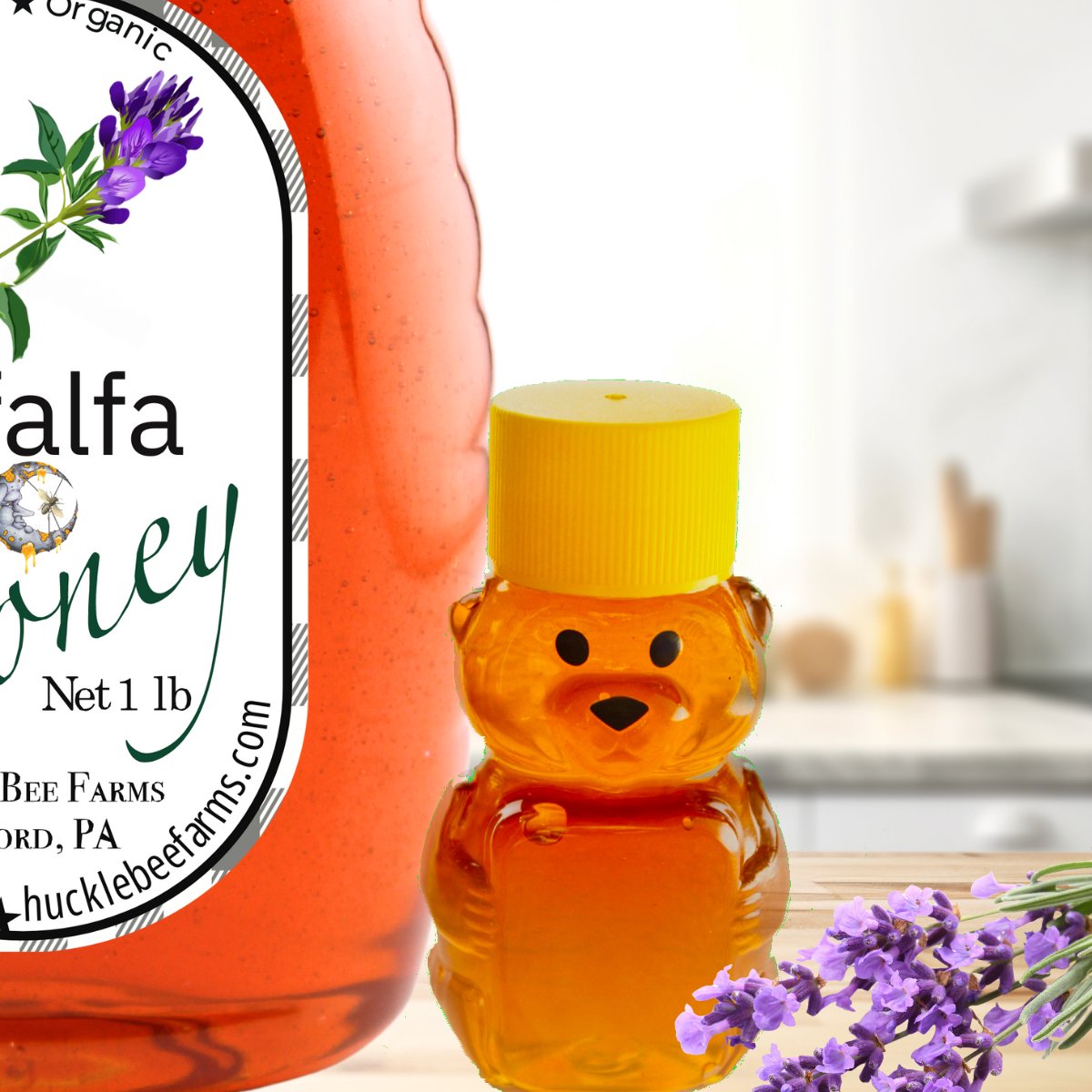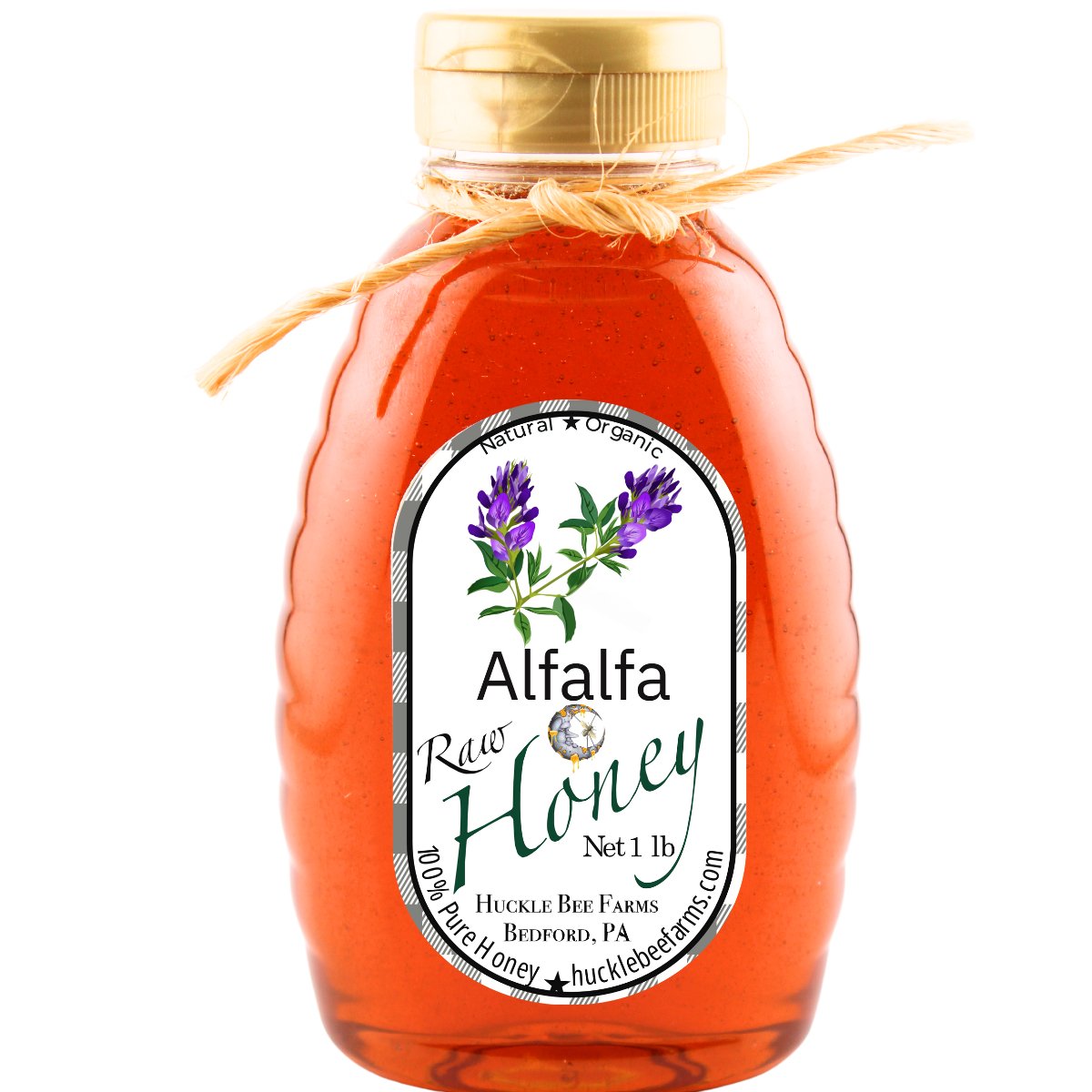
Plastic vs Glass for Honey: Which is Truly Better?
Plastic vs Glass for Honey Bottles: Safety, Myths, and Environmental Impact Explained
🐝 Quick Expert Verdict: Glass vs. Plastic
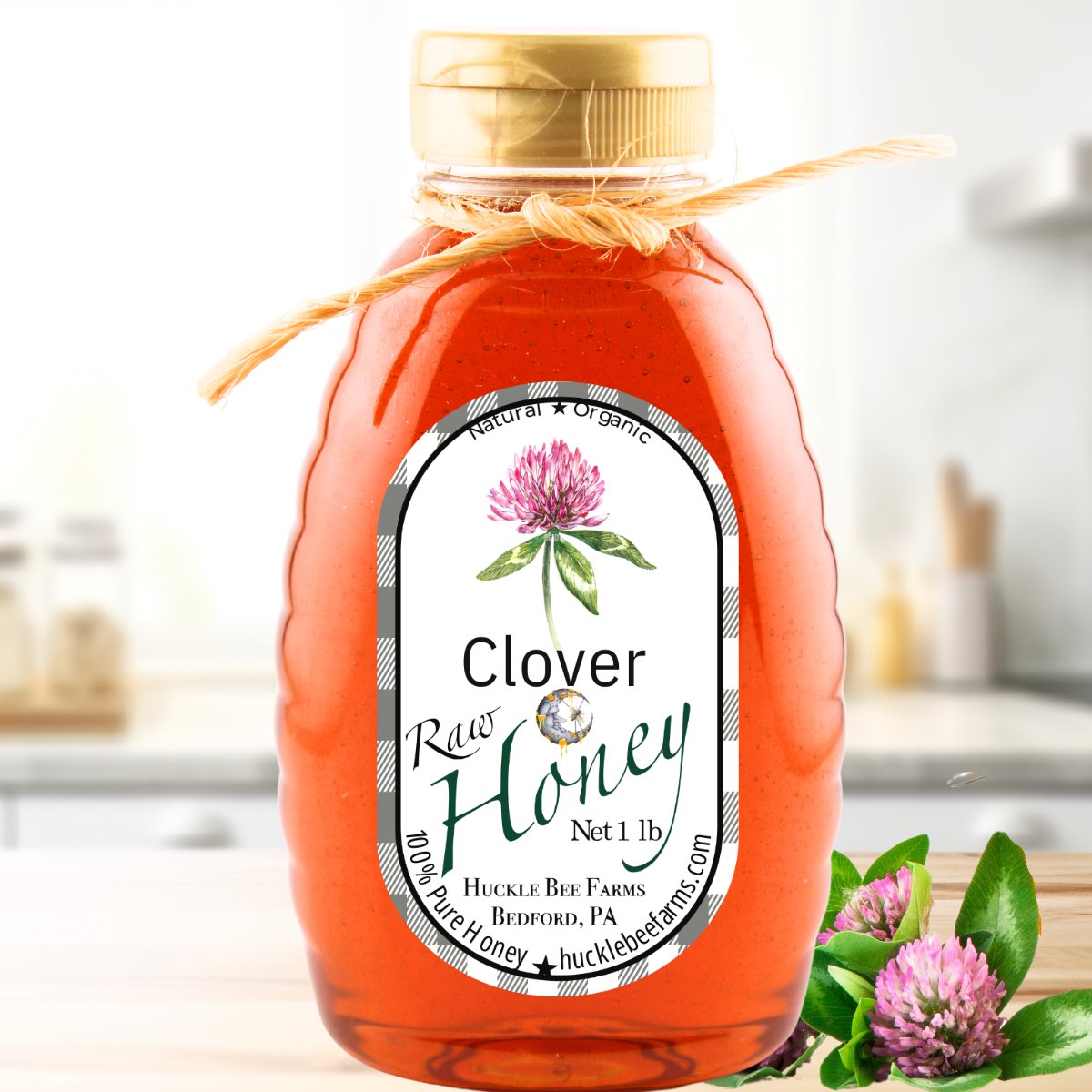
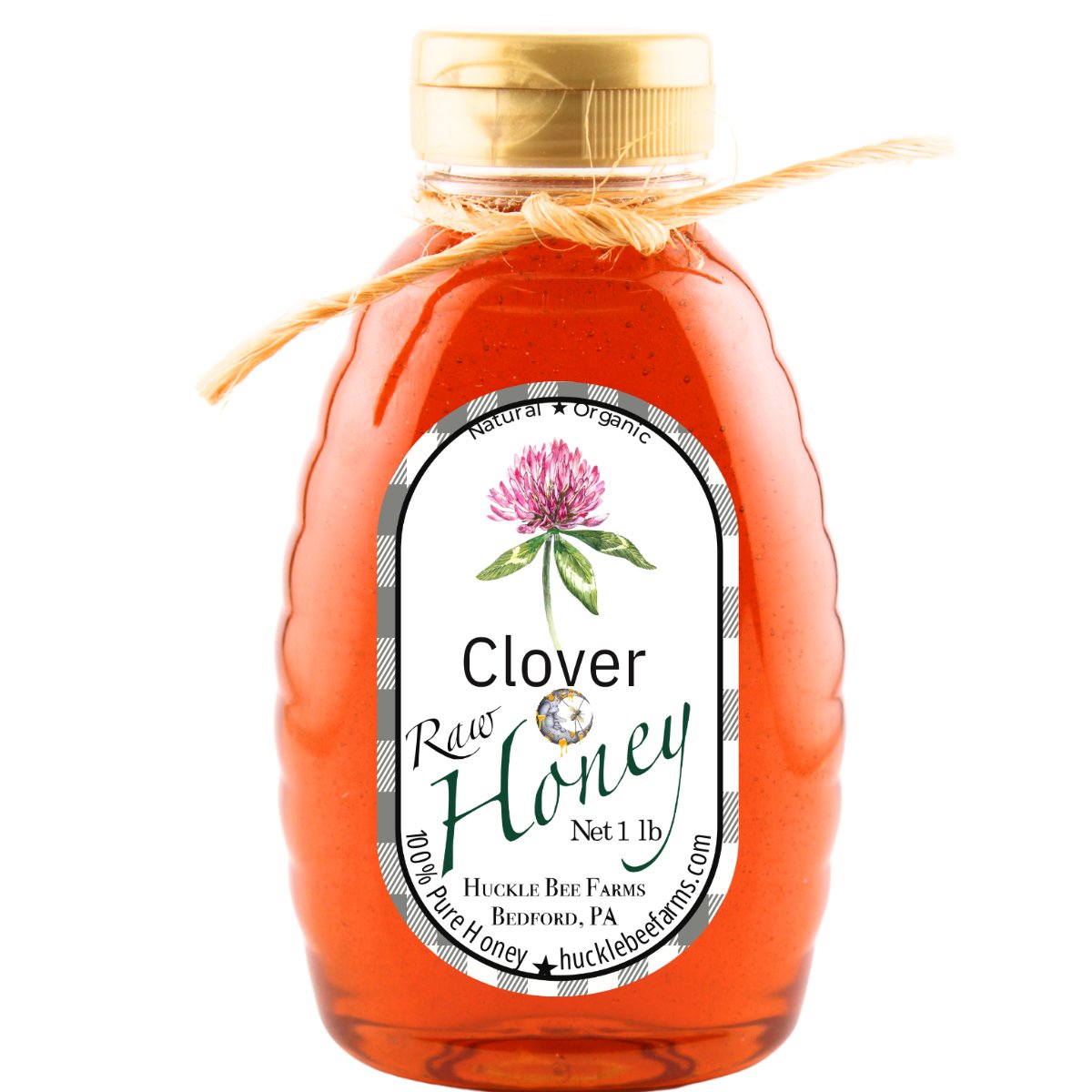
The short answer: Both materials are 100% food-safe for honey storage. Glass is superior for long-term preservation, gift-giving, and maintaining a premium aesthetic. BPA-free Plastic Squeeze Bottles are the winners for daily convenience, child-safety, and reducing the carbon footprint/cost of shipping. At Huckle Bee Farms, we offer both to ensure your raw honey fits your lifestyle perfectly.
Table of contents

If you have ever held a jar of honey in one hand and a squeeze bottle in the other, you have probably wondered why do beekeepers use plastic bottles; while glass seems purer, plastic seems practical. That instinct is common, but it does not tell the whole story.
When you look at food storage through the lens of safety, quality, sustainability, and environmental impact, the answer to the best container for storing honey gets much more interesting. Honey is a great case study because it is naturally stable, low in moisture, and less demanding than many foods. That means the choice of containers matters, but not always in the way people assume. Learn about plastic vs glass for honey
The Bottom Line: Both glass and food-grade plastic are safe for honey storage. Glass is ideal for long-term preservation and gifting, while BPA-free plastic squeeze bottles offer superior convenience, lower shipping costs, and mess-free pouring for everyday use. The most important factor is keeping the honey in a cool, dry place away from direct sunlight.
What honey actually needs from a container
Honey is resilient. Its low water content and naturally acidic profile help it resist spoilage when it is stored correctly. Unlike highly perishable foods, it does not need a heroic package. It needs a clean, food-safe one that protects it from excess moisture, contamination, and too much heat.
That shifts the conversation. Instead of debating plastic vs glass for honey, you can consider the question: is glass better than plastic for honey, can honey be stored in plastic bottles, can plastic leach into honey, is it safe to store honey in plastic, how does plastic affect honey quality, and which material offers better durability and job performance in real life?
A good honey container should offer features that adhere to honey packaging safety plastic standards, with:
- A tight seal
- Food-safe contact materials
- Protection from contamination
- Easy pouring and handling
- Reasonable durability during storage and shipping
If you store honey in a pantry, away from direct sunlight and away from high heat, both plastic and glass can preserve it very well. Poor storage habits matter more than the material alone. Leave any bottle in a hot car, near a stove, or open on a humid counter, and quality can drop no matter what it is made from.
Comparison Data Table
Is plastic actually safe for honey?
Yes, food-grade plastic is generally safe for honey when it is designed for food contact and used as intended.
This is the part where a lot of fear and half-truths show up. People often hear broad warnings about plastic and assume all plastics behave the same way. They do not. A flimsy non-food container, an old takeout tub, and a modern food-grade honey bottle are not equivalent. Materials commonly used for food packaging, including certain PET and HDPE plastics, are selected because they are stable and suitable for direct contact with foods.
Honey producers use these bottles because they work. They hold up during filling, handling, and shipping. They are light, durable, and practical for everyday kitchen use. If you have ever tried to drizzle honey into tea, onto yogurt, or over biscuits with one hand, you already know why squeeze bottles remain popular.
The bigger issue is responsible use. Food-grade plastic is meant for normal storage, not abuse. You do not want to expose any honey package to unnecessary heat for long stretches. Heat can affect honey itself, changing texture, darkening color, and gradually dulling some of its more delicate aromas. Blaming plastic for that misses the real culprit.
Food Packaging Chemical Migration: Plastic vs. Glass Safety
Making informed choices can help minimise exposure to chemicals associated with plastics; glass also has components that warrant consideration in safety assessments.
Food packaging and chemical migration: a food safety perspective, G Cufaoglu, 2025
The myths that keep circulating
Some packaging debates, such as honey storage plastic vs glass honey bottles, survive because they feel true. Glass looks old-fashioned and solid, which makes it easy to trust. Plastic looks modern and disposable, which makes it easy to doubt. Real performance is less dramatic.
A few myths come up again and again, especially around purity, taste, and whether packaging, such as glass jars, is recyclable.
- Myth: Plastic automatically leaches harmful chemicals into honey. Food-grade plastic packaging is tested and regulated for food contact. When used properly, it is made to store products like honey without compromising safety.
- Myth: Honey tastes better in glass. Fresh honey tastes like the flowers, seasons, and landscapes it came from. In a clean, sealed food-grade plastic bottle, you are tasting the honey, not the package.
- Myth: Plastic makes honey less pure. Purity depends on the honey itself and on honest handling, not on whether the bottle squeezes or clinks. However, concerns have been raised about whether plastic can leach into honey under certain conditions, emphasizing the importance of using recyclable honey packaging for eco-friendly and safe options.
- Myth: Glass is always greener. Glass has recycling strengths, but it also requires intense heat to produce and more fuel to transport because it weighs so much more.
One myth deserves special attention: the idea that plastic is always lower quality. Many small-batch producers choose plastic, including using plastic bottles, not because they are cutting corners, but because they are trying to protect the product and make it easier for you to use. It's a common question: why do beekeepers use plastic bottles? Because they provide durability and ease of use, addressing practical concerns. A bottle that arrives in durable containers, pours cleanly, and reduces shipping damage can be a smart quality choice.
BPA-Free Plastic Leaching: Honey Safety Concerns
Even when made from BPA-free, food-grade plastic, products may still raise health concerns. Chemicals could potentially migrate from plastics into honey or wax, which is a consideration for beekeepers and consumers evaluating systems like the Flow Hive.
The Flow Hive, 2022
What glass does very well
Glass has real strengths, and they are worth respecting. It is nonporous, widely accepted in recycling systems, and familiar to shoppers who want a traditional pantry look. If you love the feel of a glass jar on the breakfast table, that preference makes sense.
Glass also performs well over very long storage periods. It is stable, easy to sanitize, and often reused at home. If you save jars for dry goods, pantry mixes, or homemade gifts, glass can earn years of service after the honey is gone.
There is also a premium perception factor. For gifts, event favors, and display shelves, glass can feel special. Weddings, holiday baskets, and dinner party spreads often benefit from that polished look.
Still, a package can be attractive and useful without being the best answer for every use.


Huckle Bee Farms
🍯 Discover Your Flavorful Side
Explore our collection of infused small batch honey. From lavender to habanero, each one crafted to bring a bold twist to your team cheese board, marinades and more.
Where glass falls short in everyday life
Glass breaks. That sounds obvious, yet it changes everything from shipping costs to kitchen safety. A dropped jar can mean wasted honey, sticky floors, and sharp cleanup. If you have children in the house, pack lunches, or keep honey near busy cooking spaces, that risk is not small.
Weight is another serious drawback. Glass jars are heavier at every stage: manufacturing, shipping to the producer, shipping to your door, and carrying home from a store. Multiply that by thousands of bottles, and the plastic vs glass environmental impact and financial costs rise fast.
For a small-batch honey business that bottles on demand for freshness, choosing the best container for storing honey can be crucial, as glass containers can also create more handling challenges. It takes more protective packing, more storage care, and more effort to ship safely across the country. That does not make it wrong. It just makes it less practical in many situations.

The environmental picture is more complicated than the label suggests
A lot of people want a simple winner here, especially when considering plastic vs glass honey bottles, often seeking a durability comparison to inform their choice, and wondering is glass better than plastic for honey. It would be nice if one material, such as in the honey storage plastic vs glass debate, were clearly clean and the other clearly harmful. Real packaging choices encompass considerations of sustainability and are not that tidy.
Plastic has serious waste problems when it is used carelessly or discarded irresponsibly, but does honey react with plastic remains a key consideration for producers and consumers alike. That part should not be softened. Yet glass also carries a heavy environmental load that people often overlook. Producing glass requires high temperatures, which means high energy use. Transporting it takes more fuel because it is heavy. Breakage during shipping can also increase waste.
You may hear that glass is harmless because it comes from natural materials. In the environment, though, it can persist for an extremely long time, often cited as up to 1 million years to break down. Plastic is far from perfect, and a common question is how long does plastic take to break down, but many types can be recycled and repurposed when collection systems exist, and recyclable materials are used correctly by people. The better environmental choice often depends on the full life cycle, not on a single assumption.
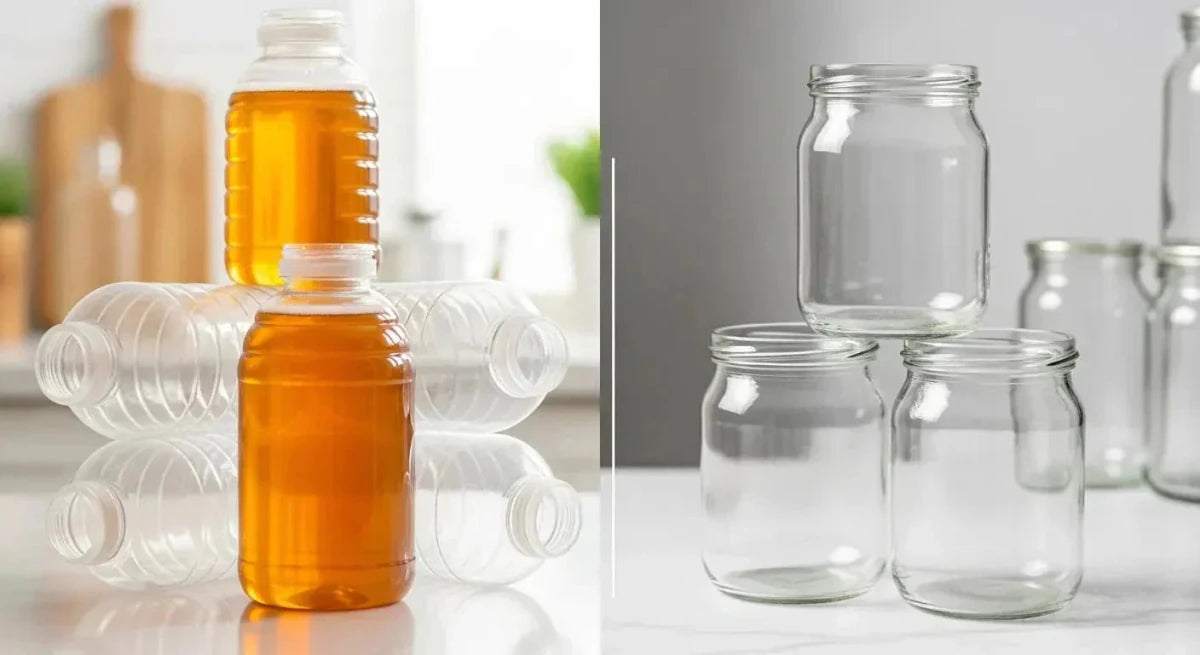
Here is a practical side-by-side look at plastic vs glass for honey: is it safe to store honey in plastic?
| Factor | Plastic honey bottle | Glass honey jar | What it means for you |
|---|---|---|---|
| Food safety | Safe when food-grade and used properly | Safe and stable | Both work well for honey |
| Weight | Very light | Heavy | Plastic usually ships with less fuel |
| Breakage | Rare | Common if dropped | Plastic is easier for homes, shipping, and travel |
| Reuse at home | Possible, though less common long-term | Very common | Glass often wins for repeat household reuse |
| Recycling | Depends heavily on local systems and resin type | Often widely accepted, but not universal | Check your local program before assuming |
| Energy to produce | Lower than glass in many cases | Higher due to high-heat manufacturing | Glass can carry a larger production footprint |
| Everyday convenience | Excellent for squeezing and portion control | Better for spooning and shelf display | Your routine matters more than image |
That table does not hand you a perfect answer, because there is not one. It does show that “eco-friendly” is not a one-word label. It is a mix of material choice, transport distance, reuse, recycling access, and how responsibly the package is handled after use.
Food Packaging Chemical Migration: Plastic vs. Glass Safety
Making informed choices can help minimise exposure to chemicals associated with plastics; glass also has components that warrant consideration in safety assessments.
Food packaging and chemical migration: a food safety perspective, G Cufaoglu, 2025
Convenience matters more than people admit
You do not store food in a lab. You store it in your real kitchen, with real routines and real distractions. That is why convenience deserves more respect in this debate.
A squeeze bottle helps you use honey more often and with less mess. You can drizzle it into tea, over oatmeal, onto a charcuterie board, or into a marinade without opening a wide jar and hunting for a spoon. That ease is not a small thing. When packaging fits your habits, you waste less product and enjoy it more.
Convenience also matters for gift giving and shipping. Lightweight bottles can reduce postage, lower the chance of transit damage, and simplify packaging. For businesses shipping across the United States, especially those focused on small-batch freshness and direct-to-customer orders, that can make a meaningful difference.
A practical package is not a compromise if it protects the food well in its containers.
Food Packaging Chemical Migration:
Plastic vs. Glass SafetyMaking informed choices can help minimise exposure to chemicals associated with plastics; glass also has components that warrant consideration in safety assessments.
Food packaging and chemical migration: a food safety perspective, G Cufaoglu, 2025
How to choose the right bottle for your needs
The best choice depends on how you buy, store, and use honey, considering factors like sustainable honey packaging options, plastic vs glass for honey, whether glass is more eco-friendly than plastic, how long does glass take to decompose, and the carbon footprint plastic vs glass packaging might have in your specific circumstances. If you care most about display, home reuse, or a classic presentation, glass may suit you well. If you care most about durability, easy pouring, lighter shipping, and everyday convenience, food-grade plastic containers are often the smarter fit.
A simple way to decide is to match the package to the setting:
- Choose plastic: daily use, travel, mailed gifts, family kitchens, easy drizzling
- Choose glass: formal gifting, table presentation, long pantry display, frequent jar reuse
You can also ask a few direct questions before you buy:
- Will you ship it or carry it often? Plastic usually makes life easier.
- Do you want a bottle you can squeeze with one hand? Plastic wins on usability.
- Do you plan to wash and reuse the container often at home? Glass may be more appealing.
- Is your recycling system reliable for one material but not the other? Local infrastructure should shape your choice.
The smartest shoppers do not pick based on myth or mood. They pick based on how the package performs from fill line to final drop.

What matters most is the honey and the handling
Packaging can protect quality, but it cannot create quality on its own. Freshness, clean bottling, and careful storage still matter more than whether the bottle is clear plastic or clear glass.
If you want the best experience, focus on a few habits that always pay off: buy from producers who use food-safe packaging, store honey in a cool dry place, keep the lid tightly closed, and understand how long can honey be stored in plastic by avoiding long exposure to heat. Do that, and both plastic and glass can serve you well.
That gives you permission to move past the old “plastic vs glass for honey” script. You can choose with more confidence than that. You can choose based on facts, daily use, and the kind of food system you actually want to support.
🐝 HONEY PACKAGING QUIZ
Loading question...
Question People Often Ask?
1. Is it safe to store honey in plastic bottles?
Answer: Yes, storing honey in food-grade plastic bottles is safe. Modern plastics used for honey packaging are specifically designed to prevent chemical leaching and preserve honey’s natural quality, flavor, and purity.
2. Does plastic affect the taste or quality of honey?
Answer: No, food-grade plastic does not affect the taste or quality of honey. These plastics are inert and do not react with honey, ensuring your honey remains as fresh and flavorful as when it was harvested.
3. Is glass better than plastic for honey storage?
Answer: Both glass and plastic have advantages. Glass is non-porous and traditional, but it’s heavier and more prone to breaking. Plastic is lightweight, durable, and easier to handle, espe
4. Which is more environmentally friendly: plastic or glass?
Answer: The answer depends on the full lifecycle. Glass is recyclable and doesn’t degrade in quality, but it requires more energy to produce and transport. Plastic is lighter, reducing shipping emissions, and can be recycled or repurposed. However, both materials must be disposed of responsibly to minimize environmental impact.
5. Can honey stored in plastic bottles spoil or ferment?
Answer: Honey has natural antibacterial properties and a low moisture content, making spoilage rare—regardless of the container. The key is to use clean, airtight, food-safe containers and store honey in a cool, dry place.
6. Why do many beekeepers use plastic bottles for honey?
Answer: Plastic bottles are durable, lightweight, and less likely to break during transport. They’re also easier for customers to handle and pour from, making them a practical choice for both producers and buyers.
7. How long does it take for glass and plastic to break down in the environment?
Answer: Glass can take up to 1 million years to break down, while plastic can take hundreds of years. However, plastic can be recycled and reused in new products, reducing its environmental footprint when managed properly.
8. Can I recycle honey bottles?
Answer: Yes, both glass and most food-grade plastics are recyclable. Be sure to rinse out any remaining honey before recycling to prevent contamination and ensure the materials can be processed.
At the end of the day, both plastic and glass have their place—but if you want fresh, easy, mess-free honey for everyday life, the right container makes all the difference in how you enjoy every drop. 🍯
"I used to only buy honey in glass jars because I thought it was 'purer,' but the Huckle Bee squeeze bottles changed my morning routine. No sticky mess, no broken glass, and the flavor is exactly the same—pure liquid gold!"
Verified Buyer
Frequently Asked Questions
1. What are the health concerns associated with using plastic for honey storage?
While food-grade plastic is generally safe for honey, there are concerns about chemical migration, especially if the plastic is not designed for food contact. Some studies suggest that certain conditions, like high temperatures, can lead to leaching of chemicals into honey. To minimize risks, always choose high-quality, food-safe plastics and avoid exposing them to heat. Understanding the type of plastic used is crucial for ensuring safety and maintaining honey's quality.
2. How should I store honey to maintain its quality, regardless of the container?
To maintain honey's quality, store it in a cool, dry place away from direct sunlight and heat sources. Ensure the container is tightly sealed to prevent moisture absorption, which can lead to fermentation. Both plastic and glass containers can preserve honey well if stored correctly. Regularly check for any signs of spoilage, such as unusual odors or changes in texture, to ensure your honey remains fresh and safe to consume.
3. Are there specific types of plastic that are better for honey storage?
Yes, certain types of plastics are better suited for honey storage. Food-grade plastics like PET (Polyethylene Terephthalate) and HDPE (High-Density Polyethylene) are commonly used because they are stable and safe for food contact. These materials are designed to prevent chemical leaching and maintain the integrity of the honey. Always look for containers labeled as food-safe to ensure the best quality and safety for your honey.
4. What are the advantages of using glass containers for honey?
Glass containers offer several advantages for honey storage. They are non-porous, which means they do not absorb flavors or odors, ensuring the honey's purity. Glass is also easy to sanitize and can be reused multiple times, making it environmentally friendly. Additionally, glass jars provide a premium presentation, making them ideal for gifting or display. However, they are heavier and more prone to breakage, which can be a drawback in some situations.
5. How do I choose between plastic and glass for honey packaging?
Choosing between plastic and glass for honey packaging depends on your specific needs. If you prioritize convenience, lightweight handling, and durability, plastic may be the better option. However, if you value aesthetics, long-term reuse, and a traditional look, glass could be more appealing. Consider factors like how often you will use the honey, whether you plan to ship it, and your local recycling options to make the best choice for your situation.
6. Can honey be stored in metal containers?
Storing honey in metal containers is generally not recommended. Metal can react with honey, potentially altering its flavor and quality. Additionally, if the metal is not food-grade or coated properly, it may lead to corrosion or leaching of harmful substances. For optimal storage, stick to food-safe plastic or glass containers that are specifically designed for honey to ensure its safety and quality over time.
7. What should I consider when recycling honey containers?
When recycling honey containers, it's important to rinse them thoroughly to remove any residual honey, which can contaminate the recycling stream. Check your local recycling guidelines, as acceptance of plastic and glass can vary. Ensure that the materials are clean and dry before placing them in the recycling bin. Proper recycling helps reduce waste and supports sustainable practices, making it easier to manage the environmental impact of packaging materials.
Choosing between plastic and glass for honey packaging depends on your specific needs. If you prioritize convenience, lightweight handling, and durability, plastic may be the better option. However, if you value aesthetics, long-term reuse, and a traditional look, glass could be more appealing. Consider factors like how often you will use the honey, whether you plan to ship it, and your local recycling options to make the best choice for your situation.
Learn More about Honey


Conclusion
Choosing the right container for honey storage is essential for maintaining its quality and ensuring safety, whether you opt for plastic or glass. Both materials offer unique benefits, from the practicality of lightweight plastic to the timeless appeal of glass. Understanding these options empowers you to make informed decisions that align with your lifestyle and values. Explore our range of honey products today to find the perfect fit for your needs.

Author - Jim Douglas - Founder Huckle Bee Farms
For Jim Douglas, beekeeping is more than a craft—it’s a commitment to purity and the environment. After an honorable career in the U.S. Army and a tenure as a COO for the Boy Scouts of America, Jim sought a way to combine his leadership experience with his love for the outdoors.
In 2012, he founded Huckle Bee Farms with a simple mission: to take honey back to its raw, unadulterated roots. Jim’s expertise lies in the delicate balance of infusing raw honey with organic ingredients without compromising its natural medicinal properties. His "small-batch" philosophy ensures that every jar meets the highest standards of quality and transparency. Today, Jim continues to lead Huckle Bee Farms with the same integrity he practiced in uniform, ensuring that every drop of honey supports both the health of the consumer and the survival of the honeybee.
His mission is simple: to make life a little sweeter—naturally.
Key Takeaways on Plastic vs Glass for Honey Storage
This list summarizes the essential points regarding the safety, practicality, and environmental impact of using plastic and glass containers for honey storage, helping you make informed choices.
- Food Safety Standards – Both plastic and glass containers are safe for honey when they meet food-grade standards, ensuring no harmful chemicals leach into the honey.
- Durability and Practicality – Plastic bottles are lightweight and less prone to breakage, making them ideal for everyday use and shipping, while glass jars offer a premium feel and are reusable.
- Environmental Considerations – Glass is recyclable but has a higher carbon footprint due to energy-intensive production, whereas plastic can be recycled but often faces waste management challenges.
- Storage Conditions – Proper storage away from heat and moisture is crucial for both materials to maintain honey's quality, regardless of whether it’s in plastic or glass.
- Myths and Misconceptions – Common myths, such as plastic leaching harmful chemicals or glass being inherently better, are often oversimplified; both materials have their pros and cons.
- Convenience in Use – Squeeze bottles made of plastic allow for easy pouring and portion control, enhancing the user experience in daily applications.
- Choosing the Right Container – Your choice should depend on your specific needs, such as whether you prioritize convenience, aesthetics, or environmental impact.