Discover the Flavor of Hickory Smoked Honey: Cooking Tips
Smoked Honey 101: What It Is and the Best Ways to Cook with It
Smoked honey adds deep, savory sweetness and subtle wood-fired flavor to both sweet and savory dishes. This guide breaks down what smoked honey is, how it differs from traditional honey, and the best ways to cook with it—from grilling and roasting to glazing, finishing, and pairing with cheese, meats, and vegetables—so you can use smoked honey with confidence and maximum flavor impact.
🔥 Smoked Honey Cooking Guide
Smoked honey brings rich, savory sweetness and subtle wood-smoked depth to everyday cooking. This guide shows you how to use it for maximum flavor, including:
What smoked honey is and how it differs from traditional honey
Best cooking methods for smoked honey (grilling, roasting, glazing, finishing)
Flavor pairings with meats, vegetables, cheese, and sauces
Pro tips to balance smoke, sweetness, and heat
Table of contents
Smoked Honey 101: What It Is and the Best Ways to Cook with It What smoked honey actually is How it’s made (and why the “low temperature” part matters) Choosing a smoke profile: hickory, fruitwood, and everything between The easiest way to start using smoked honey Best uses in savory cooking (where it really earns its keep) Cheese boards, snacks, and “put it out on the table” moments Vegetables and fruit: the “surprising” category that wins people over Breakfast and dessert ideas that don’t taste “weird” Drinks and cocktails: where a small spoon makes a big difference A few cooking tips that keep smoked honey tasting clean How we like to think about smoked honey at Huckle Bee Farms Summary Frequently Asked Questions Can I use smoked honey in baking? What are some creative ways to use smoked honey in drinks? Is smoked honey suitable for vegan diets? How does the choice of wood affect the flavor of smoked honey? Can smoked honey be used in salad dressings? What are the best storage practices for smoked honey? Can I use smoked honey in marinades for meats? What is smoked honey? Author - Jim Douglas - Founder Huckle Bee Farms Key Takeaways on Smoked Honey

Smoked honey is one of those pantry treats that makes you pause mid-bite and ask, “What is that?” It starts familiar—honey on a biscuit—but carries a soft campfire note that lifts everyday food into something worth talking about.
At Huckle Bee Farms, we love smoked honey because it doesn’t ask you to learn a new ingredient. It simply redirects something you already know—honey—into sweet or savory directions you hadn’t imagined.
What smoked honey actually is
Smoked honey is pure honey that’s been gently infused with real wood smoke, usually using a low-temperature, cold-smoke approach. The aim is aroma, not cooking—you’re scenting the honey, not boiling, reducing, or caramelizing it.
That distinction matters. The best smoked honey tastes like honey first, with a warm, woodsy layer on top—think the scent clinging to a sweater after a bonfire, not a heavy barbecue sauce.
How it’s made (and why the “low temperature” part matters)
Most makers smoke honey after they’ve harvested it, not inside the hive. Honey is spread in a shallow pan so more surface area can catch the smoke, then exposed to clean hardwood smoke for a controlled time. A touch of heat helps the smoke mingle with the honey’s aromatics without scorching the sugars.
If the honey gets too hot it can taste sharp or bitter, and the smoke can collapse into an ashy note. Low and slow keeps the sweetness round and the smoke pleasant.
One practical tip: small-batch smoked honey often looks like regular honey in the jar. The surprise is in the aroma when you lift the lid.

Choosing a smoke profile: hickory, fruitwood, and everything between
The wood you use matters as much as the honey. Different woods give the honey distinct personalities, even when the honey itself is the same.
A quick cheat sheet:
| Wood | Flavor notes | Best for |
|---|---|---|
| Hickory | Bold, classic smoke with a savory edge | Ribs, wings, chili, baked beans, bourbon cocktails |
| Apple or Cherry | Soft, sweet, fruity smoke | Pork loin, roasted carrots, yogurt, fruit desserts |
| Pecan | Nutty, mellow, rich | Ham glaze, cornbread, grilled peaches |
| Beech | Clean, balanced smoke | Cheese boards, salmon, vinaigrettes |
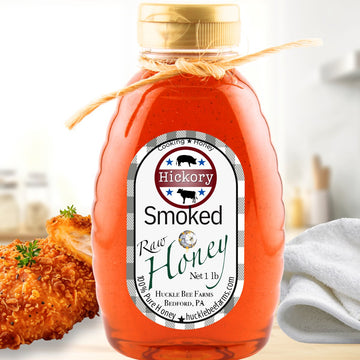
Huckle Bee Farms’ Hickory Smoked Honey leans into that familiar barbecue profile: warm smoke up front, bright raw honey in the middle, then a deeper toasted finish that sings with grilled foods.
The easiest way to start using smoked honey
If you can drizzle honey, you can use smoked honey. It’s especially useful as a finishing honey for savory dishes—think cheese boards or a last-minute glaze. The trick is learning when to add it and how heat affects the aroma.
Heat can dull the smoke, so smoked honey often shines as a finishing ingredient—stirred in at the end or brushed on in the final minutes of cooking. You can cook with it, just treat it like a delicate sauce rather than a high-heat sugar.
A handy mental model: use smoked honey like you would maple syrup on something savory.
After a couple tries you’ll start spotting uses everywhere—marinades, dressings, a spoonful in a stew—that make familiar dishes feel new.
🐝 Smoked Honey Master Quiz
1. To protect honey's natural health benefits, what is the maximum temperature it should reach during smoking?
2. Which wood profile is best for a "sweet and fruity" finish on salmon or poultry?
3. If your honey crystallizes, how do you restore it without ruining the smoke flavor?
Best uses in savory cooking (where it really earns its keep)
Smoked honey naturally fits barbecue, grilling, and roasts, where smoke and browning are already part of the equation. It can act as a thoughtful alternative to plain sugar in savory recipes and bring “grill flavor” to weeknight meals made indoors.
Here are a few reliable ways to use a smoked honey glaze:
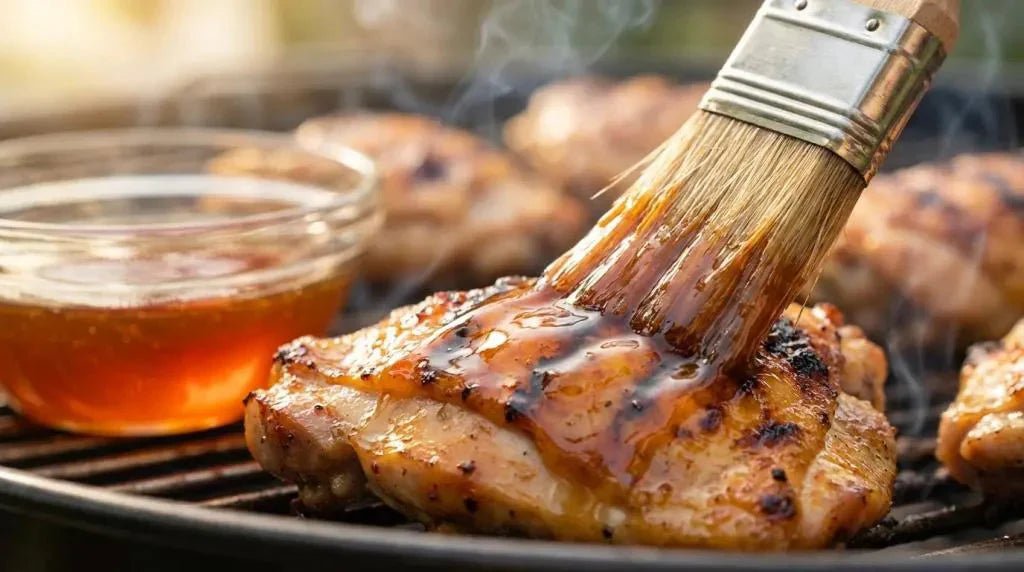
- Glazes: Brush onto chicken thighs, salmon, or pork in the last 5–10 minutes so it goes glossy without burning.
- Sauces: Stir into warm barbecue sauce right before serving to keep the smoke fresh.
- Marinades: Whisk with acid and salt, then use on pork chops or tofu; the honey helps with browning and balances tang.
- Savory bowls: Stir a spoonful into chili, baked beans, or lentils at the end for a sweet-smoky backbone.
A little goes a long way, especially with stronger woods like hickory.
To keep things balanced and “chef-y,” pair smoked honey with something bright or sharp—mustard, vinegar, citrus, pickles, or hot sauce will stop sweetness from taking over.
Here’s a simple mix-and-match list to save:
- Weeknight win: smoked honey + Dijon + lemon
- BBQ mode: smoked honey + warm barbecue sauce + a pinch of smoked salt
- Spicy drizzle: smoked honey + chili flakes + apple cider vinegar
- Taco helper: smoked honey + lime + chipotle powder
- Roast vegetables: smoked honey + olive oil + flaky salt

Cheese boards, snacks, and “put it out on the table” moments
Smoked honey is just as magical when you don’t cook with it. Its aroma is strongest at room temperature, and a small bowl on a cheese board immediately makes the spread feel deliberate.
Let people play: aged cheddar, creamy goat, blue, brie, or grilled halloumi all benefit from a smoky-sweet contrast. Add nuts, crackers, and fruit for a crowd-pleasing plate with almost no fuss.
It’s also lovely on warm bread—smoked honey on cornbread tastes like a summer cookout even in the middle of winter.

Vegetables and fruit: the “surprising” category that wins people over
If you already enjoy honey on roasted carrots or sweet potatoes, smoked honey is an easy upgrade. It adds savory depth to vegetables without introducing meat, which is great for plant-forward meals.
Try it on:
- roasted carrots with thyme
- blistered Brussels sprouts with lemon
- roasted winter squash with chili and pepitas
- grilled corn with butter and salt
Fruit is where smoked honey gets playful. A drizzle over grilled pineapple or peaches tastes like dessert and barbecue at once. Even plain berries with yogurt feel elevated with a smoky spoonful.
Breakfast and dessert ideas that don’t taste “weird”
“Smoked” doesn’t only belong on ribs. Smoked honey can be cozy and sweet—more toasted marshmallow than smokehouse.
Easy, low-risk ideas:
- Stir into oatmeal with a pat of butter and a pinch of salt.
- Drizzle over pancakes or waffles, then add sliced banana.
- Spoon over vanilla ice cream with toasted pecans.
- Brush on a warm buttered biscuit.
Quick reminder: smoked honey is still honey—just with a little atmosphere.

Drinks and cocktails: where a small spoon makes a big difference
Smoked honey mixes well into hot drinks and adds lovely layers to cold ones, especially when made into a simple syrup.
To make a smoked honey syrup, stir equal parts smoked honey and warm water until smooth. Refrigerate and use within a couple of weeks for best flavor.
Good pairings:
- Hot drinks: coffee, black tea, chai, hot toddies
- Spirits: bourbon, rye, or mezcal for a smoke-on-smoke depth
- Citrus: lemon or grapefruit to keep things bright
Here’s a short “build your own” guide for improvising:
- Base: smoked honey syrup
- Acid: lemon juice or a mild vinegar shrub
- Bitters: aromatic or orange
- Finish: sparkling water or whiskey, depending on mood
- Optional: a tiny pinch of salt to sharpen flavors
A few cooking tips that keep smoked honey tasting clean
Smoked honey is easy to use, but it behaves like any honey: it can scorch under high heat. A few simple habits keep the flavor fresh.
- Brush glazes late and watch for hot spots.
- When baking, swap part of the sweetener at first so the smoke stays subtle.
- Store sealed at room temperature, away from direct sun, to protect the aroma.
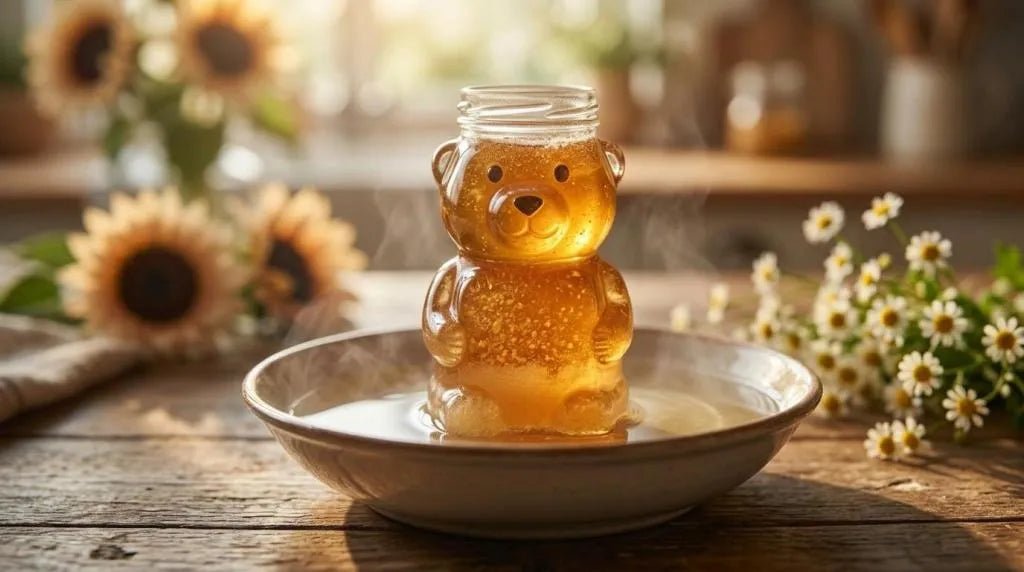
If your honey crystallizes, don’t worry—that’s normal. A warm water bath will bring it back to a pourable texture without hurting the flavor.
How we like to think about smoked honey at Huckle Bee Farms
We make infused honeys to give home cooks confidence to experiment. Smoked honey is a perfect example: familiar enough to use every day, different enough to spark new ideas.
Our smoked honey starts with pure honey gently infused with natural hickory smoke and bottled on demand so it arrives tasting fresh. Freshness matters with smoke—aroma is a big part of what you’re buying.
Try it once on something simple—like roasted carrots or a cheese board—and you’ll start spotting all the places it belongs: glazes, dressings, desserts, and even a quiet spoonful in your coffee when you want a taste that feels like a backyard cookout.
Summary
Smoked honey is pure honey infused with real wood smoke, usually via a low-temperature cold-smoke method that adds a warm, woodsy aroma without cooking or caramelizing the honey. The smoke complements the honey’s natural sweetness and creates a versatile flavor that works in both sweet and savory dishes. Different woods—hickory, apple, cherry, pecan, beech—bring distinctive notes, making smoked honey great for glazes, sauces, marinades, cheese boards, roasted vegetables, desserts, and drinks. It’s best used as a finishing touch to preserve its aroma. Easy to use, smoked honey is a simple way to lift ordinary food into something memorable.

Hickory smoked honey is best used as a finishing ingredient, where its wood-fired aroma and natural sweetness can shine without overpowering a dish. Drizzled over grilled meats, roasted vegetables, or artisan cheeses, it adds depth, balance, and a chef-level touch that transforms simple recipes into standout plates.
Frequently Asked Questions
What is smoked honey?
Smoked honey is pure honey infused with natural wood smoke, giving it a gentle campfire aroma while keeping the honey’s natural sweetness front and center.
Can I use smoked honey in baking?
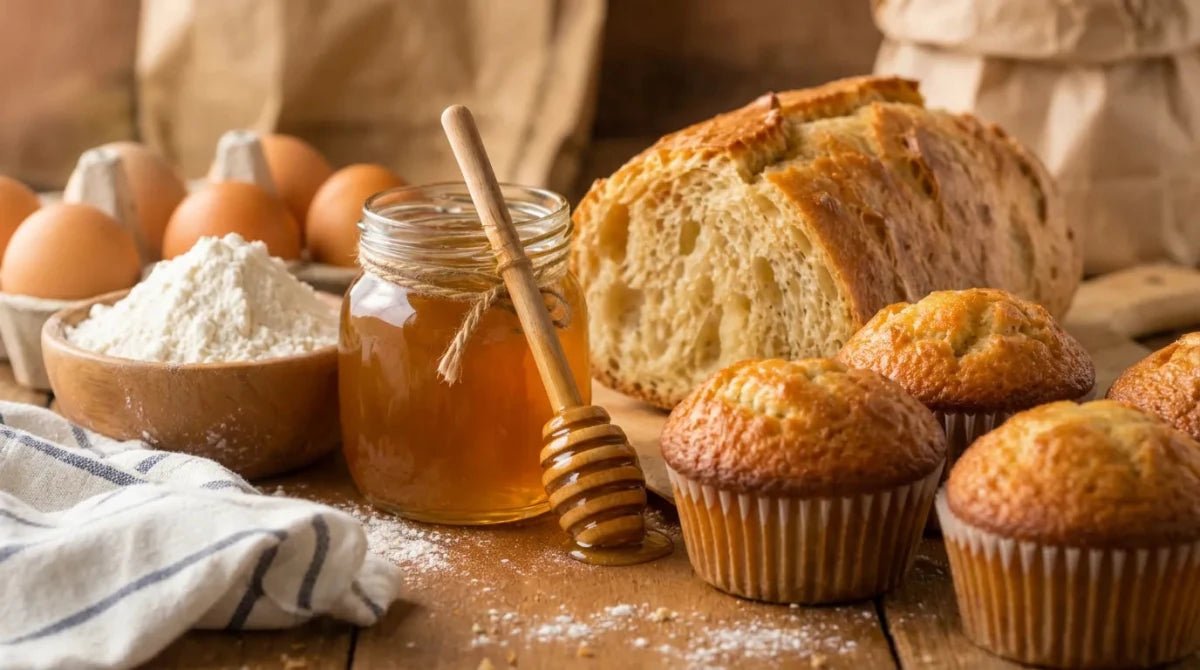
Yes. Smoked honey can be used in baking, but we recommend swapping only part of the sweetener at first so the smoke remains subtle. Think cornbread, muffins, or recipes that welcome a hint of smokiness. Also keep an eye on temperature—high heat can change the honey’s flavor.
What are some creative ways to use smoked honey in drinks?
Smoked honey works in hot and cold drinks. Stir it into coffee, tea, or hot toddies for a warm layer. For cold cocktails, make a smoked honey syrup (equal parts honey and warm water) and add to drinks or sparkling water. It pairs especially well with bourbon or mezcal.
Is smoked honey suitable for vegan diets?
No. Smoked honey is still honey—an animal product from bees—so it isn’t considered vegan. If you want a plant-based alternative, try agave or maple syrup and, if desired, experiment with a small amount of natural smoke flavoring to mimic the profile.
How does the choice of wood affect the flavor of smoked honey?
The wood makes a big difference. Hickory gives a bold, savory smoke; apple and cherry are sweeter and milder; pecan is nutty and rich; beech is clean and balanced. Pick the wood to match the food you’re pairing it with, or try different woods to discover new combinations.
Can smoked honey be used in salad dressings?
Absolutely. Smoked honey adds depth to vinaigrettes by balancing acidity with a smoky-sweet thread. Whisk smoked honey with olive oil, vinegar, and a pinch of salt for a dressing that brightens greens and roasted vegetables.
What are the best storage practices for smoked honey?
Store smoked honey in a sealed container at room temperature, away from direct sunlight. That preserves aroma and flavor. If it crystallizes over time, return the jar to a warm water bath to make it pourable again—this won’t harm the taste.
Can I use smoked honey in marinades for meats?
Yes. Smoked honey makes a great marinade component—its sugars help with browning and it adds a smoky note. Combine it with acid (vinegar or citrus), salt, and seasonings for pork, chicken, or even tofu.

Author - Jim Douglas - Founder Huckle Bee Farms
For Jim Douglas, beekeeping is more than a craft—it’s a commitment to purity and the environment. After an honorable career in the U.S. Army and a tenure as a COO for the Boy Scouts of America, Jim sought a way to combine his leadership experience with his love for the outdoors.
In 2012, he founded Huckle Bee Farms with a simple mission: to take honey back to its raw, unadulterated roots. Jim’s expertise lies in the delicate balance of infusing raw honey with organic ingredients without compromising its natural medicinal properties. His "small-batch" philosophy ensures that every jar meets the highest standards of quality and transparency. Today, Jim continues to lead Huckle Bee Farms with the same integrity he practiced in uniform, ensuring that every drop of honey supports both the health of the consumer and the survival of the honeybee.
His mission is simple: to make life a little sweeter—naturally.
Key Takeaways on Smoked Honey
This list highlights the essentials about smoked honey—what it is, how it’s made, and how to use it in the kitchen.
- Definition of Smoked Honey: Pure honey infused with real wood smoke for a gentle, campfire-like aroma.
- Production Process: Typically made with a low-temperature cold-smoke method that adds smoke without cooking the honey.
- Flavor Profiles: Different woods (hickory, apple, pecan, beech) produce distinct notes, expanding how you can use the honey.
- Culinary Uses: Great for glazes, marinades, sauces, cheese boards, roasted veggies, desserts, and drinks.
- Best Pairings: Pairs well with grilled meats, roasted vegetables, cheeses, and sweet desserts for added depth.
- Storage Recommendations: Keep sealed at room temperature, out of direct sunlight; reheat gently to de-crystallize if needed.
- Health Considerations: Retains the nutritional traits of regular honey; enjoy in moderation as part of a balanced diet.