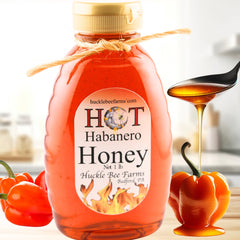
Enhance Your Dishes: How to Use Hot Honey Effectively
How to Use Hot Honey Without Overpowering Your Food
Hot honey vinaigrette delivers the perfect balance of sweet heat and tangy brightness, combining infused honey, vinegar, and olive oil into a bold dressing that elevates salads, roasted vegetables, and grain bowls with depth and flavor.
At a Glance: The Hot Honey Master Rules
The Golden Rule: Never boil it. Drizzle in the last 60 seconds of cooking to preserve the raw enzymes and bright heat.
The Perfect Ratio (DIY): 1 cup raw honey + 2 tsp chili flakes + 1 tsp apple cider vinegar.
Best Pairing: Salty/Fatty foods (Pizza, Fried Chicken, Goat Cheese).
Hot honey—also known as sweet heat honey or spicy infused honey—is best used as a finishing touch rather than a cooking ingredient.
Table of contents

Hot honey is one of those pantry staples that can make a meal feel special in seconds. The trick is treating it like a seasoning, not a sauce. A little goes a long way, and the best results come from pairing that sweet heat with the right textures and a touch of tang.
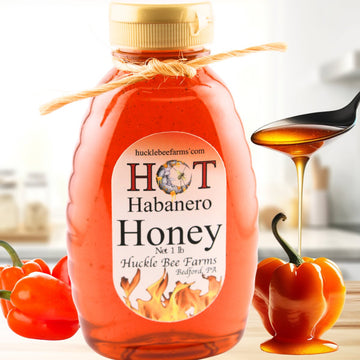
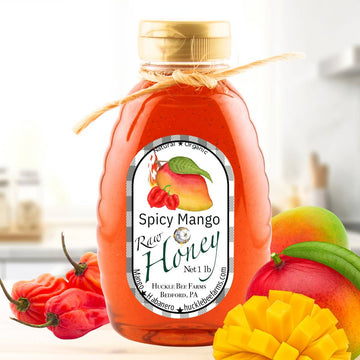
At Huckle Bee Farms, hot honey is made to bring excitement to the plate without drowning out everything else, and that mindset is the secret to using it well at home.
What “overpowering” really means with hot honey
Hot honey can take over a dish in two ways: it can get too sweet, or it can feel too spicy. When either happens, the food loses its shape. You stop tasting the chicken, the greens, the cheese, the crust, and you taste “hot honey” instead.
Most of the time, balance comes down to two moves: use less than you think you need, and add it later than you think you should.
One more thing: honey behaves differently with heat. Cook it too long or too hot and it can darken quickly, turn bitter, or taste scorched. That’s why hot honey shines as a finishing drizzle or a last-minute glaze. [Read more: Why Raw Honey is Better for your Immune System than Store-Bought.]
The three knobs that control balance (sweet, heat, and contrast)
Think of hot honey as a flavor concentrate. You control it by turning a few “knobs” in the dish, then tasting and adjusting.
Here are the knobs that matter most:
- Amount: start with 1/2 teaspoon per serving, then add more only if needed
- Timing: add at the end for aroma and clean flavor, add earlier only when it’s diluted in a sauce or marinade
- Contrast: bring in acid (lemon or vinegar), salt (cheese, cured meat, soy sauce), or creaminess (yogurt, mayo, ranch)
If you remember just one rule, make it this: hot honey needs a partner. Rich foods soften heat, crisp textures keep it lively, and acidity stops the sweetness from feeling heavy.
| Feature | Huckle Bee Farms (Artisan) | Mass-Market Brands |
|---|---|---|
| Honey Quality | ✅ Raw & Unfiltered: Retains live enzymes and natural pollen. | ❌ Pasteurized: High-heat processed, stripping nutrients. |
| Infusion Method | 🌶️ Slow-Steeped: Real whole peppers for deep, complex flavor. | 🧪 Extracts: Artificial "natural" flavors or spicy liquids. |
| Heat Profile | 🔥 Nuanced: A bright, fruity kick that builds beautifully. | ⚠️ Sharp/Acidic: Often vinegar-heavy, masking food flavor. |
| Ingredients | 🌿 Clean-Label: Just honey and peppers. No junk. | 🥫 Additives: May contain syrups, HFCS, or stabilizers. |

Pick the right method: drizzle, glaze, stir, or marinate
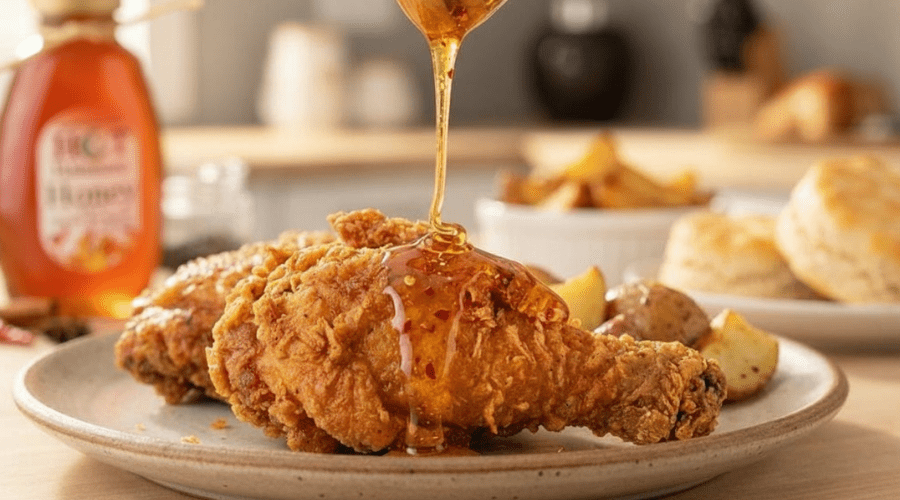
A drizzle is the most forgiving way to use hot honey. It sits on the surface, so you get a bright hit without saturating the whole dish. This is the move for pizza, fried chicken, grilled cheese, roasted Brussels sprouts, cornbread, and pretty much anything crunchy.
A glaze is bolder. You brush hot honey onto food near the end of cooking so it clings and caramelizes. Done right, it’s glossy and flavorful. Done too early, it can darken fast.
Stirring hot honey into sauces and dressings spreads it evenly, which is great for balance, but it’s also easy to overdo. Start small and build.
Marinades are the deepest flavor option, and they’re ideal when you want sweet heat in every bite. The key is dilution, because straight honey in a marinade can feel sticky and overly sweet.
How to Use Hot Honey
Finish, don’t cook – Drizzle hot honey after cooking to preserve its natural sweetness and spicy heat.
Balance the heat – Pair hot honey with fats, acid, or salt to create a smooth, well-rounded flavor.
Start small – Add a little at a time and adjust to taste for the perfect sweet-heat balance.
Quick reference table: how to use hot honey without going too far
| Method | When to add it | How much to start with | Best on | Why it stays balanced |
|---|---|---|---|---|
| Finishing drizzle | After cooking, at plating | 1/2 to 1 tsp per serving | Pizza, fried chicken, grilled cheese, roasted veggies, biscuits | Strong aroma, clean heat, easy to control |
| Finishing glaze | Last 5 to 10 minutes of cooking | 1 to 2 tsp per serving (brushed) | Salmon, shrimp, pork chops, wings, roasted carrots | Caramelizes without burning when added late |
| Sauce or dressing | Off heat, or right before serving | 1 tsp per cup of sauce, then taste | BBQ sauce, vinaigrettes, mayo-based dips | Spreads evenly, easier to tune with acid and salt |
| Marinade | 30 minutes to overnight | Use a ratio: 3 oil : 1 acid : 1 hot honey | Chicken thighs, tofu, pork tenderloin, grilled vegetables | Dilution prevents cloying sweetness and sticky burn |
🍯 Hot Honey Mastery Quiz
Test your "Sweet Heat" IQ!
Loading your first challenge...
Where hot honey shines (and how to keep it subtle)
Hot honey loves foods with structure: crisp edges, char, or a sturdy crumb. That structure gives you “moments” of honey instead of a uniform coating.
A few reliable pairings show up again and again in home kitchens because they naturally self-balance:
- crispy fried chicken or tenders
- pepperoni pizza
- roasted Brussels sprouts
- grilled cheese
- sweet potatoes and carrots
Use a light hand first, then add a second, tiny pass if you want more. Two small drizzles taste more integrated than one heavy pour.

Everyday dinner ideas that taste restaurant-level
1) Roasted vegetables with a two-step finish
Roast Brussels sprouts, broccoli, cauliflower, or carrots until browned. Then toss with a pinch of salt and a squeeze of lemon. Drizzle hot honey right before serving.
That squeeze of lemon matters. It keeps the honey from tasting flat, and it keeps the heat feeling bright instead of aggressive.
2) Salmon or shrimp with a late glaze
Season your salmon with salt, pepper, and a little garlic. Roast or grill. In the last few minutes, brush a thin layer of hot honey on top and let it set.
If you want it even gentler, mix the hot honey with a teaspoon of melted butter or olive oil first. You’ll still get the sweet heat, but it spreads more evenly and is less intense per bite.
3) A hot honey vinaigrette that doesn’t taste sugary
Whisk olive oil, vinegar (or lemon), Dijon mustard, salt, pepper, and a small spoonful of hot honey. Taste, then adjust with more vinegar before you add more honey.
A mustard-based dressing is a great “training wheels” recipe because mustard adds its own bite and keeps sweetness in check.

Marinade math you can remember
The easiest balanced marinade formula is:
3 parts oil : 1 part acid : 1 part hot honey
That can look like 3 tablespoons olive oil, 1 tablespoon lemon juice or vinegar, and 1 tablespoon hot honey for about a pound of chicken or tofu.
From there, build flavor with garlic, ginger, soy sauce, black pepper, smoked paprika, or cumin. Keep the honey portion steady at first. If the marinade tastes too sweet before cooking, it will taste even sweeter after cooking.
Cheese boards, snacks, and the “one-drop” approach
Hot honey with cheese is a classic because fat calms spice and salt makes sweetness taste sharper. You do not need much.
A simple trick is to put the hot honey in a small dish with a spoon, not a squeeze bottle. It slows you down, and the result tastes more intentional.
Here are three easy ways to serve it without taking over the board:
- Aged cheddar: one small spoonful on the side, with sliced apples for crunch
- Goat cheese: a few drops on top, then add cracked black pepper
- Brie: warm slightly, then drizzle sparingly and serve with toasted baguette
If you try this with cured meats, go lighter than you think. Salt and spice stack fast.
Breakfast and baking: keep the heat in the background
Hot honey works beautifully in breakfast, but it can overpower delicate flavors, especially in oatmeal or yogurt. The fix is simple: add it in tiny amounts and give it something creamy to cling to.
Try it on waffles or pancakes with butter first, then a thin drizzle. Butter acts like a buffer and makes the heat feel slower and rounder.
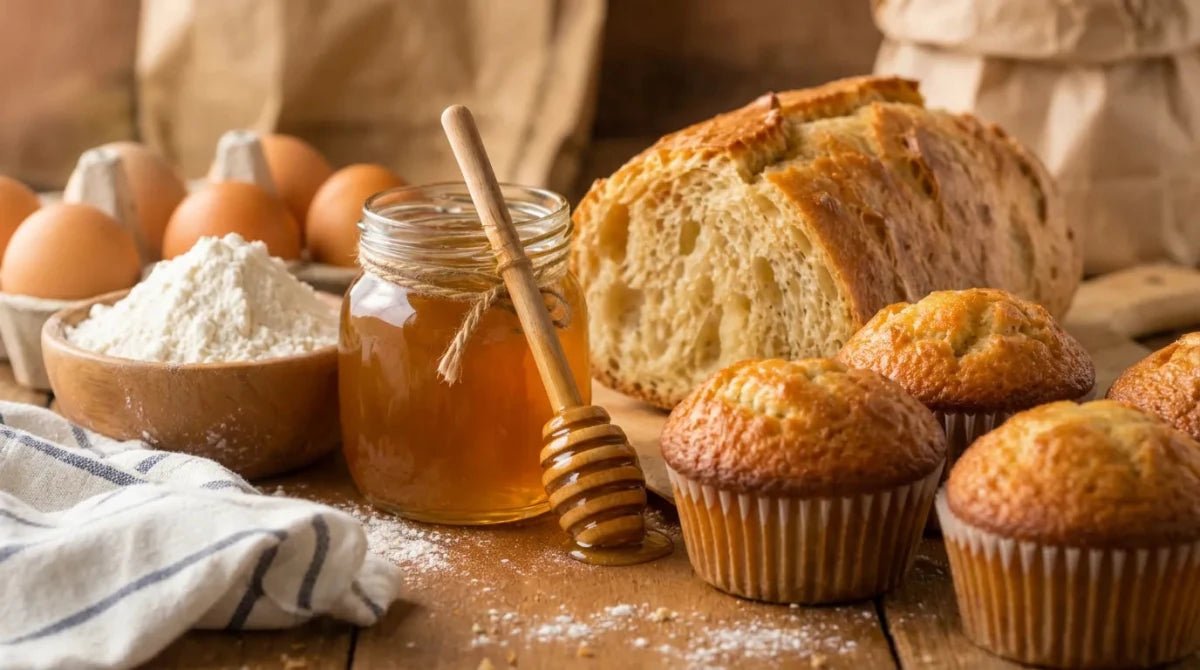
Cornbread is another favorite because the crumb soaks up honey quickly. If you like a milder bite, drizzle hot honey on just one corner of the slice and let each person decide how much to spread.
Banana bread can handle a little heat too, especially with a swipe of salted butter. Keep the drizzle thin and focus it on the top crust so you get aroma first.
Drinks, dips, and small-batch sauces
Hot honey can be a smart addition to drinks, especially tea, but it helps to think “hint,” not “main flavor.” Stir in a small amount, taste, then add lemon.
In dips, hot honey is best when paired with something tangy. A spoonful mixed into mayo, Greek yogurt, or sour cream makes a quick dip for chicken tenders, roasted potatoes, or veggies. Start small, because dips are easy to oversweeten.
When you add hot honey to BBQ sauce, chili, or a pan sauce, do it off heat or right before serving. You get more aroma, and you avoid cooking the honey too long.

Fixes when you went a little too far
Everyone overpours hot honey once. The good news is that the same “balance knobs” can pull it back fast.
Try one of these quick corrections:
- More acid: a squeeze of lemon or a small splash of vinegar to brighten and cut sweetness
- More salt: a pinch of flaky salt, grated Parmesan, or a salty topping like olives
- More bulk: add more of the main ingredient (more greens, more potatoes, more rice) to spread intensity
- More creaminess: yogurt, ranch, mayo, avocado, or a slice of melty cheese to soften heat
Even a few cucumber slices or a crunchy, lightly dressed slaw on the side can calm a hot honey-heavy bite.
A note on heat, storage, and texture
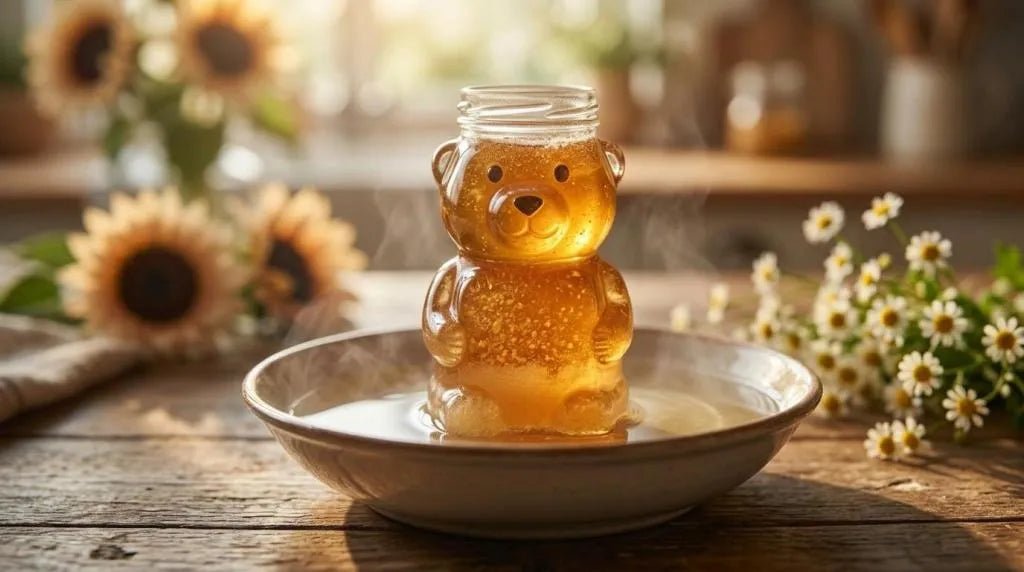
Hot honey can crystallize over time, just like any real honey. If it thickens, warm the bottle gently in a bowl of warm water until it loosens. Avoid microwaving in the plastic bottle.
For cooking, aim for medium heat and late application. Honey rewards patience. You want it glossy and aromatic, not dark and bitter.
And if you’re sharing with a crowd, consider serving hot honey on the side. It respects different heat preferences and keeps the dish itself well-balanced, with the sweet heat available in exactly the amount each person wants.
Pro Tip: The Power of the Pinch
When in doubt, always start with a tiny pinch or a single drop of hot honey. It's far easier to add more than it is to take away. This "less is more" approach ensures you build flavor gradually, allowing the hot honey to enhance, not overwhelm, your dish.
Summary
Hot honey is best used as a seasoning, not a sauce, to add excitement without overpowering your food. To keep its sweet heat balanced, start with small amounts, add it at the end of cooking, and pair it with contrasting flavors like acid, salt, or creaminess. Use hot honey as a finishing drizzle, glaze, in sauces, or diluted in marinades, and always aim for balance by combining it with foods that have structure or richness. If you overdo it, you can quickly fix the flavor with more acid, salt, bulk, or creaminess. For best results, add hot honey late in the cooking process and serve it on the side when sharing, so everyone can control the heat to their liking.
Hot Honey FAQ
Get quick answers to common questions about using hot honey without overpowering your food.
What is the best way to use hot honey?
Use hot honey as a finishing drizzle or glaze, adding it at the end of cooking to highlight its flavor without overwhelming your dish.
How much hot honey should I use?
Start with 1/2 teaspoon per serving and adjust to taste, as a little goes a long way.
How can I keep hot honey from making food too sweet or spicy?
Balance hot honey with acidic, salty, or creamy ingredients, and pair it with foods that have texture or richness.
Can I cook with hot honey, or should it only be used raw?
Hot honey can be used in cooking, but add it late or off heat to prevent burning or bitterness.
What should I do if I add too much hot honey?
Soften the flavor by adding more acid (like lemon juice), salt, or a creamy element, or increase the main ingredient to dilute the intensity.
Does hot honey need special storage?
Store hot honey at room temperature; if it crystallizes, gently warm the bottle in hot water to restore its smooth texture.

Author - Jim Douglas - Founder Huckle Bee Farms
For Jim Douglas, beekeeping is more than a craft—it’s a commitment to purity and the environment. After an honorable career in the U.S. Army and a tenure as a COO for the Boy Scouts of America, Jim sought a way to combine his leadership experience with his love for the outdoors.
In 2012, he founded Huckle Bee Farms with a simple mission: to take honey back to its raw, unadulterated roots. Jim’s expertise lies in the delicate balance of infusing raw honey with organic ingredients without compromising its natural medicinal properties. His "small-batch" philosophy ensures that every jar meets the highest standards of quality and transparency. Today, Jim continues to lead Huckle Bee Farms with the same integrity he practiced in uniform, ensuring that every drop of honey supports both the health of the consumer and the survival of the honeybee.
His mission is simple: to make life a little sweeter—naturally.
Key Takeaways for Using Hot Honey Effectively
Understanding how to use hot honey can elevate your dishes without overwhelming them. Here are the essential points to remember for achieving the perfect balance of flavor.
- Start Small: Begin with 1/2 teaspoon per serving to avoid overpowering your dish; you can always add more if needed.
- Add at the Right Time: Incorporate hot honey at the end of cooking to preserve its aroma and flavor, ensuring it enhances rather than dominates.
- Balance with Acidity: Pair hot honey with acidic ingredients like lemon or vinegar to cut sweetness and maintain a bright flavor profile.
- Use Complementary Textures: Foods with crispiness or richness work best, as they provide structure that allows the honey to shine without becoming cloying.
- Experiment with Methods: Try using hot honey as a drizzle, glaze, or marinade to find the best application for your dish.
- Adjust for Overuse: If you add too much hot honey, balance it out with more acid, salt, or bulk to soften the flavor intensity.
- Store Properly: Keep hot honey at room temperature and gently warm it if it crystallizes to maintain its smooth texture.