Baking with Honey: Enhance Flavor and Texture
How to Choose the Right Honey for Baking Cookies, Cakes, and Breads
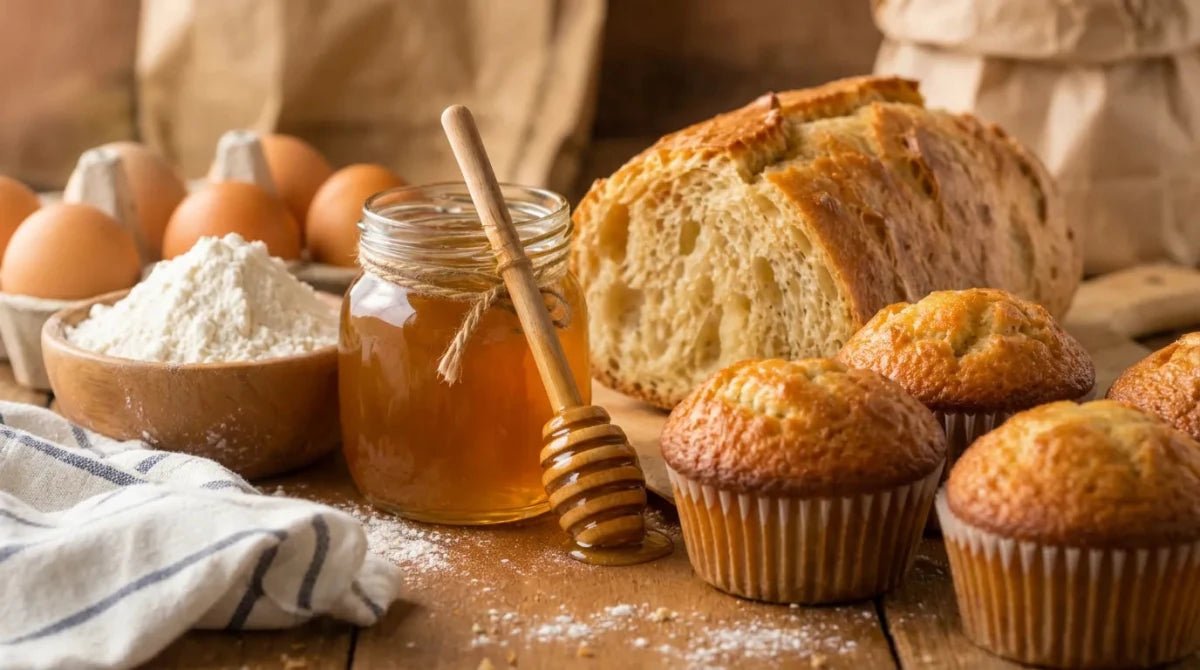
Baking with honey is an easy, natural way to replace refined sugar while creating softer, moister, more flavorful baked goods. Because honey contains both glucose and fructose, it sweetens efficiently, retains moisture, and enhances browning — making it ideal for breads, cakes, muffins, and cookies. This guide explains exactly how to bake with honey, including sugar-to-honey conversion ratios, temperature adjustments, and the best types of honey to use for consistent, bakery-quality results at home.
Baking with Honey: Quick Conversion Guide
Substituting honey for granulated sugar adds moisture, a beautiful golden crust, and complex floral notes to your bakes. Use these three golden rules for a perfect result every time:
- The 3/4 Ratio: Replace 1 cup of sugar with 3/4 cup of honey.
- The Liquid Balance:For every cup of honey used, subtract 1/4 cup of liquid (like milk or water) from the recipe to account for honey's natural moisture.
- The Acidity Fix: Add 1/4 teaspoon of baking soda for every cup of honey used to neutralize its natural acidity and ensure a proper rise.
- The Temp Adjustment: Lower your oven temperature by 25°F (approx. 15°C) to prevent over-browning, as honey carmelizes faster than cane sugar.
Table of contents

Honey is one of those ingredients that can make baked goods taste like they came from a tiny neighborhood bakery: fragrant, golden, and just a little more interesting than “sweet,” because baking using honey for digestion supports natural ingredients while offering unique health benefits. The trick is learning how to substitute honey for sugar in baking, as it's not just about substituting one ingredient but truly understanding the honey instead of sugar baking ratio, which is where a honey baking guide for those interested in learning how to bake with honey can be invaluable. It’s a whole spectrum of flavors and behaviors, and the “best honey for baking” depends on what you’re making and what you want the final bite to feel like.
If you've ever asked yourself, 'Can you bake with honey, and does honey burn faster than sugar?' and tried swapping it into a recipe, ending up with cookies that spread too much or a loaf that browned before the center finished, you've already met honey’s personality and could benefit from some baking tips. Let’s make that personality work for you.
“Honey doesn’t just sweeten baked goods — it improves moisture, depth of flavor, and texture in a way refined sugar can’t. Once you learn how to adjust for it, honey becomes one of the most reliable baking sweeteners in the kitchen.” 🍯
— Chef Daniel Whitmore, Pastry Chef & Culinary Instructor 👨🍳

Why Baking with Honey?
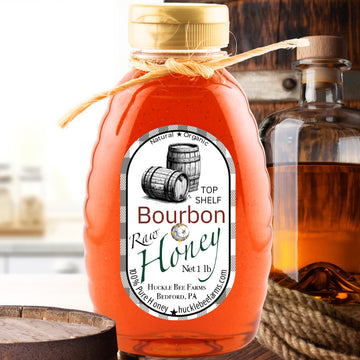
Baking with honey, an antioxidant-rich baking sweetener, offers several unique benefits of baking with honey as a baking sweetener that make it a popular choice among home bakers and professionals alike, especially when focused on healthy baking with honey for crafting delightful bourbon honey desserts and honey baked goods:
- Natural Sweetness: Honey is a natural sweetener for baking, providing a rich, complex flavor that’s often deeper and more nuanced than refined sugar.
- Moisture Retention: Honey attracts and retains moisture, so does honey make baked goods moist? Yes, it results in baked goods that stay fresher and softer for longer.
- Enhanced Flavor: Depending on the type of honey used, it can add floral, fruity, or earthy notes, enhancing the overall taste profile of your recipes.
- Improved Texture: Honey enhances flavor without refined sugar by creating a tender crumb and a pleasant chewiness in cookies, cakes, and breads.
- Better Browning: The natural sugars in honey promote beautiful golden-brown crusts and surfaces due to caramelization.
- Nutritional Value: Unlike refined sugar, honey contains trace vitamins, minerals, and antioxidants, making it a slightly healthier alternative.
- Lower Glycemic Index: Honey has a lower glycemic index than white sugar, which means it may have a gentler effect on blood sugar levels.
When substituting honey for sugar in recipes, it's important to know how much honey to use in baking; remember to use less (about 3/4 cup honey for every 1 cup sugar), reduce the liquid slightly, and make baking temperature adjustments when using honey to prevent over-browning. Baking with honey not only sweetens your treats but also elevates their flavor, texture, and shelf life.

What honey changes in the oven
Honey behaves differently than granulated sugar because it brings its own water, its own sugar blend (more fructose and glucose), natural acidity, and a rich source of antioxidants, which leads people to often wonder does honey change baking texture. In practical baking terms, that means honey influences texture, color, and how long things stay soft.
It’s also hygroscopic, which is a fancy way of saying it attracts and holds moisture. This is why honey cakes and muffins often stay tender longer, and why honey-sweetened breads can feel supple on day two.
Honey also browns fast. Fructose caramelizes at a lower temperature than table sugar, so honey-forward doughs and batters can shift from “perfectly golden” to “too dark” quickly, especially around the edges.
One more wrinkle: raw honey contains natural enzymes that are still active before baking, which leads many to ask, 'Can you bake with raw honey?' and makes baking with raw honey vs processed honey a unique experience. You don’t need to be a food scientist to benefit from that. Many bakers simply notice that high-quality raw honey can produce a softer crumb and a more rounded flavor.
Start with the flavor you want (mild to bold)
When people ask for the best honey for baking cookies, cakes, and breads, they’re often really asking: “Will this honey taste loud or quiet once it’s baked?” Heat softens some delicate aromas, but honey’s core character still comes through, especially in simple recipes.
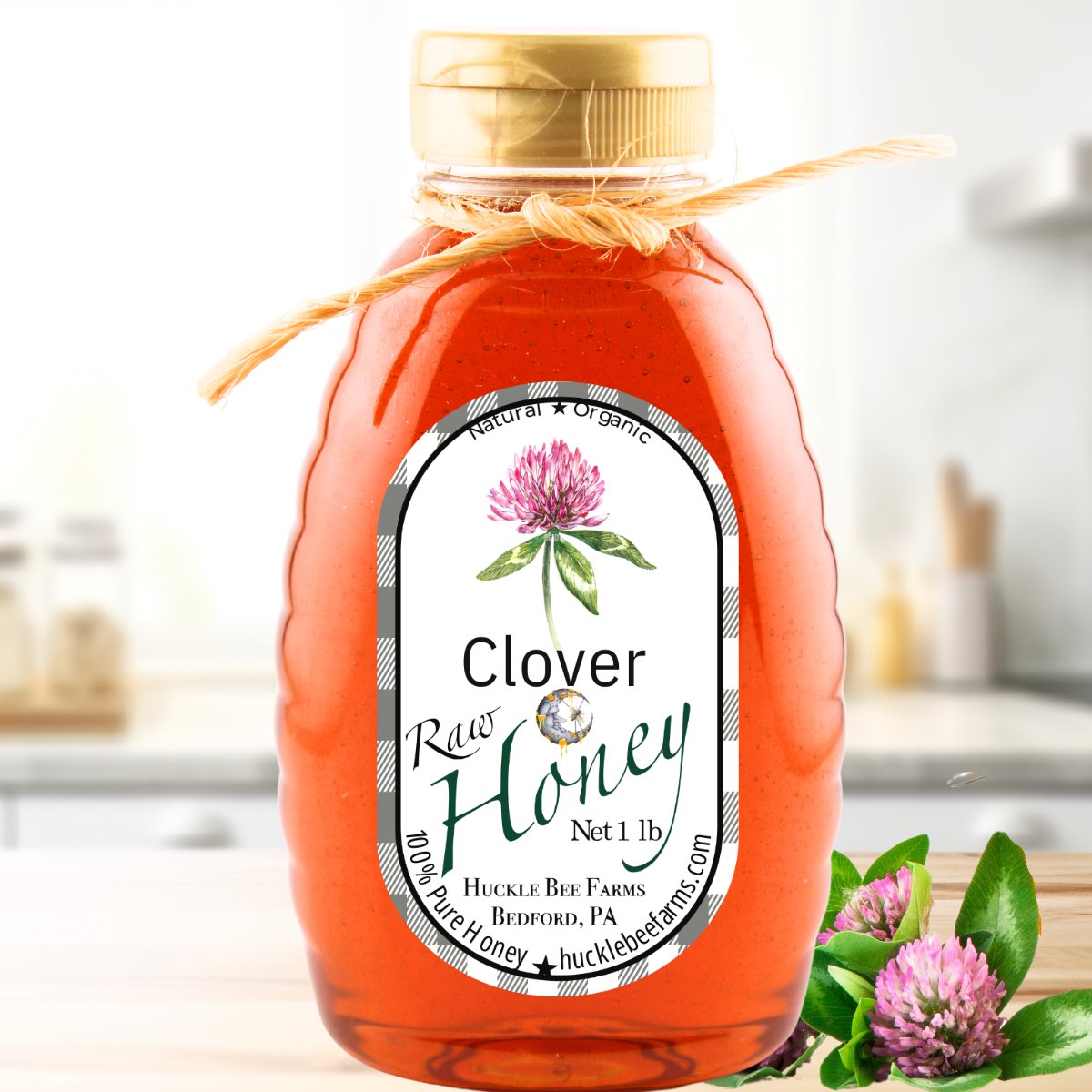
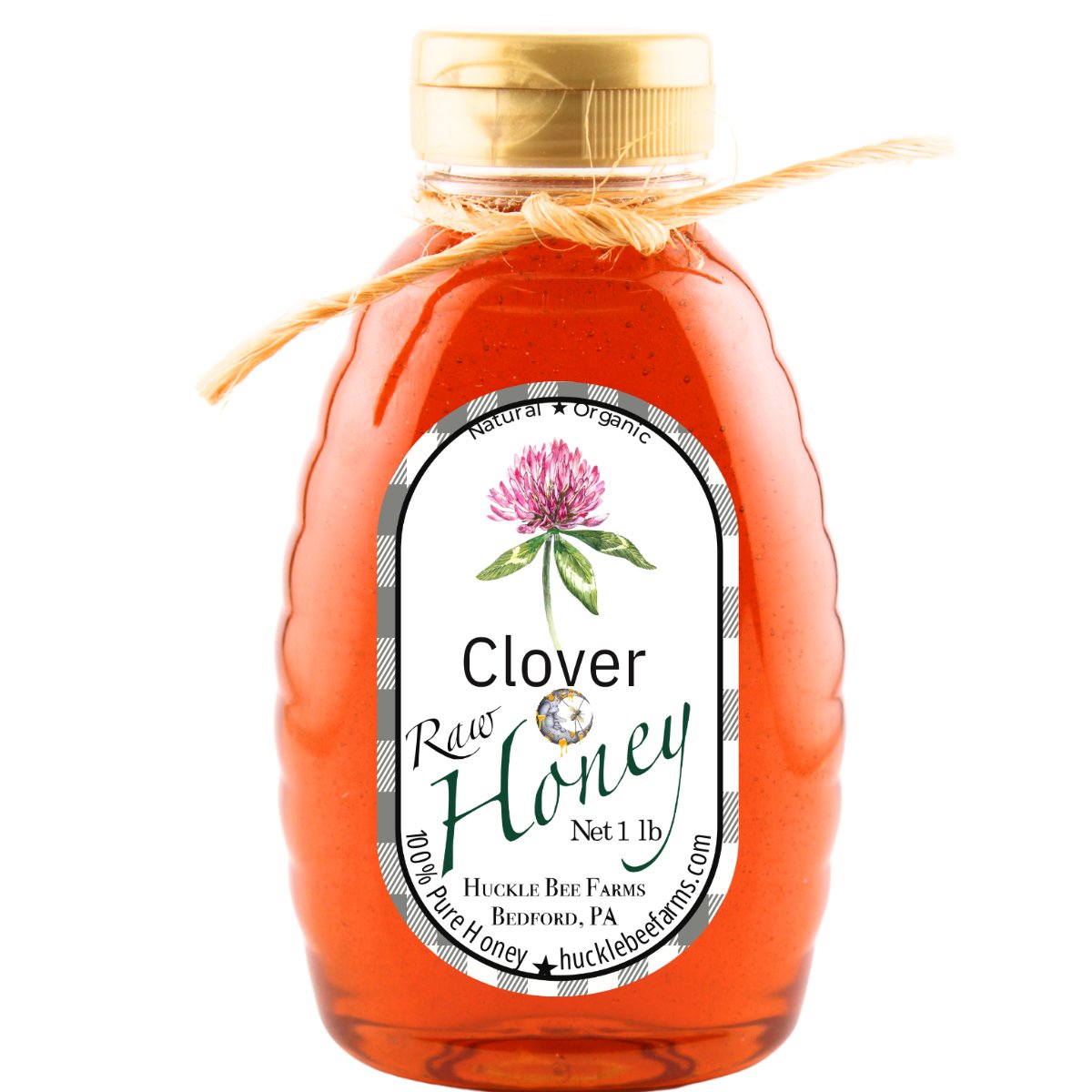
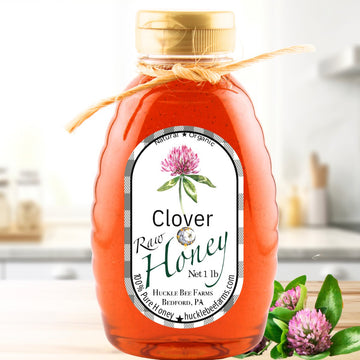
Light honeys, such as clover honey for baking, tend to read as clean sweetness with a gentle floral note, making them a perfect choice for honey brownies. Dark honeys lean malty, earthy, and intense, sometimes with a molasses-like vibe that pairs beautifully with spice, rye, cocoa, and nuts. Wildflower honey sits in the middle, offering complexity that can taste different from season to season.
After you’ve chosen your “volume level,” consider incorporating flavored honey baking recipes to match it to the recipe’s other flavors. A buttery sugar cookie doesn’t need to fight a bold honey, but it can certainly benefit from wildflower honey baking for low refined sugar baking, like added moisture and a longer-lasting softness. A gingerbread or dark rye can handle it and actually benefits from it.
A simple way to think about pairing is below.
- Vanilla cake, shortbread, madeleines
- Oatmeal cookies, banana bread, granola
- Gingerbread, spice cake, pumpernickel-style loaves
- Citrus loaf cakes, lemon poppy muffins, orange glaze
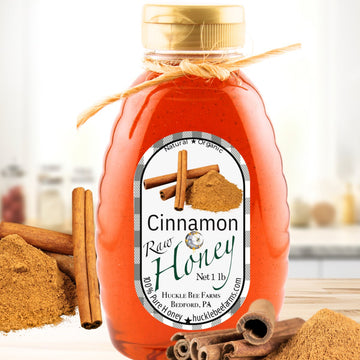
If you enjoy playing with flavor, infused honeys can act like a shortcut ingredient and offer healthy alternatives. A cinnamon Honey can add warmth without opening the spice cabinet. A smoked or chili honey can move a cornbread glaze from pleasant to memorable.
🍯 Quick Quiz: Which Honey Fits Your Bake?
Answer 3 questions to find your perfect match.
1. What are you planning to bake?
A quick baker’s conversion guide (when swapping for sugar)
Honey is sweeter than sugar by weight, and it adds extra moisture. So when you replace sugar with honey, you usually need less honey and less liquid. You also need to keep an eye on browning.
Use this as a starting point, then adjust based on your recipe, your honey’s intensity, your preference for healthy alternatives, and how honey affects baking.
- Amount: Use 1/2 to 2/3 cup honey for every 1 cup sugar
- Liquid: Reduce other liquids by about 1/4 cup per 1 cup honey
- Browning: Lower oven temperature by about 25°F and check early
- Leavening: Add a pinch of baking soda if the recipe has no baking soda and uses a lot of honey
These are guidelines, not laws. When considering baking conversion sugar to honey, a thin cake batter may need less liquid reduction than a sticky bread dough. Cookies can be a separate world entirely because spread is influenced by fat, flour, and how warm your dough is.
Honey to Sugar Baking Conversion Chart
When baking with honey instead of refined sugar, use the following conversions for consistent results:
| Sugar Amount | Honey Amount | Baking Adjustments |
|---|---|---|
| 1 cup sugar | ¾ cup honey | Reduce oven temp by 25°F and reduce liquid by ¼ cup |
| ¾ cup sugar | ½ cup + 1 Tbsp honey | Reduce liquid by 3 Tbsp |
| ½ cup sugar | ⅜ cup honey | Reduce liquid by 2 Tbsp |
| ¼ cup sugar | 3 Tbsp honey | Reduce liquid by 1 Tbsp |
Cookies: crisp edges, chewy centers, and controlled spread
Honey can make cookies more tender and chewy because it holds onto moisture. That’s great for an oatmeal cookie or a soft honey cookie. It can be frustrating if you were aiming for crisp snap.
For crisp cookies, use a mild honey and consider blending honey with some granulated sugar instead of going all-in. Sugar helps create structure and encourages that dry, snappy finish. Honey can still be part of the sweetener mix, giving flavor without pushing everything into “soft cookie” territory.
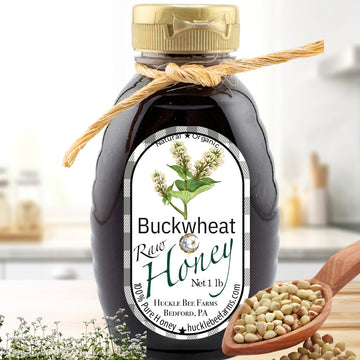
For chewy cookies, honey is your friend. A medium honey like wildflower can add depth without taking over. If you like bolder flavors, buckwheat honey can make a chocolate cookie taste darker and more complex, even without adding extra cocoa.
A practical tip: if your honey has started to crystallize, warm it gently before baking so it blends evenly. Crystals usually melt in the oven, but they can make mixing harder and leave uneven pockets in the dough.

Cakes and quick breads: moisture that lasts (without heaviness)
Honey shines in quick breads, snacking cakes, muffins, and anything you want to stay tender for a couple days with the added benefit of antioxidants. Banana bread, zucchini bread, pumpkin loaves, and spice cakes all love honey’s moisture retention and the deeper browning it brings.
Because honey is mildly acidic, it can shift how your leaveners behave. Recipes that already contain buttermilk, yogurt, sour cream, or citrus may not need much tweaking. A more neutral batter might benefit from a small amount of baking soda to balance acidity and support lift, especially when honey makes up a big share of the sweetener.
Flavor choice matters a lot in cakes because the base is often simple: flour, fat, eggs, sweetener, and incorporating healthy honey baking recipes with natural baking sweeteners can elevate the flavor profile. A delicate honey like clover or alfalfa works well in vanilla-forward cakes where you want a clean finish. A more complex wildflower honey adds a gentle “something” people can’t always identify, but they notice it.
For dark cakes, bold honey is a power move. Buckwheat honey can echo the flavors of toasted flour, cocoa, espresso, and warming spices. It can also deepen the color dramatically, so watch the bake time and consider tenting the top with foil if it browns too early.
Yeast breads: feeding fermentation and building a beautiful crust
In yeasted dough, honey does more than sweeten. Its sugars feed yeast, its acidity can support dough strength, and its moisture content when baking with honey helps keep the crumb soft after baking. The downside is that honey-heavy doughs can get sticky and slack.
If you’re learning how to replace sugar with honey in a bread recipe that didn’t call for it, start small. Many bakers like honey at about 5 to 10 percent of flour weight, then adjust. You’ll usually need to hold back some water during mixing and add it gradually until the dough feels right.
Honey also helps crust color develop quickly, which is why preventing overbrowning when baking with honey can be crucial. That’s wonderful for dinner rolls and sandwich loaves where you want a glossy, bronzed finish. It’s less wonderful when you’re baking a large loaf and the outside is getting too dark while the middle still needs time. Lowering the oven temperature slightly and baking a bit longer, as part of baking time adjustments with honey, can solve that.
Honey choices at a glance
The easiest way to build a baking pantry is to keep a few “jobs” covered: a mild honey for delicate bakes, a versatile all-purpose honey, and a bold honey for spice and whole grain, highlighting the benefits of honey vs sugar in baking. Here’s a quick cheat sheet.
| Honey style | Flavor intensity | Best baking uses | What to watch for |
|---|---|---|---|
| Clover (light) | Mild | Sugar cookies, vanilla cake, glaze for scones | Can get lost in heavily spiced recipes |
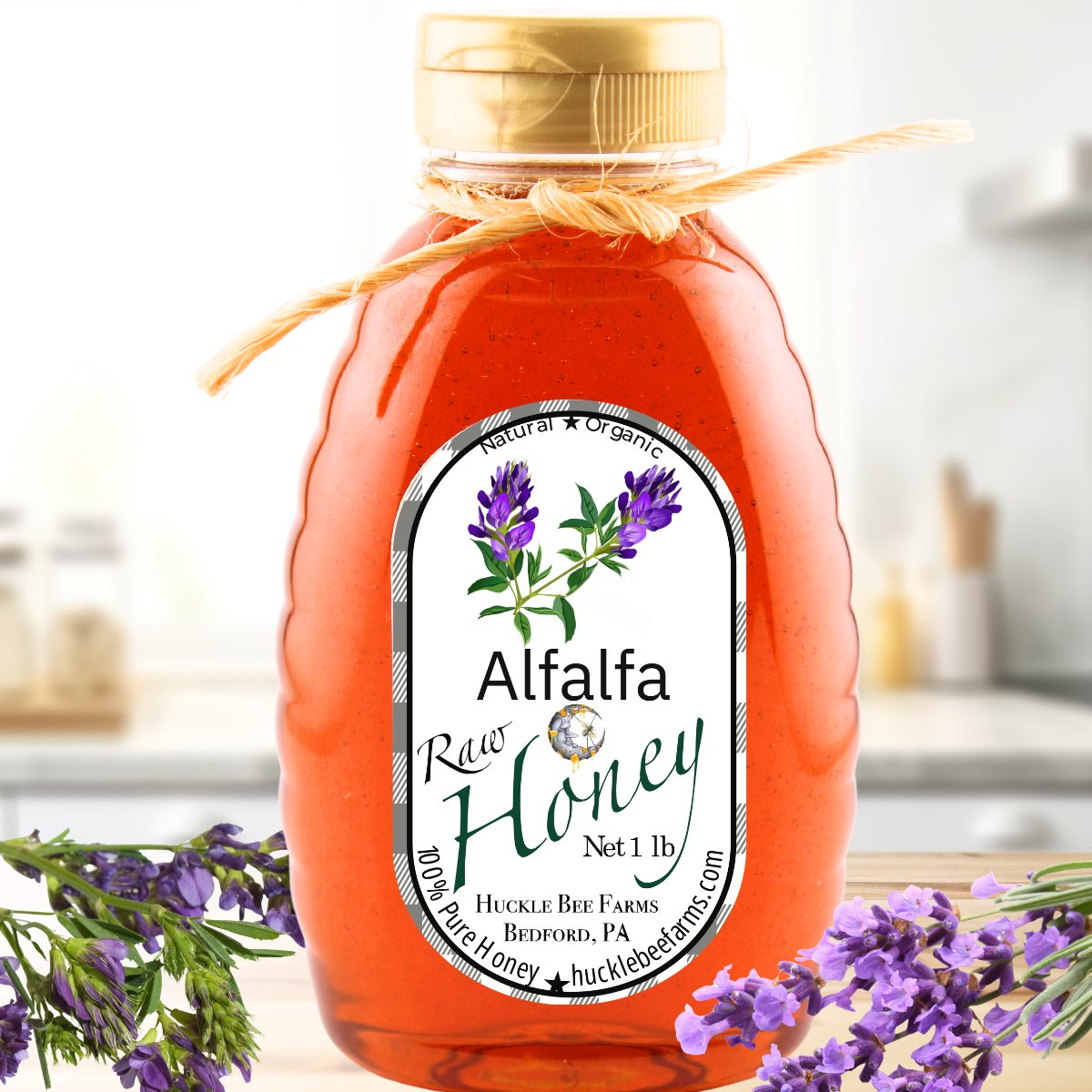
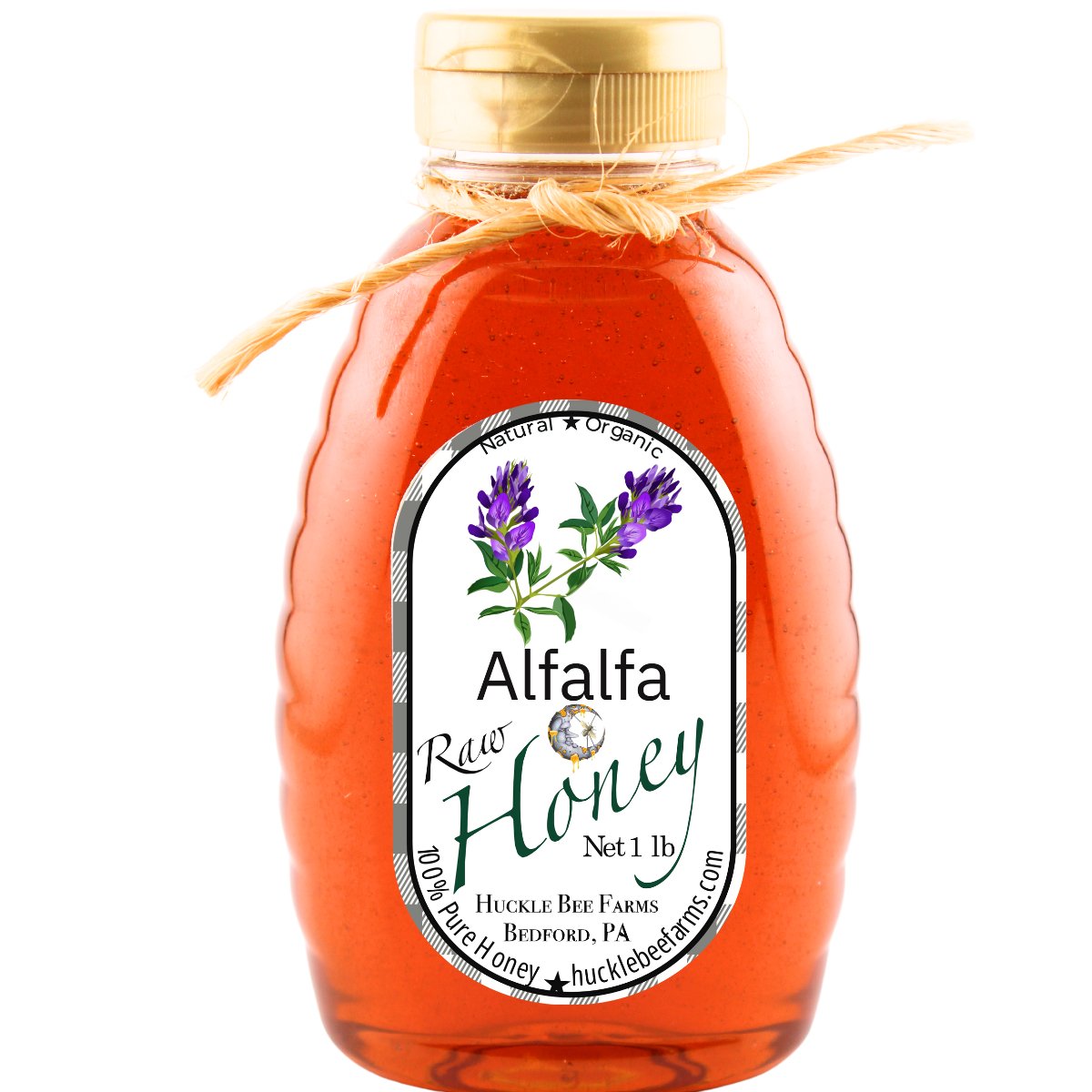
| Alfalfa (light) | Mild to gentle | Quick breads, muffins, tea cakes | Great when you want sweetness without a strong honey note |
| Wildflower (medium) | Medium | Oatmeal cookies, banana bread, granola, everyday baking | Flavor can vary by season and region, which can be a fun feature |
| Buckwheat (dark) | Bold | Gingerbread, spice cake, rye breads, chocolate bakes | Strong flavor and deep color, start with smaller amounts |
| Infused honey (cinnamon, pumpkin spice, smoked, hot) | Varies | Swirls, glazes, finishing drizzle after baking | Taste can intensify in simple recipes, measure thoughtfully |
Raw, filtered, or infused: what matters most for baking
A lot of grocery-store honey is heated and filtered for consistent color and slow crystallization. It still works in baking, and many people use it successfully. Raw, unfiltered honey often has a more vivid flavor and may retain more of honey’s natural character before it goes into the oven, aligning with the idea that baking with honey supports natural ingredients.
At Huckle Bee Farms, the focus is on small-batch raw honey and bottling on demand for freshness. That matters to bakers because fresher honey tends to taste brighter, and unfiltered honey can bring more depth, especially in recipes where honey is a featured flavor rather than a background sweetener.
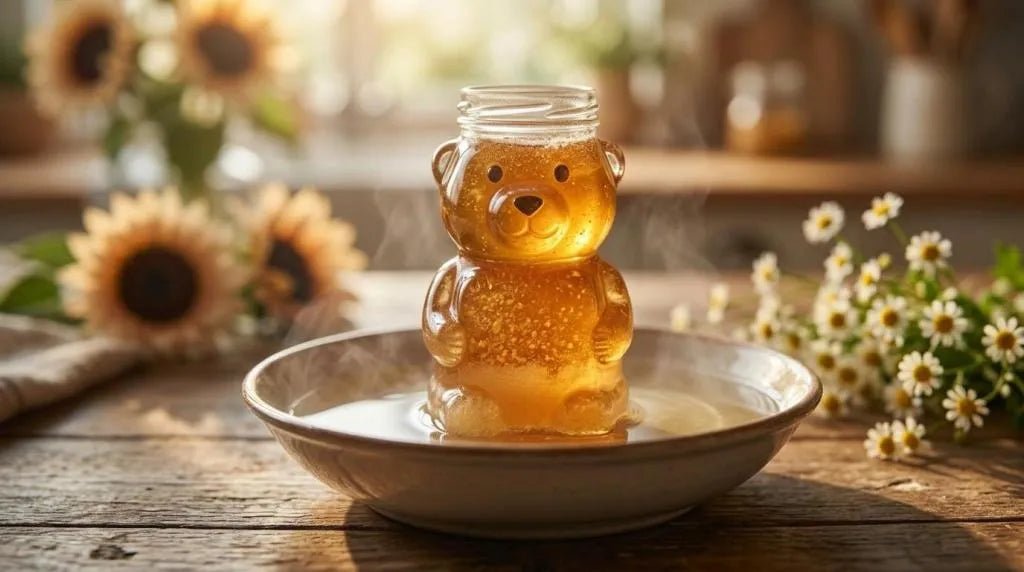
Raw honey also crystallizes naturally over time, which is normal and not a sign of spoilage. If you bake often, crystallization is more of a workflow issue than a quality issue. A warm water bath is usually all it takes to return honey to a pourable state. Try to avoid microwaving in a rush, since overheating can flatten flavor.
Infused honey is its own category. In baking, it works best when you treat it like both sweetener and seasoning. A cinnamon-infused honey can replace some of the spice in a muffin batter, or enhance the flavor of honey baked bread. A smoked honey can turn a simple cornbread into something you’d happily serve with chili. Hot honey can be magic brushed on warm rolls or drizzled over a cooled loaf cake.
Storage is simple: keep honey sealed, cool, and dry, away from direct sunlight. Honey is shelf-stable, but it can absorb moisture from humid air if left open, and excess moisture can cause fermentation. For baking consistency, the main goal is keeping it pourable and aromatic.


Picking “the best” honey for your bake (without overthinking it)
If you want one jar that can do almost everything, choose a balanced wildflower honey. It’s versatile in cookies, cakes, and breads, and it tends to bring a pleasant honey note without going too dark or too assertive.
If you bake delicate desserts, keep a light honey on hand too. Clover or alfalfa honey is ideal when you want sweetness to stay in the background while butter, vanilla, or almond takes center stage.
If you love spice, whole grain, chocolate, or darker bakes, add a jar of buckwheat honey and use it like a seasoning as much as a sweetener. A small swap can change the whole personality of a loaf.
And if you like baking gifts or holiday batches, an infused honey is a friendly shortcut: one ingredient that adds sweetness plus a clear flavor theme, whether that’s cinnamon warmth, smoky depth, or a little heat.
Frequently Asked Questions
1. Can I use honey in all baking recipes?
While honey can be used in many baking recipes, it’s important to consider the type of baked good and the desired texture. Honey works well in moist recipes like cakes, muffins, and quick breads, but it may not be ideal for recipes that require a crisp texture, such as certain cookies. Adjustments in liquid and temperature are also necessary when substituting honey for sugar to achieve the best results.
2. How does the type of honey affect the flavor of baked goods?
The type of honey you choose can significantly influence the flavor profile of your baked goods. Light honeys, like clover, provide a mild sweetness, while darker honeys, such as buckwheat, offer bold, rich flavors. The floral or earthy notes of different honeys can enhance or complement the other ingredients in your recipe, making it essential to select the right honey based on the overall flavor you want to achieve.
3. What adjustments should I make when substituting honey for sugar?
When substituting honey for sugar, use about 3/4 cup of honey for every cup of sugar. Additionally, reduce other liquids in the recipe by about 1/4 cup to account for honey's moisture content. Lower the baking temperature by approximately 25°F to prevent over-browning, and consider adding a pinch of baking soda if the recipe lacks it, as honey's acidity can affect leavening.
4. Is raw honey better for baking than processed honey?
Raw honey is often considered better for baking because it retains more of its natural flavors and beneficial properties, such as enzymes and antioxidants. These characteristics can enhance the taste and texture of baked goods. However, processed honey is also effective in baking and may be more convenient for some bakers. Ultimately, the choice depends on personal preference and the specific recipe being used.
5. How should I store honey for optimal baking results?
To maintain the quality of honey for baking, store it in a sealed container in a cool, dry place away from direct sunlight. Honey is shelf-stable but can absorb moisture from the air, which may lead to fermentation. If your honey crystallizes, gently warm it in a water bath to return it to a pourable state, avoiding microwaving, which can alter its flavor.
6. Can I mix different types of honey in a single recipe?
Yes, mixing different types of honey can create unique flavor profiles in your baked goods. For instance, combining a mild honey with a bolder variety can balance sweetness and enhance complexity. This approach allows you to tailor the flavor to complement the other ingredients in your recipe, making it a fun way to experiment with different taste combinations.
7. What are some common mistakes to avoid when baking with honey?
Common mistakes when baking with honey include not adjusting the liquid content, using too high a temperature, and failing to account for honey's unique browning properties. Additionally, using honey in recipes that require a crisp texture can lead to overly soft results. Always remember to measure carefully and make necessary adjustments to achieve the desired outcome in your baked goods.
Conclusion
Baking with honey not only enhances the flavor and texture of your treats but also offers unique health benefits that refined sugar cannot match. By understanding how to properly substitute honey for sugar, you can create delicious baked goods that stay moist and flavorful longer. Explore the diverse range of honey options available to elevate your baking experience. Discover our selection of premium honey products today!

Author - Jim Douglas - Founder Huckle Bee Farms
For Jim Douglas, beekeeping is more than a craft—it’s a commitment to purity and the environment. After an honorable career in the U.S. Army and a tenure as a COO for the Boy Scouts of America, Jim sought a way to combine his leadership experience with his love for the outdoors.
In 2012, he founded Huckle Bee Farms with a simple mission: to take honey back to its raw, unadulterated roots. Jim’s expertise lies in the delicate balance of infusing raw honey with organic ingredients without compromising its natural medicinal properties. His "small-batch" philosophy ensures that every jar meets the highest standards of quality and transparency. Today, Jim continues to lead Huckle Bee Farms with the same integrity he practiced in uniform, ensuring that every drop of honey supports both the health of the consumer and the survival of the honeybee.
His mission is simple: to make life a little sweeter—naturally.
Key Takeaways for Baking with Honey
This list summarizes the essential points to remember when using honey in your baking, highlighting its unique properties and how to effectively substitute it for sugar.
- Honey's Natural Sweetness – Honey provides a rich, complex flavor that enhances baked goods beyond simple sweetness, making it a preferred choice for many recipes.
- Moisture Retention Benefits – Honey's hygroscopic nature helps retain moisture, resulting in baked goods that stay fresh and tender longer.
- Flavor Variability – Different types of honey, from light clover to bold buckwheat, can significantly alter the flavor profile of your baked treats, so choose wisely based on your recipe.
- Adjusting Baking Ratios – When substituting honey for sugar, use about 3/4 cup of honey for every cup of sugar, and reduce other liquids by 1/4 cup to maintain the right consistency.
- Temperature Considerations – Lower the baking temperature by approximately 25°F to prevent over-browning, as honey caramelizes faster than sugar.
- Texture Impact – Honey can create a tender crumb in cakes and cookies, but may lead to overly soft textures in recipes that require crispness, so adjust your sweetener mix accordingly.
- Raw vs. Processed Honey – Raw honey retains more natural flavors and beneficial properties, making it a better choice for recipes where honey is a key flavor component.
- Infused Honey Options – Consider using infused honeys to add unique flavors to your baked goods, enhancing both sweetness and taste complexity.
Comments
What about using honey vs white sugar in my mother’s pumpkin pie? We use milk and a tablespoon of cream as well as eggs to our real pumpkin. Our real pumpkin can be watery. I want to try honey but I am not a great baker, however, this is the time to try…no guests just me & wife….