Discover Answers to Your Honey FAQs at Huckle Bee Farms
Huckle Bee Farms: Answers About Raw & Infused Honey — Benefits, Uses, and Pollinator Care
This guide answers common questions about honey, covering sourcing, quality, processing, and everyday use to help you better understand what makes real honey special.
Table of contents

This is your quick, friendly FAQ from Huckle Bee Farms. We cover the basics and the useful bits — what raw and infused honey are, how to use them in the kitchen and for wellness, why honey sometimes crystallizes, and how we support pollinators in our community. You’ll find clear, practical tips for storage and recipes plus a straight‑forward look at the farm’s small‑batch approach, tea pairings, and ordering support. The page is organized into six focused sections: raw honey benefits, infused honey uses, crystallization and storage, pollinator importance and our work, what makes our products unique (including tea pairings), and how to order or get help. Read on for evidence‑based notes, real examples, and simple steps you can try today.
What Are the Key Benefits of Raw Honey from Huckle Bee Farms?
Raw honey keeps more of the natural bits you don’t get in heavily processed jars — pollen, enzymes, and antioxidants — because we don’t pasteurize or over‑filter it. Those components contribute to honey’s antioxidant and mild antibacterial actions. In everyday terms, raw honey is a flavorful natural sweetener that can soothe a sore throat, add depth to recipes, and offer trace nutrients you won’t find in refined sugar. Below is a quick summary you can use at a glance.
Scientific studies point to specific plant compounds and enzymes that give honey much of its antioxidant activity.
Honey's Antioxidant Power: Flavonoids & Phenolic Acids
Researchers have examined the flavonoids and phenolic acids in honey and how those molecules help explain honey’s antioxidant effects. These plant‑derived compounds play a large role in honey’s protective qualities.
Honey as a potential natural antioxidant medicine: an insight into its molecular mechanisms of action, S Ahmed, 2018
Primary benefits of raw honey:
- Antioxidant support: Raw honey supplies polyphenols that help neutralize free radicals and support overall cellular health.
- Soothing and mild antibacterial action: Natural enzymes can produce small amounts of hydrogen peroxide, which contributes to topical soothing and throat relief.
- Digestive support: Pollen and oligosaccharides in raw honey can act as mild prebiotics for a healthy gut environment.
- A better natural sweetener: Raw honey replaces refined sugar with complex flavor and trace nutrients that lift recipes.
That overview leads into the why: how those components work and why minimal processing matters.

How Does Raw Honey Support Health and Wellness?
Raw honey contributes in a few measurable ways. Its polyphenols help reduce oxidative stress, which can support lower inflammation when part of a balanced diet. Enzymes like glucose oxidase help create conditions that are less friendly to microbes, which is one reason honey has traditional use for minor wound care and soothing sore throats. For digestion, the pollen and short‑chain sugars act as gentle food for beneficial gut bacteria. Taken together, these properties explain why raw honey works both as a kitchen ingredient and a simple wellness ally.
Why Choose Huckle Bee Farms' Small‑Batch Raw Honey?
Small batches mean we can watch each jar: from flavor to clarity to pollen presence. That care preserves delicate enzymes and the floral character that changes with the seasons. As a veteran‑owned, artisan producer, Huckle Bee Farms centers quality, clear sourcing, and pollinator education in our work. If you want honey with personality — and a producer who invests in bees and community — our unpasteurized, pollen‑positive jars are a straightforward choice.
Different honey types and processing methods have distinct traits. Use this table to compare at a glance.
| Honey Type | Characteristic | Typical Effect |
|---|---|---|
| Raw wildflower honey | Unpasteurized, contains pollen and enzymes | Rich flavor, antioxidant presence, natural variability |
| Processed commercial honey | Heat‑treated, filtered, reduced pollen content | More uniform texture and shelf stability but fewer natural compounds |
| Huckle Bee Farms small-batch raw honey | Unpasteurized, small‑batch, pollen present | Distinctive flavor notes with preserved enzymes and trace pollen benefits |
How Can You Use Infused Honey from Huckle Bee Farms?

Infused honey starts with our raw base and picks up flavor from real ingredients — spices, botanicals, roasted beans, or thoughtful extracts. The infusion moves aroma and flavor into the honey so a small spoonful can add a lot: swirl into tea, use as a glaze, finish roasted veggies, or drizzle over cheese. Infused honeys are pantry shortcuts that bring concentrated flavor without extra steps.
Demand for premium, locally made, and interesting flavors has helped flavored honey become a growing part of the market.
Flavored Honey: Consumer Trends & Healthy Food Choices
Recent work looks at how consumer interest in local, high‑quality, and health‑minded foods has driven the development and acceptance of flavored honeys. Shoppers increasingly seek unique, responsibly produced options.
Honey market challenges: Flavored honey as healthy food choice for consumers, P Šedík, 2024
Popular artisan infusions include Bourbon, Cinnamon, Espresso, and Salted Caramel — each brings a different role at the table. Match the flavor to your use case with the quick list below.
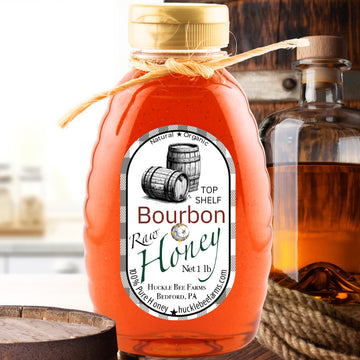
- Bourbon infused honey: Warm, caramel tones — great in cocktails, marinades, and glazes for smoked or roasted meats.
- Cinnamon infused honey: Cozy spice — perfect for oatmeal, yogurt, baked fruit, and spiced teas.
- Espresso infused honey: Roasted, bittersweet depth — pairs with coffee drinks, chocolate desserts, and creamy ice creams.
- Salted Caramel infused honey: Sweet‑savory balance — a lovely finish for desserts, cheese boards, and sauces.
What Are the Popular Infused Honey Flavors and Their Uses?
Each infusion highlights certain taste notes that pair best with specific dishes. Bourbon brings oaky, caramel warmth that lifts grilled meats and cocktails. Cinnamon adds spice to baked fruit, pancakes, or teas. Espresso lends roasted depth to coffees and chocolate treats. Salted caramel creates contrast on cheese plates or drizzled over tarts. Use small amounts to amplify a recipe — infused honey is about flavor layering, not just sweetness.

How Do Infused Honeys Enhance Culinary and Beverage Recipes?
Infused honeys build flavor while adding gloss, viscosity, and binding power that other sweeteners can’t match. They caramelize under heat for color and mouthfeel and dissolve gently into warm liquids, carrying aromatics through the drink. A few practical tips: add honey later in cooking to protect volatile flavors, use moderate heat, and balance sweetness with acid or salt. For example, whisk bourbon‑infused honey with mustard and apple cider vinegar for a quick glaze that caramelizes beautifully on roasted root vegetables.
Use this quick table to guide pairing and recipe ideas.
| Infused Flavor | Key Taste Notes | Best Use / Recipe Example |
|---|---|---|
| Bourbon | Warm, oaky, caramel | Glaze for roasted pork or a bourbon‑honey cocktail |
| Cinnamon | Warm spice, aromatic | Drizzle for oatmeal or baked apples |
| Espresso | Roasted, bitter‑sweet | Sweetener for coffee drinks or chocolate desserts |
| Salted Caramel | Sweet‑salty, buttery | Finish for cheese plates or caramel tarts |
Why Does Honey Crystallize and How Should You Store It?
Crystallization is a natural, physical change when glucose molecules form tiny crystals and separate from the liquid part of honey. Raw honeys with more glucose or more pollen tend to crystallize faster. Crystallization is not spoilage — it’s a sign of minimal processing and can be reversed by gentle warming. Knowing why it happens helps you store and enjoy honey without worry.
Practical storage tips to keep honey tasting and feeling its best:
- Keep at stable room temperature: Aim for about 60–80°F and out of direct sun.
- Use airtight, food‑safe containers: Glass jars work well and keep moisture out.
- Don’t refrigerate: Cooler temps speed up crystallization and change texture.
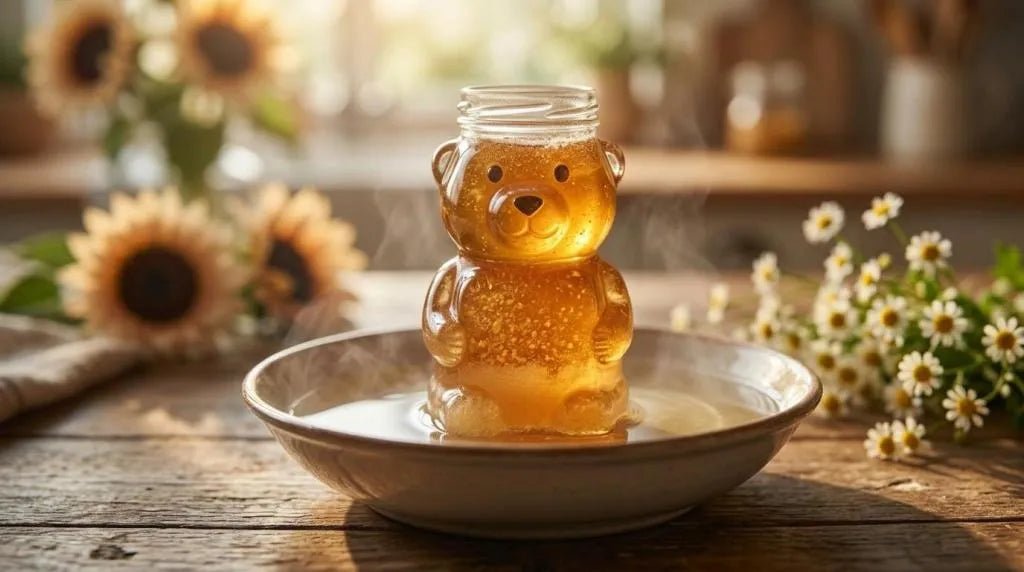
- Re‑liquify gently: Warm the jar in a warm water bath to dissolve crystals; avoid microwaves.
What Causes Honey Crystallization and Is It Safe?
Crystallization is driven by the glucose‑to‑fructose ratio and by tiny particles like pollen that act as starting points for crystals. Seasonal nectar sources affect those ratios. Crystallized honey is safe to eat and often easier to spread. To return it to liquid, warm the jar gently in a water bath — avoid overheating so enzymes and aromatics stay intact.
What Are the Best Practices for Storing Raw and Infused Honey?
To protect flavor and texture — and any delicate infusion ingredients — store jars in a cool, steady spot away from heat and sunlight. Glass is ideal for long‑term storage because it prevents flavor transfer and moisture ingress. If crystals or sediment form in infused jars, warm and stir to reincorporate, and strain if you prefer a clear finish. Never overheat jars: high temperatures can flatten flavor and reduce enzyme activity.
The mini‑table below shows common crystallization situations and what to do.
| Condition | Cause | Recommended Action |
|---|---|---|
| Fast crystallization | High glucose‑to‑fructose ratio | Store at stable room temp; warm gently to re‑liquify |
| Visible pollen or particles | Natural nucleation sites | Warm and stir after gentle heating to redistribute |
| Infused honey with sediment | Added ingredients settling | Warm, stir, and strain if you want a smooth finish |
Why Are Pollinators Important for Food and How Does Huckle Bee Farms Support Them?

Pollinators — bees, butterflies, and other insects — are essential for many fruits, nuts, and vegetables. Their work supports biodiversity, stronger harvests, and resilient ecosystems. Loss of habitat, disease, and pesticide exposure threaten pollinator populations, which is why conservation and community action matter. Understanding pollinators’ role explains why growers, gardeners, and brands like ours invest in habitat and education.
The role of pollinators in food production and ecosystem health is widely recognized in agricultural and scientific communities.
Pollinator Crisis: Impact on Food Production & Security
Animal pollinators contribute significantly to human food production and food security. Declines in pollinator populations across regions have raised concerns about potential impacts on crop yields and biodiversity, prompting research into conservation priorities.
Effects of a possible pollinator crisis on food crop production in Brazil, SMA Novais, 2016
How you and producers can help — simple, effective steps:
- Plant native wildflowers and pollinator‑friendly species to provide nectar and pollen through the seasons.
- Limit pesticide use or choose targeted, pollinator‑safe options when control is necessary.
- Support local education and community programs that build habitat and raise awareness.
What Role Do Pollinators Play in Food Production and Ecosystems?
Pollinators move pollen between flowers so fruit, seeds, and nuts can form. Many crops — apples, almonds, berries, and numerous vegetables — rely on animal pollination for good fruit set and size. Beyond crops, pollinators help maintain plant diversity that keeps ecosystems healthy. Because pollinator declines can reduce yields and biodiversity, protecting their habitat is a vital part of sustainable farming and community resilience.
How Does Huckle Bee Farms Contribute to Pollinator Health and Conservation?
At Huckle Bee Farms, pollinator education and habitat support are part of our mission. We pair premium honey products with outreach: sharing how to create pollinator‑friendly spaces, offering resources, and engaging local groups. Our approach blends product advocacy, hands‑on education, and community projects to help people take simple conservation steps. Buying from producers who prioritize pollinators is one way customers can support this work.
What Makes Huckle Bee Farms' Honey and Tea Products Unique?
We focus on small batches, real‑ingredient infusions, and clear messaging about pollinators and community. Minimal processing preserves flavor nuance and the seasonal character of each jar. Being veteran‑owned adds a values‑driven layer to our work — attention to detail, stewardship, and service. Partnerships with tea brands let us offer curated pairings and gift options that move honey beyond the pantry and into thoughtful gifting and tasting experiences.
Standout features:
- Small‑batch craftsmanship and real ingredients that keep flavor alive.
- Veteran‑owned mission focus emphasizing care, community, and education.
- Tea pairings and gift formats that turn honey into a lifestyle and gifting choice.
Those elements combine to make our products both delicious and meaningful.
How Does Being Veteran-Owned and Small-Batch Impact Product Quality?
Veteran ownership and small‑batch production let us focus on traceability, quality control, and sensory checks that mass producers often can’t. Small runs mean we preserve floral notes and choose infusion ingredients with care. Our mission‑driven approach also steers sourcing and community outreach. For customers, that shows up as authentic flavor, thoughtful packaging, and stewardship you can support with your purchase.
What Tea Selections Complement Huckle Bee Farms' Honey Offerings?
Match tea strength to honey intensity. Light, floral honeys pair beautifully with delicate green and white teas. Bold infused honeys like Bourbon or Espresso shine with robust black teas and roasted blends. Cinnamon‑forward honeys blend well with herbal or spice teas, while salted caramel pairs with dessert or vanilla‑forward blacks. Brewing tip: use warm (not boiling) water and add honey just after steeping to preserve delicate aromatics.
How Can Customers Order and Get Support from Huckle Bee Farms?

Shopping is straightforward: browse the online shop for small‑batch and infused honeys, choose tea pairings or gift sets, then complete checkout and pick your shipping option. For help after purchase, visit our contact and support pages or check our public business listing for reviews and updates. The steps below outline the typical flow from discovery to support.
Follow these simple steps to order and get help:
- Browse products in the online shop and choose honey, infused flavors, or tea pairings.
- Complete checkout and select a shipping option; handling times are shown at purchase.
- Join or use the loyalty program to collect rewards if you’re enrolled.
- Contact support via the site’s contact page or our public business listing for questions or feedback.
What Are the Shipping, Returns, and Loyalty Program Details?
We aim for clear shipping and returns information at checkout. Royal Rewards — our loyalty program — gives repeat customers points or perks for purchases. Shipping options and handling estimates are displayed during checkout, and our return policy explains how to resolve order issues through support. For exact timelines, eligibility, and current program details, check the support resources on the site.
How Can Customers Contact Huckle Bee Farms for Questions or Feedback?
Want help or want to leave feedback? Use our contact page or public business profile to send questions, reviews, or comments. We value community engagement and route outreach through those channels. For a personal touch, Jim — Founder and CEO — is a visible part of our story, and we welcome reviews and participation that help us improve products and further pollinator education.
This page has walked through raw and infused honey benefits, culinary uses, crystallization and storage, pollinator importance, what makes our products unique, and how to buy or contact us.

Conclusion
Choosing raw and infused honey from Huckle Bee Farms brings more than flavor — it connects you to small‑batch care, natural ingredients, and pollinator support. With a little knowledge about storage and use, our honeys can brighten everyday recipes and special moments alike. Explore our selection of small‑batch jars and curated tea pairings in the online shop to find the right flavors for your kitchen or gifts.
Asking the right questions about honey helps deepen understanding of its sourcing, quality, and uses—making it easier to choose and enjoy honey with confidence.
Frequently Asked Questions
What is the difference between raw honey and processed honey?
Raw honey is minimally processed and keeps pollen, enzymes, and antioxidants that contribute to flavor and some health benefits. Processed honey is typically heat‑treated and filtered, which smooths texture and extends uniformity but reduces those natural components. Many people prefer raw honey for its taste, texture, and trace elements.
How can I incorporate honey into my daily diet?
Use honey as a natural sweetener in tea, coffee, or smoothies; drizzle it over yogurt, oatmeal, or pancakes; or add it to dressings, marinades, and glazes. Try infused varieties to add unique flavors with minimal effort — a spoonful can change the whole profile of a dish.
Are there any potential allergies or sensitivities to honey?
Most people tolerate honey well, but those with pollen or bee product allergies may react. Symptoms can include itching, swelling, or digestive upset. If you have known allergies or experience a reaction, consult a healthcare professional. Also, do not give honey to infants under one year due to the risk of botulism.
What are the environmental benefits of supporting local honey producers?
Buying local honey supports pollinator health, regional biodiversity, and local economies. Local beekeepers often practice habitat care and reduced pesticide use, which helps pollinators and the surrounding ecosystem. Supporting local producers also strengthens community connections around sustainable food.
How does Huckle Bee Farms educate the community about pollinator health?
We run workshops, share resources, and partner with local organizations to raise awareness about pollinators. Our goal is to give people the tools and knowledge to create pollinator‑friendly spaces and support bee health in their own neighborhoods.
Can honey be used in skincare, and what are its benefits?
Yes. Honey has natural antibacterial and moisturizing properties and can soothe minor skin irritations. It’s often used in DIY masks or spot treatments for dry skin, and raw honey’s antioxidants can help protect skin from free radical damage. As with any skincare ingredient, test on a small area first if you have sensitive skin.
What should I do if my honey crystallizes?
Crystallization is normal and harmless. To return honey to liquid, place the jar in a warm water bath and stir until crystals dissolve. Avoid microwaving or overheating, which can reduce flavor and beneficial enzymes. Proper room‑temperature storage helps slow crystallization.
Here is a link to learn how to un-crystalize your HONEY

Author - Jim Douglas - Founder Huckle Bee Farms
Jim is the heart and hands behind Huckle Bee Farms, a family-run honey company dedicated to bringing small-batch, infused honeys from the hive to your table. As a passionate beekeeper, storyteller, and advocate for pollinators, Jim blends his love for nature and creativity into every bottle. When he’s not tending to the hives or experimenting with new honey infusions, you’ll find him sharing recipes, health tips, and bee wisdom with the Huckle Bee Farms community. His mission is simple: to make life a little sweeter—naturally.
Key Takeaways from Huckle Bee Farms' Raw and Infused Honey
This list summarizes the essential points about the benefits, uses, and unique qualities of raw and infused honey from Huckle Bee Farms, providing a quick reference for customers and honey enthusiasts.
- Raw Honey Benefits – Rich in antioxidants, raw honey supports cellular health and offers soothing properties for sore throats.
- Infused Honey Versatility – Infused honey enhances culinary experiences, adding unique flavors to dishes and beverages with minimal effort.
- Crystallization Explained – Honey crystallization is a natural process indicating minimal processing; it can be reversed by gentle warming.
- Pollinator Support – Huckle Bee Farms actively contributes to pollinator health through habitat preservation and community education initiatives.
- Small-Batch Quality – The small-batch production ensures attention to detail, preserving the unique flavors and beneficial properties of honey.
- Community Engagement – Huckle Bee Farms emphasizes local support and education, fostering a connection between consumers and sustainable practices.